Eight Glass Components for Dichroic Filter Integration and High-Reliable Fixtures
For Mexico City buyers, the fastest route to a stable optical assembly is usually a combined glass strategy: a dichroic filter or coated window for spectral control, plus a matched dome, lens, shade or cover for mechanical and environmental protection. The parts below are production-ready starting points for OEM adaptation.
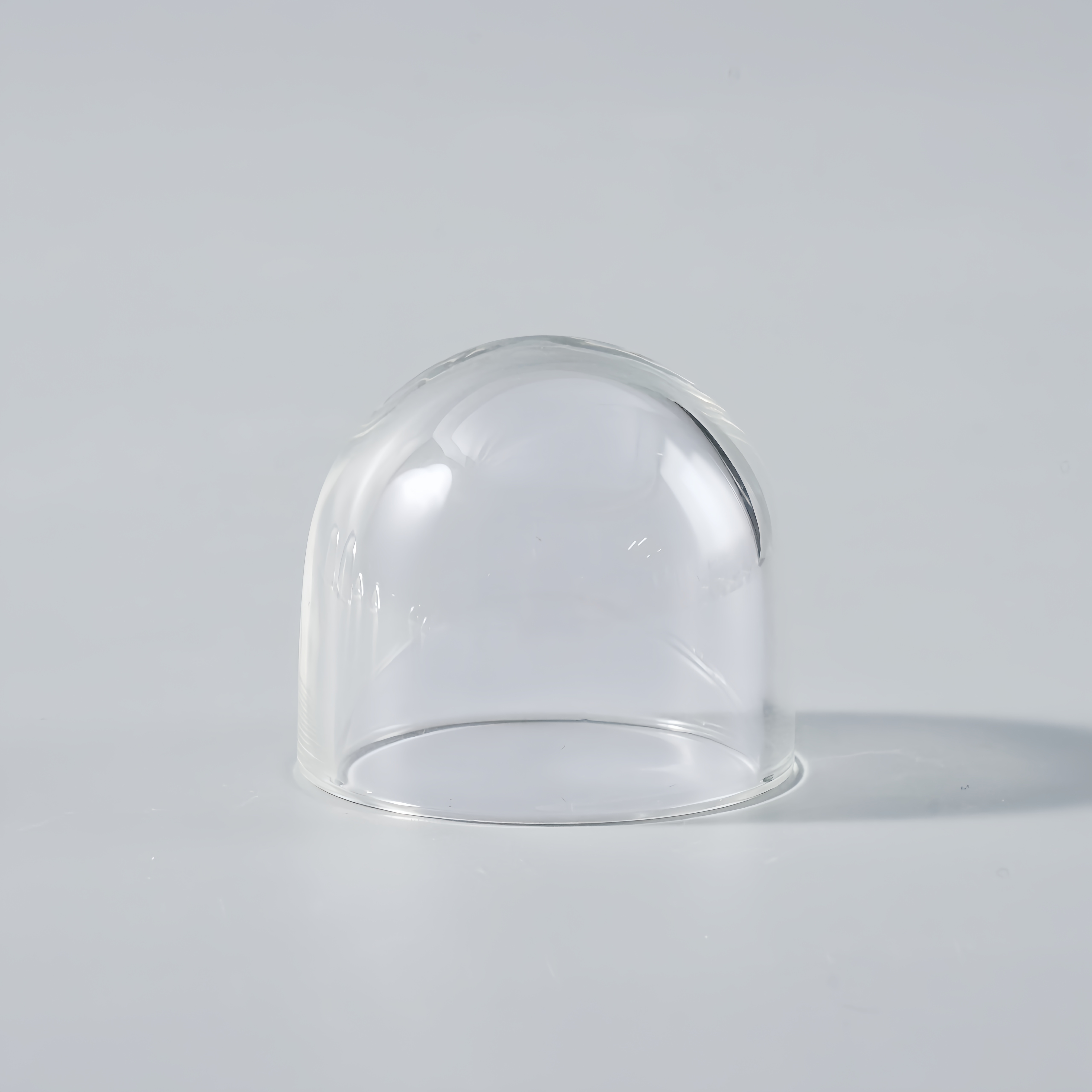
Customizable OEM Optical Glass Domes Broadband AR Coating Precision Hemispherical Windows for LiDAR Sensors Scientific
Recommended where a dichroic filter stack needs a pressure-resistant, low-reflection hemispherical window. Suitable for sensor housing prototypes, environmental enclosures and scientific instruments.
Review specification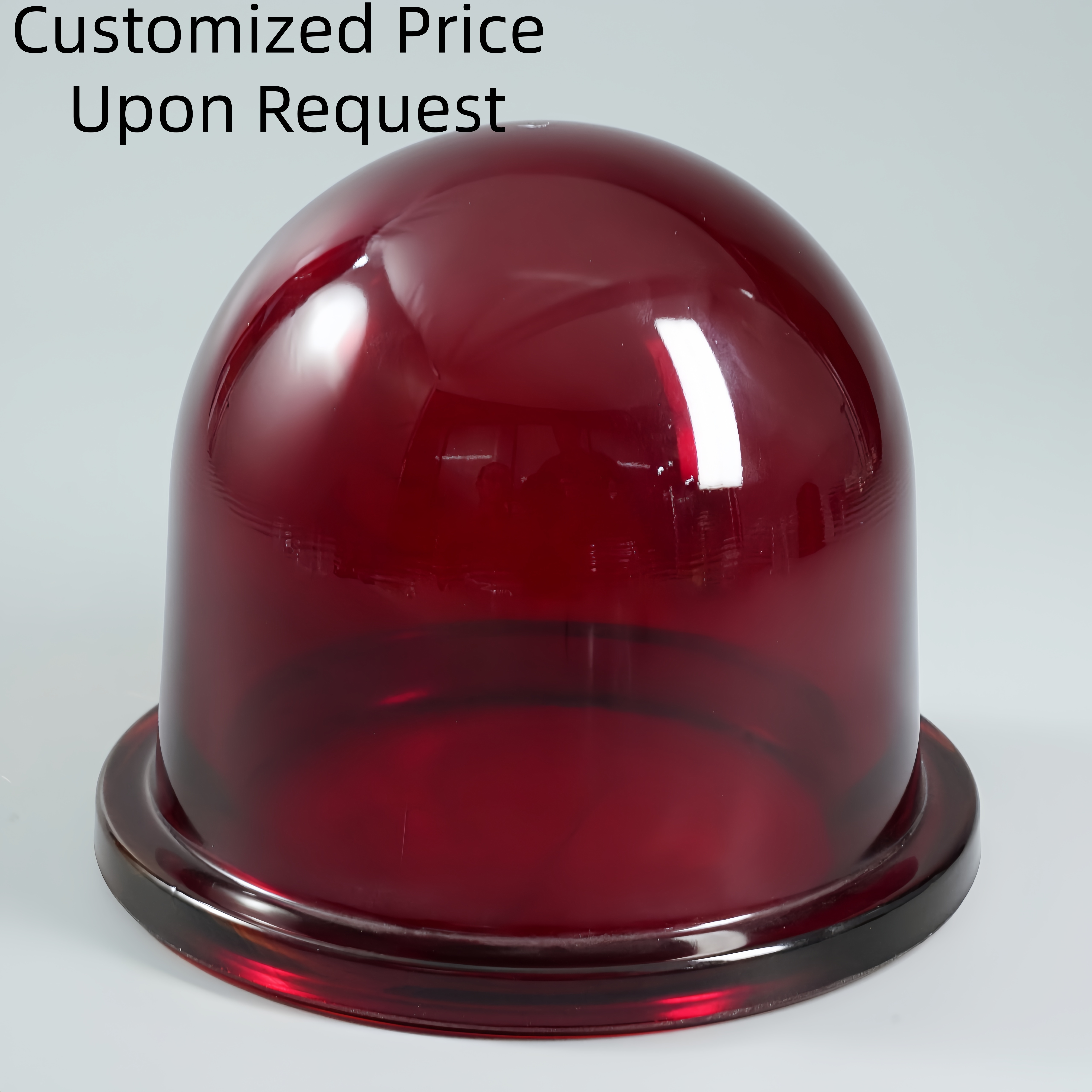
High-temperature Resistant Pressed Glass Shade, Explosion-proof & Crack-proof, Outdoor Street Light Specific
A practical outer cover for high-bay, street and area fixtures that use dichroic or IR-cut elements internally. The pressed glass body handles thermal cycling and reduces contamination risk.
Review specification
Supplier Custom Size Shape Pressed Mold Heat Resistant High Borosilicate Headlight Glass Lens Cover Headlight Glass Cover
Best suited to custom optical apertures where coating durability, thermal shock resistance and dimensional repeatability matter. A strong candidate for headlamp, work-lamp and specialty vehicle projects.
Review specification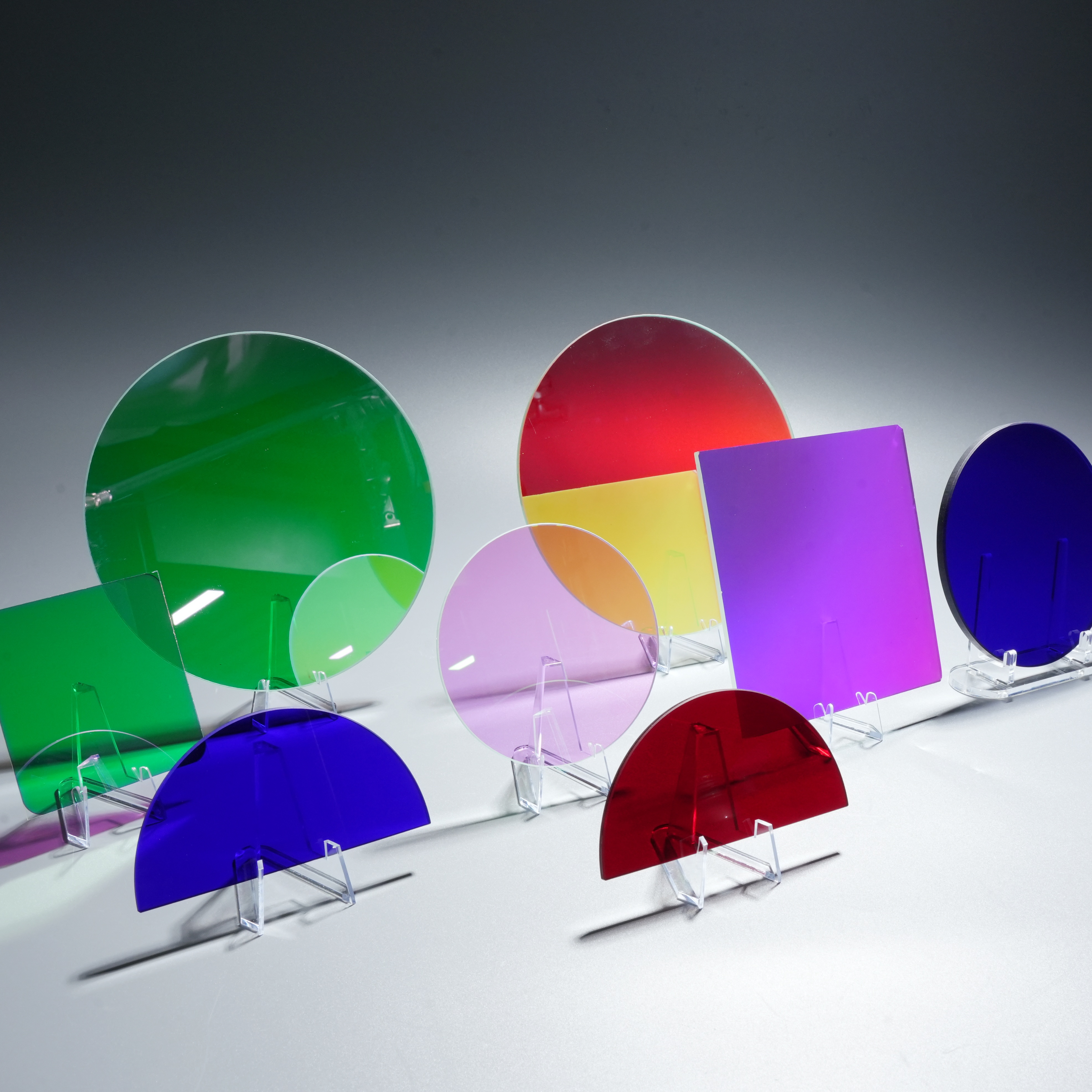
BO-GLASS BO-AH242 Manufacturer Customized High Precision 590Nm 49Mm Coated UV Borosilicate Bandpass Longpass Optical Filter
A reference product for custom wavelength selection, UV blocking and coated borosilicate filter development. Useful for instruments, machine vision and lighting systems requiring repeatable spectral performance.
Review specification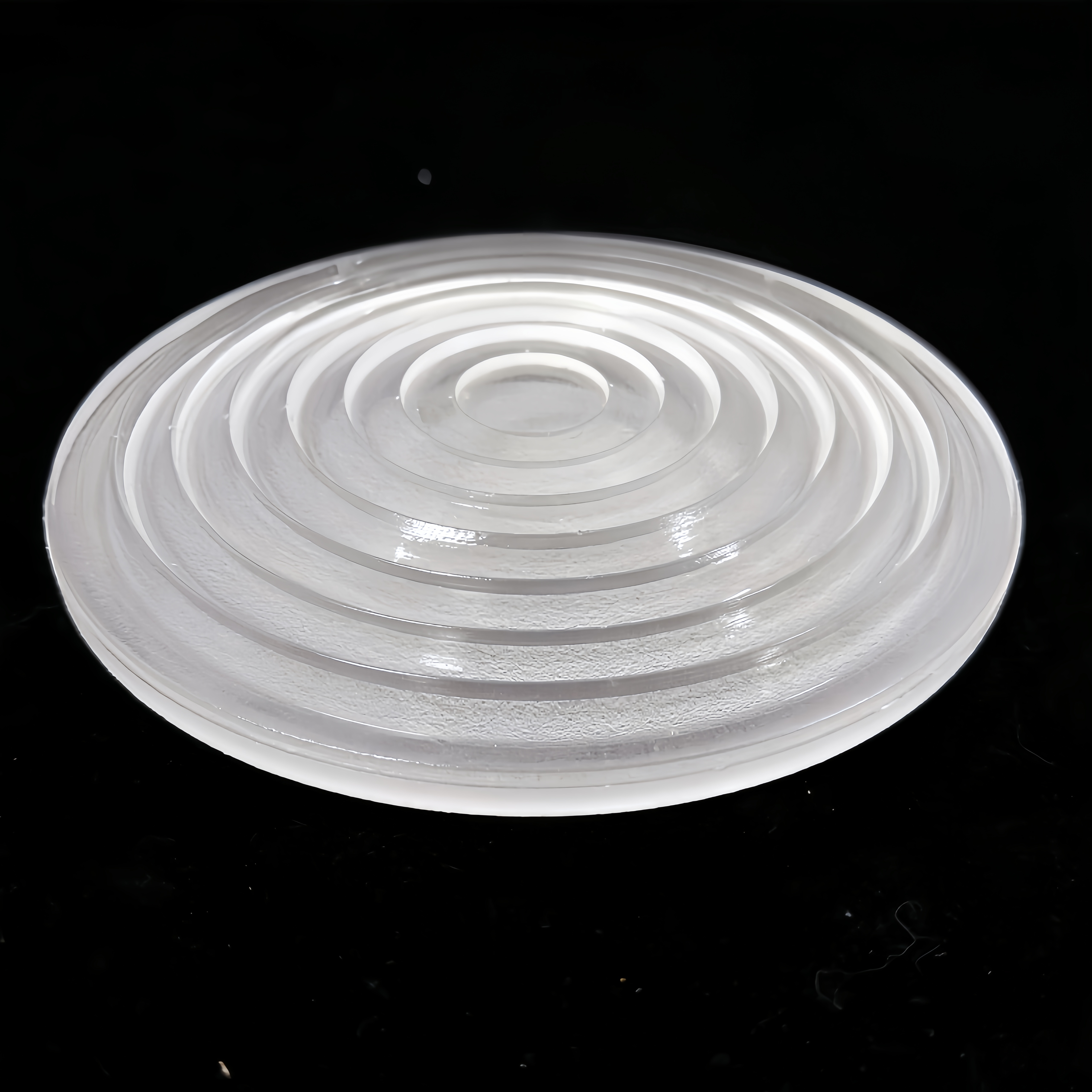
High Temperature Resistant Borosilicate Glass Fresnel Lens Anti-Reflective Coating High Power LED Collimation Stage Lighting
Recommended for Mexico City studios, theatres and rental fleets replacing gels with dichroic color and heat-control solutions. The borosilicate body supports high-power LED and traditional source heat loads.
Review specification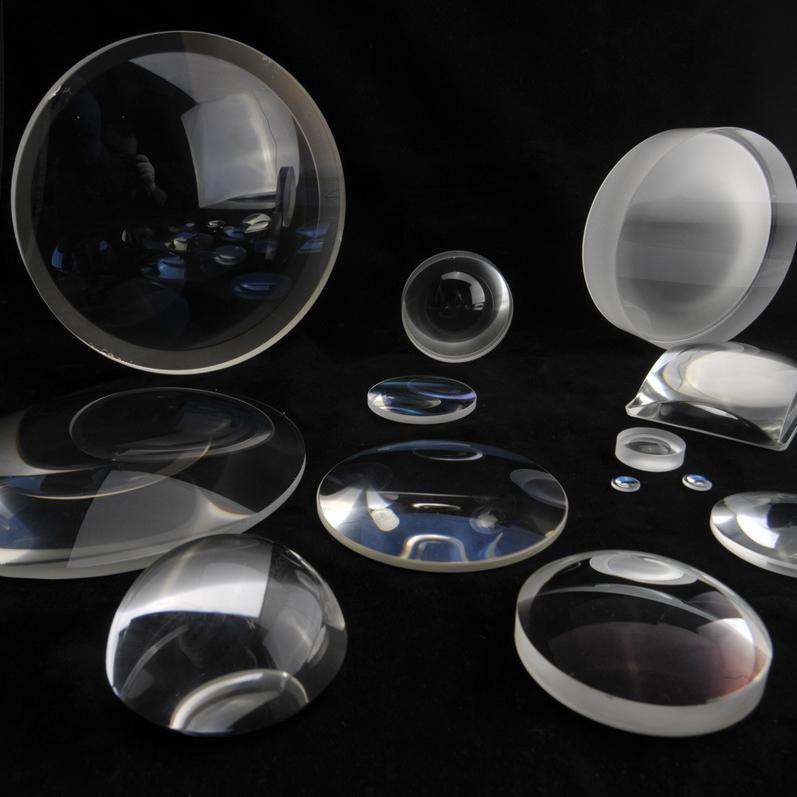
Custom High Quality Diameter 80Mm 127Mm 250Mm Spherical K9 Optical Coating Glass Plano Convex Lens for Big Magnifying
A precision lens platform for projection, magnifying systems, inspection equipment and optical benches. When paired with a dichroic filter, it helps control beam shape without sacrificing spectral purity.
Review specification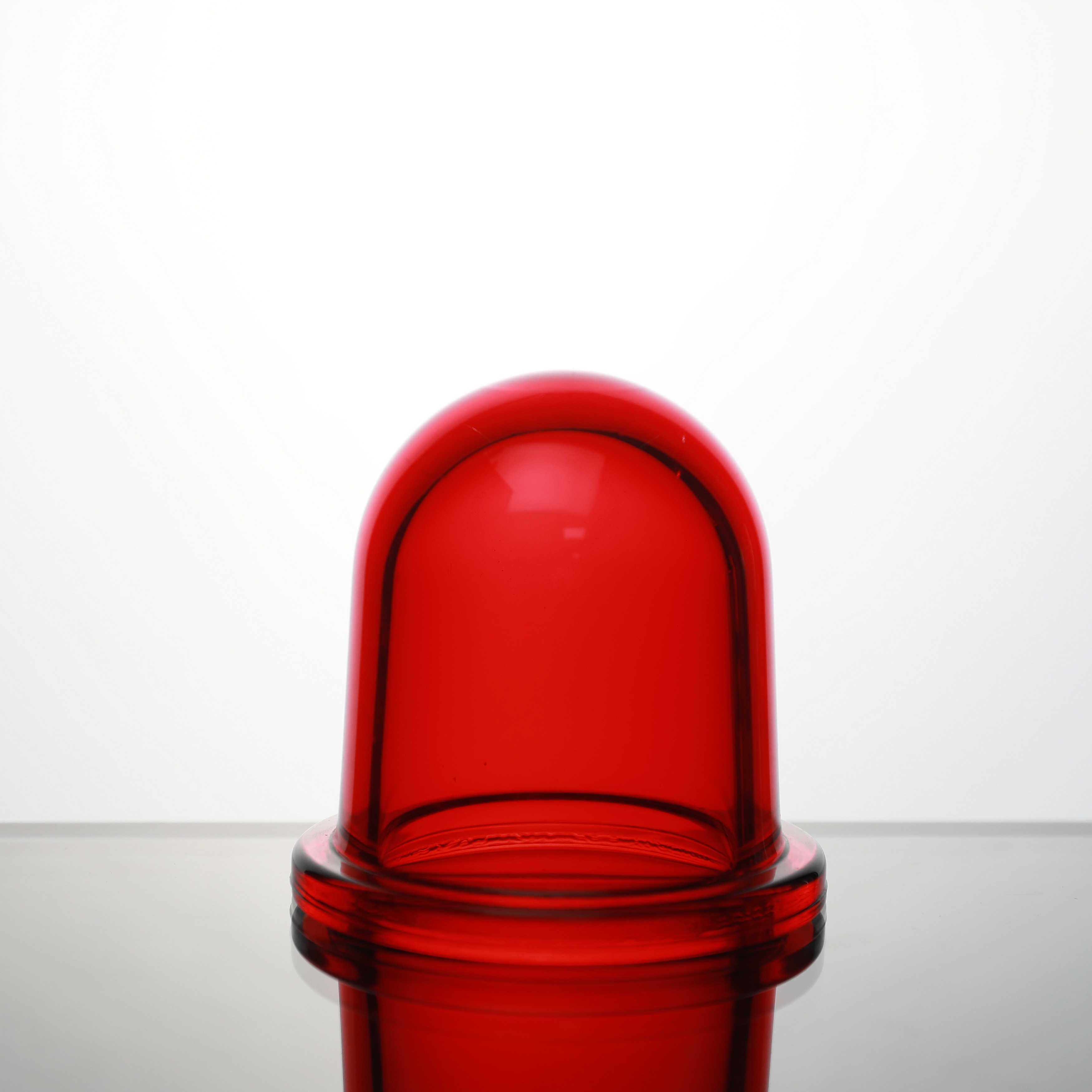
Custom Size Clear Borosilicate Explosion-Proof Antique Glass Light Covers Modern 2-Year Warranty Airport Outdoor Industrial
A robust protective enclosure for industrial, airport and outdoor fixtures. It is relevant to Mexico City projects where particulate exposure, vibration and seasonal storms demand a sealed optical compartment.
Review specification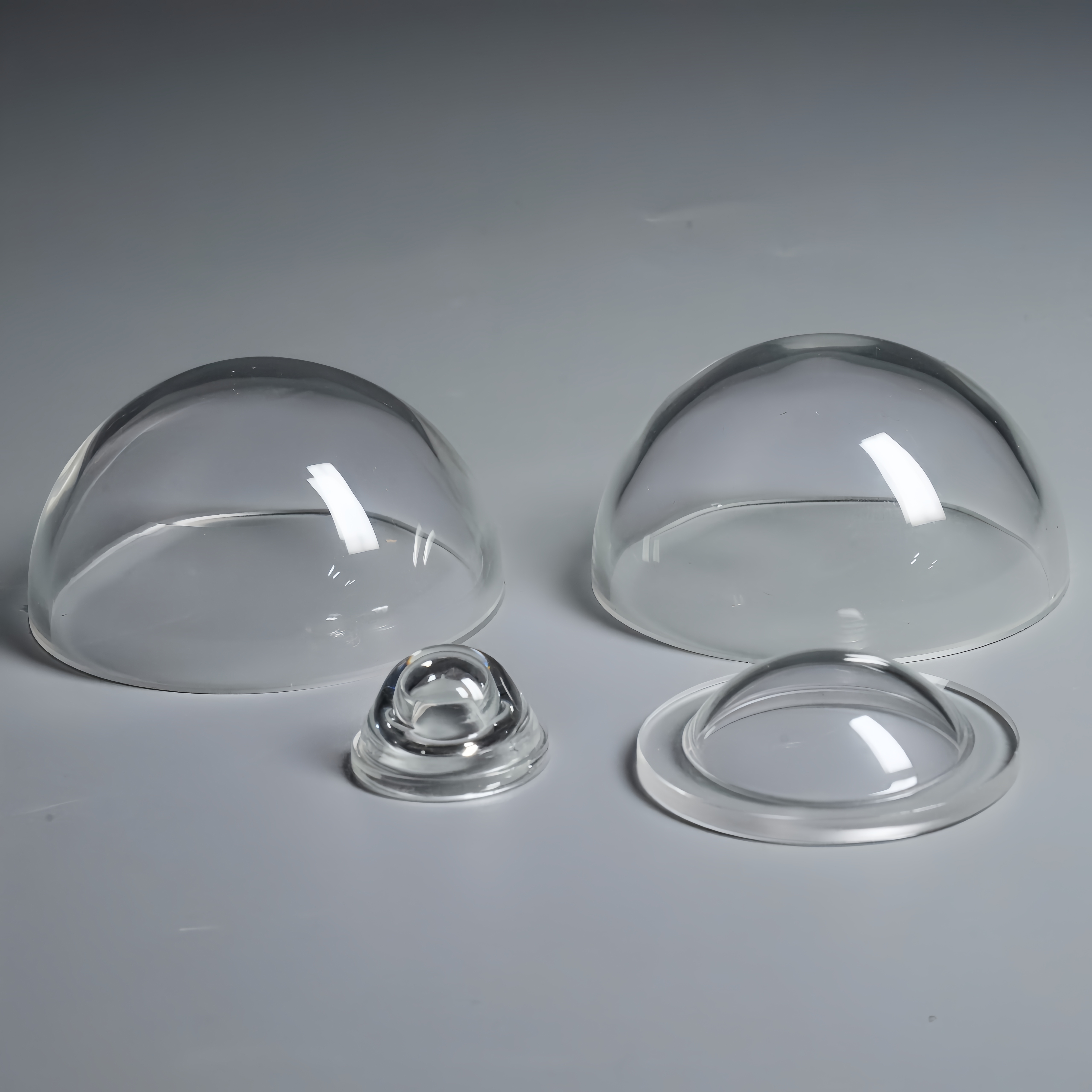
High-Pressure Borosilicate Optical Glass Dome for Underwater ROV AUV Camera Housings & Submersible Lights Deep Sea Rated
A high-pressure dome reference for research institutes and marine technology OEMs. Use it as the outer optical barrier in camera and submersible light assemblies, with coatings and filter stacks specified per depth and transmission target.
Review specificationWhy CDMX Projects Need a Different Dichroic Filter Conversation
Mexico City is not a generic export destination. At roughly 2,240 m above sea level, the metropolitan area combines high UV exposure, intense seasonal rain, airborne particulate matter and large temperature swings between day and night. For optical filters and lighting glass, those conditions change how coatings, seals and thermal paths should be specified.
Stage, Studio & Live Events
Dichroic filters are increasingly used in place of color gels where repeatable color, reduced heat load and longer service life matter. Fresnel lenses, protection domes and coated windows must work together under high-power LED and tungsten source heat.
Architectural & Museum Lighting
UV and IR control protects artifacts, merchandise and interior finishes. A dichroic coating can separate visible light from unwanted thermal energy while maintaining a narrow color target for facade, retail and gallery installations.
Transport & Signal Lighting
Airport, marine and obstruction lighting rely on stable color and transmission. Dichroic filters, red glass domes and borosilicate covers are specified together to satisfy chromaticity, heat resistance and environmental sealing requirements.
Inspection, Imaging & Science
Machine vision, microscopy, LiDAR and laboratory instruments use bandpass, longpass and dichroic filters to isolate wavelengths. A factory that can control substrate flatness, coating angle and environmental durability reduces integration risk.
Procurement Signals Shaping the Mexico City Optical Glass Market
Mexico City is becoming a more technical buyer market. Local distributors and OEMs are asking for drawing-level engineering, smaller trial batches, traceable coating data and faster replacement cycles. The most effective suppliers are no longer simply quoting a glass part; they are helping local teams de-risk optical assemblies.
Nearshoring-Driven Localization
North American OEMs are expanding supplier networks around Mexico City, Estado de México and nearby industrial corridors. Buyers want a factory that can support both imported components and local assembly partners without losing specification control.
Gel-to-Dichroic Upgrades
Venues and rental houses are moving toward durable dichroic color and heat-management filters. The change reduces consumable costs and improves color consistency across multiple fixtures, but it requires tighter angle and coating specifications.
UV, IR & Thermal Control
High-altitude UV exposure and enclosed LED fixtures make UV blocking, IR rejection and thermal shock resistance part of the same purchasing decision. Filters are increasingly reviewed together with covers, lenses and seals.
Small Batches, Fast Iteration
Prototype quantities and mixed product programs are becoming more common. Mexico City buyers value suppliers that can combine existing molds, custom drawing review and export packing without forcing an unrealistically large first order.
How to Specify a Dichroic Filter for Mexico City Operating Conditions
The most common failure is not a coating that fails in the lab; it is a filter that is specified for the wrong incidence angle, substrate thickness or environmental exposure. For CDMX projects, a useful RFQ should include the complete optical function, not only a center wavelength.
Define the Incidence Angle
Dichroic edges shift with angle. State the nominal angle, tolerance and whether the filter will sit in a converging or collimated beam.
State Transmission & Blocking
Confirm passband, blocking range, average transmission and acceptable ripple. For imaging systems, include polarization sensitivity if relevant.
Select the Substrate
Borosilicate, BK7 or quartz should be chosen for thermal load, UV exposure, thickness and coating process compatibility.
Control Dimensional Fit
Diameter, clear aperture, chamfer, wedge and thickness affect mounting stress and spectral alignment. Share the housing drawing as well as the filter drawing.
Specify Environmental Durability
Ask for adhesion, humidity, abrasion and temperature-cycle expectations. CDMX storm exposure and installation vibration can justify additional sealing or coating protection.
Document Inspection Criteria
Agree on scratch, dig, coating cosmetic limits, spectral report format and sampling plan before mass production. This reduces disputes during incoming inspection.
| Specification Area | What to Provide in the RFQ | Why It Matters in CDMX Projects | Typical Engineering Action |
|---|---|---|---|
| Optical Function | Passband, cut-on, cut-off, blocking band, AOI and polarization state | Stage, architectural and imaging systems use different spectral targets | Coating design review and transmission simulation |
| Substrate | Borosilicate 3.3, BK7, quartz or drawing-specified material; thickness and tolerance | High UV and thermal cycling demand appropriate material stability | Material confirmation and flatness / thermal review |
| Geometry | Diameter, clear aperture, wedge, chamfer, mounting method | Metal housings expand and contract; poor fits create stress birefringence | DFM check with housing drawing |
| Coating Durability | Humidity, abrasion, adhesion, cleaning and temperature-cycle requirements | Seasonal storms, dust and maintenance cleaning affect exposed optics | Coating stack and protective layer selection |
| Quality Record | Spectral report, visual criteria, sample approval and batch traceability | OEMs need incoming inspection evidence and supplier qualification data | Inspection plan agreed before production |
For the best result, send both the optical drawing and the mechanical housing drawing. A filter that performs well on a bench may fail when clamped into a metal bezel without a defined compression or gasket strategy.
Why Tambi Glass Is a Practical Partner for Mexico City OEMs
Shanghai Tambi Glass Industrial Co., Ltd. combines a manufacturer mindset with export documentation discipline. The company supplies custom borosilicate covers, explosion-proof lampshades, signal light domes, LED lenses, Fresnel lenses, prisms, domes and optical filters to lighting and optical buyers worldwide.

Drawing-Based Engineering, Not Catalog Guessing
Most successful projects start with a 2D or 3D drawing, a physical sample or a clear description of the fixture environment. Our engineering review checks wall thickness, draft, sealing faces, optical path alignment, coating compatibility and the practical limits of pressing, blowing or grinding before tooling is committed.
For Mexico City buyers, that early review matters because it reduces the risk of importing a sample that cannot be sealed, cannot survive lamp heat or cannot meet the spectral target after mounting. We can discuss borosilicate 3.3, tempered soda-lime, fused quartz and BK7, then align the material with your temperature, impact and certification requirements.
Our supply chain brings pressed, blown, ground and coated processes together. That means a single project can combine a dichroic filter, a protective dome, a Fresnel lens and an outer glass cover without handing every part to a separate supplier.
Multiple Glass Processes
Pressed, blown, ground, tempered and coated production can be coordinated under one project plan, reducing sample cycles and supply-chain friction.
Fast Technical Feedback
Average response time is within six hours. Technical inquiries should include drawings, annual volume, operating temperature and any coating or certification target.
Export-Ready Packing
Fragile optical parts are separated with foam or pulp dividers, packed in reinforced cartons and palletized for sea or air freight. Distributor labeling can be discussed.
Custom MOQ Planning
Typical MOQs range from sample-friendly optical lens batches to larger pressed or blown lighting covers, depending on whether an existing mold can be used.
Verification & Transparency
Supplier assessment, credit index, transaction level, trade capacity and buyer feedback can be reviewed before placing a first order.
OEM/ODM Communication
English-language technical discussion, sample approval checkpoints and drawing-based documentation help Mexico City buyers avoid ambiguity during import projects.
Local Purchasing Questions Procurement Teams Usually Ask
These answers reflect the practical questions we receive from distributors, lighting OEMs, studios and industrial buyers sourcing custom optical glass for Mexico City and the surrounding metropolitan area.
Can you produce dichroic filters and coated optical glass to our drawing?
What is the typical MOQ for a Mexico City trial order?
Borosilicate or tempered soda-lime: which is better for CDMX conditions?
How should we specify a dichroic filter for a stage or studio fixture?
Can you support FAA L-810, EN 50293 or other signal-light projects?
How fast do you reply to technical inquiries?
How are fragile optical parts packed for export to Mexico?
Can you review a filter together with its protective dome or lens?
Do you supply samples before a full production order?
Have a dichroic filter or optical glass drawing for Mexico City?
Share your dimensions, substrate, wavelength target, incidence angle, operating temperature and annual volume. Our engineering team will review the optical and mechanical fit, suggest a practical material and coating route, and recommend the right sample path for your project.