Custom OEM Tail Light Glass Supplier & Exporters Serving Washington DC
Drawing-based borosilicate, tempered, and precision optical glass for tail-light lenses, signal covers, emergency lighting, transit fleets, runway systems, and specification-led industrial programs across DC, Maryland, and Northern Virginia.
Eight Custom Glass Products for Washington DC Tail Light & Optical Programs
These product families support tail-light lenses, signal covers, emergency lighting, airport fixtures, optical sensing, marine equipment, and laboratory systems. Each can be adapted by size, thickness, glass type, color, coating, and edge finish to match a drawing or approved sample.
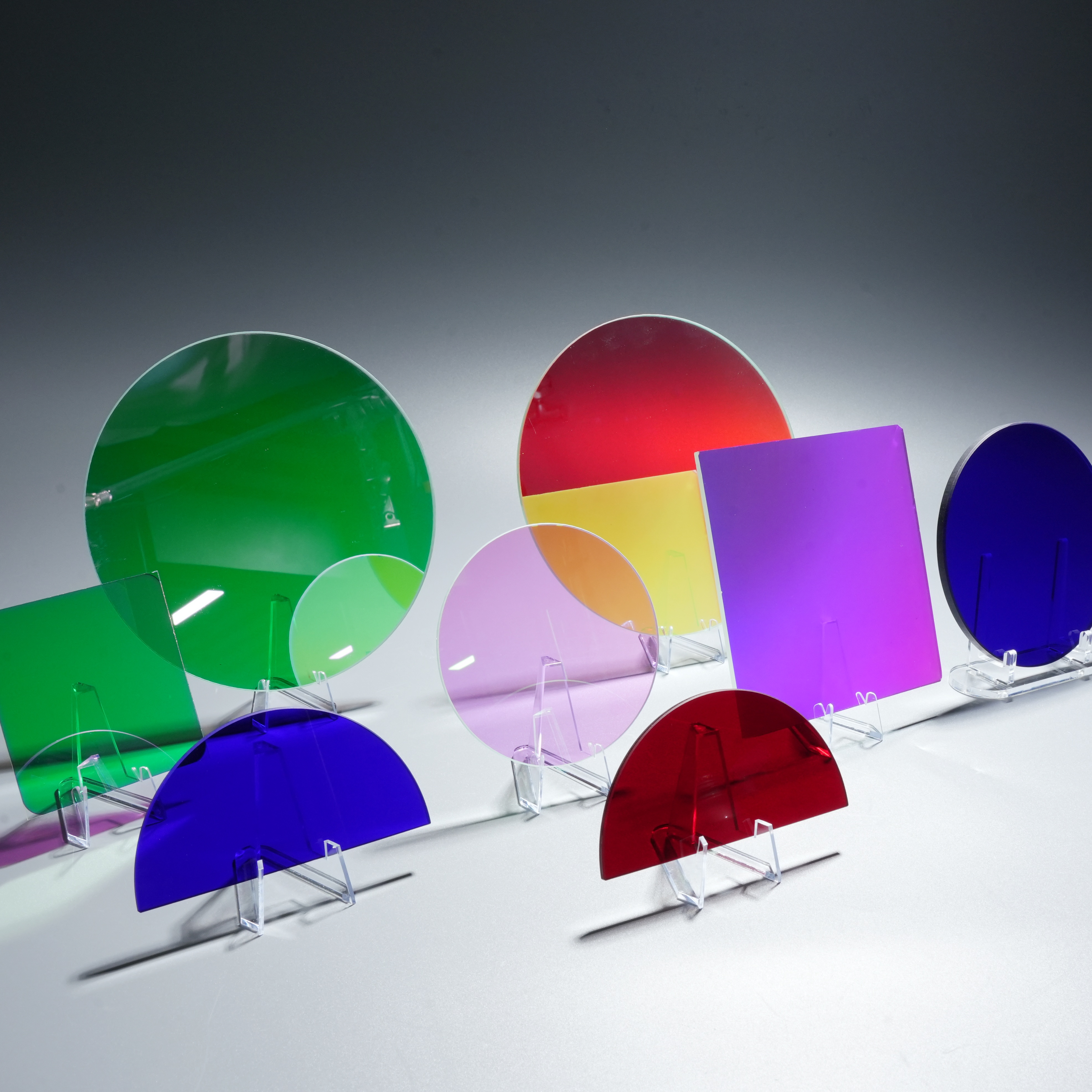
BO-GLASS BO-AH242 Manufacturer Customized High Precision 590Nm 49Mm Coated UV Borosilicate Bandpass Longpass Optical Filter
For color separation, UV control, sensing, and calibration, this coated filter supports custom wavelength ranges and diameters. Washington DC instrument builders can use it in sensor windows and optical inspection equipment.
View product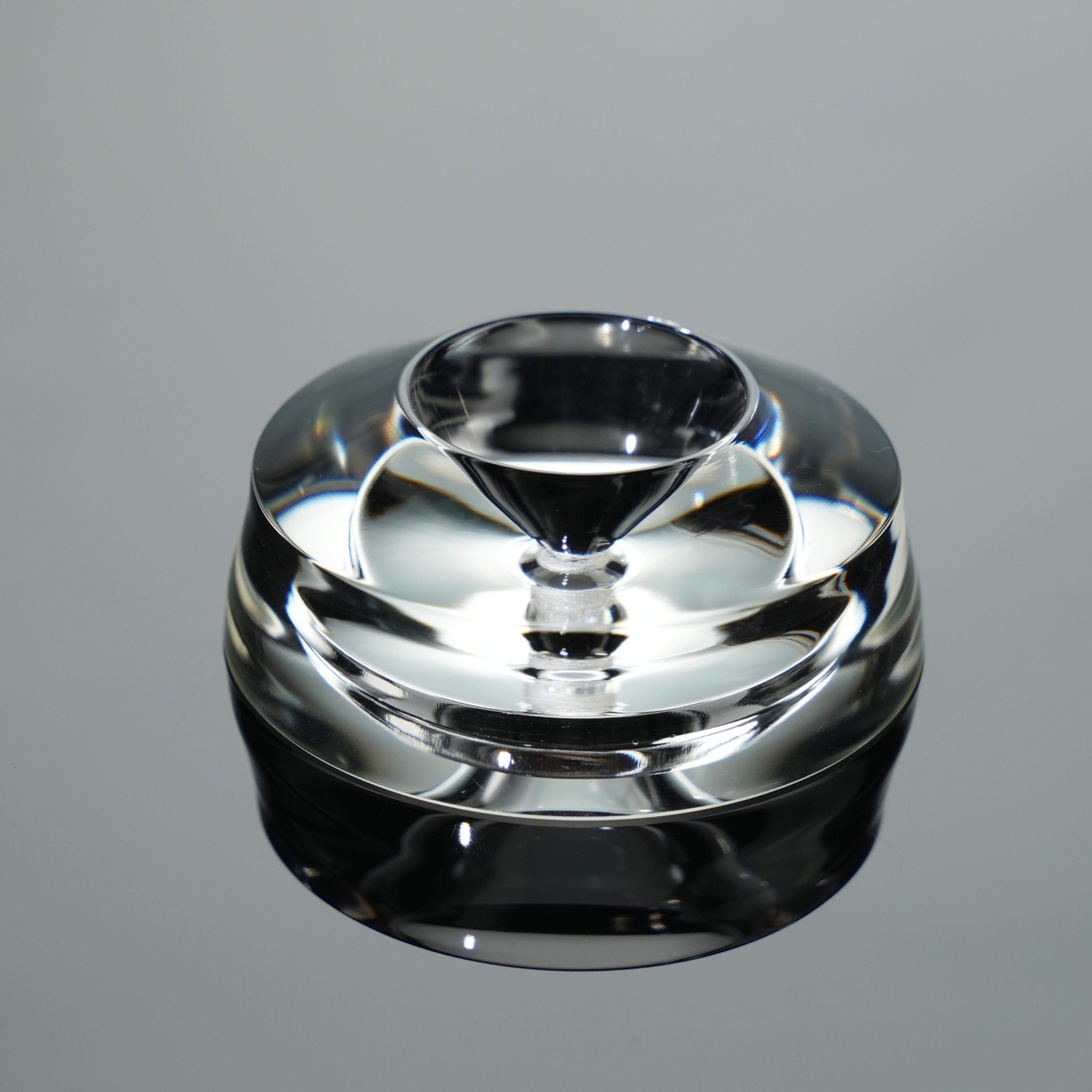
FAA Compliant Borosilicate Heat Resistant Glass Lens Runway In-Pavement Taxiway Lights IP68 Waterproof Optical Equipment Clear
A heat-resistant lens for runway and taxiway in-pavement assemblies. It is relevant to airport maintenance programs across the DC region where IP68 sealing, thermal cycling, and clear light output matter.
View product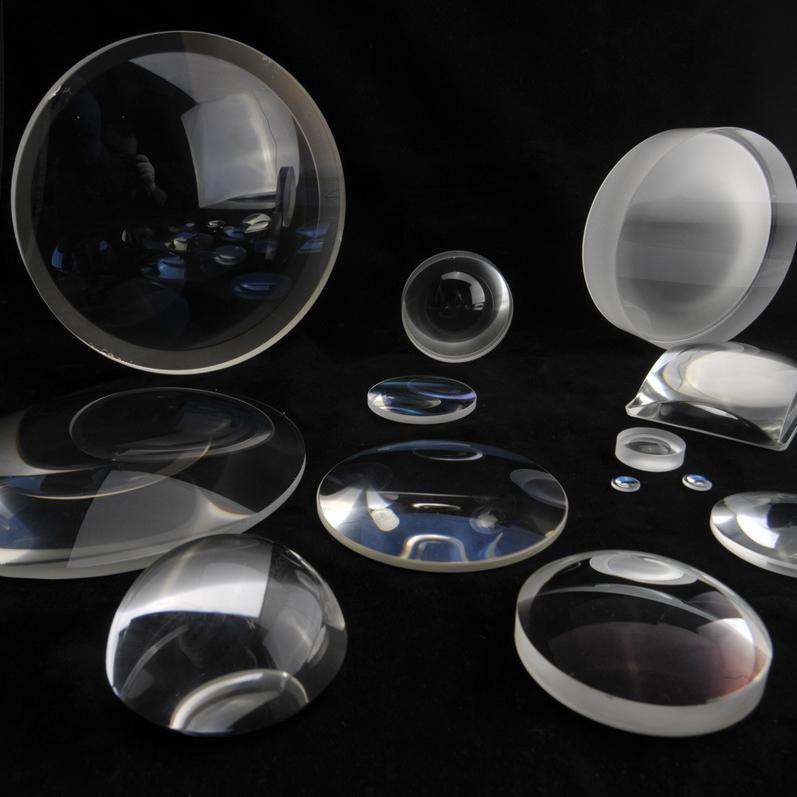
Custom High Quality Diameter 80Mm 127Mm 250Mm Spherical K9 Optical Coating Glass Plano Convex Lens for Big Magnifying
Custom K9 plano-convex lenses in 80 mm, 127 mm, and 250 mm diameters. Suitable for magnification, projection, collimation, and replacement optics where spherical consistency and coating control are required.
View product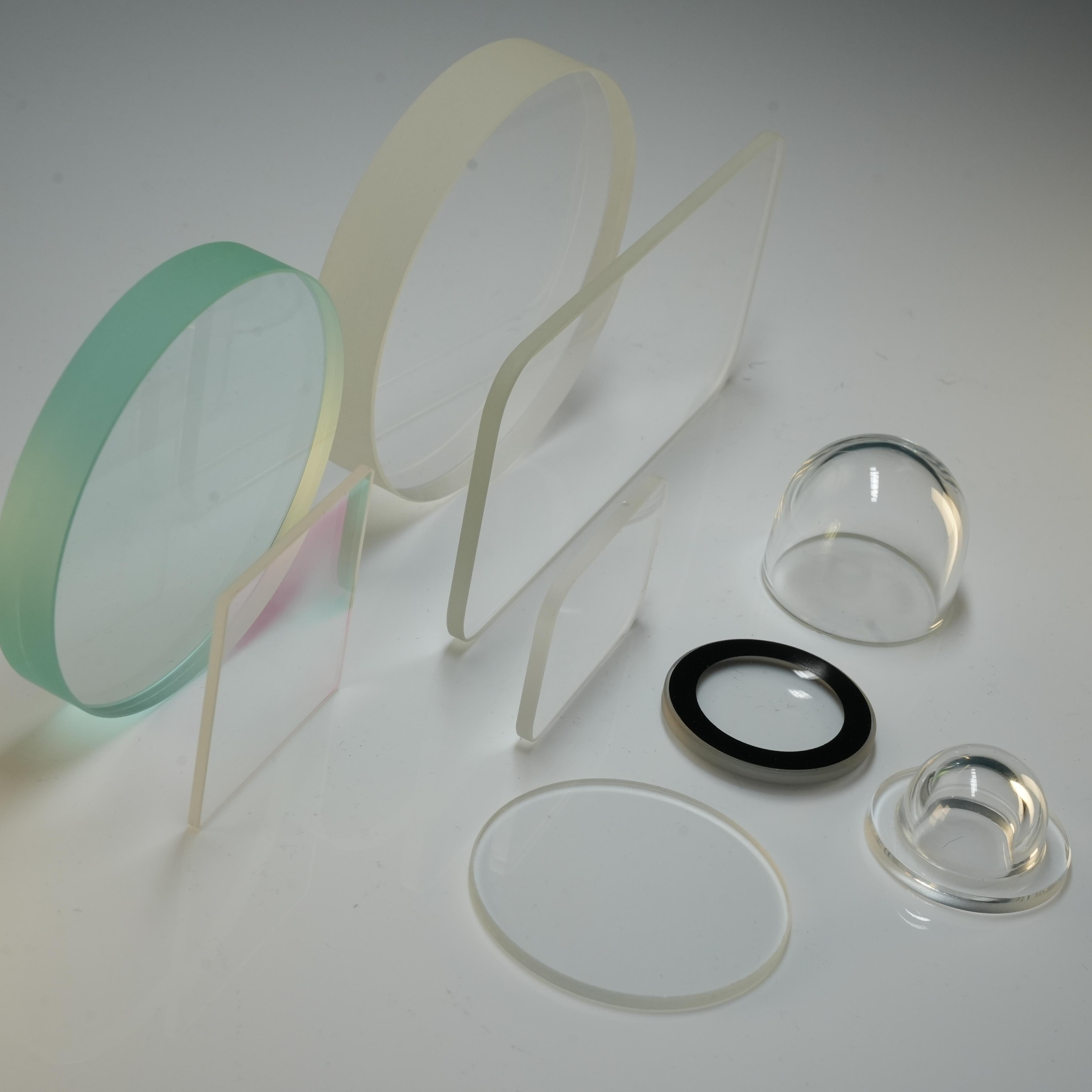
Manufacturer OEM Transparent High Quality Precision Borosilicate UV Fused Silica Coated Glass Optical Window High Transmittance
OEM borosilicate or fused-silica windows with high transmittance and optional coatings. Appropriate for camera housings, inspection windows, emergency light enclosures, and sensor protection in humid Mid-Atlantic environments.
View product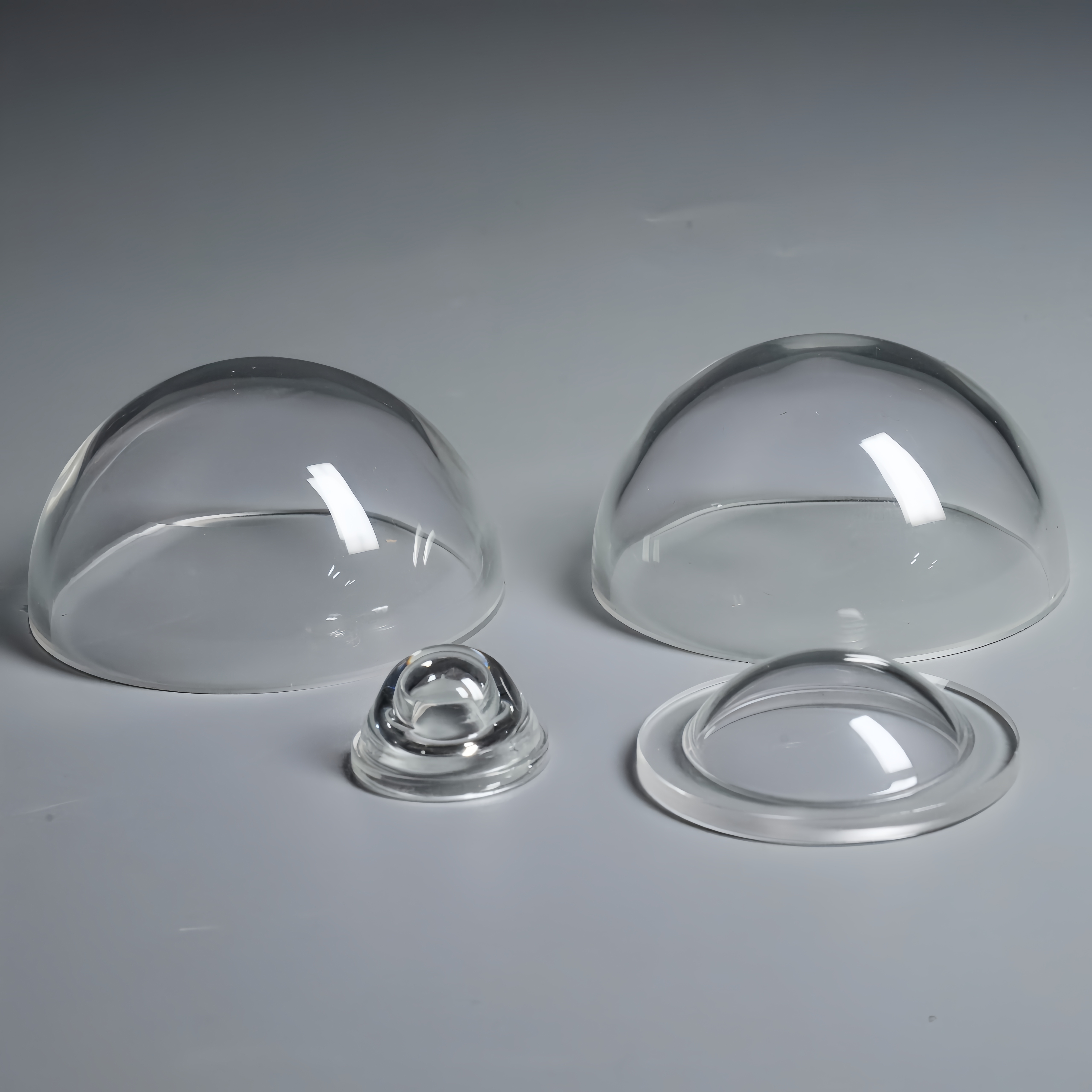
High-Pressure Borosilicate Optical Glass Dome for Underwater ROV AUV Camera Housings & Submersible Lights Deep Sea Rated
High-pressure borosilicate domes for ROV, AUV, underwater camera housings, and submersible lights. Useful for marine research, Potomac and Chesapeake operations, and pressure-rated optical systems.
View product
Wholesale OEM Shape Size Borosilicate Glass 175mm Diameter AR Coating Double Plano Convex Achromatic Fresnel Lens BO GLASS Stage
A 175 mm borosilicate Fresnel lens with AR coating and double plano-convex achromatic format for stage, studio, and high-power LED systems. Custom size and shape programs are available for retrofit fixtures.
View product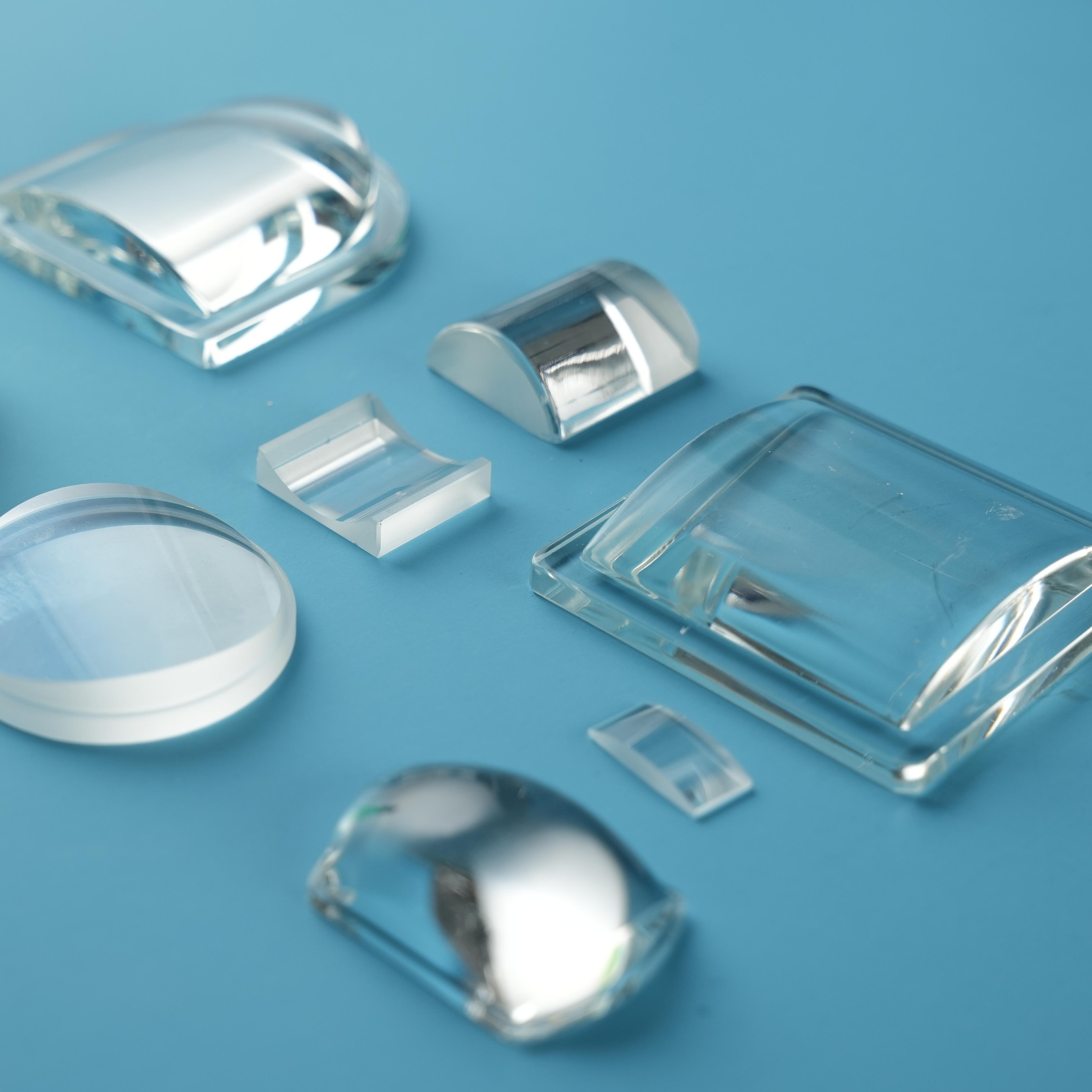
Manufacturer Custom OEM Anti-Reflective Laser Glass Optical Borosilicate UVC Plano Convex Cylindrical Biconvex Lens
Anti-reflective borosilicate and laser glass lenses in plano-convex, cylindrical, and biconvex forms. The custom coating supports UVC, laser, and precision illumination paths where reflection loss must be controlled.
View product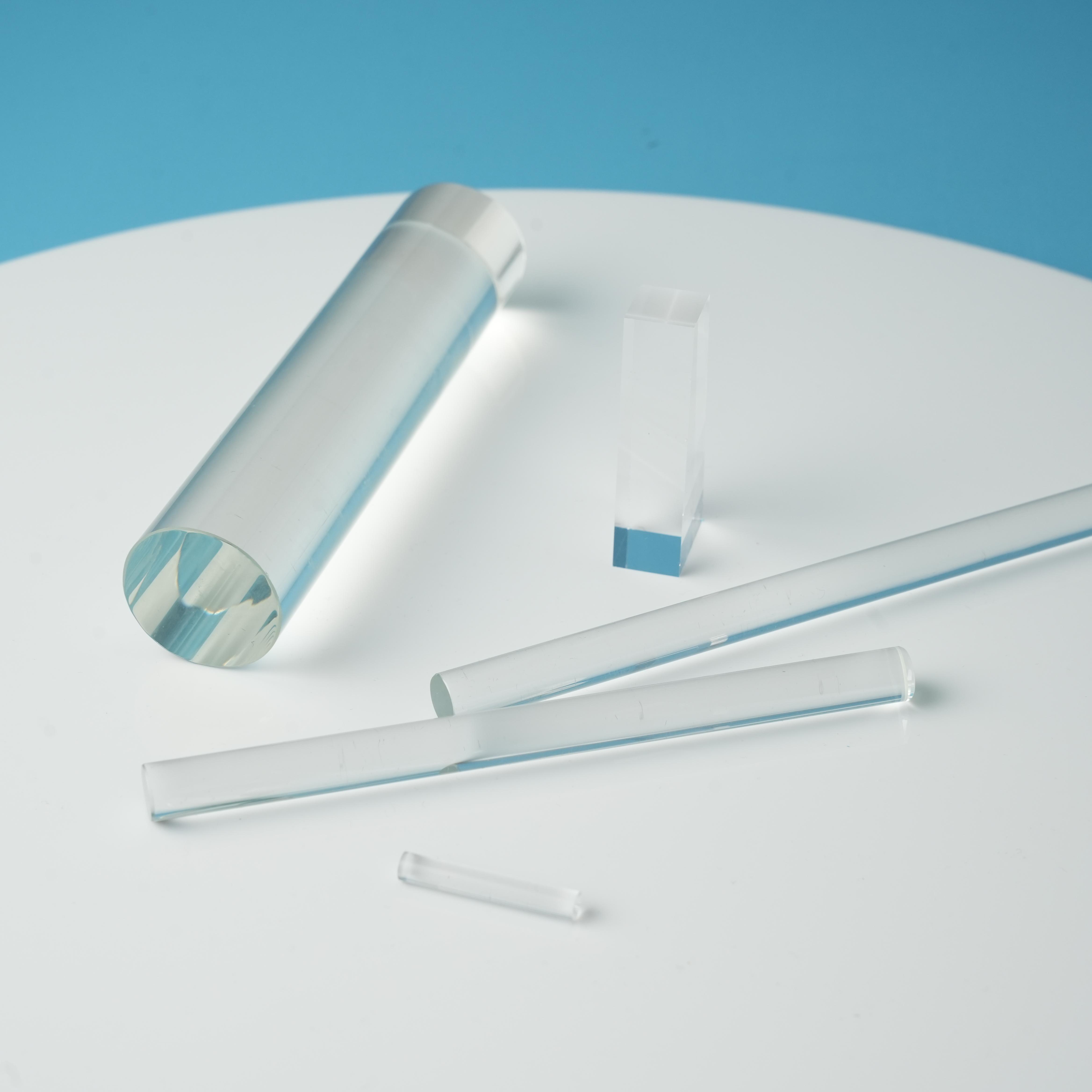
Factory Custom Shape Transparent High Borosilicate Temperature Resistant Optical Glass Light Guide Rod Rod Lens for Laboratory
Custom transparent high-borosilicate light guide rods and rod lenses for laboratory, medical, and industrial equipment. Machinable shapes, end-face finishing, and temperature-resistant glass support MRO replacements.
View productCustom OEM Tail Light Glass Is a Specification Decision, Not a Catalog Purchase
Washington DC buying teams rarely replace a single generic lens. They qualify a supplier against drawings, photometric expectations, gasket compression, thermal shock, vehicle vibration, and documentation. For a transit fleet, an embassy campus, an airport, or a data center, the difference between an acceptable lens and a failing lens often appears after installation—when heat, cleaning chemicals, road salt, and UV exposure begin to work on the material.
Shanghai Tambi Glass Industrial Co., Ltd. has supplied custom lighting and optical glass for more than a decade. The company operates as a manufacturer and trading company with 11–50 people, annual export revenue in the US$2.5M–5M range, and an onsite-verified supplier profile. For procurement teams, those facts matter because they provide independent reference points before a sample order is issued.
Our engineering and export team supports OEM/ODM buyers in Washington DC, Northern Virginia, and Maryland from drawing review through export packing. We work with borosilicate 3.3, tempered soda-lime, fused quartz, optical BK7 (H-K9L), AR coatings, bandpass filters, and custom color matching. The goal is not to sell a generic part; it is to reduce fit, light-output, and field-failure risk in the actual fixture.
This guide is organized for three search intents: designers and luminaire OEMs looking for custom tail light glass, maintenance and MRO teams replacing fragile signal lenses, and public-sector procurement staff comparing suppliers. Each module below includes technical criteria that can be checked against a drawing and supplier report.
- Drawing-based OEM / ODM production
- Borosilicate, tempered, quartz, and BK7
- AR, bandpass, color, and optical coatings
- Export packing and inspection reports



Where Custom Tail Light Glass Performance Is Tested in Washington DC
Washington DC combines federal facilities, historic districts, transit corridors, airports, data centers, and riverfront operations. A lens that works in a parking garage may fail on a bridge, an airfield, or a pressure-rated camera housing. The application should define the glass.
Airport, Runway, and Obstruction Lighting
The DC region includes Reagan National, Dulles, and the broader Baltimore-Washington aviation corridor. In-pavement taxiway lights, obstruction beacons, and airfield signage require clear or red glass with stable transmission, IP68 sealing compatibility, and resistance to rapid temperature change.
Transit, Municipal, and Emergency Fleets
Buses, police vehicles, fire apparatus, utility trucks, and delivery fleets operate through stop-and-go traffic, road salt, pressure washing, and summer humidity. Custom red and amber tail-light lenses and signal covers should be checked for wall thickness, edge finish, UV stability, and gasket fit.
Federal Campuses and Embassy-Area Facilities
Procurement teams around federal buildings, embassy properties, and secure campuses often require documented materials and repeatable dimensions. Optical windows, durable exterior covers, and emergency light glass can be supplied with inspection records, while final fixture certification remains with the luminaire manufacturer.
Data Centers and Secure Technology Rooms
Northern Virginia's data-center cluster relies on indicator lighting, inspection windows, camera housings, and optical filters. A small window or dome can delay commissioning if dimensions, coating, or transmission are inconsistent. Our drawing-based process is built for repeatable small-format optical parts.
Potomac and Anacostia Riverfront Marine Lighting
Navigation lights, dock lights, and camera housings along the Potomac and Anacostia rivers face salt spray, humidity, and pressure changes. High-pressure borosilicate domes and marine-grade covers can support submersible or exposed fixtures; specify pressure rating, sealing method, and cleaning chemicals during the RFQ.
Historic Districts and Public-Realm Lighting
Historic preservation programs and custom streetscape fixtures often need low-volume replacement glass with a specific profile, color, or diffusion pattern. Pressed, blown, and ground processes can be combined to match a heritage lantern or modern LED retrofit without losing the visual character of the site.
Washington DC Market Trends Reshaping Tail Light Glass Procurement
Demand from DC-area OEMs, fleets, campuses, and public projects is moving toward higher optical control, better documentation, and faster recovery from obsolete parts. These six trends explain why a custom specification process is replacing generic replacement buying.
Fleet Electrification Changes the Thermal Map
EV and hybrid fleets run quieter, but lighting modules still concentrate heat. Thin, high-transmission lenses and controlled annealing help maintain color, shape, and sealing performance over repeated charge-and-drive cycles.
LED Retrofits Demand Optical Discipline
Replacing incandescent lamps with LEDs often changes beam pattern and heat path. Fresnel, plano-convex, and cylindrical lenses must be matched to the new light source; a legacy lens may not produce the intended cutoff or intensity.
Dark-Sky and Glare-Sensitive Urban Lighting
DC public-realm projects are sensitive to glare, light trespass, and visual comfort. AR coatings, bandpass filters, and precise prism or lens geometry can improve control while preserving useful light output.
Documentation-Led Procurement
Federal, state, and local buyers increasingly ask for material reports, dimensional inspection, and supplier verification. A supplier that can provide traceable records is easier to qualify than one that only sends a photograph and a price.
Supply-Chain Resilience and Smaller Custom Lots
When an obsolete lens stops a fleet or fixture line, waiting for a large production run is expensive. Flexible MOQs, existing-mold reviews, and sample-first approval help DC buyers recover faster without sacrificing traceability.
Climate-Resilient Design for Humidity and Freeze-Thaw
The Mid-Atlantic climate combines hot humid summers, winter freeze-thaw cycles, and road salt. Glass type, edge quality, coating adhesion, and packaging all affect long-term reliability in exterior tail-light and signal applications.
Glass Material Selection for Washington DC Service Conditions
A quick comparison our engineers use when reviewing new projects. Selecting the correct glass early avoids cracked covers, color drift, and costly field returns. Bar length shows relative thermal expansion among the listed materials, not a performance ranking.
Borosilicate 3.3
Explosion-proof shades, high-power LED covers, Fresnel lenses, and exterior signal glass where rain or washdown can contact a hot surface.
Tempered Soda-Lime
Outdoor covers, floodlight glass, vandal-resistant lenses, and moderate-temperature tail-light or signal applications.
Fused Quartz
UV optics, high-temperature windows, laboratory equipment, and applications where soda-lime or borosilicate would be pushed beyond its limit.
Optical BK7 (H-K9L)
Precision lenses, prisms, mirrors, filters, and instrument windows where refractive index consistency and surface quality are critical.
For Washington DC tail-light programs, surface temperature—not lamp wattage alone—usually determines whether borosilicate or tempered soda-lime is appropriate. Also define road-salt exposure, gasket compression, cleaning chemicals, and edge-finish requirements in the drawing. Values shown are typical references; final specification must be confirmed against the fixture standard and the buyer's validation plan.
From Drawing to Washington DC Delivery: A Controlled OEM Process
Clear checkpoints reduce surprises between sample approval and mass production. The process below is designed for custom lighting covers, optical lenses, signal domes, and replacement glass where fit and traceability matter.
Drawing and DFM Review
Send a 2D/3D drawing or physical sample. We review wall thickness, draft, tolerance, optical axis, sealing face, and handling risk before quoting.
Material and Coating Selection
Select borosilicate, tempered soda-lime, fused quartz, or BK7. Specify AR, bandpass, color, or no coating based on the lamp spectrum and operating environment.
Tooling and Sampling
Review an existing mold or propose new tooling. Samples are measured and sent for fit, photometric, and environmental checks before volume production.
Forming, Annealing, and Coating
Pressed, blown, ground, or machined processes are matched to the part. Controlled annealing or tempering relieves stress; coating follows approved optical requirements.
Inspection and Documentation
Dimensional, visual, coating, and transmission checks are recorded. Inspection reports and supplier verification links can support procurement qualification.
Export Packing and Delivery
Foam or pulp dividers, reinforced cartons, and palletization protect fragile glass. We plan sea freight to Baltimore, air freight to Dulles, or express courier for urgent samples.
Why Washington DC OEM Buyers Choose Tambi Glass
For custom tail light glass, the supplier should be easy to qualify, easy to communicate with, and able to repeat the same specification on future orders. These are the advantages buyers can verify through our public company records.
Drawing-Based OEM / ODM
Most orders begin from a drawing or sample. We review manufacturability, propose mold options, and confirm samples before mass production, which suits custom DC fleet and fixture programs.
Company profileMaterial and Coating Breadth
Borosilicate 3.3, tempered soda-lime, fused quartz, BK7, AR coatings, bandpass filters, and color matching are handled under one supply chain, reducing coordination risk for multi-part fixtures.
Our strengthOnsite-Verified Supplier
Our premises have been checked during third-party supplier assessment. Public verification records give procurement teams a faster starting point for due diligence.
Supplier assessmentSix-Hour Technical Response
Our average response time is within six hours. Send your drawing, target material, operating temperature, annual volume, and delivery ZIP code for a focused technical and commercial review.
info@tambiglass.comExport Packaging for Fragile Glass
Parts are separated by foam or pulp dividers, packed in reinforced export cartons, and palletized for sea or air freight. Custom labels and distributor packaging can be discussed.
Trade capacityLong-Term Reorders and MRO Support
Transit fleets, marine operators, and laboratory equipment owners often need repeat parts after initial approval. We retain approved specifications to reduce re-qualification effort on future orders.
Trade historyWashington DC Buyer FAQ: Custom OEM Tail Light Glass
These are the questions procurement teams, engineers, and MRO buyers ask most often when sourcing custom glass for Washington DC and the surrounding Mid-Atlantic region.
Can you supply custom OEM tail light glass to Washington DC buyers without a local office?
Yes. We serve Washington DC, Northern Virginia, and Maryland from our Shanghai manufacturing base. Most projects are handled by email, drawing review, video calls, and courier samples. For volume orders, we coordinate export packing and freight to the DC-Baltimore region by sea, air, or express. A local office is not required for a sample-first OEM process, but confirm the incoterm, delivery dock, and receiving hours before shipment.
What is the typical minimum order quantity and sample process?
MOQs depend on existing molds and processing. Optical lenses can start around 50 pieces; pressed or blown lighting covers often start around 100–500 pieces. Samples can be made for evaluation. Send drawing, glass type, dimensions, tolerance, color, coating, annual volume, and target delivery date. We review manufacturability, then quote mold and unit price.
How do you match red or amber tail-light color and light transmission?
Color is controlled by glass composition, thickness, and coating—not by a single color code. Provide target chromaticity coordinates, dominant wavelength if available, transmission curve, lamp spectrum, and wall thickness at the optical path. Samples are measured against agreed limits. For emergency vehicle or signal lights, we also consider UV stability and thermal load.
Which glass should we choose for DC's humidity, road salt, and freeze-thaw cycles?
Use borosilicate 3.3 when the part sees high lamp heat, rapid rain contact, or high-power LED modules. Tempered soda-lime can be cost-effective for moderate temperatures and impact resistance. Fused quartz is for UV or extreme heat. BK7 is for precision optical paths. The drawing should define surface temperature, cleaning chemicals, salt-spray exposure, gasket load, and edge finish.
Can you reverse-engineer a replacement lens from a sample?
Yes, if the sample provides enough dimensional and optical information. We measure profile, thickness, sealing features, and transmission, then propose a drawing for approval. For legacy transit, marine, or historic fixtures, reverse engineering can reduce downtime, but the buyer should confirm that the replacement matches the fixture's certification and photometric requirements.
Can you provide documentation for federal, GSA-related, or municipal procurement?
We can provide material reports, dimensional inspection records, coating data, packing lists, and supplier verification links. We do not claim that a China-made glass part automatically satisfies Buy America or other domestic-content rules. The contractor or fixture manufacturer must make that determination. For FAA L-810 or EN 50293 fixtures, the luminaire certification remains with the fixture manufacturer.
What are typical lead times and shipping routes to Washington DC?
Sample lead time depends on the drawing and tooling. Production lead time is confirmed after sample approval and usually depends on mold status, quantity, coating, and inspection requirements. Small urgent shipments can move by express air. Larger orders commonly move by sea to Baltimore or another East Coast port, or by air to Dulles (IAD). We provide packing details for fragile glass and can coordinate with the buyer's freight forwarder.
How are fragile glass parts packed for export?
Parts are separated with foam or pulp dividers, packed in reinforced export cartons, and palletized for sea or air freight. We can discuss custom labeling, barcode, and distributor packaging. For Washington DC receiving docks, confirm whether the site requires liftgate delivery, inside delivery, appointment scheduling, or pallet breakdown.
Have a Drawing for a Washington DC Tail Light or Signal Glass Project?
Send your 2D/3D drawing, target material, surface temperature, color or transmission requirement, annual volume, and delivery ZIP code for Washington DC. Our engineering team will review manufacturability and reply with a technical and commercial path—typically within six hours.