Custom OEM CNC Glass Machining Factories & Exporters in the Bien Hoa Market
Drawing-based borosilicate, tempered and optical glass for LED lighting, aviation, street-lighting and sensing OEMs sourcing into Bien Hoa, Dong Nai and southern Vietnam — engineered in Shanghai, shipped through Cat Lai and Cai Mep–Thi Vai.
Get a QuoteEight Glass Components Quoted Most Often in the Bien Hoa Market
The parts below cover what lighting and optical buyers in Bien Hoa, Ho Chi Minh City and the wider Dong Nai industrial belt request most often. Each one can be re-dimensioned, re-thicknessed or re-coated to fit your housing, gasket and optical train — including CNC-milled sealing faces, chamfered edges and drawing-specific bore layouts.

FAA Compliant Borosilicate Heat Resistant Glass Lens Runway In-Pavement Taxiway Lights IP68 Waterproof Optical Equipment Clear
Borosilicate 3.3 · IP68 lens · thermal-shock tested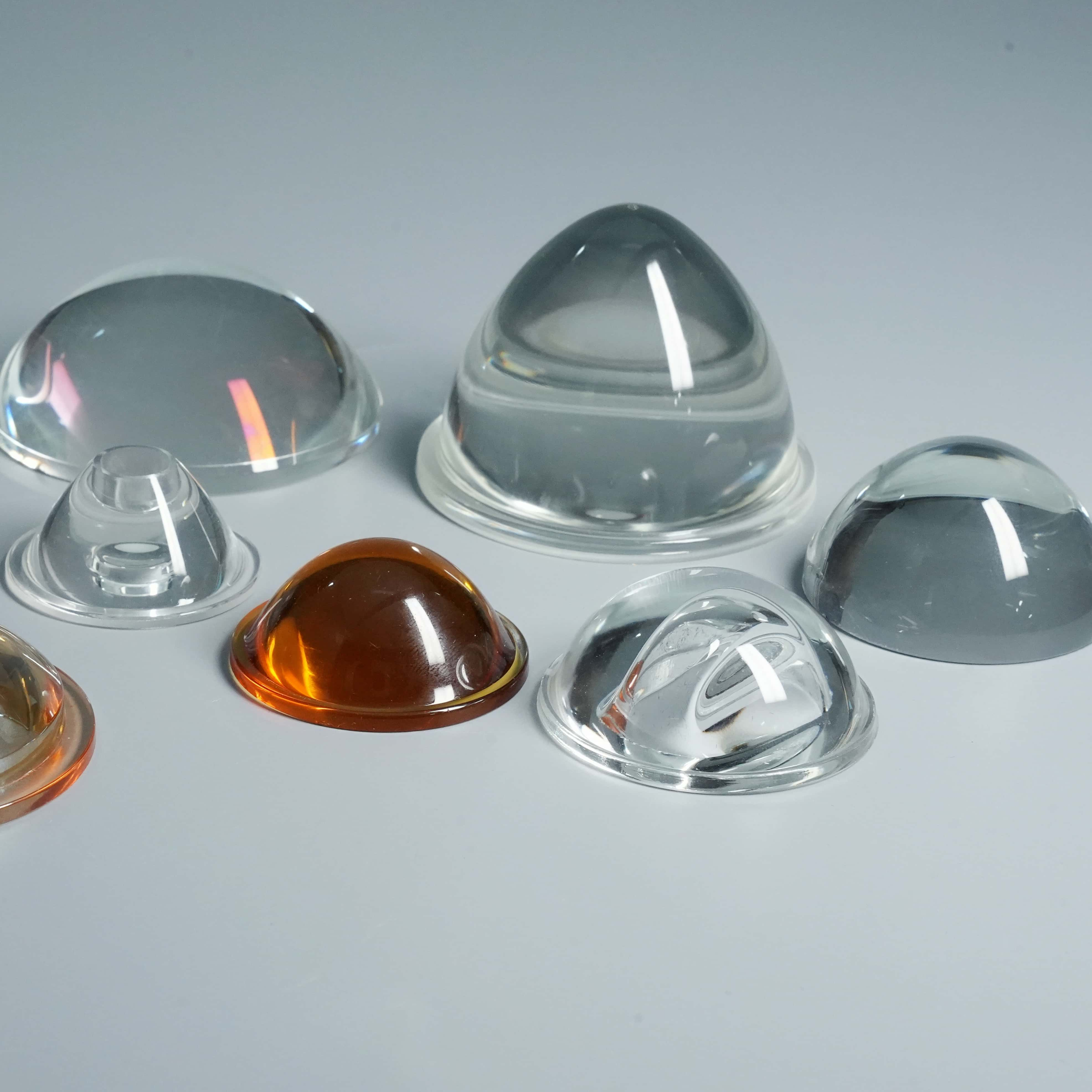
Custom Borosilicate Glass LED Grow Light Convex Lens with Anti-Reflective Coating for Indoor Farming Full Spectrum Lighting
AR-coated convex · full-spectrum transmission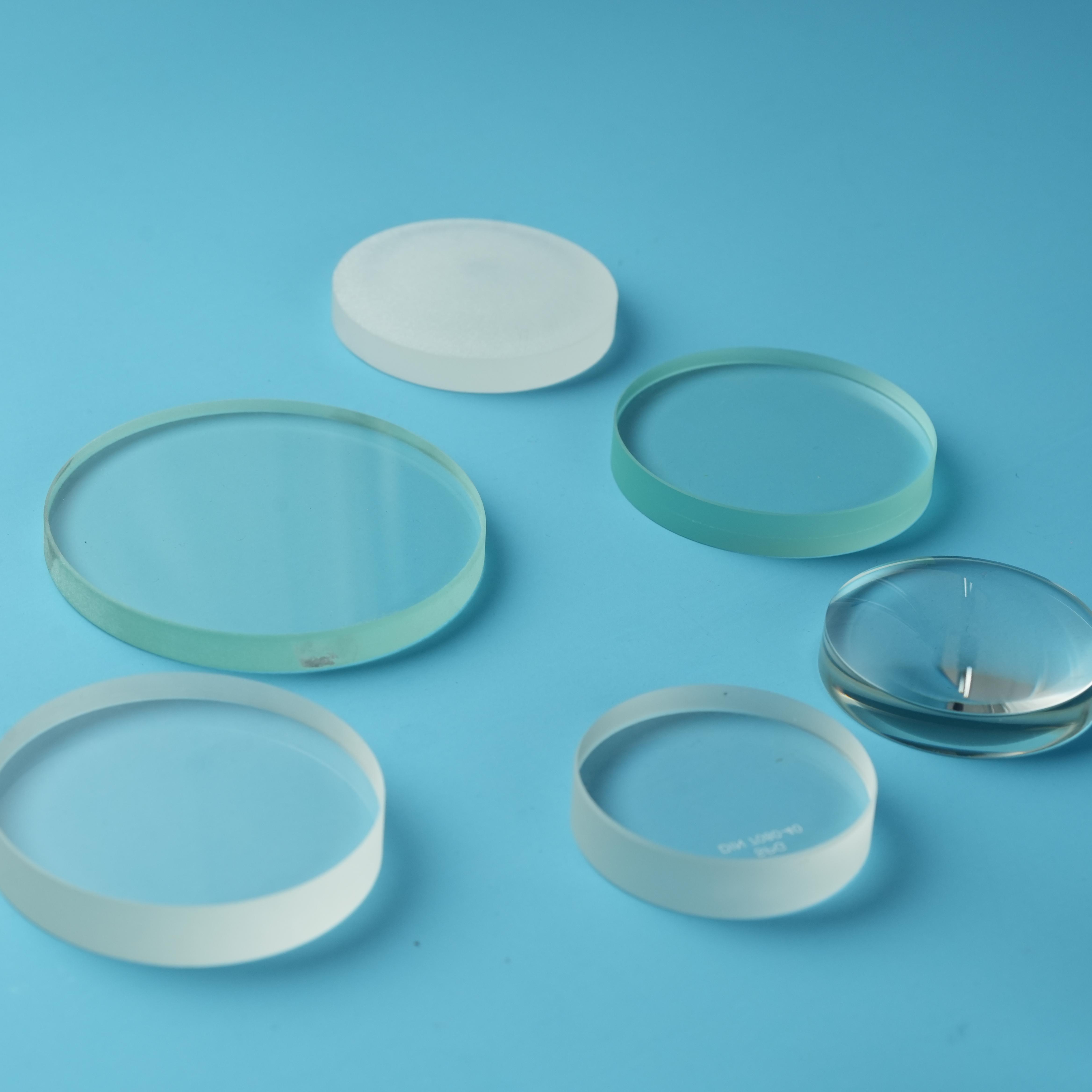
Custom OEM Bo Glass Clear Borosilicate K9 Bk7 B270 Fused Silica Anti-Reflective Coated Square Optical Window 50mm Diameter
K9 / BK7 / B270 · precision flatness options
High Temperature Resistant Borosilicate Glass Fresnel Lens Anti-Reflective Coating High Power LED Collimation Stage Lighting
AR coating · high-power LED collimation
Factory Custom BO-GLASS Quartz BK7 K9 Arcoated Fused Silica High Precision Right Angle Prism 90Degree Clear ODM/OEM 3-Year
90° prism · CNC ground and polished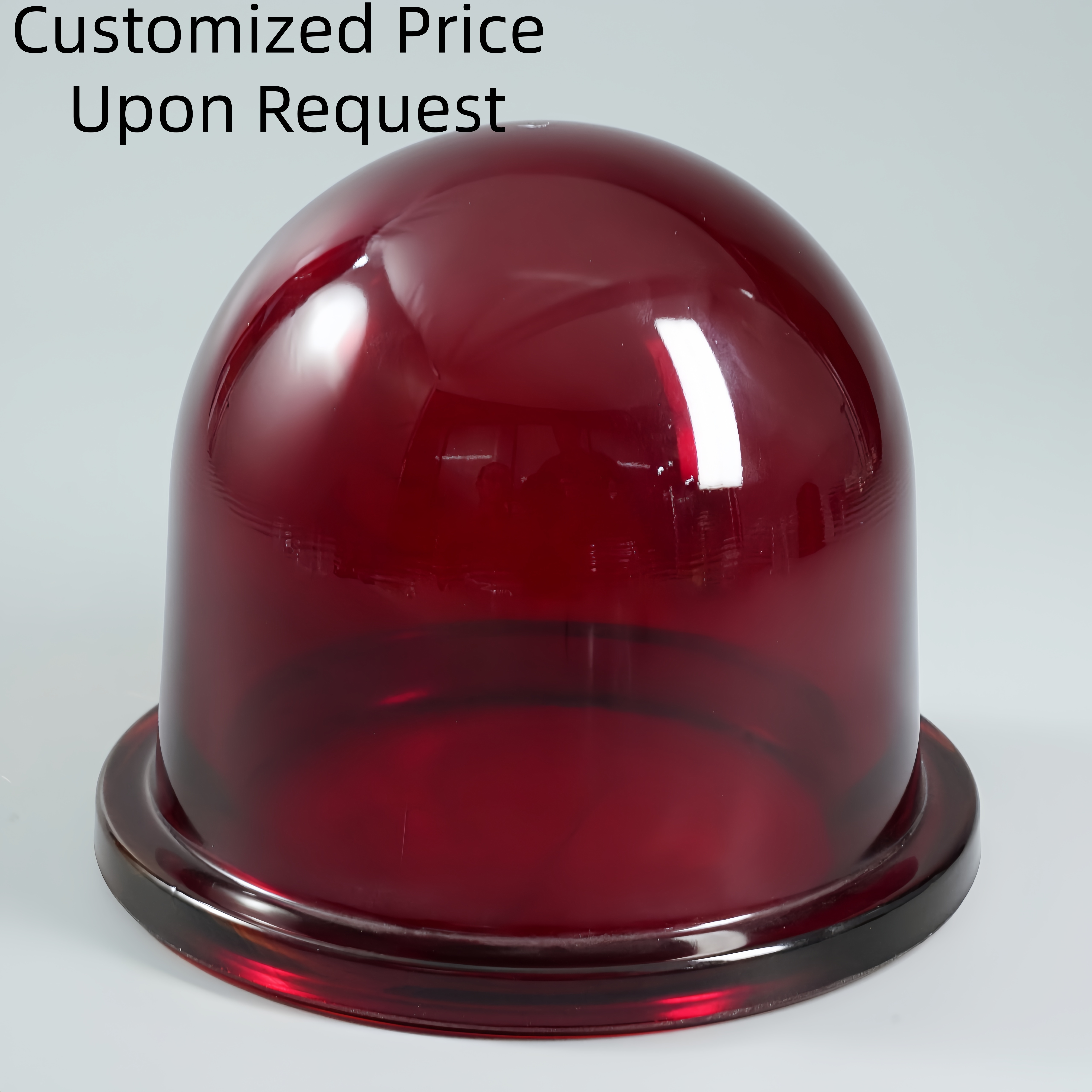
High-temperature Resistant Pressed Glass Shade, Explosion-proof & Crack-proof, Outdoor Street Light Specific
Pressed & tempered · crack-proof shade
Wholesale OEM Shape Size Borosilicate Glass 175mm Diameter AR Coating Double Plano Convex Achromatic Fresnel Lens BO GLASS Stage
175 mm Ø · double plano-convex · AR coated
OEM Borosilicate Glass Optical Dome Cover for Outdoor IP Cameras UV Resistant Waterproof Housing Anti-Reflective Coating
UV-resistant dome · waterproof housingEach product page states material options, dimensional tolerance and coating choices. Where your fixture differs, send a 2D/3D drawing and our engineers will confirm manufacturability, mold strategy and a first-article plan before any tooling cost is committed.
Why Bien Hoa Sourcing Teams Shortlist Tambi Glass
Shanghai Tambi Glass Industrial Co., Ltd. is a manufacturer and trading company that keeps its scope deliberately narrow: glass that has to perform inside a working luminaire or optical instrument, not just photograph well.
Over more than a decade we have dealt with the failures that matter in the field — heat build-up behind high-power LED modules, rain hitting a hot cover, impact load in a hazardous area, and colour drift on an airport or marine signal lens. That experience is the information gain we bring to every drawing review: not a catalogue of shapes, but a judgement on which glass, which forming route and which coating will still be inside specification after three Vietnamese rainy seasons.
Our premises have been verified onsite by a third party, the team numbers 11–50 people including senior lighting and mould engineers, and annual export revenue sits in the US$2.5M–5M range. Pressing, blowing, CNC grinding, tempering and coating are coordinated inside one supply chain, so you are not reconciling shape, optics and coating across four different vendors. For a Bien Hoa buyer running mixed-SKU lighting orders, that single point of accountability is often worth more than a lower unit price.
Drawing-Based OEM / ODM
A 2D/3D drawing, a physical sample or a specification sheet is enough to start. Engineers review wall thickness, draft angle, sealing faces and optical centring before tooling is released.
Material Breadth
Borosilicate 3.3, tempered soda-lime, fused quartz, BK7/K9 and B270 — matched to lamp surface temperature, impact rating and the certification your fixture must hold.
CNC and Optical Finishing
CNC grinding, drilling, chamfering and edge polishing, plus AR, bandpass, longpass and colour coatings — delivered as one finished part rather than a loose collection of operations.
Verifiable Supplier
Onsite-verified premises, with material and inspection reports, dimensional records and packing confirmation available on request so procurement can close supplier qualification faster.
Export Ready for Vietnam
ACFTA Form E certificates of origin, divider-packed export cartons, and both LCL and FCL booking through Cat Lai or Cai Mep–Thi Vai — the routes your freight forwarder already runs.
Fast Technical Response
Average technical reply within six hours. Standard-range samples typically run 7–12 working days depending on coating and tolerance, so project timelines in Dong Nai stay predictable.
Where These Glass Parts Are Used Around Bien Hoa and Dong Nai
Within roughly 25 km of Bien Hoa city you will find several very different buyer profiles — and each one stresses glass in a different way.
Industrial-Park Luminaires
Amata, Bien Hoa 1 and Nhon Trach factories run high-bay and street fixtures through months of 35–38°C heat, high humidity and heavy afternoon rain. Tempered soda-lime covers balance cost and impact strength; COB fixtures above 200°C surface temperature usually need borosilicate 3.3.
Long Thanh Airport Programme
The new airport build-out and the taxiway upgrades around it tighten demand for aviation ground-lighting glass: stable red and clear transmission, IP68 lens sealing and proven thermal-shock resistance for in-pavement fixtures exposed to standing water.
Aquaculture & Horticulture Lighting
Farm and greenhouse fixtures in Dong Nai, Long An and the Mekong provinces face salt-laden condensation and chemical wash-down. AR-coated convex lenses keep full-spectrum output efficient while sealed glass windows resist etching.
Camera Modules & Sensors
Export-oriented camera and sensor assemblers around Ho Chi Minh City need AR-coated optical domes and waterproof windows that hold transmission through UV exposure and monsoon humidity — a spec that depends as much on coating durability as on the glass itself.
Hazardous-Area Lighting
Port terminals, fuel depots, fertiliser plants and chemical stores around the Thi Vai river need explosion-proof shades that survive impact and thermal shock. Wall thickness and annealing control decide whether a cover cracks in service.
Two-Wheeler & Automotive Lamps
Vietnam’s motorcycle density supports a large secondary lighting manufacturing base. Projection lenses, chamfered glass edges and repeatable coating cycles matter because these buyers reorder in thousands of pieces, month after month.
Trends Reshaping Glass Demand in the Bien Hoa Industrial Belt
Glass specifications are being pushed less by design fashion and more by supply-chain relocation, infrastructure deadlines and climate reality.
Between 2023 and 2025 the pattern of enquiries reaching specialist glass factories shifted noticeably. Buyers who historically sourced finished luminaires from outside Vietnam are now assembling locally and importing components — which places drawing-level component sourcing directly into the Bien Hoa and Dong Nai industrial parks. At the same time, municipal street-lighting retrofits and the Long Thanh airport programme have created demand for glass that meets international fixture standards rather than generic domestic specifications. The practical consequence is that a glass supplier is now evaluated on documentation, tolerance discipline and repeat-order consistency as much as on price.
China Plus One, Executed Locally
Multinational lighting brands are placing final assembly in Vietnam while keeping component supply diversified. That means glass must arrive with documentation that satisfies both the local factory and the parent company’s audit team.
Infrastructure-Driven Demand
Airport, port and expressway projects specify aviation and marine-grade signal glass. Buyers increasingly ask for colour coordinates, transmission curves and heat-resistance evidence rather than “red glass, 200 mm”.
Smart Street-Lighting Retrofits
Municipal LED conversions across southern Vietnam favour prismatic and Fresnel covers that control glare and light distribution. Optical performance of the glass now feeds directly into the tendering score.
Higher IP Ratings for Tropical Weather
Specifications have moved from IP54/IP65 toward IP66 and IP68. Gasket compression against a flat, correctly chamfered glass sealing face is now a design conversation, not an afterthought.
Documentation and Duty Optimisation
Importers routinely request ACFTA Form E origin certificates, packing lists matched to the customs declaration and batch-linked inspection records — paperwork that reduces landed cost and clearing delays at Cat Lai.
Small Batch, Many Variants
Marketing-driven lighting ranges change quickly, so Vietnamese buyers order smaller lots across more SKUs. Existing mould reuse and flexible CNC trimming let a supplier serve that pattern without punitive minimums.
Choosing the Right Glass Grade for Vietnamese Fixture Builds
Most field failures we see trace back to a material chosen for price rather than for surface temperature, impact load and thermal shock.
Borosilicate 3.3
Excellent thermal-shock resistance. The default choice for explosion-proof shades, high-power LED covers and Fresnel lenses that see rapid temperature change.
Tempered Soda-Lime
High impact strength at a lower cost. Well suited to outdoor street-light covers, floodlight glass and vandal-resistant lenses in moderate temperature duty.
Fused Quartz
UV transmission and extreme heat capability. Used for UV optics, high-temperature inspection windows and specialised scientific equipment.
Optical BK7 / K9
Homogeneous, polishable optical glass for precision lenses, prisms, mirrors and filters where wavefront quality matters more than heat resistance.
Values are typical references only. Final specification is confirmed against your drawing, measured lamp surface temperature, impact rating and the standard your finished fixture must meet.
From Drawing to Cat Lai: A Controlled Six-Step OEM Workflow
Clear checkpoints between sample approval and mass production mean fewer surprises when the container is already at sea.
Drawing Review and DFM
Engineers check wall thickness, draft angle, tolerance stack-up, sealing face flatness and optical centring against your housing drawing, then return written feedback.
Mould or Tooling Path
Where an existing mould fits, tooling cost is avoided and lead time shortens. Otherwise pressing, blowing or CNC-from-plate is selected by geometry and volume.
Sampling and First Article
Samples are dimensionally measured and shipped for your fit and photometric test. Nothing moves to production until the first article is signed off.
Forming, CNC and Annealing
Controlled annealing or tempering relieves internal stress — the single most important variable in preventing cracked covers in field service.
Coating and Quality Control
AR or colour coating, then dimensional, optical and visual inspection with results recorded batch by batch and traceable to the shipment.
Export Packing and Documents
Divider-packed cartons, palletised for sea or air freight, with packing list, inspection record and — where applicable — ACFTA Form E prepared for customs.
Verification Data Worth Reviewing Before You Send an RFQ
FAQ: What Bien Hoa and Vietnamese Buyers Ask Before Ordering
These are the questions our export team fields most often from lighting and optical manufacturers in southern Vietnam.
How do you ship glass to Vietnam, and which ports do you use?
Most shipments to the Bien Hoa area move as LCL through Cat Lai or as FCL through Cai Mep–Thi Vai, with forwarders your team already works with. We prepare export cartons with foam or pulp dividers, palletise them, and issue the commercial invoice, packing list and certificate of origin so your broker can clear the consignment without additional back-and-forth. For urgent samples, air freight to Tan Son Nhat is also routine.
Can you provide an ACFTA Form E certificate of origin?
Yes. Where the goods qualify, we issue Form E so that the applicable preferential tariff under the ASEAN–China Free Trade Area can be claimed at import. We coordinate the certificate with your customs broker before vessel departure, because retroactive issuance is slower and sometimes not accepted.
What is the minimum order quantity for buyers in Vietnam?
Typical minimums range from 50 pieces for optical lenses and windows to 100–500 pieces for pressed or blown lighting covers, depending largely on whether an existing mould can be reused. For mixed-SKU orders we can combine several parts into one production run to reach a workable batch size, which suits buyers running many lighting variants.
How long does sampling take before we commit to production?
Standard-range samples normally ship within 7–12 working days, with coating and tight tolerance requirements at the upper end of that window. Custom mould development adds time, confirmed in writing after the drawing review. If a project timeline is tied to a tender or a factory ramp-up date, tell us early and the schedule is planned around it.
Can you match the tolerances of our existing housing and gasket?
Yes — that is the normal starting point. Send the housing drawing or a physical sample along with the gasket compression target. We review sealing-face flatness, edge chamfer, outer diameter tolerance and the optical datum, then propose a manufacturable specification. Where your current part has caused cracking or water ingress, we will usually suggest an annealing or wall-thickness change as part of the same review.
Borosilicate or tempered soda-lime — which suits Vietnam’s climate better?
Climate is not the deciding factor; surface temperature and impact load are. Borosilicate 3.3, with thermal expansion of about 3.3 × 10⁻⁶/K, tolerates high lamp temperatures and sudden contact with rain or wash-down water without cracking. Tempered soda-lime offers greater impact strength at a lower cost but is limited to moderate temperatures. For high-power COB fixtures we specify borosilicate; for outdoor covers with moderate heat and real vandal risk, tempered soda-lime is often the better commercial choice.
What inspection documents come with each batch?
Every shipment can include a material declaration, dimensional inspection record against the approved drawing, visual inspection result and coating performance data where a coating is applied. For aviation and marine signal glass we also supply colour coordinate and transmission data. Third-party inspection can be arranged at your request, and video calls during production are welcome.
How are fragile glass parts packed, and what payment terms apply?
Parts are separated with foam or moulded pulp dividers, packed in reinforced export cartons, strapped and palletised to reduce breakage in transit. Custom labels and distributor packaging can be arranged. Payment is normally by bank transfer against a deposit for production and the balance before shipment; the exact structure is confirmed in the proforma invoice, and alternative terms can be discussed for established accounts.
Have a Drawing? Get an Engineering Review Within Six Hours.
Send dimensions, glass type, operating temperature, coating requirement and annual volume. Our engineers will return a manufacturability opinion, a suggested material grade and a commercial quotation tailored to shipment into Bien Hoa, Ho Chi Minh City or any other Vietnamese port.
Get a Quote