8 Glass Disc, Dome, Lens and Filter Products for Surabaya Buyers
These eight production-ready components cover recurring requirements in port and marine lighting, airport obstruction systems, outdoor LED fixtures, industrial inspection, automotive lighting and scientific instruments. Each product link preserves the original Tambi Glass catalogue URL; dimensions, edge profiles, coatings, colour and packaging can be engineered around your drawing. For a glass disc used as a window, sight glass or lens blank, our team will confirm thickness, diameter, tolerance, annealing and sealing faces before quoting.
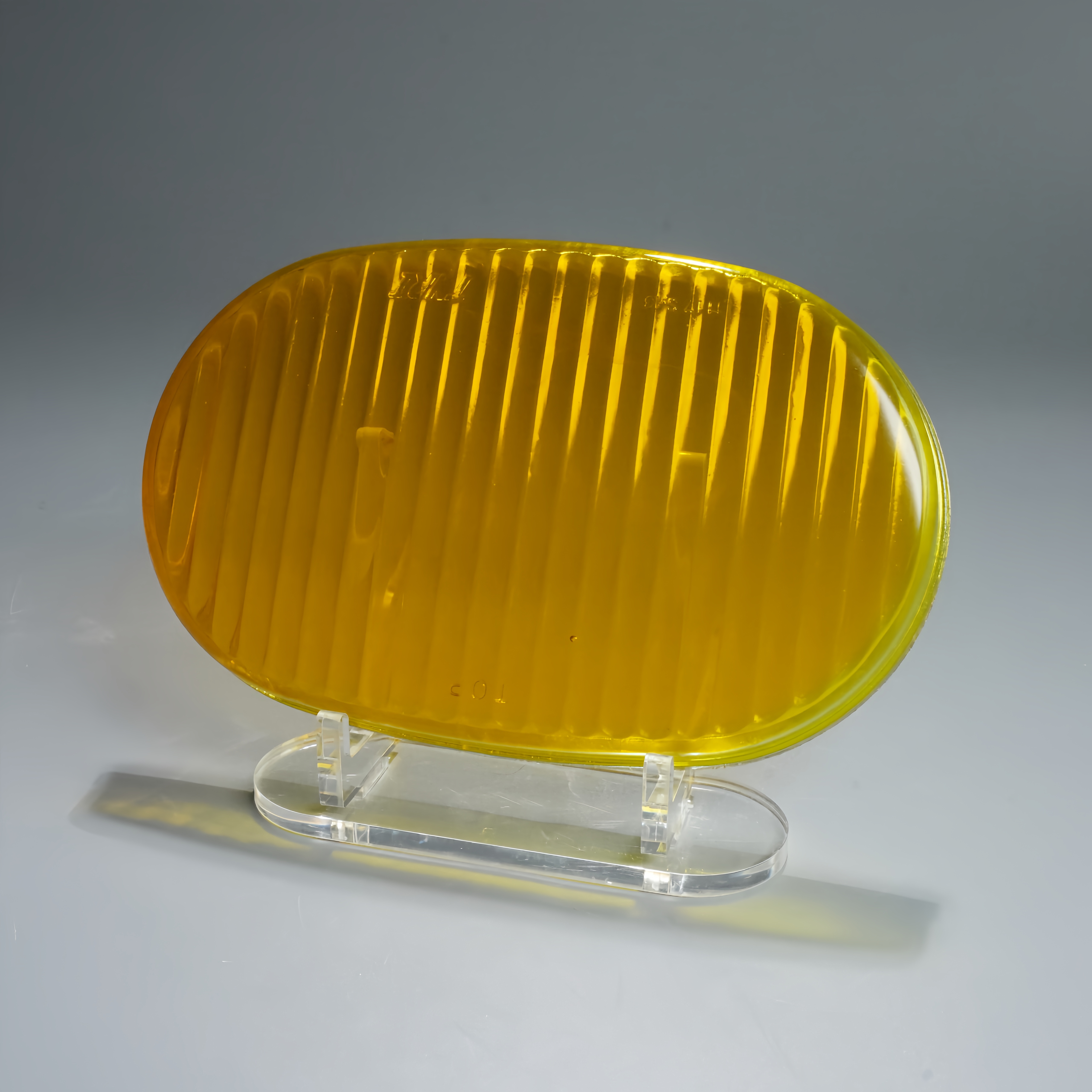
Custom Borosilicate Glass Car Light Accessories
Factory-customized size, shape and colour for car light and traditional industrial housings; suited to high lamp heat and repeated thermal cycling.
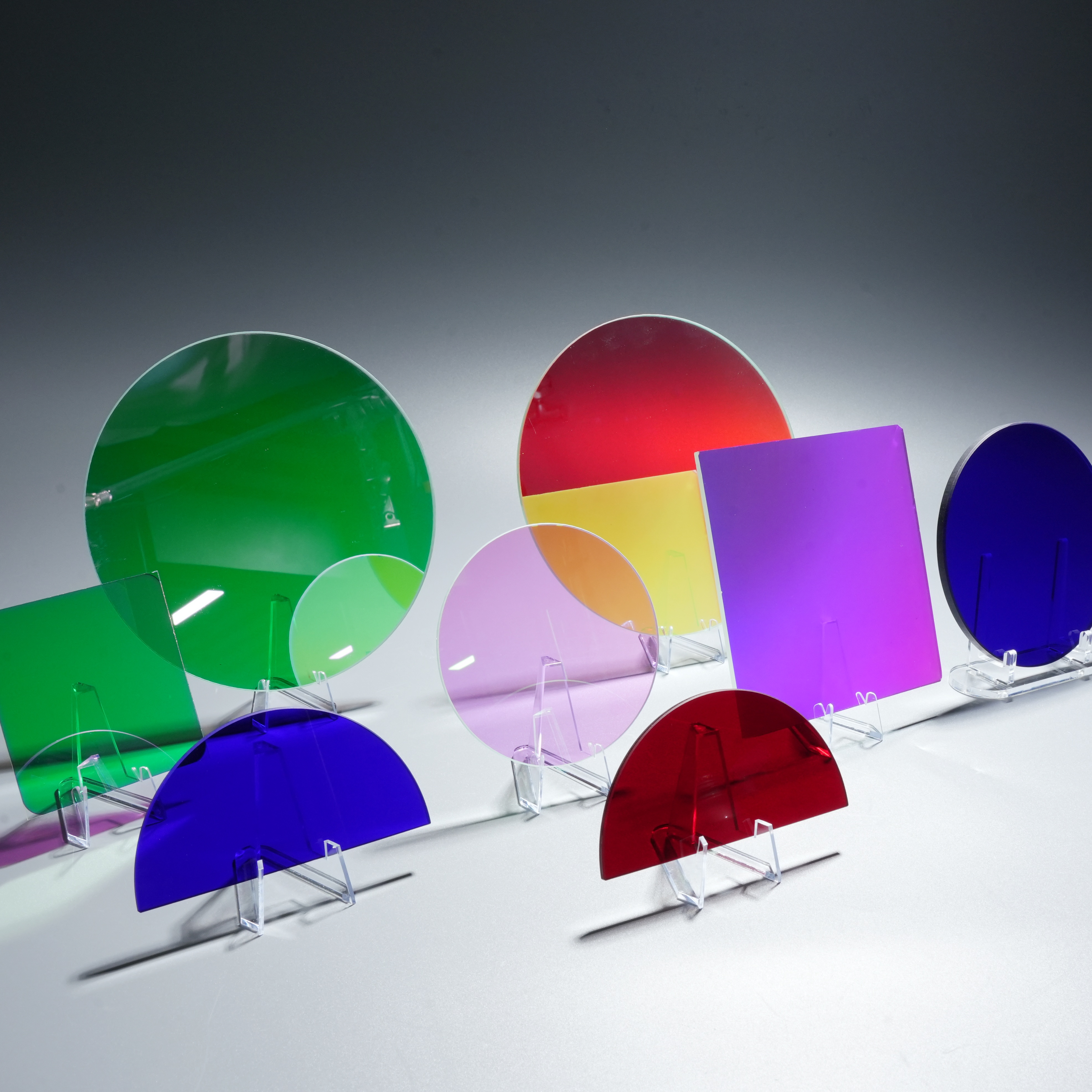
590 nm 49 mm Coated UV Borosilicate Bandpass Filter
Coated borosilicate bandpass / longpass filter for optical sensing and instrument assemblies; wavelength and diameter can be customized.
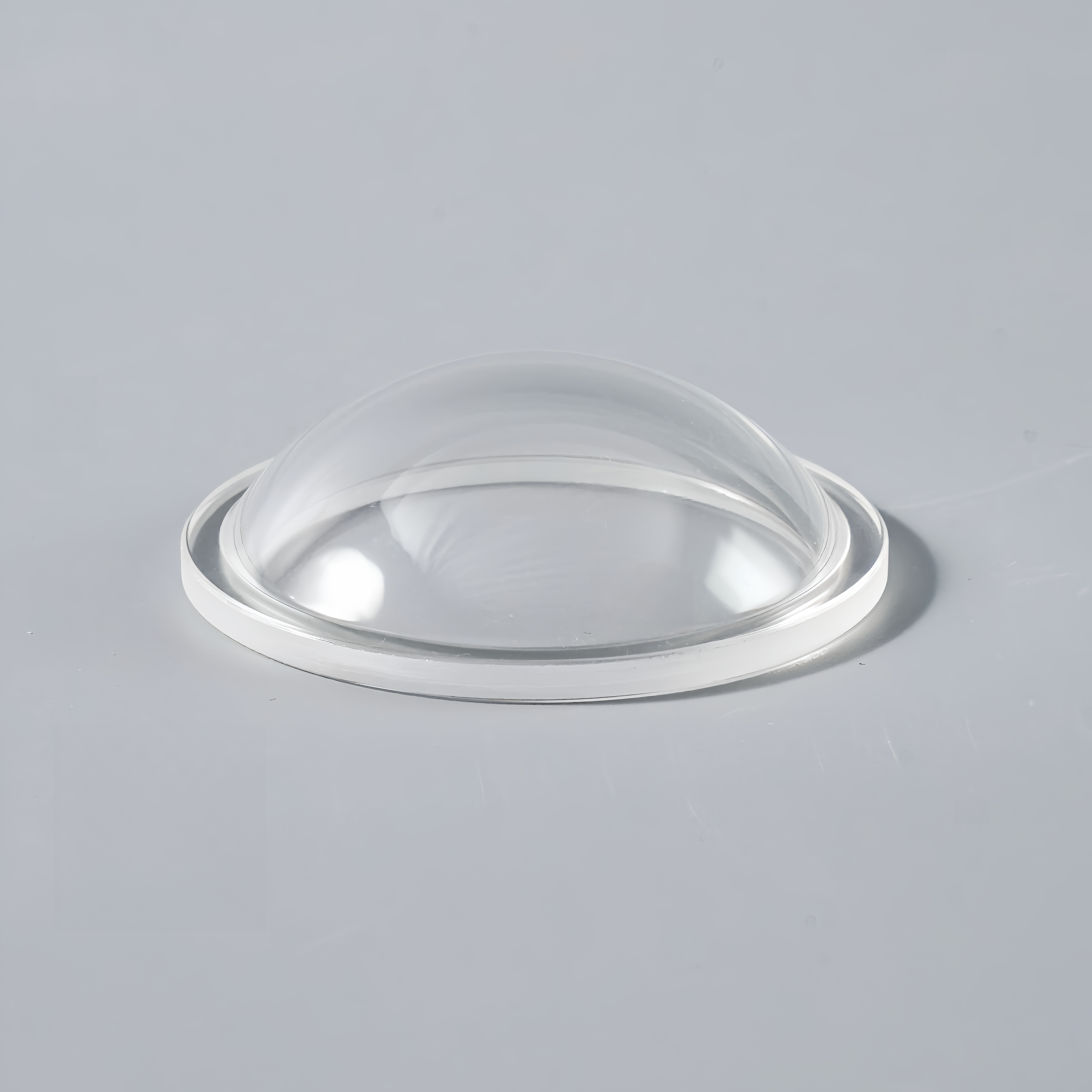
Clear Borosilicate Glass Dome Lens for LED Outdoor Lighting
High-light-transmission dome with impact-resistant and anti-scratch OEM options for outdoor fixtures exposed to rain, UV and coastal air.
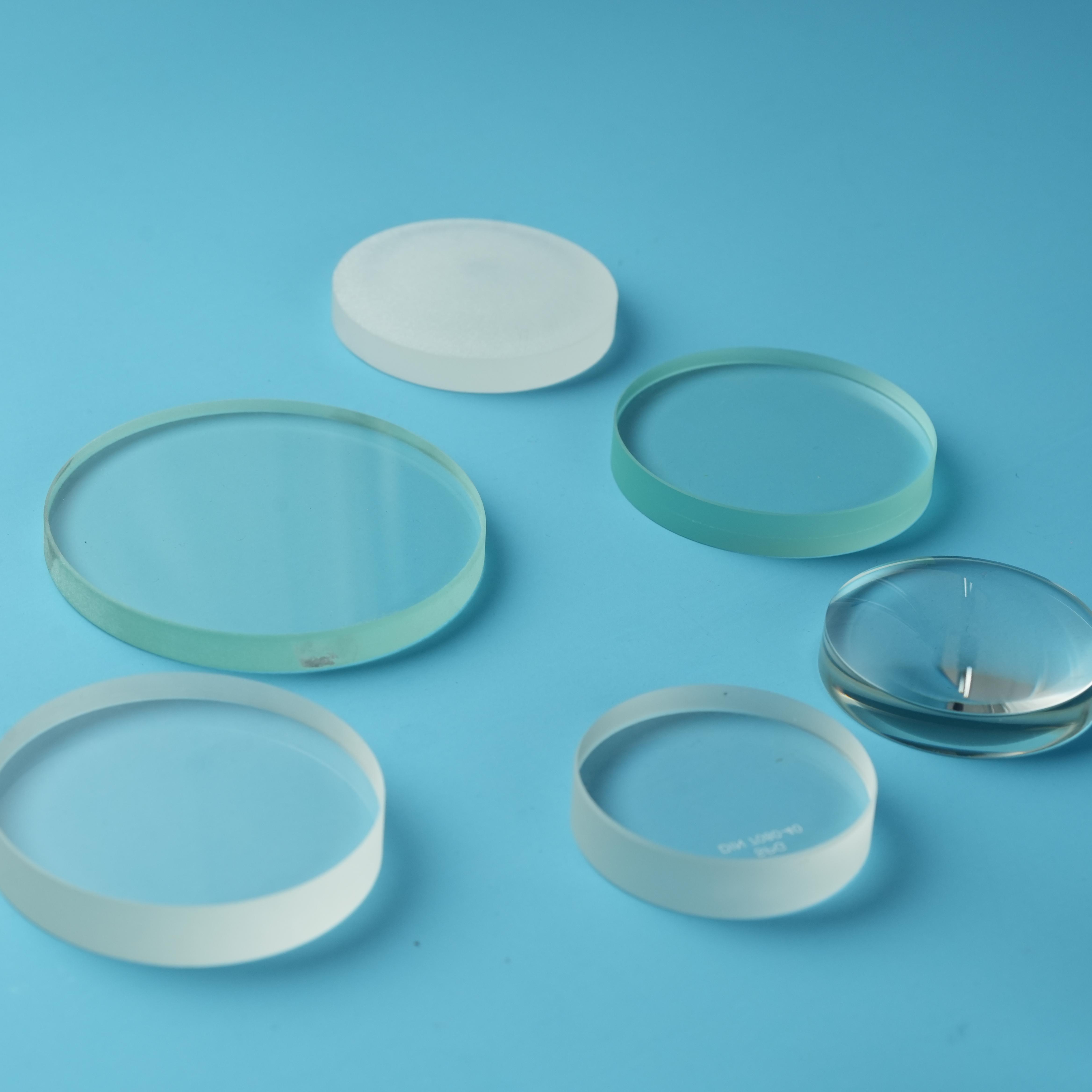
Custom AR-Coated Borosilicate Optical Window, 50 mm
Square optical window in borosilicate, K9, BK7, B270 or fused silica; 50 mm diameter example with custom sizing and anti-reflective coating.

OEM Borosilicate Optical Dome Cover for Outdoor IP Cameras
UV-resistant, waterproof housing dome with anti-reflective coating options and precise hemispherical form for surveillance and sensing.
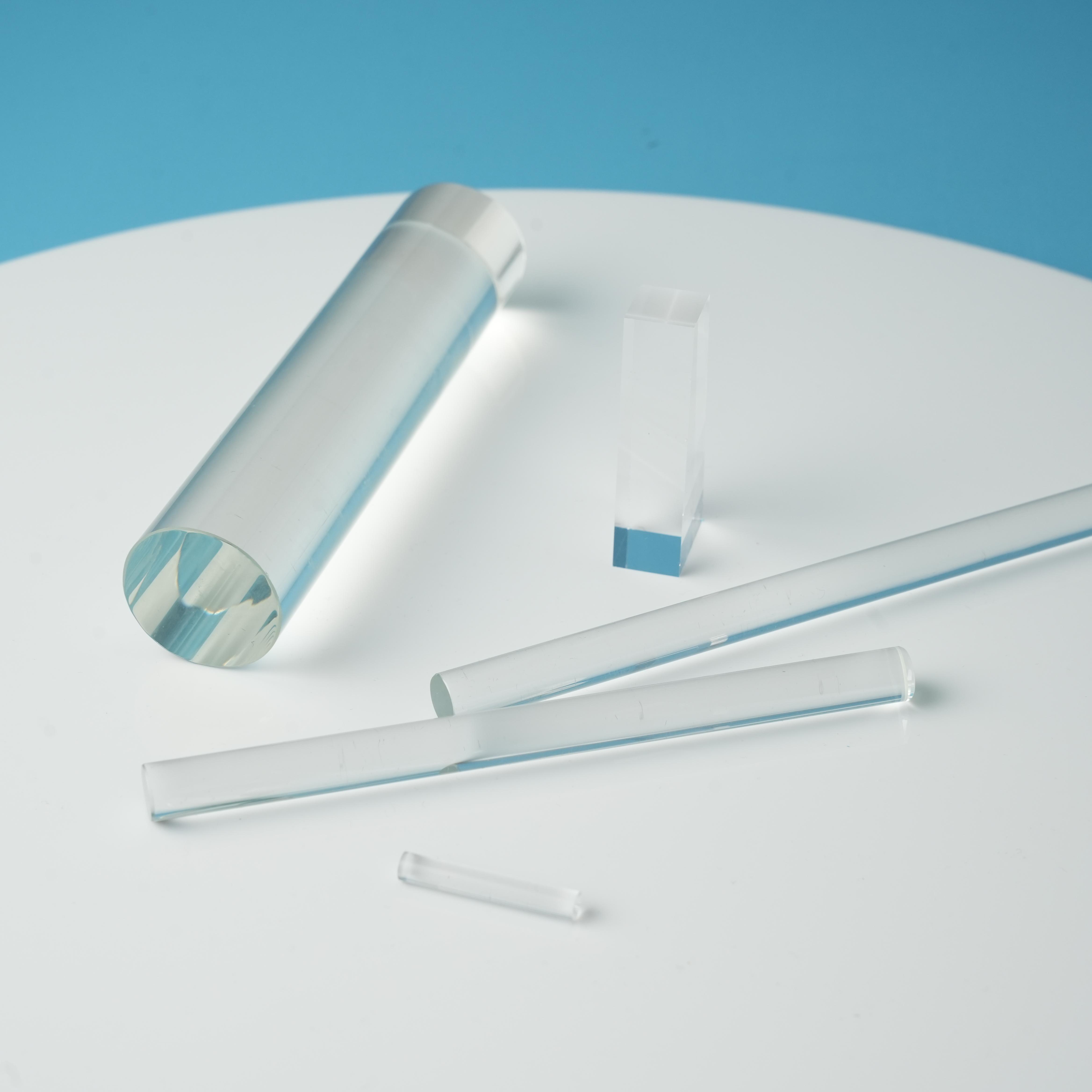
Custom Transparent Borosilicate Optical Light Guide Rod
Factory-custom shape, ends and dimensions for laboratory, photonics and high-temperature light-guide applications.
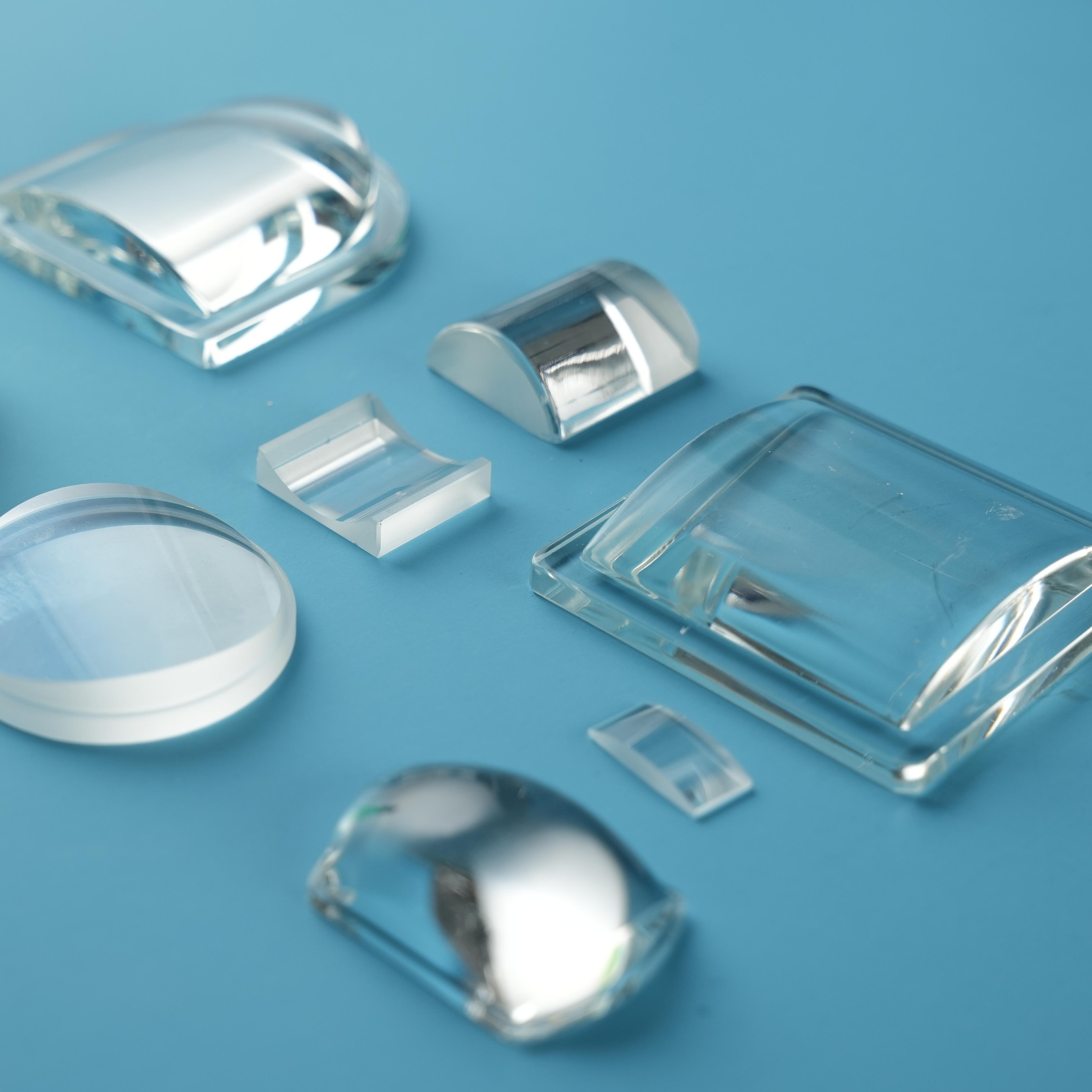
OEM Anti-Reflective Laser Borosilicate Optical Lens
OEM anti-reflective laser glass lens in borosilicate; plano-convex, cylindrical or biconvex geometries for UVC and laser systems.
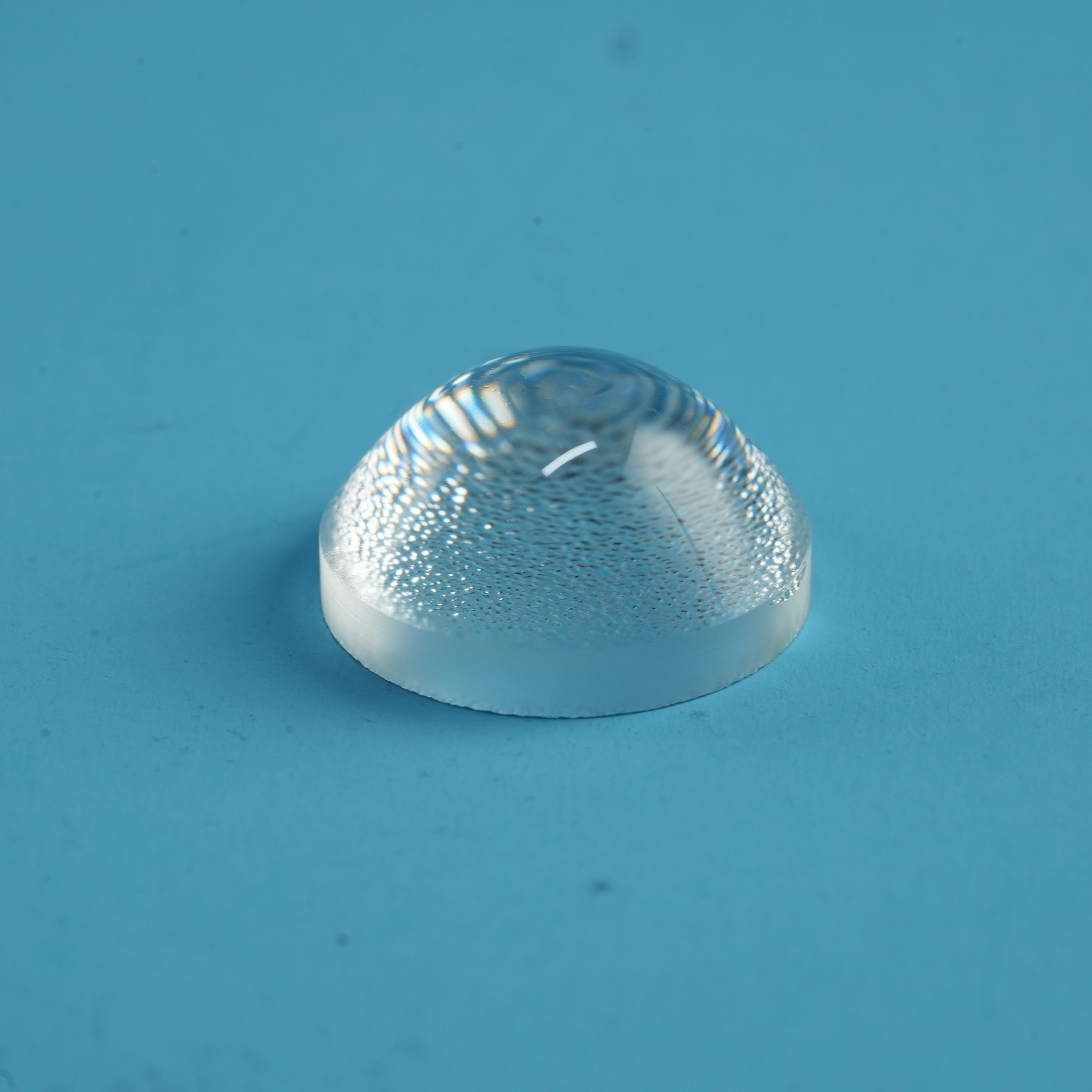
Precision BK7/K9 Aspherical Lens, 0.5–25 mm
Manufacturer OEM precision-grade BK7/K9 optical glass aspherical lens with anti-reflective coating; diameter 0.5–25 mm, MOQ 100 pcs.
Why Borosilicate Glass Discs Fit Surabaya's Climate and Industrial Rhythm
Surabaya combines high ambient temperature, intense UV, coastal humidity and salt-laden air with a dense industrial base. A glass disc that performs well in a dry showroom can fail at a Tanjung Perak warehouse or an East Java plant if thermal expansion, edge quality and coating adhesion are not controlled.
Borosilicate 3.3 is often the preferred starting point because its coefficient of linear expansion is about 3.3 × 10⁻⁶/K, which helps it tolerate hot lamp surfaces, sudden rain and washdown cycles. For lower-temperature outdoor fixtures, tempered soda-lime may be more economical; the correct choice depends on surface temperature, impact requirement, sealing method and fixture certification.
For Surabaya buyers, the most useful RFQ is not simply “a glass disc”. It should define the interface: gasket contact face, chamfer, edge finish, flatness, clear aperture, coating target, maximum operating temperature and the cleaning chemicals used during maintenance. That information lets the factory choose the right glass, annealing route and packing method before a mould or sample is committed.
Our engineering team reviews drawings for wall thickness, draft, sealing faces and optical path alignment before tooling starts. This is particularly important for marine and outdoor lighting projects where a small dimensional error can create a leak path or stress point after installation.
Relative thermal-shock capability
Engineering guide only. Final material selection must be confirmed against your drawing, lamp surface temperature, impact rating, chemical exposure and fixture standard.
Thermal shock from tropical downpours
A hot cover hit by a sudden afternoon storm can crack if the glass has high expansion or poor annealing. Borosilicate 3.3 is widely used for explosion-proof shades, high-power LED covers and outdoor signal glass because it handles rapid temperature change better than ordinary soda-lime glass.
Salt air, humidity and chemical exposure
Coastal installations around Tanjung Perak, Gresik and Lamongan face salt spray, high humidity and UV. Glass itself is stable, but edge chips, poor coating adhesion and inadequate packing can cause field failures. Specify polished or fine-ground edges and verify coating durability for the actual cleaning routine.
Optical clarity and coating stability
For LED optics, camera domes, sensors and instrument windows, the glass must do more than transmit light. AR coatings, bandpass filters and light-guide surfaces need consistent substrate quality, clean edges and handling protection so that transmission and image quality remain stable in humid service conditions.
Application Scenarios Across Surabaya and East Java
Surabaya is not only a port city; it is East Java's procurement gateway for shipyards, industrial estates, aviation, food processing, building services and optical equipment. The same borosilicate disc may need different priorities in each location.
Port, Shipyard & Marine Signal Lighting
Tanjung Perak, Gresik and Lamongan shipyards require signal lenses, domes and covers that resist salt spray and vibration. Red, green and clear glass must hold colour consistency while sealing against humid air.
Airport & Obstruction Lighting
Juanda International Airport and high-rise obstruction systems use clear and red domes exposed to intense sun and rain. Glass must match the fixture's optical and sealing design; certification remains with the luminaire manufacturer.
Industrial Estates & Hazardous Areas
SIER, PIER and JIIPE host chemical, food, automotive and processing plants. Explosion-proof lampshades and emergency light covers need thick-wall borosilicate, controlled annealing and reliable gasket interfaces.
Petrochemical, CPO & Fertilizer Processing
Chemical vapour, washdown, heat and oily atmospheres punish low-quality covers. Borosilicate sight glasses and lighting covers help maintain visibility where maintenance access is difficult and downtime is costly.
Food, Pharma & Cleanroom Lighting
Washdown chemicals, steam and strict hygiene routines demand smooth edges and non-porous surfaces. Glass covers and windows should be easy to clean and compatible with the cleaning agents used in the plant.
Outdoor LED, Street & Architectural Lighting
High-power LED modules, floodlights and decorative façade lighting need impact-resistant domes and discs with stable AR or anti-scratch surfaces. Thermal design and IP sealing are as important as light transmission.
Automotive & EV Lighting Aftermarket
Car light accessories, projection lenses and optical windows require repeatable dimensions and heat resistance. Aftermarket and EV lighting projects often start with a small trial order before moving to annual volume.
Optical Inspection, Lab & Sensors
Bandpass filters, AR windows, aspherical lenses and dome covers support machine vision, laboratory instruments and sensing systems. Buyers should request coating data, dimensional reports and clean packing.
Surabaya Market Trends Shaping Glass Specification in 2025
Procurement decisions in East Java are moving toward traceability, tropical durability and smaller trial orders before volume commitments. These shifts affect how OEM glass discs should be specified.
Port and infrastructure upgrades
Port expansion, warehousing and transport projects increase demand for durable outdoor lighting, signal glass and optical covers that can survive coastal conditions. Buyers are asking for material reports and packing evidence before approval.
Marine and offshore durability
Shipyards and marine equipment suppliers increasingly specify salt-spray-resistant hardware and glass covers. Edge quality, coating adhesion and gasket compatibility are becoming part of the technical discussion, not only price per piece.
High-power LED and smart lighting
Higher lumen density means more heat at the glass surface. Lighting OEMs are reviewing thickness, annealing and thermal shock resistance together with optical transmission and anti-reflective coating performance.
Local content and documentation
Importer-led TKDN and SNI-related workflows require better technical files. We support material certificates, dimensional inspection, coating data and origin documents, while final certification and registration remain with the local importer or manufacturer.
Automation and inspection growth
Food processing, electronics and manufacturing automation are increasing the use of optical windows, filters and camera domes. Buyers need repeatable optical specifications and clean packaging to protect coated surfaces during import.
Smaller trial orders and faster sampling
Surabaya buyers often prefer a sample or trial batch before a full container. Clear MOQ ranges, sample charges, lead time, tooling amortization and packing photos help procurement teams reduce risk and move faster.
How to Specify a Borosilicate Glass Disc That Survives East Java
Start with the interface, not only the drawing. Diameter and thickness are important, but the sealing face, chamfer, flatness, edge finish and contact area determine whether the disc seats correctly in a gasket or housing.
Thermal and mechanical requirements
For a hot LED fixture, specify the maximum lamp surface temperature, expected ambient temperature, washdown or rain exposure and the method used to clamp the glass. For an optical window, state the clear aperture, transmission band, coating reflection target and allowable wavefront distortion. For a sight glass or pressure window, tell us the pressure differential, chemical contact and safety factor so the correct material and thickness can be reviewed.
Do not use a generic “heat resistant” note. A measurable temperature and a description of the thermal cycle let the factory recommend borosilicate, tempered soda-lime, fused quartz or BK7/K9 with a defensible reason.
Edge finish, coating and handling
For humid coastal installations, edge quality deserves special attention. Micro-chips and sharp edges become stress concentrators during thermal cycling and handling. A fine-ground or polished edge, controlled annealing and clean packaging reduce the risk of delayed breakage. If an anti-reflective, bandpass or hydrophobic coating is required, the coating process must be matched to the glass type and environmental exposure.
We review coating adhesion, cleaning compatibility and handling instructions before shipment. For high-value optical parts, request protective film, divider packing and a packing photo before the carton is sealed.
Values are typical references. Final specification is confirmed against your drawing, lamp surface temperature, impact rating, chemical exposure and the standard your fixture must meet. Borosilicate is not automatically the right answer for every part; the operating case decides.
A Controlled 6-Step Process from Drawing to Surabaya Delivery
Clear checkpoints reduce surprises between sample approval and repeat production. For first-time buyers, the process can begin with a sample or a small trial batch.
Drawing and application review
We check thickness, draft, tolerance, sealing face, clear aperture, temperature and coating target before quoting.
Material and tooling plan
Borosilicate 3.3, tempered glass, fused quartz or BK7/K9 is selected with a new or existing mould route.
Sample and measurement
Samples are measured and sent for fit, light, sealing or optical testing before mass production.
Forming and annealing
Pressing, blowing or grinding is followed by controlled annealing or tempering to relieve stress.
Coating and quality control
AR, bandpass or colour coating is applied where required, followed by dimensional and visual inspection.
Export packing and documents
Divider-packed cartons, palletization, desiccant and shipping documents are prepared for Tanjung Perak or Juanda.


Why Tambi Glass Is a Practical OEM Partner for Surabaya Buyers
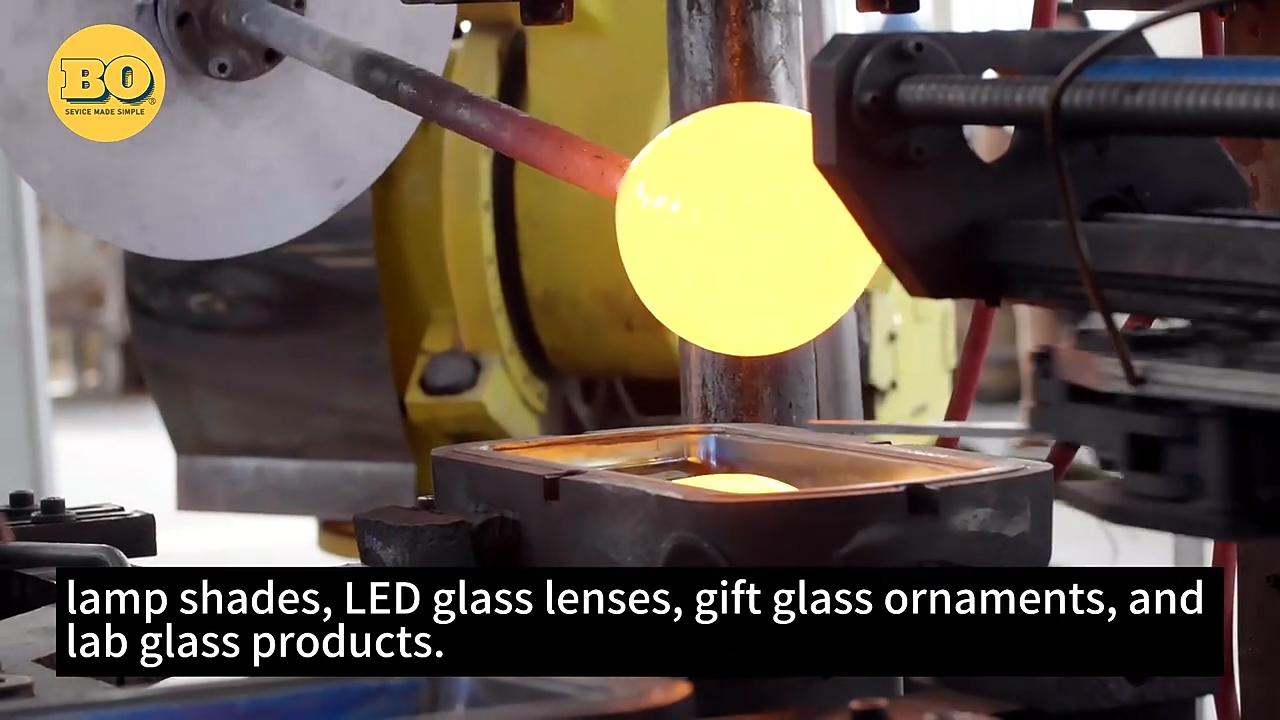
Shanghai Tambi Glass Industrial Co., Ltd. is a manufacturer and trading company focused on custom lighting and optical glass. Our experience covers borosilicate covers, explosion-proof lampshades, signal light domes, LED lenses, prisms, optical domes and filters. We work with OEMs in Europe, North America, Japan and Southeast Asia, and support drawing-based production from prototype to repeat order. The company is an onsite-verified supplier, with a team of 11–50 people and annual export revenue in the US$2.5M–5M range. Our advantage is not a catalogue of standard SKUs; it is the ability to translate a fixture or optical assembly requirement into a manufacturable glass part.
Drawing-based OEM / ODM
Send a 2D/3D drawing or physical sample. Senior lighting and mould engineers review manufacturability before tooling.
Material breadth
Borosilicate 3.3, tempered soda-lime, fused quartz, BK7/K9 and B270 with suitable finishing and coating routes.
Process integration
Pressed, blown, ground and coated processes are coordinated under one supply chain for complex glass parts.
Onsite-verified transparency
Factory video, verification records and audit-friendly documentation help procurement teams qualify the supplier.
Export-safe packaging
Foam or pulp dividers, reinforced cartons, pallets and desiccant protect fragile glass on the route to Indonesia.
Fast technical response
Average response within 6 hours for drawings and technical questions; inspection reports can be provided on request.
Common Questions from Surabaya Glass Disc Buyers
These are the questions procurement, engineering and import teams most often ask when sourcing custom borosilicate glass from China for East Java projects.
Can you ship to Surabaya through Tanjung Perak and provide export documents?
Yes. We can quote FOB, CIF or other agreed terms and coordinate with your forwarder for sea freight to Tanjung Perak or air freight to Juanda. Typical documents include commercial invoice, packing list, bill of lading or air waybill, and material or inspection reports as agreed. Please tell us the importer name, destination, labelling needs and any customs or tender requirements so the documents can be prepared correctly. Final import clearance remains with your local importer.
What is the MOQ and can we start with samples?
Typical MOQs range from 50 pieces for optical lenses to 100–500 pieces for pressed or blown lighting covers, depending on whether an existing mould can be used. Sample quantities are available for evaluation. New moulds or special coatings may involve tooling or set-up charges, and these can be discussed against your annual volume. For a first Surabaya order, we recommend approving a sample, confirming the packing method and then scheduling a trial batch.
How do I choose between borosilicate 3.3 and tempered soda-lime glass?
Borosilicate 3.3 has a low thermal expansion of about 3.3 × 10⁻⁶/K, so it tolerates high lamp temperatures and sudden rain or cold-water contact better. Tempered soda-lime offers high impact strength at a lower cost for moderate temperatures. The right choice depends on surface temperature, impact rating, gasket design, chemical exposure and the certification required for your fixture. Our engineers will compare the operating case and recommend a suitable route rather than treating one material as universal.
Can you support SNI, TKDN or local content documentation?
We can provide material certificates, dimensional inspection reports, coating data, origin information and packing documentation to support your importer's compliance workflow. SNI certification, TKDN calculation and product registration are normally handled by the local importer or manufacturer. We align technical specifications and documentation with your chosen route and do not claim certification that we do not hold. Please share the documentation checklist from your buyer or customs broker at RFQ stage.
How do you protect fragile glass during export to Indonesia?
Parts are separated by foam or pulp dividers, packed in reinforced export cartons and palletized for sea or air freight. Desiccant can be added for humid routes. For coated optical parts, protective film and clean-room handling may be used where appropriate. Custom packaging and labelling for distributors can be arranged. Before shipment, we can provide packing photos or agree on a carton drop-test standard for high-value or fragile orders.
How fast is the technical response, and what should I send with my drawing?
Our average response time is within 6 hours. Send a 2D/3D drawing or a physical sample with dimensions, tolerance, material, colour, coating requirements, maximum operating temperature and annual volume. For optical parts, include clear aperture, transmission band and coating target. For lighting parts, include lamp power, gasket details and installation method. Email info@tambiglass.com with your drawing and destination in Surabaya for a technical and commercial review.
Send Your Borosilicate Glass Disc Drawing for a Surabaya-Ready Review
Share your drawing, operating temperature, annual volume and preferred Incoterm. Our engineers will respond with a material recommendation, tooling route, sample plan, lead time and export packing proposal for Tanjung Perak or Juanda.