8 Custom OEM Bent Glass Products for Jakarta Procurement
The eight product families below are a practical starting point for RFQs. Each original product URL is preserved. Before sampling, define glass grade, coating, tolerance, edge finish, gasket contact face and target certification so the supplier can confirm manufacturability early.
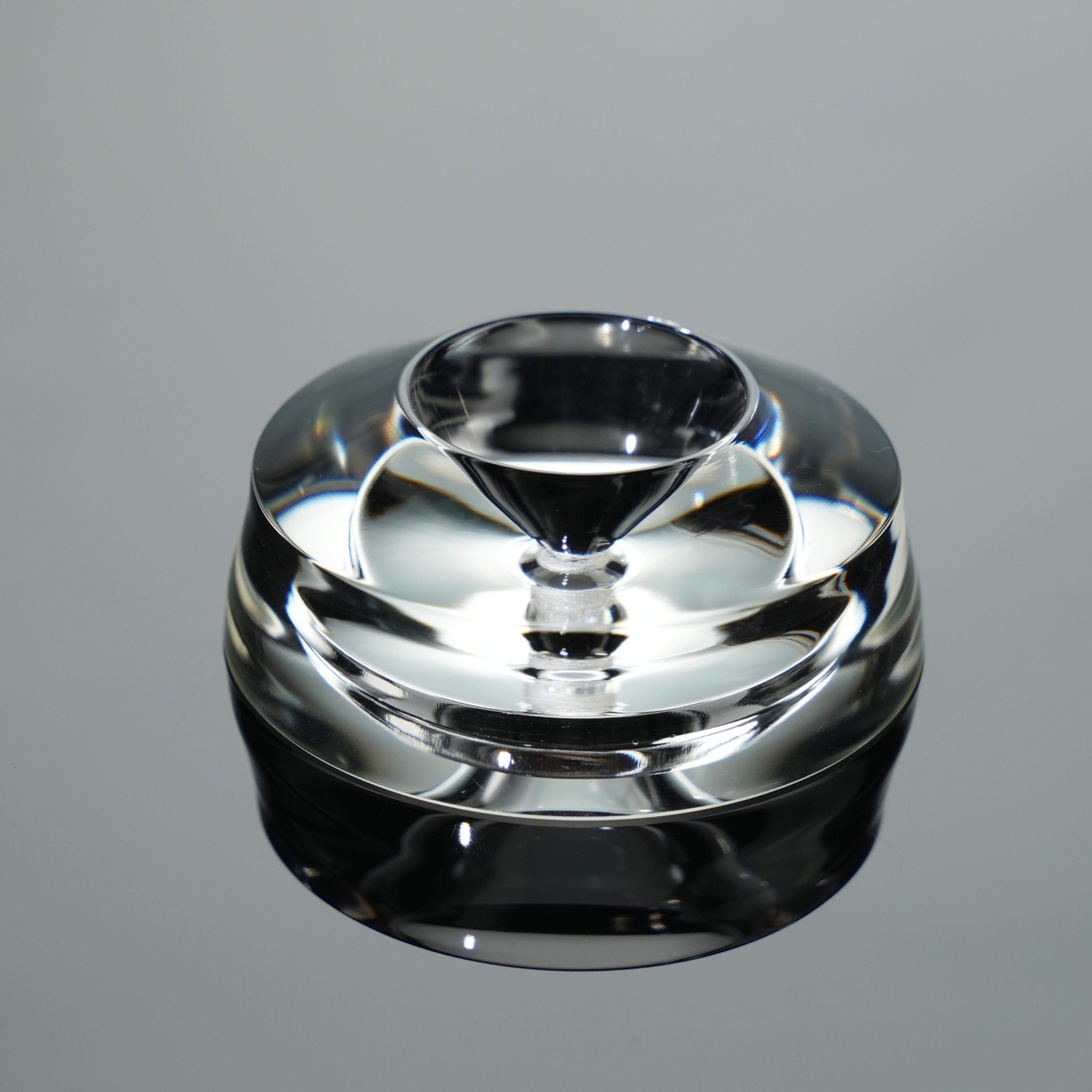
FAA-Compliant Borosilicate Heat-Resistant Glass Lens
Runway in-pavement and taxiway light lens; IP68 waterproof optical equipment; clear heat-resistant glass for demanding thermal cycling.
View product
Manufacturer OEM Precision BK7 / K9 Aspherical Lens
Anti-reflective coated aspherical optics, diameter 0.5–25 mm, MOQ 100 pcs; suitable for sensors, collimation and compact optical modules.
View product
Custom AR-Coated Borosilicate / K9 / B270 Optical Window
Square optical window, 50 mm diameter class; borosilicate, BK7, B270 or fused silica options with anti-reflective coating and sealing-ready edges.
View product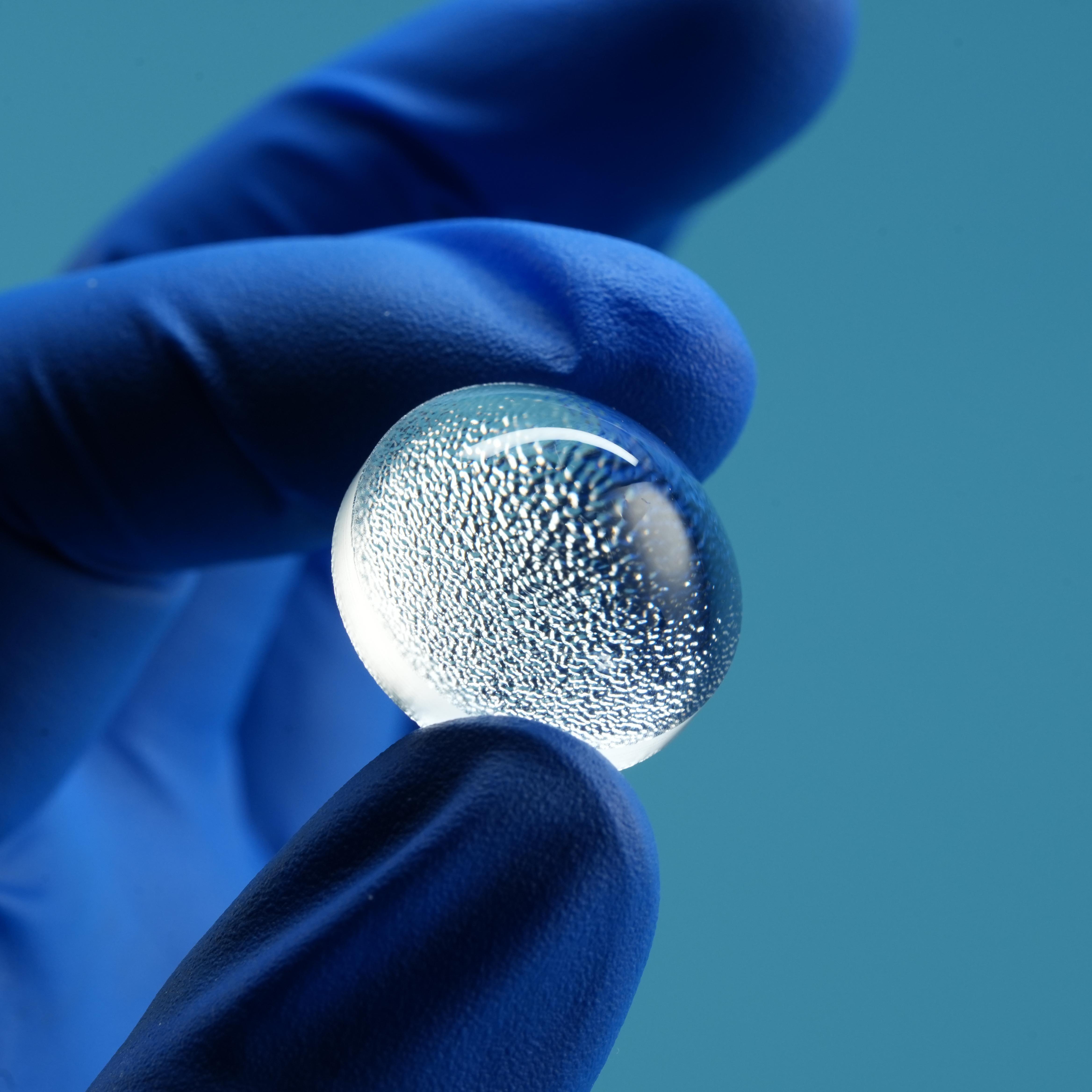
Custom Precision BK7 Spherical / Quartz Half-Ball Lens
1–200 mm clear BK7 spherical, half-ball, concave or biconvex lens; AR coating available for imaging, LED and scientific instruments.
View product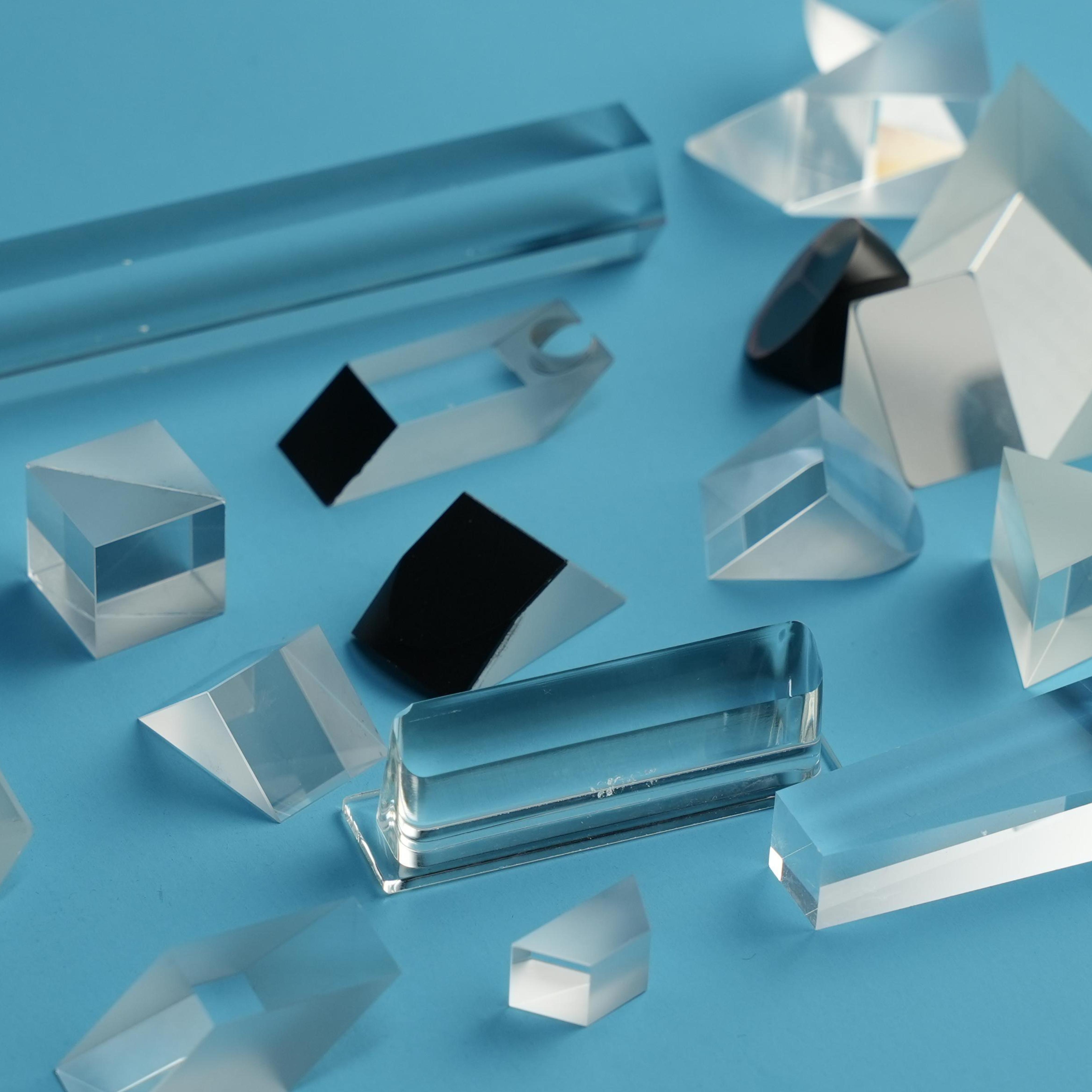
Factory Custom BO-GLASS Right-Angle Optical Prism
90-degree prism in quartz, BK7 or K9; AR-coated fused silica options, ODM/OEM support and 3-year positioning for optical assemblies.
View product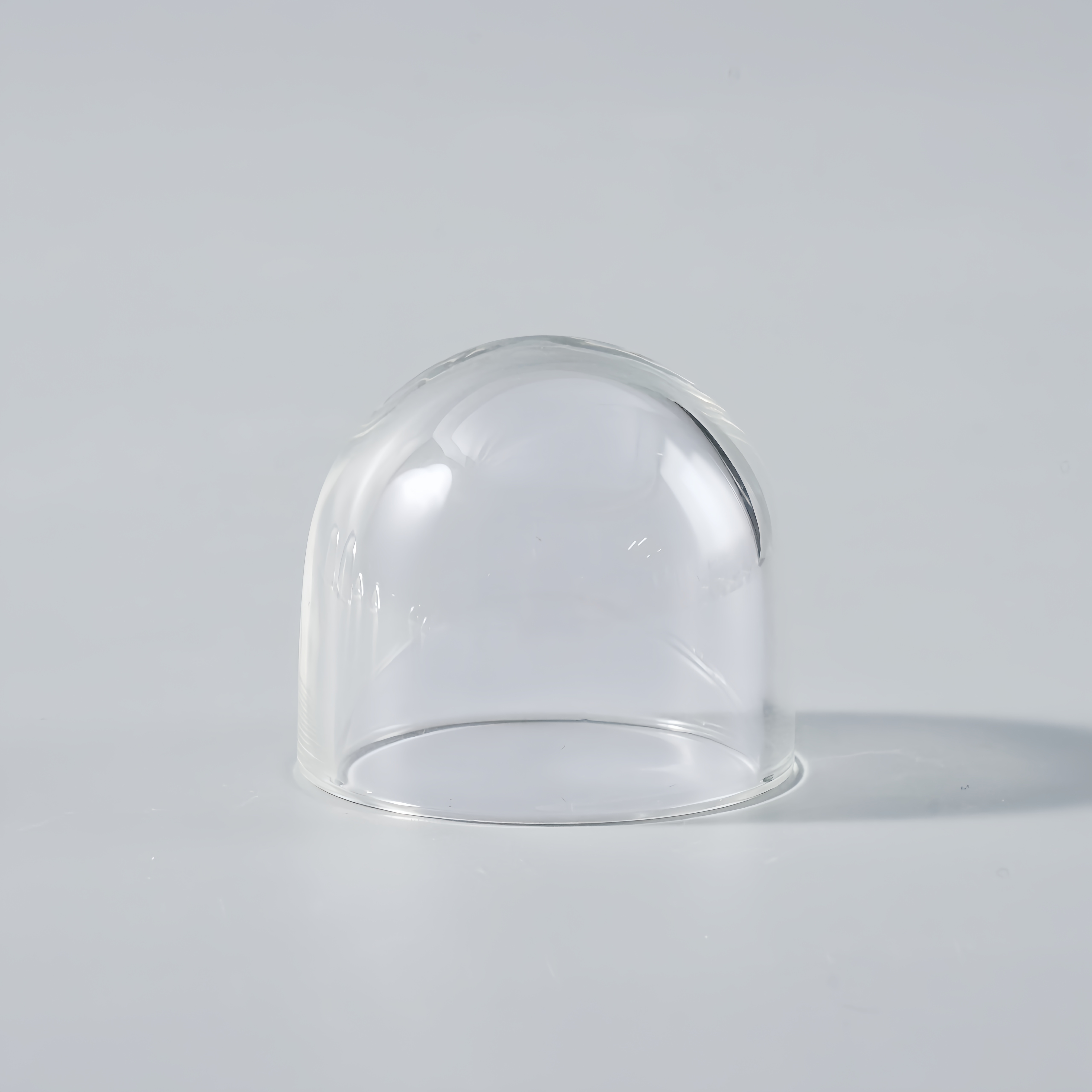
Broadband AR-Coated Hemispherical Glass Dome for LiDAR
Precision hemispherical window with broadband AR coating; designed for LiDAR sensors, scientific instruments and protected optical scanning.
View product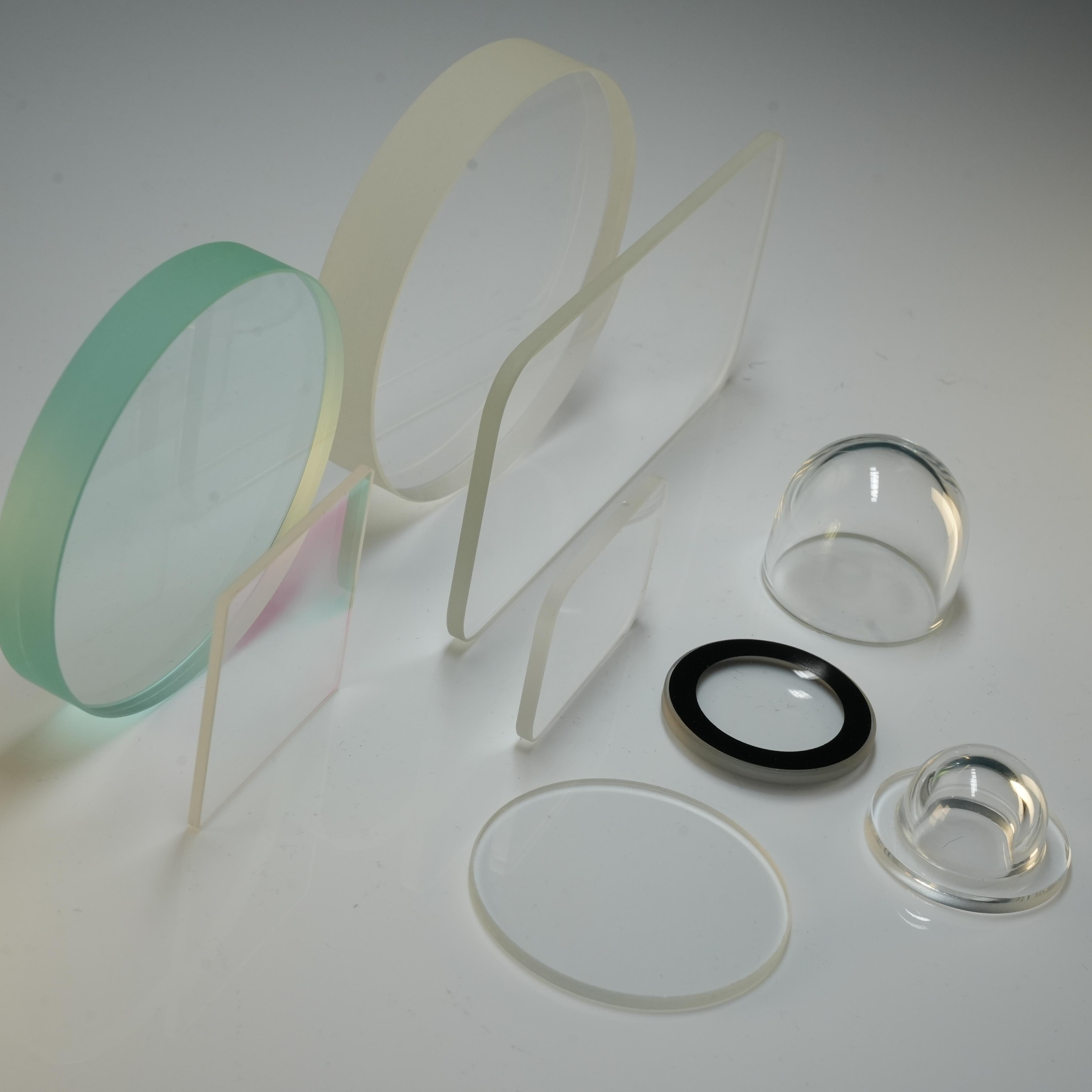
OEM Borosilicate / UV Fused Silica Coated Optical Window
High-transmittance borosilicate and UV fused silica window; coated surfaces for instruments, protective viewing and precision optical paths.
View product
Heat-Resistant Borosilicate Explosion-Proof Protective Shade
Transparent, crack-proof protective cover for high-temperature industrial lighting; selected for thermal-shock resistance and visual inspection access.
View productWhy Custom OEM Bent Glass in Jakarta Is a Specification Problem, Not a Catalogue Purchase
Jakarta buyers rarely need a generic “bent glass” part. They need a repeatable glass component inside a real fixture: an airport lens that survives heat and monsoon rain, a marine signal dome exposed to salt air, a LiDAR hemisphere with a clean optical path, or an explosion-proof shade that holds its shape after years of thermal cycling. In a tropical climate, glass is tested by humidity, UV, high-power LED heat, sudden downpours and cleaning chemicals. The visual shape is only one part of the requirement.
The term “bent glass” can describe several different processes and forms. It may mean thermoformed borosilicate covers, pressed signal-light domes, tempered soda-lime shades, hemispherical optical windows, aspheric lenses or right-angle prisms. For procurement teams, the useful question is not only “Can you bend glass?” but “Can you hold the optical path, sealing face, wall thickness, annealed stress state, coating and dimensional tolerance through mass production?” That is where a drawing-based OEM supplier creates information gain before the first sample is made.
Shanghai Tambi Glass Industrial Co., Ltd. works as a manufacturer and trading company with a focused team of 11–50 people and more than a decade of experience in lighting and optical glass. Senior lighting and molding engineers review every drawing for wall thickness, draft, gasket compression, sealing faces and optical path alignment before tooling starts. Pressed, blown, ground and coated processes are coordinated under one supply chain, with long-term partners in Europe, North America and Japan. For Jakarta-facing projects, we combine that technical review with export packing, material reports, inspection records and shipment coordination through the importer’s preferred forwarder.
The most reliable brief includes the fixture drawing, gasket detail, operating temperature, cleaning agents, impact expectation, target transmission, coating wavelength and annual volume. If you are comparing local wholesalers in Jakarta, ask how they control annealing or tempering, how they measure radius and wall thickness, and how they protect the sealing face during packing. Those details decide whether a lower quotation becomes a costly field return later.
Where Custom Bent Glass Performs in Jakarta and Greater Indonesia
Glass failures usually appear where heat, salt, impact and gasket stress meet. These application scenarios help buyers match material and finishing to the real operating environment.
Airport & Aviation Lighting
Relevant to Soekarno–Hatta, Halim Perdanakusuma, airfield upgrades and obstruction lighting. In-pavement lenses, red/clear domes and heat-resistant covers must tolerate rapid rain cooling and continuous lamp heat.
Port, Marine & Offshore
For Tanjung Priok and offshore supply chains, salt spray, UV and wind-driven rain affect signal covers. Handblown or pressed glass covers need stable color, thick sealing edges and packaging that protects fragile rims.
Industrial Estates & Hazardous Areas
Oil and gas, chemical, dust and workshop lighting in Cikarang, Karawang or Pulogadung often requires explosion-proof borosilicate shades with thermal-shock resistance and visual inspection access.
Outdoor LED & Smart Lighting
High-power LEDs, floodlights, street lighting and architectural fixtures need AR-coated windows and lenses that resist humidity, UV discoloration and gasket pressure without losing transmission.
LiDAR, Robotics & Scientific Instruments
Hemispherical domes, optical windows and prisms support survey equipment, machine vision, AGVs, security scanning and research instruments. Broadband AR coating and radius control matter as much as the outer shape.
Food, Pharma & Equipment Windows
Washdown areas and chemical-exposed equipment need chemically resistant sight windows and protective covers. Borosilicate and fused silica options help maintain clarity where frequent cleaning is normal.
Jakarta Market Trends Shaping Glass Specifications
Procurement expectations are moving from “dimensionally similar” to “documented, testable and repeatable”, especially where imported glass supports industrial safety and infrastructure projects.
Thermal Shock Becomes a Design Requirement
Tropical downpours on hot luminaires expose weak annealing and unsuitable glass grades. Buyers increasingly specify borosilicate 3.3 or tempered soda-lime based on surface temperature, impact rating and fixture certification.
Documentation and Local Content Pressure
Importers and project owners ask for material certificates, inspection reports, consistent labeling and traceable packing lists. TKDN or local-content determinations remain with qualified local parties, but supplier documentation can reduce delays.
Airports, Ports, Data Centres and Urban Rail
Jakarta’s transport, logistics and digital infrastructure creates demand for signal lenses, optical windows, emergency lighting covers and high-reliability glass parts. Shipping plans should account for sample loops, port congestion and importer schedules.
Coatings and Precision Drive Value
LiDAR, machine vision, horticultural LED, automotive and outdoor smart lighting are pushing AR coatings, bandpass filters and tighter radius control. Early DFM review matters more than late price negotiation after tooling.
Material Selection Data for Custom Bent Glass Components
Use this table for early-stage comparison. Final specification should be confirmed against your drawing, lamp surface temperature, impact rating, cleaning chemicals and target certification.
| Glass Grade | Thermal Expansion | Typical Max. Working Temp. | Key Strength | Best Fit |
|---|---|---|---|---|
| Borosilicate 3.3 | ≈3.3 ×10⁻⁶/K | ≈450 °C | Excellent thermal-shock resistance | Explosion-proof shades, high-power LED covers, Fresnel lenses and signal domes |
| Tempered soda-lime | ≈9.0 ×10⁻⁶/K | ≈250 °C | High impact strength and cost efficiency | Outdoor covers, floodlight glass and vandal-resistant lenses |
| Fused quartz | ≈0.55 ×10⁻⁶/K | ≈1000 °C+ | UV transmission and extreme heat tolerance | UV optics, high-temperature windows and scientific equipment |
| Optical BK7 / H-K9L | ≈7.1 ×10⁻⁶/K | ≈300 °C | Homogeneous optical properties; nd ≈1.517 | Precision lenses, prisms, mirrors and coated filters |
The values above are typical engineering references, not a certification guarantee. For Jakarta projects, confirm the final grade with lamp power, thermal cycling profile, gasket design and any fixture-level standard held by the luminaire manufacturer.
Relative selection index for early comparison only. It is not a laboratory test report or a substitute for application validation.
A Controlled 6-Step Process for Repeatable Glass Parts
Clear checkpoints reduce surprises between sample approval and mass production, especially when the glass part must fit an imported gasket, housing or optical module.
Drawing & Application Review
Engineers check wall thickness, draft, tolerances, sealing faces, optical path and operating temperature before quoting.
Material & Mold Strategy
Borosilicate, tempered soda-lime, quartz or BK7 is matched to the process. Existing molds may reduce MOQ and lead time.
Prototype & Sample Approval
Samples are measured and sent for fit, light test, sealing check and visual review before mass production is released.
Forming, Annealing or Tempering
Controlled forming and stress relief support thermal-shock resistance and dimensional stability in bent or domed parts.
Coating, Inspection & Measurement
AR or color coating, dimensional checks, visual inspection and requested material or inspection reports are prepared.
Export Packing & Jakarta Shipment
Foam or pulp dividers, reinforced export cartons and palletization protect fragile edges and sealing faces for sea or air freight.
Why Jakarta Buyers Work With Shanghai Tambi Glass
Tambi Glass is a manufacturer and trading company focused on custom glass covers, domes, lenses, windows, prisms and optical components for lighting and optical OEMs.
Shanghai Tambi Glass Industrial Co., Ltd. has supplied drawing-based glass components to lighting and optical OEMs for more than ten years. The team of 11–50 people includes senior lighting and molding engineers who review every drawing for manufacturability, wall thickness, draft, gasket contact, sealing faces and optical path alignment before tooling starts. This is especially important for Jakarta buyers importing a finished part from a long-distance supplier: a small misunderstanding in the sealing face can stop an entire assembly line.
Our work combines pressed, blown, ground and coated processes under one supply chain. We regularly handle borosilicate 3.3, tempered soda-lime glass, fused quartz and optical BK7 / K9, with anti-reflective coatings, color requirements and inspection documentation available on request. For buyer teams, the commercial benefit is practical: one technical channel for material selection, tooling, samples, quality checks and export packing, instead of coordinating separate glass formers, coaters and packers.
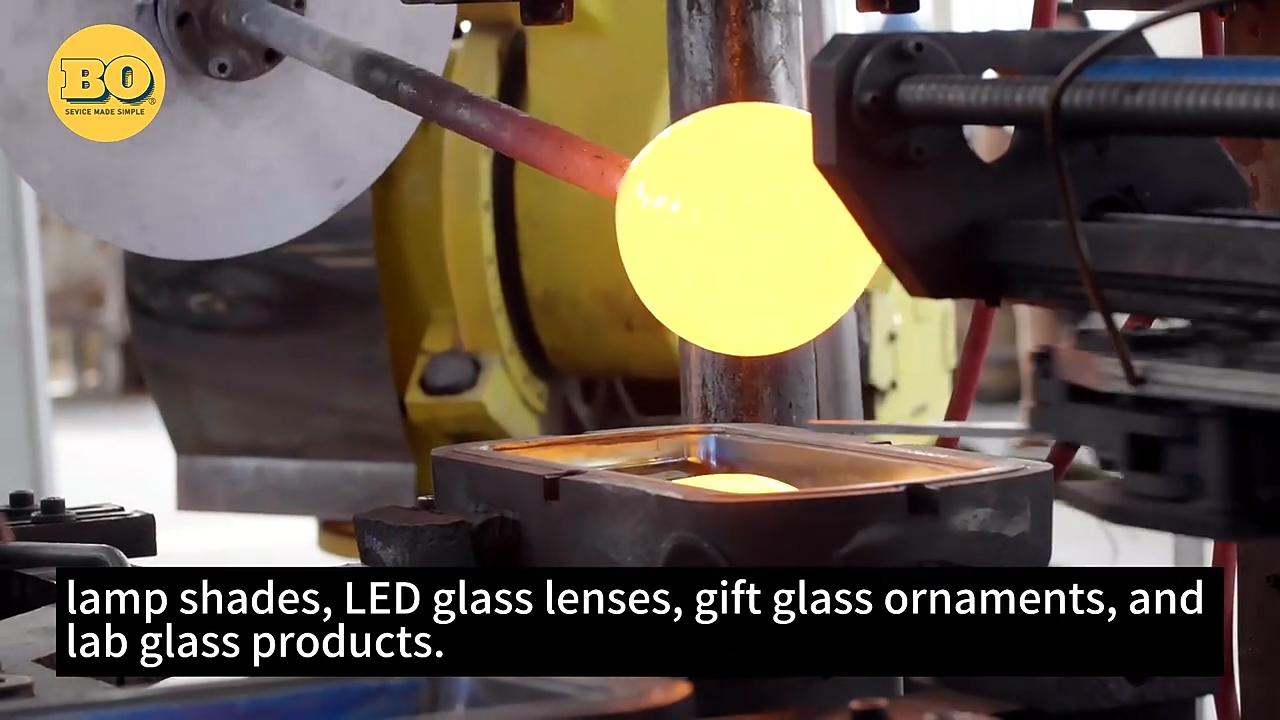
Tambi Glass is an onsite-verified supplier, and third-party audits or video calls are welcome. Average technical response time is within six hours. Fragile glass parts are separated with foam or pulp dividers, packed in reinforced export cartons and palletized for sea or air freight. Custom packaging and labeling for distributors can be arranged, and the factory video provides a transparent view of production and inspection procedures before a sample order is placed.
Supplier Profile
- LocationShanghai, China
- Business typeManufacturer & trading company
- Team size11–50 people
- Export revenueUS$2.5M–5M
- Specialist materialsBorosilicate, tempered, quartz, BK7
- Response targetWithin 6 hours average
- VerificationOnsite-verified; audits welcome



Local Procurement Questions for Custom OEM Bent Glass
These are the questions most often raised by Indonesian importers, lighting OEMs and engineering teams before a sample order.
What is the typical MOQ for custom bent glass and optical parts?
Can you manufacture to my drawing or physical sample?
Should I choose borosilicate glass or tempered soda-lime glass for Jakarta?
Do you supply glass for FAA L-810 or EN 50293 lighting fixtures?
How are fragile glass parts packed for shipment to Jakarta?
How fast can I receive a catalogue and engineering review?
Send a Drawing, Get a Catalogue and Engineering Review
Share dimensions, glass grade, operating temperature, coating, annual volume and target certification. Our team will review the part, recommend a practical material and process route, and confirm the next step for sampling to Jakarta.
info@tambiglass.com