Custom Glass Enclosure for Pharmaceutical and Chemical Industry Emergency Lights: Factory & Exporters in Semarang
Borosilicate covers, explosion-proof shades, optical domes and lenses engineered for humid, corrosive and high-temperature emergency lighting. Drawing-based production, export packing and technical support for Semarang buyers.
Eight Custom Glass Parts to Review Before You Lock the Emergency Light Enclosure
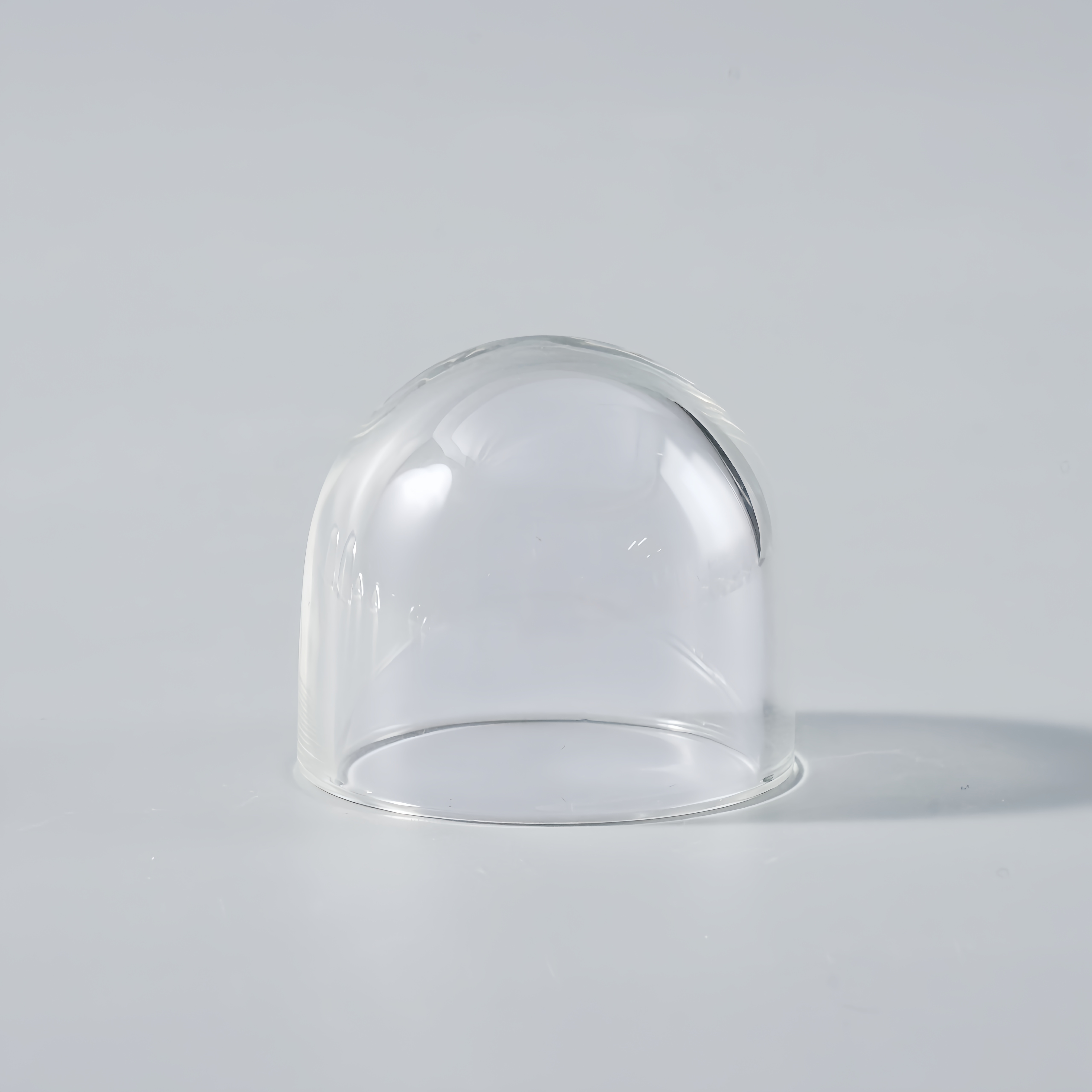
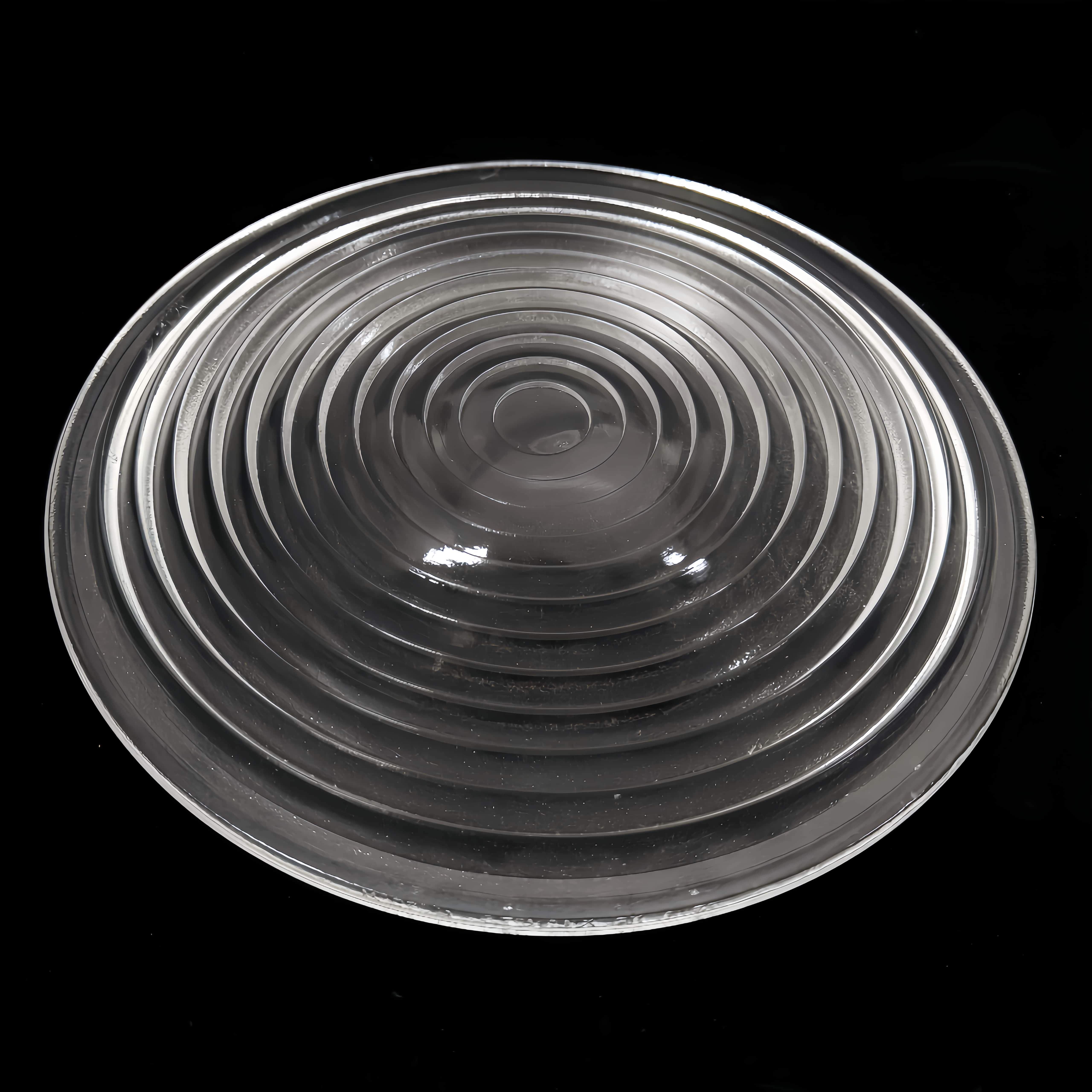
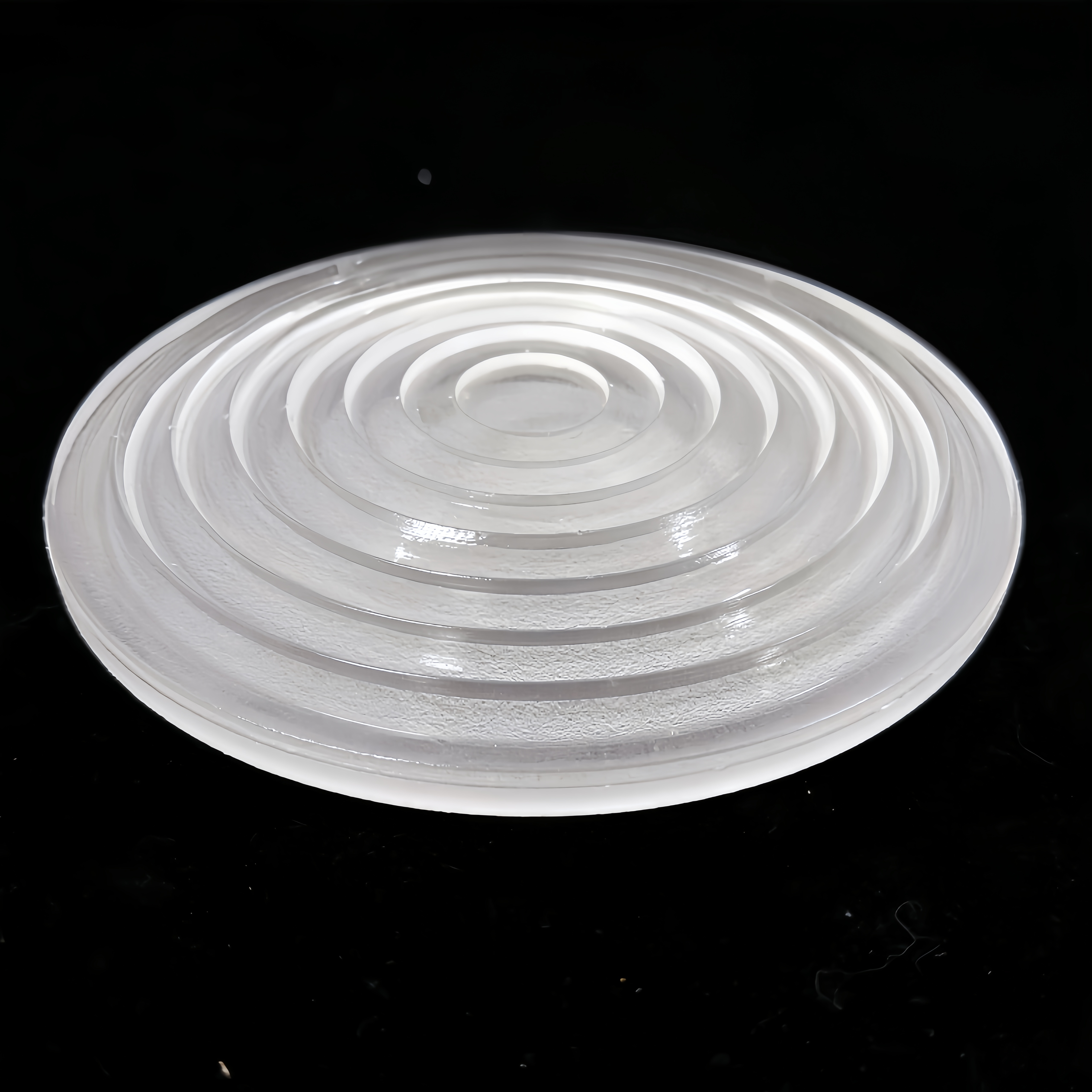
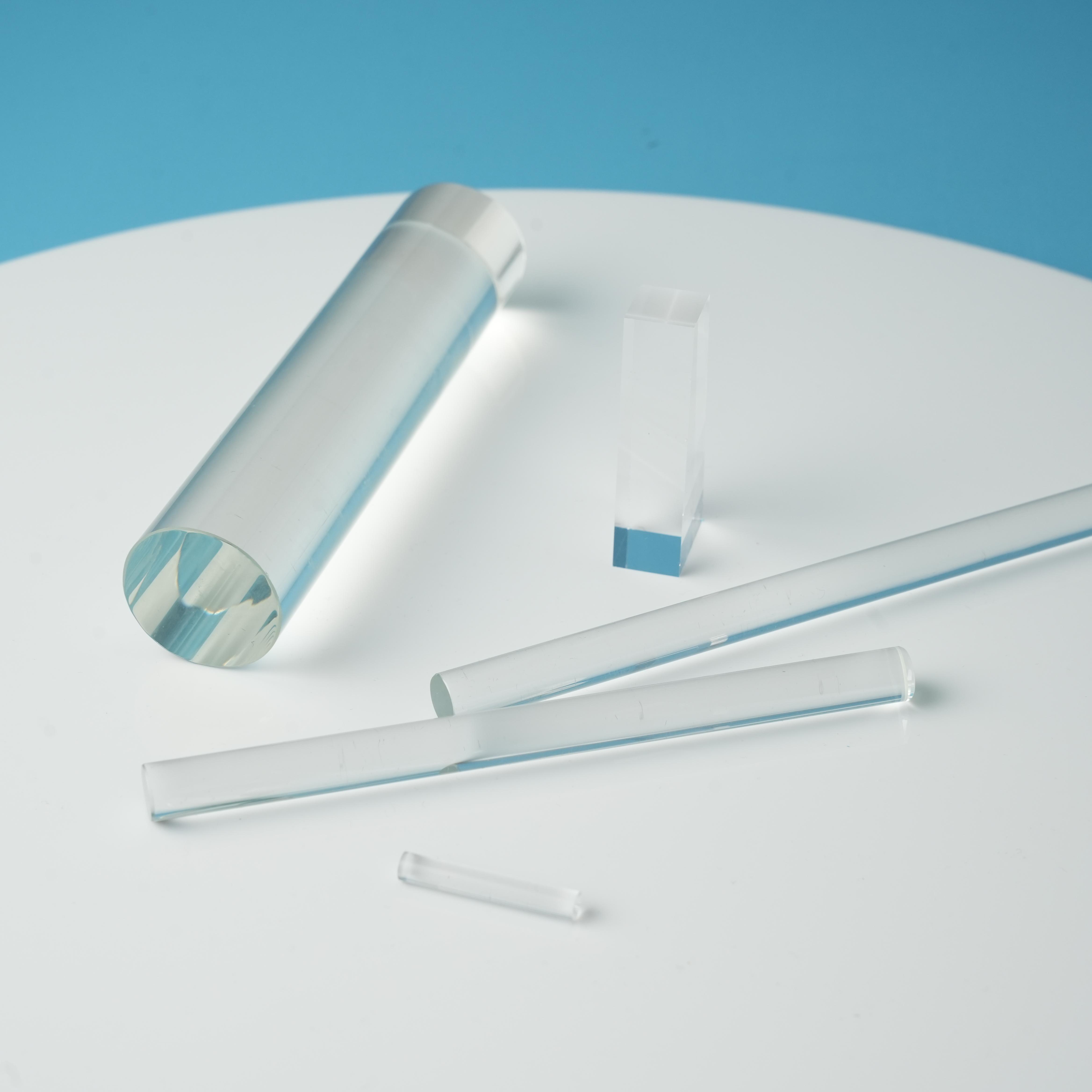
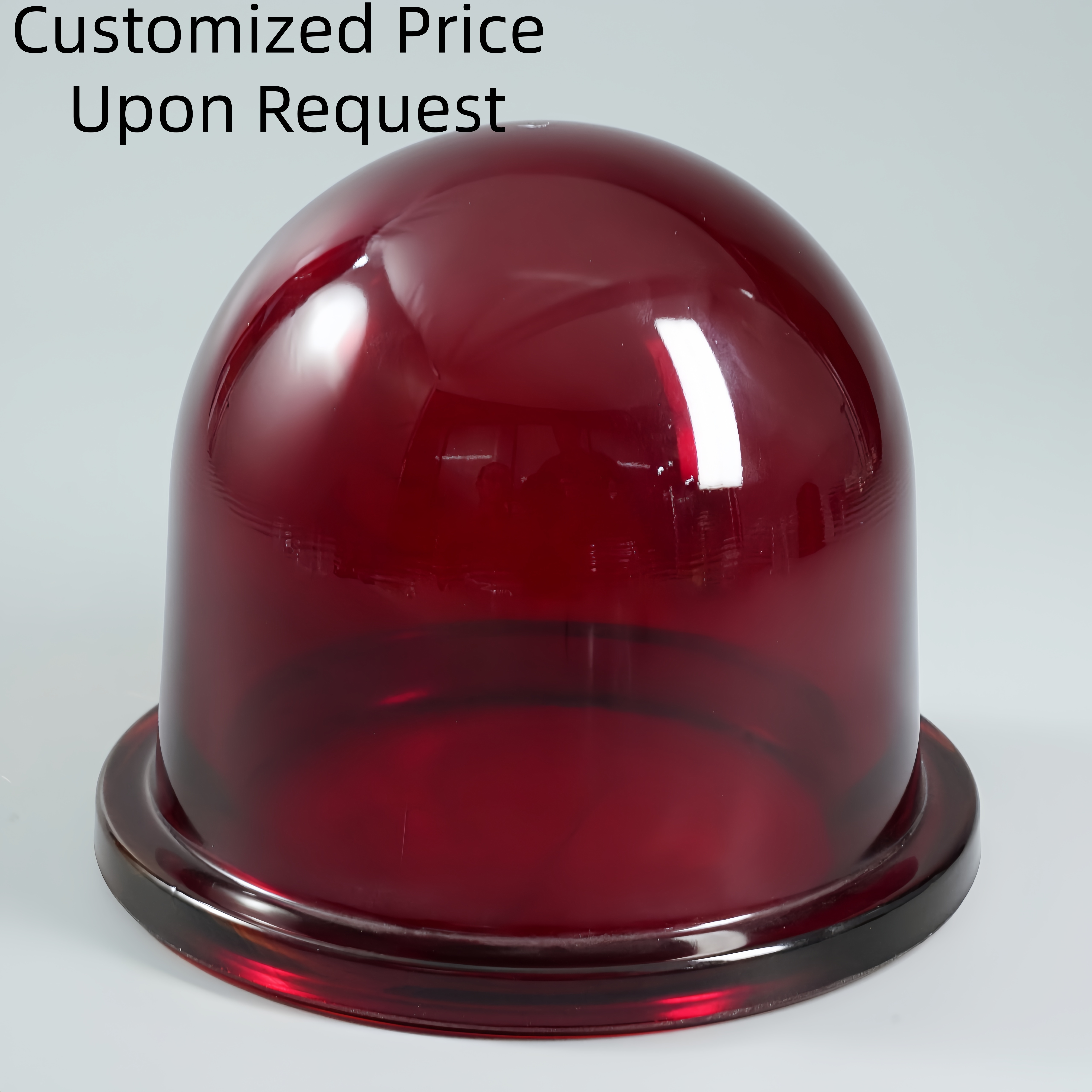
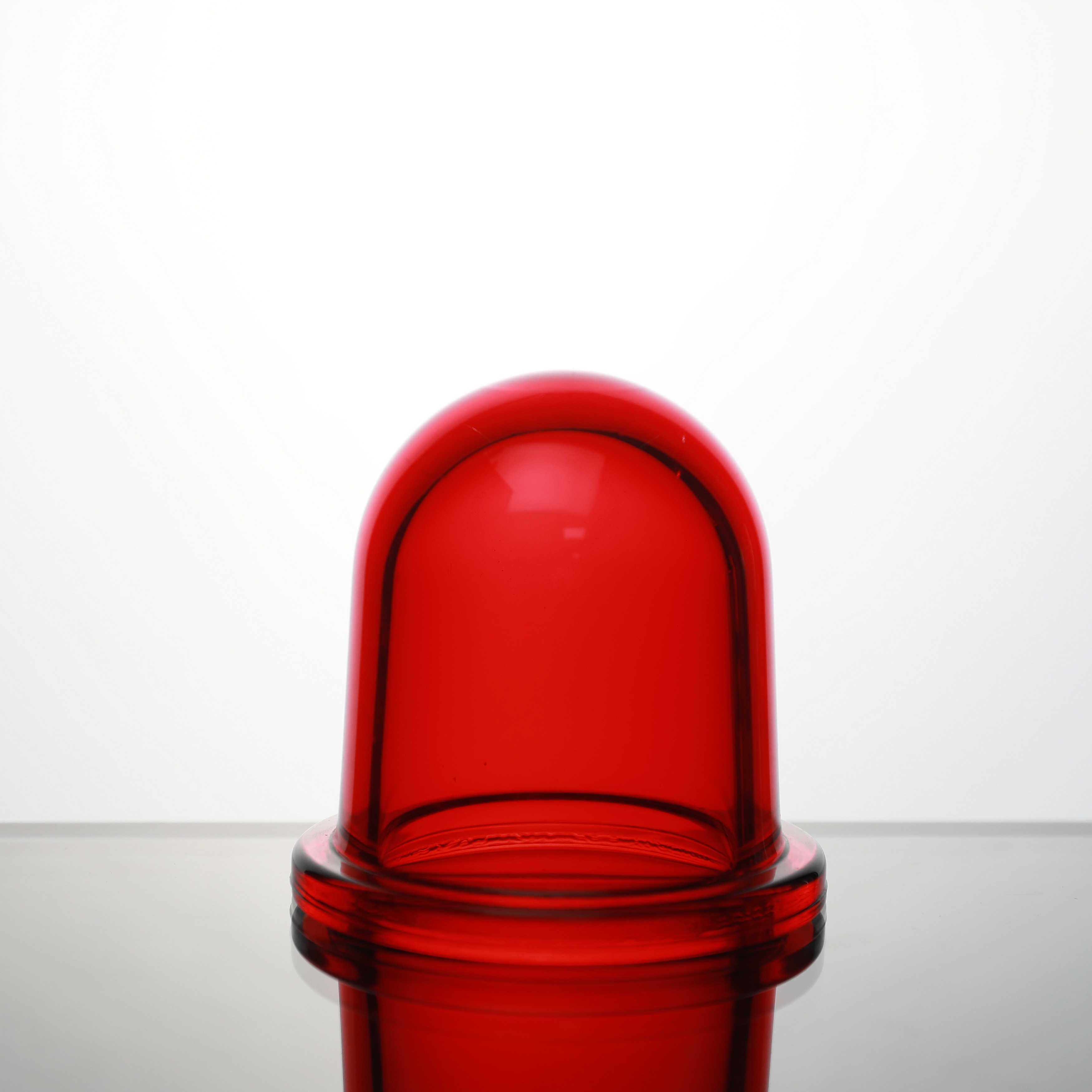
For pharmaceutical and chemical emergency lighting, the glass enclosure is not a commodity cover. It controls light output, protects the LED or battery-powered head, seals against vapors and washdown, and must survive thermal shock. These production references can be customised by drawing, size, coating, colour and gasket interface.


Why Semarang Buyers Need a Purpose-Built Glass Enclosure, Not a Generic Lamp Cover
Coastal humidity, chemical vapors and pharmaceutical cleaning routines place different demands on emergency lighting glass.
Semarang is a working port city and an important industrial gateway for Central Java. Pharmaceutical manufacturing, chemical processing, warehousing, tank terminals, utilities and port logistics all rely on emergency lighting that remains visible during power interruption, smoke, fire or maintenance shutdowns. In these environments, the glass enclosure is the first barrier between the light source and the surrounding atmosphere. It must transmit enough light, resist chemical attack, tolerate thermal cycling and keep its sealing geometry stable over years of service.
A generic soda-lime cover may look acceptable at first, but the total cost can rise when covers crack after cold washdown on a hot LED head, cloud after exposure to solvents, or fail a gasket fit during an audit. Moisture ingress near Tanjung Emas and the surrounding coastal belt can accelerate corrosion around metal rims, while salt-laden air and monsoon rain test the interface between glass, gasket and housing. For pharmaceutical areas, routine disinfection can include alcohols, peroxides, alkaline cleaners and acidic detergents. For chemical areas, vapours and spills may add another layer of exposure. The glass specification should be based on the real environment, not only on the lamp wattage.
Compliance is equally practical. Emergency luminaires may be reviewed against IEC 60598, IP protection requirements, hazardous-area concepts such as IEC 60079, local SNI expectations, K3 safety programmes and insurer checklists. The glass component supports the luminaire manufacturer's certification pathway; final fixture certification remains with the luminaire or equipment manufacturer. This is why drawing-based production, material records, dimensional inspection and consistent colour and transmission are more valuable than a low unit price alone.
How to Specify a Custom Glass Enclosure for Emergency Lighting
Six checkpoints our engineers review before proposing a mold, sample or mass-production plan.
Define the area and protection concept
State whether the emergency light is in a safe industrial area, a Zone 1 or Zone 2 hazardous area, a dust zone, a cleanroom or a washdown corridor. The glass must match the luminaire's protection concept, not sit outside it. Share the housing drawing, gasket detail and the standard the finished fixture must meet.
Calculate lamp heat and thermal shock
Emergency lights may run continuously, switch to battery mode or operate after a long idle period. Surface temperature, LED power, ambient temperature, cold-water washdown and monsoon rain all affect stress. Borosilicate 3.3 offers low thermal expansion, but wall thickness, annealing quality and edge finish still matter.
Map chemical exposure
List the cleaners, solvents, acids, alkalis, vapours and disinfectants used in the area. Chemical durability is not only a material grade question; surface finish, coating choice and gasket compatibility also influence long-term clarity and seal integrity. A cover that clouds can reduce emergency light output before it cracks.
Control optical output
Clear high-transmission glass is suitable for general emergency illumination, while red, green or diffused glass may be needed for signal functions. AR-coated domes and Fresnel lenses can shape or preserve light. Ask for sample photometric evaluation when colour, beam angle or transmission is safety-critical.
Lock the sealing interface
Glass enclosures fail at interfaces more often than at the centre of the lens. Review flatness, edge quality, wall thickness, gasket groove, clamping force and tolerance stack-up with the housing. For humid Semarang sites, the glass-gasket-metal joint should be validated with the same gasket material and tightening method used in production.
Plan documentation and export packing
Procurement teams often need material descriptions, dimensional reports, inspection records, coating details and packing specifications. Fragile glass should be divider-packed, reinforced and palletised for sea or air freight. Clear documents and sampling make supplier qualification easier for Semarang importers and EPC teams.
Borosilicate, Tempered Soda-Lime, Quartz or BK7
Select glass after balancing thermal shock, chemical exposure, impact, optical performance and the fixture certification route.
| Material | Thermal shock resistance | Chemical durability | Optical role | Best fit for emergency lighting glass |
|---|---|---|---|---|
| Borosilicate 3.3 | Excellent, low expansion reference around 3.3×10⁻⁶/K | Very good for many cleaners, vapours and washdown routines | High transmission; suitable for domes, covers and Fresnel lenses | Hot LED emergency heads, chemical-area covers, pharmaceutical washdown zones, high-temperature signal glass |
| Tempered soda-lime | Good, but lower than borosilicate | Moderate; depends on surface and chemical mix | Economical clear or coloured covers | Outdoor covers, impact-resistant lampshades, moderate-temperature emergency fixtures |
| Fused quartz | Excellent for extreme heat | Very good, highly inert | UV transmission and high-temperature windows | Specialist UV optics, high-temperature observation windows, extreme lamp environments |
| BK7 / K9 optical glass | Good for stable optical assemblies | Requires controlled optical environment | Precision lenses, prisms, filters and windows | Emergency fixture optics, sensing windows, laboratory instruments, precision beam control |
Reference values are typical and must be confirmed against the final drawing, lamp surface temperature, chemical exposure list, impact requirement and the certification standard of the luminaire. For hazardous areas, the glass must be reviewed together with the fixture protection concept by the equipment manufacturer.
Where Custom Glass Enclosures Are Used in and Around Semarang
Different facilities stress emergency lighting glass in different ways. The table below shows where a custom enclosure changes the specification.
Pharmaceutical cleanrooms and corridors
Smooth borosilicate covers with stable transmission are suitable for GMP-oriented areas where disinfection is frequent. Edges should be finished for easy cleaning, and the gasket should suit the cleaning agents used by the facility.
Chemical reactor buildings and solvent stores
Thick-wall explosion-proof covers and high-temperature shades help protect emergency lights near reactors, solvent storage, mixing areas and pump rooms. The glass must be matched to the luminaire's hazardous-area protection concept.
Port terminals, jetties and tank farms
Near Tanjung Emas and coastal industrial sites, salt spray, wind-driven rain and UV exposure affect external emergency lights. Clear or red borosilicate domes and pressed shades with UV-stable gaskets are common choices.
Warehouses and loading docks
High-bay emergency lights and exit-route fixtures need impact-resistant covers that maintain light output in dusty, vibration-prone logistics buildings. Pressed shades and clear borosilicate domes can be adapted to housing dimensions.
QC laboratories and utility rooms
Optical domes, light guide rods and precision lenses support instrument lighting, indicator windows and sensing systems. AR coating can improve transmission when a glass window sits in front of a camera or sensor.
Wastewater and corrosive utility areas
Emergency lighting in utility corridors, pump stations and wastewater areas may face humidity, hydrogen sulphide and chemical mist. Sealing geometry, glass durability and maintenance access should be reviewed together, not as separate purchases.
Four Local Trends Affecting Glass Enclosure Procurement
Purchasing decisions are shifting from simple replacement covers to documented, application-specific glass components.
More structured safety audits
Plant teams increasingly request material descriptions, dimensional reports and inspection records for emergency lighting components. A documented glass specification supports K3 programmes, insurer reviews and internal maintenance planning.
Pharmaceutical capacity and hygienic design
As Central Java's pharmaceutical and healthcare supply chain develops, cleanroom and utility upgrades place more attention on smooth surfaces, chemical resistance and reliable light output. Glass covers are reviewed together with gaskets and stainless housings.
Port logistics and chemical warehousing
Semarang's port and industrial estates support chemical storage, tank terminals and distribution warehouses. These facilities need emergency lighting that can handle humid coastal air, wind-driven rain and maintenance access without frequent glass replacement.
High-efficacy LED and longer service life
LED emergency lights concentrate heat in smaller areas and often promise longer maintenance intervals. Borosilicate domes, controlled wall thickness and stable gasket interfaces help protect that service-life claim in humid and corrosive settings.
What Semarang Importers and EPC Teams Should Send
A complete inquiry reduces sample cycles and helps the factory recommend the right glass process.
Drawing pack
2D/3D drawing, diameter, height, wall thickness, tolerance, edge finish, gasket groove, lamp surface temperature and annual volume.
Environment brief
Chemical cleaners, vapours, humidity, salt air, washdown routine, impact risk and whether the fixture is for a hazardous area or cleanroom.
Qualification documents
Required material description, coating data, colour target, transmission target, inspection report and any test evidence your certification route needs.
Commercial and logistics plan
Sample quantity, annual demand, MOQ expectation, packaging label, sea or air shipment preference and document requirements for Semarang delivery.
Inside the Supply Chain: Shanghai Tambi Glass Industrial Co., Ltd.
Drawing-based OEM/ODM production with practical glass engineering for lighting and optical buyers.
Shanghai Tambi Glass Industrial Co., Ltd. is a manufacturer and trading company focused on custom borosilicate glass covers, explosion-proof lampshades, signal light domes, LED lenses, prisms and optical filters. The company has more than ten years of experience in lighting glass, a team of 11–50 people, annual export revenue in the US$2.5M–5M range and onsite-verified supplier records. Its working model is drawing-based: senior lighting and molding engineers review wall thickness, draft, sealing faces and optical path alignment before tooling starts.
For Semarang buyers, this factory-direct approach is useful when a standard cover does not fit an existing emergency light housing or when a new pharmaceutical or chemical project needs a repeatable glass specification. The company combines pressed, blown, ground and coated processes under one supply chain and works with borosilicate, tempered, quartz and BK7/K9 optical glass. Technical inquiries are typically answered within six hours, and sample quantities are available for evaluation.



Drawing-based OEM/ODM
Send a drawing or physical sample with dimensions, tolerance, material, colour and coating requirements. The team reviews manufacturability and proposes mold options before mass production.
Material and coating range
Borosilicate 3.3, tempered soda-lime, fused quartz, BK7/K9, AR coatings, colour glass and custom finishing are reviewed against the real fixture environment.
Lighting and optical know-how
Experience with heat build-up behind high-power LEDs, thermal shock, impact loads, colour accuracy and optical path alignment helps prevent costly field returns.
Verified supplier transparency
Onsite-verified supplier records, credit index, transaction level, trade capacity and buyer feedback are available for procurement qualification.
Fast technical response
Average response time is within six hours. Send the drawing and annual volume to info@tambiglass.com for a technical and commercial review.
Export packing for fragile glass
Foam or pulp dividers, reinforced export cartons and palletisation for sea or air freight. Custom packaging and labelling for distributors can be arranged.
Custom Glass Enclosure Questions from Pharmaceutical and Chemical Procurement Teams
Practical answers for buyers comparing factory-direct glass enclosures for emergency lighting in Semarang.
Can you manufacture glass enclosures to our own drawing for a pharmaceutical emergency light?
Yes. Most orders are drawing-based. Send a 2D/3D drawing or a physical sample with dimensions, tolerance, material, colour, coating and gasket requirements. The engineering team reviews manufacturability, proposes mold options and confirms samples before mass production.
What is the typical minimum order quantity for a custom glass cover?
Typical MOQs range from 50 pieces for optical lenses to 100–500 pieces for pressed or blown lighting covers, depending on whether an existing mold can be used. Sample quantities are available for evaluation before volume production.
Should we choose borosilicate glass or tempered soda-lime glass for chemical plant emergency lighting?
Borosilicate 3.3 has a low thermal expansion of about 3.3×10⁻⁶/K, so it tolerates high lamp temperatures and sudden cold-water contact better. Tempered soda-lime glass offers high impact strength at a lower cost for moderate temperatures. The right choice depends on surface temperature, chemical exposure, impact rating and the certification of the fixture.
Can the glass support IEC 60079, IEC 60598, SNI, FAA L-810 or EN 50293-related fixture projects?
Tambi Glass produces lenses, domes and covers for fixture makers who design to these and other standards. Final fixture certification is held by the luminaire manufacturer. The factory matches colour, transmission, dimensions and material specifications, and can provide material and inspection reports on request to support your qualification file.
Do you ship custom emergency light glass to Semarang?
Yes. The factory prepares export-packed glass for sea or air freight and can provide the standard commercial documents required for shipment to Semarang via Tanjung Emas or other Indonesian ports. Share your preferred Incoterm, document checklist and packaging label requirements during the inquiry.
How do you account for Semarang's humidity and salt-laden coastal air?
Glass itself does not rust, but the sealing interface, coating and gasket system must be selected carefully. For coastal sites, specify the cleaning routine, salt exposure and housing material so the glass edge, coating and gasket can be reviewed together. Samples can be evaluated with the actual gasket and clamping method.
Can you produce red, clear or diffused glass for emergency and signal lights?
Yes. Clear borosilicate domes, pressed shades, red signal glass and diffused covers can be quoted from your drawing. Colour stability, transmission target and the interaction with the LED or lamp must be confirmed during sampling.
How are fragile glass parts packed for export?
Parts are separated by foam or pulp dividers, packed in reinforced export cartons and palletised for sea or air freight. Custom packaging and labelling for distributors can be arranged. This helps reduce breakage during long sea freight and local handling in Semarang.
Can we get a sample before committing to production?
Yes. Sampling is a formal step in the OEM process. The sample is measured and sent for fit, light and sealing evaluation. Sample quantities are available for evaluation; commercial terms depend on whether an existing mold can be used or new tooling is required.
How fast will we receive a technical reply?
Average response time is within six hours. Email info@tambiglass.com with your drawing, operating temperature, chemical exposure, annual volume and target delivery schedule for a technical and commercial review.
Have a Drawing? Get an Engineering Review for Your Semarang Emergency Light Project
Share the dimensions, lamp surface temperature, chemical exposure, gasket design and annual volume. The factory will review the glass material, forming method, coating, sample route and export packing for your pharmaceutical or chemical emergency lighting application.
Technical inquiries: info@tambiglass.com · Drawing-based OEM/ODM · Average response within 6 hours