Eight Export-Ready Condenser Lens Products for Jacksonville Buyers
These components cover the optical, lighting, LiDAR, automotive, and industrial paths most often requested by Jacksonville engineering and procurement teams. Every product can be adapted to a drawing, coating, tolerance, and packing requirement.
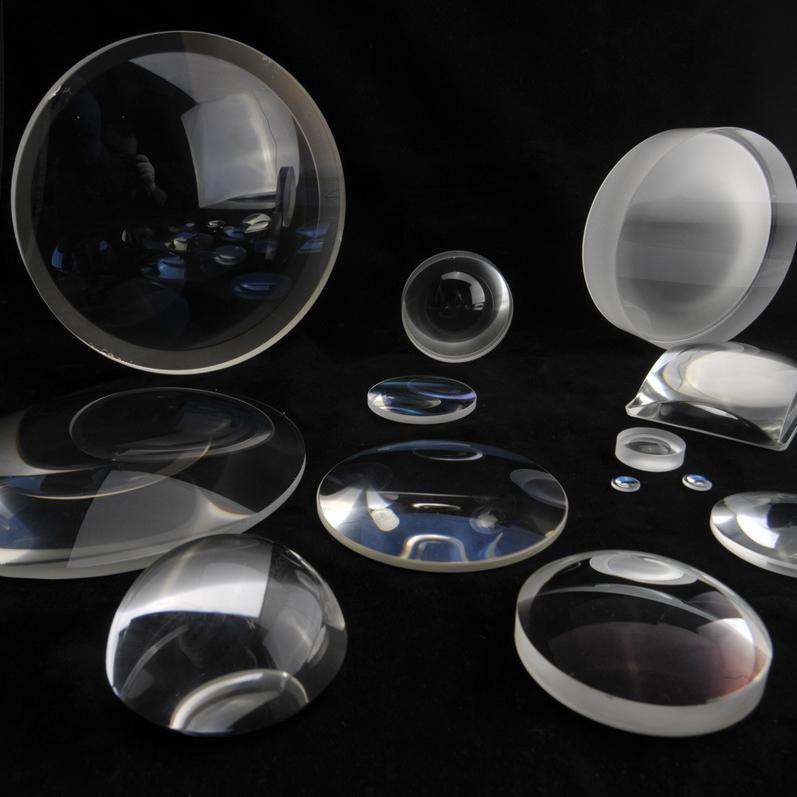
Custom High Quality Diameter 80Mm 127Mm 250Mm Spherical K9 Optical Coating Glass Plano Convex Lens for Big Magnifying
Large-diameter plano-convex option for magnification, collimation, and industrial light control; custom diameter and coating available.
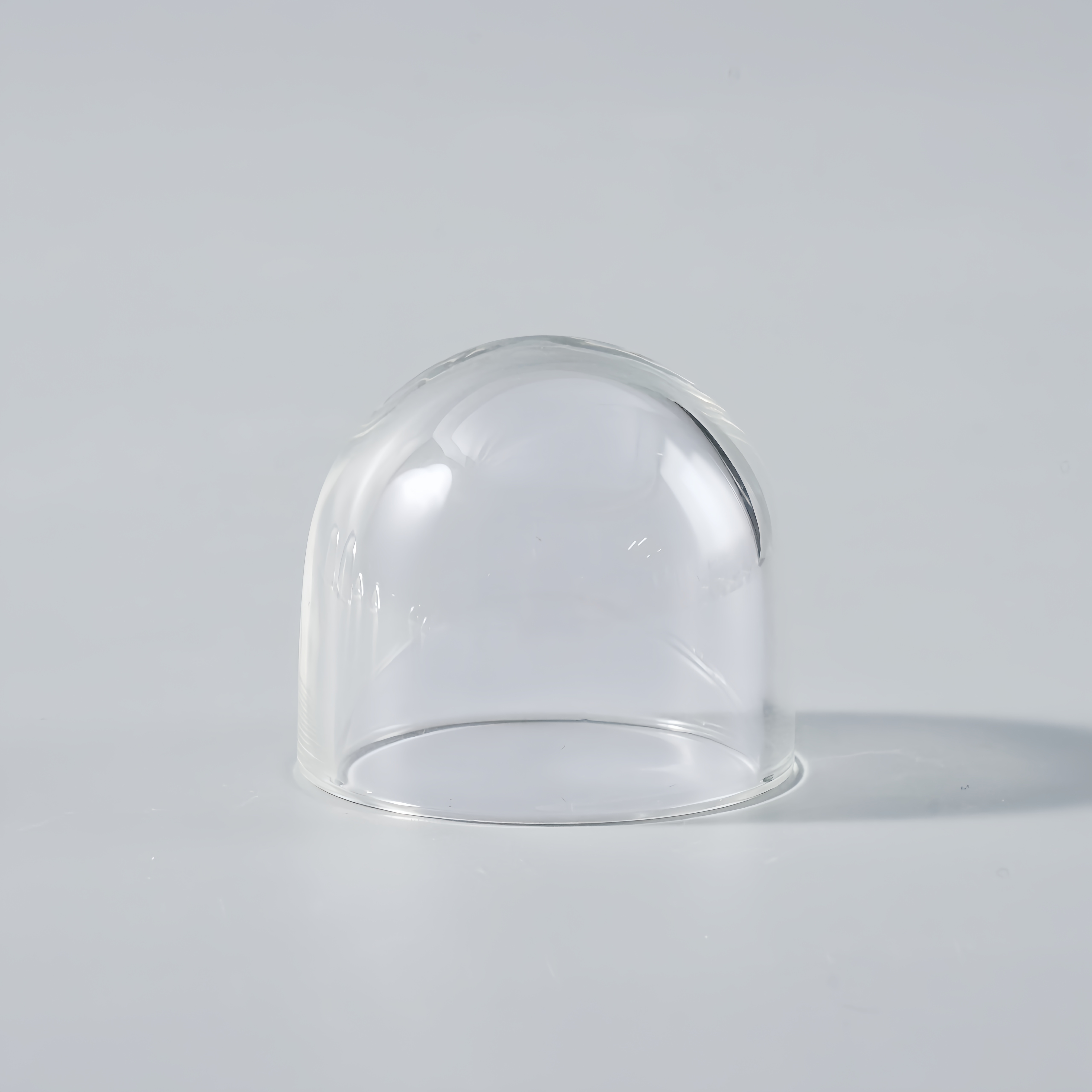
Customizable OEM Optical Glass Domes Broadband AR Coating Precision Hemispherical Windows for LiDAR Sensors Scientific
Broadband AR-coated hemispherical window for LiDAR and scientific instruments; supports pressure and environmental design reviews.
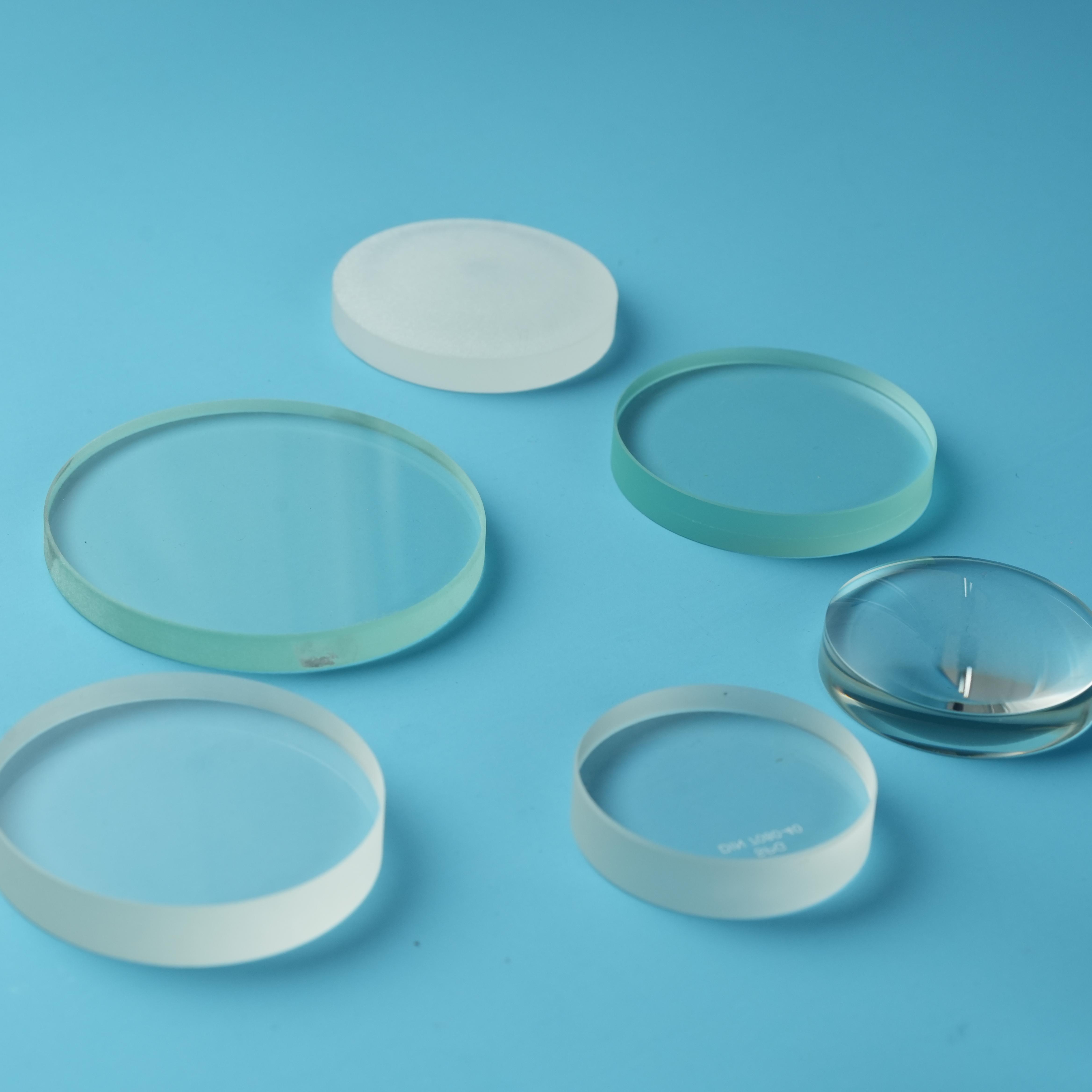
Custom OEM Bo Glass Clear Borosilicate K9 Bk7 B270 Fused Silica Anti-Reflective Coated Square Optical Window 50mm Diameter
Borosilicate, K9, BK7, B270 and fused silica options with AR coating for 50 mm-class inspection and sensing windows.
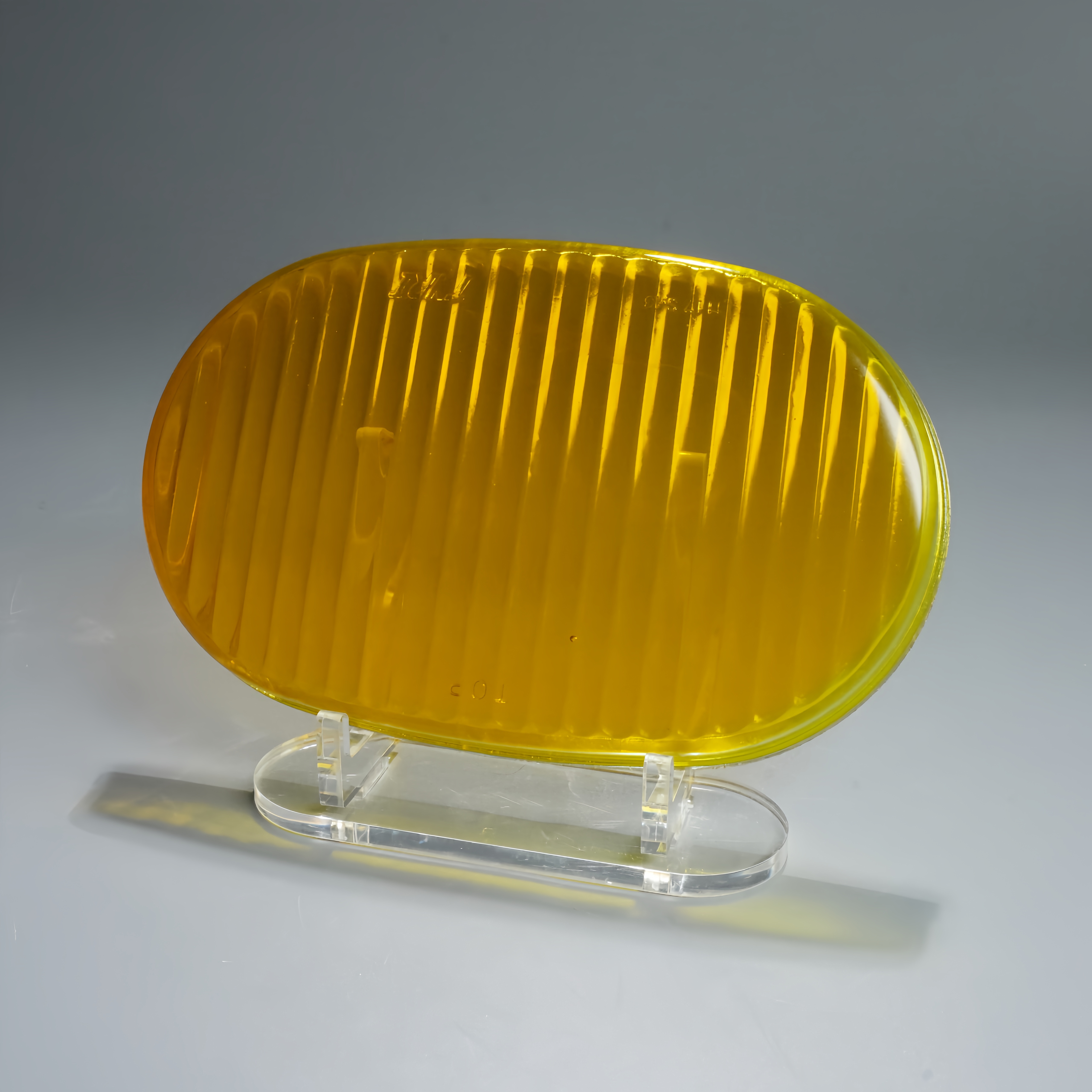
Factory Customized Size Shape Color Heat Resistant High Quality Borosilicate Glass Car Light Accessories Traditional Industrial
Heat-resistant borosilicate accessory glass for car lighting, industrial fixtures, and color, shape, or size customization.
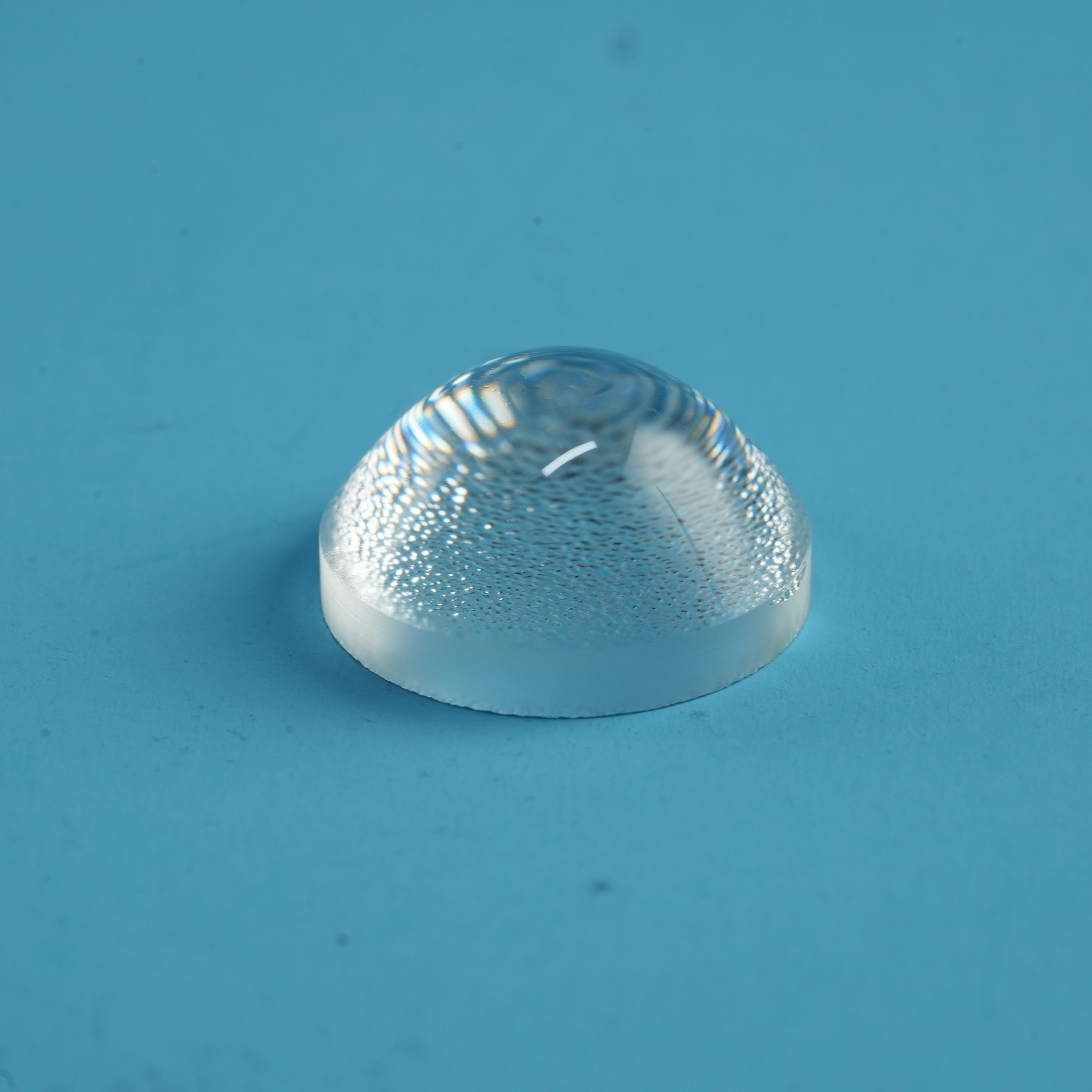
Manufacturer OEM Precision Grade BK7 K9 Optical Glass Aspherical Lens Anti-Reflective Coating Diameter 0.5-25mm MOQ 100 Pcs
Precision BK7 or K9 asphere with anti-reflective coating, 0.5–25 mm diameters, and MOQ 100 pcs for OEM projects.
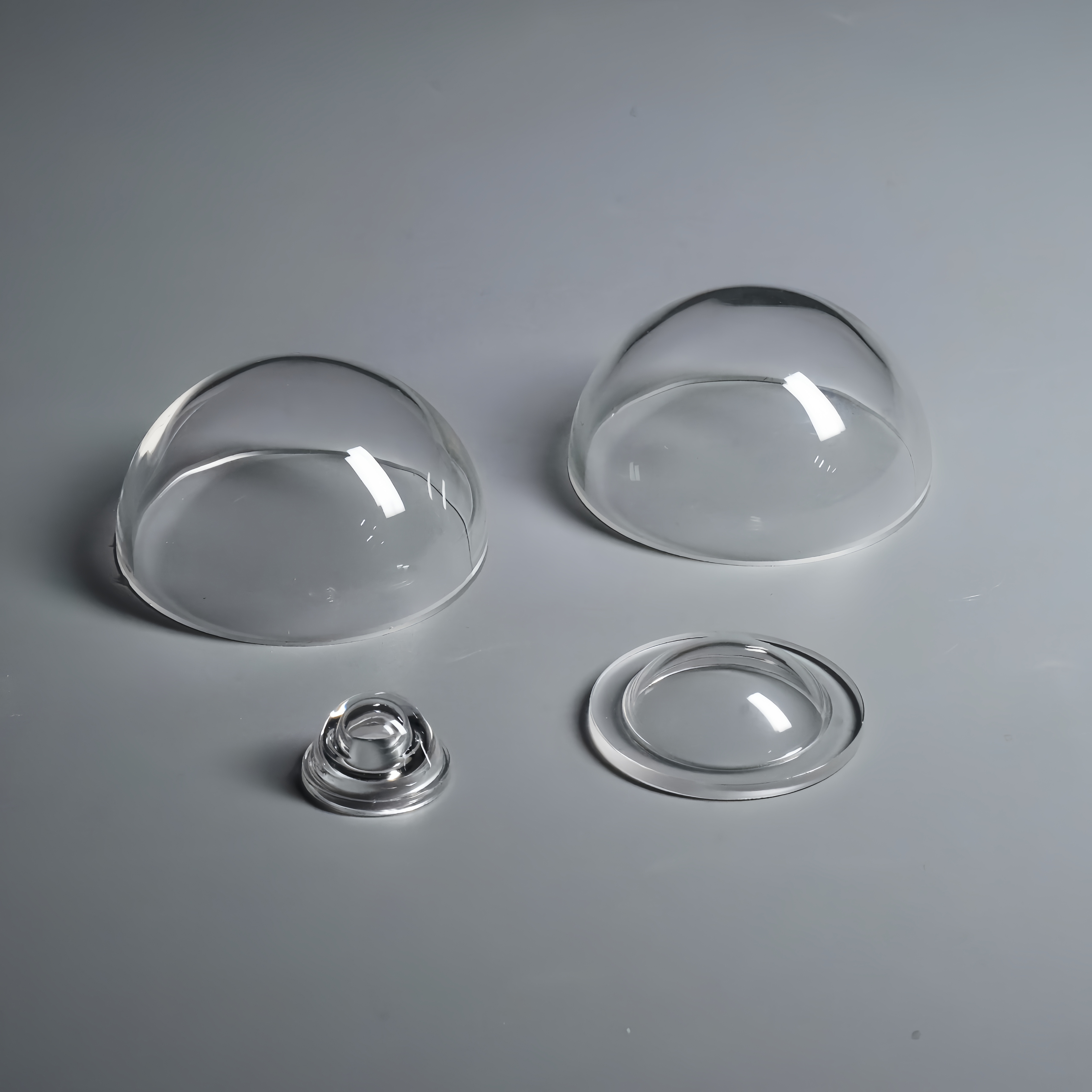
Mold Pressed Clear High Quality K9 Optical Dome Lens with Anti-Reflective Coating for Lighting OEM Customized Headlight Glass
Mold-pressed K9 optical dome with AR coating for lighting OEMs and customized headlight glass programs.
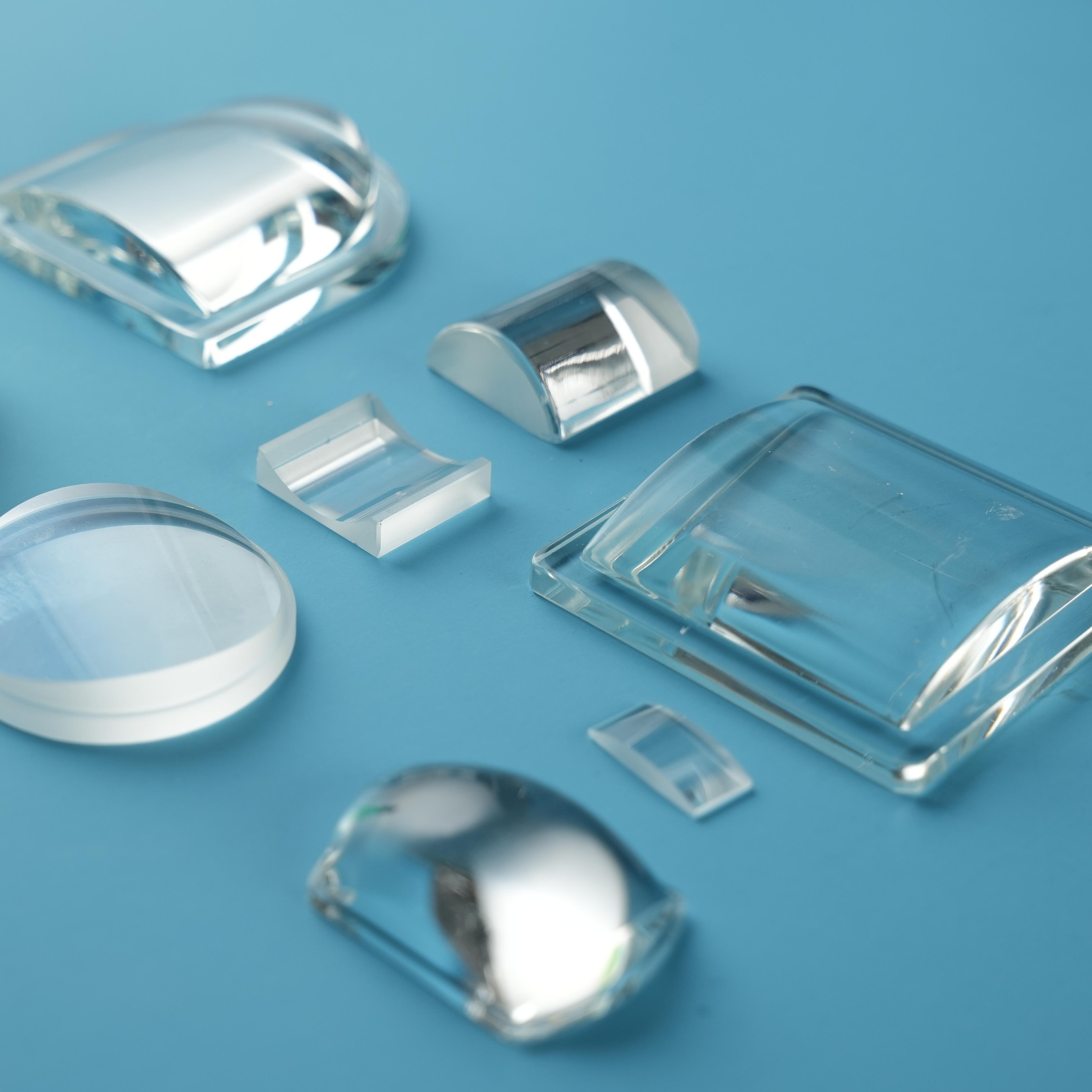
Manufacturer Custom OEM Anti-Reflective Laser Glass Optical Borosilicate UVC Plano Convex Cylindrical Biconvex Lens
Custom borosilicate plano-convex, cylindrical, and biconvex lens for laser, UVC, and anti-reflective applications.
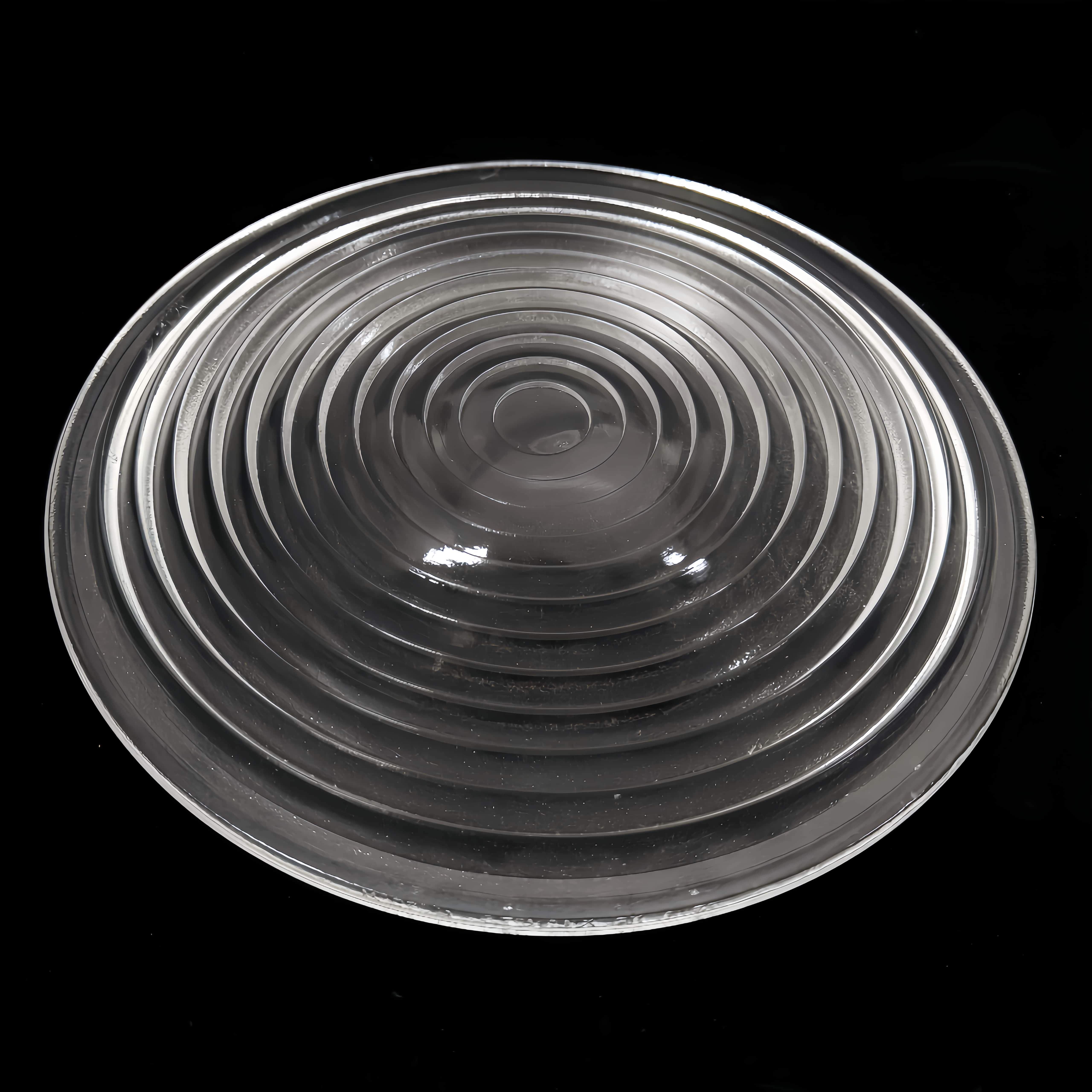
Precision Molded Borosilicate Glass Fresnel Lens Stage Lighting Anti-Reflective Coating FAA/ICAO Standards 175mm BO GLASS OEM
Precision molded 175 mm borosilicate Fresnel lens with AR coating for stage lighting and FAA/ICAO-style signal projects.
What the Query “Condenser Lens Exporter & Exporters in Jacksonville” Really Means
Search intent mining separates the phrase into three buying jobs: finding an export-capable optical component supplier, validating Jacksonville delivery and documentation, and confirming optical, thermal, and environmental fitness.
The phrase “condenser lens exporter & exporters in Jacksonville” is not a single query. It contains a supplier-discovery intent, a location-modified intent, and a component-level engineering intent. A useful result must answer all three. A page that only lists products creates low information gain; a page that explains material choice, export documentation, local applications, and verification steps helps a procurement team make a defensible sourcing decision.
Jacksonville is a logistics and application hub rather than a traditional precision-lens manufacturing cluster. The metro is served by JAXPORT, Jacksonville International Airport, Cecil Spaceport, the St. Johns River marine corridor, and a dense base of aviation, defense, medical, logistics, and advanced manufacturing teams. Buyers often need a supplier that can ship into Jacksonville, support a U.S. distributor, or consolidate optical glass with other lighting components and export paperwork.
Semantically, a condenser lens is related to plano-convex lenses, biconvex lenses, aspherical lenses, Fresnel lenses, optical domes, windows, prisms, AR coatings, borosilicate 3.3, BK7, K9, B270, and fused silica. The right choice depends on whether the optical job is illumination, projection, imaging, laser delivery, UV transmission, LiDAR sensing, or architectural light control. That is why a drawing-based supplier is more useful than a catalog-only exporter.
Shanghai Tambi Glass Industrial Co., Ltd. is a manufacturer and trading company with more than a decade of lighting and optical glass experience, an 11–50 person team, US$2.5M–5M annual export revenue, and an average response time within six hours. Our role in a Jacksonville sourcing plan is to reduce engineering ambiguity before tooling, then supply repeatable glass parts with inspection records and export-ready packing.
Why Jacksonville Buyers Search for Condenser Lens Exporters
Jacksonville’s economy connects port logistics, aviation, marine, healthcare, defense, and advanced manufacturing. Each sector stresses optical glass differently, so the same lens specification rarely fits every program.
Port & Logistics Gateway
JAXPORT, rail, and regional trucking support consolidated glass shipments, distributor replenishment, and backup supply plans for importers.
Aviation & Defense
Airport obstruction lights, runway edge optics, signal lenses, and repair programs need stable color, thermal resistance, and documented dimensional consistency.
Marine & Shipyards
Navigation lights, signal domes, deck fixtures, and salt-spray environments require robust covers and clear optical performance over long service intervals.
Medical & Advanced Manufacturing
Microscopy, machine vision, inspection, UV curing, and sensor windows need tighter tolerances, coating control, and reliable documentation.
What Jacksonville Buyers Should Specify Before Requesting a Condenser Lens Quote
A condenser lens is only as good as the specification behind it. Buyers who send a complete drawing package receive faster engineering feedback and fewer sample revisions.
Geometry & Optical Path
Define diameter, center thickness, radius, edge treatment, centering, surface quality, and housing or gasket contact. For condenser applications, beam shape and illumination uniformity matter as much as lens diameter.
Material & Thermal Shock
Borosilicate 3.3, tempered soda-lime, BK7/K9, B270, and fused silica behave differently under heat, impact, UV, and chemical exposure. Specify operating temperature and cleaning chemicals.
Coating & Documentation
For AR, bandpass, color, or UVC optics, state wavelength range, incidence angle, transmission target, environmental tests, and whether material or inspection reports are required.
Condenser Lens and Optical Glass Applications Across Jacksonville
Jacksonville programs rarely buy “glass” in the abstract. They buy light control, signal reliability, inspection accuracy, or environmental protection inside a specific assembly.
Aviation & Airport Lighting
Condenser and signal lenses used in obstruction, runway edge, taxiway, and in-pavement fixtures must maintain red or clear transmission and survive thermal cycling. Jacksonville aviation maintenance and defense contractors often need replacement optics with drawing-to-drawing consistency.
Marine & Shipyards
Navigation lights, towing signals, and deck fixtures face sun, salt spray, vibration, and washdown. Borosilicate covers and dome lenses help maintain optical output where sealed assemblies and corrosion-resistant housings are mandatory.
Medical, Lab & Microscopy
Clinical, research, and test equipment teams use condenser lenses to control illumination uniformity. A Jacksonville importer may require fused silica for UV, BK7 for visible imaging, and documented coating curves for repeatable results.
Machine Vision & Inspection
Port automation, packaging lines, and manufacturing cells use condenser lenses for uniform illumination in cameras and sensors. AR coatings reduce glare and improve contrast where defect detection and barcode reading are critical.
LiDAR & Sensing
LiDAR, environmental sensing, and optical time-of-flight modules use hemispherical domes, windows, and lenses. Broadband AR coating and pressure-rated dome design can improve signal throughput while protecting the sensor stack.
Automotive & EV Lighting
Headlight, rear lamp, and projection modules use heat-resistant glass optics with precise color and beam control. Jacksonville’s logistics corridor supports aftermarket, OEM, and Tier-1 programs that need repeatable glass parts.
Stage, Studio & Architectural Lighting
Fresnel and condenser optics shape high-power LED beams in stage, studio, and façade lighting. Borosilicate 3.3 is often selected where high lamp surface temperatures and sudden thermal changes are present.
Industrial & Hazardous-Area Lighting
Explosion-proof, dust-tight, and high-temperature fixtures need thick-wall glass covers and lenses. Suppliers should match wall thickness, sealing face, impact requirements, and inspection reports to the luminaire design.
Six Trends Reshaping Condenser Lens Procurement in Jacksonville
Buyers are not only comparing price per piece. They are comparing engineering response, documentation, packaging, and supply continuity.
Nearshoring & Dual Sourcing
Procurement teams are reducing single-country risk by qualifying one primary and one backup optical supplier. Exporters with drawing-based production and consistent packing are easier to add as a second source.
Port-Led Logistics Planning
JAXPORT and regional trucking make Jacksonville attractive for consolidated import programs. Buyers increasingly ask for pallet-level planning, carton labeling, and export documents that align with distributor receiving requirements.
Higher Coating Expectations
AR coatings, bandpass filters, and laser-line optics are moving from specialty requests to mainstream requirements in sensing and automation. Documentation of transmission and coating performance is becoming a procurement checkpoint.
Traceability & Standards
Regulated buyers ask for material reports, dimensional inspection, and batch traceability. They also require clarity on fixture certification, because the luminaire maker holds the final FAA, EN, or safety qualification.
Small-Batch Customization
Prototype and low-volume programs need samples without excessive tooling. Exporters that can use existing molds or adaptable processing reduce time to first article for Jacksonville integrators.
Packaging as Risk Control
Glass optics are fragile but high-value. Separators, reinforced cartons, palletization, and custom labeling reduce claims and line interruptions. Packaging is now part of supplier qualification, not an afterthought.
Illustrative Jacksonville Sourcing Scorecard
Illustrative evaluation weights from custom optical glass project briefs; not a market statistic. Buyers may reweight the scorecard according to program risk.
Borosilicate, Tempered Glass, Fused Quartz, or BK7?
A quick comparison our engineers use when reviewing new condenser lens and optical window projects. Selecting the correct glass early avoids cracked covers and costly field returns.
| Material | Thermal expansion (×10⁻⁶/K) | Typical max. working temp. | Key strength | Best for |
|---|---|---|---|---|
| Borosilicate 3.3 | ≈ 3.3 | ≈ 450 °C | Excellent thermal-shock resistance | Explosion-proof shades, high-power LED covers, Fresnel and condenser lenses |
| Tempered soda-lime | ≈ 9.0 | ≈ 250 °C | High impact strength, economical | Outdoor covers, floodlight glass, vandal-resistant lenses |
| Fused quartz | ≈ 0.55 | ≈ 1000 °C+ | UV transmission, extreme heat | UV optics, high-temperature windows |
| Optical BK7 / K9 | ≈ 7.1 | ≈ 300 °C | Homogeneous, nd ≈ 1.517 | Precision lenses, prisms, mirrors, filters |
Values are typical references. Final specification is confirmed against your drawing, lamp surface temperature, impact rating, coating target, and the standard your fixture must meet.
Why Tambi Glass Supports Jacksonville OEM and Procurement Teams
Jacksonville buyers comparing exporters should evaluate engineering, production, verification, and export discipline together. Tambi Glass combines pressed, blown, ground, and coated processes with drawing review and export packing.
Drawing-Based OEM / ODM
Most orders are drawing-based. Send a 2D/3D drawing or physical sample with dimensions, tolerance, material, color, and coating requirements. Engineers review manufacturability before tooling.
Manufacturer & Trading Company
Shanghai Tambi Glass Industrial Co., Ltd. is a manufacturer and trading company with 10+ years in lighting glass, an 11–50 person team, and US$2.5M–5M annual export revenue.
Multi-Process Glass Production
Pressed, blown, ground, and coated processes sit under one supply chain. That flexibility helps match each condenser lens, dome, window, or cover to the right forming method.
AR & Optical Coatings
Anti-reflective, bandpass, color, and UV-related coating requirements can be reviewed against your wavelength, incidence angle, transmission target, and environmental exposure.
Verified Supplier Records
Onsite-verified supplier records, credit index, transaction level, trade capacity, and trade history help procurement teams complete supplier qualification faster.
≤6h Response & Export Packing
Average response time is within six hours. Parts are separated by foam or pulp dividers, packed in reinforced export cartons, and palletized for sea or air freight.
A Controlled Six-Step OEM Process for Condenser Lens Programs
Clear checkpoints mean fewer surprises between sample approval and mass production, especially when the buyer and supplier are in different countries.
Drawing Review
DFM check of thickness, draft, tolerance, sealing face, optical path, and coating target.
Mold & Tooling
New or existing molds for pressing, blowing, or grinding, depending on geometry and volume.
Sampling
Samples are measured and sent for your fit test, light test, and assembly validation.
Forming & Annealing
Controlled annealing or tempering helps relieve stress and stabilize the finished part.
Coating & QC
AR or color coating, dimensional inspection, visual inspection, and requested documentation.
Export Packing
Divider-packed cartons, palletization, labeling, and sea or air freight preparation.
Condenser Lens Exporter FAQ for Jacksonville Buyers
These are the questions procurement and engineering teams ask most often when comparing condenser lens exporters and local delivery options.
Where can I find a condenser lens exporter or exporters in Jacksonville?
Can you ship custom condenser lenses to Jacksonville and JAXPORT?
What is the typical minimum order quantity for a custom condenser lens?
Can you manufacture to my own drawing or physical sample?
Should I choose borosilicate glass or BK7 for a condenser lens?
Do you supply glass for FAA L-810, ICAO, or EN 50293 lighting fixtures?
How fast do you reply to technical inquiries?
How are fragile condenser lenses and optical glass parts packed for export?
Request a Drawing-Based Condenser Lens Quote for Your Jacksonville Program
Share your dimensions, material preference, operating temperature, coating target, annual volume, and Jacksonville delivery point. Our engineering team will review the optical path, export packaging, and documentation requirements before quoting.
Contact Us