8 Coated Glass & Custom Optical Components for Buyer Review
Baltimore buyers rarely need a generic catalog image. They need a glass part that fits an existing housing, survives the fixture’s thermal and impact review, and arrives with consistent optical transmission. These eight products are fast starting points for coated glass manufacturers and wholesale supply projects. Product URLs are preserved exactly; where the final drawing is still open, use the quote button for a specification review.

FAA Compliant Borosilicate Heat Resistant Glass Lens Runway In-Pavement Taxiway Lights IP68 Waterproof Optical Equipment Clear
- Heat-resistant borosilicate
- IP68 fixture support
- Runway and taxiway use
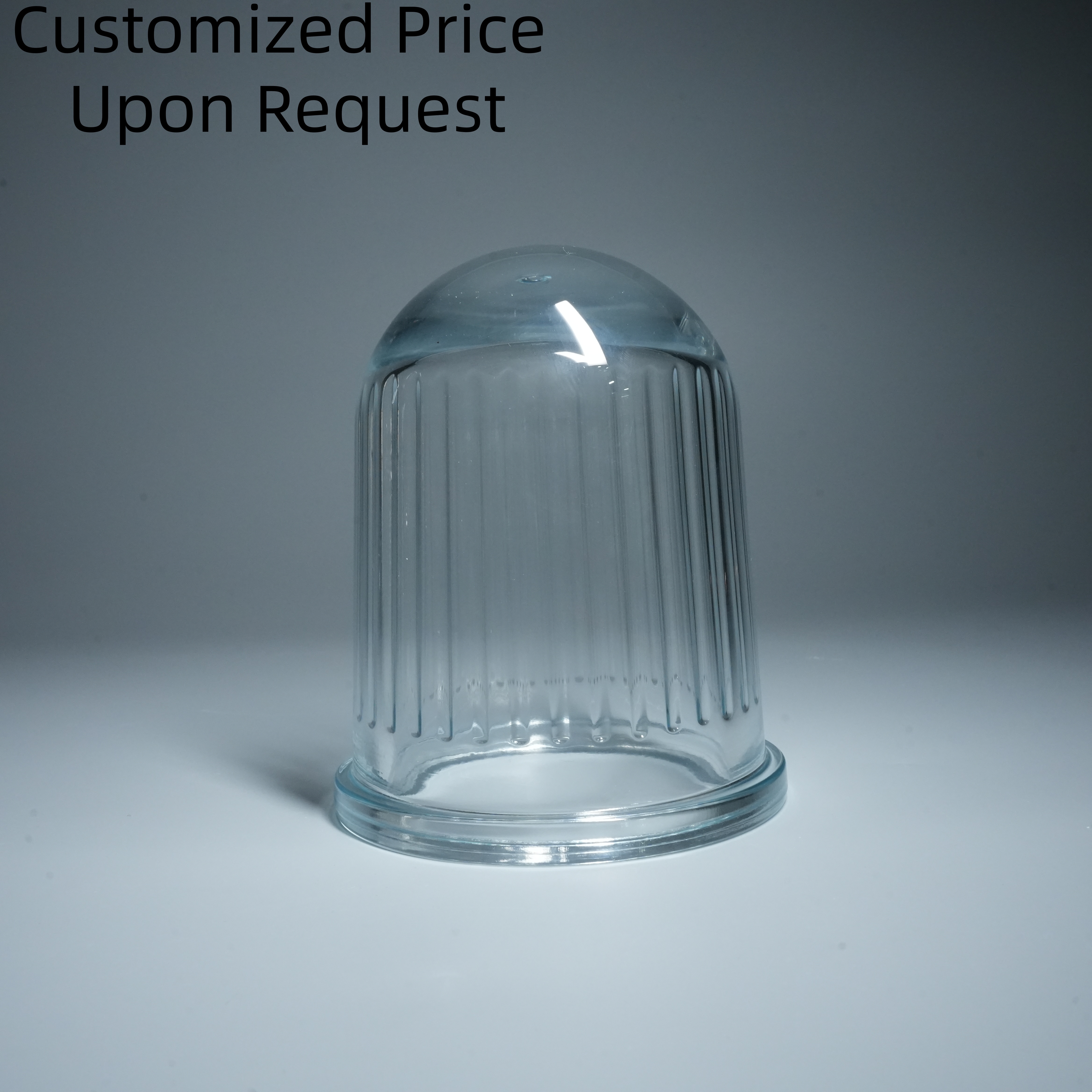
Borosilicate Transparent Explosion-proof Shade, Heat-resistant & Crack-proof, Transparent Protective Cover
- Thermal-shock resistance
- Crack-proof design intent
- Industrial lighting covers
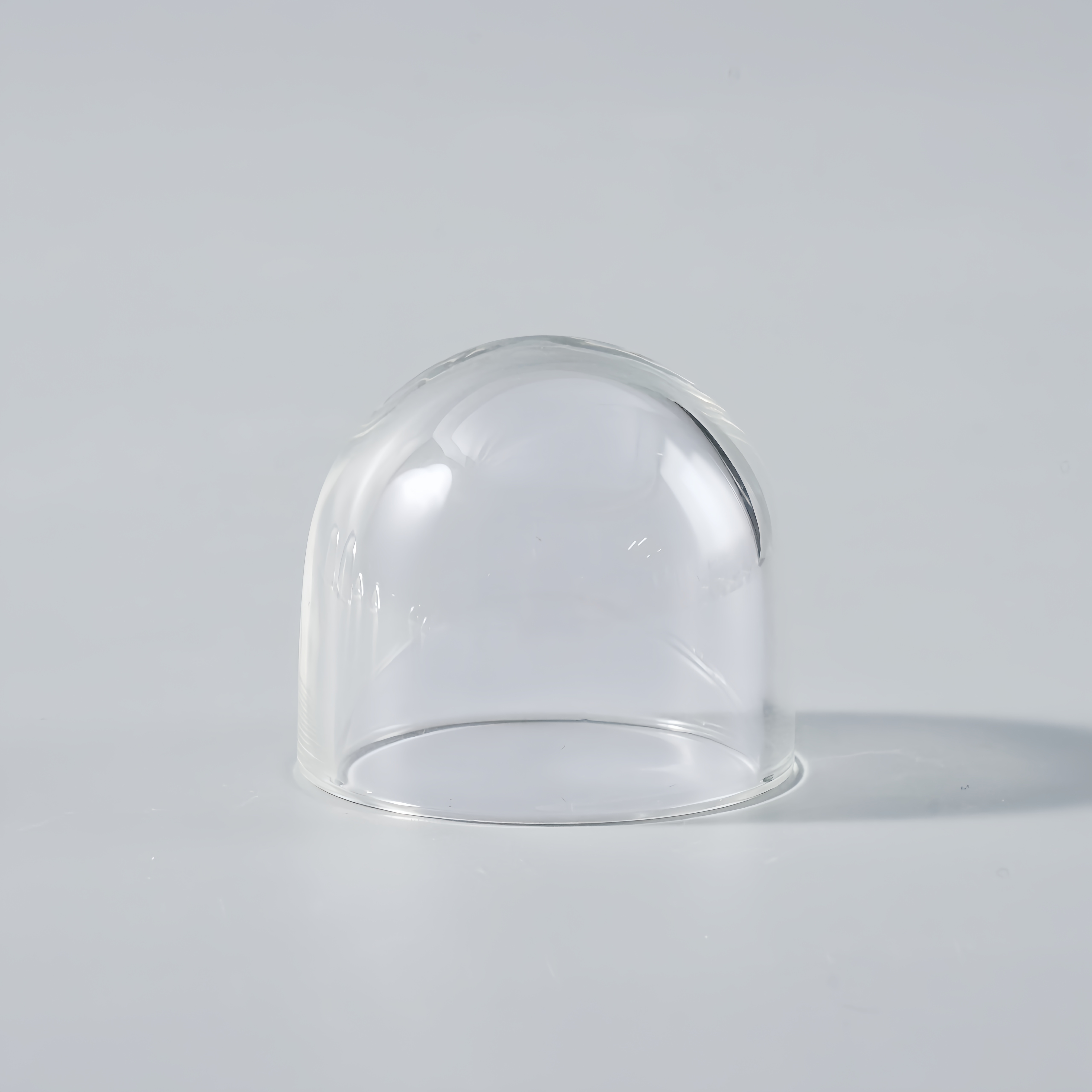
Customizable OEM Optical Glass Domes Broadband AR Coating Precision Hemispherical Windows for LiDAR Sensors Scientific
- Broadband AR coating
- Hemispherical window
- LiDAR and instruments
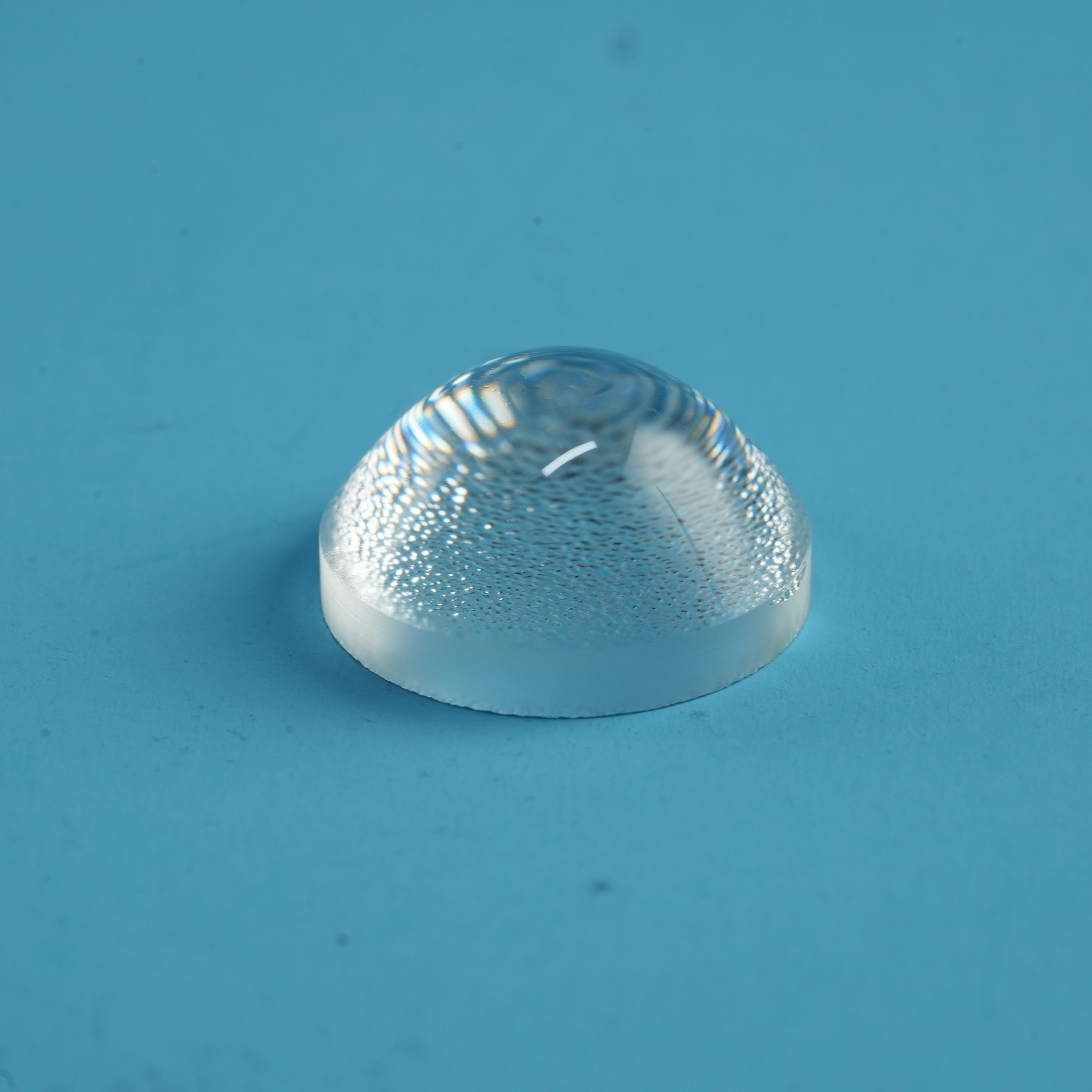
Manufacturer OEM Precision Grade BK7 K9 Optical Glass Aspherical Lens Anti-Reflective Coating Diameter 0.5-25mm MOQ 100 Pcs
- BK7 / K9 substrate
- 0.5–25 mm diameter
- AR-coated options

Factory Custom BO-GLASS Quartz BK7 K9 Arcoated Fused Silica High Precision Right Angle Prism 90Degree Clear ODM/OEM 3-Year
- 90° right-angle prism
- AR-coated surfaces
- Quartz, BK7 or K9
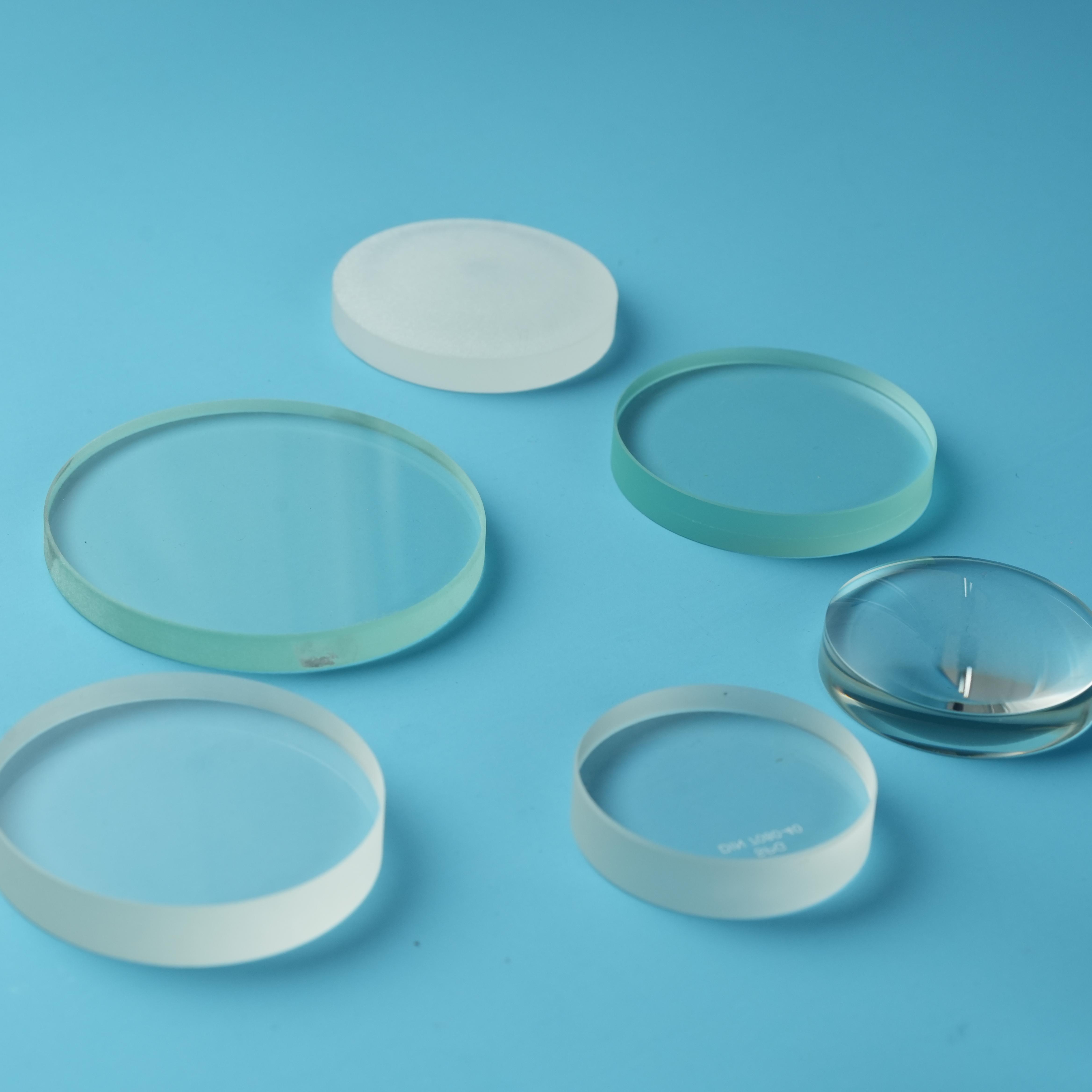
Custom OEM Bo Glass Clear Borosilicate K9 Bk7 B270 Fused Silica Anti-Reflective Coated Square Optical Window 50mm Diameter
- 50 mm square window
- AR-coated
- Borosilicate / K9 / BK7 / B270

High Temperature Resistant Borosilicate Glass Fresnel Lens Anti-Reflective Coating High Power LED Collimation Stage Lighting
- High-power LED collimation
- AR-coated Fresnel
- Stage and studio fixtures
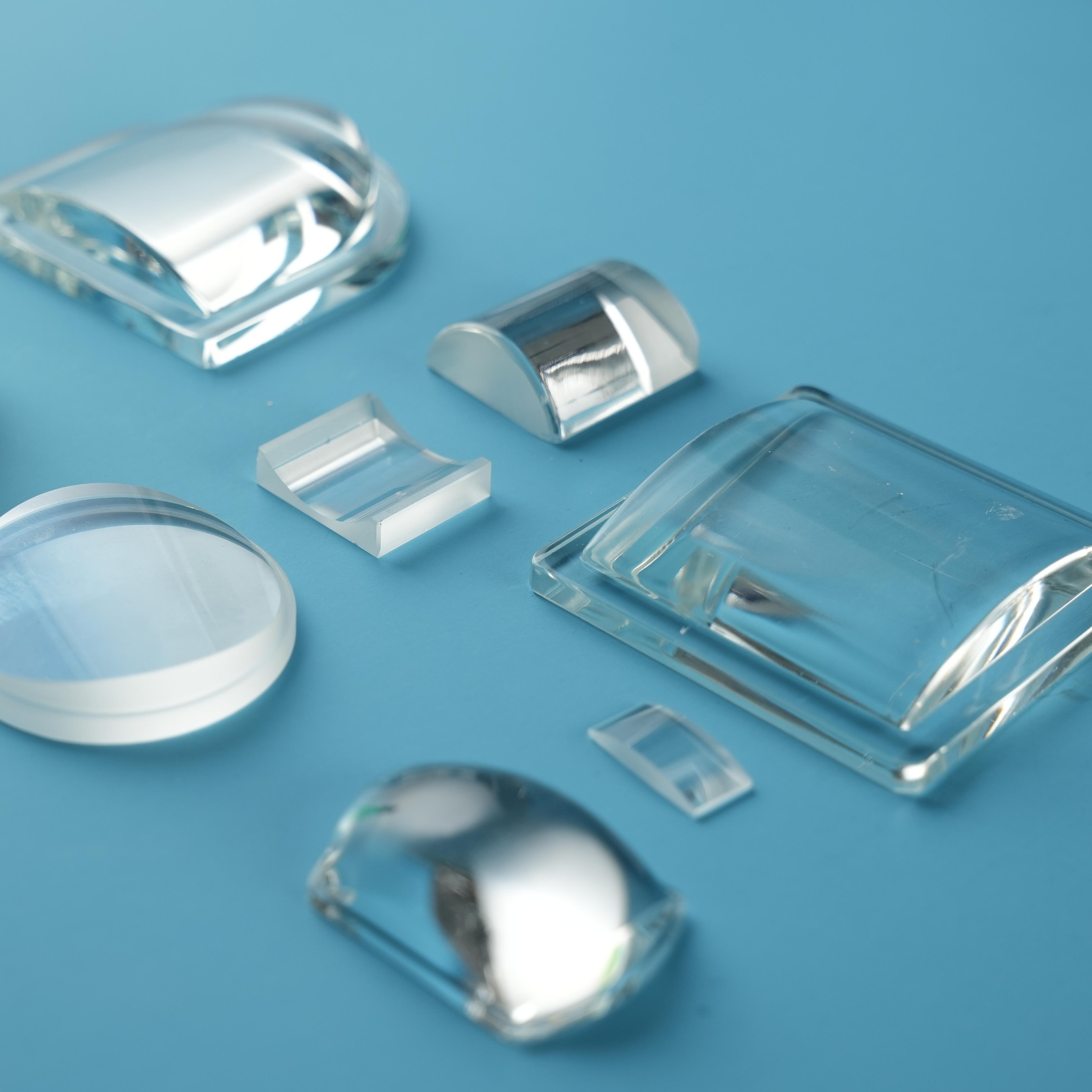
Manufacturer Custom OEM Anti-Reflective Laser Glass Optical Borosilicate UVC Plano Convex Cylindrical Biconvex Lens
- UVC and laser options
- Plano-convex / cylindrical
- Custom anti-reflective coating
Factory Facts Baltimore Buyers Can Verify Before a Wholesale Order
The most useful supplier information is not a slogan. It is a set of verifiable facts that helps a procurement team decide whether a factory-direct quote is worth an engineering review.
Supplier Assessment
Third-party verification of legal status and premises.
View report →Credit Index
Business credit and compliance overview.
Check credit →Transaction Level
Recorded online transaction performance.
See level →Trade Capacity
Export markets, terms, and logistics capability.
View capacity →Trade History
Historical shipment and order records.
See history →Ratings & Reviews
Feedback from buyers who ordered from us.
Read reviews →Why Coated Glass Specification Is Different in the Baltimore Market
Baltimore is not a single buying environment. A waterfront signal light, a hospital equipment window, and a research laboratory prism may all use “coated glass,” but they stress the component in different ways. The right specification starts with the operating environment, not the coating name.
Port of Baltimore & Chesapeake Marine Lighting
Salt fog, humidity, and temperature cycling reward borosilicate or properly tempered covers with stable color and sealed interfaces. Navigation, dock, and signal fixtures need coating and gasket compatibility reviewed together.
Airport, Rail & Roadway Lighting
BWI Marshall, MARC corridors, and I-95 infrastructure teams care about glare control, color stability, and impact resistance. We match dimensions and optical performance while the luminaire maker retains fixture certification.
Life Sciences, Hospitals & Laboratories
Baltimore-area research and healthcare supply chains often need cleanable optical windows, UVC-compatible lenses, and chemically resistant sight glass. Material reports and dimensional inspection help support incoming quality checks.
Industrial & Chemical Facilities
Around Curtis Bay, Dundalk, and other industrial corridors, explosion-proof shades and high-temperature covers are specified for dust, moisture, and thermal shock. Wall thickness and annealing quality matter as much as transmission.
LiDAR, Sensing & Instrumentation
Broadband AR domes, prisms, and bandpass filters are used in sensing systems where transmission loss and angle of incidence influence the whole optical path. Coating clear aperture should be defined on the drawing.
Stage, Studio & Architectural Lighting
High-power LED fixtures concentrate heat at the lens. Borosilicate Fresnel lenses and AR-coated covers help maintain collimation and color consistency while reducing reflection losses in demanding installations.
Local Trends Reshaping Baltimore Coated-Glass Demand
Google searches for coated glass manufacturers often hide several different buying intents: architectural coating, optical AR coating, industrial lighting protection, and custom wholesale sourcing. This page focuses on the optical and industrial lighting glass intent, and clarifies where another supplier type may be a better fit.
Dual Sourcing & Supply Resilience
Procurement teams are reducing single-point risk by qualifying a second glass source, requesting process documentation, and keeping sample inventory. A factory-direct partner in Shanghai can complement a local distributor rather than replace one.
Port Routing & Buffer Inventory
Recent disruptions around the Port of Baltimore reinforced the value of alternate air and sea routings, clear Incoterms, and buffer stock for long-lead components. Ask for a shipment plan, not just a unit price.
Coating Performance Becomes a Spec Line
AR, hydrophobic, hard-coat, dichroic, UV/IR-cut, and laser-line coatings are now written into drawings with wavelength, angle, and durability requirements. “Coated glass” alone is no longer a complete purchase specification.
Higher LED Power, Greater Thermal Shock
Compact LED modules raise surface temperatures near the lens and cover. Borosilicate 3.3 remains attractive for high heat and sudden cooling; tempered soda-lime can be cost-effective where impact and moderate temperature dominate.
Growth in Sensing & Automation
LiDAR, machine vision, and laboratory instruments need hemispherical windows, prisms, and filters with tight dimensional and coating control. Baltimore’s research, robotics, and advanced manufacturing base supports this demand.
Distributor-Friendly Wholesale Programs
Wholesalers want barcode labels, protective packaging, scheduled releases, and consistent inspection records. Confirm these items before a blanket order; small packaging changes are easier to quote before production than after.
Coating, Substrate, and Failure-Mode Guide
This is the information gain that separates a useful supplier page from a product grid: a coated glass quote should connect substrate, coating, geometry, fixture environment, and inspection criteria in one review.
| Substrate | Typical CTE (×10⁻⁶/K) | Typical max. working temperature | Coating fit | Baltimore-area use case |
|---|---|---|---|---|
| Borosilicate 3.3 | ≈3.3 | ≈450 °C | Broadband AR, hydrophobic, dichroic, UV/IR-cut | Explosion-proof shades, high-power LED covers, marine and outdoor lighting glass |
| Tempered soda-lime | ≈9.0 | ≈250 °C | AR, screen print, hard coat | Lower-cost outdoor covers, vandal-resistant lighting lenses, general illumination |
| Fused quartz | ≈0.55 | ≈1000 °C+ | UV, laser, AR, high-temperature windows | UVC systems, laser optics, high-temperature instrument windows |
| Optical BK7 / K9 | ≈7.1 | ≈300 °C | AR, beamsplitter, filter, prism coating | Precision lenses, prisms, instruments, LiDAR and laboratory optics |
Values are typical references. Final specification must be confirmed against the drawing, lamp surface temperature, impact rating, sealing method, coating clear aperture, and the standard your fixture must meet.
Thermal-Shock Resistance: Qualitative Selection Guide
Use this visual comparison only as a starting point. Geometry, wall thickness, edges, and annealing history can change real-world performance.
Match the Application to the First Product to Review
These are practical starting points, not a substitute for a drawing review. If the housing, gasket, or coating is not fixed, send the target environment and volume first.
Port & Marine Lighting
Start with the explosion-proof shade for salt-air and thermal-shock discussion, then confirm sealing and color requirements.
Airport & Transit Lighting
Review the runway in-pavement lens where IP68 fixtures, clear optics, and heat resistance are part of the design brief.
LiDAR & Optical Instruments
Begin with the broadband AR-coated dome, then define clear aperture, wavelength band, and pressure or sealing requirements.
UVC & Laser Systems
Review the AR laser lens family for plano-convex, cylindrical, or biconvex options in borosilicate or requested substrates.



Inside Tambi Glass: Factory-Direct E-E-A-T for Baltimore Procurement Teams
Shanghai Tambi Glass Industrial Co., Ltd. is a manufacturer and trading company focused on custom lighting and optical glass. The company has more than 10 years of experience, an 11–50 person team, and an annual export revenue range of US$2.5M–5M. Its public profile includes supplier assessment, credit index, transaction level, trade capacity, trade history, and buyer ratings. For a Baltimore buyer, the practical value is a documented path from drawing to sample to shipment.
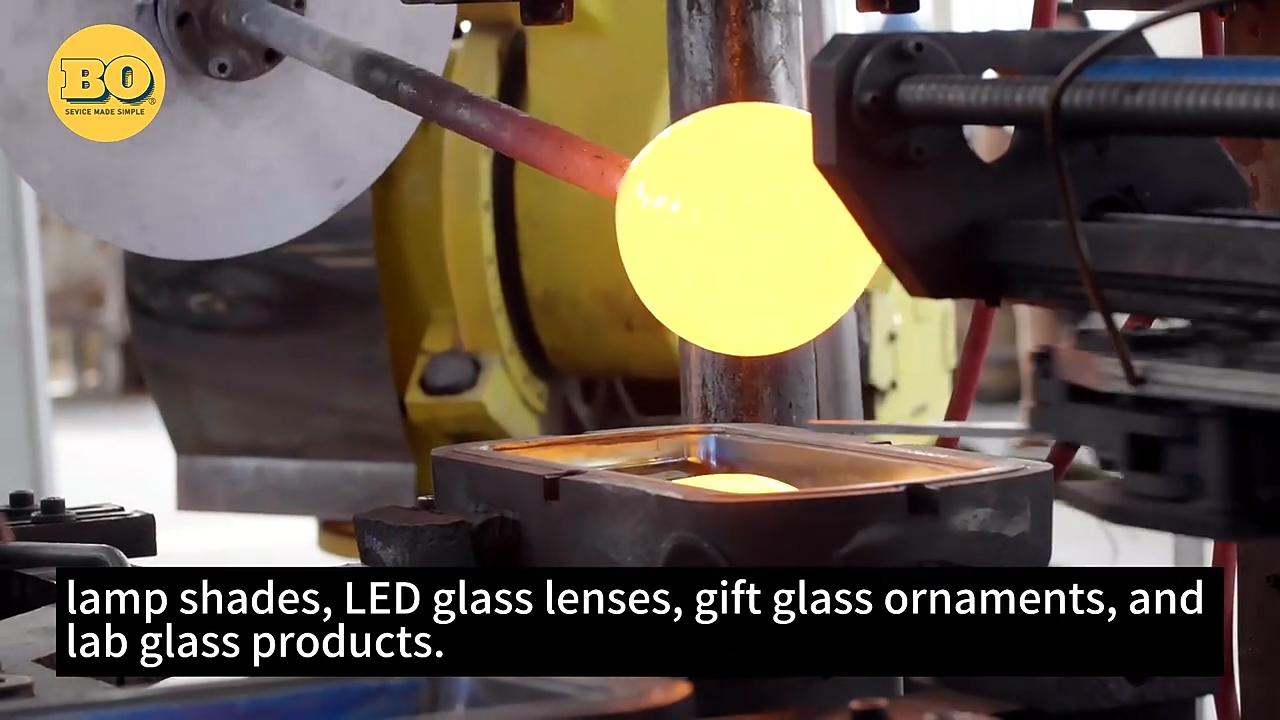
Engineering is organized around the fixture, not a generic catalog. Senior lighting and mold engineers review wall thickness, draft, sealing faces, optical path alignment, and annealing stress before tooling starts. Pressed, blown, ground, and coated processes can be combined in one supply chain, with borosilicate 3.3, tempered soda-lime, fused quartz, BK7/K9, B270, and other requested substrates quoted to drawing.
To keep the buying decision clear: we manufacture in Shanghai and coordinate export to Baltimore. We do not claim a Baltimore warehouse or local glass melting facility. Quotations state the Incoterm, lead time, packaging, and inspection plan. Fixture certification such as FAA L-810 or EN 50293 remains with the luminaire manufacturer; we match color, transmission, and dimensions and can provide material and inspection reports on request.
A Controlled 6-Step OEM Process for Baltimore-Bound Orders
Clear checkpoints reduce surprises between sample approval and wholesale production. Fragile glass parts need process control before they need speed.
Drawing Review
DFM check of thickness, draft, tolerance, sealing face, coating clear aperture, and optical path alignment.
Mold & Tooling
New or existing molds for pressing, blowing, or grinding, with tooling ownership and sample timing confirmed.
Sampling
Samples measured and sent for fit, light, coating, and environmental review before mass production.
Forming & Annealing
Controlled forming and annealing or tempering to relieve stress and support thermal-shock performance.
Coating & QC
AR or color coating, dimensional inspection, visual inspection, and packing checks against the agreed plan.
Export Packing
Divider-packed cartons and palletized export packing for air or sea freight to the Baltimore area.
Questions Local Buyers Ask Before a Wholesale Inquiry
These answers are written for procurement and engineering teams comparing a factory-direct coated glass manufacturer with a local distributor.
Do you have a warehouse or showroom in Baltimore?+
No. We manufacture in Shanghai and coordinate export to Baltimore. We do not present ourselves as a Baltimore stockist. Your quotation will state the Incoterm, lead time, packaging, and shipping route so the total landed cost is clear.
What does “coated glass” mean in your product range?+
It usually means optical or lighting glass with a functional coating such as broadband AR, laser-line AR, hydrophobic, hard coat, dichroic, or UV/IR-cut. If you need architectural low-E or curtain-wall coating, that is a different supply category; confirm the application before sending an RFQ.
Can you quote from a drawing or a broken sample?+
Yes. Send a 2D/3D drawing or a physical sample with dimensions, tolerance, material, color, coating wavelength, and annual volume. Engineering will review manufacturability, mold options, and sample timing before mass production.
What are typical MOQs and wholesale terms?+
Typical MOQs range from 50 pieces for some optical lenses to 100–500 pieces for pressed or blown lighting covers, depending on whether an existing mold can be used. Sample quantities are available for evaluation. Volume pricing, scheduled releases, and distributor packaging should be quoted in writing.
How fast can a sample reach Baltimore?+
Sample timing depends on whether tooling is required, whether the coating is standard, and the chosen freight method. Air express is usually faster than sea freight to the Baltimore area. The quotation should separate production time from transit time; we do not guarantee a delivery date until the route and Incoterm are confirmed.
How do you handle arrival at the Port of Baltimore or BWI?+
We can quote export packing for sea or air freight and coordinate documents with your freight forwarder. The buyer or importer normally controls customs clearance unless a different Incoterm is agreed. Share your preferred forwarder, delivery ZIP code, and whether you need pallet or carton-level labeling.
Can you support Buy America, local content, or certification requirements?+
We are a China-based manufacturer and do not claim Buy America compliance. We can provide material reports, dimensional inspection records, and process information for your compliance review. Fixture certification such as FAA L-810 or EN 50293 is held by the luminaire manufacturer, not by the glass component supplier.
How do you control fragile-glass breakage in export packing?+
Parts are separated with foam or pulp dividers, packed in reinforced export cartons, and palletized for sea or air freight. Custom packaging and labeling for distributors can be arranged. For high-value optics, agree on the inspection plan and replacement policy before production.
Send Your Drawing, Target Volume & Coating Requirement
For the Baltimore market, the fastest quote comes from a complete brief: substrate preference, dimensions, tolerance, coating wavelength, operating temperature, annual volume, and delivery ZIP code. Our team reviews manufacturability and replies with the next practical step.