China Wholesale Wall Light Glass · Edmonton, Alberta

China Wholesale Wall Light Glass Manufacturers & Exporters Serving the Edmonton Market

Borosilicate, tempered and optical glass components for wall lights engineered for −40 °C prairie winters, chinook freeze–thaw cycling and 17-hour northern summer daylight — produced to your drawing in Shanghai and quoted within six hours.

Recommended Product Range

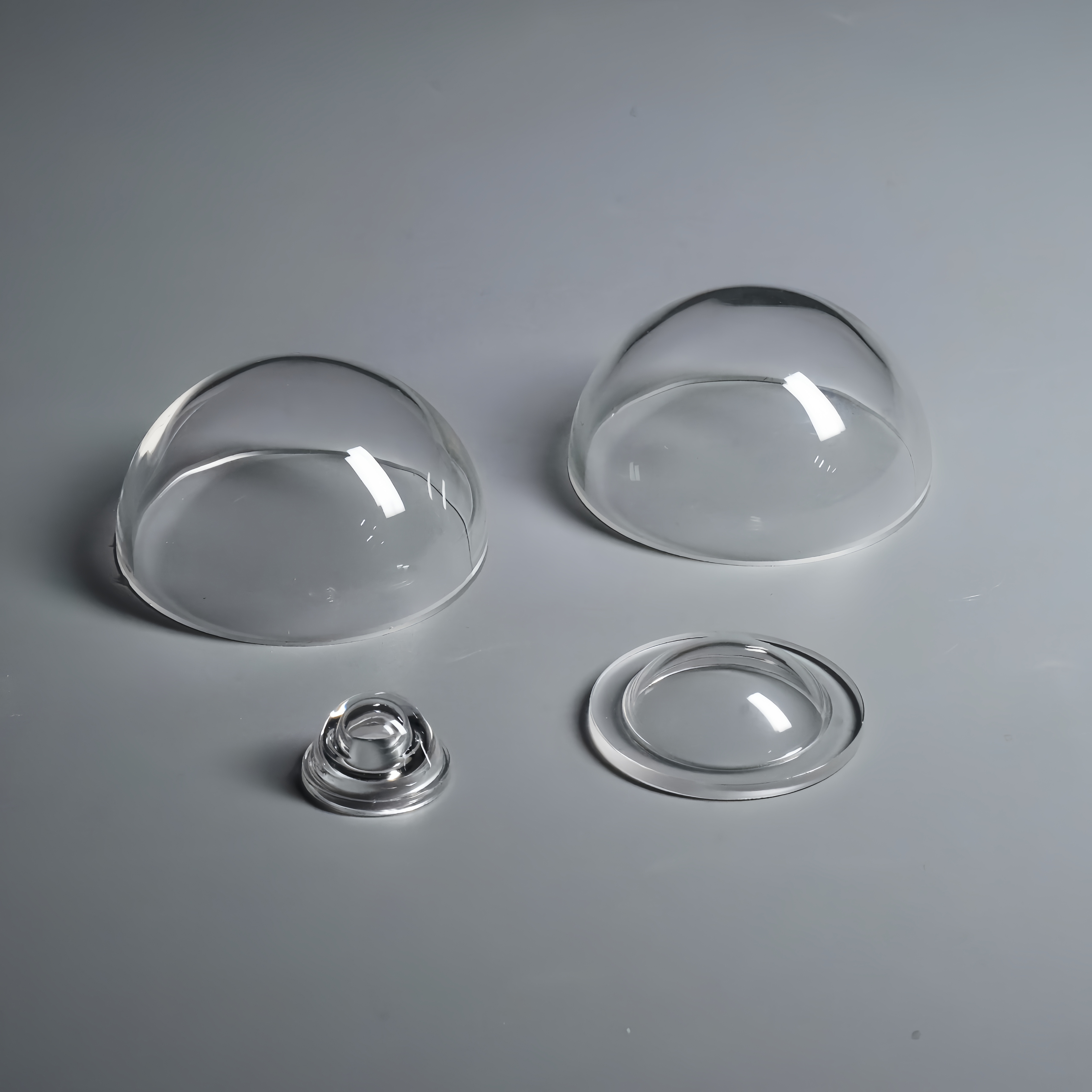
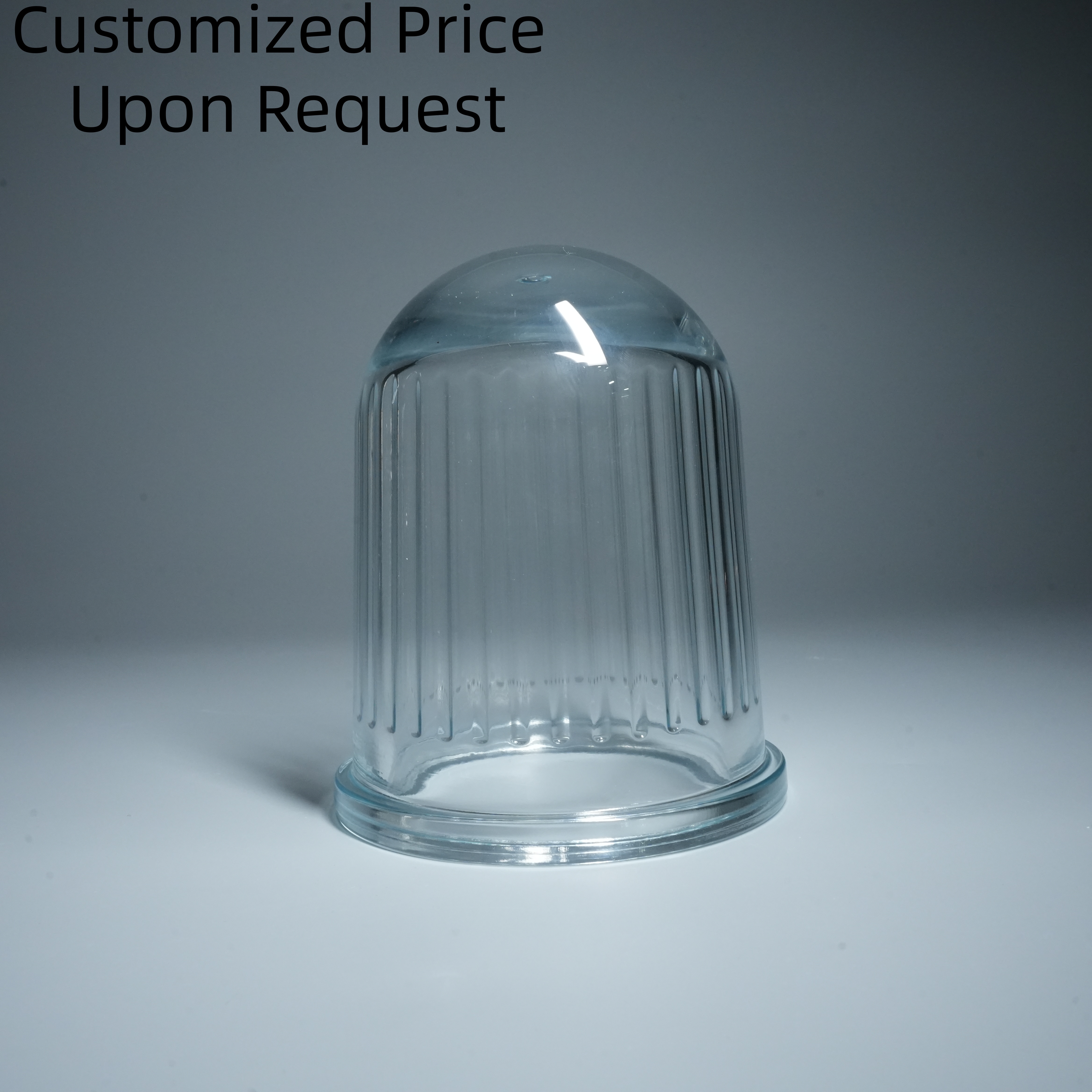
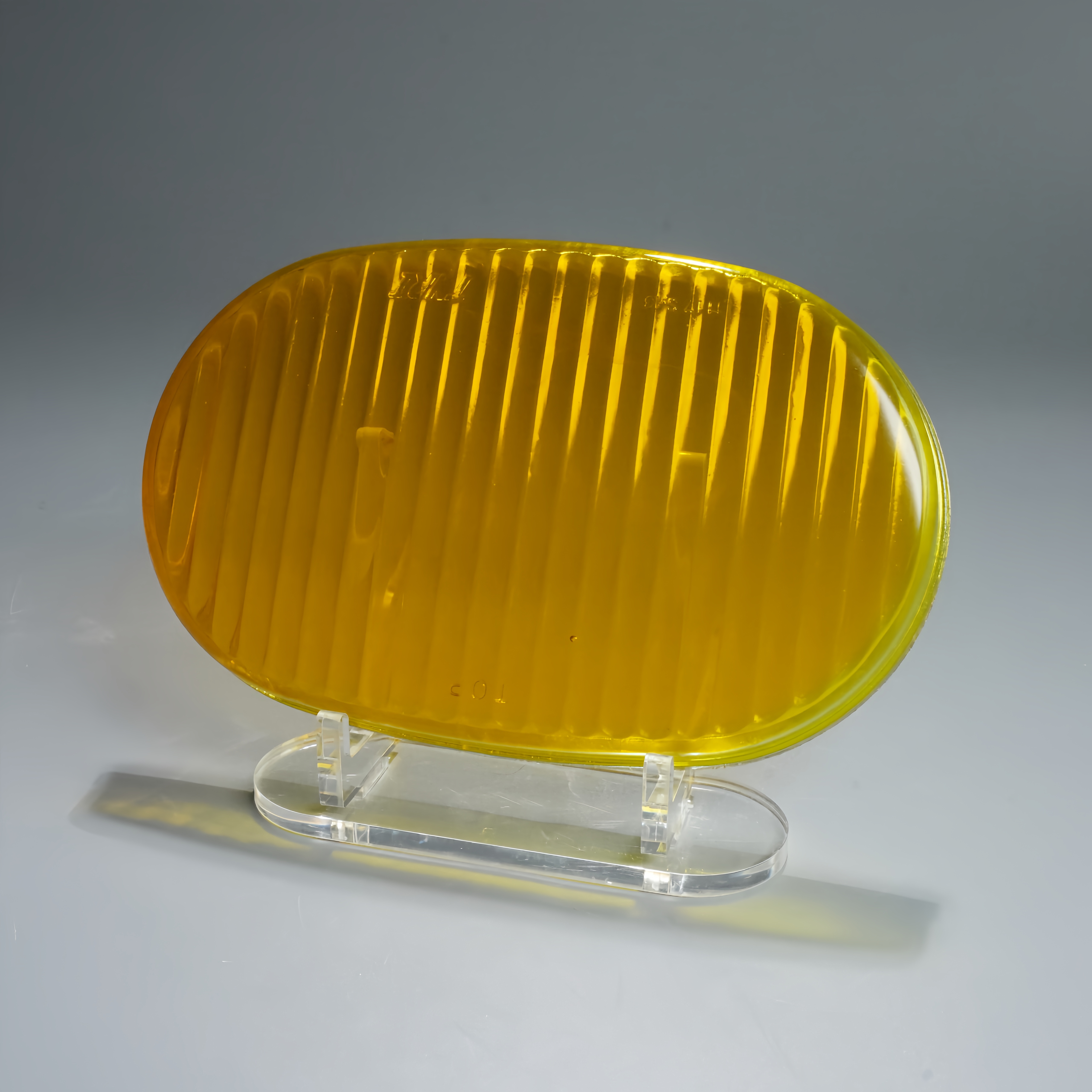
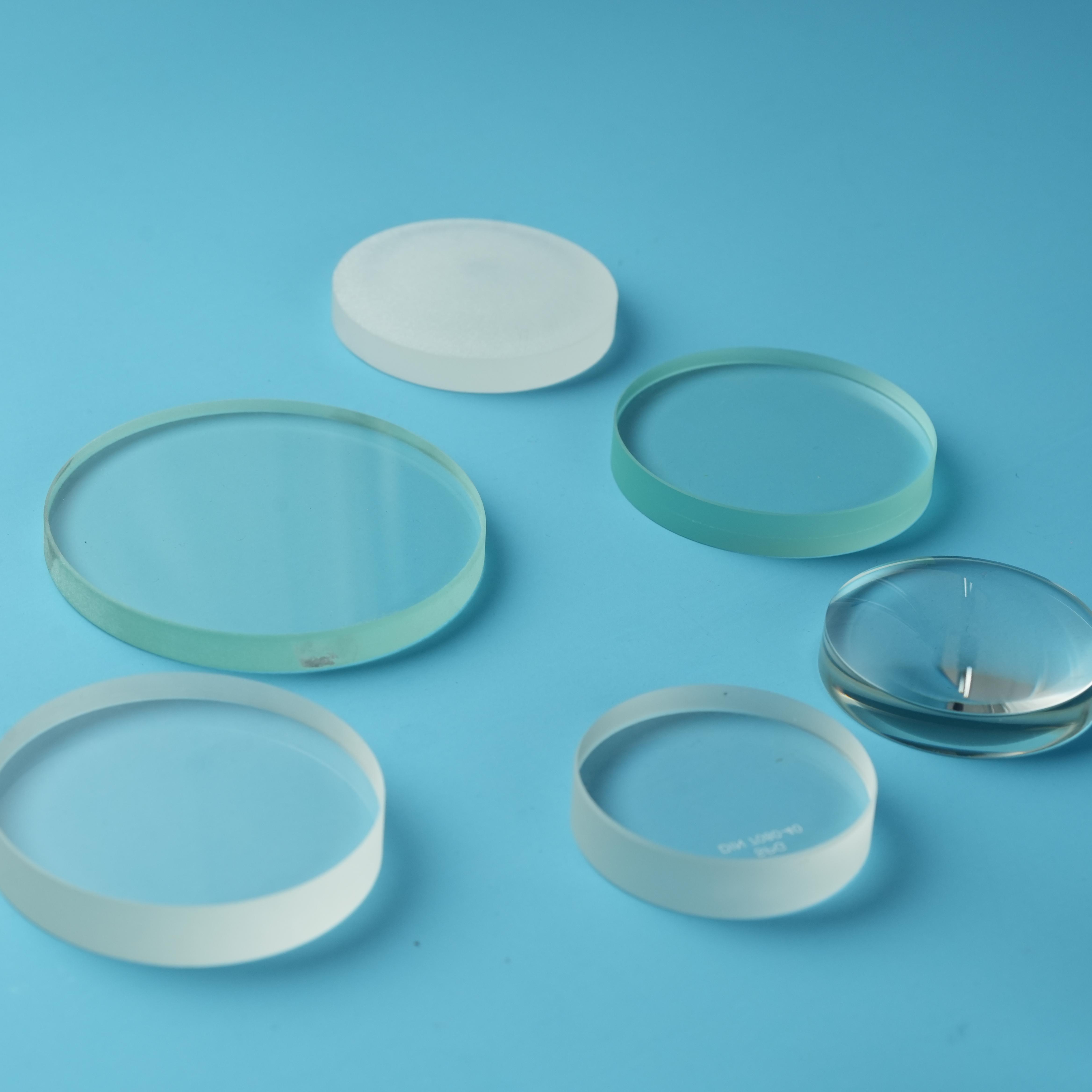
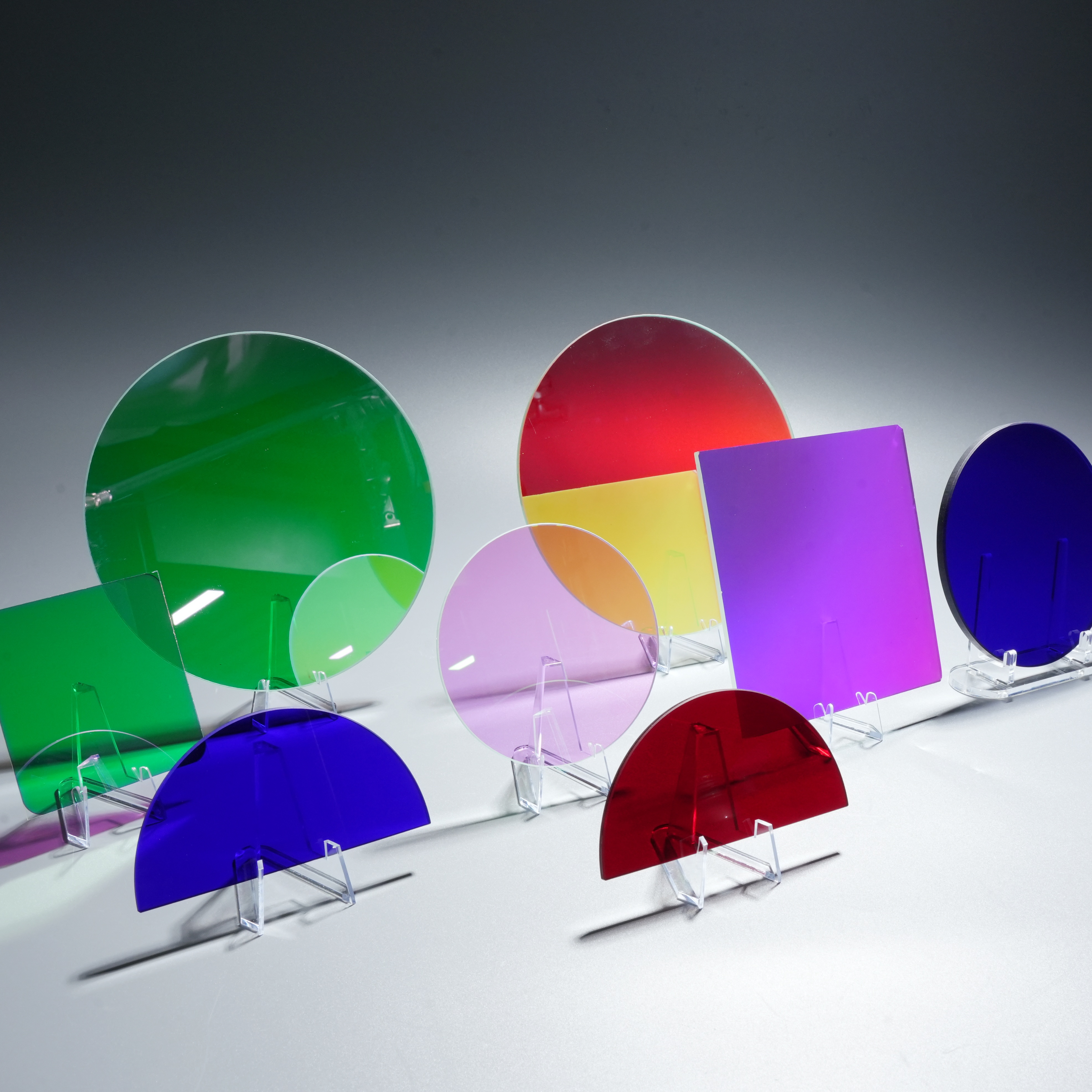
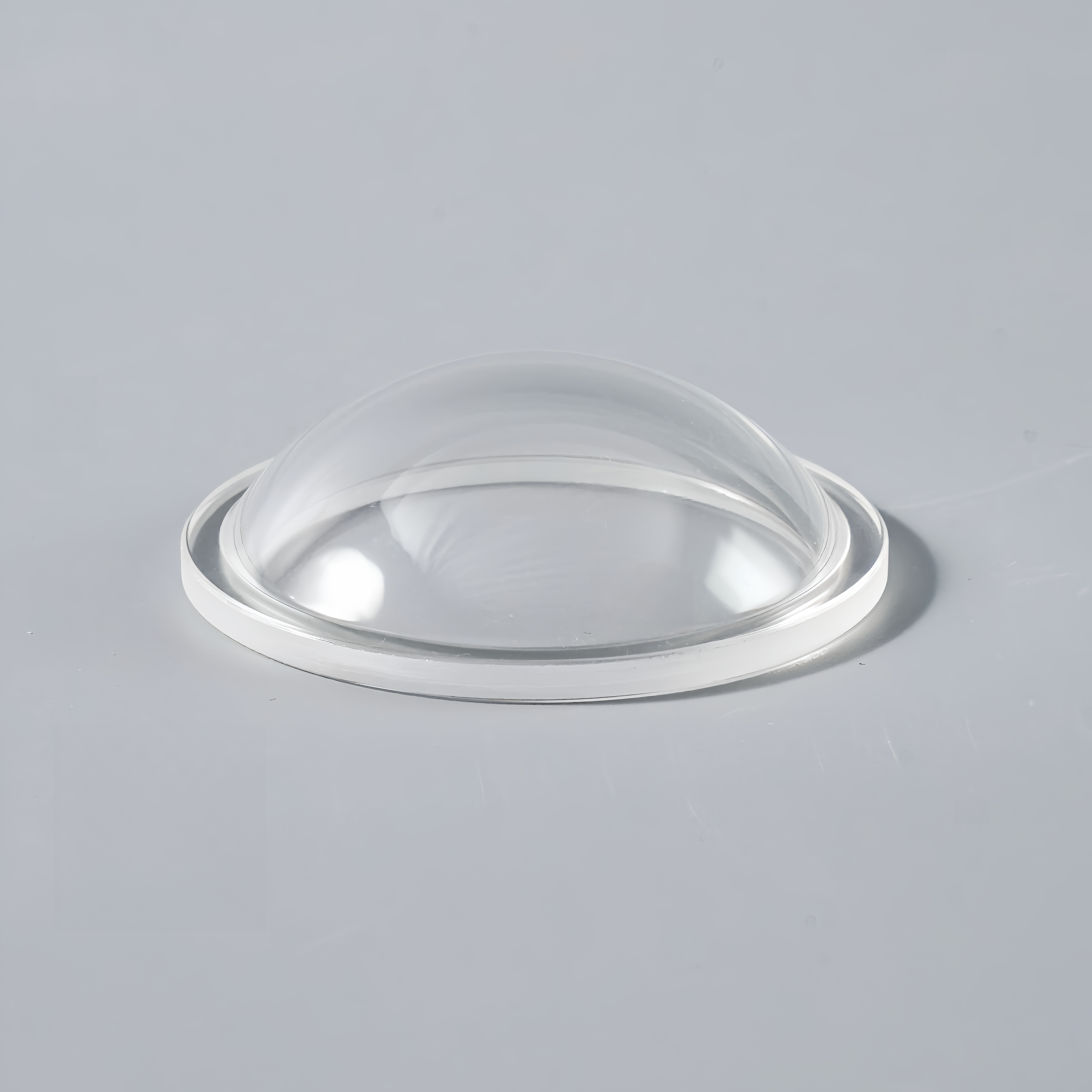
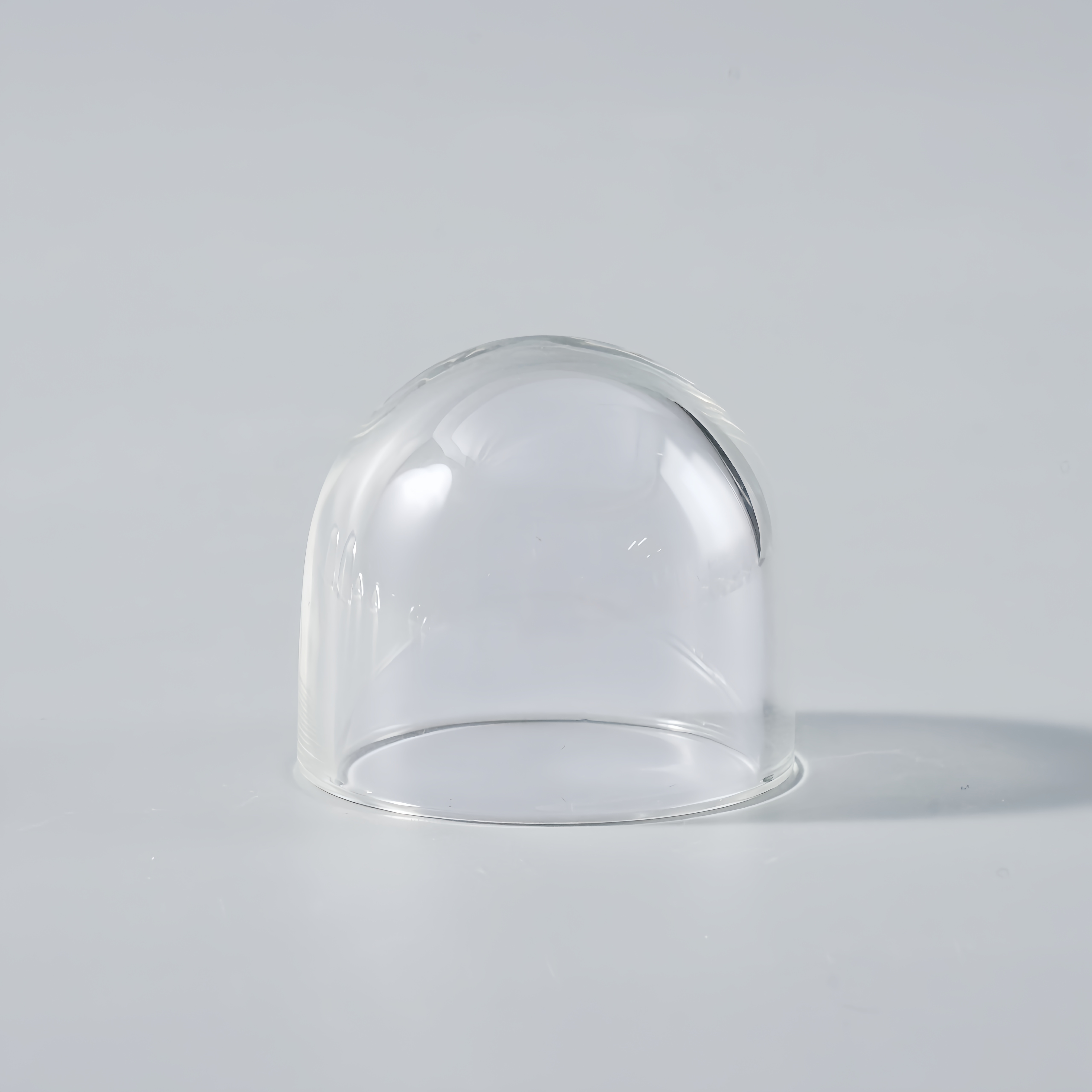
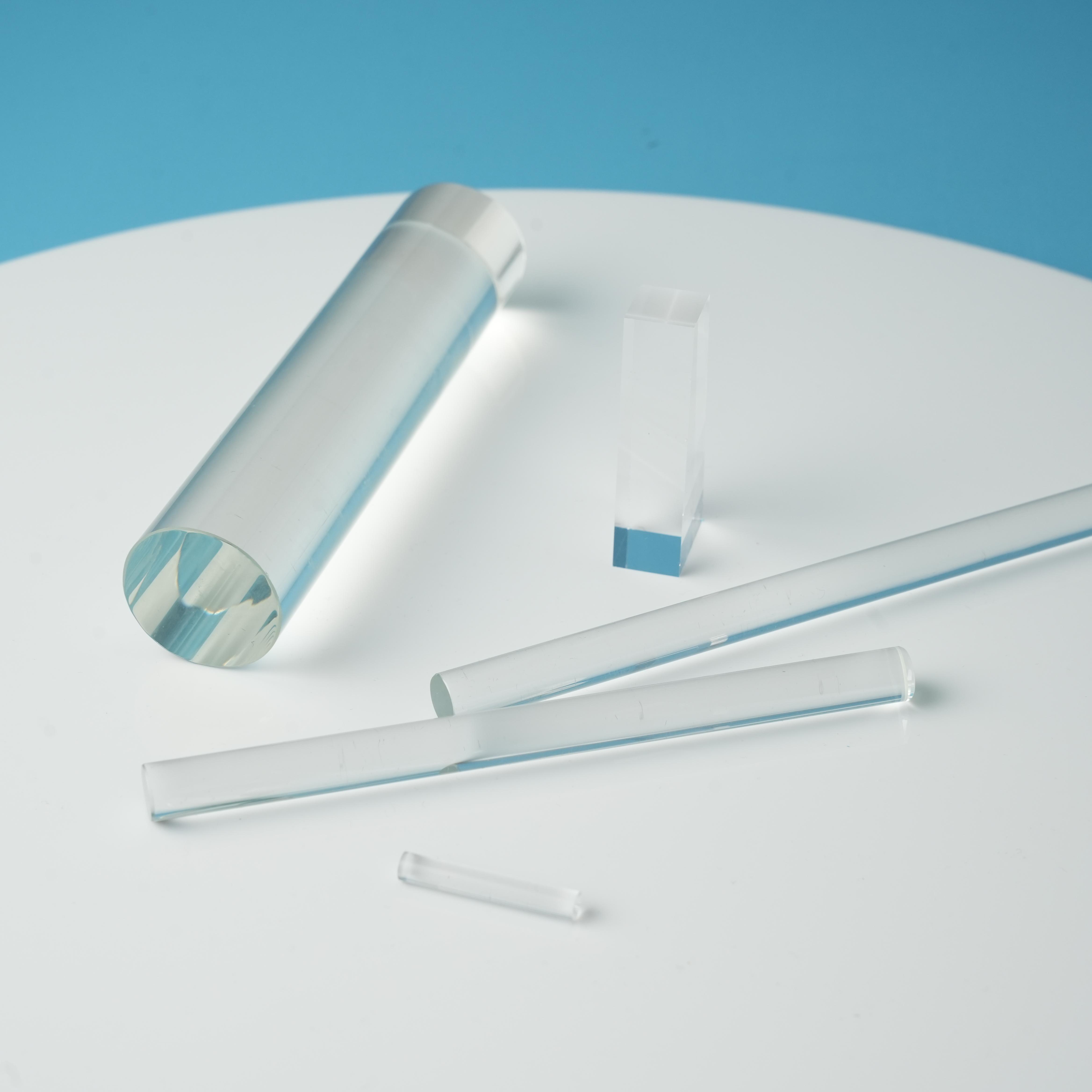
Eight Wall Light Glass & Optical Components Ready for Edmonton OEM and Distributor Programs

Every part below can be re-specified in diameter, wall thickness, colour, coating and edge finish to match your housing, gasket and photometric target. Prices are quoted against your drawing, not a generic catalogue number.

10+Years producing lighting and optical glass
≤6hAverage engineering response time
50–500Pieces typical MOQ, depending on mould status
US$2.5–5MAnnual export revenue across world markets
Local Engineering Context

Why Wall Light Glass for Edmonton Cannot Be Ordered From a Generic Catalogue

Edmonton sits in the aspen parkland transition zone, and that geography dictates the glass specification. Winter overnight lows regularly run between −30 °C and −40 °C, summer afternoons pass 30 °C, and a chinook can lift the temperature by roughly 20 K in a few hours. A single wall light mounted beside a river-valley walkway may see several freeze–thaw transitions in one night.

Thermal shock at the gasket edge

A sealed LED module can reach 60–90 °C internally. Against −35 °C night air, the glass face sees a gradient approaching 100 K. Soda-lime glass (CTE ≈ 9 × 10⁻⁶/K) is far less forgiving at flanges and threaded rims than borosilicate 3.3 (≈ 3.3 × 10⁻⁶/K).

Freeze–thaw fatigue on the seal

Chinook cycles compress and release the gasket repeatedly. Where sealing-face thickness varies between batches, the glass shifts slightly, micro-cracks initiate, and moisture ingress follows within two or three winters.

UV and glare load

Summer solstice daylight reaches roughly 17 hours, amplified by highly reflective snow. Encapsulants, tinted glass and optical coatings that are adequate further south can yellow, drift in colour or haze here.

Add road-salt spray, winter sand and gravel impact, and summer hail, and the practical conclusion is simple: a credible Edmonton wall light glass quotation starts from operating temperature, impact rating and sealing design — not from a list of nominal diameters.

Local Application Scenarios

Where Edmonton Buyers Actually Specify Wall Light Glass

Six recurring project types drive most enquiries we receive from Alberta distributors, luminaire OEMs and electrical contractors.

New-build homes and infill

Porch and entry wall lanterns across Edmonton's single-family, duplex and townhouse developments. Buyers in infill neighbourhoods increasingly want replaceable glass rather than sealed throw-away fixtures.

Commercial façades and patios

Whyte Avenue, Jasper Avenue, the Ice District and suburban retail plazas. Wall-mounted façade fixtures must keep colour consistency across long runs and resist repeated pressure-washing.

Energy and industrial sites

Refineries, upgraders and oilfield camps around the capital region. Explosion-proof and dust-ignition-proof wall fixtures depend on thick-wall borosilicate shades and controlled sealing faces.

Municipal parks and river valley trails

North Saskatchewan River Valley paths, park pavilions and community-league facilities. Low-glare, dark-sky-friendly wall and bollard lighting is now written into many municipal specifications.

Airport and airfield ground lighting

Edmonton International and regional airfields. Our domes and lenses support fixture makers whose obstruction and signal luminaires are designed to FAA L-810 requirements, with colour and transmission matched to specification.

Parkades, LRT platforms and shelters

Covered parking structures and transit shelters run 24-hour lighting in high-vibration conditions. Glass domes with mechanical retention and anti-scratch finishes reduce replacement cycles.

Local Development Trends

Four Shifts Reshaping Wall Light Glass Procurement in the Edmonton Region

These are the specification patterns our North American buyers are raising most often when they place 2025 sample orders.

Trend 01

Retrofit cycles replacing new-build volume

A large share of Edmonton's exterior wall lighting was installed between the 1970s and 1990s. LED retrofit kits frequently ship without a glass component, so distributors now source replacement shades and lenses as line items separate from the fixture.

Trend 02

Dark-sky and full cut-off design

Municipal and institutional specifications increasingly reward low-glare wall luminaires. That changes the glass: deeper recessing, controlled diffusion, and tighter photometric tolerance than a simple clear cover can deliver.

Trend 03

Cold-climate clauses in tender documents

Owners are moving beyond "suitable for outdoor use" and naming thermal-shock cycling, low-temperature storage and impact resistance directly. Suppliers who can document material grade and inspection records move to the shortlist faster.

Trend 04

Smaller, more frequent replenishment

Inventory carrying cost has pushed Western Canadian distributors toward smaller, more frequent top-up orders. Mould condition and minimum order quantity matter as much as unit price when a single model must be restocked twice a year.

Material Selection Guide

Borosilicate, Tempered Soda-Lime, Fused Silica or BK7: Choosing for Alberta Conditions

Relative thermal expansion shown to scale. Lower expansion means greater resistance to the thermal shock that governs winter failures.

Borosilicate 3.3

CTE ≈ 3.3 × 10⁻⁶/K · working temperature ≈ 450 °C

Recommended for explosion-proof shades, high-power LED wall covers and Fresnel or dome lenses. The default choice where a sealed luminaire runs hot and the outside air runs cold.

Tempered soda-lime

CTE ≈ 9.0 × 10⁻⁶/K · working temperature ≈ 250 °C

Best value where impact strength matters most and surface temperatures stay moderate: vandal-resistant exterior covers, floodlight glass and general-purpose wall lamp panels.

Fused silica / quartz

CTE ≈ 0.55 × 10⁻⁶/K · working temperature ≈ 1000 °C+

For deep UV transmission and extreme heat. Used in high-temperature windows and sensing optics rather than decorative wall covers.

Optical BK7 / H-K9L

CTE ≈ 7.1 × 10⁻⁶/K · nd ≈ 1.517

Homogeneous optical glass for precision lenses, prisms, windows and filters where photometric or image quality outranks thermal extremes.

Manufacturer Capability

Shanghai Tambi Glass Industrial Co., Ltd. — Built Around Your Fixture Drawing

Tambi Glass is a manufacturer and trading company based in Shanghai, China, with more than a decade focused on a single question: how should glass perform inside a real luminaire? That experience covers heat build-up behind high-power LED modules, thermal shock from rain or meltwater on hot covers, impact loads in hazardous areas, and colour accuracy for signal-grade lighting.

Our design team of senior lighting and moulding engineers reviews every drawing for wall thickness, draft angle, sealing faces and optical path alignment before tooling starts. For Edmonton buyers this matters most in two places: the sealing face tolerance that keeps a wall fixture watertight through repeated freeze–thaw, and the material grade that survives a −40 °C night without a stress crack.

  • Drawing-based OEM and ODM production
  • Borosilicate 3.3, tempered, quartz and BK7
  • AR, bandpass and colour optical coatings
  • Onsite-verified supplier status
  • FAA L-810 and EN 50293 glass support
  • Foam or pulp-divider export packing

Shipping to the Edmonton market

Consolidated sea freight reaches the Port of Vancouver or Prince Rupert, then moves by rail into Edmonton — usually the lowest cost route for volume orders of wall light glass. Urgent sample and replenishment quantities travel by air courier.

Packing: parts are separated by foam or pulp dividers, packed in reinforced export cartons and palletised for sea or air freight. Custom packaging and labelling for Alberta distributors can be arranged.

Documentation: material certificates and dimensional inspection reports are issued on request, which shortens supplier qualification for municipal and institutional tenders.

From Drawing to Delivery

A Controlled Six-Step Process for Wall Light Glass Orders

Clear checkpoints mean fewer surprises between sample approval and volume production — and fewer cracked covers in an Edmonton winter.

01

Drawing review

DFM check of thickness, draft, tolerance and sealing-face flatness before any tooling decision.

02

Mould and tooling

New or existing moulds for pressing, blowing, grinding or coating, proposed against your annual volume.

03

Sampling

First-article samples measured and shipped for your fit, gasket and light-output test.

04

Forming and annealing

Controlled annealing or tempering to relieve internal stress before coating or assembly.

05

Coating and QC

AR or colour coating, dimensional and visual inspection, with records kept per batch.

06

Export packing

Divider-packed cartons, palletised and documented for sea or air freight to Canada.

Buyer FAQ

Questions Edmonton Buyers Ask Before Ordering Wall Light Glass From China

Can you manufacture wall light glass to our own drawing rather than from your catalogue?

Yes. The majority of our orders are drawing-based. Send a 2D or 3D drawing, or a physical sample with dimensions, tolerance band, glass grade, colour and coating requirements. Our engineers review manufacturability, propose mould options, and confirm an approved sample before mass production begins.

What is the typical minimum order quantity for Edmonton and Alberta buyers?

Typical MOQs run from about 50 pieces for optical lenses up to 100–500 pieces for pressed or blown lighting covers, depending on whether an existing mould can be used. Evaluation sample quantities are available, and small replenishment orders can be discussed once a mould is already in production.

Borosilicate or tempered soda-lime glass — which is better for Edmonton's winter?

They solve different problems. Borosilicate 3.3 has a thermal expansion of roughly 3.3 × 10⁻⁶/K, so it tolerates hot lamp surfaces meeting cold air or meltwater far better. Tempered soda-lime offers high impact strength at a lower unit cost when surface temperatures stay moderate. The correct answer depends on your fixture's measured surface temperature, its impact rating and the certification it must hold.

How does glass handle road salt, sand, gravel spray and hail?

Salt spray itself does not attack the glass body, but it does attack gaskets and coatings. Impact from sand and gravel is the more relevant risk, which is why we recommend tempered or adequately thick borosilicate for street-facing wall fixtures, and why we offer anti-scratch surface finishing for exposed domes.

Do you supply glass for FAA L-810 or EN 50293 lighting fixtures?

We produce lenses and domes for fixture manufacturers whose obstruction and signal luminaires are designed to FAA L-810 or EN 50293 requirements. The luminaire certification is held by the fixture manufacturer; we match colour, transmission and dimensional specification, and can provide material and inspection reports on request.

How quickly do you respond to a technical enquiry?

Our average response time is within six hours. Sending a drawing together with your annual or first-order volume lets us return both a technical comment and a commercial indication in the same reply.

How is fragile wall light glass packed for the journey to Edmonton?

Parts are separated by foam or pulp dividers, packed into reinforced export cartons and palletised for sea or air freight. Custom packaging, labelling and carton marking for Alberta distributors can be arranged, and consolidated shipments via Vancouver or Prince Rupert reduce handling events.

Can we order in Canadian measurements and mixed glass types in one shipment?

Yes. Drawings in inches or fractions are converted and confirmed back in writing before tooling. Mixed shipments combining borosilicate covers, optical domes and coated filters are routinely consolidated, with each part type inspected and packed separately before palletising.
Send Your Wall Light Glass Drawing for an Engineering Review Within Six Hours

Share the dimensions, glass grade, operating temperature, impact requirement and annual volume for your Edmonton project. Our engineers will recommend the most reliable material and forming route for your fixture, and return a quotation against your drawing.

Get a Quote