A Practical Sourcing Brief for San Jose Engineering and Procurement Teams
San Jose buyers do not simply compare piece prices. They need a China wholesale precision glass processing factory that can translate a drawing into repeatable optical, thermal and mechanical performance, then deliver documentation that survives incoming inspection. For teams across Santa Clara County — from LiDAR and semiconductor equipment developers to architectural lighting distributors and automotive lighting OEMs — the real question is whether the supplier can control four variables at once: material grade, forming method, coating and dimensional verification.
Technical review by the Tambi Glass engineering and export team, Shanghai. This guide is based on drawing-based lighting and optical glass projects; final specifications must be confirmed against your drawing, fixture design and target standard.
San Jose Market Trends Reshaping Precision Glass Demand
Demand in San Jose and the wider Bay Area is moving toward higher optical precision, stronger documentation and faster prototype cycles. These four local trends directly affect how wholesale glass should be specified.
Sensor Fusion, Robotics and LiDAR
San Jose's autonomy, robotics and smart-infrastructure clusters are pushing optical housings toward tighter geometry and broadband AR performance. RFQs increasingly include coating targets at 850, 905 or 1550 nm, dome wall thickness, sealing-face flatness and transmission data before sample approval.
Semiconductor, Metrology and Lab Automation
Santa Clara County's laboratory and equipment ecosystem favors K9/BK7 windows, borosilicate light guides and low-stress optical components. Projects are often high-mix and low-volume, so mold reuse, edge quality, cleaning compatibility and inspection reports matter as much as unit cost.
Efficient Outdoor and Architectural Lighting
UV load, heat cycles and resilience planning are increasing demand for UV-stable glass covers, impact-resistant lampshades and IP-rated camera domes. For streetscape, hospitality and smart-city projects, glass must keep transmission after cleaning and weather exposure while maintaining a stable sealing surface.
Resilient Sourcing for High-Mix OEMs
Bay Area buyers are reducing qualification risk by asking for sample quantities, clear MOQ steps and export documentation before mass production. A China factory that supports prototype-to-production transitions can shorten the gap between a San Jose design team and a stable supply chain.
Eight Wholesale Precision Glass Products for San Jose OEM Programs
The eight families below cover the most common OEM, laboratory, lighting and sensor inquiries. Each product page can be reviewed for dimensions, material and finishing options; custom sizes, coatings and packaging can be developed from a drawing or sample.
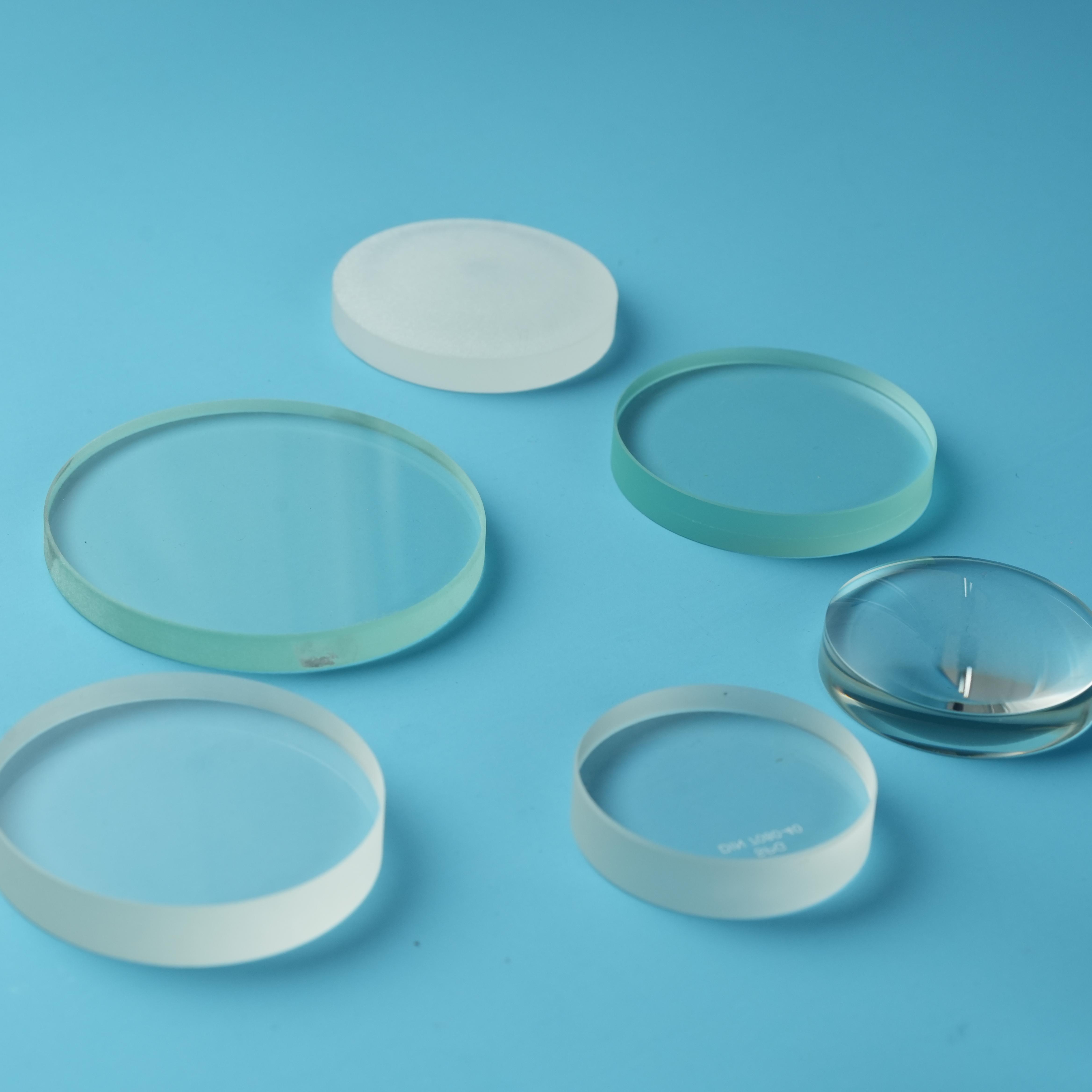
Custom OEM Borosilicate K9 BK7 B270 Fused Silica AR-Coated Square Optical Window 50 mm
- Borosilicate, K9/BK7, B270 or fused silica
- AR-coated 50 mm class square window
- For sensors, LiDAR and lab instruments
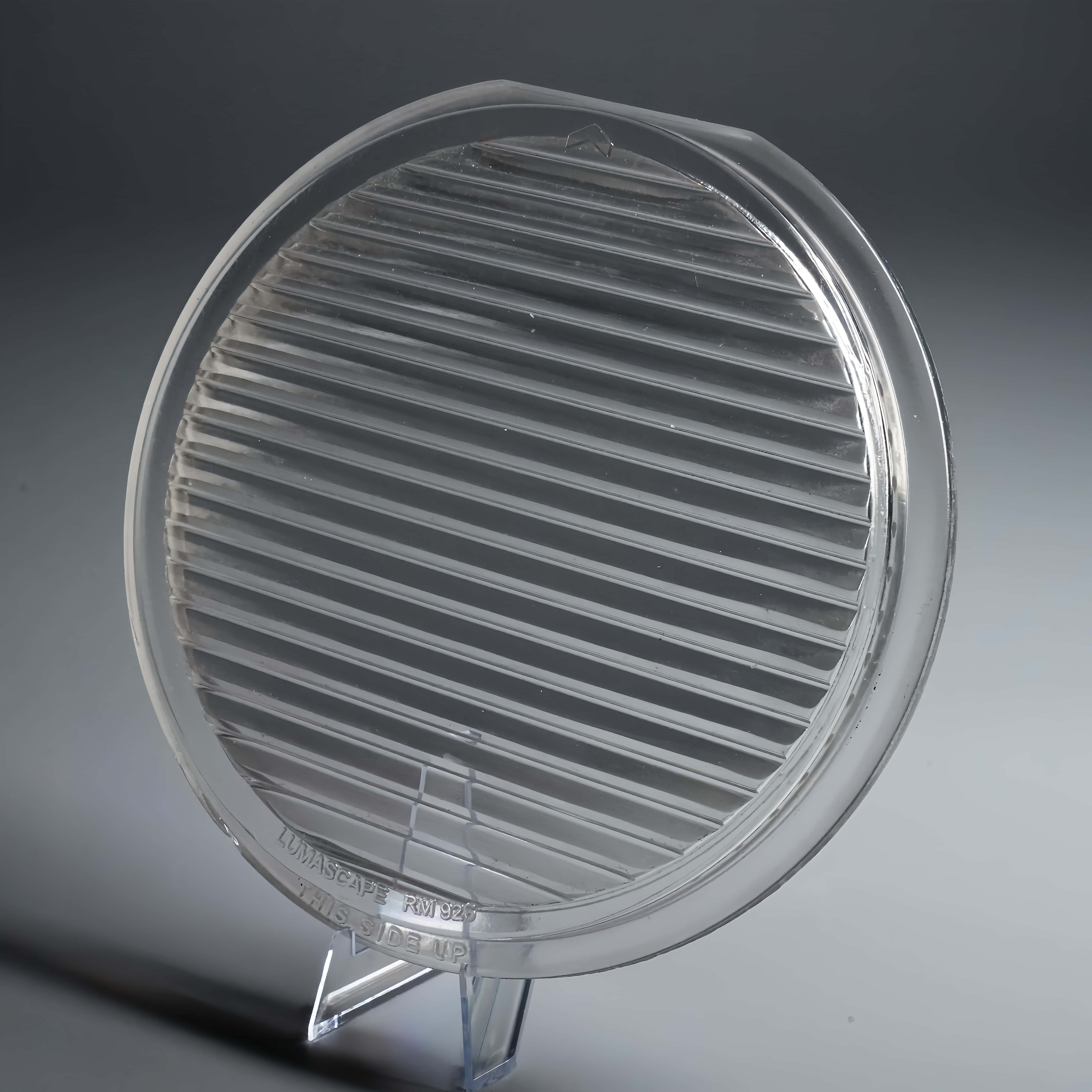
Custom Heat-Resistant High Borosilicate Headlight Glass Lens Cover
- Pressed mold; custom size and shape
- Heat-resistant automotive and outdoor lighting
- Sampling before mass production
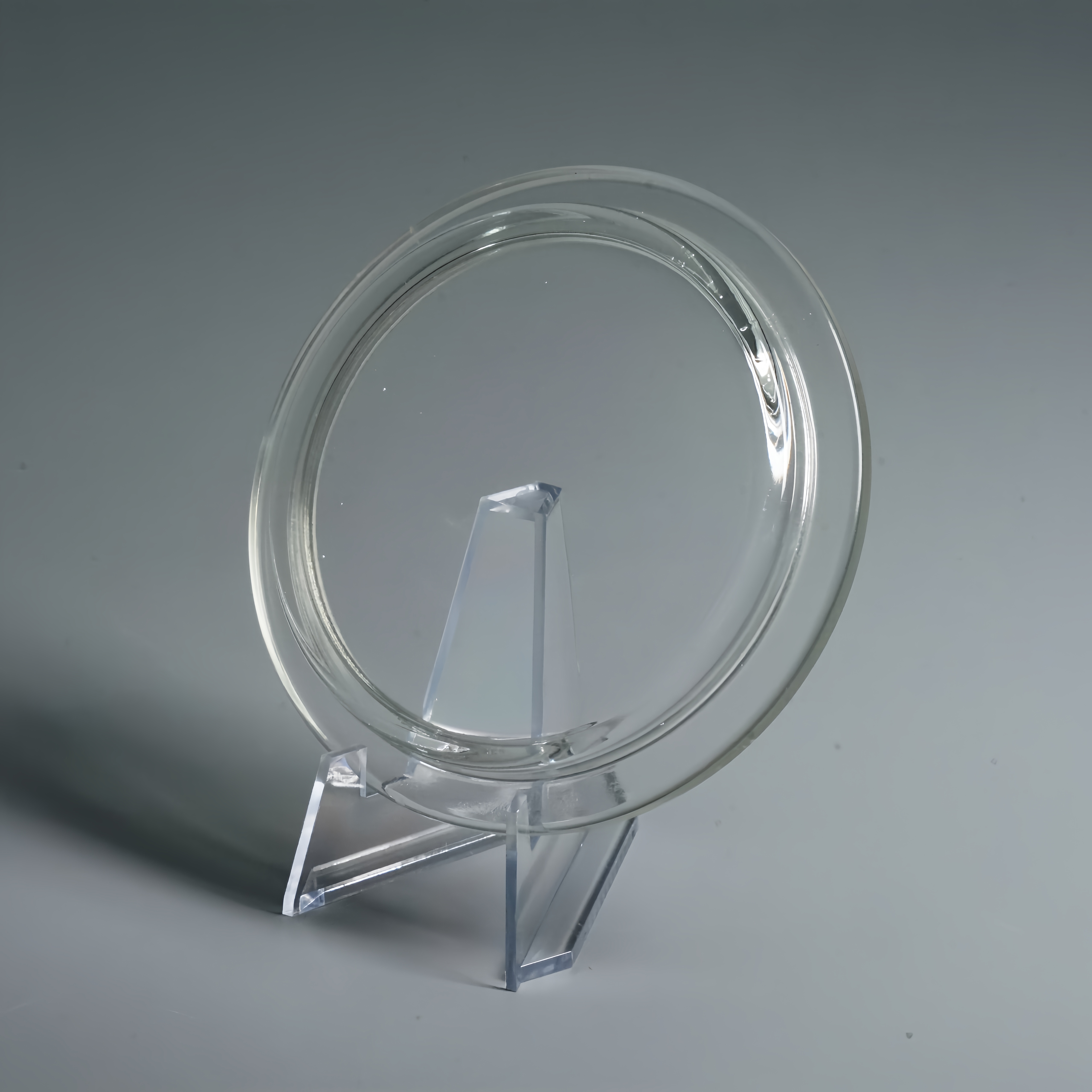
Custom Waterproof Outdoor Stage Glass Lampshade — Impact and High-Temperature Resistant
- Waterproof outdoor lampshade
- High-temperature and impact resistant
- Silk-printable; hospitality and stage use
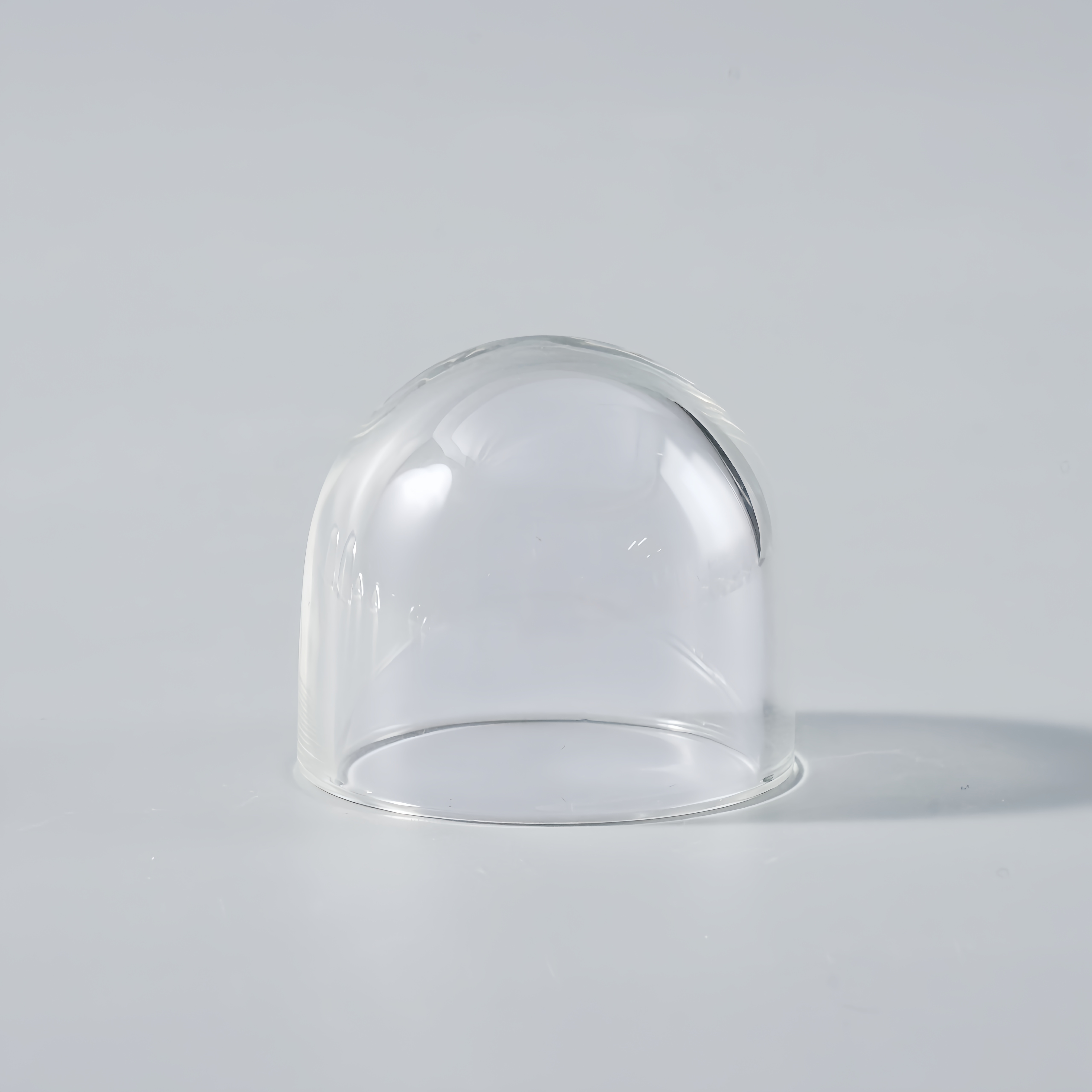
Customizable OEM Optical Glass Domes — Broadband AR Hemispherical Windows for LiDAR
- Precision hemispherical optical dome
- Broadband AR coating; custom geometry
- LiDAR and scientific sensor windows
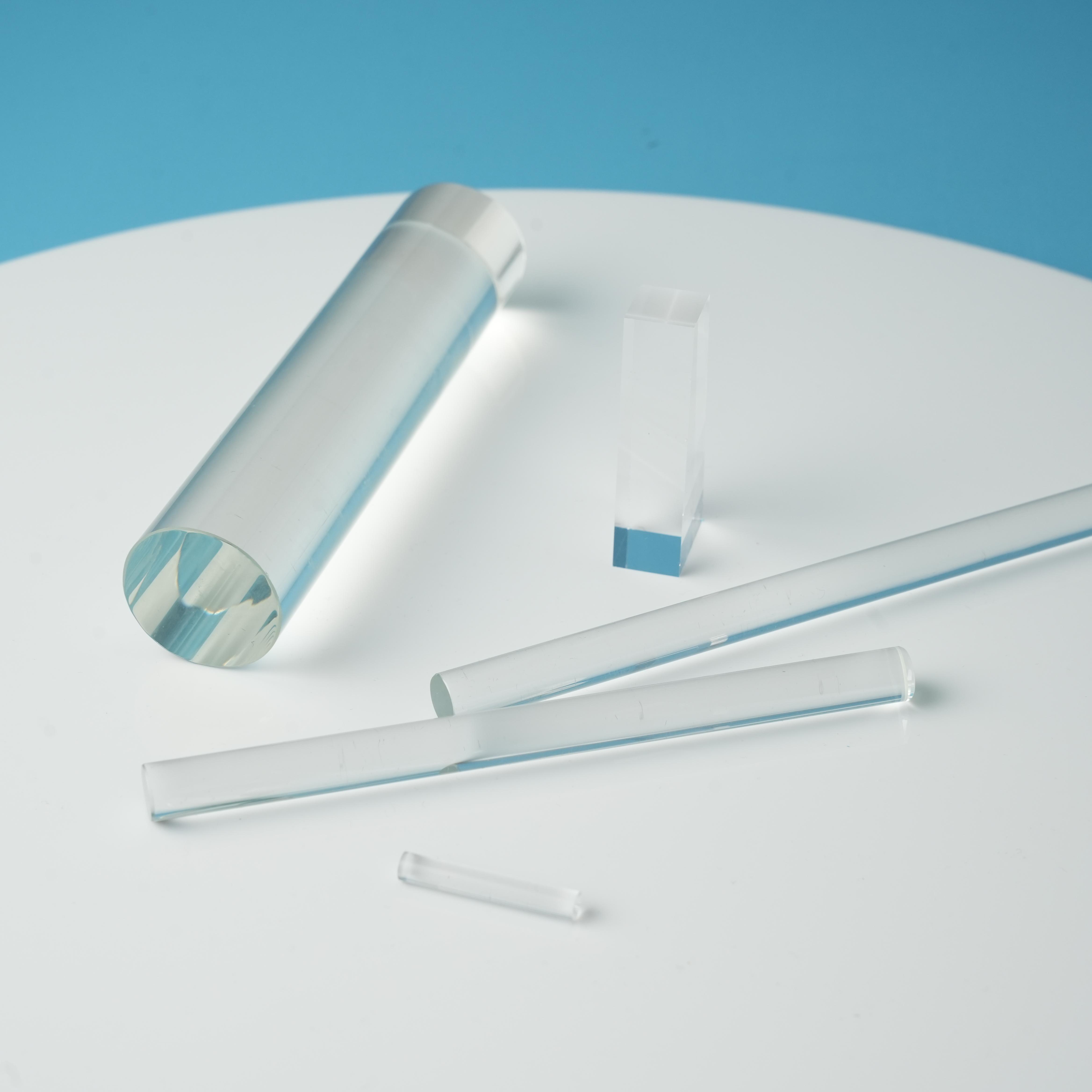
Factory Custom Borosilicate Optical Glass Light Guide Rod for Laboratory Applications
- High borosilicate temperature resistance
- Custom rod shape and optical finish
- For laboratory and photometry equipment
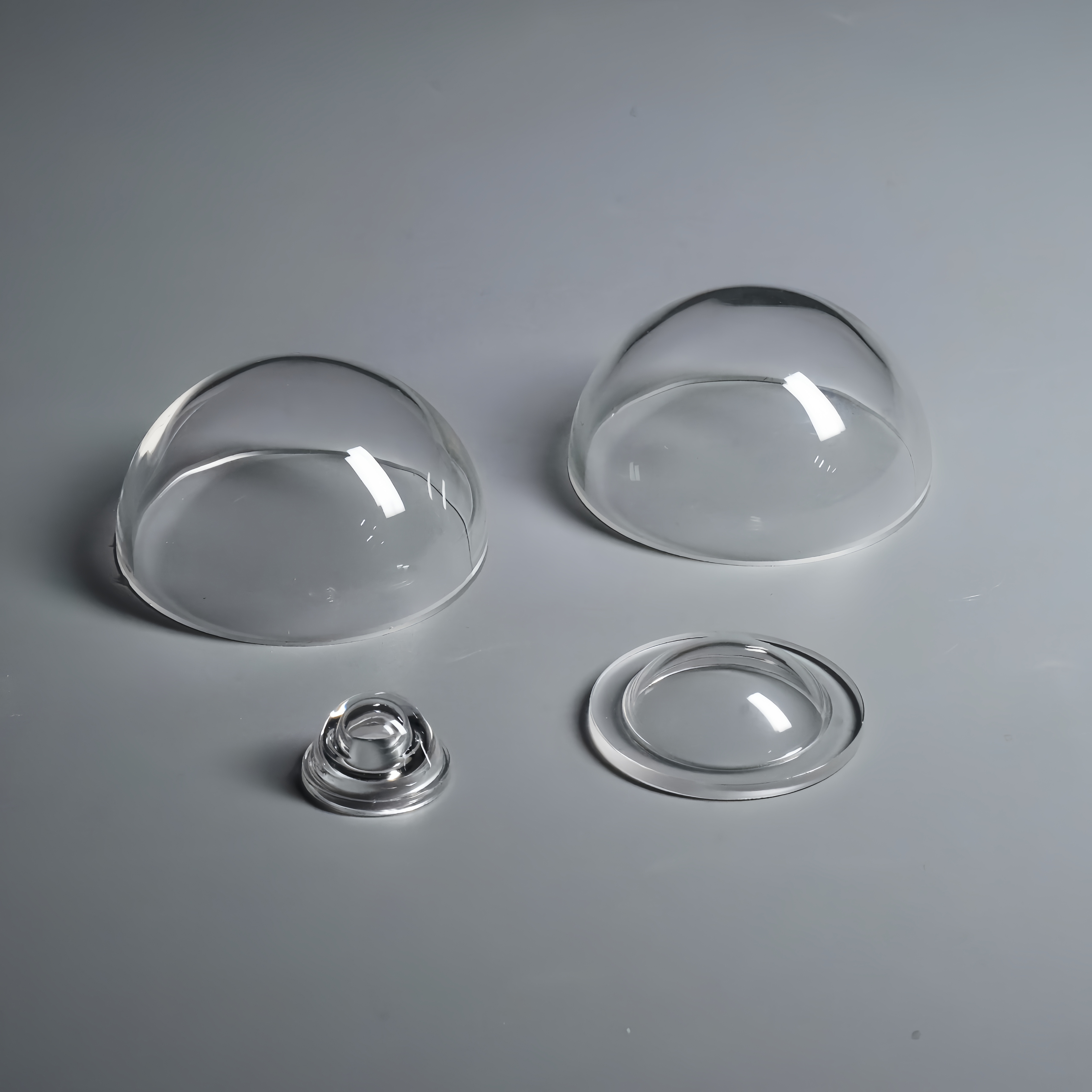
Mold Pressed K9 Optical Dome Lens with Anti-Reflective Coating for OEM Headlights
- Clear high-quality K9 optical dome
- AR coating for lighting OEMs
- Dimensional and visual inspection
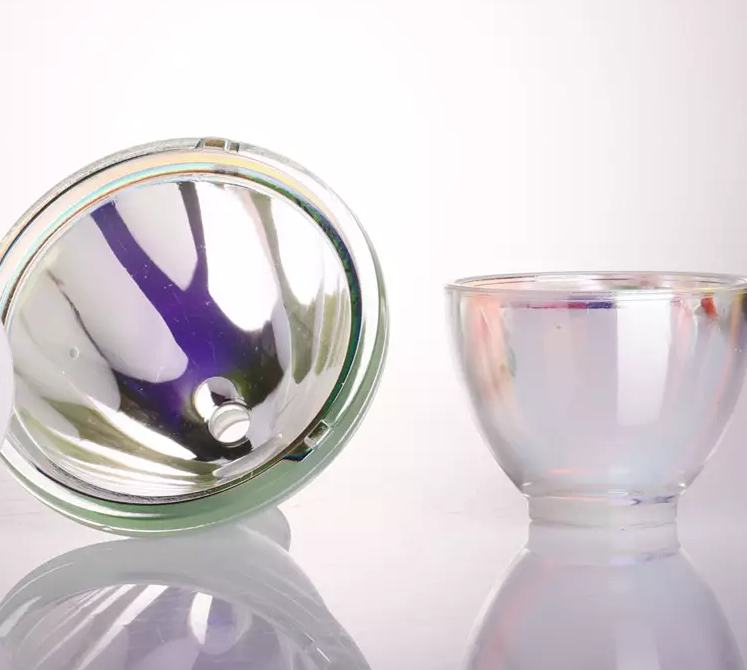
COB Glass LED Reflector Bowl — Deep Design for Spotlights and Projector Lights
- 20°, 60° and 90° beam options
- Spotlight, projector and stage optics
- Heat-resistant glass body

OEM Borosilicate Glass Optical Dome Cover for Outdoor IP Cameras
- UV-resistant, waterproof housing dome
- AR coating available
- For security and smart-city cameras
Product URLs are preserved exactly as supplied. Dimensions, color, coating band, edge finish and packing can be adapted to your San Jose project; where a standard item is close but not exact, request a drawing review before tooling.
Where Precision Glass Performs in San Jose and the Bay Area
The same glass family can behave very differently depending on the local environment. These six application scenarios show where San Jose buyers typically need engineering input, not just a stock catalog item.
LiDAR, Robotics and Autonomy
Use AR-coated hemispherical domes and windows for rotating or solid-state LiDAR. Specify wavelength band, incidence angle, dome thickness, water ingress and geometric deviation. San Jose sensor teams often need prototype support before committing to tooling.
Semiconductor and Laboratory Equipment
K9/BK7 windows, borosilicate light guide rods and precision domes support metrology, photonics and lab automation. Confirm surface quality, edge chips, cleaning compatibility and inspection reports before releasing a purchase order.
EV, Automotive and Mobility Lighting
Molded K9 domes, headlight covers and projection lenses need thermal cycling and photometric consistency. Bay Area mobility programs often prefer a supplier that can support low-volume validation and then scale without changing the optical concept.
Architectural, Hospitality and Outdoor Lighting
Waterproof lampshades, tempered covers and reflector bowls are used in streetscape, hospitality and stage projects. UV stability, impact resistance and silk-printable surfaces are common San Jose requirements because fixtures may face strong sun and seasonal heat.
Stage, Studio and Entertainment
COB reflector bowls and high-temperature lenses suit venue lighting, production studios and rental fleets. Repeated focus and dimming cycles make thermal shock, coating adhesion and stable beam angle important selection criteria.
Security and Smart-City Cameras
Outdoor IP camera domes need UV-resistant borosilicate or equivalent, optional AR coating and a stable gasket interface. San Jose integrators should confirm step, thread and sealing dimensions before matching a dome to a waterproof housing assembly.
Engineering Decision Matrix: Match Material and Coating to the San Jose Use Case
Glass specification is not a commodity choice. Thermal expansion, maximum working temperature, impact strategy and optical coating all interact. The table below gives practical starting points; final selection must be confirmed against your drawing and fixture standard.
| Material | Thermal expansion (×10⁻⁶/K) | Typical max. working temp. | Best-fit San Jose use | Procurement note |
|---|---|---|---|---|
| Borosilicate 3.3 | ≈3.3 | ≈450 °C | Explosion-proof covers, high-power LED, Fresnel lenses, outdoor signal glass | Strong thermal-shock margin; confirm annealing, wall thickness and sealing face. |
| Tempered soda-lime | ≈9.0 | ≈250 °C | Impact-resistant outdoor covers, floodlight glass, vandal-resistant lenses | Cost-effective and impact-capable; avoid severe thermal gradients. |
| Fused quartz | ≈0.55 | ≈1000 °C+ | UV optics, high-temperature windows, demanding scientific applications | Higher cost; specify UV transmission and surface quality precisely. |
| Optical BK7 / K9 | ≈7.1 | ≈300 °C | Precision lenses, prisms, optical windows, headlight domes | Homogeneous optical grade; control polishing, edge chips and coating. |
Relative fit for typical San Jose RFQ priorities
Illustrative engineering comparison, not a specification or performance guarantee. Confirm every value with your drawing review.
Seven RFQ inputs that prevent rework
- 2D or 3D drawing with tolerances and critical sealing faces.
- Substrate preference and color or transmission target.
- Operating temperature and cleaning chemicals.
- Coating band, incidence angle and environmental tests.
- Impact, ingress and fixture standard such as FAA L-810, EN 50293 or IP-rated housing.
- Annual volume plus prototype or sample quantity.
- Packaging, labeling and destination: SJC, SFO, OAK or sea freight.
From Drawing to San Jose: A Controlled Six-Step OEM Workflow
Clear checkpoints reduce the gap between sample approval and mass production. This is the workflow used for custom lighting covers, optical windows, domes, lenses and reflectors.
Drawing and DFM Review
Check wall thickness, draft, sealing face, tolerance stack, gasket interface and optical path before quoting.
Material and Coating Plan
Select borosilicate 3.3, K9/BK7, B270, fused silica or tempered soda-lime; define AR, bandpass or color requirements.
Tooling and Sampling
Use an existing mold where possible; build new tooling when geometry requires. Samples are measured and sent for fit and light tests.
Forming and Annealing
Press, blow, grind or polish; control annealing or tempering to relieve stress and stabilize the part.
Metrology and QC
Inspect dimensions, appearance, coating, transmission and edge quality. Inspection reports are available on request.
Export Packing and Delivery
Foam or pulp dividers, reinforced cartons, palletization, labeling and documents for air or sea freight to California.
What Tambi Glass Adds to a San Jose Supply Chain
Shanghai Tambi Glass Industrial Co., Ltd. combines drawing-based engineering with a manufacturer and trading model, helping buyers move from a prototype request to a repeatable wholesale program.
10+ Years in Lighting and Optical Glass
Long-term focus on glass components for lighting and optical OEMs, with practical understanding of heat, impact, sealing and color consistency inside real fixtures.
Drawing-Based OEM / ODM
Most projects start from a 2D/3D drawing or physical sample. Engineers review manufacturability before tooling so tolerances, draft and mold options are settled early.
Material Breadth
Borosilicate 3.3, tempered soda-lime, fused quartz, optical BK7/K9, B270 and related substrates can be matched to thermal, optical and impact requirements.
Coating and Finishing Control
AR, bandpass, color, silk-print, grinding, polishing and edge finishing are planned around the optical or lighting function, not added as an afterthought.
Flexible MOQ and Sampling
Typical MOQs range from 50 pieces for optical lenses to 100–500 pieces for pressed or blown covers, depending on whether an existing mold can be used. Sample quantities are available.
Verified Supplier Communication
Onsite-verified supplier profile, average technical response within 6 hours, inspection reports on request, and fragile-goods packing for sea or air shipment.
Fixture certification remains with the luminaire manufacturer. Tambi Glass supports glass specification, material and inspection documentation so your qualification process has clearer inputs.
Procurement FAQ for San Jose Buyers
These are the questions engineering and purchasing teams most often ask when qualifying a China wholesale precision glass processing supplier for a San Jose project.
Can you manufacture glass covers and lenses to our own drawing?
Yes. Send a 2D/3D drawing or physical sample with dimensions, tolerance, material, color, coating and operating conditions. Engineers review manufacturability, propose mold options and confirm samples before mass production.
What is the typical MOQ for a San Jose trial order?
Typical MOQs range from 50 pieces for optical lenses to 100–500 pieces for pressed or blown lighting covers, depending on whether an existing mold is available. Sample quantities can be arranged for evaluation.
Should we choose borosilicate or tempered soda-lime glass?
Borosilicate 3.3 has low thermal expansion of about 3.3 × 10⁻⁶/K, so it tolerates high lamp temperatures and sudden rain or cold-water contact better. Tempered soda-lime offers high impact strength at lower cost for moderate temperatures. Decide by surface temperature, impact rating and fixture certification.
Do you supply glass for FAA L-810 or EN 50293 fixture programs?
We produce glass lenses and domes for fixture makers whose obstruction and signal lights are designed to FAA L-810 or EN 50293 requirements. Fixture certification is held by the luminaire manufacturer; we match color, transmission and dimensional specifications and can provide material and inspection reports on request.
How do you control AR coating for LiDAR, semiconductor or camera applications?
Start with the wavelength band, incidence angle, transmission target, substrate and environmental test plan. Coating data, visual inspection and dimensional reports can be discussed before sampling. The final drawing should identify the optical clear aperture and any areas that must remain uncoated.
How fast do you reply to technical inquiries?
Average response time is within 6 hours. Include your drawing, target material, annual volume and application so the reply can address manufacturability, MOQ, tooling and documentation in one pass.
How are fragile glass parts packed and shipped to San Jose?
Parts are separated by foam or pulp dividers, packed in reinforced export cartons and palletized for sea or air freight. Custom packaging and labeling can be arranged. The buyer's customs broker confirms HTS classification and import requirements; we support commercial invoice, packing list and shipping marks.
What should we include in the first RFQ?
Include a drawing with tolerances, material preference, operating temperature, coating band, impact or ingress requirement, annual volume, prototype quantity, target standard and destination. A complete RFQ usually shortens the quote and sample cycle.
Verification, Packaging and Export Documentation for California Receivers
For wholesale glass, the order is not complete until the parts arrive intact and the receiver can match them to the approved drawing. These checks are especially useful for first orders from San Jose.
Supplier Verification
Review the onsite-verified supplier profile, credit index, trade capacity and buyer ratings. For high-risk projects, request a video call, a sample inspection plan and confirmation of the production site before release.
Inspection Packet
Ask for dimensional reports, visual inspection criteria, coating or transmission data, material reports where available, and packing photos before shipment. This helps San Jose incoming inspection compare the delivered lot with the approved sample.
California Delivery Preparation
Export cartons and pallets can be prepared for air or sea freight. The buyer's customs broker confirms import requirements and duty treatment; we support with commercial invoice, packing list, shipping marks and pre-shipment photos.
Send Your Drawing for a 6-Hour Engineering Review
Share dimensions, material, operating temperature, coating band and annual volume. Our team will review manufacturability, suggest the most reliable glass route and confirm the information needed for a San Jose sample order.
info@tambiglass.com