China Wholesale Plano Concave Lens Exporters & Wholesaler serving Japan
Tambi Glass supports Japanese OEMs with drawing-based plano concave lenses, optical windows, prisms, LED lenses, borosilicate covers and coated glass components — reviewed by lighting and molding engineers before tooling starts.
8 Precision Glass Products for Japan Optical & Lighting OEMs
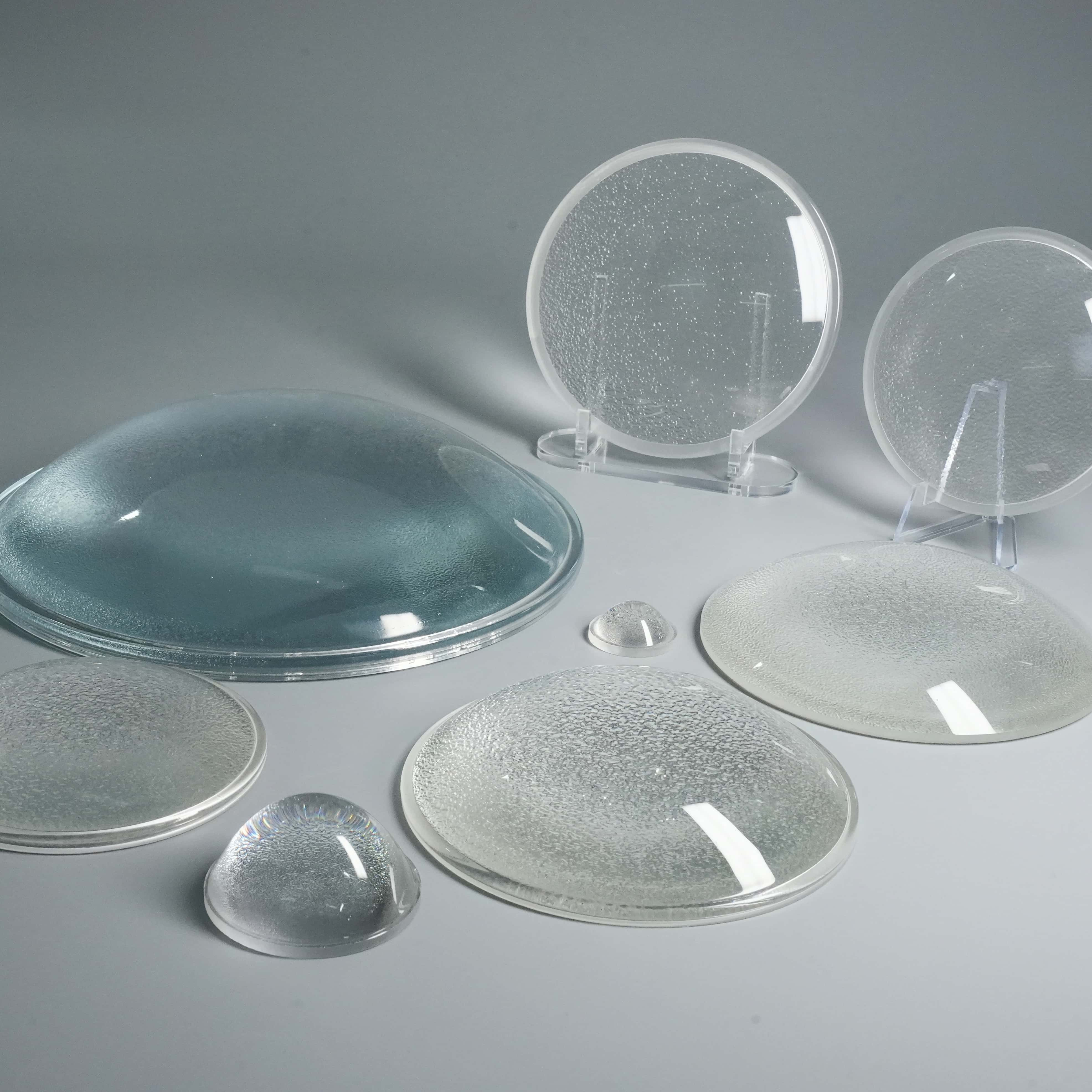
Plano concave lens projects are quoted from your drawing or sample. The adjacent product families below show the glass forming, coating and inspection capabilities that support Japan-facing optical and lighting supply chains.
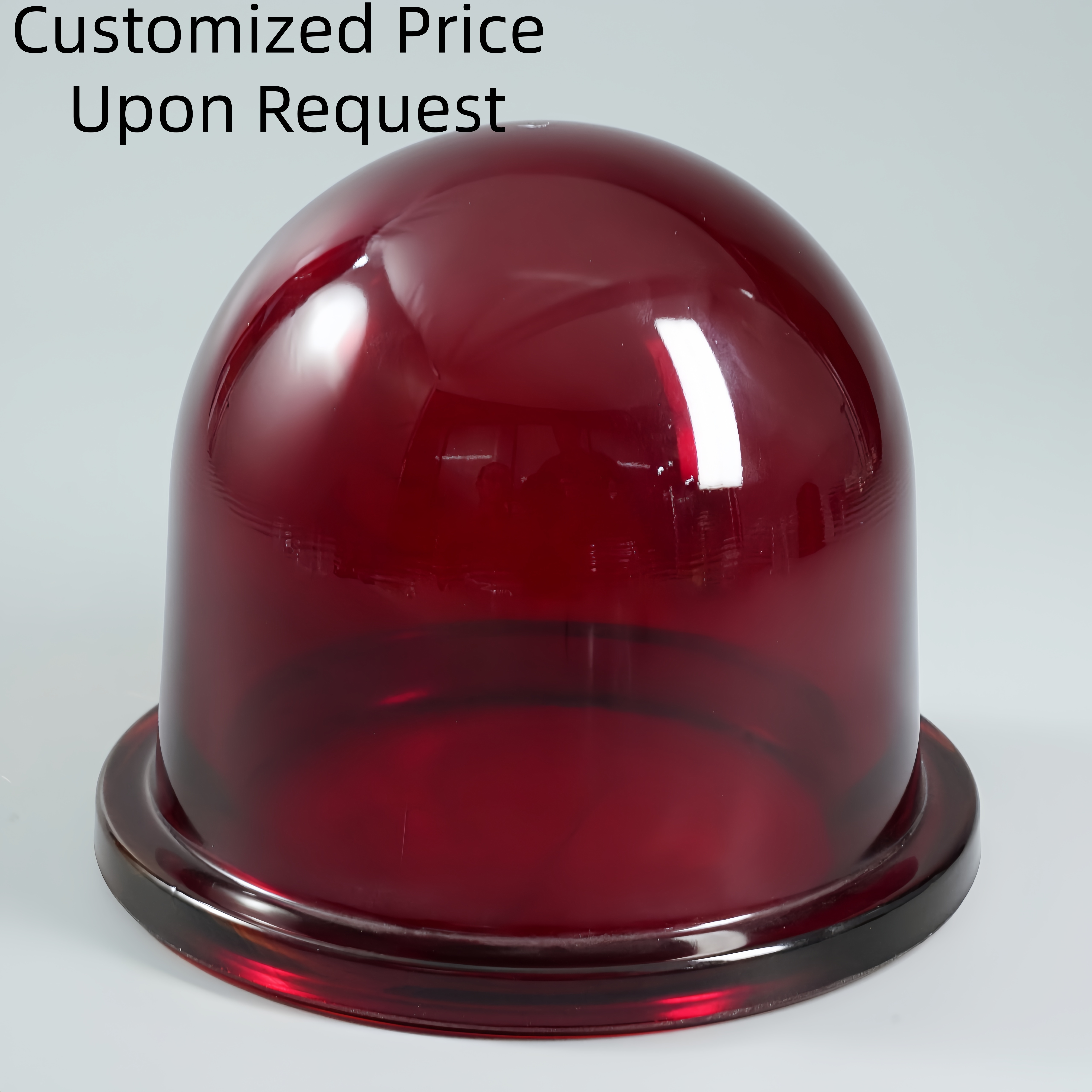
High-temperature Resistant Pressed Glass Shade, Explosion-proof & Crack-proof, Outdoor Street Light Specific
Pressed lighting glass engineered for heat, weather and impact exposure in outdoor fixtures.
- Thermal-shock resistant pressed glass
- Explosion-proof and crack-proof design intent
- Drawing-based OEM production
Bo Glass Asymmetric LED Lens Roadway Street Light Reduces Light Pollution Glare Borosilicate Glass UV Protection OEM
Asymmetric LED optics for roadway fixtures where glare control and beam shape matter.
- Asymmetric beam control
- UV-protection borosilicate option
- OEM drawing and sample support

Custom OEM Bo Glass Clear Borosilicate K9 Bk7 B270 Fused Silica Anti-Reflective Coated Square Optical Window 50mm Diameter
Optical window options for instruments, sensors and projection modules requiring clean transmission.
- AR-coated optical window
- K9, BK7, B270 and fused silica options
- 50 mm class customization
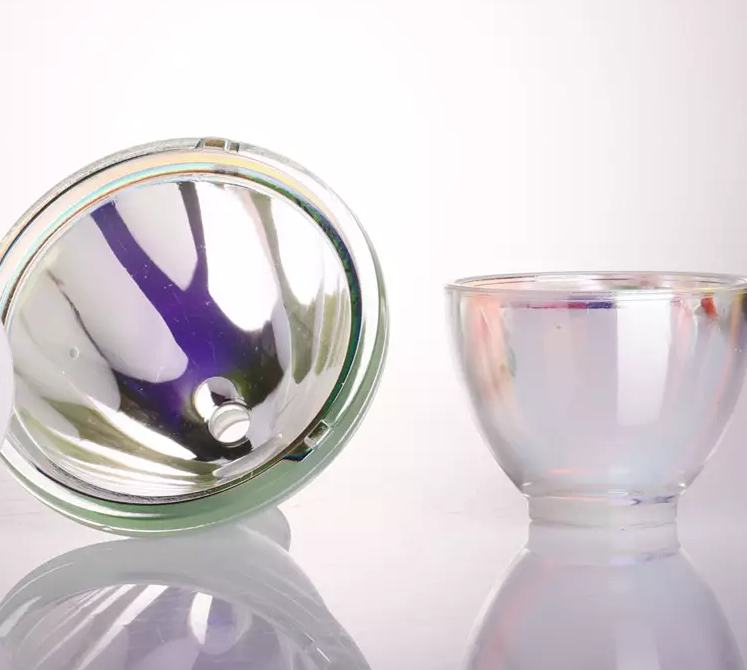
COB Glass LED Reflector Bowl Manufacturer Deep Design Perfect Beam Spotlights Projector Lights 20 60 90 Beam Angle
Deep reflector geometry for COB spotlights and projection-style fixtures.
- 20°, 60° and 90° beam angles
- Deep glass reflector bowl
- Spotlight and projector OEM support

Factory Custom BO-GLASS Quartz BK7 K9 Arcoated Fused Silica High Precision Right Angle Prism 90Degree Clear ODM/OEM 3-Year
Right-angle prisms for beam steering, imaging assemblies and inspection equipment.
- Quartz, BK7 and K9 material options
- AR-coated fused silica options
- ODM/OEM drawing support

Supplier Custom Size Shape Pressed Mold Heat Resistant High Borosilicate Headlight Glass Lens Cover Headlight Glass Cover
Pressed-mold glass covers for headlight lenses and heat-resistant lighting enclosures.
- High borosilicate heat resistance
- Custom size and shape
- Pressed-mold production path
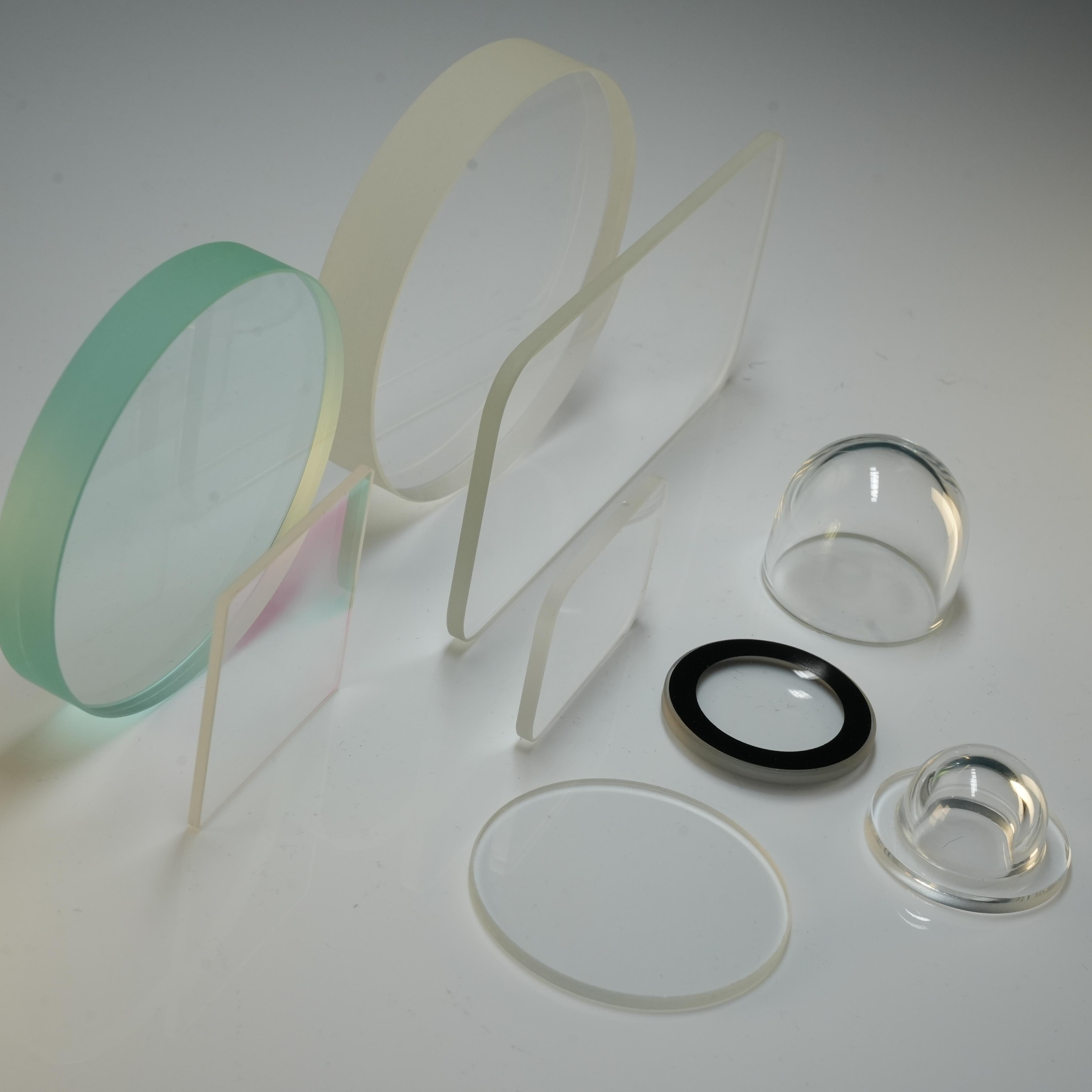
Manufacturer OEM Transparent High Quality Precision Borosilicate UV Fused Silica Coated Glass Optical Window High Transmittance
Precision windows for optical instruments where transmission and surface quality must be documented.
- High-transmittance borosilicate / fused silica
- Coated and uncoated configurations
- Inspection reporting on request
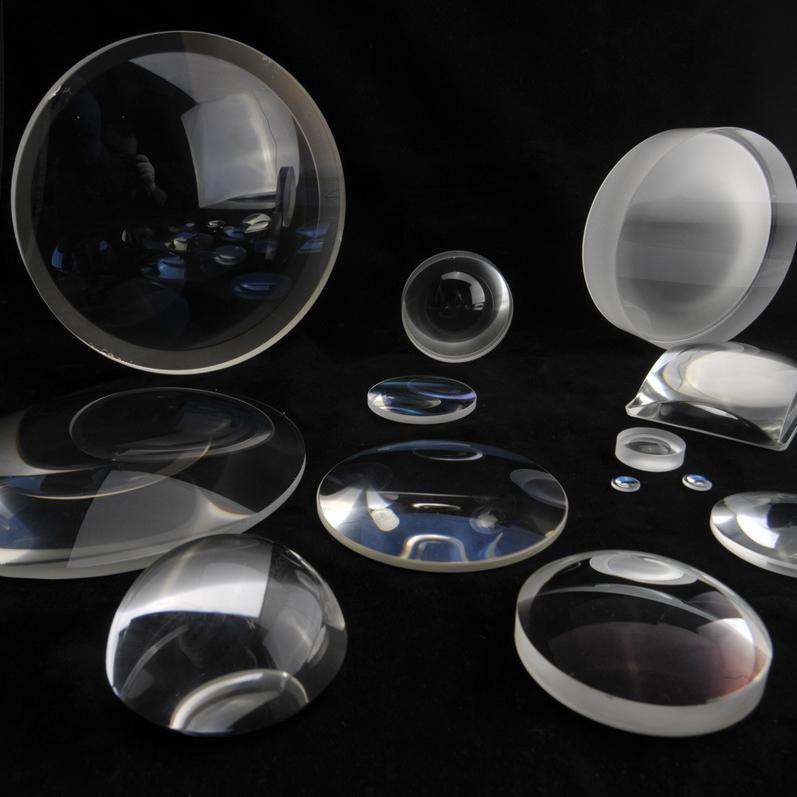
Custom High Quality Diameter 80Mm 127Mm 250Mm Spherical K9 Optical Coating Glass Plano Convex Lens for Big Magnifying
Plano lens manufacturing example for large-diameter optical assemblies. Plano concave lenses are quoted separately to drawing.
- K9 optical glass option
- 80 mm, 127 mm and 250 mm diameters
- Plano-convex shown; plano-concave quoted from drawing
Plano Concave Lens Sourcing from China for Japanese OEMs
Japan’s optical and photonics supply chain rewards suppliers who can prove repeatable geometry, coating durability and documentation across production batches — not simply a low unit price.
What procurement teams should verify before selecting a China wholesaler
A plano concave lens is a beam-diverging optical element. It is commonly used to expand a collimated laser beam, balance aberrations in multi-element imaging assemblies, flatten field curvature, or shape illumination in inspection and projection systems. For Japanese OEMs, the real sourcing question is not “who sells a lens,” but “who can hold radius tolerance, centration, surface quality, coating performance and packing discipline from sample to mass production?”
China wholesale plano concave lens exporters can offer cost and scale, but only a subset combine optical fabrication, coating metrology, lighting-glass forming and export documentation in one controlled supply chain. Tambi Glass is a Shanghai-based manufacturer and trading company with more than 10 years of lighting and optical glass experience. Our team reviews drawings for wall thickness, draft, sealing faces and optical path alignment before tooling starts, and we support long-term partners in Europe, North America and Japan.
For Japan-facing projects, we recommend confirming four points at RFQ stage: the glass grade and refractive index, the lens drawing with radius and tolerance notes, the coating specification by wavelength band, and the inspection record package required by your quality team. Clear inputs reduce sample loops and protect your production schedule.
Japan-focused RFQ checklist
- 2D/3D drawing or physical sample with dimensions and radius
- Wavelength range, transmission target and AR coating requirement
- Surface quality, centration and dimensional tolerance
- Annual volume, sample quantity and target delivery window
- RoHS / REACH documentation and inspection report expectations
- Export packing, labeling and Japan delivery terms
K9 / N-BK7
Good homogeneity and visible-band performance for imaging, laser and instrument lenses. A practical choice for many plano concave lens projects where cost and supply stability matter.
UV Fused Silica
Selected when UV transmission, low thermal expansion or high-power laser exposure is critical. Coating adhesion and surface cleanliness must be specified early.
Borosilicate 3.3
Excellent thermal-shock resistance for lighting-integrated optics, high-power LED covers and fixtures exposed to sudden temperature change.
Coating & Metrology
AR, BBAR, V-coat and custom wavelength options can be reviewed against your transmission target. Final tolerances and inspection methods are confirmed on the approved drawing.
Where Plano Concave Lenses and Precision Glass Fit Japanese Systems
Japanese equipment makers often need high-mix, low-to-medium-volume optical components with clear inspection records. These are the application areas where our drawing-based glass manufacturing is most often requested.
Factory Automation & Machine Vision
Beam expanders, line generators, telecentric modules and inspection cameras use plano concave elements to shape illumination and correct optical paths. Stable dimensions help Japanese integrators qualify replacements quickly.
Automotive ADAS & LiDAR
Beam shaping, sensor windows and optical pairs in ADAS modules require environmental durability and consistent coating quality. Japanese Tier suppliers often request sample reports before design freeze.
Semiconductor & Flat Panel Inspection
Laser scanning, illumination paths and microscope modules demand clean surfaces and controlled wavefront error. Fused silica and BK7 options can be matched to wavelength and power level.
Medical Laser & Diagnostics
Beam divergence control, imaging instruments and diagnostic equipment benefit from documented material batches and repeatable coating runs. Project-specific cleanliness requirements can be discussed at RFQ.
Projection & Imaging Assemblies
Plano concave lenses can help balance field curvature and aberrations in multi-element lens systems. Custom plano convex, windows and prisms from the same supply chain simplify optical BOM consolidation.
Optical Communication & Photonics
Collimation, beam expansion and measurement modules require tight mechanical fit. Drawing-based production helps match lens seats, retainers and coating bands to the customer’s optical bench.
Japan Market Trends Reshaping Plano Concave Lens Demand
Japanese buyers are not only comparing piece price. They are assessing supply continuity, engineering response, traceability and the ability to support design changes after mass production begins.
Automation and labor shortage
With a shrinking workforce, Japanese factories continue to invest in machine vision, robotics and automated inspection. This raises demand for stable optical components that can be replaced without reworking the full module. Suppliers who provide clear drawings, sample reports and repeatable batches shorten qualification time.
EV, ADAS and LiDAR durability
Automotive optical modules face vibration, humidity and temperature cycling. Japanese procurement teams increasingly expect coating durability, material traceability and packing protection that fits inbound quality control. Plano concave lenses used in beam-shaping paths must match the module’s mechanical and environmental validation plan.
Semiconductor and medical photonics
High-value equipment builders in Japan often prioritize documentation and contamination control over the lowest quotation. A China wholesale optical lens supplier can remain competitive when it treats inspection records, coating adhesion and packaging as part of the product — not as optional extras.
Typical Japan RFQ review priorities (illustrative project-planning view)
Why Japanese Buyers Work with Tambi Glass
Shanghai Tambi Glass Industrial Co., Ltd. is a manufacturer and trading company focused on custom lighting glass and optical glass components. We combine drawing review, forming, coating, inspection and export packing around your fixture or optical module.



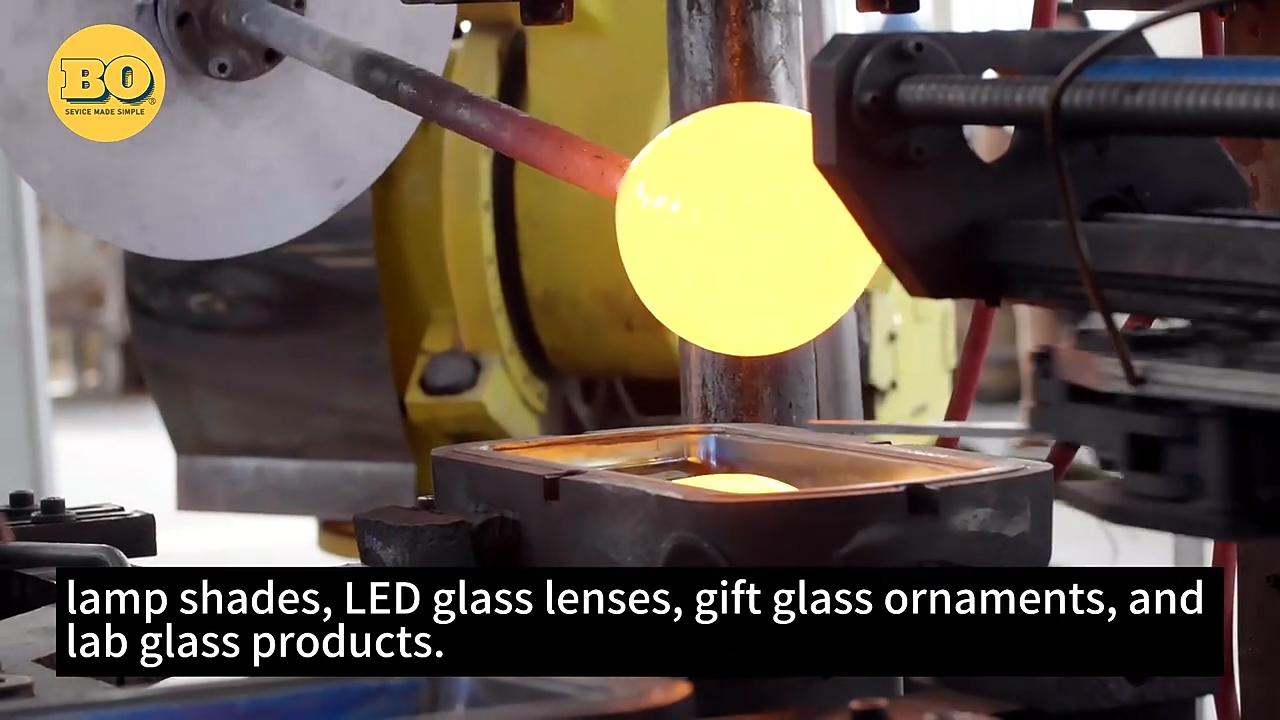
Engineering review before tooling, verification before mass production
Our design team includes senior lighting and molding engineers who review every drawing for wall thickness, draft, sealing face, annealing risk and optical path alignment. For plano concave lens inquiries, we ask for wavelength, radius, center thickness, edge thickness, coating band and mechanical mounting details early so that the quotation reflects a manufacturable process.
We are an onsite-verified supplier with 11–50 employees and an annual export revenue range of US$2.5M–5M. Our team supports buyers in Europe, North America and Japan with drawing-based OEM/ODM production, material and inspection reports on request, and export packing designed for fragile glass parts.
Drawing-based OEM / ODM
Most orders start from a 2D/3D drawing or physical sample. We review manufacturability, propose mold options and confirm samples before mass production.
Material breadth
Borosilicate, tempered glass, fused quartz, BK7, K9 and B270 options can be discussed against operating temperature, transmission and cost targets.
Finishing & coatings
Pressed, blown, ground and coated processes are coordinated under one supply chain, helping match optical windows, lenses, prisms and lighting covers in one BOM.
Japan-facing responsiveness
We quote with detail requests up front, respond to technical questions within an average of 6 hours, and pack fragile glass parts for sea or air freight with custom labeling available.
From Drawing to Delivery: A 4-Step Path for Japan Projects
Clear checkpoints reduce surprises between sample approval and mass production, especially when optical tolerances and export packing must be confirmed by multiple teams.
Drawing Review
DFM review of radius, thickness, tolerance, coating, sealing face and mounting interface before quotation is finalized.
Mold & Sampling
New or existing tooling is selected for pressing, blowing or grinding. Samples are measured and sent for your fit and light test.
Forming, Coating & QC
Controlled forming and annealing or tempering are followed by coating, dimensional inspection and visual checks.
Export Packing
Foam or pulp dividers, reinforced cartons and palletization for sea or air freight. Custom labels for distributors can be arranged.
Questions Japanese Procurement Teams Ask About Plano Concave Lenses
These answers reflect common RFQ points for custom optical glass and lighting glass projects. Final specifications are always confirmed against your drawing and quality requirements.
What is the typical MOQ for custom plano concave lenses from China to Japan?
Can you manufacture plano concave lenses to a Japanese drawing with tolerance and coating notes?
Which glass should we choose: BK7/K9, fused silica or borosilicate?
How do you control coating quality and environmental durability?
Do you support RoHS / REACH documentation and export packing to Japan?
How fast can Japanese buyers receive a technical review and quotation?
Get a Plano Concave Lens Quotation for Your Japan Project
Share your drawing, wavelength range, coating target, tolerance and annual volume. Our team will review manufacturability and recommend the most reliable glass solution for your fixture or optical module.
- 2D/3D drawing or sample dimensions
- Material and coating requirements
- Annual volume and sample quantity
- Japan delivery and inspection expectations
Tambi Glass — drawing-based OEM glass manufacturing from Shanghai, serving optical and lighting buyers in Japan and worldwide.