A Practical Sourcing Guide for LED Glass Diffusers in Indonesia
Indonesia is one of Southeast Asia’s most active lighting markets, but it is not a “one specification fits all” market. Heat, humidity, coastal air, intense rain, glare-sensitive roads and mixed grid reliability all change how a glass diffuser should be specified.
For buyers searching for China wholesale LED glass diffuser factories & exporter for the Indonesia market, the real question is rarely “Who has the lowest piece price?” The more important question is: which glass grade, diffusion level, thermal treatment, coating and packing method will still perform after installation in Jakarta, Surabaya, Batam, Bali, Kalimantan or Sulawesi?
As a Shanghai-based manufacturer of custom borosilicate glass covers, explosion-proof lampshades, signal-light domes, Fresnel lenses, optical domes, prisms and coated windows, Tambi Glass works with lighting and optical OEMs that need drawing-based production rather than catalogue-only components. The most reliable projects start with a clear operating brief: lamp power, surface temperature, IP protection strategy, impact requirement, colour target, annual volume and the fixture certification the luminaire maker must hold.
This guide is written for Indonesian importers, lighting brand owners, project contractors, MEP consultants and distributor procurement teams. It explains where glass diffusers are used locally, how the Indonesian market is developing, how to compare materials, what to verify in a supplier, and which product configurations are most often requested. Use it as a technical checklist before requesting a sample or placing a wholesale order.
Tropical thermal cycling
A high-power LED fixture can run hot internally while tropical rain rapidly cools the outer glass surface. Material choice and annealing control matter more than thickness alone.
Optical consistency
Diffusion, haze, transmission and colour must be repeatable batch to batch. A visually similar sample is not enough for street, port, airport or hospitality projects.
Evidence for procurement
Indonesian buyers increasingly ask for drawings, material reports, inspection records, packing validation and clear lead-time commitments before approving mass production.
Why Indonesia Needs a Different LED Glass Diffuser Specification
The same glass that works in a temperature-controlled showroom may fail prematurely in a coastal streetlight, a humid factory or a high-power stage fixture. Local conditions should be written into the specification.
Indonesia’s equatorial climate creates a demanding operating environment for exterior lighting glass. Ambient temperatures commonly sit between 30 °C and 35 °C, while internal temperatures behind high-power LEDs, COB modules or projector lamps can rise much higher. When afternoon rain hits a hot diffuser, the glass experiences thermal shock. Borosilicate 3.3 is often preferred for high-temperature or rapid-cooling applications because its low thermal expansion helps it tolerate this cycling better than ordinary soda-lime glass. Tempered soda-lime glass can still be a cost-effective choice for moderate-temperature outdoor fixtures with suitable mechanical strength.
Humidity and salt spray are the second major factor. Coastal installations in Jakarta’s port areas, Batam, Surabaya, Makassar and Bali’s resort zones expose fixtures to moisture, airborne salt and biological growth. The glass itself must be chemically stable, but the complete luminaire also depends on gasket design, sealing pressure, breather strategy and corrosion-resistant hardware. A glass supplier should understand the sealing interface and avoid sharp edges, inconsistent flatness or uncontrolled wall thickness that can create leak paths.
Optical performance is the third factor. Indonesian road and public-space projects increasingly focus on glare reduction, light pollution control and visual comfort. An asymmetric LED lens or well-controlled diffuser can shape light toward the road while limiting spill into windows and the sky. For hospitality, retail and commercial interiors in Jakarta and Bali, the goal is often soft diffusion with high transmission and consistent colour. For ports, airports and industrial sites, the priority shifts toward impact resistance, UV stability, high-pressure sealing and maintainable light output.
Finally, documentation matters. Luminaire makers typically hold the final SNI, IEC 60598, IP, IK or other fixture certification. A glass component supplier should support that process with dimensional reports, material declarations, transmission or haze data where available, colour samples and inspection records. The supplier should not overstate component certification as fixture certification; good procurement teams check the boundary clearly.
Three specification questions to settle before tooling
- What is the maximum glass surface temperature and the expected thermal-cycle profile?
- What IP/IK target, gasket interface and installation orientation will the fixture use?
- Which optical targets are fixed: transmission, haze, beam angle, colour tolerance and glare control?
Eight Glass Components Frequently Evaluated by Indonesian Lighting Buyers
These products reflect common OEM requests for street lighting, stage lighting, sensing, hazardous areas, marine equipment and signal fixtures. Sizes, coatings, colours and edge finishes can be customised to your drawing.
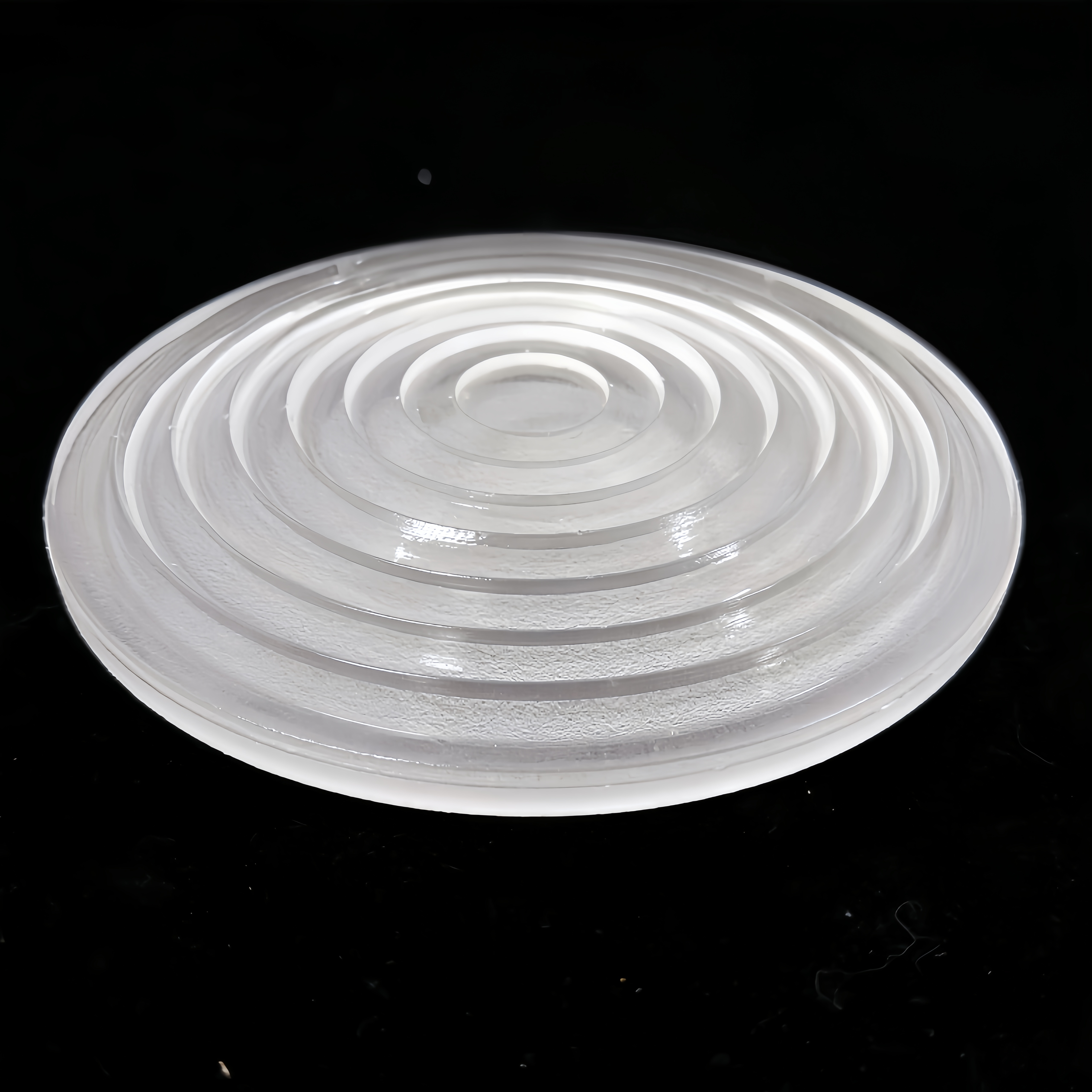
High Temperature Resistant Borosilicate Glass Fresnel Lens Anti-Reflective Coating High Power LED Collimation Stage Lighting
Indonesia fit: heat-resistant collimation for stage, studio and event lighting where humidity and high LED power demand stable optical output.
- Borosilicate glass body
- AR coating option
- Drawing-based size and focal length
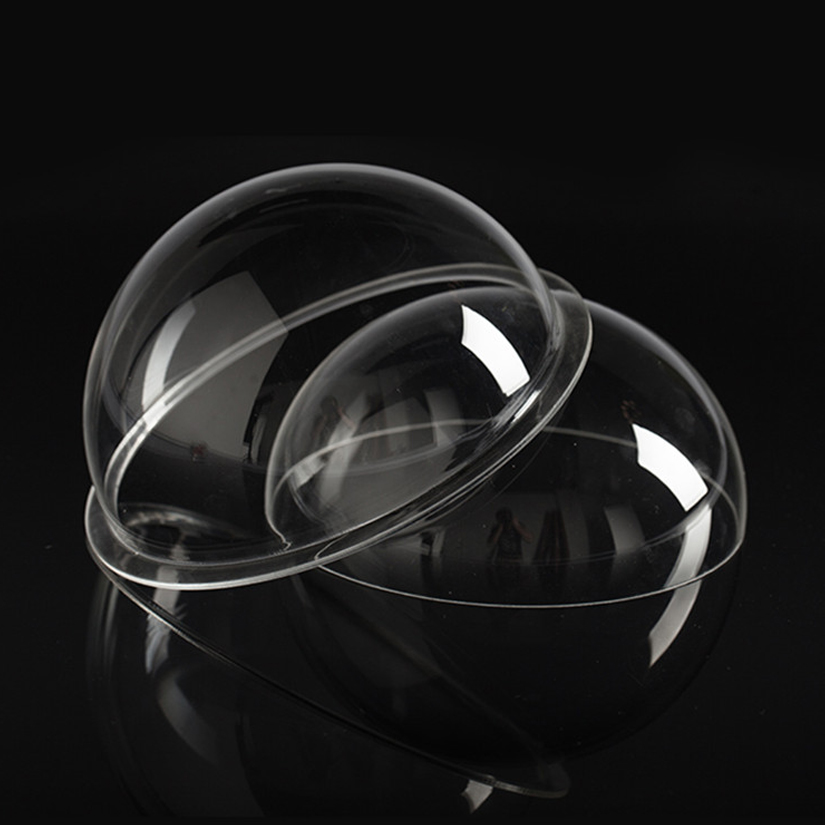
OEM Borosilicate Glass Optical Dome Cover for Outdoor IP Cameras UV Resistant Waterproof Housing Anti-Reflective Coating
Indonesia fit: smart-city surveillance, toll roads, ports and coastal CCTV housings exposed to UV, rain and salt-laden air.
- UV-resistant glass
- AR coating option
- Custom dome geometry
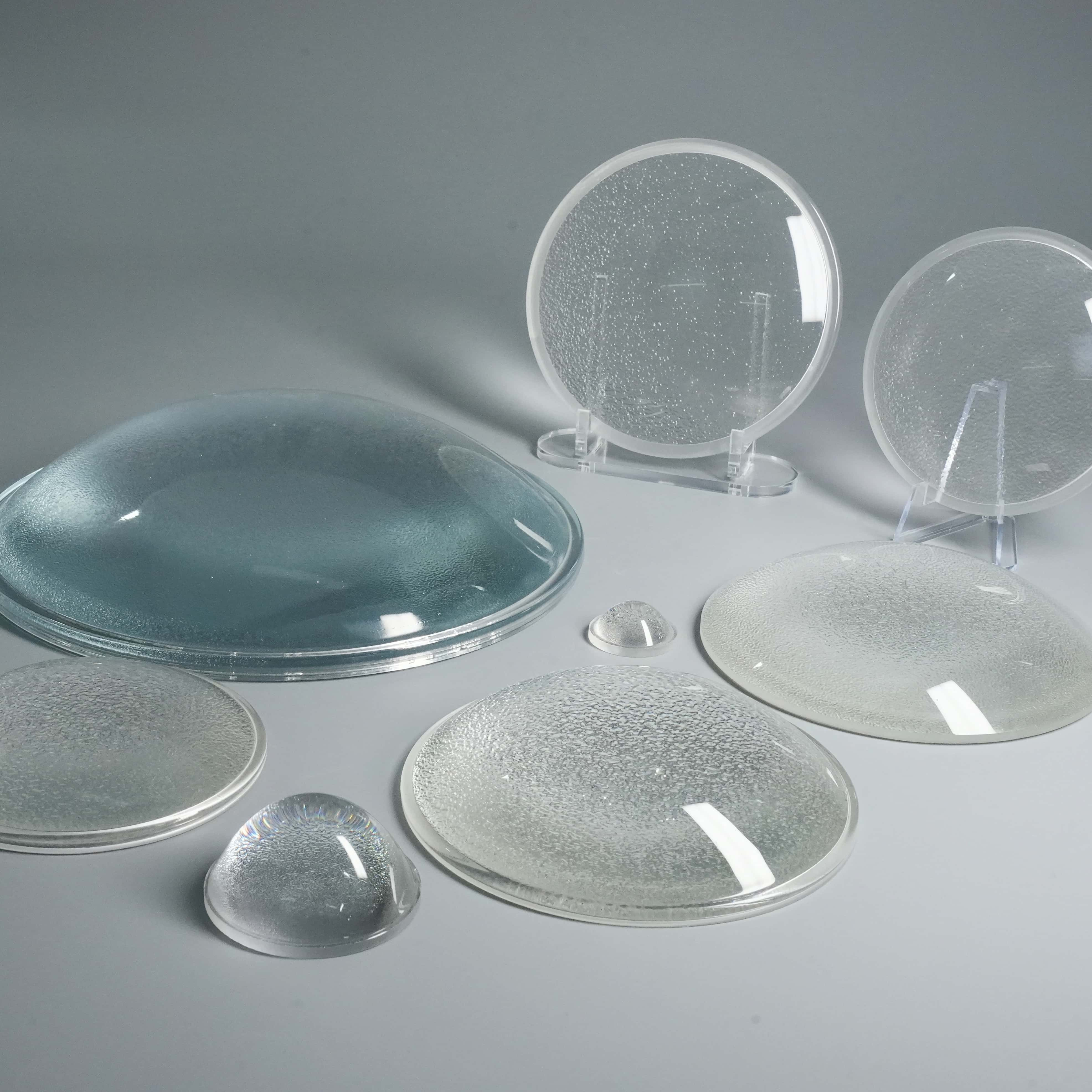
Bo Glass Asymmetric LED Lens Roadway Street Light Reduces Light Pollution Glare Borosilicate Glass UV Protection OEM
Indonesia fit: glare-controlled street and roadway lighting for humid cities where visual comfort and light-spill control are priorities.
- Asymmetric light distribution
- UV protection
- OEM optical design support
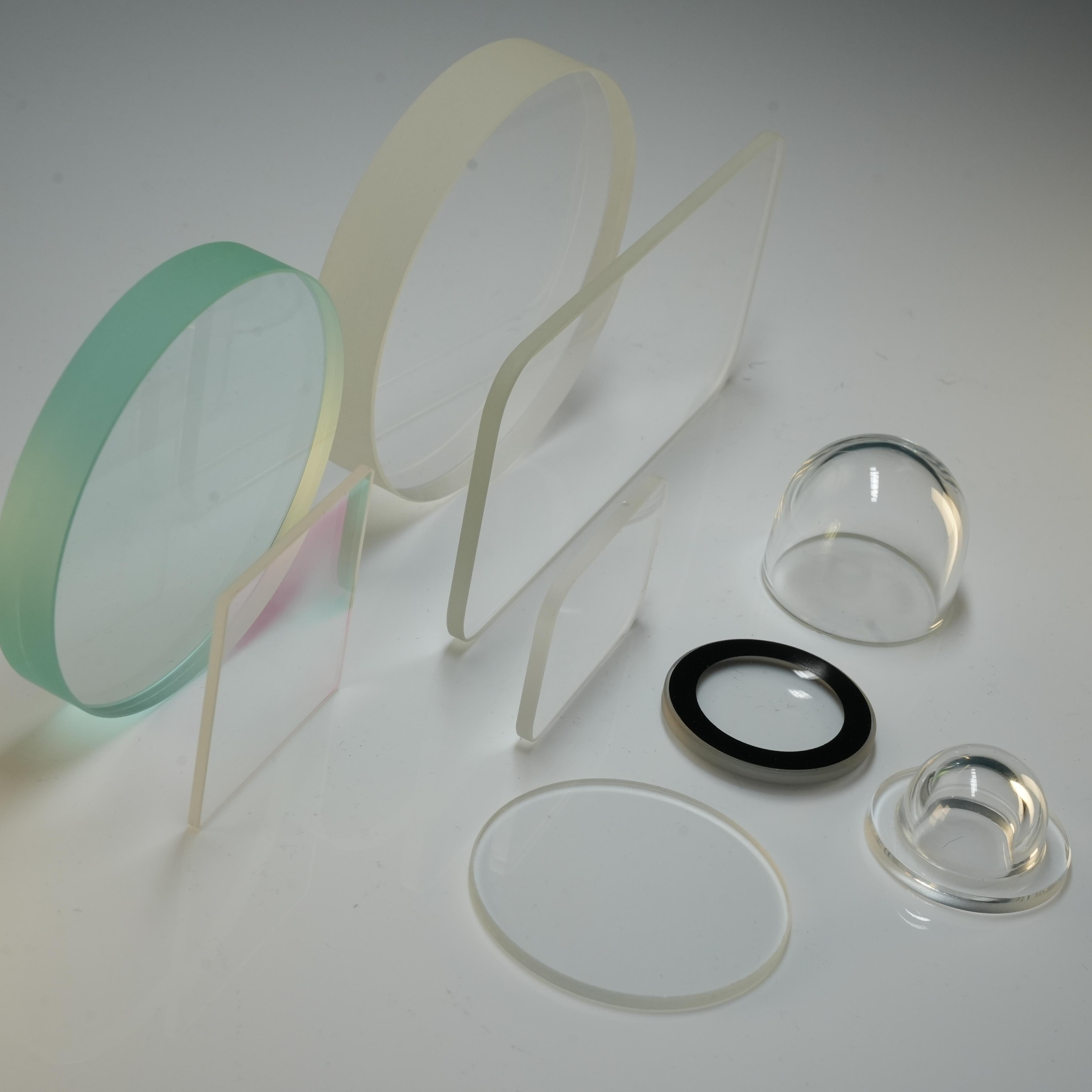
Manufacturer OEM Transparent High Quality Precision Borosilicate UV Fused Silica Coated Glass Optical Window High Transmittance
Indonesia fit: sensor windows, inspection equipment and industrial optical housings requiring clean transmission and reliable sealing faces.
- High transmittance
- Borosilicate / fused silica option
- Precision edge finishing
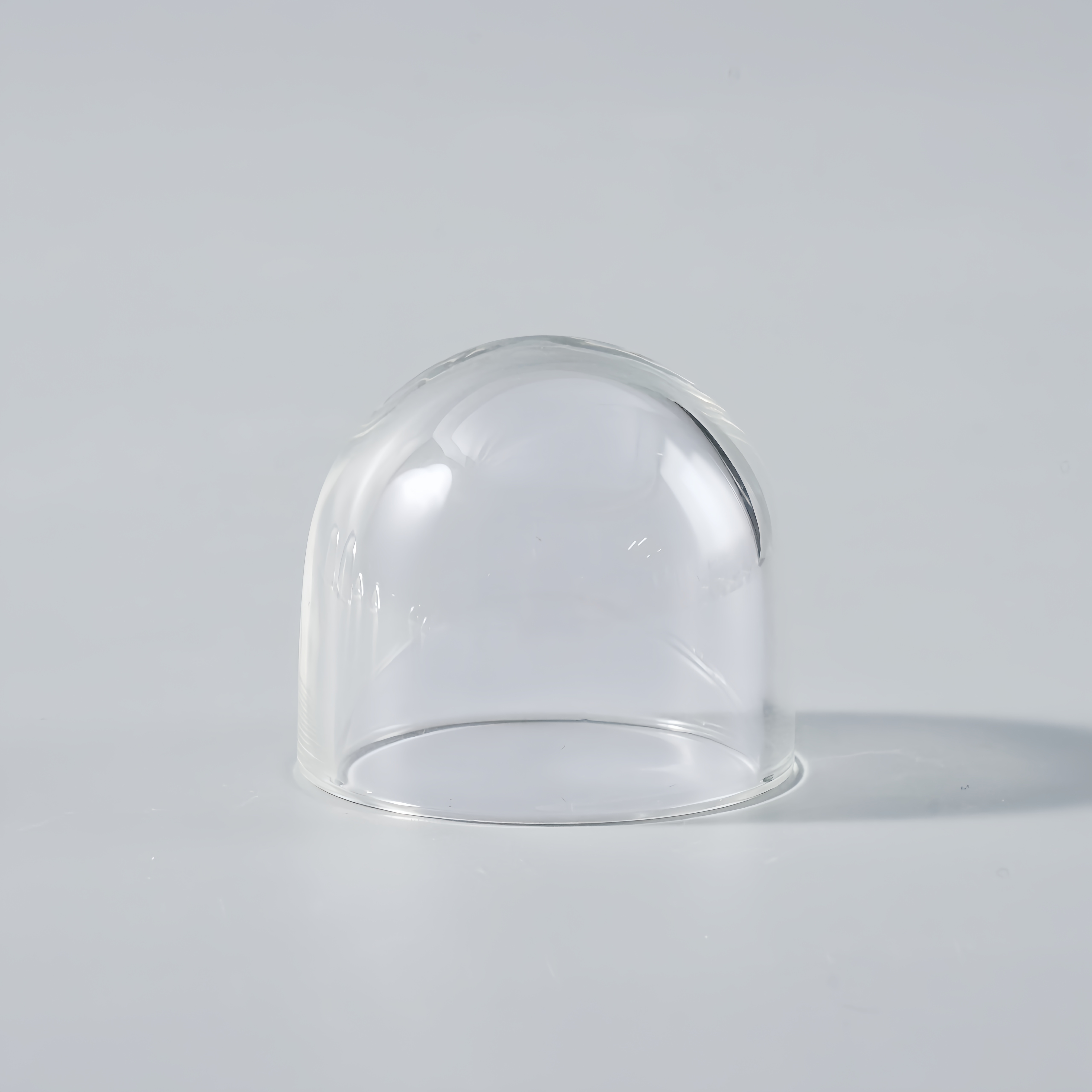
Customizable OEM Optical Glass Domes Broadband AR Coating Precision Hemispherical Windows for LiDAR Sensors Scientific
Indonesia fit: robotics, surveying, environmental sensing and autonomous systems where broadband AR-coated domes must resist humidity.
- Broadband AR coating
- Hemispherical precision form
- Low-volume engineering samples
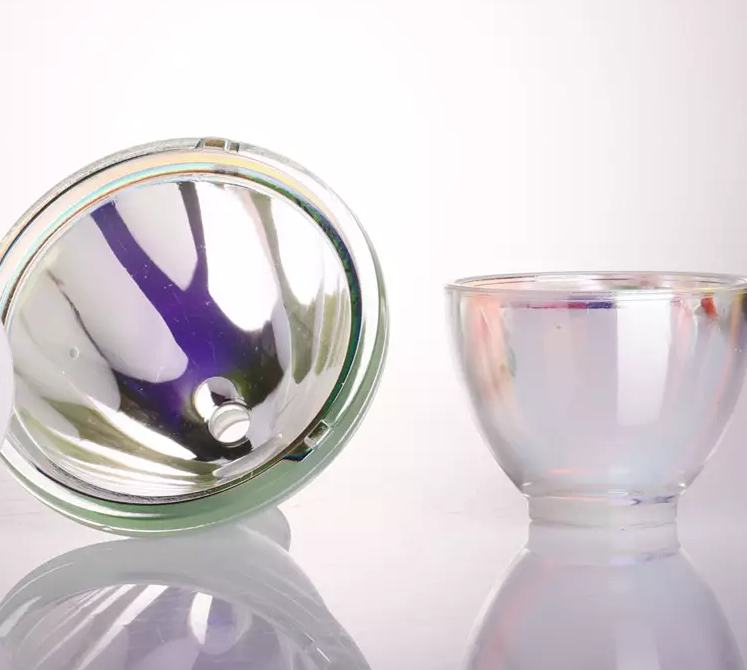
COB Glass LED Reflector Bowl Manufacturer Deep Design Perfect Beam Spotlights Projector Lights 20 60 90 Beam Angle
Indonesia fit: commercial track lighting, retail, hospitality and projector fixtures needing controlled beam angles and heat tolerance.
- 20°, 60° and 90° beam options
- Deep reflector bowl
- OEM tooling available
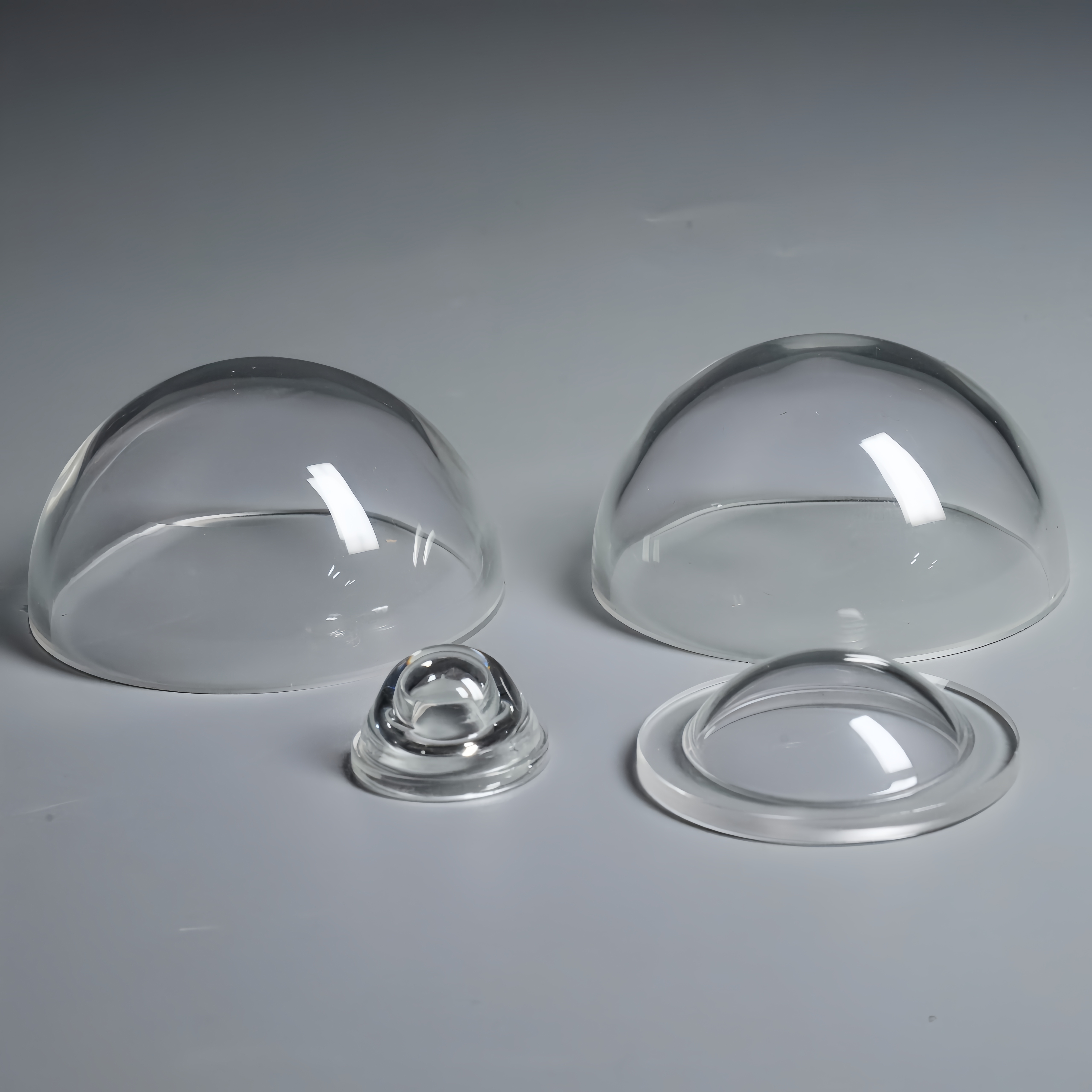
High-Pressure Borosilicate Optical Glass Dome for Underwater ROV AUV Camera Housings & Submersible Lights Deep Sea Rated
Indonesia fit: offshore inspection, harbour operations, aquaculture and research equipment operating in wet or high-pressure conditions.
- High-pressure dome design
- Marine/offshore suitability
- Custom flange and radius

Wholesale OEM Shape Size Borosilicate Glass 175mm Diameter AR Coating Double Plano Convex Achromatic Fresnel Lens BO GLASS Stage
Indonesia fit: large-aperture stage, architectural and effect lighting where custom diameter, coating and optical finish are required.
- 175 mm class diameter
- AR coating option
- Custom shape and size
Where LED Glass Diffusers and Optical Glass Fit in Indonesia
Indonesia is not a single market. A Jakarta toll road, a Bali resort façade, a Batam electronics plant and a Kalimantan mining site each stress glass differently.
Urban street and roadway lighting
Greater Jakarta, Bandung and Surabaya projects require controlled glare, uniform light and reliable performance through heat, rain and polluted air.
Ports, harbours and offshore
Batam, Tanjung Priok, Surabaya and offshore facilities need salt-spray-aware glass, marine signal covers and high-pressure optical domes.
Hospitality and commercial lighting
Hotels, malls and restaurants in Bali and Jakarta value diffusion quality, colour consistency, glare comfort and premium visual finish.
Oil, gas and chemical plants
Hazardous-area lighting in Kalimantan, Sulawesi and industrial estates benefits from explosion-proof borosilicate shades and thermal stability.
Airports, towers and obstruction lights
Red and clear domes, Fresnel optics and signal-light lenses support fixture makers designing to aviation and obstruction requirements.
Smart city, CCTV and LiDAR
Outdoor IP cameras, traffic sensing and robotics use AR-coated domes and windows that resist UV, rain and coastal contamination.
Horticulture and plantations
Protected agriculture and indoor farming use grow-light lenses and diffusers that keep full-spectrum output efficient in humid rooms.
Solar, off-grid and public infrastructure
Remote islands and areas with unstable grids need high-efficiency optics, UV-stable glass and robust export packing for long service life.
LED Lighting and Glass Diffuser Trends Indonesian Buyers Should Watch
Procurement expectations are moving from “low-cost replacement” toward documented performance, local assembly support and whole-life reliability.
Higher-quality LED retrofits
Street, industrial and commercial retrofits are moving beyond basic lumen output toward glare control, uniformity and maintainable light quality.
Smart lighting and sensing
Smart poles, CCTV, traffic monitoring and IoT controls increase demand for optical domes, windows and diffusers with stable transmission.
Tropical IP and IK expectations
Buyers are asking more precise questions about gasket interfaces, pressure equalisation, impact resistance and salt-spray exposure.
Local assembly and TKDN awareness
Some projects review local-content rules and assembly options. Imported glass components should be documented clearly for the luminaire maker’s compliance process.
Solar and hybrid off-grid lighting
Remote islands and infrastructure sites need efficient optics and UV-stable materials that tolerate long outdoor exposure.
Glare control and human comfort
Public projects increasingly compare light spill, discomfort glare and colour consistency—not only initial lumens per watt.
Traceable procurement
Distributors and project buyers want drawings, inspection records, batch traceability and clear packing standards before approving suppliers.
Longer replacement cycles
With maintenance access difficult in ports, towers and remote sites, buyers are willing to specify better glass to reduce field failures.
How to Choose Glass Material and Diffusion Performance
Material selection should follow the fixture’s real operating conditions. The table below summarises how our engineers compare common glass options for tropical LED lighting projects.
Glass diffusers are often evaluated on appearance and price, but the most expensive failure is a field return caused by thermal cracking, yellowing, sealing leakage or inconsistent colour. A useful specification separates the optical requirement from the mechanical and thermal requirement. For example, a high-power LED floodlight in a coastal area may need borosilicate glass, controlled surface treatment, edge quality suitable for gasket sealing, and export packing that protects the sealing face. A decorative indoor fixture may be better served by tempered soda-lime glass with a specific acid-etched or sandblasted diffusion finish.
| Material / process | Optical behaviour | Thermal shock resistance | Indonesia climate fit | Typical use |
|---|---|---|---|---|
| Borosilicate 3.3 | Clear or diffused; good transmission with controlled haze | Excellent | High heat, humidity and sudden rain exposure | Explosion-proof shades, high-power LED covers, Fresnel lenses, signal glass |
| Tempered soda-lime | Good clarity; diffusion by etching, coating or mould texture | Moderate | Cost-effective outdoor covers where thermal load is controlled | Street-light covers, floodlight glass, vandal-resistant lenses |
| Fused quartz | High UV and broad-spectrum transmission | Excellent | Special UV, high-temperature or scientific applications | UV optics, high-temperature windows, precision sensing |
| Optical BK7 / H-K9L | Homogeneous optical grade with stable refractive index | Moderate | Precision indoor or protected optical assemblies | Precision lenses, prisms, mirrors, filters |
Values are typical references. Final specification must be confirmed against your drawing, lamp surface temperature, impact rating, gasket design and the standard your luminaire must meet.
Application Selection Matrix for Indonesia
| Application | Recommended glass direction | Key specification | Procurement note |
|---|---|---|---|
| Roadway and street lighting | Borosilicate or tempered glass with asymmetric lens | Glare control, UV stability, IP gasket face | Confirm beam distribution and housing sealing method |
| Port and coastal area lighting | Borosilicate with corrosion-aware housing design | Salt-spray resistance, sealing, impact resistance | Glass works with the luminaire sealing system; test complete fixture |
| Stage and studio lighting | High-temperature borosilicate Fresnel lens | Thermal load, AR coating, focal length | Validate with actual lamp power and duty cycle |
| Hazardous-area lighting | Thick-wall borosilicate shade | Thermal shock, impact, dimensional tolerance | Fixture certification remains with the luminaire manufacturer |
| Airport and obstruction lighting | Red or clear glass dome / Fresnel lens | Colour, transmission, dimensional consistency | Provide fixture standard and colour target before sampling |
| CCTV, LiDAR and sensors | AR-coated optical dome or window | Transmission, coating band, flatness, sealing face | Share wavelength range and environmental test requirements |
What Indonesian Importers Should Verify Before Ordering
A disciplined sample and documentation process reduces the risk of cracked covers, colour mismatch and delayed customs clearance.
Freeze the thermal brief
State lamp power, expected surface temperature, duty cycle and whether cold rain may contact a hot lens.
Define the sealing interface
Share gasket drawings, flatness requirements, edge finish and tightening method so the glass fits the housing.
Approve optical samples
Check transmission, haze, colour, beam pattern and glare visually and with agreed measurement methods.
Confirm material traceability
Ask for material description, batch identification and inspection records appropriate to your project.
Validate packing for sea freight
Fragile glass needs foam or pulp dividers, reinforced cartons and palletisation suited to Indonesian port handling.
Plan MOQ and tooling
Existing moulds reduce MOQ and lead time. New shapes require drawing review, tooling approval and sample sign-off.
Align documentation
Coordinate commercial invoice, packing list, certificate of origin and test reports with your customs broker.
Set a response protocol
Agree technical contact points, revision control and approval milestones before mass production begins.
Why Tambi Glass Is Built for Drawing-Based OEM Supply
Shanghai Tambi Glass Industrial Co., Ltd. is a manufacturer and trading company focused on custom lighting and optical glass. Our work is organised around drawings, samples and repeatable production rather than anonymous catalogue sales.
For more than a decade, our team has focused on one practical question: how should glass perform inside a real luminaire? That experience covers heat build-up behind high-power LEDs, thermal shock from rain on hot covers, impact loads in hazardous areas, colour accuracy for signal lights and optical alignment for sensing systems. Our design team of senior lighting and moulding engineers reviews every drawing for wall thickness, draft, sealing faces and optical path alignment before tooling starts.
We combine pressed, blown, ground and coated processes under one supply chain, and we work with long-term partners in Europe, North America and Japan. Materials include borosilicate 3.3, tempered glass, fused quartz and optical BK7, with AR and optical coatings available where the application requires them. For Indonesian buyers, this breadth is useful because a single lighting project may need a street-light lens, an explosion-proof cover, a signal dome and a sensor window with different technical requirements.
Our public verification pages allow procurement teams to review supplier assessment, credit index, transaction level, trade capacity and trade history. Buyers can also request factory video review and third-party audit arrangements. We do not ask Indonesian customers to rely on a brochure alone; we encourage drawing review, sample approval and documented inspection before volume production.



Onsite-verified supplier
Third-party verification and public supplier records help procurement teams complete initial qualification faster.
Drawing-based OEM / ODM
Send a 2D/3D drawing or physical sample with dimensions, tolerance, material, colour and coating requirements.
Multiple forming routes
Pressed, blown, ground and coated production are matched to the geometry, volume and optical target.
Material breadth
Borosilicate, tempered glass, fused quartz and BK7 support lighting, signal and precision optical projects.
Export experience
Annual export revenue profile of US$2.5M–5M and experience with long-term partners across multiple regions.
Engineering response
Average response time within 6 hours for technical inquiries, with sample and drawing review before quotation.
A Controlled OEM Process for Glass Diffusers and Optical Parts
Clear checkpoints reduce surprises between sample approval and mass production, especially when Indonesian buyers are coordinating a local fixture maker, importer and project owner.
Drawing review
DFM check of thickness, draft, tolerance, edge finish, sealing face and optical path.
Mould and tooling
New or existing moulds selected for pressing, blowing, grinding or optical fabrication.
Sampling
Samples measured and sent for your fit, sealing and light-performance evaluation.
Forming and annealing
Controlled annealing or tempering helps relieve internal stress and support thermal reliability.
Coating and QC
AR or colour coating, dimensional inspection, visual checks and agreed report preparation.
Export packing
Divider-packed cartons and palletisation for sea or air freight, with labelling options for distributors.
Questions Indonesian Buyers Commonly Ask
These answers reflect typical drawing-based OEM projects. Each order is confirmed against the final drawing, annual volume, tooling status and delivery destination.
What is the typical MOQ for a first LED glass diffuser order from Indonesia?
Can you send samples to Jakarta, Surabaya or Batam before mass production?
How do you reduce breakage risk during sea freight to Indonesia?
Can you support Indonesian SNI and IEC 60598 documentation?
Which glass is better for Indonesia’s heat, rain and coastal humidity?
Can you customise shape, size, colour, haze and AR coating?
What lead times should Indonesian buyers plan for?
How do we start a drawing-based quotation?
Have a Drawing? Get an Engineering Review Within 6 Hours.
Share your dimensions, material, operating temperature, optical target and annual volume. Our engineers will suggest a reliable glass diffuser or optical glass solution for your Indonesian lighting fixture or sensing project.
Get a QuoteTechnical inquiries: info@tambiglass.com · Shanghai Tambi Glass Industrial Co., Ltd.