China Wholesale High-Temperature Resistant Borosilicate Fresnel Lens for High-Power LED Stage Lighting — Suppliers & Exporters for the Nagoya Market
Drawing-led borosilicate Fresnel optics, AR-coated lenses and heat-resistant glass components from Shanghai Tambi Glass Industrial Co., Ltd. for Nagoya stage-lighting OEMs, rental fleets, integrators and specialist importers.
Eight Glass Components for High-Power LED Stage Lighting and Adjacent Nagoya OEM Programmes
These eight production references are practical starting points for buyers comparing a China wholesale supplier for the Nagoya market. Each item can be reviewed against your drawing for diameter, thickness, edge finish, sealing face, coating, colour and packing. The core stage-lighting reference is the borosilicate Fresnel lens; the other parts support fixture builders that also purchase optical domes, prisms, heat-resistant covers and custom lenses.

Factory Price Custom Precision Optical 1-200mm Clear BK7 Spherical Quartz Glass Half Ball Concave/Biconvex Lens Anti-Reflective
Wide size range for relay, projection and custom fixture optics; AR coating and dimensional review before tooling.
Drawing review · 1–200 mm reference range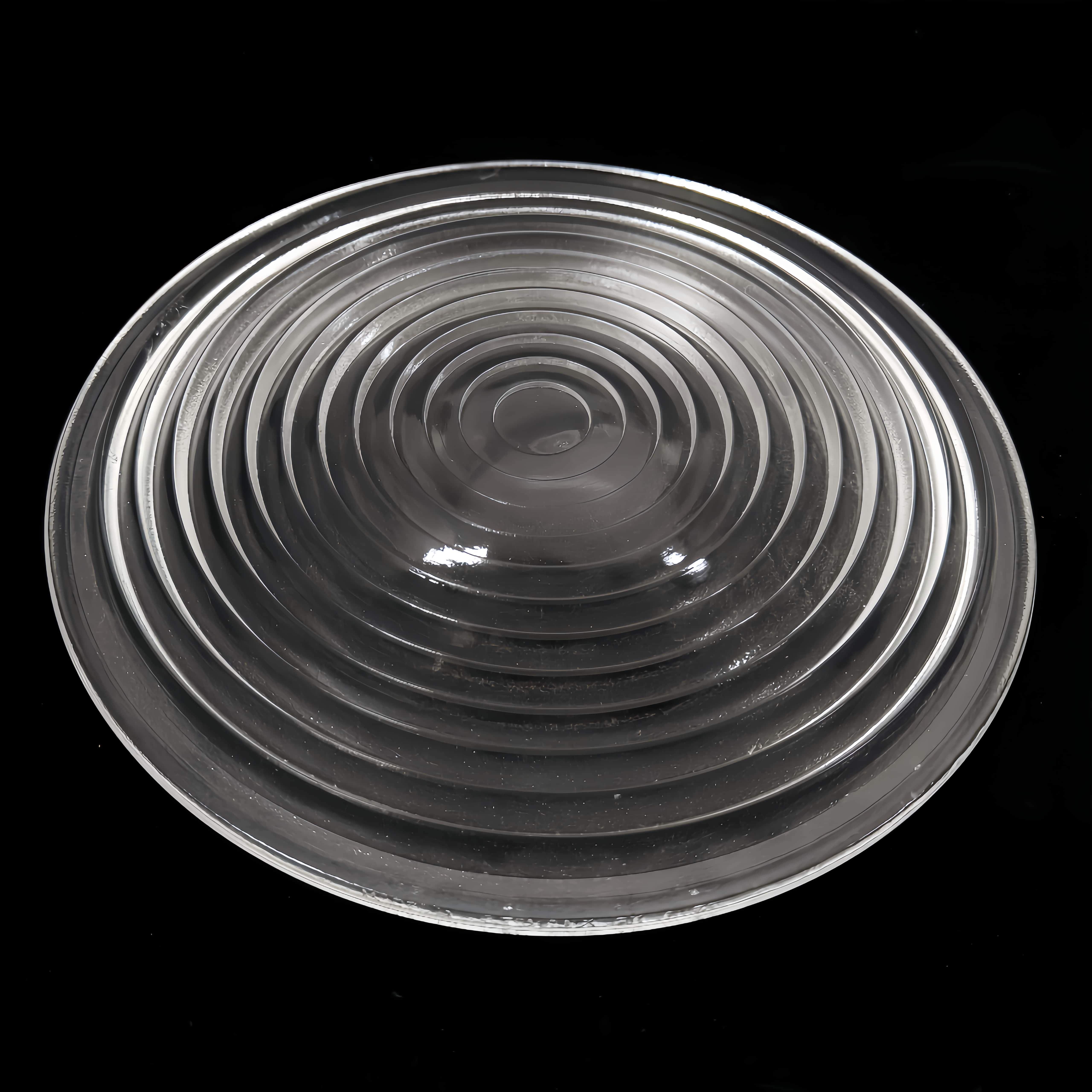
Precision Molded Borosilicate Glass Fresnel Lens Stage Lighting Anti-Reflective Coating FAA/ICAO Standards 175mm BO GLASS OEM
175 mm BO GLASS OEM reference for high-power LED spot and wash fixtures; heat resistance and beam quality are reviewed together.
Borosilicate 3.3 · AR coated · thermal-shock review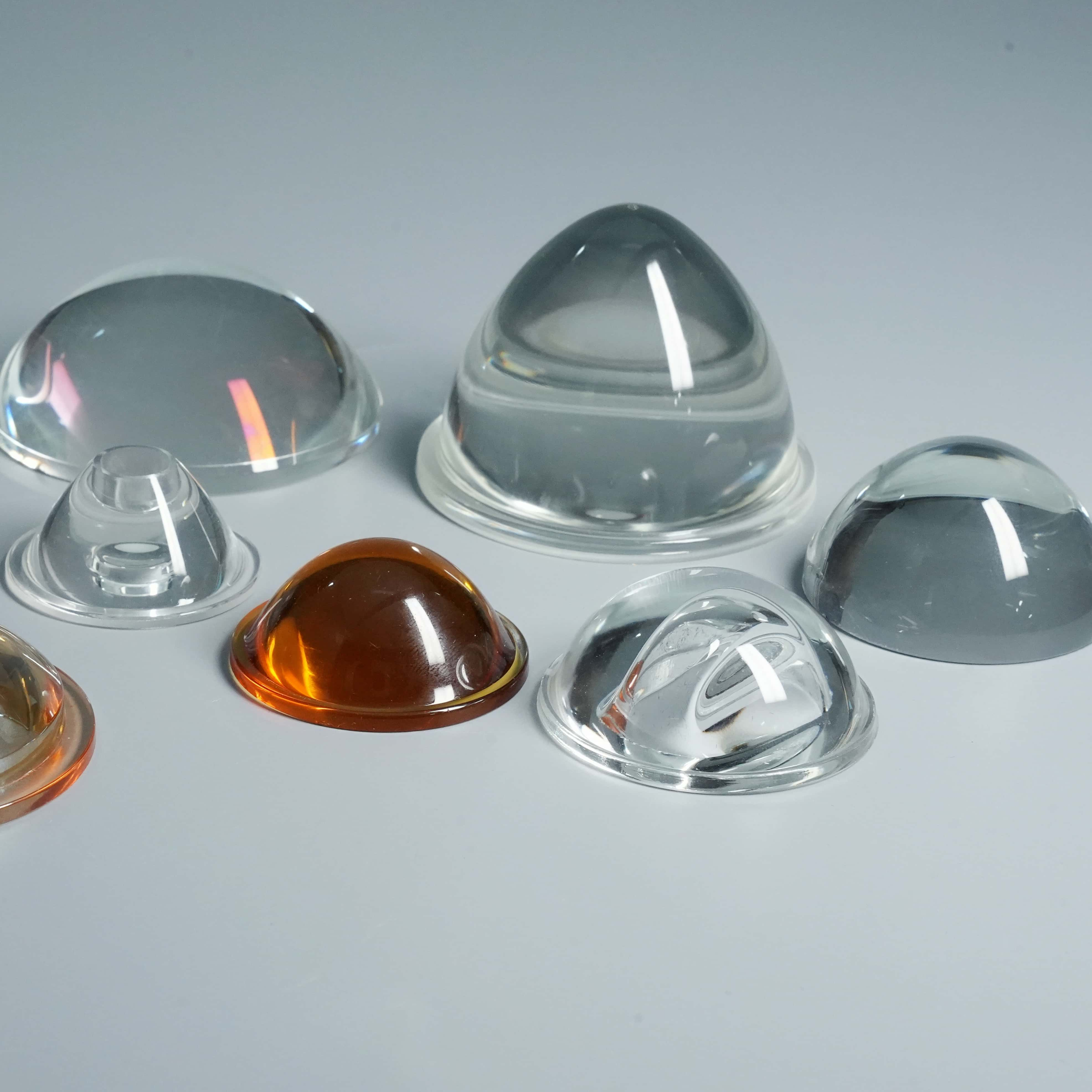
Custom Borosilicate Glass LED Grow Light Convex Lens with Anti-Reflective Coating for Indoor Farming Full Spectrum Lighting
AR-coated convex lens for full-spectrum LED fixtures; relevant to Aichi agri-tech and controlled-environment lighting projects.
Full-spectrum transmission · custom size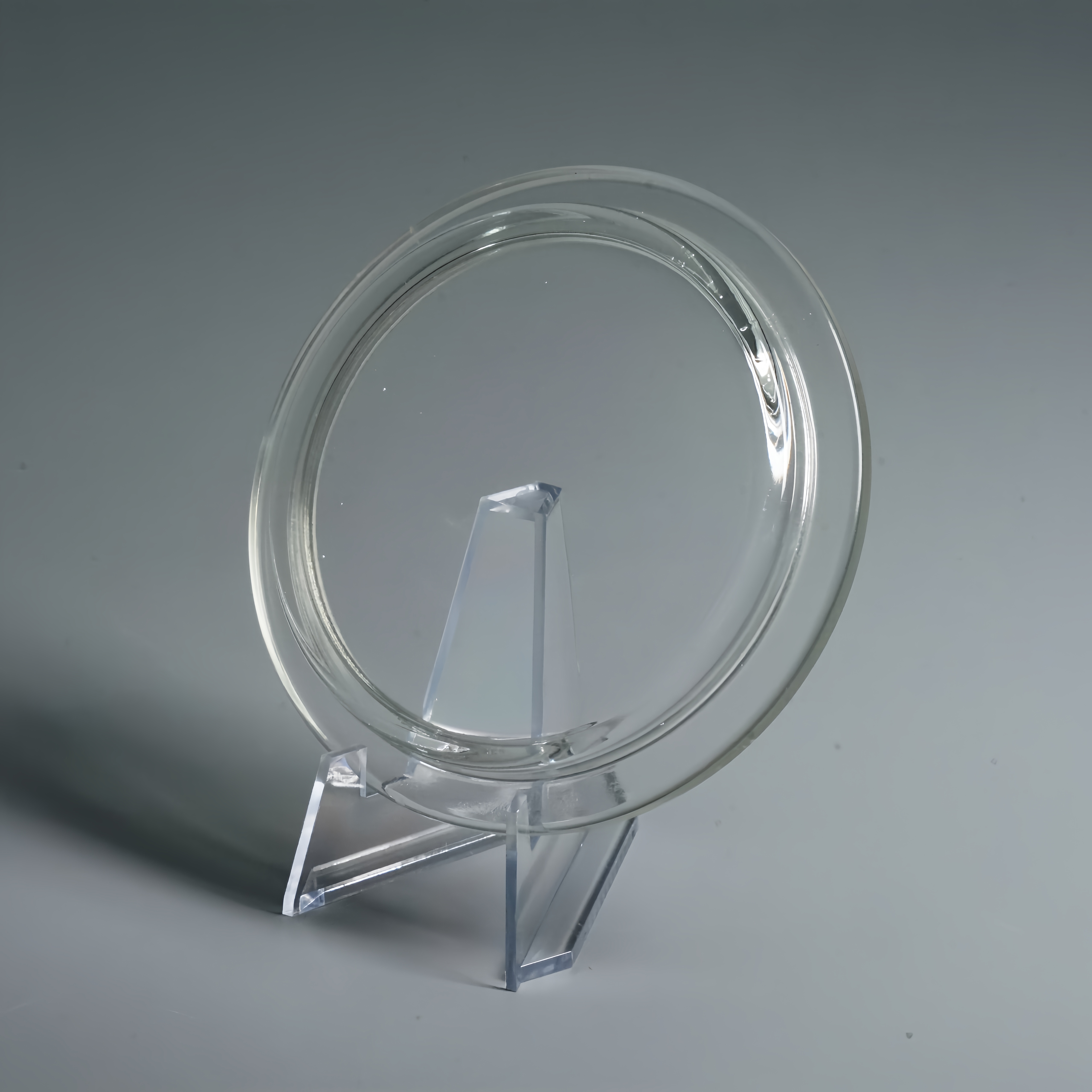
Custom Size Coastal Victorian Outdoor Stage Glass Lampshade Factory Waterproof High Temperature Impact Resistant Silk-Printable
Weather-facing cover reference for outdoor stages, themed venues and coastal installations; impact and thermal shock are reviewed together.
Waterproof · silk-printable · custom shape
FAA Compliant Borosilicate Heat Resistant Glass Lens Runway In-Pavement Taxiway Lights IP68 Waterproof Optical Equipment Clear
Runway and taxiway fixture glass reference for buyers who require clear transmission, sealing geometry and heat resistance.
IP68 assembly support · material reports on request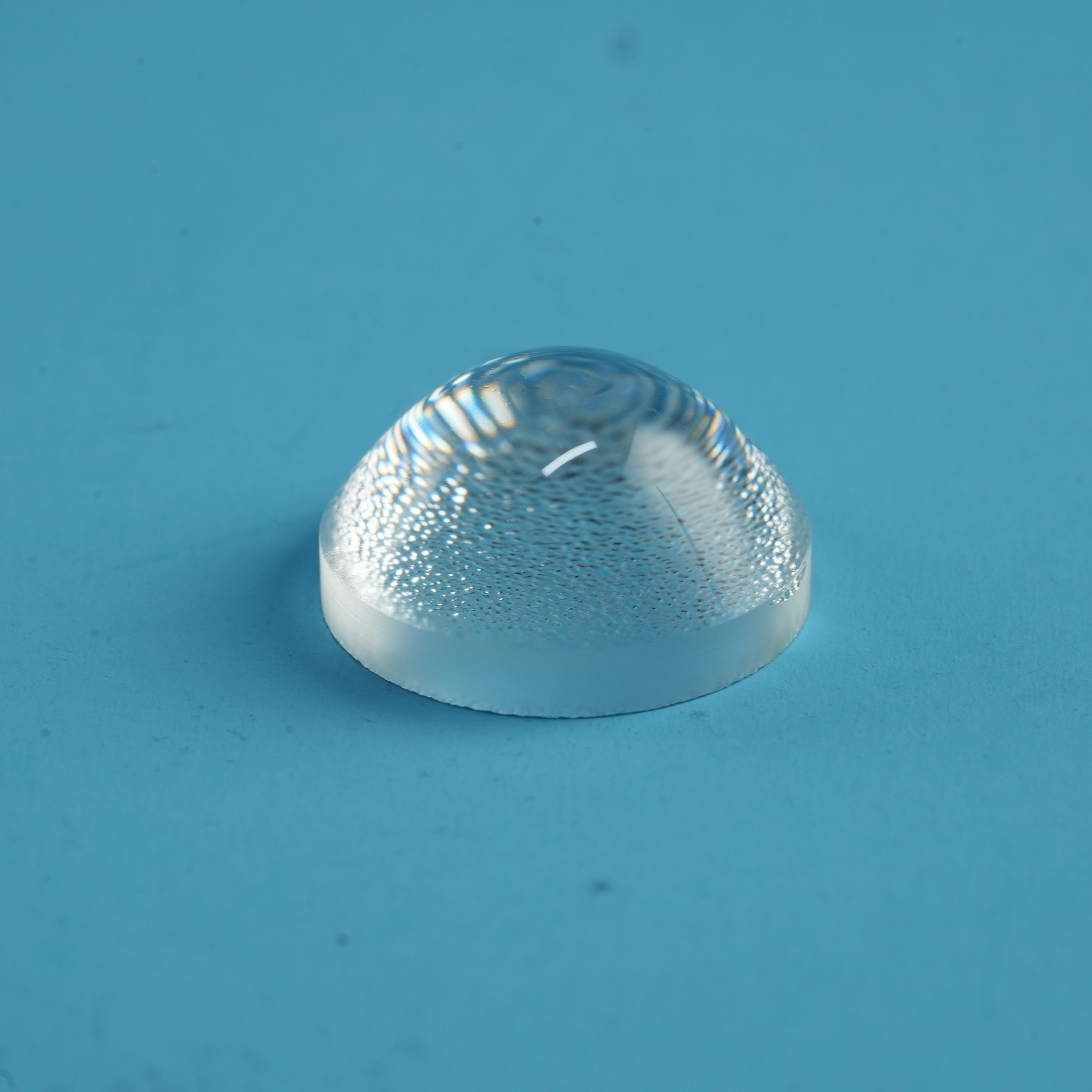
Manufacturer OEM Precision Grade BK7 K9 Optical Glass Aspherical Lens Anti-Reflective Coating Diameter 0.5-25mm MOQ 100 Pcs
Small-format BK7/K9 aspherical lens reference for compact fixtures, sensors and projection modules with drawing-based tolerances.
0.5–25 mm · MOQ 100 pcs · AR coating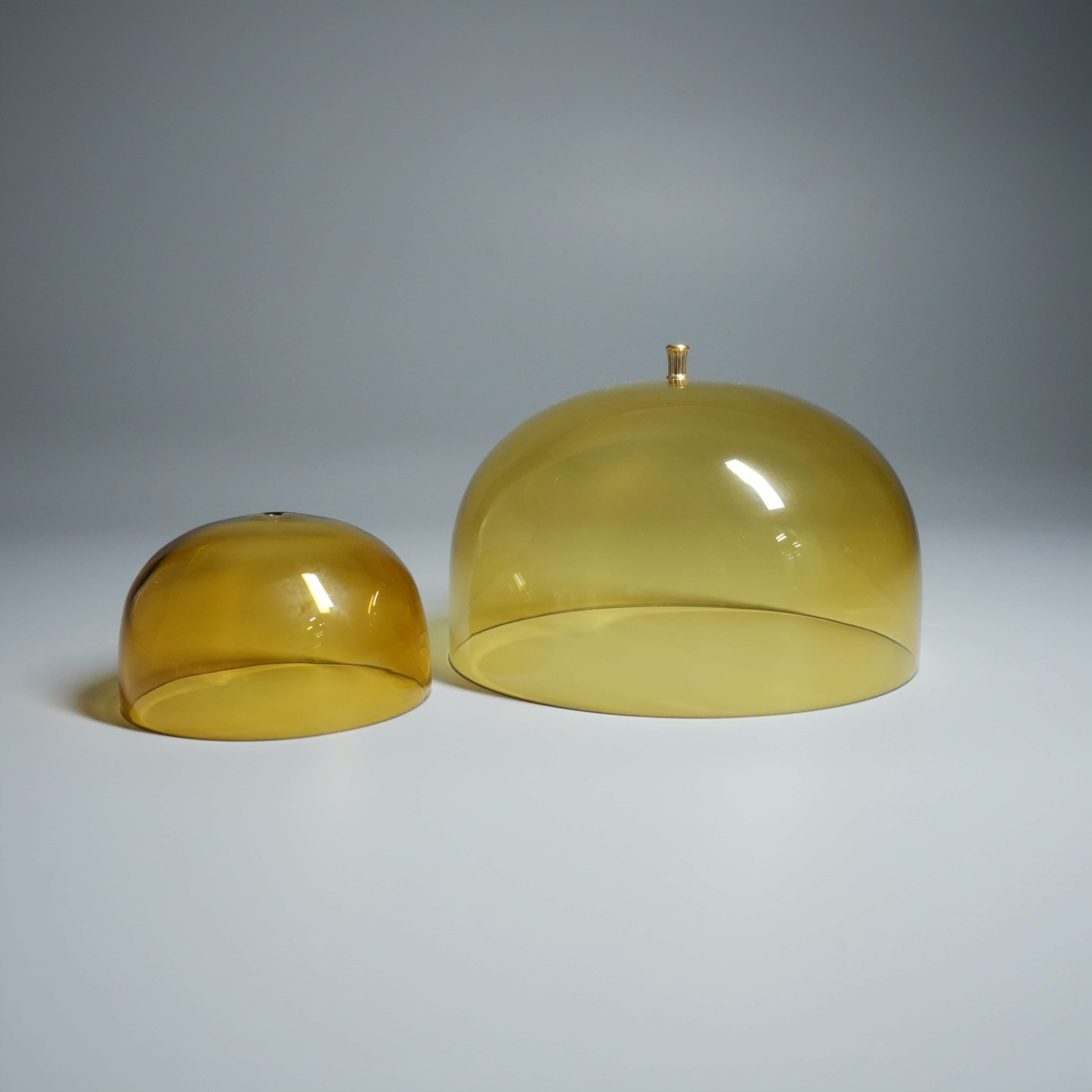
Certified Glass Cover for Food Machinery and Medical Equipment, Chemical Resistant
Chemical-resistant cover reference for food, medical and process equipment where cleanability and repeatable dimensions matter.
Custom cover · inspection report option
Factory Custom BO-GLASS Quartz BK7 K9 Arcoated Fused Silica High Precision Right Angle Prism 90Degree Clear ODM/OEM 3-Year
Right-angle prism reference for beam steering, optical assemblies and instrumentation that needs ODM/OEM collaboration.
90° prism · AR coating · ODM/OEMWhy Nagoya Lighting Engineers Put Thermal Stability Before Price
The Nagoya market is not a generic catalogue market. It combines theatre and arena production, rental fleets, broadcast studios, theme and architectural lighting, and an Aichi manufacturing base that expects documented repeatability.
In a high-power LED stage fixture, a Fresnel lens can sit close to a COB or engineered LED array. Radiant heat, repeated focus movement, seasonal humidity and transport vibration all act on the same glass surface. A lens that is merely clear is not enough. The part must hold its optical path, sealing geometry and thermal-shock margin after installation. That is why our drawing review looks at wall thickness, facet geometry, flange flatness, annealing route and coating adhesion as one system.
Borosilicate 3.3 has a typical coefficient of thermal expansion near 3.3 × 10⁻⁶/K and a typical maximum working temperature around 450 °C, depending on design and thermal gradient. Those are reference values, not a substitute for fixture testing. The practical benefit for Nagoya buyers is a wider thermal margin when a fixture is run hard, moved from a cold truck to a warm stage, or exposed to rain during an outdoor event. Tempered soda-lime glass can be the right economic choice for moderate temperatures and high impact, while fused quartz and BK7 serve different optical priorities.
Shanghai Tambi Glass Industrial Co., Ltd. reviews every drawing for manufacturability before tooling. Our team combines pressed, blown, ground and coated processes, and we support material and inspection reports on request. For Japanese procurement teams, this reduces the risk hidden between a sample that looks correct and a production lot that must fit the same gasket, retaining ring and LED position six months later.
Illustrative selection profile for borosilicate Fresnel optics in high-power LED stage lighting. Final specification must be confirmed against the fixture drawing, operating temperature, impact requirement and certification scope.
Where Borosilicate Fresnel and Optical Glass Fits in the Nagoya Market
Local demand is shaped by venues, rental operations, broadcast facilities and Aichi’s manufacturing ecosystem. The same lens may be judged by beam quality in a theatre, by serviceability in a rental fleet, and by dimensional repeatability when a Japanese OEM reorders.
Theatre and touring productions
Nagoya venues and Tokai touring schedules require repeatable beam shape after repeated focus, zoom and transport. A Fresnel lens must keep optical centre and flange geometry stable.
Rental fleet maintenance
Rental houses in Nagoya need interchangeable spare lenses with consistent dimensions. Drawing-based production and clear inspection records help reduce fixture downtime between events.
Broadcast and studio lighting
Studio fixtures demand beam quality, low haze and stable colour rendering. AR-coated borosilicate optics can reduce surface reflection while keeping the glass body resistant to heat.
Concert and event lighting
High-power LED wash and spot fixtures run close to thermal limits. Borosilicate Fresnel optics provide a useful thermal margin when output is pushed during rehearsals and live shows.
Architectural and theme lighting
Outdoor stage, facade and themed environments expose glass to rain, wind and temperature swings. Heat-resistant covers and lenses should be reviewed together with gasket compression and sealing faces.
Industrial inspection and UV curing
Aichi’s manufacturing base uses custom lenses, prisms and windows in inspection, curing and sensor systems. Drawing tolerances and coating specifications often matter more than catalogue size.
Marine and port lighting
Nagoya’s port environment demands salt-spray awareness. Signal and outdoor lighting glass should be specified with the housing, coating and cleaning regime, not selected as a standalone part.
Horticulture and agri-tech
Indoor farming projects in Aichi can use AR-coated borosilicate convex lenses to preserve full-spectrum LED output while managing heat around the module.
Nagoya Market Trends Shaping 2025–2026 Lens Procurement
Japanese buyers rarely change a qualified glass part casually. They change when fixture design, heat load or serviceability creates a real risk. These four trends are visible in drawing reviews and sample requests for the Nagoya and wider Tokai market.
More power in smaller fixtures
Compact LED modules increase surface temperature and make thermal-shock margin more important. Buyers are asking for borosilicate options earlier in the design cycle, not after a field crack.
Traceability before price
Procurement teams want drawing revisions, material records, inspection notes and packing confirmation. A low piece price is less useful if a replacement lot does not fit the existing gasket.
Shorter development cycles
Fixture makers are compressing sample rounds. Fast technical feedback, clear DFM comments and realistic tooling plans can matter more than a long catalogue of standard parts.
Repairability and stable spares
Rental fleets and installers value spare lenses that remain available after the original fixture batch. Reorder discipline, packaging protection and drawing retention support long service life.
Material Selection Data for Nagoya Drawings
A Fresnel lens is a system component. Facet geometry shapes the beam; the glass body controls transmission and thermal behaviour; AR coating lowers surface reflection; the edge and flange affect mounting and sealing.
Nagoya drawings often place optical and mechanical tolerances on the same sheet. We therefore confirm the lens drawing against the gasket, retaining ring and LED position before tooling. If the optical centre shifts, the fixture may lose beam symmetry or create a hot spot. For high-power stage lighting, bubble class, striae, annealing stress and coating adhesion can matter as much as nominal diameter. The table below is a practical starting point for discussion, not a substitute for your fixture validation.
Borosilicate 3.3
≈3.3 CTE ×10⁻⁶/K · typical max. working temp. ≈450 °CExcellent thermal-shock resistance for explosion-proof shades, high-power LED covers and Fresnel lenses.
Tempered soda-lime
≈9.0 CTE ×10⁻⁶/K · typical max. working temp. ≈250 °CHigh impact strength and economical cost for outdoor covers, floodlight glass and vandal-resistant lenses.
Fused quartz
≈0.55 CTE ×10⁻⁶/K · typical max. working temp. ≈1000 °C+UV transmission and extreme heat capability for UV optics and high-temperature windows.
Optical BK7 / K9
≈7.1 CTE ×10⁻⁶/K · typical max. working temp. ≈300 °CHomogeneous optical glass with nd ≈1.517 for precision lenses, prisms, mirrors and filters.
Illustrative relative thermal-confidence index for early material discussion only. Final selection depends on lamp surface temperature, impact rating, transmission target, coating and the certification scope held by the luminaire manufacturer.
A China Supplier Built for Drawing-Led Japanese Programmes
Shanghai Tambi Glass Industrial Co., Ltd. is a manufacturer and trading company focused on custom lighting and optical glass. For the Nagoya market, the advantage is not simply factory price; it is a controlled route from drawing review to sample, production, inspection and protected export packing.
10+ years in lighting glass
Our experience is built around real luminaire conditions: heat behind high-power LEDs, thermal shock from rain on hot covers, impact loads in hazardous areas and colour accuracy for signal lights.
Drawing-led OEM / ODM
Most orders are drawing-based. Send a 2D/3D drawing or physical sample with dimensions, tolerance, material, colour and coating requirements. Our engineers review manufacturability before tooling.
Multiple forming routes
Pressed, blown, ground and coated processes can be combined under one supply chain, helping match the part to the right glass type and finishing method.
AR coating and finishing control
Anti-reflective coating, edge finishing, colour and surface requirements are reviewed together with the optical path. Samples are measured and sent for your fit and light test.
Verified supplier records
Our premises have been checked onsite during third-party verification. Supplier assessment, trade capacity and transaction records help procurement teams complete qualification faster.
Export packing for Japan
Fragile glass parts are separated by foam or pulp dividers, packed in reinforced export cartons and palletised for sea or air freight. Custom labelling for distributors can be arranged.
A Controlled Six-Step OEM Process for Fresnel Lens Orders
Clear checkpoints reduce surprises between sample approval and mass production. This is especially important when a Nagoya fixture maker needs a stable second source without reopening the entire optical design.
Drawing review
DFM check of thickness, draft, tolerance, facet geometry, sealing face and coating requirement.
Mould and tooling
New or existing moulds for pressing, blowing or grinding, with a practical sample plan.
Sampling
Samples measured and sent for your fit, light and thermal evaluation before mass production.
Forming and annealing
Controlled annealing or tempering to relieve stress and support dimensional stability.
Coating and QC
AR or colour coating, dimensional and visual inspection, with reports on request.
Export packing
Divider-packed cartons and palletised packing for sea or air freight to Japan.
How Nagoya Buyers Can Verify Us Before Ordering
Independent records help procurement teams complete supplier qualification faster. Use the links below to review our company profile, factory video and trade records.
Supplier assessment
Third-party verification of legal status and premises; useful for first-round supplier screening.
View assessment →Factory video
See forming, finishing, inspection and packing procedures before you place a sample order.
Watch factory video →Trade capacity and history
Review export markets, logistics capability and recorded transaction performance for your qualification file.
Check trade capacity →Frequently Asked Questions from Nagoya and Tokai Procurement Teams
These are the questions that appear most often when a Japanese lighting OEM, rental company or distributor compares China wholesale suppliers for heat-resistant borosilicate Fresnel lenses.
Can you manufacture a borosilicate Fresnel lens to our own drawing?
What is the typical minimum order quantity for a Fresnel lens?
Should we choose borosilicate glass or tempered soda-lime glass?
Do you supply glass for FAA L-810 and EN 50293 lighting fixtures?
How do you pack fragile glass parts for shipment to Nagoya?
How fast can we receive technical feedback and start sampling?
Bring Your Nagoya Drawing to the Review Queue
Share dimensions, LED power, surface temperature, coating target and annual volume. Our engineers will review the borosilicate Fresnel lens route, sample plan and export packing for the Nagoya market. This guide was prepared by Shanghai Tambi Glass Industrial Co., Ltd. from drawing reviews, sample approvals and production records for lighting-glass projects; final fixture certification remains with the luminaire manufacturer.
Product images shown are production references. Specifications are confirmed against your drawing and fixture validation; values cited for thermal expansion and working temperature are typical references, not guaranteed limits for every application.