China Wholesale Flashlight Lens Supplier & Suppliers for the Manila Market
Borosilicate, tempered, BK7 and AR-coated optical glass for Philippine flashlight brands, emergency lighting importers, security distributors and industrial buyers in Metro Manila and across the Philippines.
Eight Wholesale Flashlight Lens and Optical Glass Products for Manila Buyers
These products are recommended for Philippine importers who need repeatable optics, drawing-based customization and export packing suitable for humid, high-traffic distribution. Product links are preserved for direct technical inquiry.
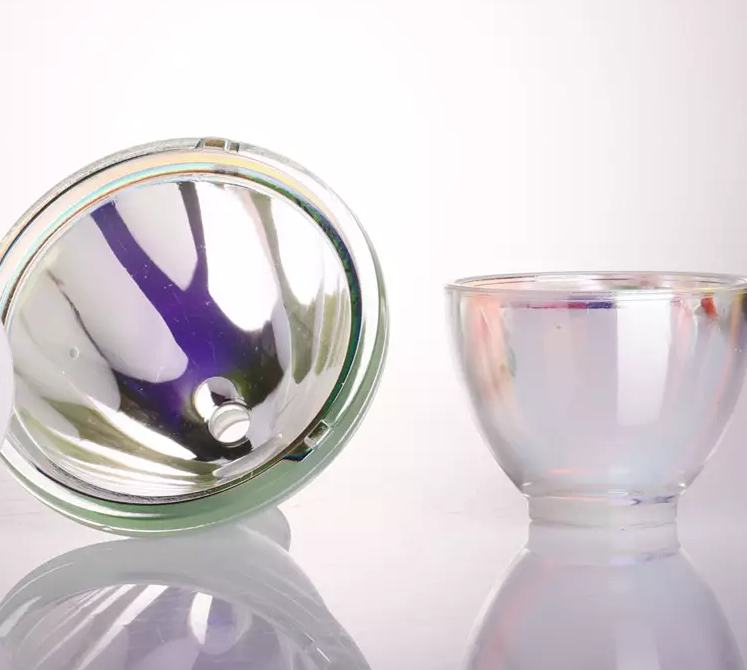
COB Glass LED Reflector Bowl for Spotlights and Projector Lights
Deep-design reflector bowl for 20°, 60° and 90° beam angles. Recommended for high-output torch heads and spotlights where beam cut-off and batch repeatability matter.
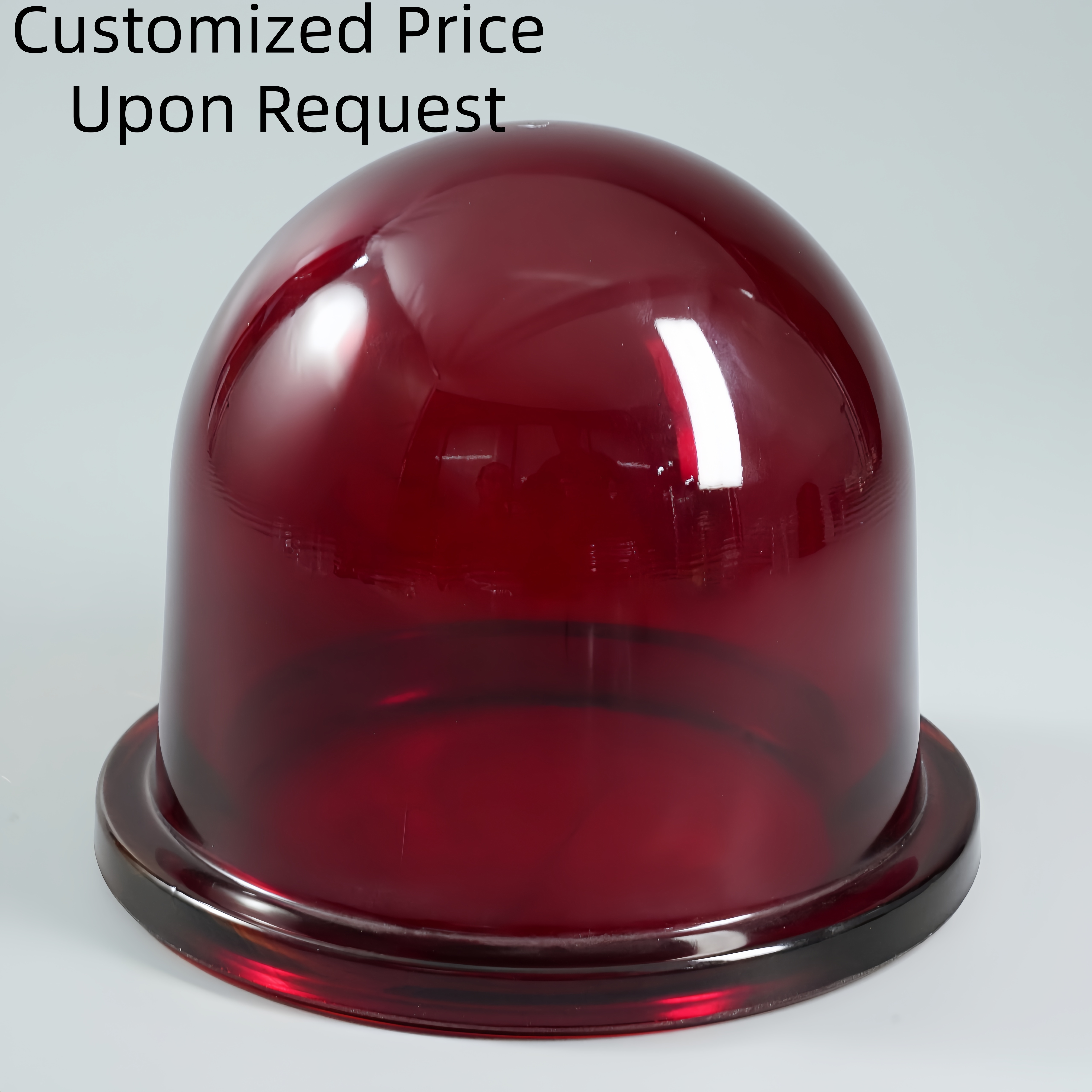
High-Temperature Resistant Pressed Glass Shade
Explosion-proof and crack-proof pressed shade for outdoor street lights. A practical choice for hot LED fixtures, humid enclosures and Manila street-lighting maintenance programs.

Custom Precision BK7 Optical Lens, 1–200 mm
Clear spherical, half-ball, concave and biconvex lenses with optional anti-reflective coating. Suitable for focus, collimation and inspection optics in flashlight and lighting assemblies.
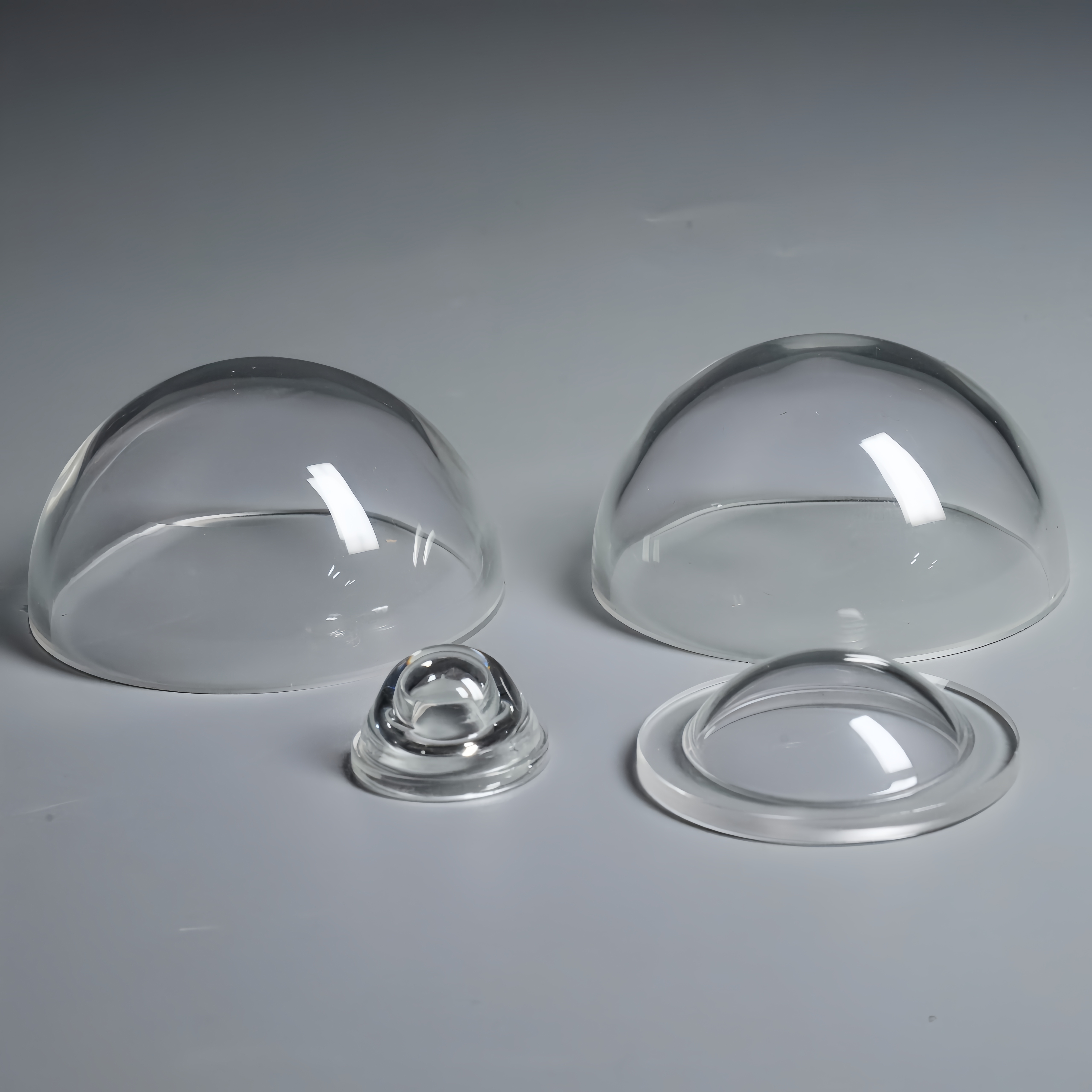
High-Pressure Borosilicate Optical Glass Dome
Deep-sea-rated dome for ROV, AUV, camera housings and submersible lights. Relevant for port, marine and underwater inspection applications in the Philippines.
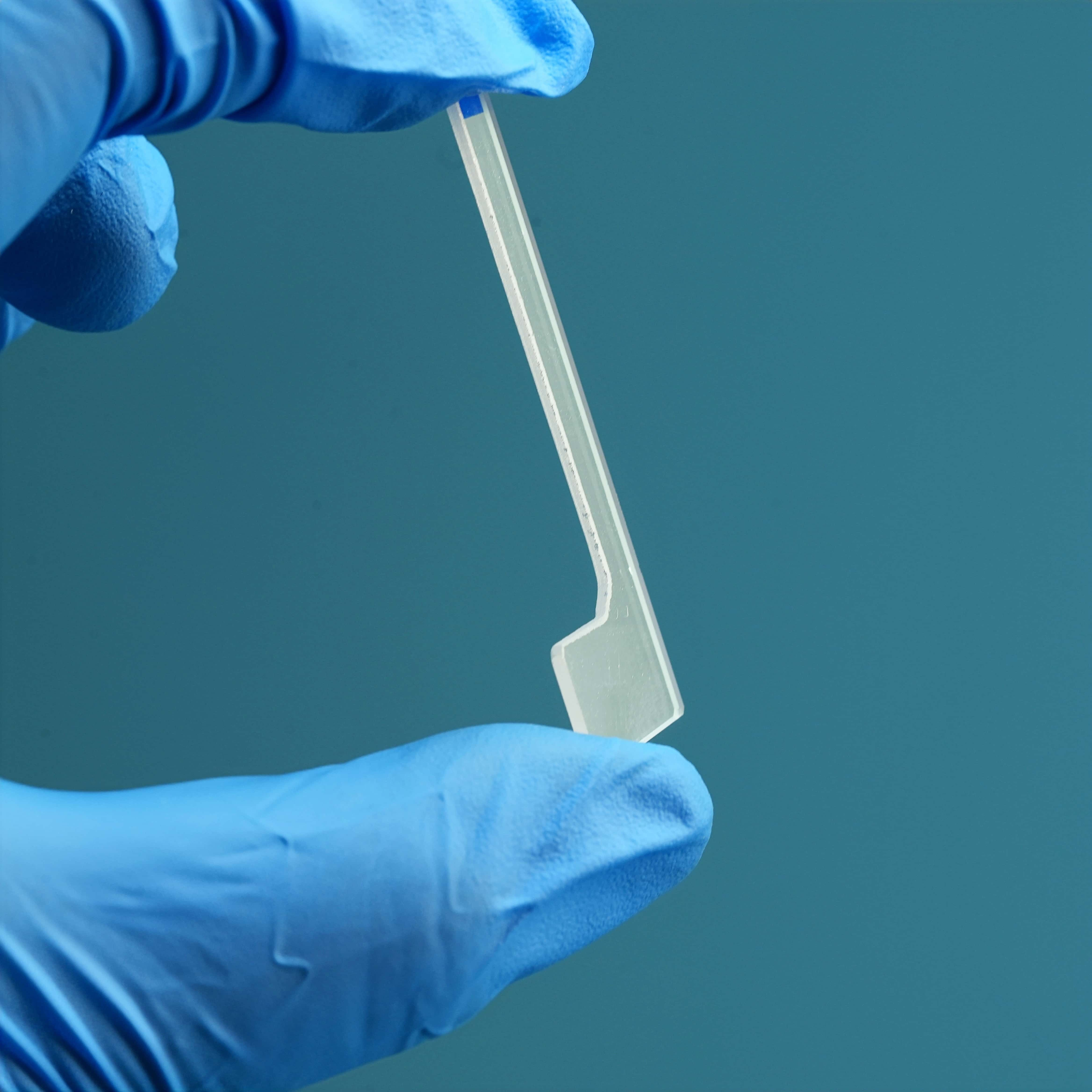
Anamorphic Prism Pair for Laser Beam Shaping
Circularizes elliptical beams for fiber coupling and technical optical assemblies. Recommended for buyers who also source precision flashlight lenses and custom optical windows.

FAA Compliant Borosilicate Heat Resistant Glass Lens
Clear IP68-oriented lens for runway in-pavement and taxiway lights. A durable outdoor optic for aviation and high-reliability signal applications.
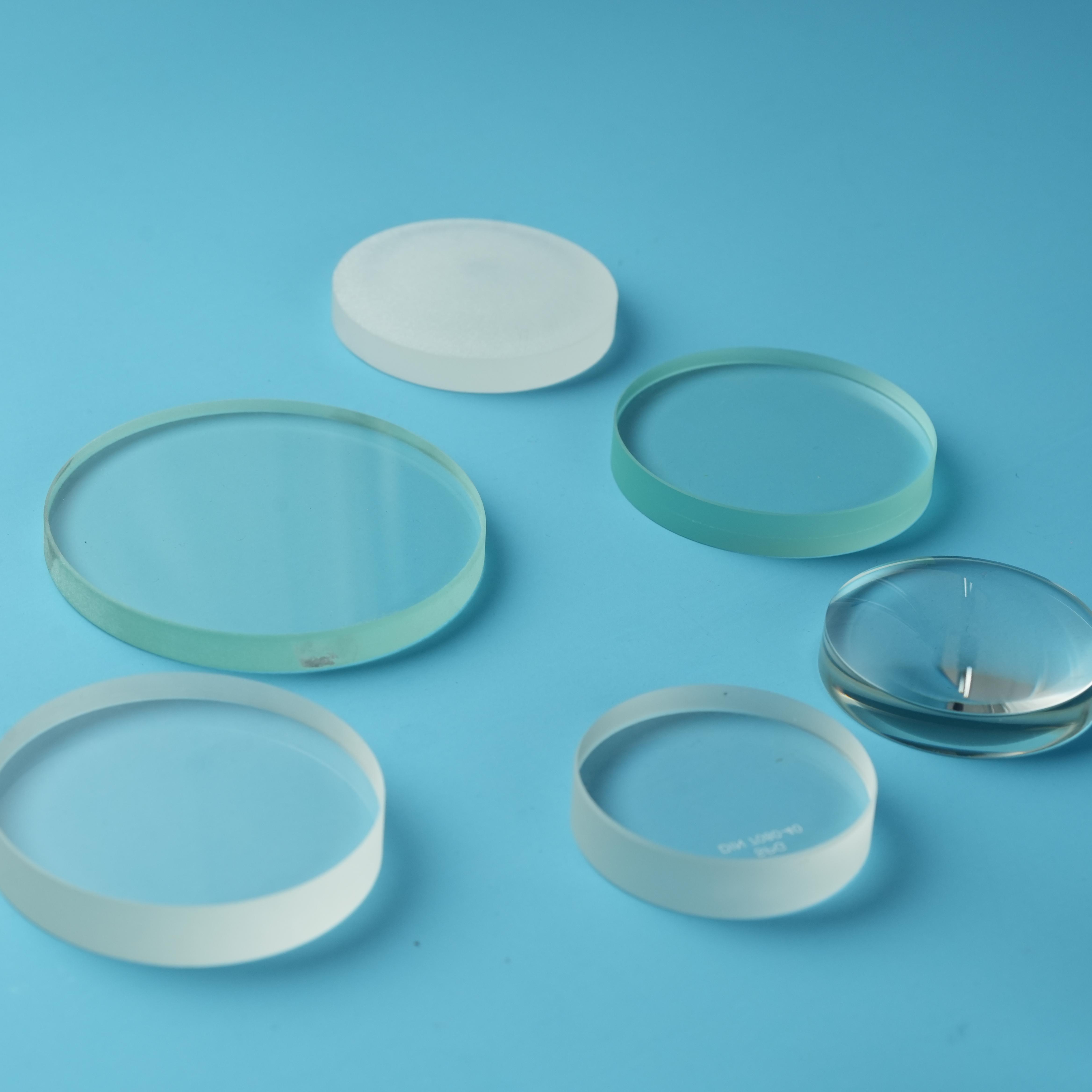
Custom AR-Coated Square Optical Window, 50 mm
Borosilicate, K9, BK7, B270 or fused silica window with anti-reflective coating. Ideal for sensor covers, protective windows and lighting modules.
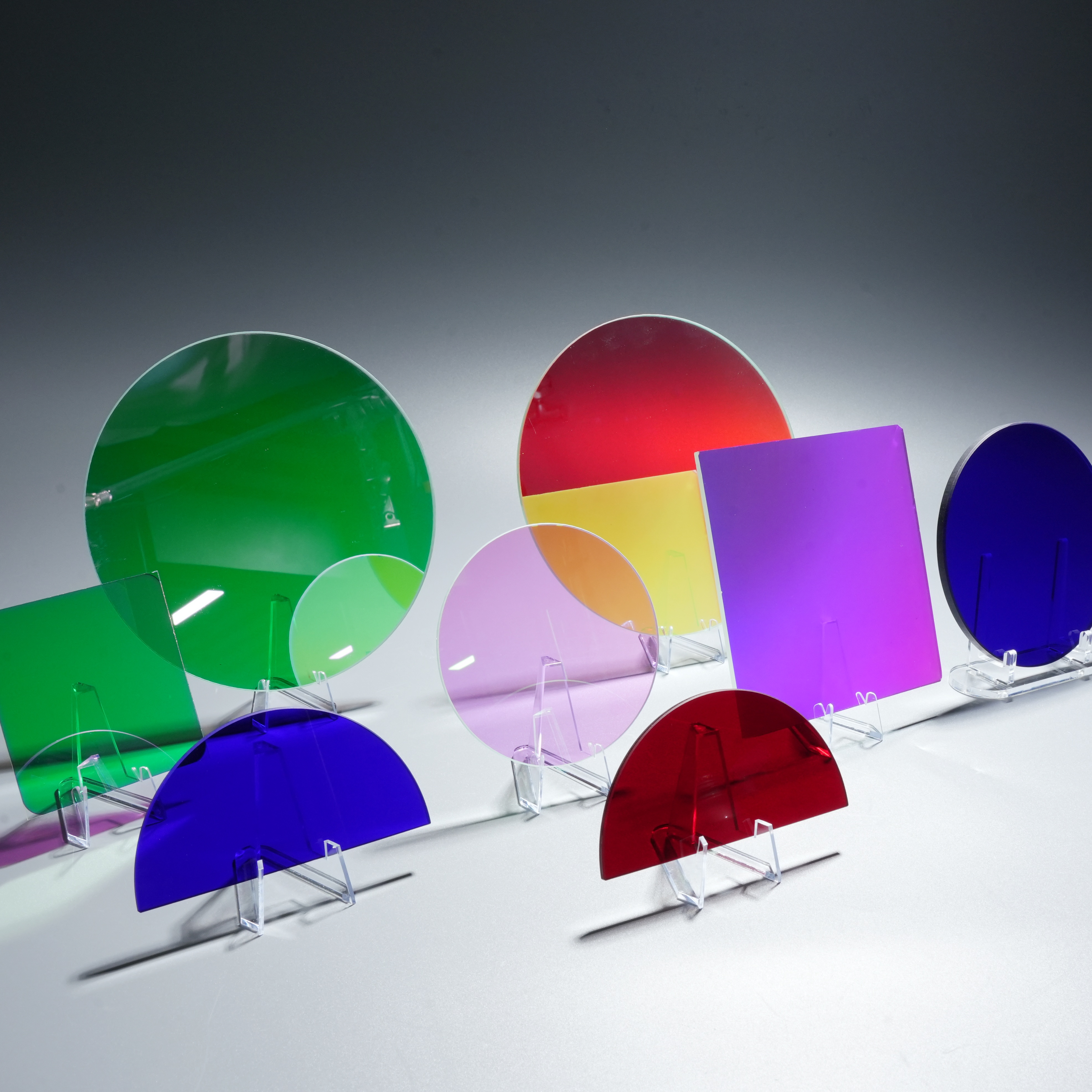
590 nm 49 mm Coated UV Borosilicate Bandpass Filter
Customized high-precision bandpass and longpass filter. Supports sensing, instrumentation and specialty optical assemblies.
Why Manila Buyers Need More Than a Catalog When Sourcing Flashlight Lenses from China
The strongest suppliers are not the ones with the longest product list. They are the ones that can connect glass material, optical coating, sealing face and export packing to the way your flashlight will actually be used.
China remains the deepest source of flashlight optics for the Manila market because the supply chain combines glass forming, precision grinding, coating, tooling and export packing in one region. But the phrase “wholesale flashlight lens supplier” hides very different capabilities. A trading office can quote a price from a photo; a qualified optical glass manufacturer must be able to explain how the lens will behave at your LED wavelength, inside your bezel, under your gasket pressure, and after months of storage in a humid warehouse.
Manila buyers rarely use a flashlight in a laboratory. Units are kept in jeepneys, security posts, barangay response kits, warehouses, ships and outdoor retail displays. They are exposed to high ambient temperatures, seasonal monsoon humidity, dust, vibration and occasional salt spray near Manila Bay. A lens that is dimensionally correct but has poor coating adhesion or a sharp sealing edge can create fogging, chipping or water ingress. That is why serious procurement teams now ask for more than a sample photo; they ask for evidence of process control.
Shanghai Tambi Glass Industrial Co., Ltd. treats flashlight lens sourcing as a drawing-based engineering exercise. Our team reviews wall thickness, draft angle, optical path, coating durability and the sealing face before tooling. We have more than 10 years of experience in lighting and optical glass, operate as a manufacturer and trading company with an 11–50 person team in Shanghai, and support buyers with onsite-verified supplier records, inspection reports and export packing for fragile glass. Typical inquiries receive a technical response within six hours.
Use the matrix below as a starting point for your own sourcing specification. It is written for Philippine importers who compare China wholesale flashlight lens suppliers and need a more objective way to evaluate samples, quotations and delivery risk.
Manila-Specific Lens Selection Matrix
| Buyer Scenario | Local Stress in Manila | Recommended Lens Direction | What to Verify |
|---|---|---|---|
| Typhoon and emergency kits | Long storage, humidity, sudden full-output use | Borosilicate 3.3 or tempered soda-lime with durable AR coating | 85°C/85% RH storage, drop response, thermal shock, gasket fit |
| Security and patrol | High candela, heat build-up, frequent charging | Borosilicate lens, COB reflector bowl or precision BK7 optic | Beam uniformity, color stability, surface temperature, hotspot repeatability |
| Port and marine use | Salt spray, vibration, washdown | Tempered glass, borosilicate dome, IP68-oriented assembly | Salt-fog resistance, sealing face, impact and corrosion review |
| Retail and EDC flashlights | Cost pressure, pocket wear, scratch visibility | Tempered soda-lime or BK7 with hard AR coating | Abrasion, transmission, edge chip, packing protection |
| Industrial inspection | Dust, oils, cleaning agents, rough handling | Borosilicate or fused quartz window, protective coating | Cleaning cycle, chemical resistance, dimensional report |
Quick Buyer Brief
If you are comparing China suppliers for the Manila market, send a specification package rather than a single price request.
- Target beam angle, LED model and drive current
- Glass type preference and acceptable transmission loss
- Bezel, gasket and IP sealing interface
- Annual volume, reorder frequency and Incoterm
- Packing method for sea or air freight to Manila
Flashlight Lens Applications That Matter in Metro Manila and the Philippines
Local demand is shaped by climate, infrastructure and retail behavior. These six application scenarios help importers match lens performance to the real use case.
Emergency Preparedness and Typhoon Response
Philippine households, local government units, NGOs and retailers keep flashlights for typhoon season and power interruptions. Lenses should resist long storage, humidity, drops and repeated on/off heat cycles. A borosilicate or tempered lens with a clean gasket interface reduces the risk of fogging and cracked edges.
Security, Patrol and CCTV Lighting
Security distributors in Metro Manila need repeatable hotspots and high candela. COB reflector bowls, precision BK7 lenses and AR-coated windows help maintain beam shape, reduce glare and keep color consistent across batches.
Marine, Port and Shipyard Applications
Manila Bay and Philippine port operations expose equipment to salt spray, vibration and washdown. Borosilicate domes, tempered covers and IP68-oriented designs are appropriate for inspection lights, signal fixtures and underwater camera housings.
Industrial MRO and Warehouse Operations
Warehouses, factories and maintenance teams use flashlights around dust, oils and hot equipment. Heat-resistant pressed shades, protective windows and scratch-resistant lenses help reduce replacement frequency and unplanned downtime.
Outdoor, Hunting and Adventure Retail
Outdoor retailers need a visible performance difference: sharp beam edges, high transmission and resistance to scratches. AR-coated lenses and tempered glass give premium SKUs a clearer story than uncoated plastic optics.
Sensing, Instruments and Optical Assemblies
Philippine importers also source optical windows, filters and prisms for sensors, imaging devices and laboratory equipment. A single supplier for flashlight lenses and precision optics can simplify qualification and consolidate shipments.
Trends Shaping the Manila Flashlight Lens Market
Demand is moving toward higher output, better sealing and more transparent performance claims. Buyers who plan for these changes reduce rework and protect their brand reputation.
Higher Output, Smaller Bodies
Rechargeable 21700 and 18650 flashlights push more lumens through smaller heads. The lens and reflector must manage heat and maintain beam quality without yellowing or distortion.
IP Ratings and Performance Claims
Buyers increasingly ask for IPX4, IPX7 or IP68 evidence, not just marketing copy. Lens sealing faces, coating humidity resistance and packing protection are becoming part of the purchase specification.
Disaster-Resilience Demand
Typhoon-season preparedness supports steady demand for reliable emergency lighting. Retailers prefer suppliers that can hold consistent color, beam angle and spare-part availability across repeat orders.
Mixed Local Assembly
Some Philippine brands assemble or package locally to shorten lead times. They need China-made optics with predictable tolerances, private-label packing and batch traceability.
Why Tambi Glass Is a Practical China Wholesale Flashlight Lens Supplier for Manila Buyers
Our strength is not simply selling glass. It is translating a flashlight design into a manufacturable, testable and export-ready optical component.
10+ Years in Lighting and Optical Glass
Shanghai Tambi Glass Industrial Co., Ltd. is a manufacturer and trading company with more than a decade of experience in borosilicate covers, signal light glass, lenses, domes, prisms and filters. Our 11–50 person team supports OEM buyers with annual export revenue in the US$2.5M–5M range.
Drawing-Based OEM / ODM
Send a 2D/3D drawing or physical sample. We review manufacturability, propose glass type and tooling, confirm samples, then move to volume production. This is more reliable than choosing from a generic catalog.
Material and Coating Breadth
We work with borosilicate 3.3, tempered soda-lime, fused quartz, BK7/K9, B270 and other optical materials. Finishing options include AR coating, bandpass, longpass, color, grinding and edge treatment.
Verification and Quality Documentation
Our onsite-verified supplier profile, factory video, inspection reports and material reports help procurement teams complete supplier qualification. We can support video calls and third-party audits.
Export Packing for Fragile Glass
Foam or pulp dividers, reinforced cartons and palletized packing protect lenses and domes during sea or air freight to Manila. Custom labels and distributor packaging can be arranged.
Fast Technical Response
Our average response time is within six hours. Share your drawing, target beam angle, LED model, surface temperature, annual volume and preferred Incoterm for a focused review.
From Drawing to Manila: A Controlled Six-Step Workflow
Clear checkpoints reduce surprises between sample approval and repeat orders. Each step is documented so your team can compare quotations on the same technical basis.
Application Review
Confirm beam angle, LED power, surface temperature, gasket design, IP target, drop requirement and annual volume.
DFM and Tooling
Review wall thickness, draft, tolerance, optical path and sealing face. Select borosilicate, tempered, quartz or BK7 and propose a mold route.
Sampling and Validation
Measure dimensions, transmission, coating and fit. Send samples for your beam test, housing assembly and field evaluation.
Production and Export
Control annealing or tempering, coating, visual inspection and packing. Provide inspection records and ship by sea or air according to the agreed Incoterm.
Material Selection Quick Guide
Selecting the correct glass early avoids cracked covers, coating failures and costly field returns. The final specification should always be confirmed against your drawing, lamp surface temperature and certification target.
| Material | Thermal Expansion (×10⁻⁶/K) | Typical Max. Working Temp. | Key Strength | Best For |
|---|---|---|---|---|
| Borosilicate 3.3 | ≈ 3.3 | ≈ 450 °C | Excellent thermal-shock resistance | Explosion-proof shades, high-power LED covers, Fresnel lenses |
| Tempered soda-lime | ≈ 9.0 | ≈ 250 °C | High impact strength, economical | Outdoor covers, floodlight glass, vandal-resistant lenses |
| Fused quartz | ≈ 0.55 | ≈ 1000 °C+ | UV transmission, extreme heat | UV optics, high-temperature windows |
| Optical BK7 / K9 | ≈ 7.1 | ≈ 300 °C | Homogeneous, nd ≈ 1.517 | Precision lenses, prisms, mirrors, filters |
Supplier Checklist: What to Compare Before You Place a Wholesale Order
Use technical and commercial evidence together. A low piece price can be expensive if the lens does not fit the gasket, loses transmission or fails after humid storage.
Technical Evidence
- Optical transmission at your LED wavelength
- Dimensional report and tolerance stack-up
- Coating adhesion and humidity test evidence
- Surface quality standard and edge-chip criteria
- Gasket and bezel fit, plus thermal shock and drop review where relevant
Commercial Evidence
- MOQ by material and mold status
- Sample lead time and production lead time
- Incoterms and Manila delivery point
- Packing method for fragile glass
- Spare-part and reorder policy, plus technical contact response time
Common Questions About Wholesale Flashlight Lenses from China
These are the questions procurement teams, distributors and brand owners usually ask before requesting a sample order.
Can you supply wholesale flashlight lenses and optical glass to the Manila market?
What is the typical minimum order quantity?
How do you protect glass lenses during shipping to Manila?
Should I choose borosilicate or tempered glass for Philippine humidity?
Can you customize beam angle, dimensions and AR coating?
Do you provide samples before mass production?
Do you supply glass for FAA L-810 or EN 50293 lighting fixtures?
How quickly will I receive a technical reply?
What Incoterms and payment terms do you support?
Can you support private-label packaging for Philippine distributors?
Ready to Shortlist a China Wholesale Flashlight Lens Supplier for Manila?
Send your drawing, target beam angle, LED model, surface temperature, annual volume and preferred Incoterm. Our engineers will review the optical path, glass type, coating, sealing face and export packing. If you are comparing multiple suppliers, we can also help you build a more objective technical checklist.
Technical contact: info@tambiglass.com · Shanghai Tambi Glass Industrial Co., Ltd. · Custom borosilicate and optical glass manufacturer