China Wholesale dispersion prism for spectroscopy light splitting Manufacturer & Exporters for the Makati market
Custom N-BK7, UV fused silica and borosilicate dispersion prisms, AR-coated optics and export-ready OEM glass for Makati distributors, laboratories and spectrometer builders.
Eight Custom Glass Platforms Frequently Reviewed by Makati Optical Buyers
A spectroscopy dispersion prism is a drawing-based optical project. These eight production platforms show the adjacent capabilities Makati importers and instrument teams can qualify under the same supply chain: precision lenses, AR-coated optics, domes, protective shades and heat-resistant glass components.
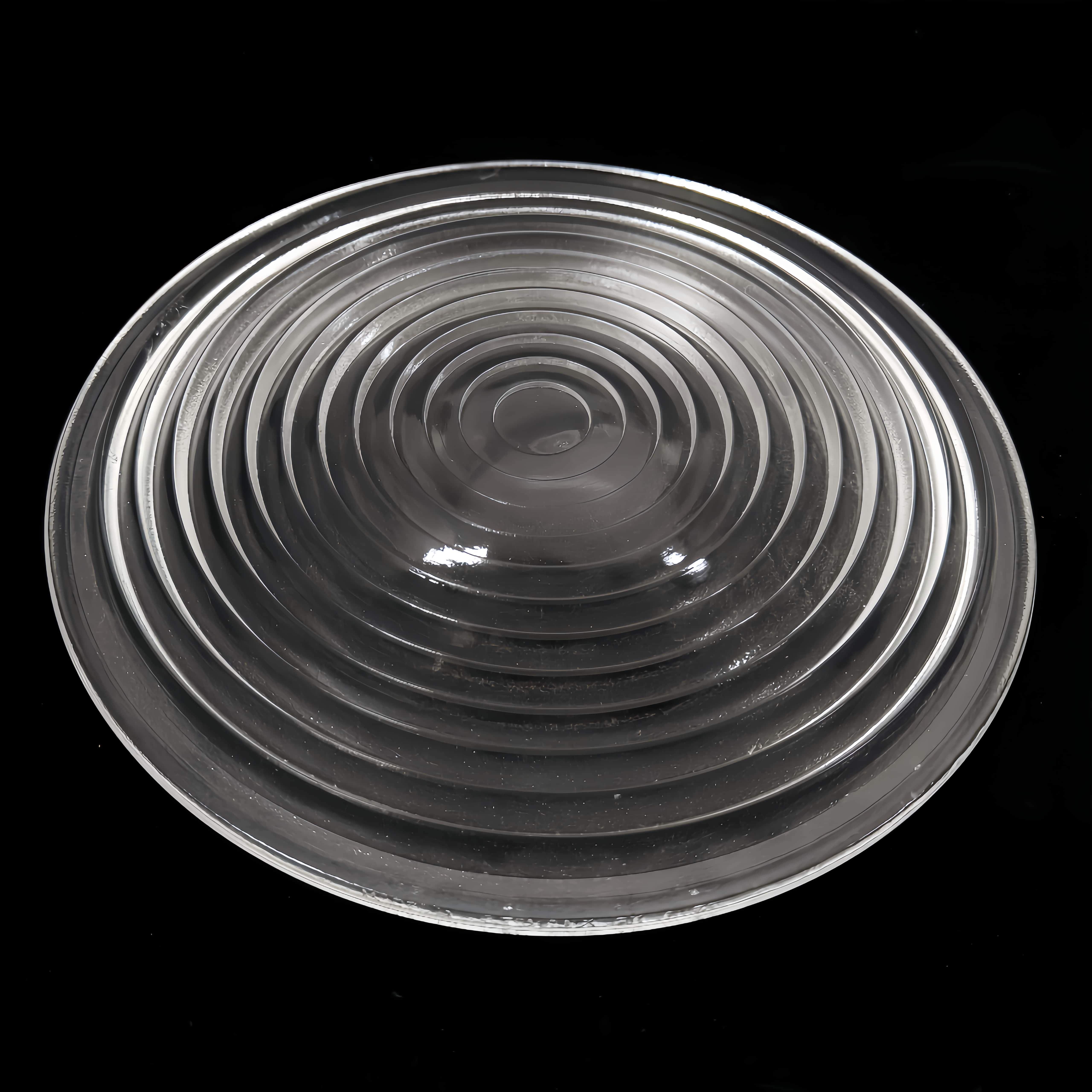
Precision Molded Borosilicate Glass Fresnel Lens Stage Lighting Anti-Reflective Coating FAA/ICAO Standards 175mm BO GLASS OEM
View product detail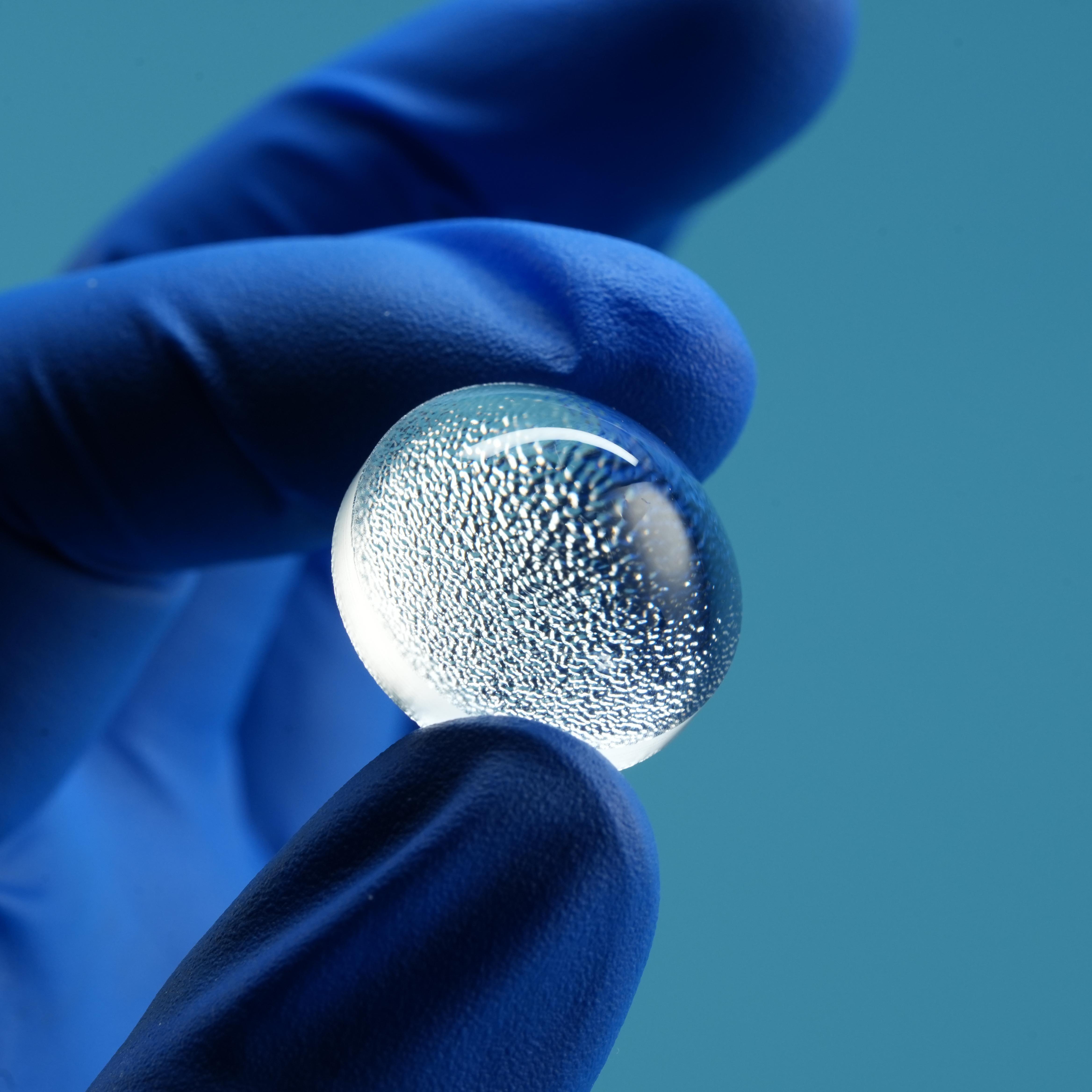
Factory Price Custom Precision Optical 1-200mm Clear BK7 Spherical Quartz Glass Half Ball Concave/Biconvex Lens Anti-Reflective
View product detail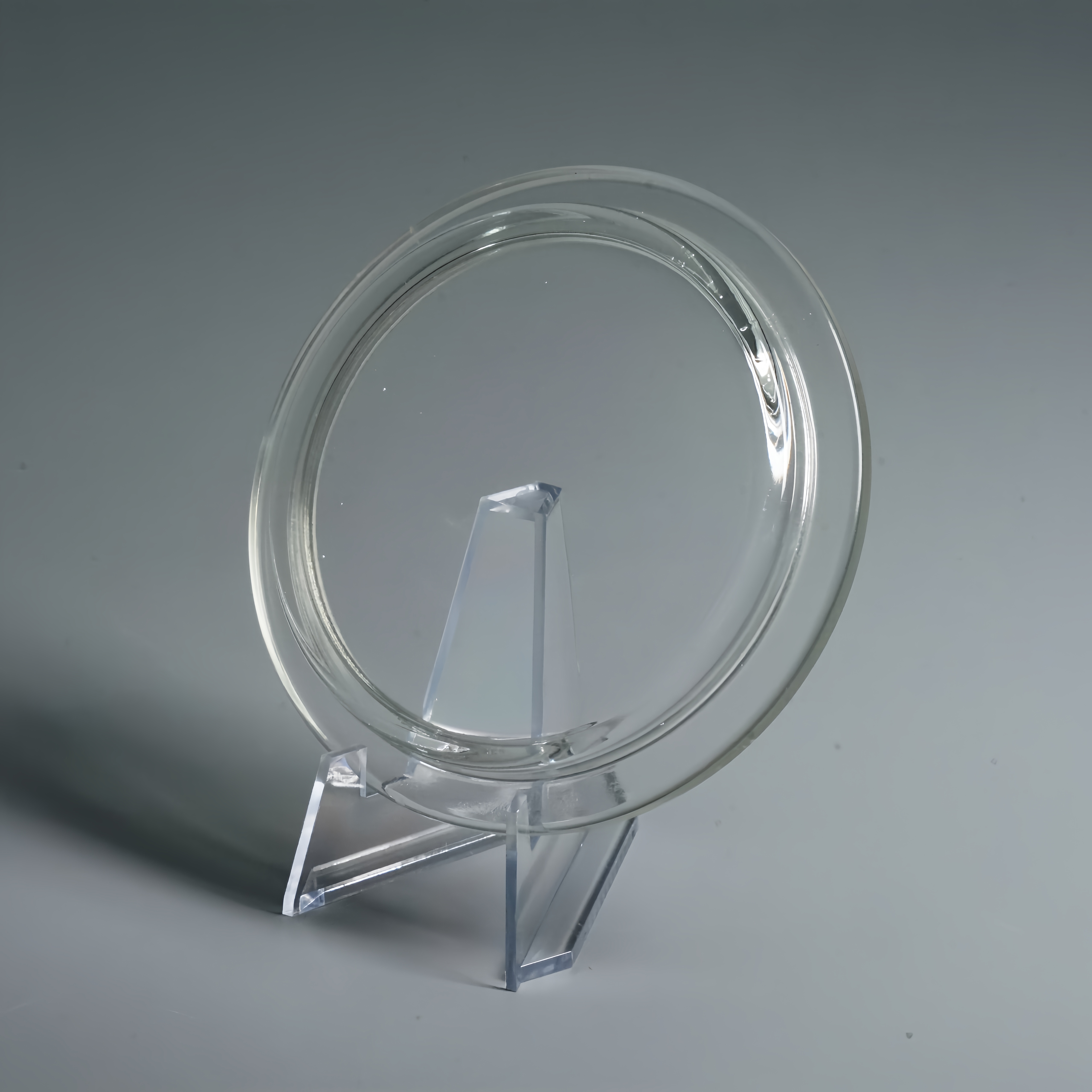
Custom Size Coastal Victorian Outdoor Stage Glass Lampshade Factory Waterproof High Temperature Impact Resistant Silk-Printable
View product detail
Factory Customized Size Shape Color Heat Resistant High Quality Borosilicate Glass Car Light Accessories Traditional Industrial
View product detail
Wholesale OEM Shape Size Borosilicate Glass 175mm Diameter AR Coating Double Plano Convex Achromatic Fresnel Lens BO GLASS Stage
View product detail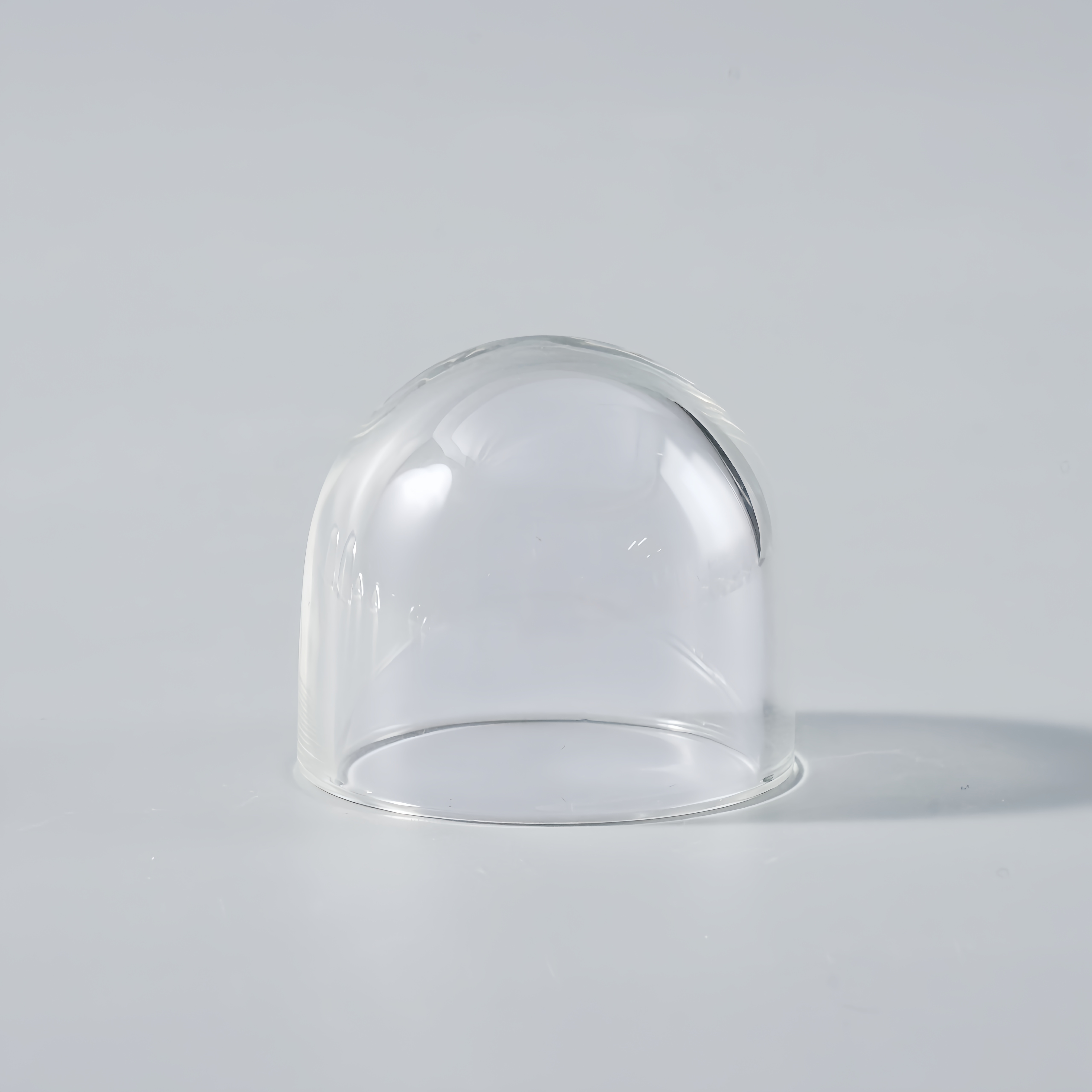
Customizable OEM Optical Glass Domes Broadband AR Coating Precision Hemispherical Windows for LiDAR Sensors Scientific
View product detail
Borosilicate Transparent Explosion-proof Shade, Heat-resistant & Crack-proof, Transparent Protective Cover
View product detail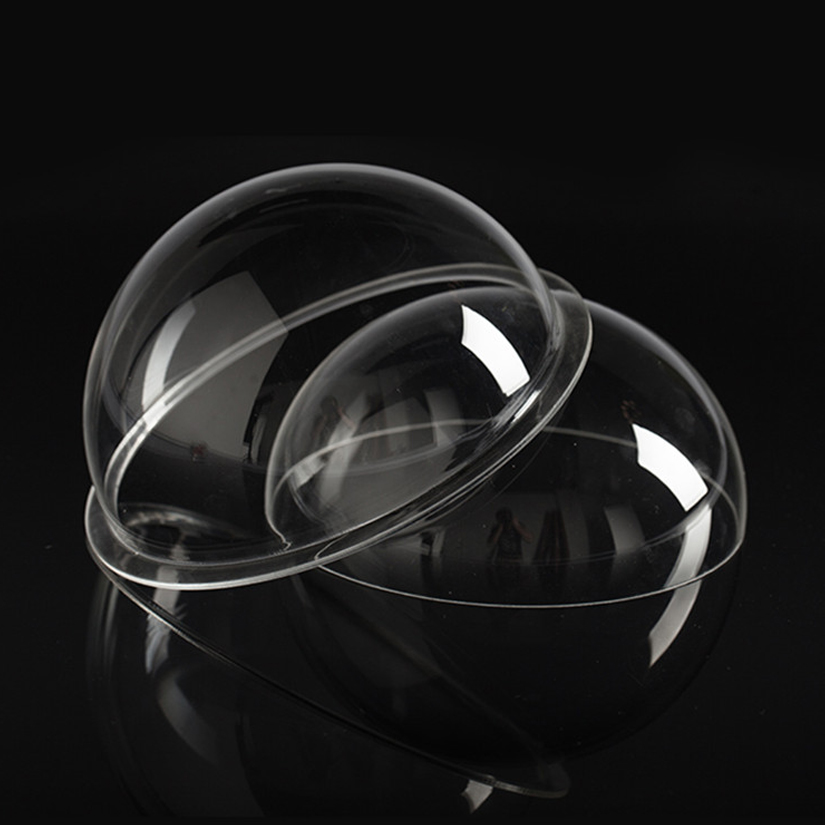
OEM Borosilicate Glass Optical Dome Cover for Outdoor IP Cameras UV Resistant Waterproof Housing Anti-Reflective Coating
View product detailA Dispersion Prism Is an Optical Design Decision, Not a Catalog SKU
For a Makati-based instrument distributor, laboratory buyer or spectrometer builder, the phrase wholesale dispersion prism can hide a large amount of technical risk. A prism used for spectroscopy light splitting sits at the front end of the optical train. Its material homogeneity, apex angle, surface flatness, coating performance and mounting method all influence wavelength separation, throughput, stray light and calibration stability. A prism that looks correct on a drawing can still fail after thermal cycling or cleaning if those details are not agreed before production.
Shanghai Tambi Glass Industrial Co., Ltd. approaches dispersion prisms as drawing-based optical glass projects. We review the optical function first, then the geometry, material, coating, mounting interface and export packaging. Our background is in custom borosilicate glass, tempered glass, quartz, BK7, optical domes, lenses, prisms and AR-coated components. That cross-category experience is useful in Makati, where one procurement team may manage a spectrometer program, a lighting fixture line and a replacement-glass service contract at the same time.
This white paper is written for procurement and engineering teams in Makati that need a China wholesale dispersion prism manufacturer and exporter they can qualify. It covers localized applications, specification choices, material trade-offs, procurement questions, shipping to Metro Manila and the company advantages that reduce integration risk. The aim is information gain: practical detail that helps you compare suppliers beyond price per piece.
Prism or grating? The decision changes the supply chain
A diffraction grating can offer high resolution and a linear wavelength map, but a prism often brings higher throughput, a broad operating band and a simpler optical layout. Prism dispersion is nonlinear, so calibration across multiple wavelengths is essential. For portable or rugged instruments, the prism can also be easier to mount and clean when the housing is designed correctly. Makati buyers serving field teams, hospital laboratories and industrial inspection groups should specify the optical outcome first: what wavelength separation is required, how much light can be lost, what stray-light level is acceptable and how the prism will be aligned after shipping.
What Makati buyers are really buying is repeatable light splitting after installation. The supplier must control the prism as an optical system component, not as a piece of polished glass. That means reviewing edge blackening, AR coating, clear aperture, mounting stress and packaging shock. For a distributor, it also means stable documentation and a production route that can be repeated when the end user places a second order.
Why Makati is a procurement hub, not only an end-user address
Makati is one of Metro Manila's densest business and finance centers. Many local buyers are not only end users; they are importer-distributors, service companies, hospital procurement offices and engineering teams managing installations across Laguna, Cavite, Batangas and the wider Philippine archipelago. A quotation sent to Makati often needs to support a laboratory in Makati, a production site south of Manila and a government or educational project in another region. That makes documentation, packaging and repeatable specifications more important than a one-time low piece price.
The local advantage of working with a manufacturer that also exports is continuity. Tambi Glass combines pressed, blown, ground and coated processes under one supply chain, which helps when a Makati buyer needs a prism project, a replacement lens and a protective glass cover from the same technical contact. The company is an onsite-verified supplier with 10+ years in lighting glass, 11–50 employees and an annual export revenue profile of US$2.5M–5M. These are qualification facts, not marketing decoration; they help procurement teams complete supplier assessment faster.
Where Dispersion Prisms Matter in Makati and Metro Manila
Makati buyers rarely purchase a prism in isolation. They support instruments, service contracts and end sites. These six application scenarios show how optical specifications translate into local procurement decisions.
Portable Raman and material identification
Makati service companies and quality teams use portable analyzers for incoming material checks, counterfeit screening and field identification. A compact prism must hold alignment after transport, resist dust and humidity, and keep AR coating performance stable. Buyers should specify drop, vibration and cleaning assumptions, not only the prism angle.
UV-Vis spectrophotometry for hospital and pharma QA
Makati hospitals, diagnostics providers and pharmaceutical procurement offices need reliable absorbance and concentration measurements. If the prism is used in the UV region, material choice becomes critical: UV fused silica may be preferable to BK7. Low stray light, good surface quality and a cleanable coating matter more than a low unit price.
Laser line separation and machine vision
Metro Manila's electronics, semiconductor support and packaging inspection supply chain uses optical modules in measurement and alignment systems. A dispersion prism can separate or fold wavelengths before a sensor. Vibration, mounting stress and surface scatter become system-level issues, so the prism supplier should review the housing interface and not only the polished faces.
Environmental and water-quality testing
Dense urban operations and nationwide environmental programs need portable or benchtop analyzers for water, air and industrial hygiene. Prisms used in these instruments must survive repeated field deployment and temperature changes. Makati buyers should request inspection reports and agree on calibration fixtures, because a small angular error can shift a spectral peak after delivery.
Color, food and agricultural sorting
Makati distributors often supply food processors, agricultural traders and packaging converters outside the capital region. Prism-based spectral sensors can support color consistency, ripeness assessment and contaminant screening. The practical requirement is repeatability across batches: stable AR coating, scratch-resistant surfaces and a mounting design that can be cleaned without changing optical alignment.
University, R&D and training laboratories
Metro Manila universities, training centers and research groups need optical benches, teaching spectrometers and prototype modules. These buyers may order small quantities, but they still need clear drawings and repeatable quality. A supplier that can review a student-built design, suggest a practical prism geometry and provide sample documentation reduces the risk of a failed thesis or pilot build.
Makati Market Trends Reshaping Dispersion Prism Procurement
Local demand is moving toward smaller instruments, more traceability and fewer supplier hand-offs. These trends are visible in how Makati importers write RFQs and qualify overseas optical glass factories.
Miniaturization of spectrometers
Portable and handheld analyzers need compact prisms with controlled clear aperture, low stray light and AR coating. Buyers increasingly ask for a complete optical stack review rather than a standalone prism quotation.
Distributor-led qualification
Makati importers and distributors manage specifications for multiple end users. They need consistent drawings, inspection reports and packaging standards so every shipment can be released to different laboratories or industrial sites.
Cost pressure plus traceability
Price still matters, but procurement teams are adding material certificates, coating records and sample approval gates. A lower-cost prism with unclear documentation can cost more when a production instrument needs recalibration.
High-mix, low-volume optical projects
Instrument makers are supporting more variants with fewer units per model. Flexible MOQ, prototype samples and drawing-based manufacturing are becoming more valuable than a single fixed catalog item.
Logistics and packaging resilience
Shipments to Metro Manila may move by air through NAIA or by sea through the Port of Manila. Optical components need divider packaging, moisture protection and shock control because a successful factory inspection is not the same as a successful arrival inspection.
Coating and stray-light control
AR coatings, edge blackening and surface quality are becoming differentiators in prism specifications. Instrument teams in Makati are asking suppliers to explain how coating targets are inspected and how mounting stress is avoided.
What Makati instrument projects tend to prioritise
The index below is a qualitative planning view for RFQ discussions. It is illustrative, not a certified performance rating. It helps a buyer explain why the cheapest prism is not automatically the best supply-chain decision.
Choosing the Right Glass and Writing a Better Prism RFQ
Material choice should follow the optical band, thermal environment, cleaning method and certification path. The table below is a practical starting point for Makati buyers preparing a dispersion prism inquiry.
| Material | Optical role in Makati projects | Key strength | What to watch |
|---|---|---|---|
| N-BK7 optical glass | Visible to near-infrared dispersion prisms for general spectrophotometry, laser line separation and prototype instruments. | Good homogeneity, stable optical properties and a cost-effective path for many visible applications. | Not the first choice for deep UV or severe thermal shock; confirm coating and housing compatibility. |
| UV fused silica | UV-Vis spectroscopy, high-power laser optics and instruments that need broad transmission and chemical durability. | Excellent UV transmission, low thermal expansion and strong chemical resistance. | Higher material and processing cost; cleaning and handling procedures must be agreed. |
| Borosilicate 3.3 | Robust windows, protective covers and optical components where thermal shock resistance is important. | Low thermal expansion and good resistance to temperature changes and sudden cooling. | Lower refractive index than high-index optical glass; dispersion may not fit every spectrometer design. |
| Project-specific optical glass | Compact spectrometers or special light-splitting layouts that need higher dispersion or a specific refractive index. | Can improve angular dispersion and reduce instrument size when the optical design is validated. | Availability, minimum order and lead time must be confirmed before tooling; not every grade is a stock item. |
Start with optical function
State the required angular separation at two or more wavelengths. Do not specify only the apex angle; the prism exists to split light, not to satisfy a geometry drawing.
Define prism type
Equilateral, Littrow, Pellin-Broca and direct-vision layouts have different mounting and alignment needs. Share the optical layout or a 3D housing model when possible.
Control surfaces and edges
Specify clear aperture, surface quality, chamfer, edge blackening and permissible chips. For low-light spectroscopy, scatter from a rough edge can be worse than a small angle error.
Agree the AR coating
Provide the wavelength band, incidence angle, reflectance target and environmental exposure. Coating performance at the design angle matters as much as the average transmission number.
Plan the mount early
Prism holders can introduce stress birefringence or distort a spectral line. Define contact areas, adhesives, retaining rings and torque limits before the sample is approved.
Request inspection data
Ask for dimensional reports, visual inspection criteria and material certificates where available. Makati distributors can use these records during end-user acceptance and warranty discussions.
State the local environment
Humidity, salt air, cleaning chemicals, air-conditioning cycling and transport shock should be included in the RFQ. These conditions affect coating choice and packaging design.
Include volume and destination
Give annual volume, prototype quantity, destination in Makati or Manila, preferred Incoterm and sample deadline. This helps the supplier recommend a mold or production route that fits the program.
Why Makati Buyers Shortlist Tambi Glass
Shanghai Tambi Glass Industrial Co., Ltd. is a manufacturer and trading company focused on custom lighting and optical glass. For more than a decade we have worked with OEM buyers who need glass components engineered around a real fixture or instrument, not a generic catalog part. Our team reviews drawing feasibility, wall thickness, mounting faces, optical path alignment, coating requirements and export packaging before production begins.
We combine borosilicate 3.3, tempered soda-lime, fused quartz and optical BK7 with pressed, blown, ground and coated processes under one supply chain. That matters to Makati distributors because one technical contact can coordinate a dispersion prism project, a replacement dome, an AR-coated lens and an explosion-proof protective shade. With long-term partners in Europe, North America and Japan, we understand the documentation and consistency expected by professional importers.
Our response target is within 6 hours on average. The company is an onsite-verified supplier with 11–50 employees and an annual export revenue profile of US$2.5M–5M. We welcome video calls, sample reviews and third-party audits. If your Makati office needs a supplier you can explain to an end user, these are the facts that support the decision.
Get Catalog


Drawing-based OEM / ODM
Most orders are drawing-based. Send a 2D or 3D drawing or physical sample with dimensions, tolerance, material, color and coating requirements. We review manufacturability before tooling.
Material breadth
Borosilicate, tempered glass, quartz and BK7 are available for different optical, thermal and impact requirements. The right material is selected from the application, not from a single stock list.
Coating and finishing
AR and optical coatings, edge finishing and visual inspection support spectroscopy, lighting and sensing projects. Coating targets are agreed against the wavelength band and incidence angle.
One supply chain for optical and lighting glass
Pressed, blown, ground and coated processes are coordinated under one supplier. Makati distributors can consolidate more glass components into fewer purchase orders.
Transparent supplier records
An onsite-verified supplier profile, credit index, trade capacity and trade history help procurement teams complete qualification. Material and inspection reports are available on request.
Export-ready packing
Fragile glass parts are separated by foam or pulp dividers, packed in reinforced export cartons and palletized for sea or air freight. Custom packaging and labeling for Makati distributors can be arranged.
From Makati RFQ to Approved Prism: A Controlled Six-Step Process
Clear checkpoints reduce the gap between an approved sample and a repeatable production order.
Drawing and function review
We check the optical function, prism geometry, clear aperture, angle tolerance, surface quality, coating target and mounting interface. Missing data is clarified before quotation.
Material and coating plan
N-BK7, UV fused silica, borosilicate or a project-specific glass is reviewed against the wavelength band, thermal load, cleaning method and target cost.
Sample and tooling
New or existing molds and grinding routes are selected. The sample is measured and sent to Makati or the end site for fit, light and handling tests.
Forming and annealing
Production follows the approved route with controlled annealing or tempering where applicable. Stress control is important for prisms that will be mounted and thermally cycled.
Coating and quality inspection
AR or optical coating is applied to the agreed band and checked against the inspection plan. Dimensional, visual and packing checks are recorded before release.
Export packing and documents
Divider-packed cartons, reinforced outer boxes and pallets protect the shipment for air or sea freight. Commercial invoice, packing list and requested reports are prepared.
Shipping a Dispersion Prism to Makati: A Practical Checklist
Makati offices often receive documents and samples first, then route production quantities to a laboratory, distributor warehouse or manufacturing site. The RFQ should state the final destination, not only the billing address.
RFQ data that speeds up the quotation
Send the drawing or sample reference, wavelength range, dispersion target, prism type, clear aperture, angle tolerance, surface quality, AR coating band, mounting method, annual volume, prototype quantity and destination in Makati or Manila. Add your preferred Incoterm and any labeling requirement for local distributors.
Our average technical response is within 6 hours. When the input is complete, the reply can include manufacturability notes, recommended material, coating questions and an export packing proposal instead of a generic price list.
Email: info@tambiglass.com
Common Questions from Makati Distributors and Instrument Teams
These are the questions procurement teams usually ask before requesting a dispersion prism sample or placing a repeat order.
Are you a manufacturer or trading company for Makati buyers?
Shanghai Tambi Glass Industrial Co., Ltd. is a manufacturer and trading company. We are an onsite-verified supplier with 10+ years in lighting glass, 11–50 employees and an annual export revenue profile of US$2.5M–5M. We support Makati distributors, OEM instrument builders and end-user procurement teams.
Can you manufacture a custom dispersion prism for spectroscopy light splitting?
Yes, custom projects are reviewed from drawing or sample. We evaluate the prism type, wavelength band, dispersion target, material, surface quality, AR coating and mounting interface. N-BK7, UV fused silica, borosilicate and project-specific optical glass can be discussed, subject to availability and design validation.
What should we include in an RFQ sent from Makati?
Send a 2D or 3D drawing, wavelength range, required angular separation, prism type, clear aperture, angle tolerance, surface quality, coating target, annual volume, prototype quantity, destination and preferred Incoterm. If you have an existing prism, send a physical sample or measured drawing.
What is the typical minimum order quantity?
Typical optical component projects can start from around 50 pieces, while pressed or blown lighting covers commonly range from 100–500 pieces depending on whether an existing mold can be used. Prototype and sample quantities can be evaluated before mass production. The final MOQ depends on the design, material and tooling route.
Should we choose N-BK7, fused silica or borosilicate?
N-BK7 is a practical starting point for many visible and near-infrared applications. UV fused silica is preferred when UV transmission, chemical durability or thermal stability is critical. Borosilicate 3.3 is useful where thermal-shock resistance matters, but its dispersion may not suit every spectrometer design. The optical band and housing environment should decide the material.
Can you match an existing prism used in our spectrometer?
Yes. Send the existing prism or a measured drawing with the wavelength range and mounting details. We will review the geometry, surfaces, coating and tolerances. If the original drawing is unavailable, the sample can be measured and discussed as a reverse-engineering project, subject to technical feasibility.
How do you control stray light and coating performance?
Stray light is controlled through surface quality, edge treatment, coating specification, mounting stress and handling. The RFQ should define the AR band, incidence angle and reflectance target. Inspection criteria are agreed before production so the sample and repeat orders follow the same standard.
How are fragile prisms packed for shipment to Makati or Manila?
Parts are separated by foam or pulp dividers, packed in reinforced export cartons and palletized for sea or air freight. Moisture protection, desiccant and custom labeling can be arranged. If the shipment is routed from Makati to another Philippine site, tell us the final destination so the packing plan can match the handling profile.
What documents can you provide for importer qualification?
Commercial invoice and packing list are standard. Material certificates, dimensional inspection records and visual inspection reports can be provided on request. Fixture or instrument certification remains with the luminaire or instrument manufacturer; we match the agreed color, transmission, dimensional and coating specifications.
How quickly can we receive a technical response?
Our average response time is within 6 hours. Email info@tambiglass.com with the drawing, wavelength band, prism type, annual volume and Makati delivery requirement. A complete RFQ allows our team to reply with manufacturability notes, sample guidance and the next commercial step.
Get a Makati-Ready Dispersion Prism Quotation
Send your drawing, wavelength band, prism type, coating target, annual volume and preferred Incoterm. Our team will respond with manufacturability notes, recommended material, sample path and an export packing plan for your Makati or Manila destination.
Whether you are qualifying a new spectrometer program, looking for a second optical glass source or consolidating prisms, lenses and protective glass with one exporter, the next step is a technical review.
Average reply within 6 hours · Drawing-based OEM / ODM · Export packing to Metro Manila