8 CNC Glass Components Frequently Evaluated by Tokyo Buyers
These parts match common Tokyo sourcing requests for optical windows, prisms, aspherical lenses, borosilicate covers, Fresnel optics, light guides and automotive lighting glass. Each product URL is preserved for direct review, and every item can be customized by drawing, tolerance, coating, surface quality, packaging and annual volume.

Custom OEM Bo Glass Clear Borosilicate K9 Bk7 B270 Fused Silica Anti-Reflective Coated Square Optical Window 50mm Diameter
Tokyo fit: laser alignment, inspection cameras, metrology fixtures and semiconductor equipment where clear apertures, low scatter and stable transmission matter.
- Material choice for transmission and CTE
- AR coating on one or both faces
- Square or round formats by drawing
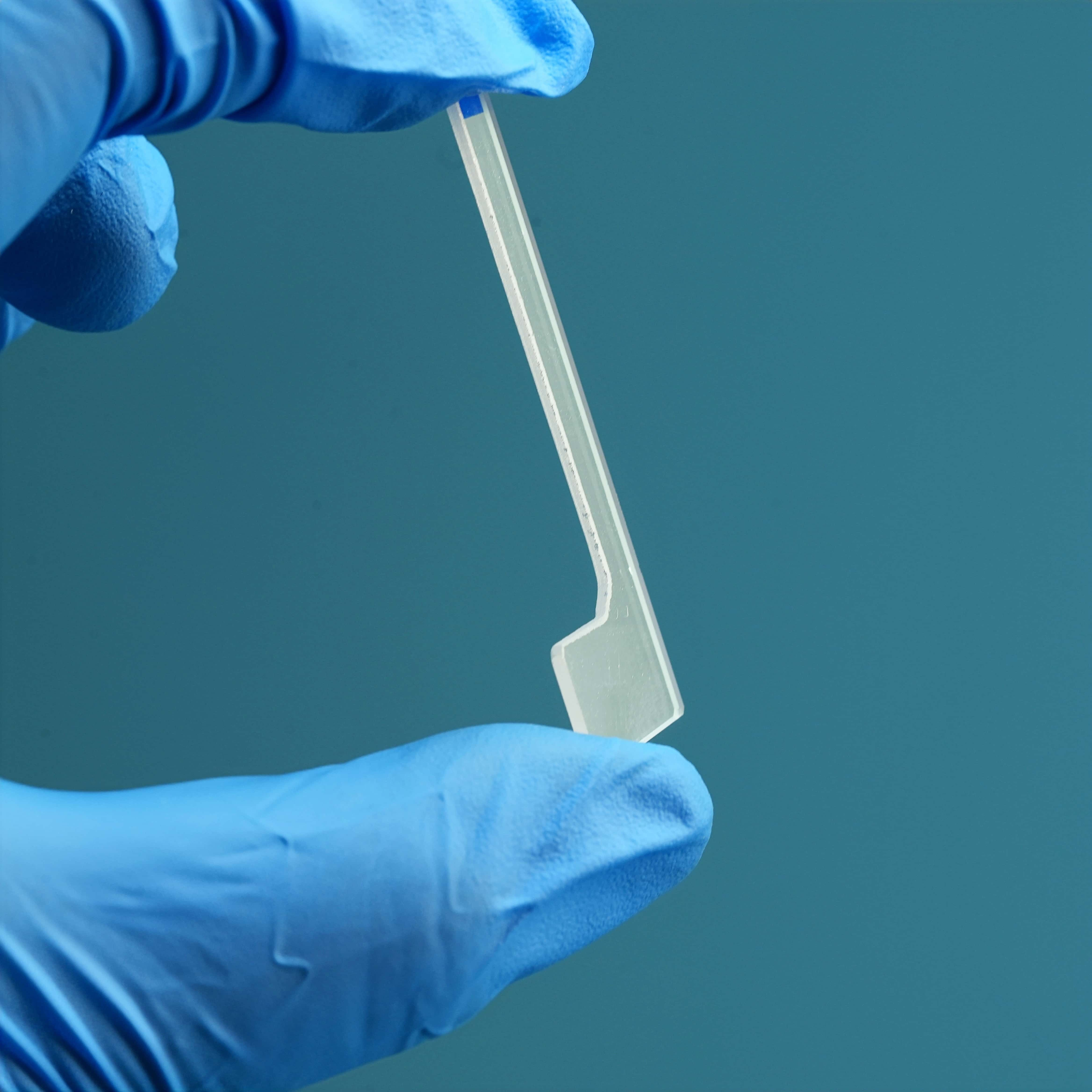
Anamorphic Prism Pair for Laser Beam Shaping Circularizing Elliptical Beams for Fiber Coupling Applications
Tokyo fit: photonics R&D, optical module assembly and fiber-coupling stations that need matched prism pairs and repeatable beam circularization.
- Pair matching by angle and transmission
- AR coating options for target wavelength
- Mounting-orientation marks by request

Manufacturer OEM Precision Grade BK7 K9 Optical Glass Aspherical Lens Anti-Reflective Coating Diameter 0.5-25mm MOQ 100 Pcs
Tokyo fit: compact imaging modules, LiDAR, endoscope illumination, laser focusing and machine-vision lenses where small diameter and centered optical surfaces are important.
- Small lens diameters from 0.5 mm to 25 mm
- AR coating and edge finishing
- Dimensional and visual inspection records

Factory Customized Size Shape Color Heat Resistant High Quality Borosilicate Glass Car Light Accessories Traditional Industrial
Tokyo fit: headlamp and signal-lamp glass accessories for automotive tiers, restoration brands and specialty vehicle lighting exposed to heat cycles.
- Shape, size and color customization
- Borosilicate heat resistance
- Pressed or machined options by volume

Wholesale OEM Shape Size Borosilicate Glass 175mm Diameter AR Coating Double Plano Convex Achromatic Fresnel Lens BO GLASS Stage
Tokyo fit: stage, studio and architectural lighting fixtures that require large-aperture Fresnel optics, controlled beam output and resistance to high-power LED heat.
- 175 mm diameter class
- AR coating and plano-convex forms
- Thermal-shock resistant borosilicate

Supplier Custom Size Shape Pressed Mold Heat Resistant High Borosilicate Headlight Glass Lens Cover Headlight Glass Cover
Tokyo fit: pressed-mold headlight covers for automotive aftermarket, specialty mobility and EV lighting prototypes that need tooling-based repeatability.
- Pressed-mold production route
- High borosilicate heat resistance
- Moldability review before tooling
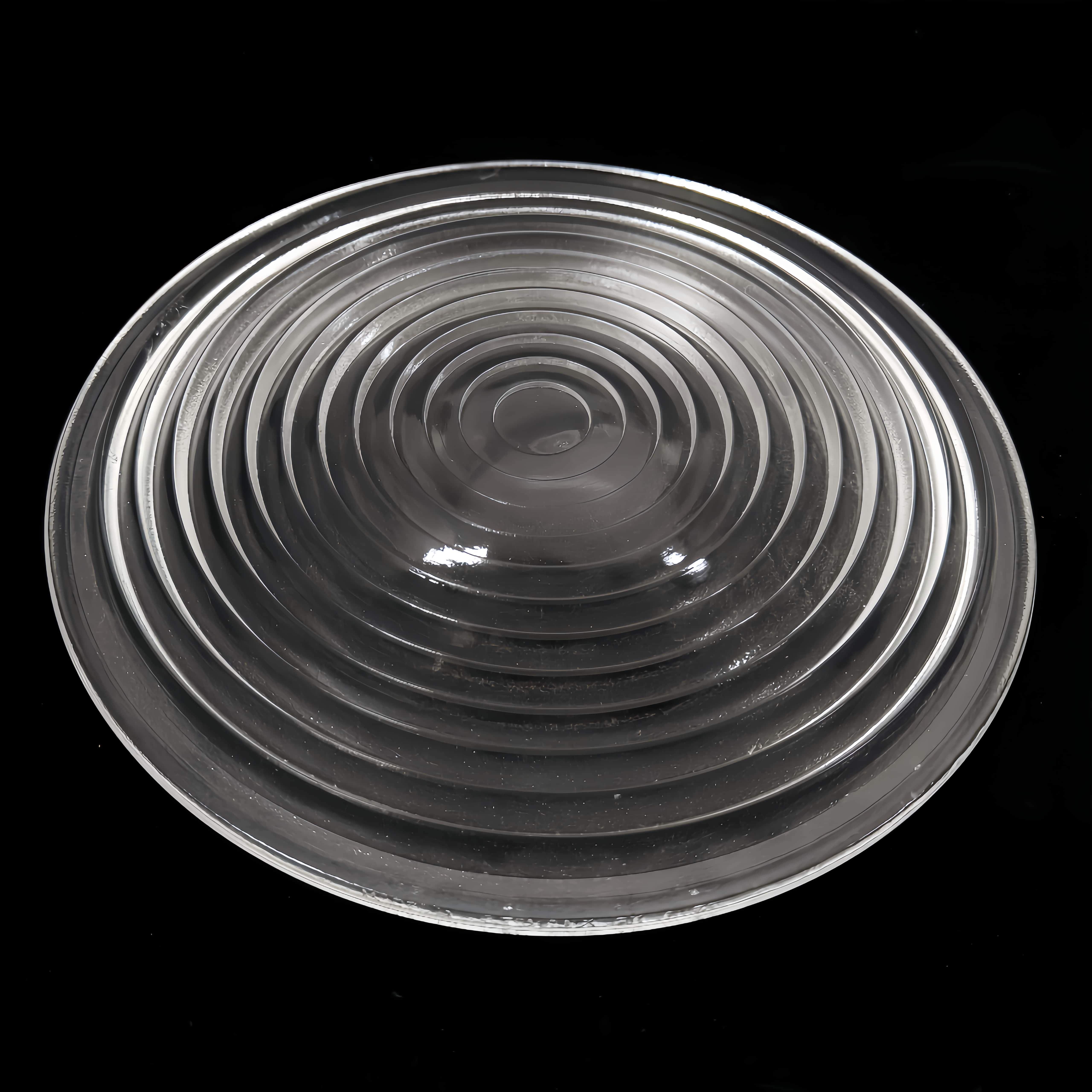
Precision Molded Borosilicate Glass Fresnel Lens Stage Lighting Anti-Reflective Coating FAA/ICAO Standards 175mm BO GLASS OEM
Tokyo fit: advanced lighting, airport-related signal fixtures and OEM optical assemblies where molded Fresnel geometry and coating consistency are specified.
- Precision molded Fresnel geometry
- AR coating for improved transmission
- Application-specific inspection plan
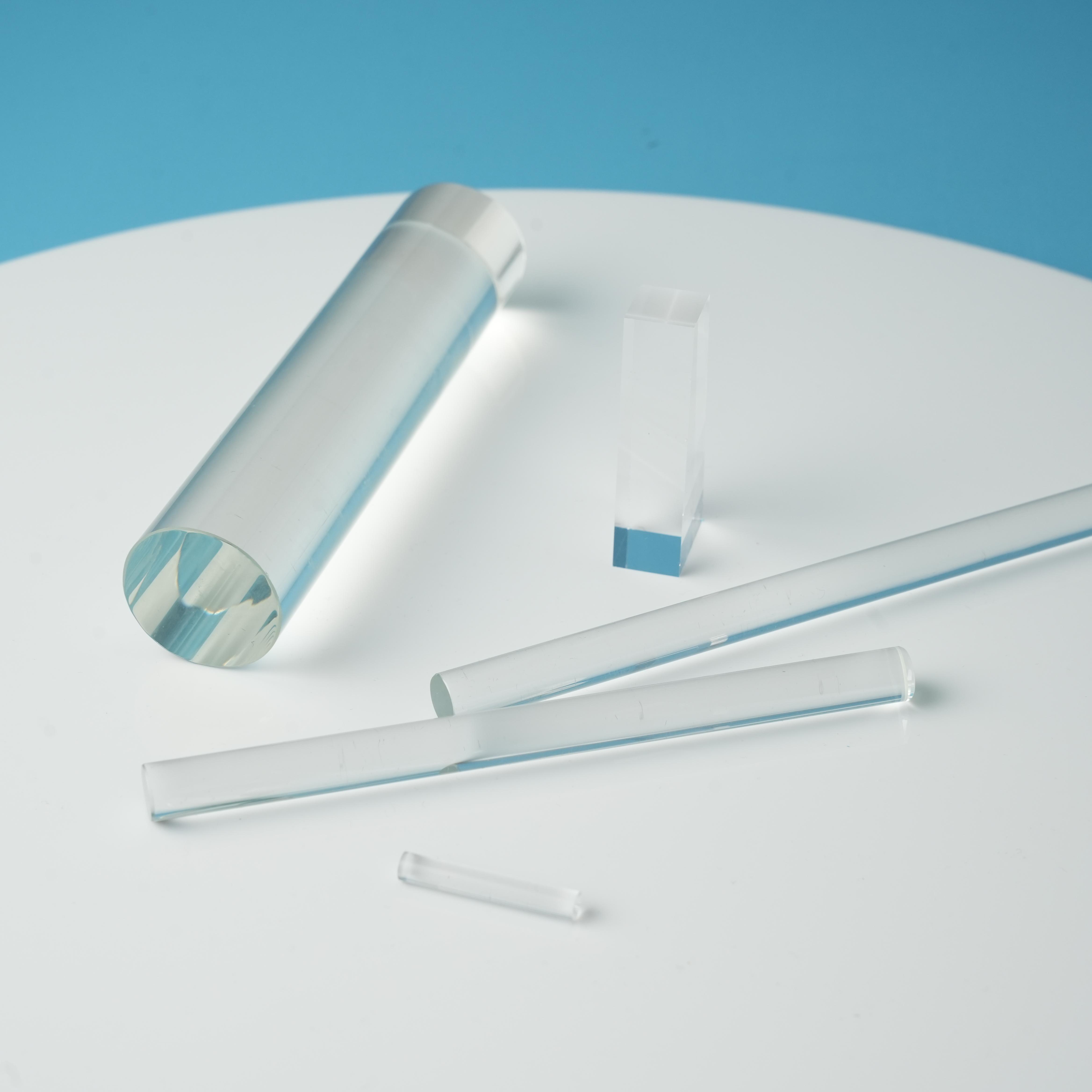
Factory Custom Shape Transparent High Borosilicate Temperature Resistant Optical Glass Light Guide Rod Rod Lens for Laboratory
Tokyo fit: laboratory instruments, photonics benches, medical analyzers and automation equipment that require custom rods, end finishing and controlled light transport.
- Custom diameter, length and end shape
- Borosilicate temperature resistance
- Clean packaging for laboratories
A Engineering-Led Alternative to Catalog-Only Glass Supply
Tokyo procurement teams rarely buy glass by image alone. They compare drawings, tolerances, material certificates, surface quality, coating durability, packaging and engineering response time. The advantage of a China wholesale CNC glass machining supplier is strongest when the supplier can translate a drawing into a stable process—not simply quote a stock item.
What Tokyo Buyers Should Clarify Before Sourcing CNC Glass Parts
In wholesale RFQs, “CNC glass machining” can describe diamond grinding, core drilling, edge chamfering, slot milling, plano polishing, asphere generation, laser marking and coating preparation. It does not automatically mean every complex 3D shape is cost-effective in glass. A strong supplier reviews the functional surface first: sealing face, optical clear aperture, cosmetic zone, coating area and cleaning compatibility.
Function Before Geometry
Tokyo engineering teams often separate mechanical mounting surfaces from optical clear apertures. That lets the supplier choose grinding, polishing and inspection methods without over-specifying the entire part.
Material Is a Risk Decision
Borosilicate 3.3 is valued for thermal-shock resistance, BK7/K9 for optical homogeneity, B270 for economical transmission and fused silica for high-temperature or UV-sensitive work. The best material depends on lamp heat, cleaning chemicals, impact risk and coating.
Documentation Is Part of the Product
For Tokyo programs, dimensional reports, material records, coating notes, inspection photos and packaging specifications reduce qualification friction between purchasing, engineering and incoming inspection.
Prototype-to-Volume Logic
Small optical lenses may start at 50 pieces; pressed or blown lighting covers often move in 100–500-piece planning windows. Sample approval should confirm fit, transmission, cosmetic limits and packing before mass production.
Coating Must Match the Wavelength
Anti-reflective, bandpass, longpass, color and protective coatings are not interchangeable. Tokyo photonics and imaging buyers should state wavelength range, incidence angle, transmission target and cleaning method.
Export Packing Protects Yield
Glass parts can pass inspection and still fail at incoming inspection if packing is weak. Divider trays, foam separation, reinforced cartons and palletization are especially important for mixed-SKU Tokyo shipments.
Where CNC-Machined Glass Creates Local Value
Tokyo’s industrial base combines precision manufacturing, photonics research, robotics, medical equipment, advanced lighting and automotive engineering. The same glass material may need a different finish and inspection plan in each environment.
Semiconductor & Metrology
Optical windows, spacers, prisms and light guide rods for inspection tools, cleanroom equipment and measurement fixtures where dimensional stability and clean packaging are critical.
Robotics & Machine Vision
Protective windows, aspherical lenses and custom light guides for vision-guided robots, automated inspection cells and collaborative automation cabinets.
Laser & Photonics R&D
Anamorphic prism pairs, AR-coated windows, beam-shaping optics and laboratory rods for Tokyo universities, photonics startups and optical module developers.
Automotive & EV Lighting
Heat-resistant borosilicate covers, headlight lens covers and car light accessories for specialty mobility, restoration programs and lighting-tier prototypes.
Medical & Lab Automation
Transparent sight windows, light guide rods and small lenses for analyzers, diagnostic instruments and laboratory automation modules that require clean handling.
Display, AR/VR & Imaging
High-transmission windows, prisms and custom ground glass parts for imaging benches, display inspection systems and optical prototyping.
Advanced Lighting & Stage
175 mm Fresnel lenses, molded borosilicate optics and AR-coated stage lighting glass designed for high-power LED heat and controlled beam distribution.
Aviation & Marine Signals
Glass domes, lenses and signal covers for airport-related fixtures, marine navigation lights and obstruction lighting where color stability and weather exposure matter.
Tokyo Sourcing Signals for the Next Procurement Cycle
The Tokyo market is not simply price-driven. Buyers increasingly ask for lower inventory risk, faster engineering feedback and traceable quality records while keeping multiple qualified supply routes.
High-Mix, Low-Volume
Prototype and small-series programs are growing in photonics, robotics and specialty lighting.
- Drawing review before quoting
- Sample quantities for fit and light tests
- Flexible labeling for multi-SKU shipments
Supply-Chain Diversification
Tokyo teams add qualified China suppliers alongside domestic and Southeast Asian sources.
- Clear process ownership
- Backup packing and shipping options
- Stable documentation package
Traceability First
Purchasing expects evidence, not only a sample photo, especially for optical and safety-related parts.
- Material and dimensional records
- Coating and cosmetic criteria
- Inspection photos before shipment
Logistics & Sustainability
Air-sea planning and recyclable protective packaging are becoming practical parts of supplier evaluation.
- Consolidated Tokyo shipments
- Foam or pulp divider options
- Custom export carton marking
Glass Selection Matrix for CNC and Optical Projects
Use this as an early planning reference, not as a final specification. Final material and process selection must be confirmed against the drawing, operating temperature, impact requirement, coating wavelength, cleaning agent and fixture certification responsibility.
| Material | Typical CNC or Optical Role | Thermal Expansion Reference | Finishing & Coating Options | Tokyo Application Fit |
|---|---|---|---|---|
| Borosilicate 3.3 | Machined covers, Fresnel lenses, light guide rods, heat-resistant windows | ≈ 3.3 × 10⁻⁶/K | Grinding, drilling, edge polishing, AR or color coating | High-power LED lighting, automotive lighting prototypes, laboratory glassware, stage optics |
| BK7 / K9 optical glass | Aspherical lenses, prisms, windows and precision optical components | ≈ 7.1 × 10⁻⁶/K | Fine grinding, polishing, AR coating, prism pairing | Machine vision, LiDAR, laser focusing, photonics R&D, imaging modules |
| B270 | Economical optical windows and protective covers | Moderate soda-lime family | Cutting, grinding, polishing, AR or protective coating | Inspection windows, display equipment, general optical covers |
| Fused silica | High-temperature windows, UV-transmitting optics, laser components | ≈ 0.55 × 10⁻⁶/K | Precision polishing, laser-grade surfaces, AR coating | Photonics labs, UV systems, high-temperature inspection, laser benches |
Planning note: for CNC-machined glass, tolerances, surface quality, edge chips and coating acceptance should be agreed on the drawing. The supplier can review manufacturability and propose inspection criteria, while fixture-level certification remains the responsibility of the luminaire or equipment manufacturer.

Shanghai Manufacturing Base, Tokyo-Facing Export Discipline
Shanghai Tambi Glass Industrial Co., Ltd. is a manufacturer and trading company focused on custom lighting glass and optical glass components. With more than a decade of experience, an 11–50 person team and annual export revenue in the US$2.5M–5M reference range, the company supports OEM buyers who need drawing-based production rather than anonymous stock sourcing.
The working model fits Tokyo procurement because it combines engineering review, sampling, forming, grinding, coating and export packing in one supply chain. Buyers can discuss borosilicate 3.3, tempered glass, fused quartz, BK7 and K9 options before tooling, then confirm samples against fit, light output, cosmetic limits and packing requirements.
- OEM / ODM drawing review
- Borosilicate, tempered, quartz, BK7
- AR and optical coating coordination
- Onsite-verified supplier records
- 6-hour average response target
- Export packing for fragile glass
E-E-A-T Signals for Tokyo Procurement Review
Supplier selection is not only a price comparison. It is an assessment of process experience, engineering communication, verification records and shipment reliability.
10+ Years in Lighting & Optical Glass
Experience with heat build-up behind high-power LEDs, thermal shock, impact loads, signal-light color and optical path alignment.
Manufacturer + Trading Capability
A combined model helps coordinate pressed, blown, ground and coated processes while keeping one commercial contact for export buyers.
Drawing-Based Engineering Review
Wall thickness, draft, sealing faces, clear aperture and coating zones are reviewed before molds or production plans are fixed.
Sample-First Approval
Samples can be checked for fit, transmission, color, cosmetics and packing. Mass production follows approved specifications, not assumptions.
Verification & Trade Records
Supplier assessment, credit index, transaction level, trade capacity and trade history pages help Tokyo buyers complete preliminary qualification.
Export-Ready Fragile Glass Packing
Foam or pulp dividers, reinforced cartons and palletization reduce breakage risk for air and sea shipments to Tokyo.
A Controlled Six-Step Workflow for Custom Glass Programs
Clear checkpoints reduce surprises between RFQ, sample approval and recurring export orders.
Drawing & DFM Review
Review 2D/3D files, material, tolerance, clear aperture, coating, cosmetic zone, annual volume and packing needs.
Material & Process Route
Select borosilicate, BK7/K9, B270 or fused silica and confirm pressing, blowing, grinding, drilling or polishing.
Tooling & Sampling
Use an existing mold where possible or develop tooling. Samples are measured and sent for fit and optical evaluation.
Forming & Annealing
Controlled forming, annealing or tempering helps relieve stress and support thermal-shock performance in the final fixture.
Coating & QC
AR, color or protective coating is coordinated with dimensional and visual inspection before export packing.
Tokyo Export Packing
Separate fragile parts, reinforce cartons, palletize for air or sea freight, and prepare labels or documentation as agreed.
Common Procurement Questions from Tokyo Teams
Can you machine optical glass to a Tokyo drawing and provide samples first?
Yes. Most projects are drawing-based. Send a 2D/3D drawing or physical sample with dimensions, tolerances, material, surface quality, coating, color, annual volume and packaging requirements. The engineering team reviews manufacturability, proposes a process route and confirms samples before mass production.
What is a realistic MOQ for CNC-machined glass and lighting glass covers?
Typical planning ranges are about 50 pieces for some optical lenses and 100–500 pieces for pressed or blown lighting covers, depending on whether an existing mold can be used. Sample quantities can be discussed for evaluation. Final MOQ depends on material, tooling, process yield and inspection level.
How should Tokyo buyers specify tolerances and surface quality?
Separate critical dimensions from general dimensions. Define clear aperture, sealing face, cosmetic zone, edge condition, coating area and allowed chips or scratches. If the drawing does not include these details, the supplier can propose a practical inspection plan for confirmation. A blanket tight tolerance on every surface usually increases cost without improving function.
Can you support AR coating, color coating and wavelength-specific requirements?
Anti-reflective, bandpass, longpass, color and protective coatings can be coordinated according to the application. Tokyo photonics and imaging buyers should provide wavelength range, incidence angle, transmission target, environmental exposure and cleaning method so the coating recommendation is technically grounded.
How are fragile glass parts packed for shipment to Tokyo?
Parts are separated by foam or pulp dividers, packed in reinforced export cartons and palletized for air or sea freight. Custom labels, barcode marking and distributor-specific packaging can be discussed. For mixed-SKU shipments, clear carton identification helps Tokyo receiving teams inspect cartons quickly.
How do you protect drawings and support supplier qualification?
Project drawings and technical files are handled on a need-to-know basis for engineering and production review. Supplier qualification can be supported with company profile information, verification pages, inspection records, samples and agreed documentation. For regulated fixtures, final fixture certification remains with the luminaire or equipment manufacturer, while the glass supplier matches dimensional, optical and inspection specifications.
Send Your Tokyo Drawing for a CNC Glass Feasibility Review
Share material, dimensions, tolerance, coating, annual volume, target shipping method and inspection expectations. The engineering team will review the drawing and advise on material route, sample plan, MOQ and export packing for Tokyo delivery.