Eight Stage Light Lens & Optical Glass Products for Phoenix Buyers
Phoenix projects rarely fit a single catalog part. The eight products below cover beam control, color filtering, sensor windows, light guide effects, outdoor protection and industrial lighting glass. Product images are shown complete and uncropped; each product link preserves the original URL. For custom dimensions, coatings or fixture matching, use the inquiry button and send your drawing with operating temperature and annual volume.
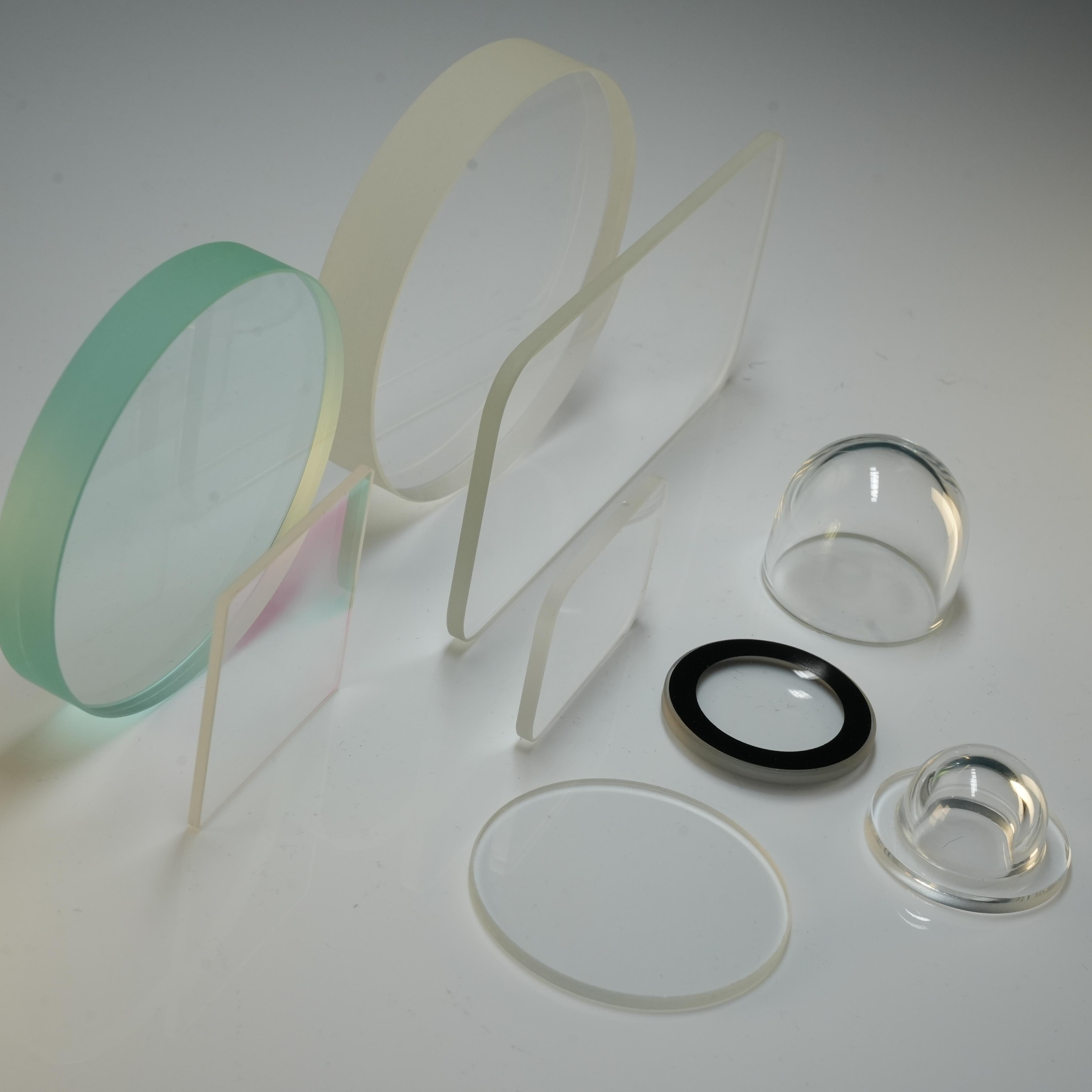
Precision Borosilicate UV Fused Silica Optical Window
A high-transmittance window for optical isolation, sensing modules and high-output stage fixtures where clarity and thermal stability matter.
- Borosilicate or fused silica options
- AR and UV coating support
- Drawing-based sealing faces

175mm Borosilicate Fresnel Lens with AR Coating
A large-format Fresnel lens for beam shaping, soft-edge wash fixtures and high-power LED stage luminaires exposed to concentrated heat.
- 175 mm diameter format
- Double plano convex design
- Borosilicate thermal performance
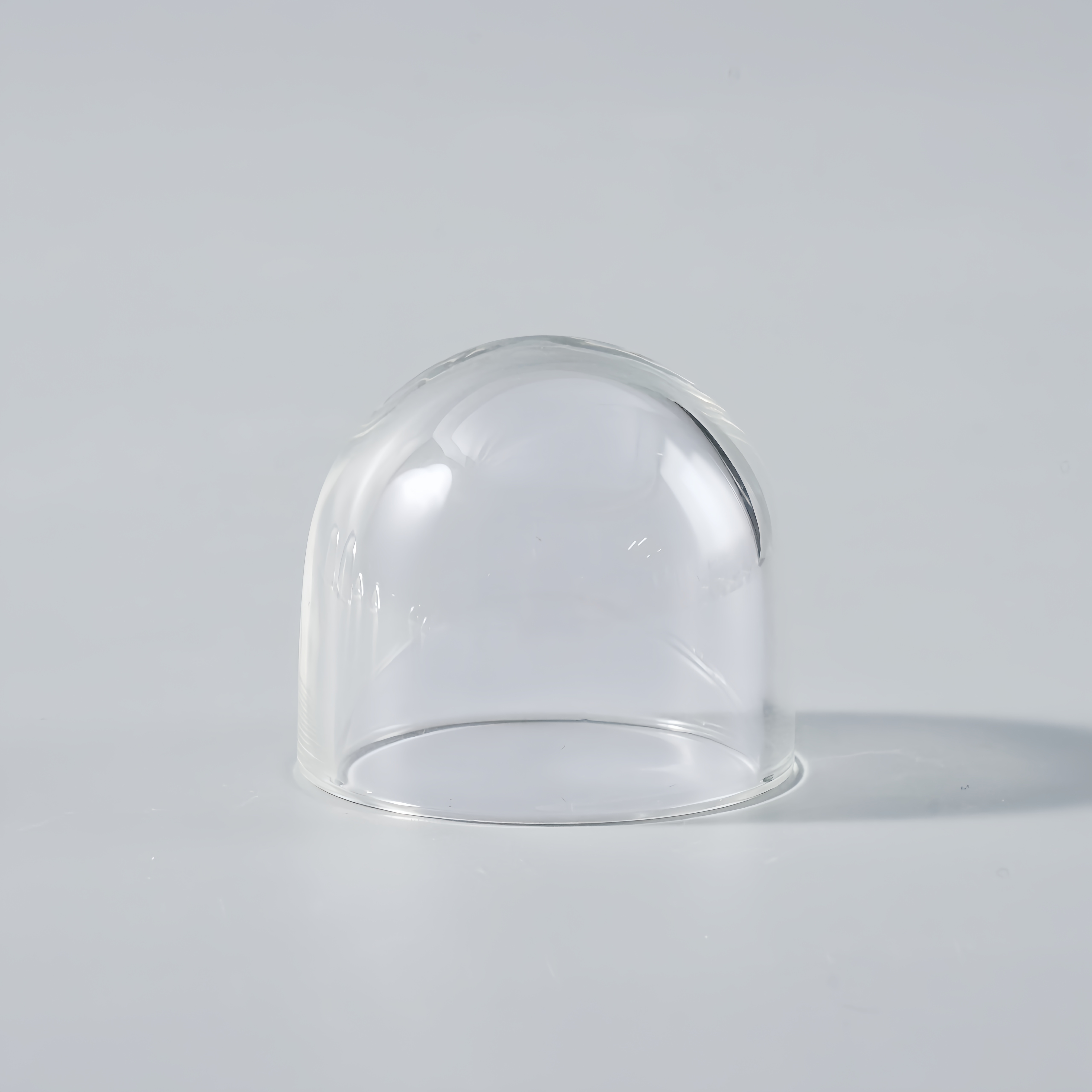
Broadband AR-Coated Hemispherical Glass Dome
A precision hemispherical window for LiDAR, scientific instruments and camera-assisted stage systems requiring broadband transmission.
- Broadband AR coating
- Hemispherical optical form
- Custom diameter and edge finish
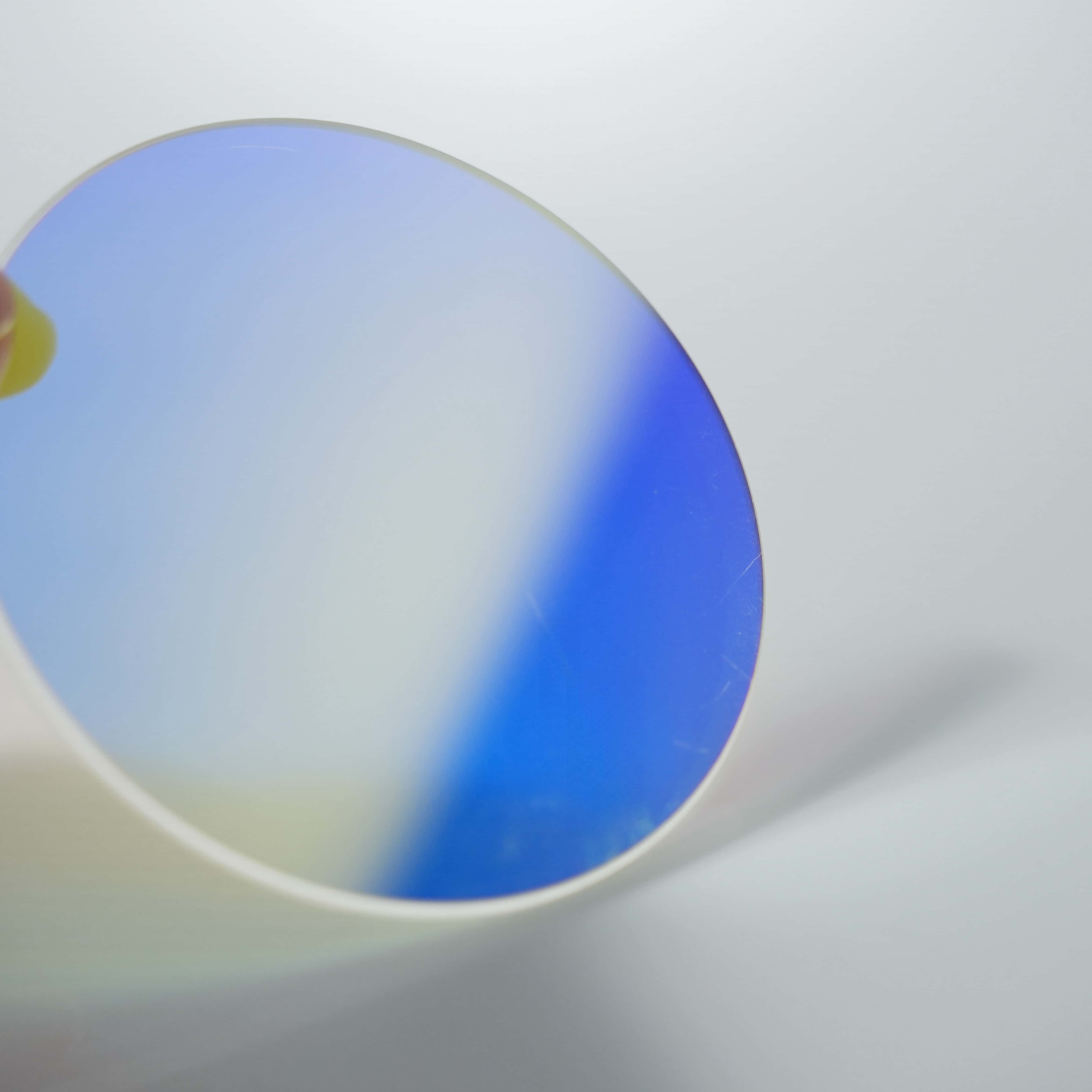
Borosilicate Longpass / Shortpass Optical Filter
Cut-edge filters for color separation, sensor protection and effects channels where wavelength control and coating consistency are critical.
- 500 nm, 600 nm, 700 nm formats
- AR coating options
- Industrial sensor compatibility
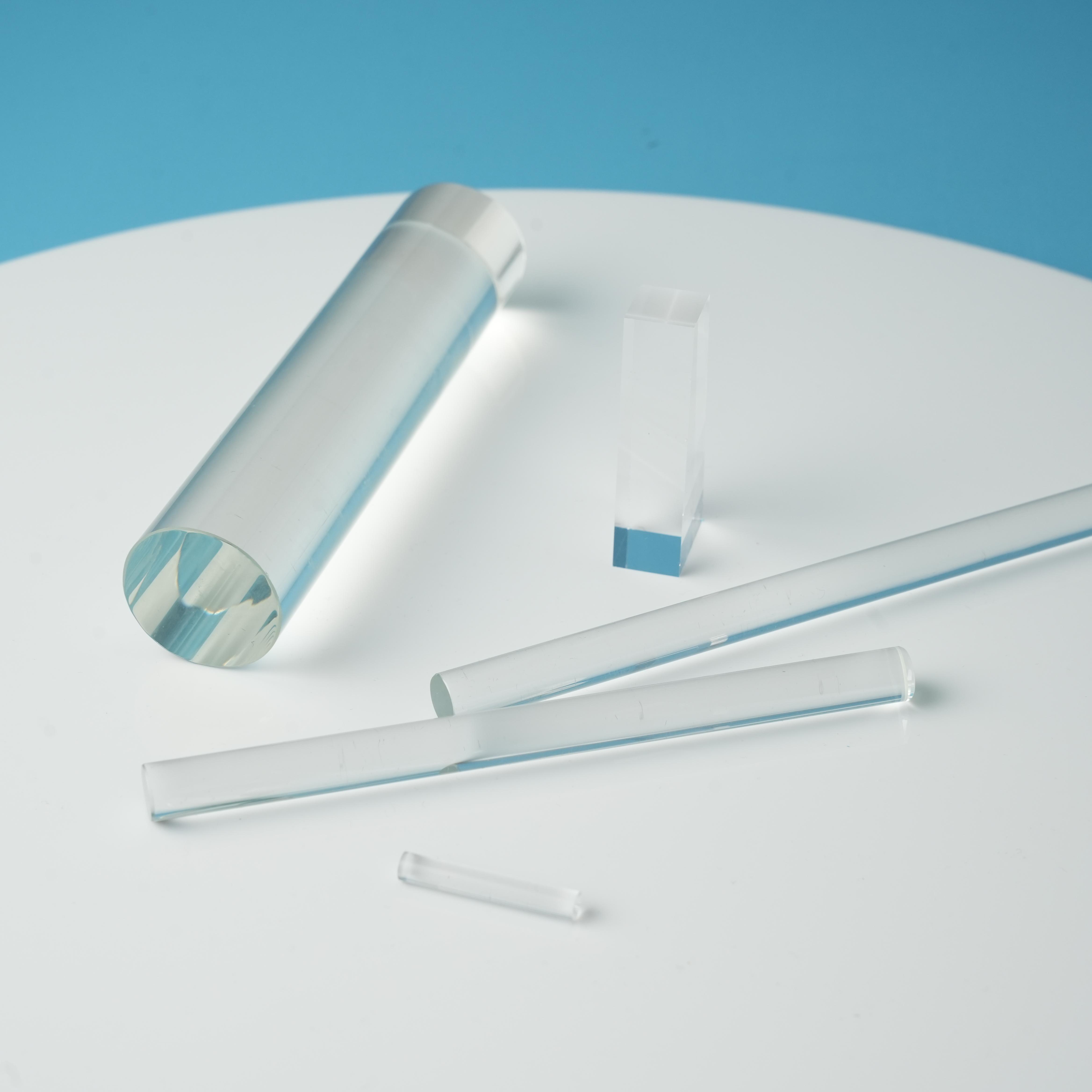
Custom Borosilicate Optical Glass Light Guide Rod
A temperature-resistant rod lens and light guide for linear effects, laboratory fixtures, sensing paths and architectural lighting details.
- Custom shape and length
- High borosilicate temperature resistance
- Polished or fire-polished ends
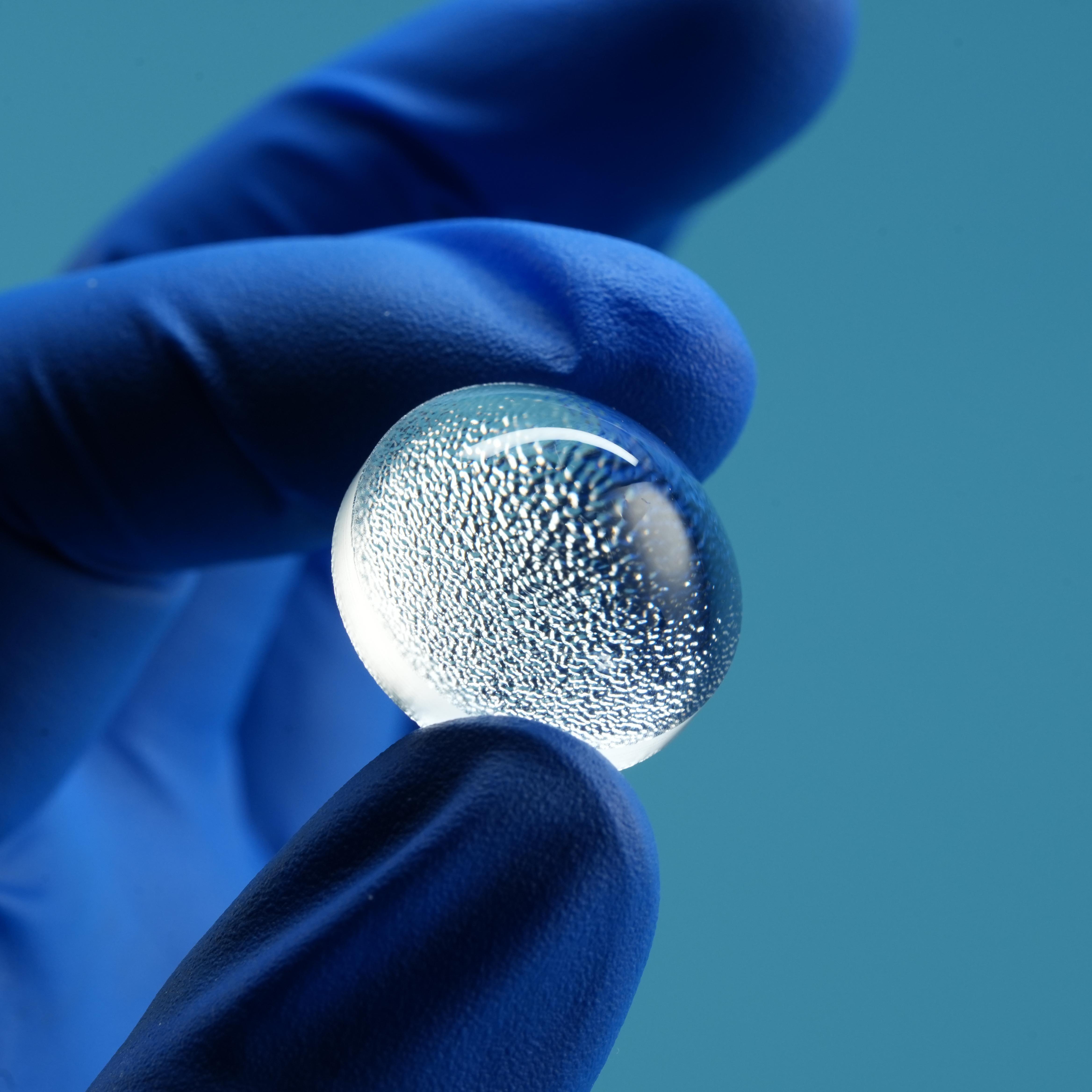
Custom BK7 Spherical and Half-Ball Lens
Precision BK7 lens elements for beam shaping, projection pathways and fixture prototypes where optical homogeneity is essential.
- 1–200 mm custom ranges
- Concave, biconvex and half-ball forms
- Anti-reflective coating support
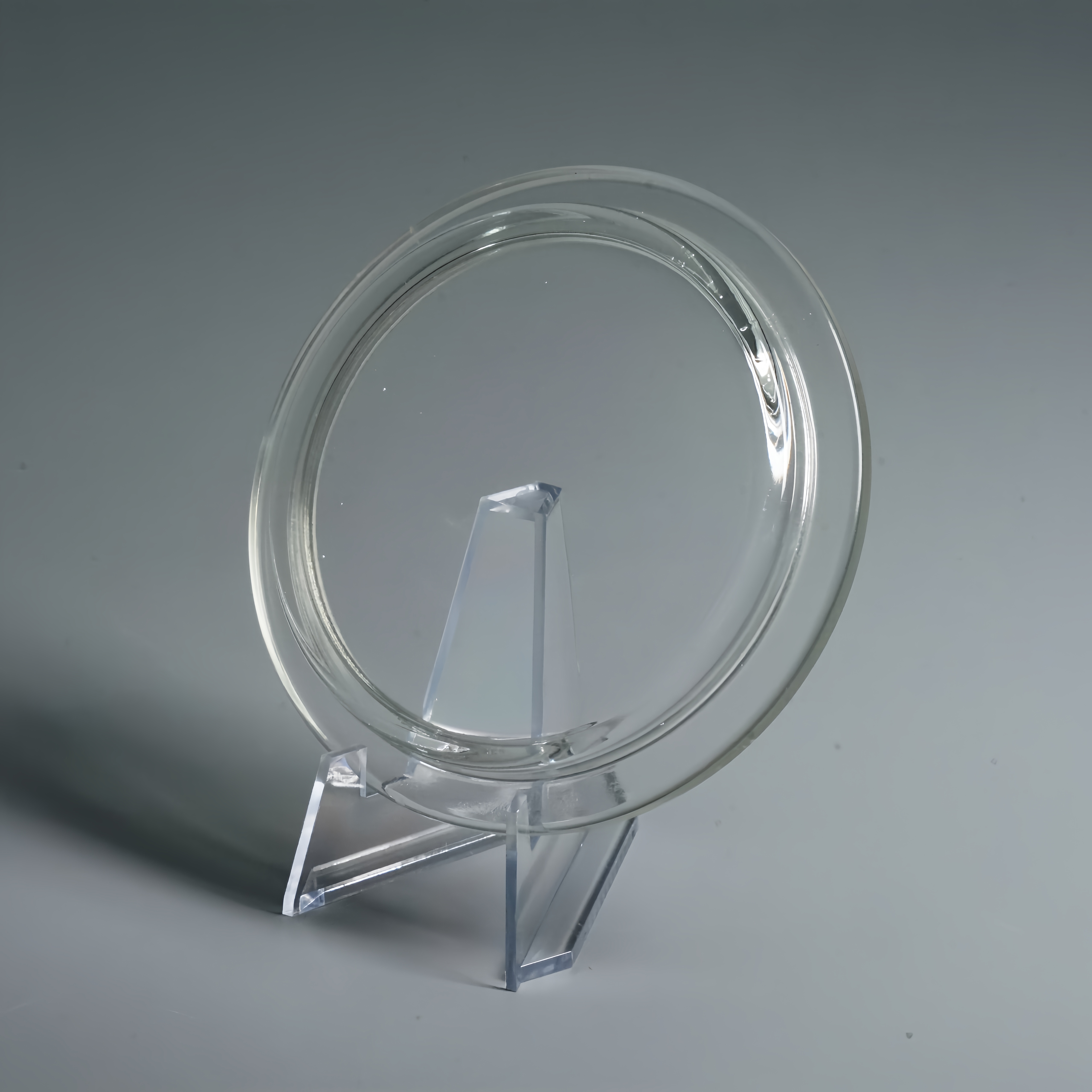
Custom Waterproof Outdoor Stage Glass Lampshade
A decorative and protective glass shade for resort lighting, outdoor stages and hospitality fixtures exposed to dust, UV and monsoon rain.
- Waterproof fixture integration
- Impact-resistant construction
- Silk-printing and color options
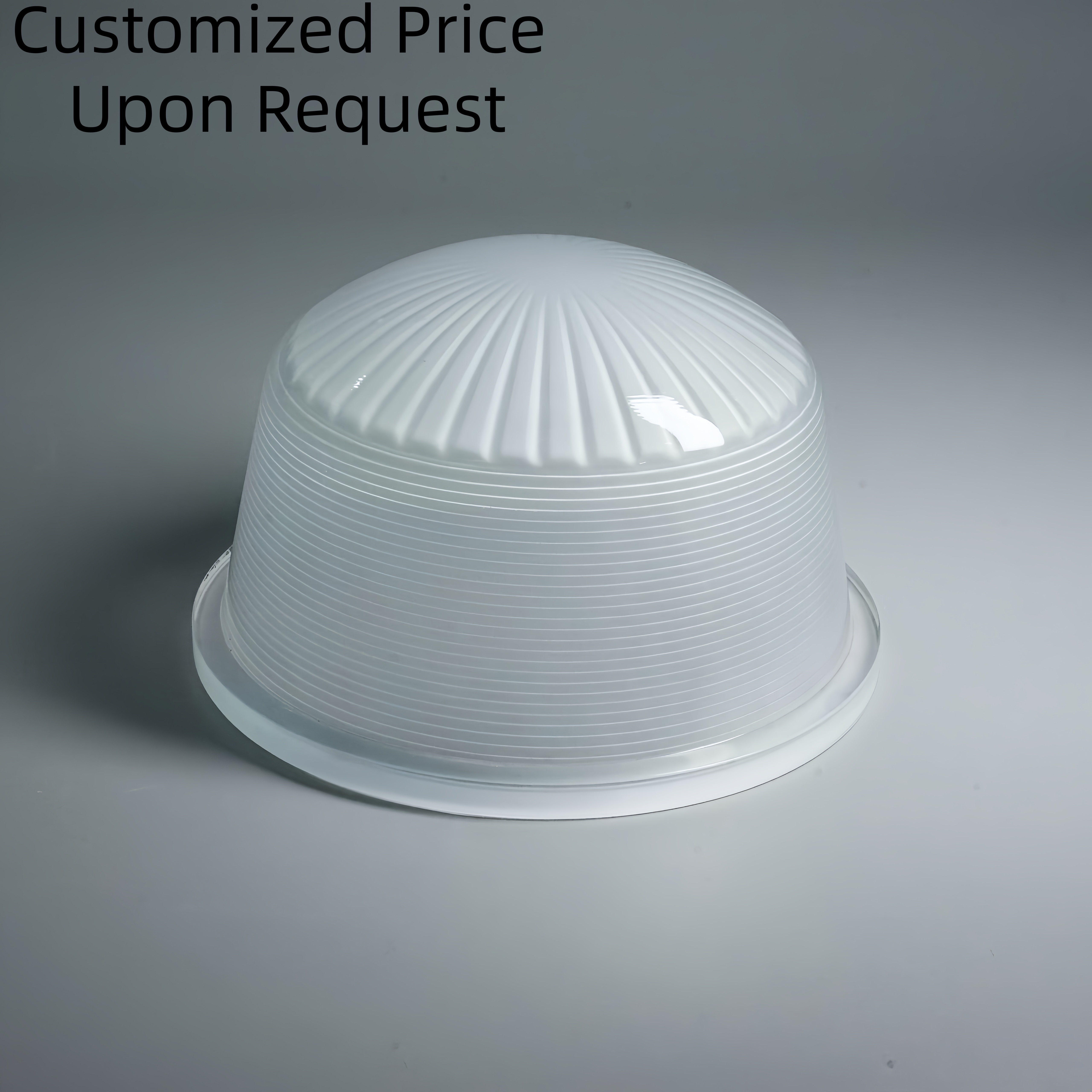
High-Transmittance Explosion-proof Glass Shade
A robust glass shade for industrial workshop lighting, temporary production structures and hazardous-area fixtures needing heat and impact resistance.
- High light transmittance
- Thermal-shock resistant glass
- Custom wall thickness and sealing face
Why Stage Light Glass Has to Work Harder in Phoenix
Phoenix is not a mild-climate lighting market. Venues, rental houses and production teams work with intense sun, summer ambient temperatures that routinely exceed 40°C, dust events and monsoon-season rain. A stage light lens may sit behind a high-output LED engine for a full show night, then travel in a road case, then face an outdoor load-in at a resort or amphitheater. The glass has to do more than transmit light. It must keep its shape, coating and sealing face through thermal cycling.
For procurement teams, the lowest unit price can become the most expensive choice when a lens cracks, shifts color or fails to fit a fixture already owned by a Phoenix rental house. Our approach is to review the fixture model, surface temperature, gasket interface, beam target and transit conditions before quoting material and coating. That is the practical difference between buying a glass part and buying a reliable stage lighting component.
This guide is prepared from drawing-based OEM experience in borosilicate 3.3, tempered soda-lime glass, fused quartz, optical BK7, pressed and blown covers, AR coatings and export packing. It is written for Phoenix lighting OEMs, integrators, venue technical directors and purchasing teams who need a defensible specification, not a generic catalog claim.
Typical Phoenix specification priorities
Indicative project priorities only; final specifications are confirmed against your drawing and fixture validation.
Stage Light Lens Applications in Phoenix and the Valley
Phoenix lighting projects combine indoor spectacle with outdoor durability. These six application clusters shape most custom glass requests we receive from the region.
Arenas & Touring Productions
Fresnel lenses, AR-coated windows and replaceable glass elements for rental fixtures that move between downtown Phoenix, Glendale, Tempe and Mesa.
Resort & Hospitality Lighting
Outdoor stage glass lampshades and decorative covers for Scottsdale, Paradise Valley and resort properties that face UV, pool chemicals and dust.
Outdoor Amphitheaters
Fixtures for festival stages and amphitheater rigs need thermal-shock resistance plus sealed glass interfaces for monsoon rain and blowing dust.
Houses of Worship & Broadcast
Color-critical lens and filter glass for camera-facing environments, studios and live-stream stages where output consistency reduces post-production work.
Clubs & Architectural Effects
Light guide rods, prisms, filters and shaped glass for nightlife, venue branding and architectural lighting details that require repeatable visual effects.
Industrial & Hazardous Areas
Explosion-proof glass shades and industrial covers for workshops, temporary production structures and hazardous-area fixtures used in the Valley.
Four Phoenix Lighting Trends Driving Glass Specifications
The Valley’s entertainment, hospitality and production sectors are pushing fixture designs toward higher output, faster retrofit and more outdoor resilience.
High-Output LED Thermal Load
Compact LED engines concentrate heat behind smaller lenses. Borosilicate 3.3, controlled annealing and coating durability are becoming specification points rather than premium options.
Retrofit and Drop-In Replacement
Rental houses and venues want to upgrade light engines without replacing every housing. Glass dimensions, sealing faces and optical centerlines must match the existing fixture.
Outdoor and Dust-Resilient Design
Resort stages, patios and amphitheater rigs need glass that survives UV exposure, cleaning agents, dust and sudden rain without losing transmission or fit.
Camera-First Color Fidelity
Broadcast, streaming and corporate production teams care about transmission curves, AR reflections and batch-to-batch color consistency, not just brightness.
Material Selection for Hot, Dusty and Outdoor Stage Lighting
Use this comparison as an early technical filter. Final material and coating selection should be confirmed against your drawing, lamp surface temperature, impact requirement and fixture certification.
| Material | Thermal expansion | Typical working temperature | Key strength | Phoenix stage lighting fit |
|---|---|---|---|---|
| Borosilicate 3.3 | ≈3.3 × 10⁻⁶/K | ≈450°C | Excellent thermal-shock resistance | High-power Fresnel lenses, LED windows, explosion-proof shades and outdoor fixtures |
| Tempered soda-lime | ≈9.0 × 10⁻⁶/K | ≈250°C | High impact strength and lower cost | Impact-resistant covers, decorative outdoor shades and moderate-temperature fixtures |
| Fused quartz | ≈0.55 × 10⁻⁶/K | ≈1000°C+ | UV transmission and extreme heat tolerance | UV optics, high-temperature windows and specialized sensing components |
| Optical BK7 | ≈7.1 × 10⁻⁶/K | ≈300°C | Homogeneous optical properties | Precision lenses, prisms, projection optics and camera-facing elements |
Reference values are typical and project-dependent. They do not replace fixture-level validation, safety certification or final drawing approval.
Intense LED heat
Specify borosilicate 3.3, controlled annealing, edge finishing and an AR coating that matches the LED spectrum.
Dust and monsoon rain
Define the gasket seating face, chamfer, flatness and protective packaging. The glass is only one part of an IP-rated assembly.
Rental transit
Use protected edges, foam dividers and batch-marked packaging so replacement lenses can be installed without rework.
Camera color
Control transmission, coating reflection and color batch consistency for broadcast, streaming and film-facing fixtures.



Why Phoenix Buyers Shortlist Shanghai Tambi Glass
Shanghai Tambi Glass Industrial Co., Ltd. supplies custom glass components to lighting and optical OEMs worldwide. For more than a decade, we have focused on how glass performs inside a real luminaire: heat build-up behind high-power LEDs, thermal shock from rain on hot covers, impact loads in hazardous areas and color consistency for signal and stage lighting.
Our engineering team reviews every drawing for wall thickness, draft, sealing faces and optical path alignment before tooling starts. We support pressed, blown, ground and coated processes through a coordinated supply chain, and we work with buyers in North America, Europe and Japan.
Drawing-Based OEM / ODM
Send a 2D/3D drawing or physical sample with tolerance, material, color and coating requirements.
Material Breadth
Borosilicate 3.3, tempered glass, fused quartz, BK7 and other specified optical materials.
Coating & Finishing
AR coatings, color filtering, edge finishing, silk printing and inspection matched to fixture needs.
Verified Supplier Records
Onsite-verified premises, credit index, transaction level, trade capacity and buyer feedback available.
Fast Technical Response
Average response time within 6 hours for drawings, annual volume and Phoenix delivery questions.
Export Packing & Logistics
Foam or pulp dividers, reinforced cartons and palletization for air or sea freight to Phoenix.
A Controlled OEM Process for Stage Light Lens Projects
Clear checkpoints reduce surprises between sample approval and mass production, especially when a Phoenix fixture must match an existing housing or light engine.
Drawing Review
Check thickness, draft, tolerance, optical centerline and sealing face before quoting.
Mold & Tooling
Select new or existing molds for pressing, blowing, grinding or forming.
Sampling
Measure samples and send them for your fit test, light test and field evaluation.
Forming & Annealing
Control forming and annealing or tempering to reduce internal stress.
Coating & QC
Apply AR or color coating, then inspect dimensions, appearance and transmission targets.
Export Packing
Separate parts with dividers, pack in reinforced cartons and palletize for freight.
Local Procurement Questions from Phoenix Lighting Teams
Practical answers for rental houses, venue operators, integrators and OEM buyers comparing Chinese glass suppliers.
Do you have a Phoenix warehouse or local stock?
No. Production is based in Shanghai. We ship to Phoenix by air or sea and coordinate with your freight forwarder. We do not claim local Phoenix stock unless it is stated in writing in the quotation.
What shipping terms and lead times apply to Phoenix?
We quote EXW, FOB, CIF or air freight options depending on the project. Samples commonly take about 7–15 days after drawing approval; production timing depends on mold status, quantity and coating requirements. Door delivery to Phoenix can be arranged with your forwarder.
Can you manufacture to our own drawing for an existing fixture?
Yes. Most orders are drawing-based. Send a 2D/3D drawing or a physical sample with dimensions, tolerance, glass type, color, coating and gasket interface. We review manufacturability and propose sample steps before mass production.
What is the typical minimum order quantity?
Typical MOQs range from about 50 pieces for optical lenses to 100–500 pieces for pressed or blown lighting covers, depending on whether an existing mold can be used. Sample quantities are available for evaluation.
How do you approach thermal-shock risk in desert conditions?
We select material based on surface temperature and temperature-change profile, control annealing or tempering, and inspect for edge defects that can trigger cracking. Project-specific thermal cycling can be discussed. Final fixture safety and certification remain with the luminaire manufacturer.
Can you match our color, transmission and AR coating?
Yes. Provide a sample, transmission curve, target color or coating specification. We can review borosilicate, BK7 or other glass options and propose AR, longpass or shortpass coating routes for your stage or sensor application.
What documentation supports customs and quality review?
We can provide commercial invoices, packing lists, material reports, dimensional inspection records and coating data as agreed. Import duties, customs clearance and local Phoenix delivery terms should be confirmed with your broker before ordering.
Do you supply glass for FAA L-810 or EN 50293 fixtures?
We produce glass lenses and domes for fixture makers whose obstruction and signal lights are designed to FAA L-810 or EN 50293 requirements. The luminaire certification is held by the fixture manufacturer; we match color, transmission and dimensional specifications and can provide material and inspection reports on request.
Send Your Stage Light Lens Drawing for a Technical Review
Share the fixture model, dimensions, glass type, operating temperature, coating target, annual volume and destination in Phoenix. Our engineers will review manufacturability, suggest material and coating options, and outline the sample-to-production path.
info@tambiglass.com