China Top Precision Optics Factories & Suppliers for the Toronto Market
A buyer-focused white paper for Toronto aviation, marine, transit, stage, LiDAR and sensor teams comparing borosilicate lenses, optical windows, signal-light glass, Fresnel optics, reflector bowls and coated filters from China.
Eight Factory-Direct Optical Glass Products for Toronto OEM Programs
The Toronto market is unusually diverse: airport and waterfront infrastructure, transit, film and stage production, LiDAR and robotics, horticulture, and cold-climate architectural lighting all create different optical requirements. These eight products are practical starting points for buyers in Ontario because each can be customized by drawing, coating, color, dimension and packing specification.
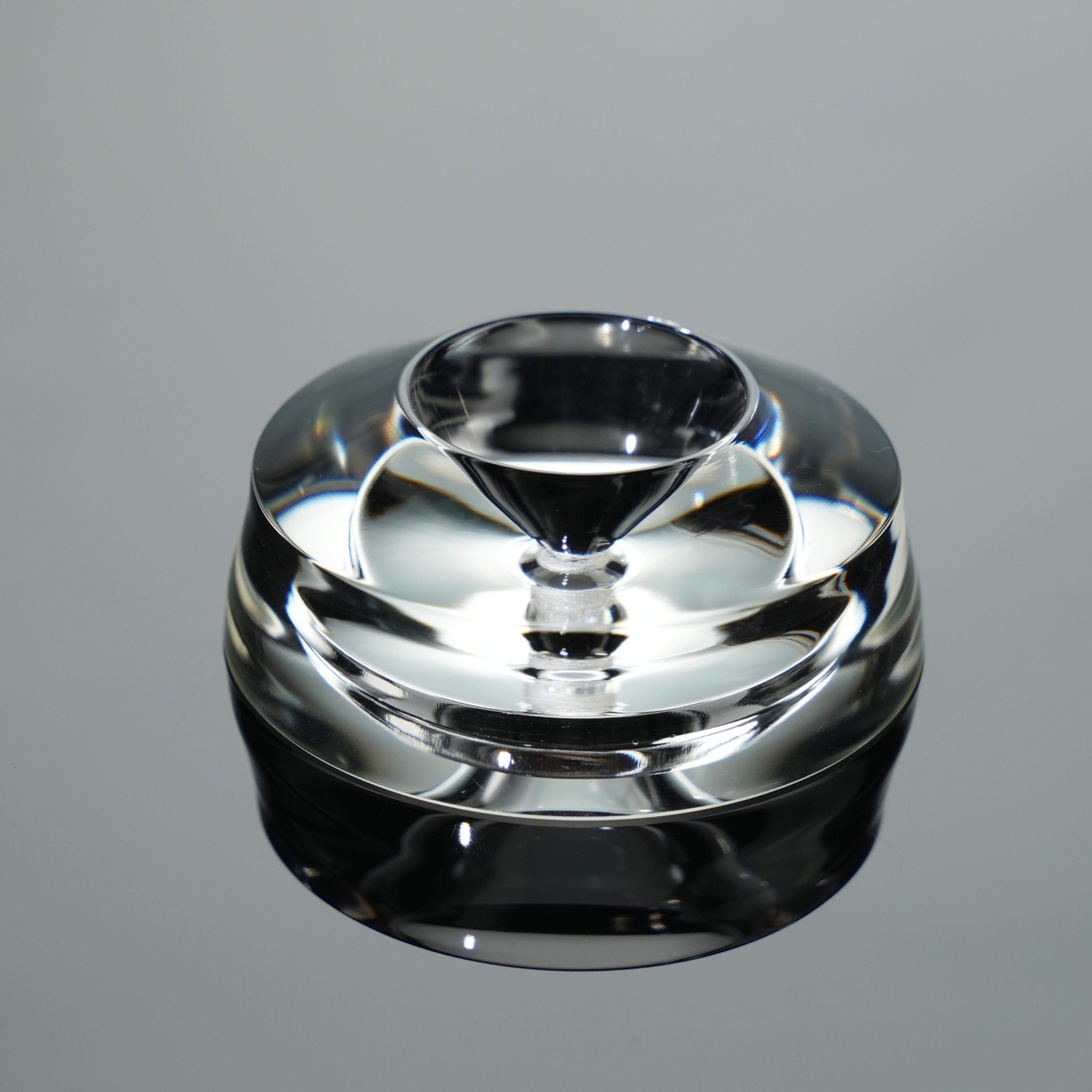
FAA Compliant Borosilicate Heat Resistant Glass Lens for Runway In-Pavement Taxiway Lights
- For IP68 in-pavement fixtures exposed to lamp heat, rain and winter maintenance.
- Thermal-shock resistance supports Toronto freeze-thaw cycles.
- Review diameter, sealing face, transmission and color target.
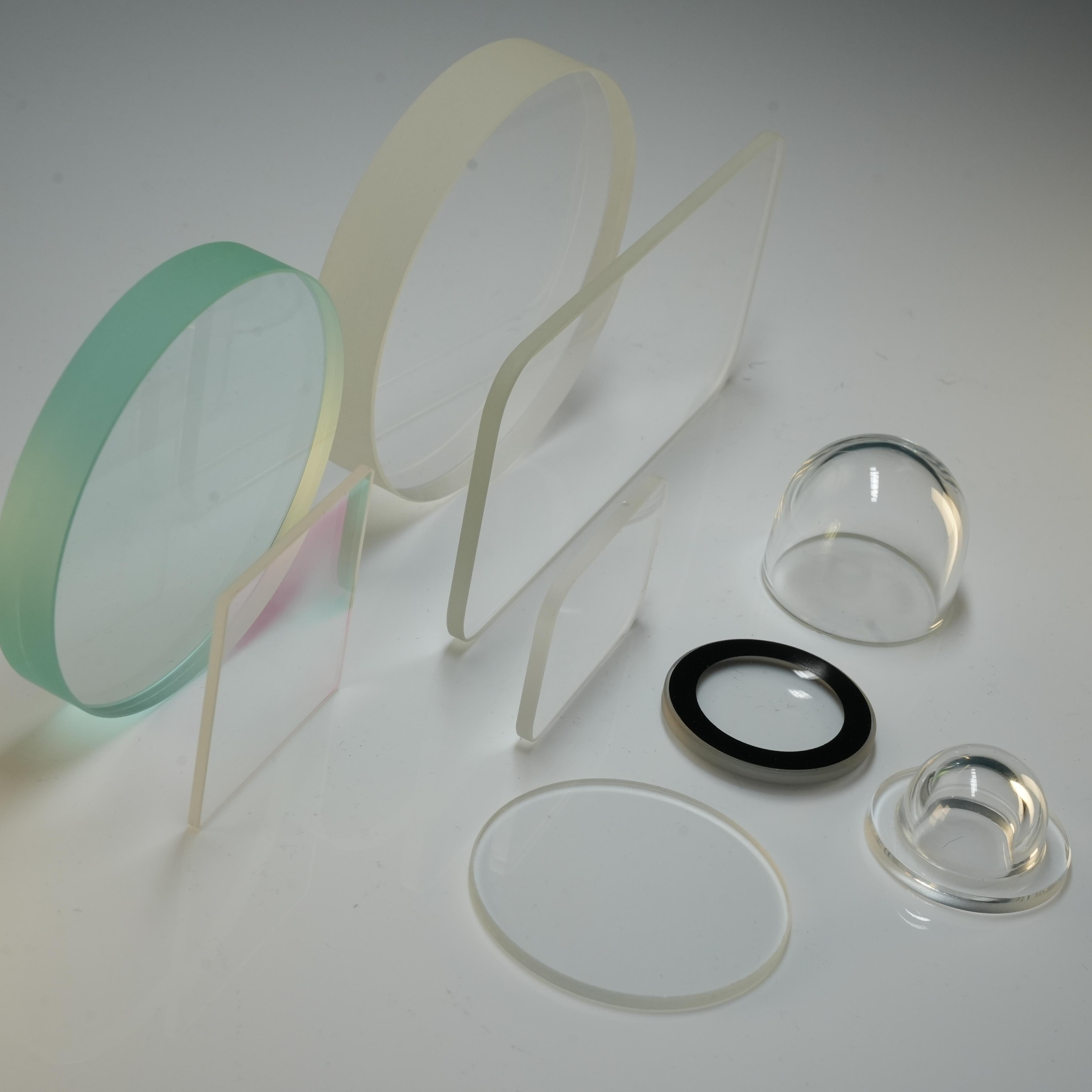
Manufacturer OEM Transparent High Quality Precision Borosilicate UV Fused Silica Coated Glass Optical Window
- High transmittance window platform for sensors and inspection systems.
- Useful for Toronto robotics, machine vision and environmental monitoring.
- Borosilicate, fused silica and coating options on request.
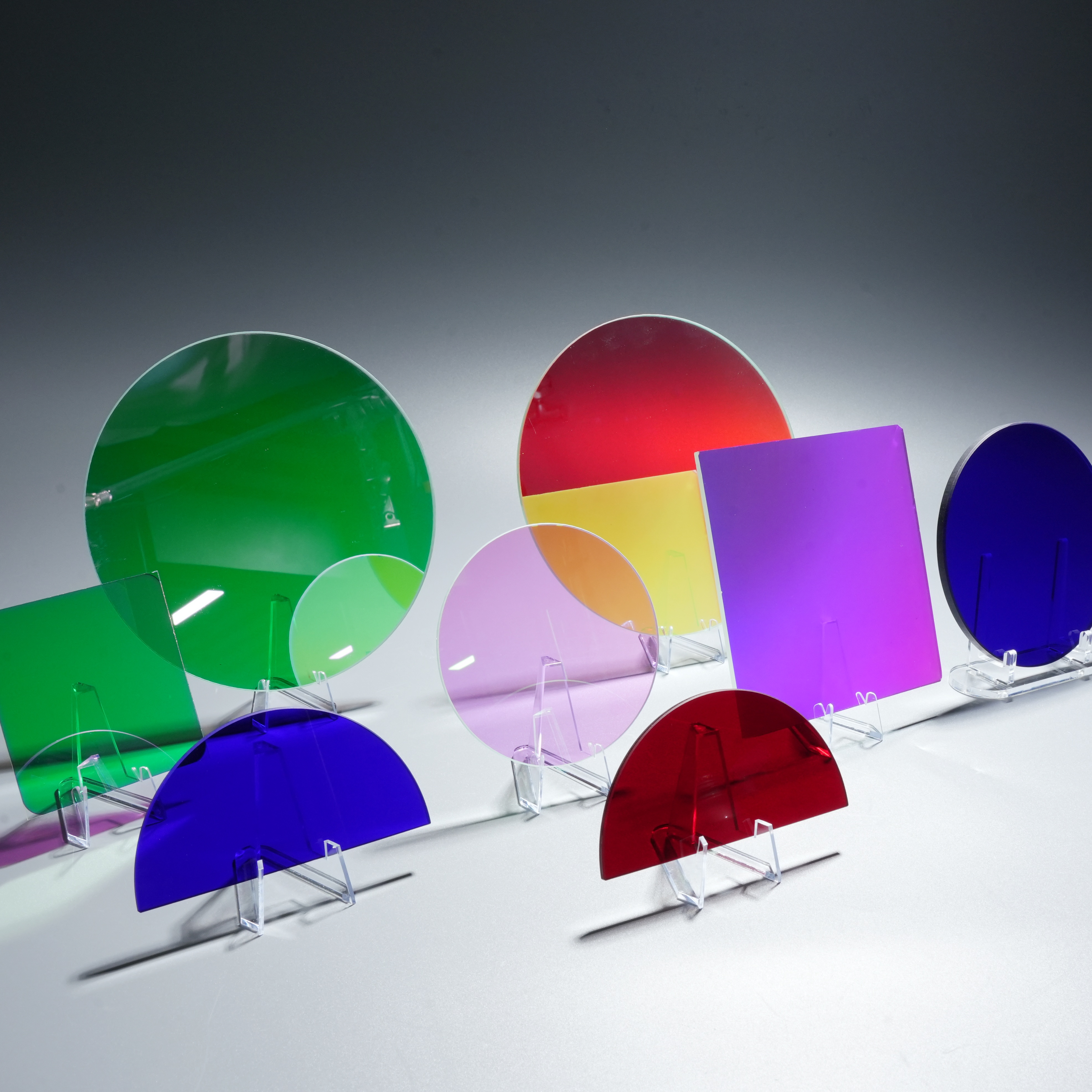
BO-GLASS BO-AH242 590 nm 49 mm Coated UV Borosilicate Bandpass Longpass Optical Filter
- Custom bandpass and longpass filter platform for sensing and spectroscopy.
- Supports Ontario sensor developers needing wavelength control.
- Discuss cut-edge, diameter, AR coating and transmission curve.
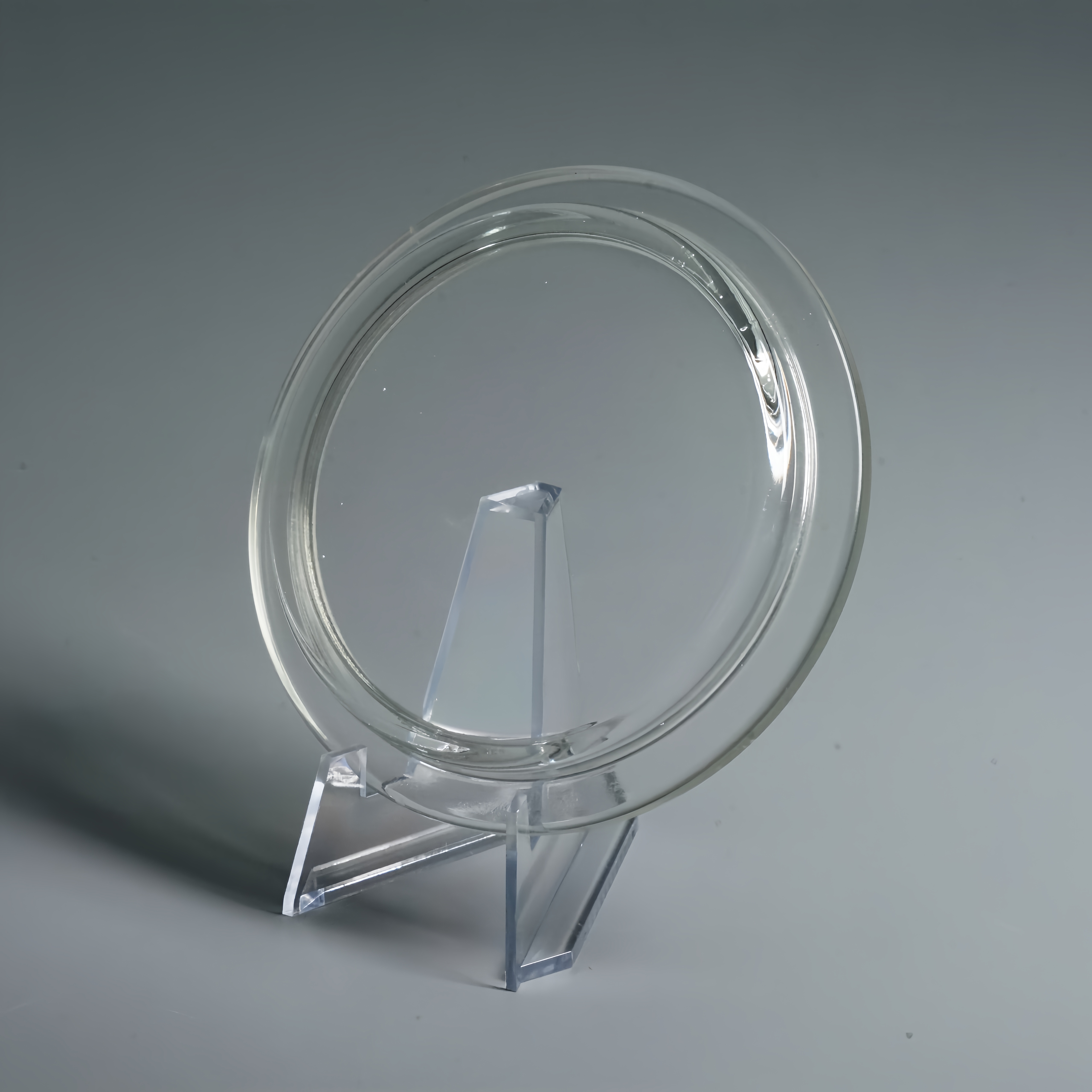
Custom Size Coastal Victorian Outdoor Stage Glass Lampshade Factory Waterproof
- Waterproof, high-temperature and impact-resistant shade options.
- Fits Toronto waterfront hospitality, heritage streetscape and stage lighting.
- Silk-printable surfaces and custom shapes available.
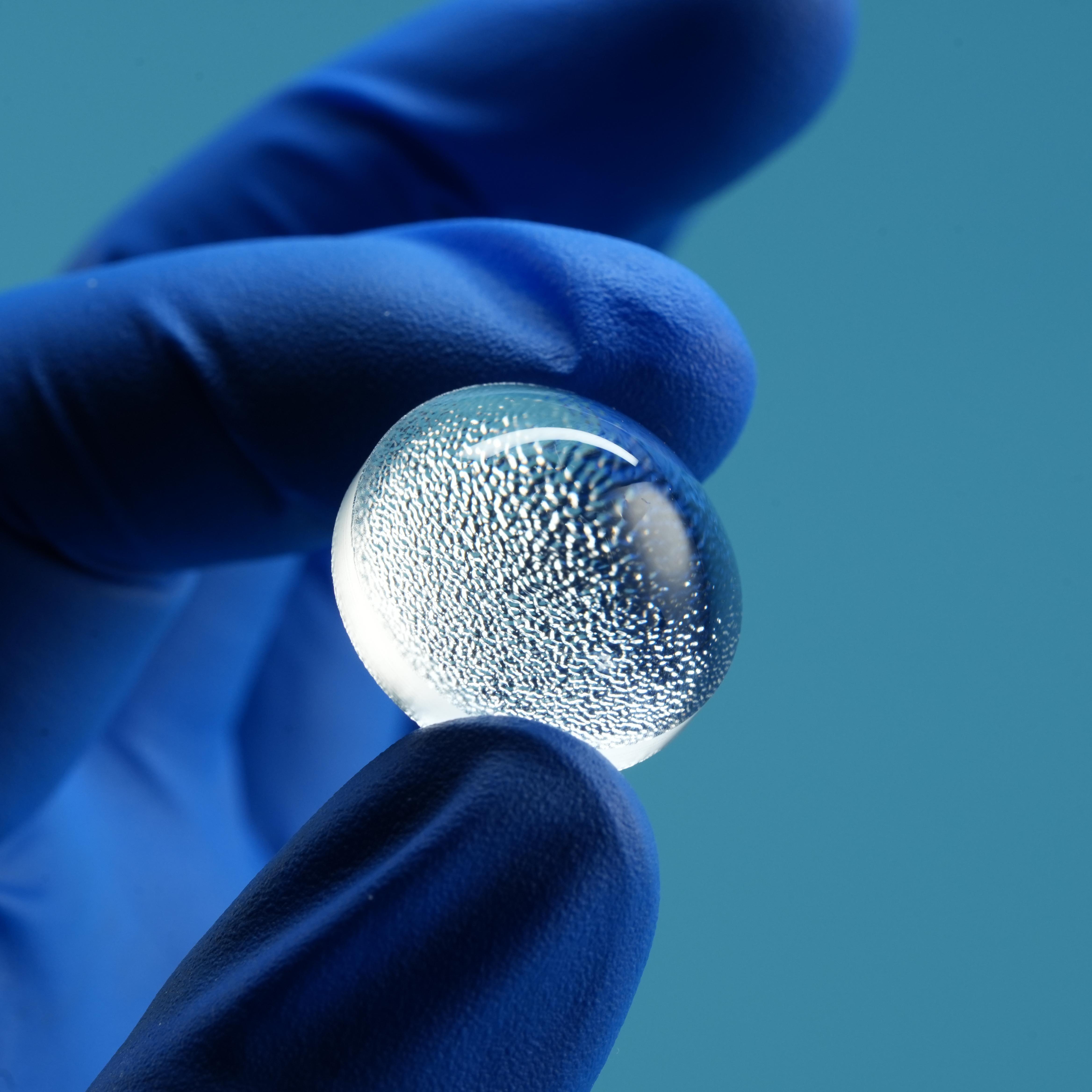
Factory Price Custom Precision Optical 1–200 mm BK7 Spherical Quartz Glass Half Ball Concave/Biconvex Lens
- Spherical, half-ball, concave and biconvex lens configurations.
- Anti-reflective coating for imaging, laser and research systems.
- Suitable for Toronto universities, photonics startups and OEM labs.
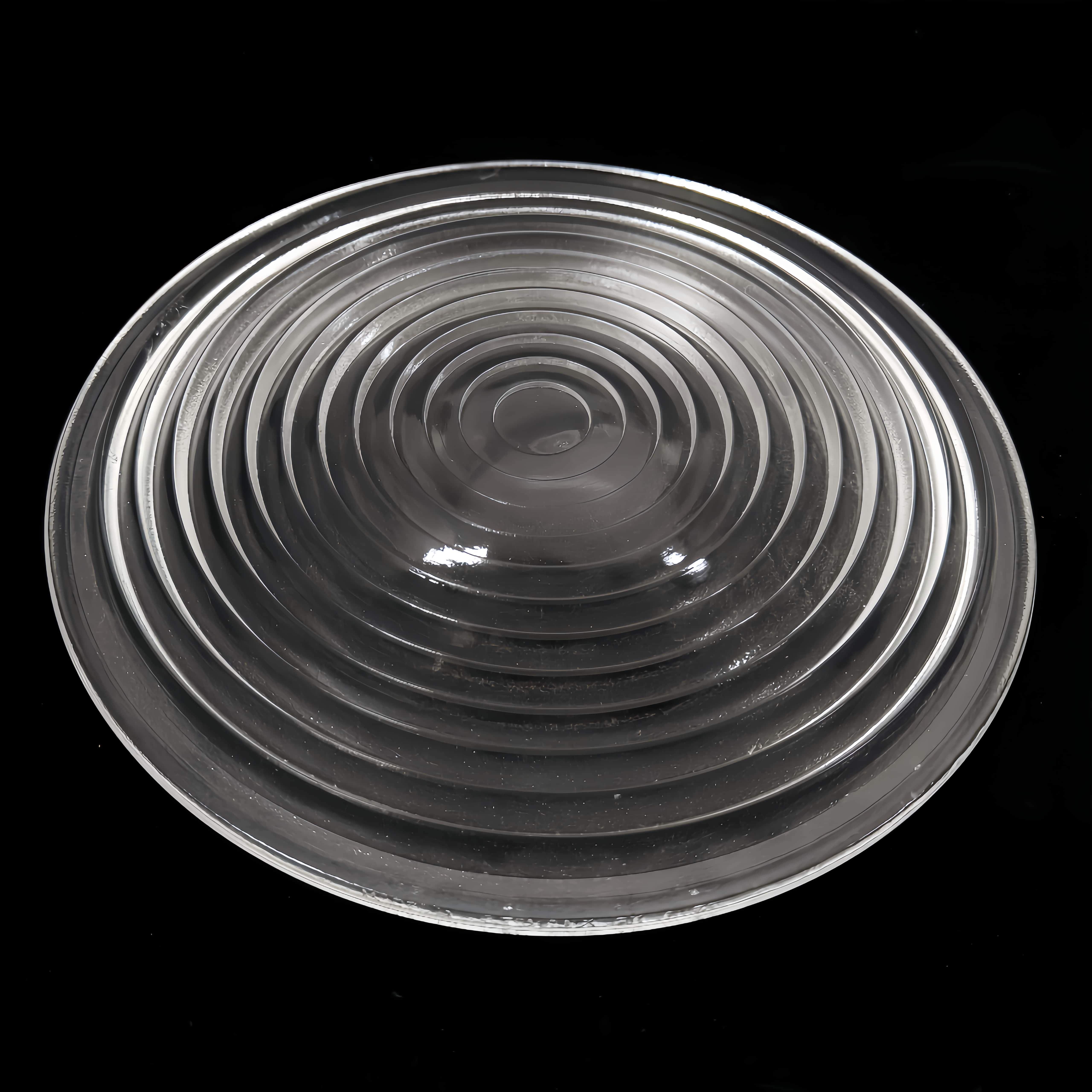
Precision Molded Borosilicate Glass Fresnel Lens 175 mm Stage Lighting Anti-Reflective Coating
- High-power LED collimation with heat-resistant borosilicate.
- Supports Toronto film, theatre, broadcast and event production.
- AR coating, beam angle and mounting details discussed by drawing.
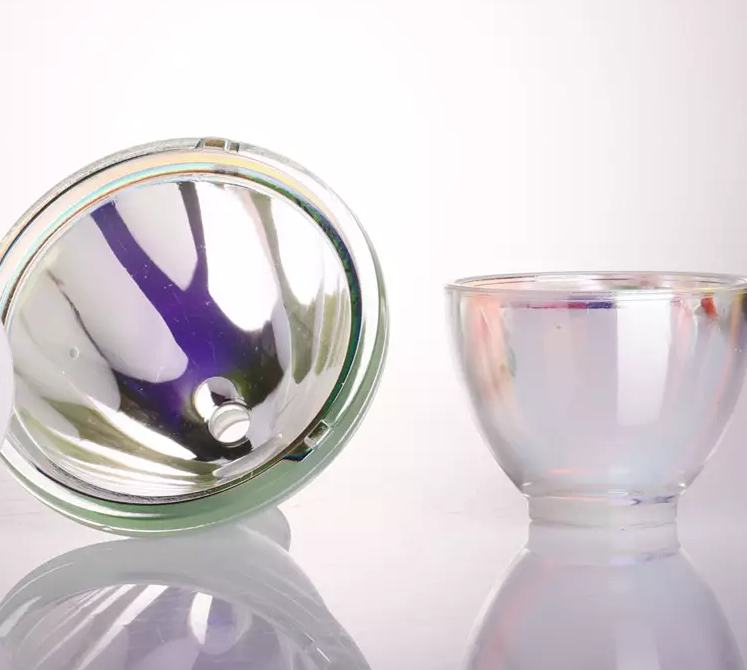
COB Glass LED Reflector Bowl Manufacturer Deep Design Perfect Beam Spotlights Projector Lights
- Deep reflector bowl geometry for controlled 20°, 60° and 90° beams.
- Fits retail, museum, studio and architectural spotlight fixtures.
- Glass reflector keeps beam quality stable under high COB temperatures.
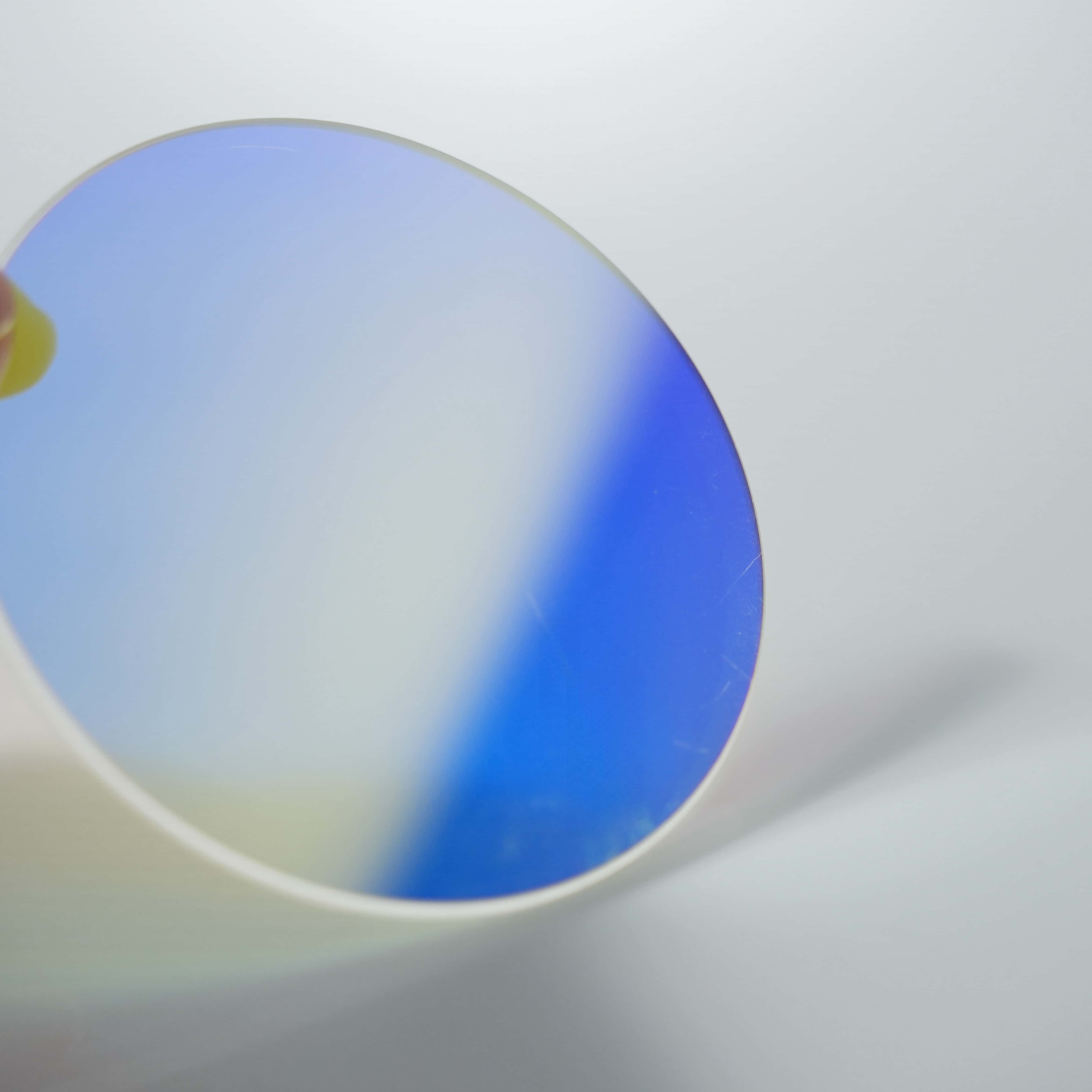
Optical Borosilicate Glass Longpass Shortpass Filter 500 nm 600 nm 700 nm AR Coating for Spectroscopy Sensors
- Custom longpass and shortpass filter options for industrial sensors.
- AR coating and cut-edge finishing support system integration.
- Useful for Toronto environmental, life-science and machine-vision teams.



Where Precision Optics Perform Across Toronto and the GTA
Toronto’s operating environment includes lake-effect humidity, road salt, freeze-thaw cycles, dense public infrastructure and a fast-growing technology and production base. Each application below stresses glass differently, which changes the right material, coating and inspection plan.
Aviation & Airport Obstruction Lighting
Toronto Pearson, Billy Bishop Toronto City Airport and regional aerodromes rely on runway, taxiway and obstruction fixtures that must remain visible through snow, rain and temperature swings.
- Heat-resistant lenses for in-pavement fixtures
- Red and clear domes for signal lights
- FAA/ICAO-aligned fixture-maker requirements
Marine, Waterfront & Port Infrastructure
Lake Ontario, the Toronto Islands, marinas and port operations expose signal lights and outdoor covers to salt spray, UV and freeze-thaw cycles.
- Handblown and pressed signal covers
- UV-stable red, green, amber and clear glass
- Salt-spray and condensation-resistant design
Transit, Municipal & Outdoor LED Lighting
TTC, GO Transit, Metrolinx and municipal lighting programs require durable covers and lenses that tolerate vibration, weather and public-space maintenance.
- Impact-resistant tempered glass covers
- Condensation and gasket-face review
- Replacement-part dimensional matching
Stage, Film & Broadcast Lighting
Toronto’s film, theatre, broadcast and live-event sectors use high-power COB LED fixtures that need controlled beams and heat-resistant optics.
- Borosilicate Fresnel lenses
- COB reflector bowls and effect optics
- AR coating for transmission efficiency
LiDAR, Robotics & Smart Sensors
Ontario’s robotics, autonomy, photonics and environmental-sensing ecosystem increasingly needs custom optical windows, domes and filters rather than catalog parts.
- AR-coated hemispherical domes
- Bandpass and longpass filter customization
- UV fused silica and borosilicate windows
Horticulture & Architectural LED
Indoor farming, green buildings, museums, retail and hospitality lighting require stable spectrum transmission and consistent beam control in compact fixtures.
- Full-spectrum convex lenses
- Deep glass LED reflector bowls
- Custom color and surface finishing
Procurement Signals Shaping Precision Optics Demand in Toronto
Toronto buyers are becoming more specific. Price remains important, but reliability evidence, sealing integration, documentation and faster sample cycles now decide which Chinese optical glass suppliers remain on the shortlist.
Cold-climate reliability becomes a line item
Snow, de-icing salt, rain and rapid temperature change push buyers to ask for thermal-shock data, annealing control and gasket-face review rather than transmission figures alone.
Airport and transit renewal favors replaceable glass
Runway, taxiway, obstruction and station lighting programs increasingly value legacy-fit replacement lenses and domes with stable color and dimensional repeatability.
Sensor fusion and automation expand optical demand
LiDAR, machine vision, robotics and environmental sensing in Ontario are creating demand for custom AR windows, hemispherical domes and bandpass filters.
High-power LED raises the value of heat-resistant optics
Stage, studio, architectural and horticulture fixtures continue to push LED modules harder, making borosilicate Fresnel lenses and glass reflectors more relevant.
Documentation-first sourcing is accelerating
Toronto distributors and OEMs want material reports, inspection records, change-control notes and clear packing standards before they approve a Chinese supplier.
Small-batch customization is no longer unusual
Startups, design studios and specialist fixture makers want samples and low-volume production before scaling, especially for coated filters and custom windows.
Toronto Buyer Priority Signals for Precision Optics
A directional summary of the issues that repeatedly appear in custom optic inquiries for cold-climate, infrastructure, stage and sensing projects.
Directional synthesis for planning discussion, not a statistically weighted survey. Confirm project-specific requirements with your engineering and quality teams.
Material Selection Matrix for Toronto’s Climate and Fixture Standards
Selecting the right glass early reduces cracked covers, color drift, sealing failures and costly field returns. This matrix is a starting point for discussion with your fixture engineer and our optical glass team.
| Material | Thermal expansion (×10⁻⁶/K) | Typical max. working temperature | Toronto-specific advantage | Best-fit products |
|---|---|---|---|---|
| Borosilicate 3.3 | ≈ 3.3 | ≈ 450 °C | Excellent thermal-shock resistance for freeze-thaw, rain splash and high lamp temperatures. | Explosion-proof shades, runway lenses, Fresnel lenses, high-power LED covers |
| Tempered soda-lime | ≈ 9.0 | ≈ 250 °C | High impact strength and economical cost for moderate-temperature outdoor fixtures. | Outdoor lampshades, floodlight glass, vandal-resistant lenses |
| Fused quartz | ≈ 0.55 | ≈ 1000 °C+ | UV transmission and extreme heat tolerance for specialized optical and industrial systems. | UV optics, high-temperature windows, sensor windows |
| Optical BK7 (H-K9L) | ≈ 7.1 | ≈ 300 °C | Homogeneous optical performance and predictable imaging for precision lens systems. | Precision lenses, prisms, mirrors, filters |
Values are typical references. Final specification should be confirmed against your drawing, lamp surface temperature, impact rating, sealing method and the standard your fixture must meet. Fixture certification remains with the luminaire manufacturer.
What Tambi Glass Brings to Toronto Precision Optics Projects
Toronto buyers need more than a price list. They need a supplier that can translate a drawing into a manufacturable glass part, document the production logic and pack fragile optics for an international journey.
Drawing-first engineering review
Senior lighting and molding engineers review wall thickness, draft, sealing faces, tolerance and optical-path alignment before tooling starts. This reduces expensive sample iterations.
Material and process breadth
Borosilicate, tempered soda-lime, fused quartz and BK7 options are combined with pressed, blown, ground, polished and coated processes under one supply chain.
Production control and export packing
Sampling, annealing or tempering, coating, dimensional inspection and divider-packed export cartons are built into the workflow for fragile glass components.
Transparent commercial communication
Public company information includes 11–50 employees, 10+ years in lighting glass, an export revenue range of US$2.5M–5M, onsite verification and an average response time within six hours.
A Controlled Six-Step OEM Workflow for Toronto Orders
Clear checkpoints mean fewer surprises between sample approval and mass production. For Toronto buyers, we recommend freezing a golden sample, an inspection checklist and a packing specification before volume production begins.
Drawing review and DFM
Share a 2D/3D drawing or physical sample with dimensions, tolerance, material, color and coating requirements. DFM feedback begins before tooling.
Mold and tooling decision
New or existing molds are selected for pressing, blowing or grinding based on volume, geometry, draft and surface-finish requirements.
Sampling and fit check
Samples are measured and sent for your gasket fit, light test, thermal review and color check. Approve the sample standard before mass production.
Forming and annealing
Controlled annealing or tempering relieves internal stress, which is especially important for Toronto winter conditions and high-power LED fixtures.
Coating and quality control
AR, color or filter coatings are applied where required, followed by dimensional, visual and transmission inspection with reports on request.
Export packing for Canada
Foam or pulp dividers, reinforced export cartons and palletization protect fragile optics for sea or air freight. Distributor labeling can be discussed.
Common Questions from Toronto Buyers Sourcing Precision Optics in China
These answers reflect the practical questions procurement, engineering and quality teams ask when comparing Chinese optical glass suppliers for Toronto and GTA projects.
Can a Toronto buyer order directly from a China precision optics factory?
Yes. Most projects are drawing-based. Toronto buyers can send a 2D/3D drawing or physical sample, approve a sample, and then move to volume production. There is no claim of a Toronto warehouse; the advantage is direct engineering communication, factory-level customization and export packing from China to Ontario.
How do you reduce cold-weather thermal shock risk for Toronto installations?
Start with the fixture environment: lamp surface temperature, rain or snow exposure, de-icing salt, gasket compression and cleaning method. Borosilicate 3.3 is often chosen for high-temperature or rapid-temperature-change applications, while tempered soda-lime may suit moderate-temperature outdoor covers. Wall thickness, annealing/tempering and sealing-face design must be reviewed together.
Which glass is suitable for airport runway, taxiway or obstruction lights in Ontario?
Heat-resistant borosilicate lenses are commonly reviewed for in-pavement runway and taxiway fixtures, while red or clear tempered domes are used for signal and obstruction lighting. The luminaire manufacturer remains responsible for fixture certification. A glass supplier should match color, transmission, dimensions and documentation requirements rather than claim to certify the complete fixture.
Can you provide documentation for FAA, ICAO or EN-related fixture projects?
We can discuss material reports, dimensional inspection records and sample data against the drawing and the fixture maker’s requirements. FAA L-810, ICAO or EN-related compliance is held at the fixture level by the luminaire manufacturer. Buyers should define the required evidence before production and keep change-control records for every batch.
What MOQ and lead time should a Toronto distributor plan for?
Typical MOQs can range from about 50 pieces for optical lenses to 100–500 pieces for pressed or blown lighting covers, depending on whether an existing mold can be used. Lead time depends on drawing approval, mold status, sample approval, coating requirements and shipping method. Air freight is common for samples; sea freight is common for volume orders.
How are fragile lenses, domes and filters packed for delivery to Toronto?
Parts are separated with foam or pulp dividers, packed in reinforced export cartons and palletized for sea or air freight. Custom packaging and labeling for distributors can be arranged. For high-value coated optics, agree on a sample packing standard and inspection checklist before mass production.
Can you match red, green, amber or clear signal-light glass consistently?
Color consistency depends on glass chemistry, thickness, forming method and batch control. Buyers should provide a color target, transmission requirement, reference sample or fixture standard. For Toronto marine and aviation projects, request pre-production samples and confirm the acceptable color and transmission range before volume release.
Can Ontario sensor startups customize optical filters, windows or domes at low volume?
Yes, low-volume customization can be discussed. Optical lenses may start from around 50 pieces, while lighting covers often require higher quantities because of mold economics. For sensor projects, define wavelength range, transmission, AR coating, diameter, thickness and environmental exposure so the correct borosilicate, fused silica or BK7 platform can be recommended.
Have a Drawing for a Toronto Project? Get an Engineering Review Within 6 Hours.
Send dimensions, material preference, surface temperature, gasket or sealing details, annual volume, color target and any fixture standard your project must meet. Our team will review manufacturability and guide you to the most suitable precision optics catalog path for Toronto and the GTA.
Email: info@tambiglass.com