8 Optical Coated Glass Products Calgary Buyers Can Specify with Confidence
The products below reflect the categories most often requested by lighting, aviation, industrial and optical OEMs in Western Canada. Each item can be adapted by size, thickness, color, coating, edge finish and packaging. All product URLs are preserved from the original catalog.
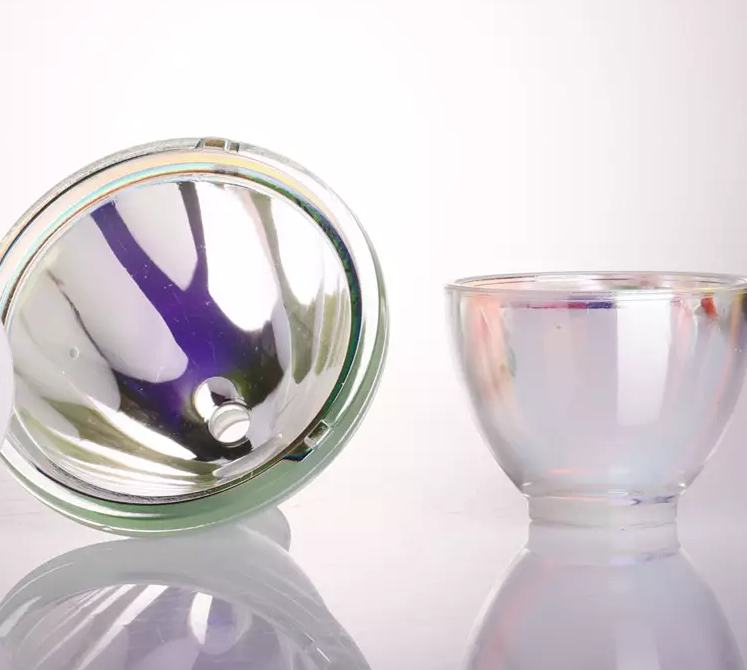
COB Glass LED Reflector Bowl Manufacturer Deep Design Perfect Beam Spotlights Projector Lights 20 60 90 Beam Angle
- Deep reflector geometry
- 20°, 60° and 90° beam options
- For COB spotlights and projectors

Manufacturer OEM Transparent High Quality Precision Borosilicate UV Fused Silica Coated Glass Optical Window High Transmittance
- High transmittance window
- Borosilicate and fused silica options
- Coating and tolerance customization

Factory Price Custom Precision Optical 1-200mm Clear BK7 Spherical Quartz Glass Half Ball Concave/Biconvex Lens Anti-Reflective
- 1–200 mm diameter range
- BK7 and quartz options
- AR coating for imaging and sensing
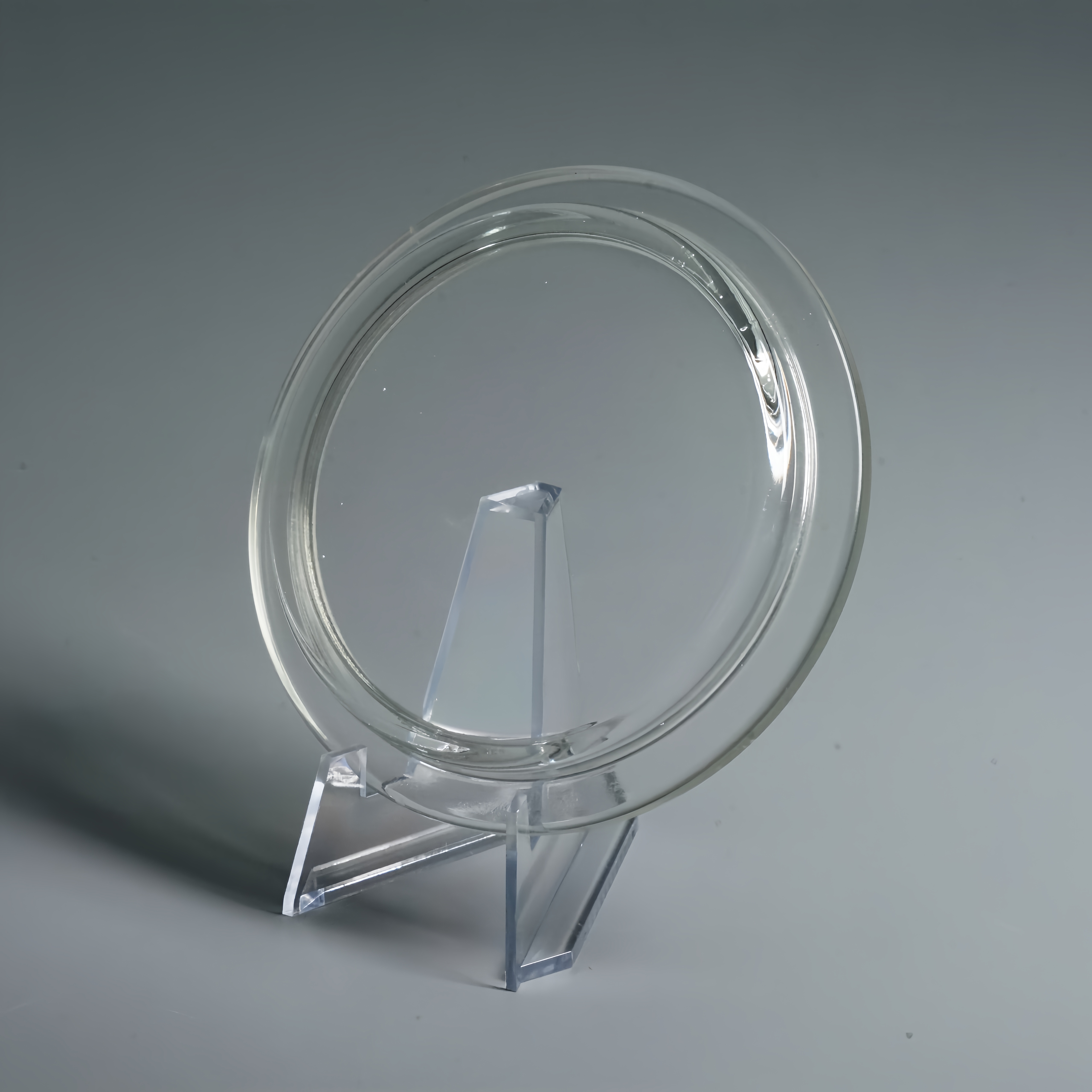
Custom Size Coastal Victorian Outdoor Stage Glass Lampshade Factory Waterproof High Temperature Impact Resistant Silk-Printable
- Outdoor and stage lighting covers
- Impact and temperature resistance
- Silk-printable decorative glass
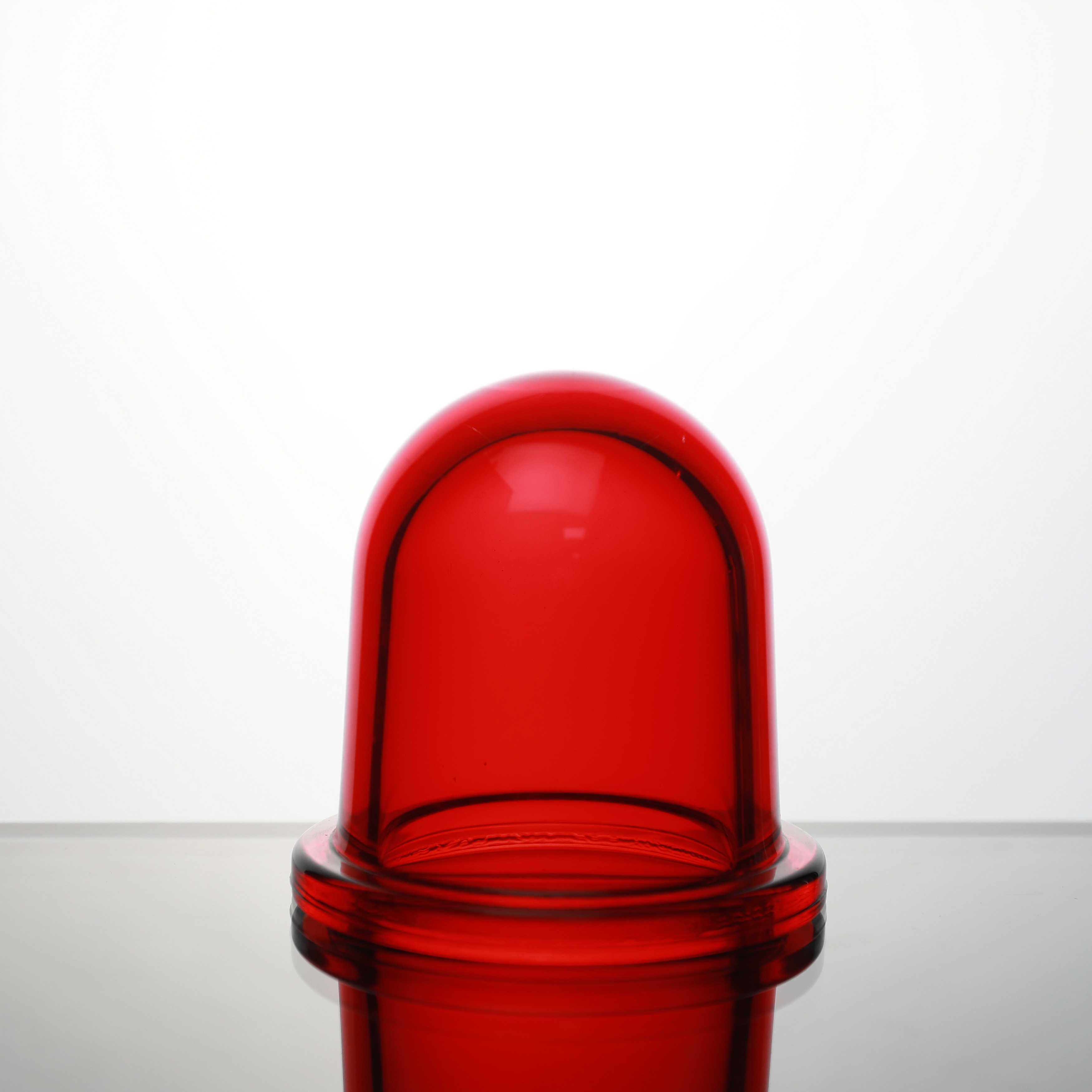
Custom Size Clear Borosilicate Explosion-Proof Antique Glass Light Covers Modern 2-Year Warranty Airport Outdoor Industrial
- Borosilicate thermal-shock resistance
- Airport, outdoor and industrial use
- Custom size and finish
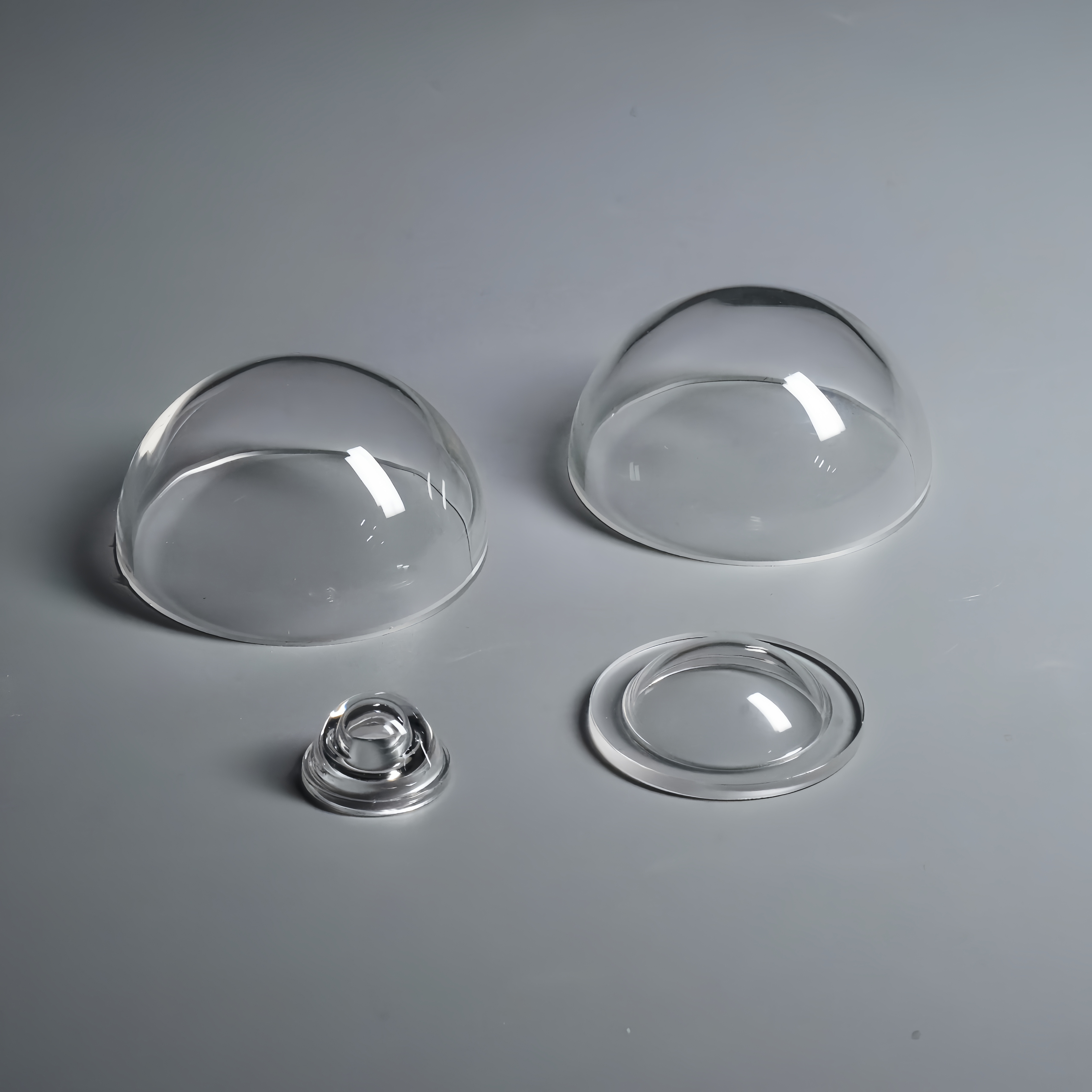
Mold Pressed Clear High Quality K9 Optical Dome Lens with Anti-Reflective Coating for Lighting OEM Customized Headlight Glass
- Mold-pressed K9 dome lens
- AR-coated optical surface
- Headlight and lighting OEM use
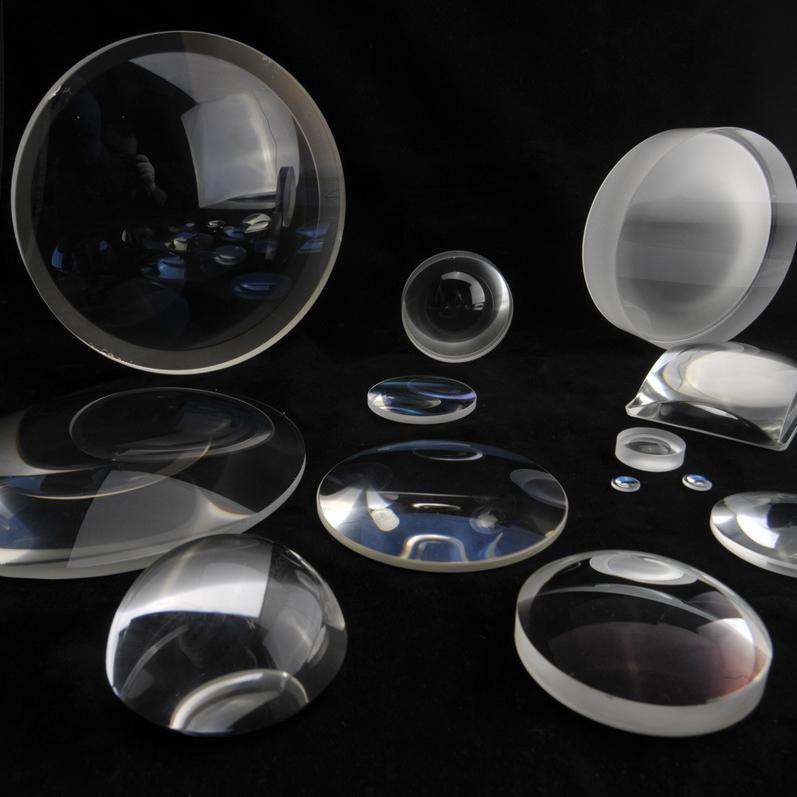
Custom High Quality Diameter 80Mm 127Mm 250Mm Spherical K9 Optical Coating Glass Plano Convex Lens for Big Magnifying
- Large plano-convex formats
- K9 optical glass with coating
- Magnifying and instrument systems
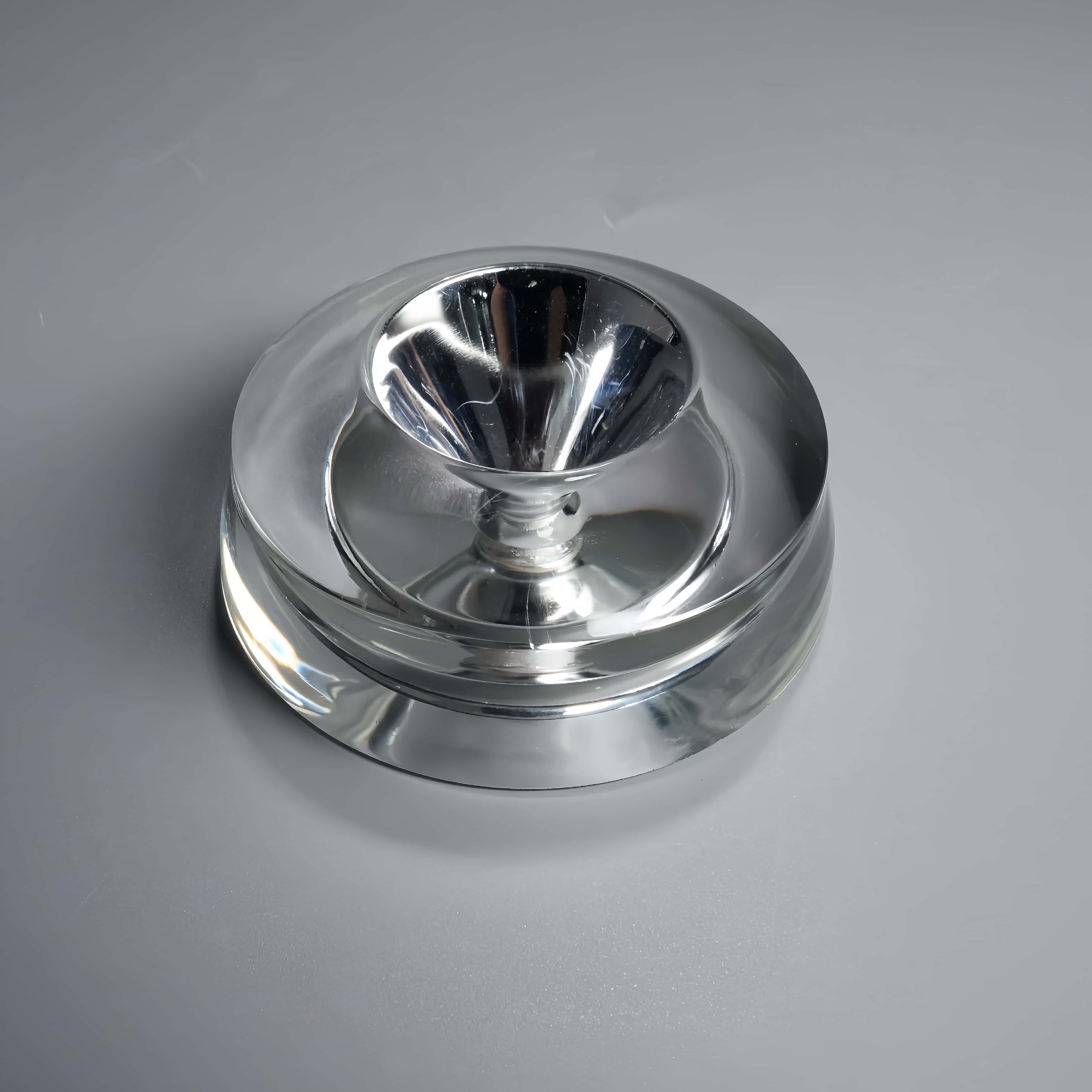
Factory China Custom Size Mold Pressed Borosilicate Bk7 K9 Eco-Friendly LED Optical Glass Lens for Taxiway Runway Airport Ground
- Airport ground and taxiway lenses
- Borosilicate, BK7 and K9 options
- Custom mold-pressed geometry
Why Optical Coated Glass Sourcing in Calgary Requires More Than a Catalog Price
Calgary buyers operate in a climate and industrial environment that punishes weak specifications. The right supplier should connect material science, coating performance, fixture fit and export documentation.
Calgary is not a mild-temperature market. Lighting and optical components can face winter cold, rapid chinook warming, hail, UV exposure, dust, snow load and washdown cycles. A glass cover that performs well in a showroom may still fail when a hot high-power LED housing is hit by cold rain or when a roof-mounted lens is exposed to freeze-thaw movement.
That is why a credible China optical coated glass manufacturer should not simply quote a diameter and thickness. It should ask about lamp wattage, surface temperature, gasket compression, impact rating, coating curve, cleaning chemicals, installation angle and the standard your finished fixture must meet. Shanghai Tambi Glass Industrial Co., Ltd. has spent more than a decade working on exactly those questions for lighting and optical OEMs.
Our experience covers borosilicate 3.3, tempered soda-lime glass, fused quartz and optical BK7/K9, along with pressed, blown, ground, polished and AR-coated processes. That combination lets Calgary procurement teams compare one technical partner across multiple glass categories instead of splitting a project among brokers.
What Calgary procurement teams usually verify first
- Drawing-based manufacturability
- Thermal-shock and impact logic
- Coating and transmission data
- Dimensional and visual inspection
- Fragile export packing
- Response speed and audit trail
The strongest supplier is the one that can explain why a specification works in Calgary conditions, not merely confirm that a part can be made.
Where Coated Optical Glass Earns Its Place in Calgary and Western Canada
The same glass family can behave differently across applications. These are the localized scenarios Calgary buyers most often discuss during sampling and supplier qualification.
Oil, Gas & Hazardous Areas
Field lighting, emergency fixtures and industrial enclosures around Alberta energy sites need covers that tolerate heat, cold, dust and washdown. Borosilicate shades and thick-wall covers help reduce thermal-shock risk.
Airport, Heliport & Obstruction Lighting
Calgary International Airport, regional aerodromes and helipads rely on signal lenses and domes with stable color and transmission. We support fixture makers designing to FAA L-810 or EN 50293 expectations.
Municipal & Architectural LED
Street, pathway and facade lighting around Calgary must face hail, snow, UV and rapid temperature change. Tempered soda-lime or borosilicate covers can be matched to impact and heat requirements.
Stage, Event & Broadcast
Calgary’s event and production market uses high-power COB fixtures, Fresnel lenses and effect optics. Heat-resistant borosilicate and AR-coated lenses protect output and reduce thermal stress.
LiDAR, Methane & Sensing
Energy-transition, mapping and industrial sensing teams use optical domes, windows, prisms and bandpass filters. Broadband AR coatings and stable BK7/K9 substrates support repeatable optical paths.
Automotive & Transport
Headlight domes, projection lenses and outdoor LED optics must survive vibration, road spray and winter maintenance. Mold-pressed K9 and AR-coated glass offer a practical balance.
Greenhouse & Horticulture
Alberta controlled-environment agriculture uses full-spectrum LED arrays. AR-coated convex lenses and high-transmittance glass help preserve useful light while protecting emitters.
Food, Medical & Washdown
Equipment covers and sight glasses may face cleaning chemicals, moisture and temperature cycling. Chemically resistant glass and stable sealing faces reduce maintenance friction.
Map Local Operating Conditions to the Right Glass and Coating
Use this matrix as an early-stage design guide. Final specifications should be confirmed against your drawing, fixture certification and installation environment.
| Calgary-area condition | Typical project risk | Recommended glass direction | What procurement should request |
|---|---|---|---|
| Wide temperature swings and chinooks | Cracks at sealing faces; thermal shock after cold rain or snow | Borosilicate 3.3 for high heat; tempered soda-lime for moderate temperature with impact demand | Material grade, annealing or tempering record, wall-thickness control and assembly guidance |
| Hail and impact exposure | Chipped edges, cracked outdoor covers, liability during storms | Tempered soda-lime or thick-wall borosilicate with protected edge finish | Impact assumptions, edge-profile drawing, gasket design and sample fit test |
| UV, snow and de-icing cycles | Yellowing of low-grade coatings; seal stress; transmission drift | Stable AR or color coating on suitable substrate; red/clear signal glass with color control | Coating curve, color coordinates, transmission target and environmental test expectations |
| Dust, washdown and industrial maintenance | Surface damage and difficult cleaning around hazardous areas | Borosilicate explosion-proof covers, sight glasses and chemical-resistant windows | Cleaning chemical list, surface finish, dimensional tolerance and inspection criteria |
| Vibration and optical alignment | Beam drift, imaging error or sensor noise | BK7/K9 lenses, domes, prisms and coated windows with stable geometry | Surface specification, centering tolerance, coating adhesion and optical transmission report |
Important: Tambi Glass manufactures glass components. Certification of a finished luminaire, aircraft fixture, vehicle lamp or industrial enclosure remains the responsibility of the fixture manufacturer and the authority having jurisdiction.
Calgary Market Trends Shaping the Next Optical Glass Procurement Cycle
Calgary’s buying patterns are moving toward documentation-heavy, climate-resilient and application-specific glass sourcing. These trends affect how OEMs compare Chinese factories.
Climate resilience becomes a line item
Buyers increasingly ask for drawings that explain thermal-shock margin, edge protection and impact assumptions, rather than accepting a generic “tempered glass” label.
Energy-transition instrumentation
Methane monitoring, industrial LiDAR and autonomous site equipment create demand for optical windows, domes and filters that combine transmission performance with rugged housings.
Airport and infrastructure renewal
Regional aviation, transit and municipal lighting programs reward suppliers who can repeat dimensions, color and coating performance across multiple production lots.
Supply-chain diversification
Calgary procurement teams want audit-friendly factories: onsite verification, inspection records, material traceability, export packing evidence and fast technical replies.
Controlled-environment agriculture
Greenhouse and vertical-farm operators compare light efficiency, cleaning durability and replacement lead time, making AR-coated glass lenses a more strategic purchase.
Digital-first custom manufacturing
STEP, DXF and PDF drawings move quickly between Calgary and Shanghai. The winners are suppliers that review manufacturability early and document every sample revision.
The Tambi Glass Advantage: A Drawing-Based Factory with Export Discipline
Shanghai Tambi Glass Industrial Co., Ltd. is a manufacturer and trading company focused on custom lighting and optical glass. Our strength is the ability to turn a fixture drawing into a repeatable glass component with documented fit, finish and packing.



What Calgary buyers gain from our factory model
- Drawing-based OEM / ODM
- Borosilicate, tempered, quartz, BK7
- Pressed, blown, ground and coated processes
- AR and optical coating coordination
- Onsite-verified supplier profile
- Export-ready fragile-goods packing
Our team reviews wall thickness, draft angle, sealing faces and optical path alignment before tooling starts. We support samples before mass production, and we keep communication practical: dimensions, tolerances, finish, coating, inspection and delivery evidence.
Watch the factory videoHow to Choose Optical Glass Material for Calgary Conditions
Selecting the correct glass early avoids cracked covers, coating mismatch and costly field returns. The comparison below reflects the material logic our engineers use when reviewing new projects.
| Material | Thermal expansion (×10⁻⁶/K) | Typical max. working temperature | Key strength | Best for |
|---|---|---|---|---|
| Borosilicate 3.3 | ≈ 3.3 | ≈ 450 °C | Excellent thermal-shock resistance | Explosion-proof shades, high-power LED covers, Fresnel lenses |
| Tempered soda-lime | ≈ 9.0 | ≈ 250 °C | High impact strength and economical cost | Outdoor covers, floodlight glass, vandal-resistant lenses |
| Fused quartz | ≈ 0.55 | ≈ 1000 °C+ | UV transmission and extreme heat tolerance | UV optics, high-temperature windows |
| Optical BK7 / K9 | ≈ 7.1 | ≈ 300 °C | Homogeneous optical properties, nd ≈ 1.517 | Precision lenses, prisms, mirrors, filters |
Values are typical references, not a substitute for final engineering approval. Confirm the specification against your drawing, lamp surface temperature, impact rating, coating requirement and fixture standard.
A Controlled Six-Step Process from Drawing to Calgary Delivery
Clear checkpoints reduce surprises between sample approval and mass production. This is especially important when custom molds, coatings and fragile export packaging are involved.
Drawing Review
We check thickness, draft, tolerance, sealing face, optical path and gasket interface. DFM feedback is returned before tooling commitment.
Mold & Tooling
New or existing molds are selected for pressing, blowing or grinding. Material grade and coating route are confirmed with the buyer.
Sampling
Samples are measured, documented and sent for fit, light and environmental evaluation. Calgary buyers can test before committing to volume.
Forming & Annealing
Controlled forming and annealing or tempering relieve internal stress. Inspection points are defined before production begins.
Coating & QC
AR, color or optical coatings are applied where required, followed by dimensional, visual and functional inspection against the approved sample.
Export Packing
Parts are separated by foam or pulp dividers, packed in reinforced export cartons and palletized for sea or air freight to Canada.
Verify the Supplier Before You Commit a Calgary Production Schedule
Procurement teams can review public verification pages, factory media and trade-history signals before requesting samples. These resources support E-E-A-T style due diligence: experience, expertise, authoritativeness and trust.
Common Questions from Local Procurement, Engineering and Operations Teams
These answers address the practical questions we receive from Calgary-area buyers sourcing custom glass from China.
Can you manufacture to a Calgary OEM drawing or a sample we already use?
Yes. Most orders are drawing-based. Send a 2D/3D drawing or a physical sample with dimensions, tolerance, material, color, coating and annual volume. Our engineers review manufacturability, propose mold options and confirm samples before mass production. This is especially useful when replacing an existing glass part in a fixture that is already installed in Alberta.
What is the typical minimum order quantity for a first Calgary order?
Typical MOQs range from about 50 pieces for optical lenses to 100–500 pieces for pressed or blown lighting covers, depending on whether an existing mold can be used. Sample quantities are available for evaluation, and prototype runs can be discussed before a production forecast is fixed.
Which glass should we choose for Calgary’s wide temperature swings?
Borosilicate 3.3 has low thermal expansion, so it tolerates high lamp temperatures and sudden cold contact better. Tempered soda-lime glass can provide high impact strength at a lower cost for moderate temperatures. The right choice depends on surface temperature, impact rating, gasket design and the certification requirements of your fixture. We recommend testing the final assembly rather than selecting by glass name alone.
Do you support airport and obstruction lighting programs near Calgary and Western Canada?
We produce glass lenses and domes for fixture makers whose obstruction and signal lights are designed to FAA L-810 or EN 50293 requirements. The finished fixture certification is held by the luminaire manufacturer. We match color, transmission and dimensional specifications and can provide material and inspection reports on request.
What shipping route and documents are normal for Calgary delivery?
Samples usually move by air. Production glass can ship from Shanghai to Vancouver or Prince Rupert and then by rail or truck to Calgary. Commercial invoice, packing list and HS code information are normally required. Import clearance is handled by the importer or its customs broker, and we can coordinate documents with your freight forwarder.
Can we receive material or inspection reports with the shipment?
Yes, material and inspection reports can be provided on request depending on the product and order. Keep the scope clear: these reports support the glass component specification, but they do not replace the certification of a finished light fixture, vehicle lamp or aircraft system.
How are fragile glass covers and lenses packed for export?
Parts are separated by foam or pulp dividers, packed in reinforced export cartons and palletized for sea or air freight. Custom packaging and labeling for distributors can be arranged. For Calgary projects with tight installation schedules, we can discuss packaging photos before dispatch.
How fast do you reply to technical inquiries?
Our average response time is within 6 hours. For a faster technical and commercial review, include your drawing, material preference, coating requirement, annual volume and target delivery window when contacting us.
Do you offer AR coating, color matching and custom optical windows?
Yes. We coordinate AR and optical coatings, color matching for signal glass, bandpass or longpass filter options, and custom windows or domes. Coating targets should be confirmed with a transmission curve or sample requirement so the final part can be inspected against a measurable criterion.
How do we start a request for quote from Calgary?
Send a drawing or sample reference, expected annual volume, target date, fixture standard and any environmental conditions such as washdown, UV, heat or impact. Our team will return DFM feedback, a suggested material and coating route, MOQ guidance and next steps for sampling.
Send Your Drawing. Get a DFM and Coating Recommendation Within 6 Hours.
Share dimensions, material, operating temperature, impact assumptions, coating target and annual volume. Our technical team will evaluate the right glass route for your Calgary fixture or optical assembly.