Technical Sourcing White Paper · Fort Worth & DFW Metroplex

China Best Precision Glass Processing Manufacturers & Factory in the Fort Worth Market

A practical supplier-selection guide for Fort Worth OEMs, lighting brands, optical instrument builders, laser integrators, and industrial procurement teams evaluating custom borosilicate and precision optical glass from China.

Product Recommendations

Eight Precision Glass Products for Fort Worth Sourcing Reviews

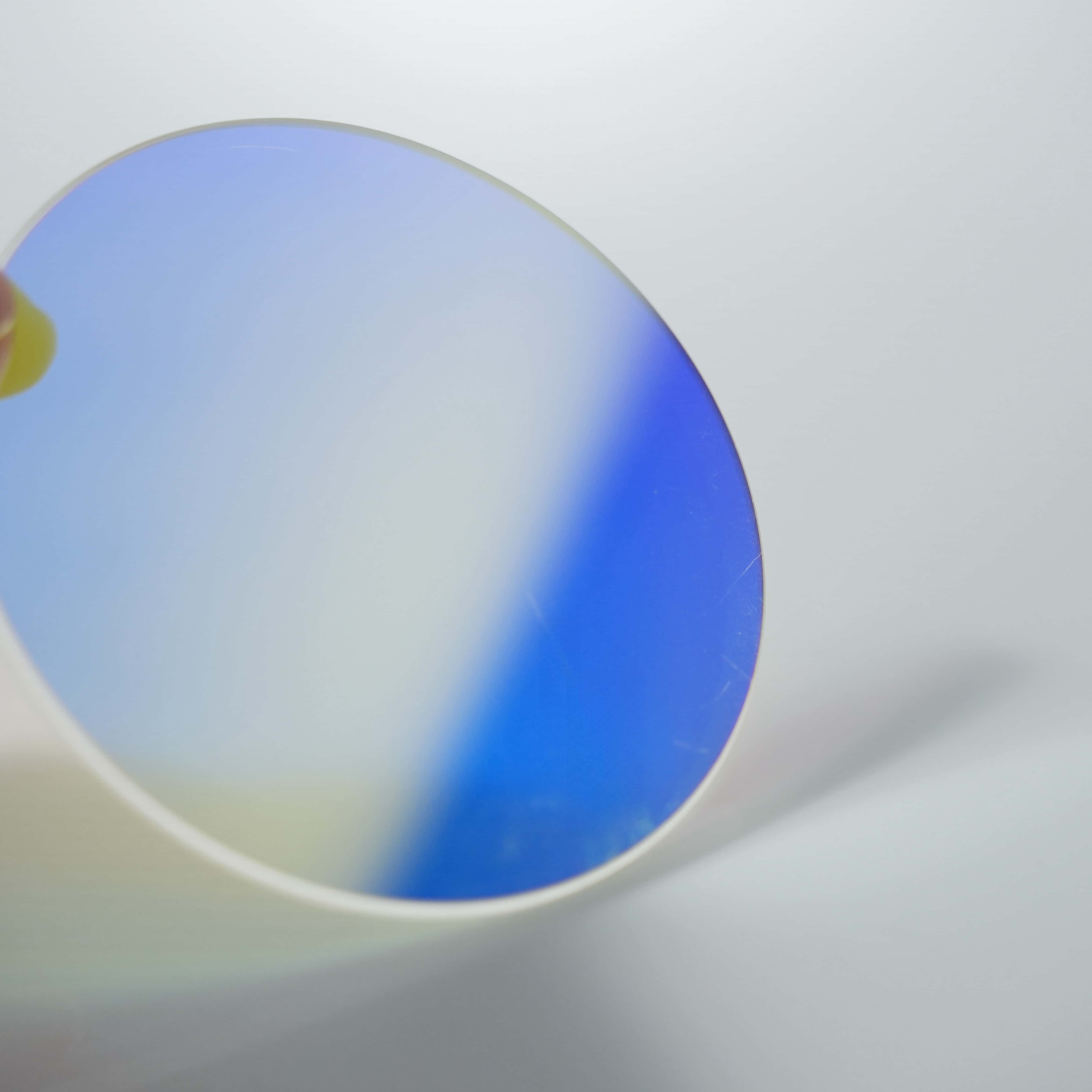
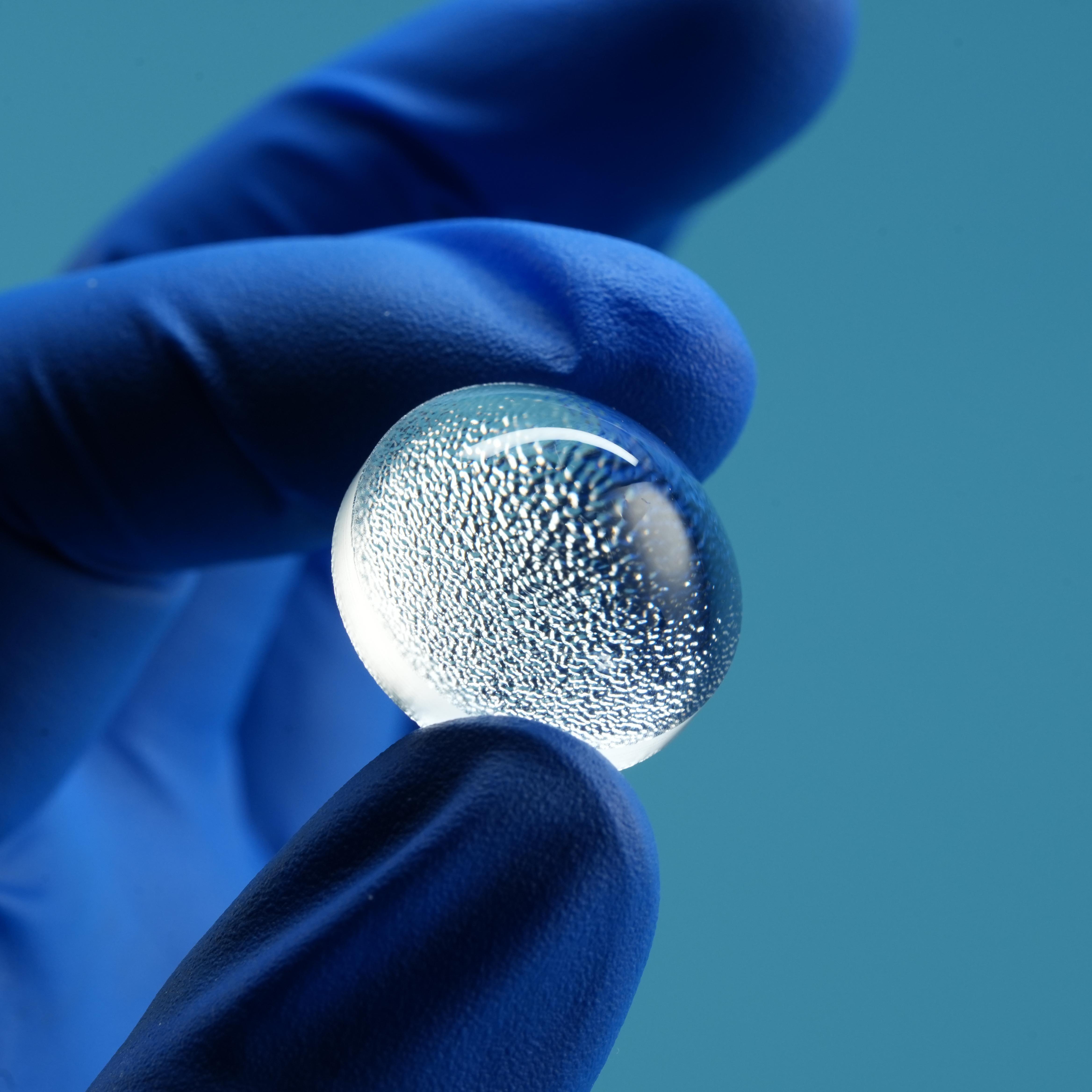
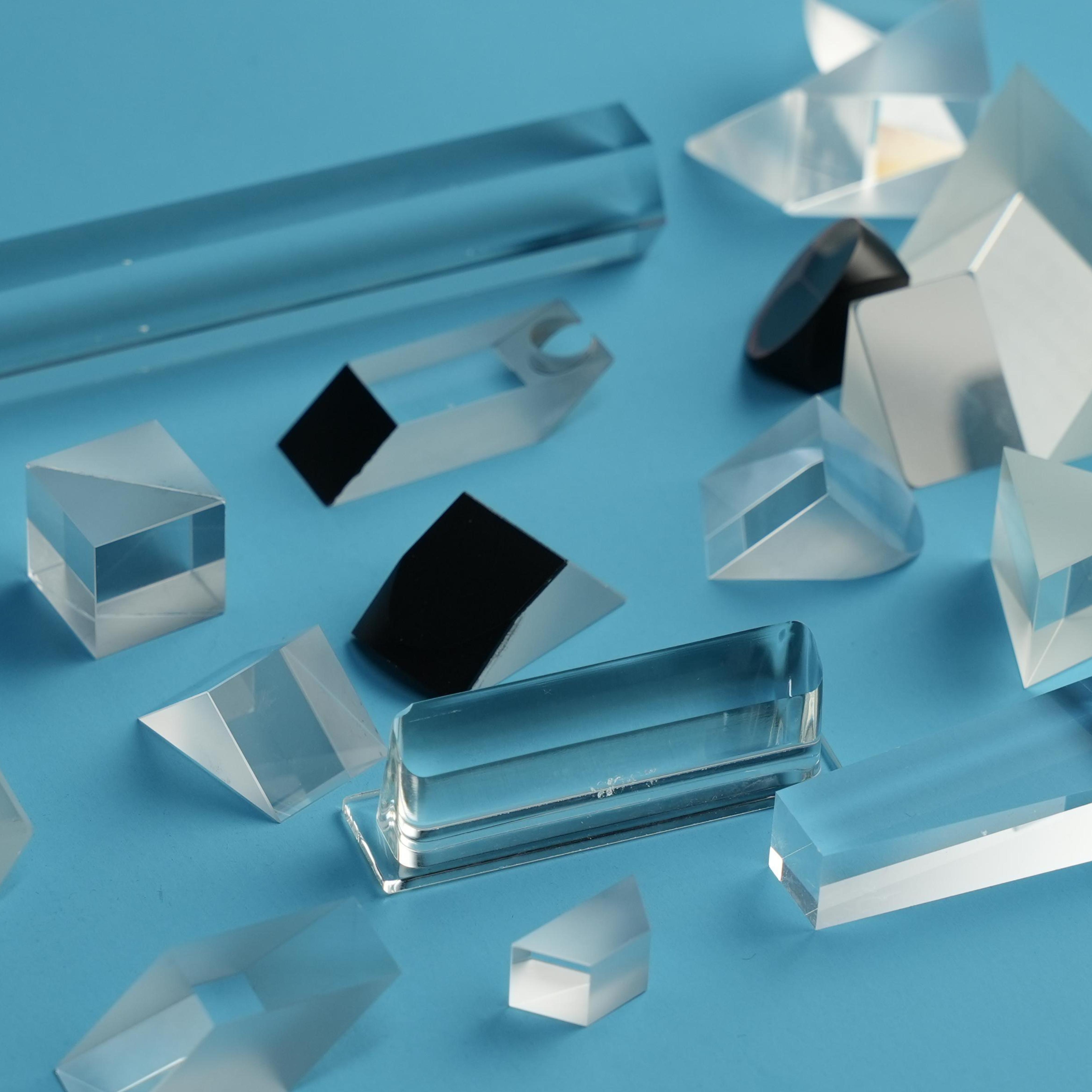
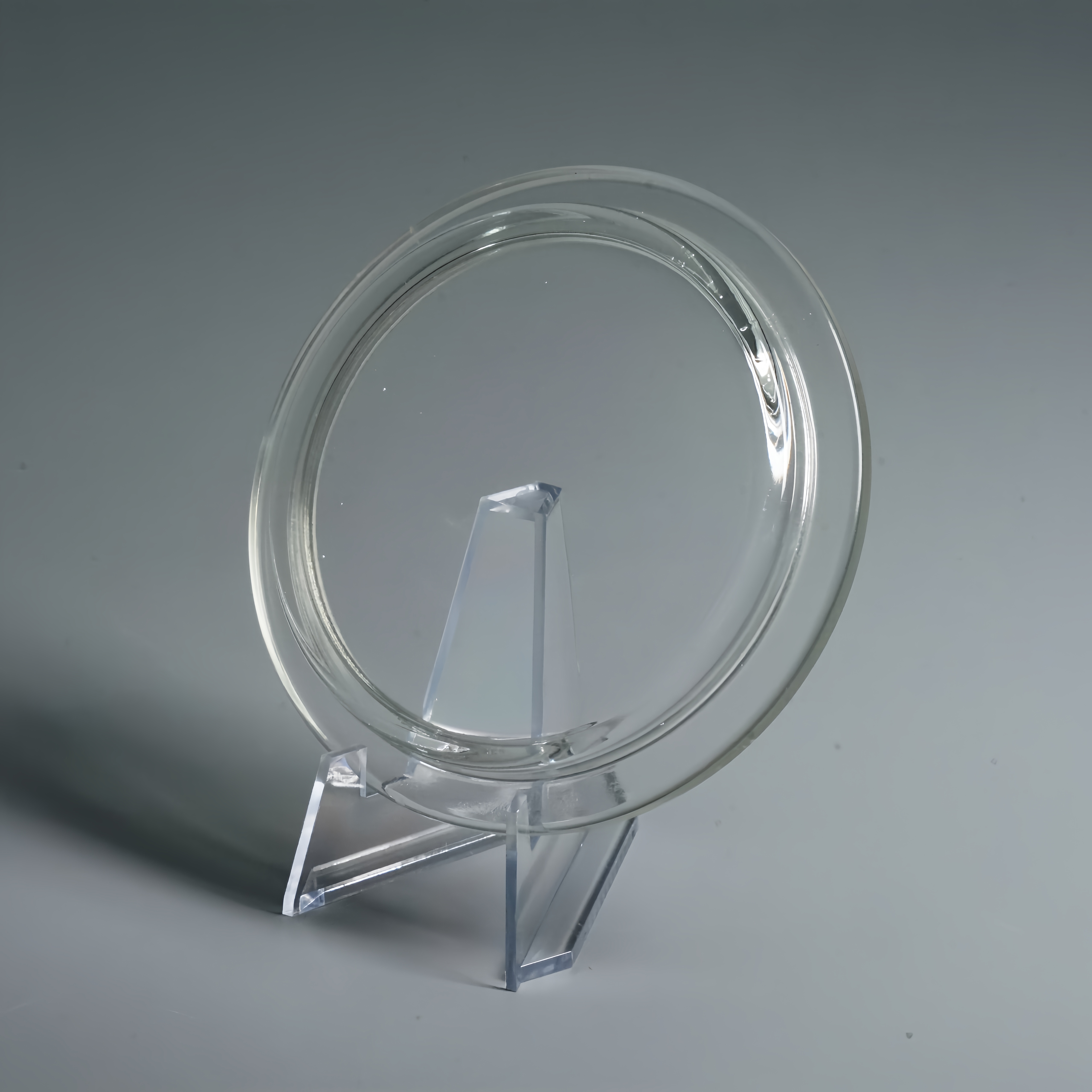
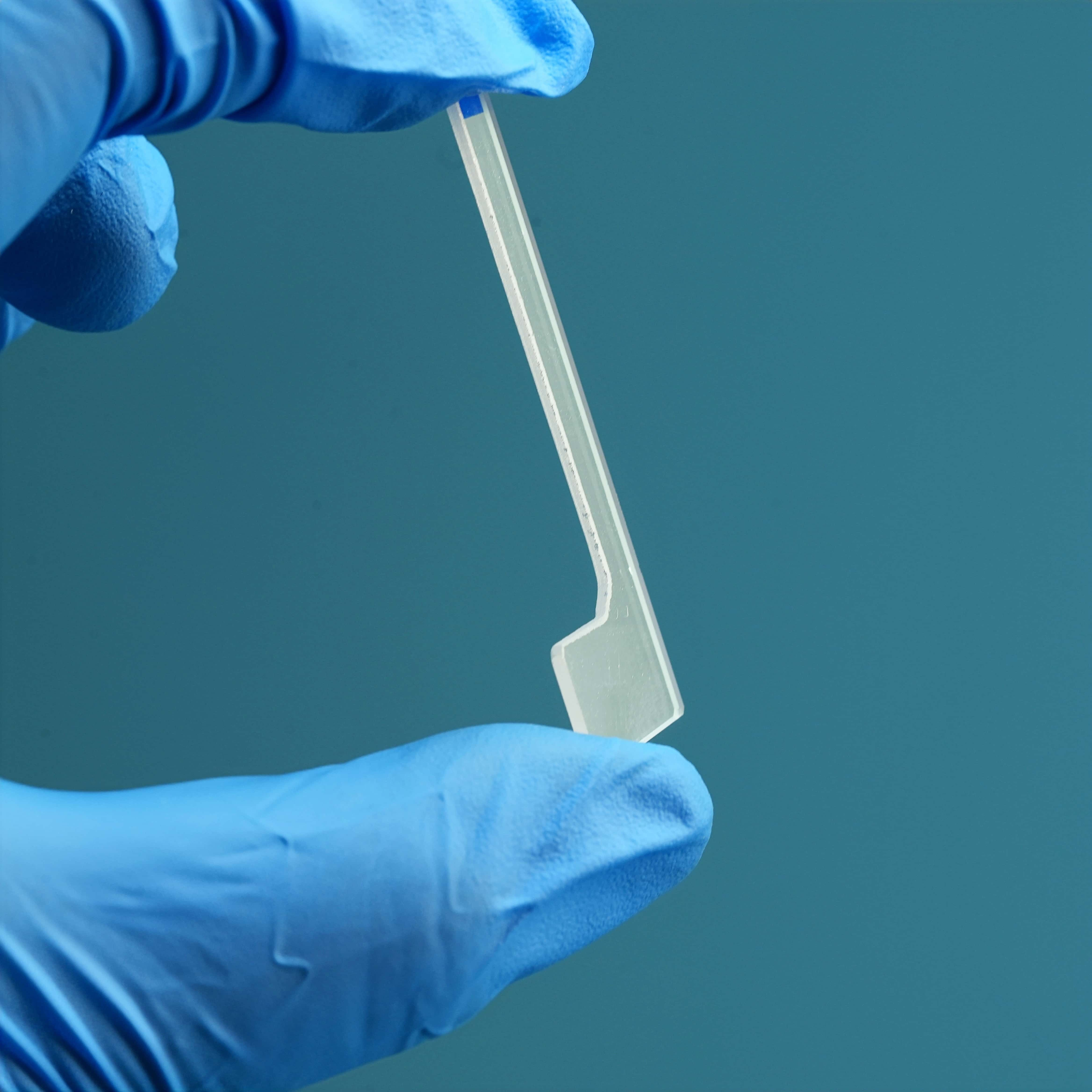
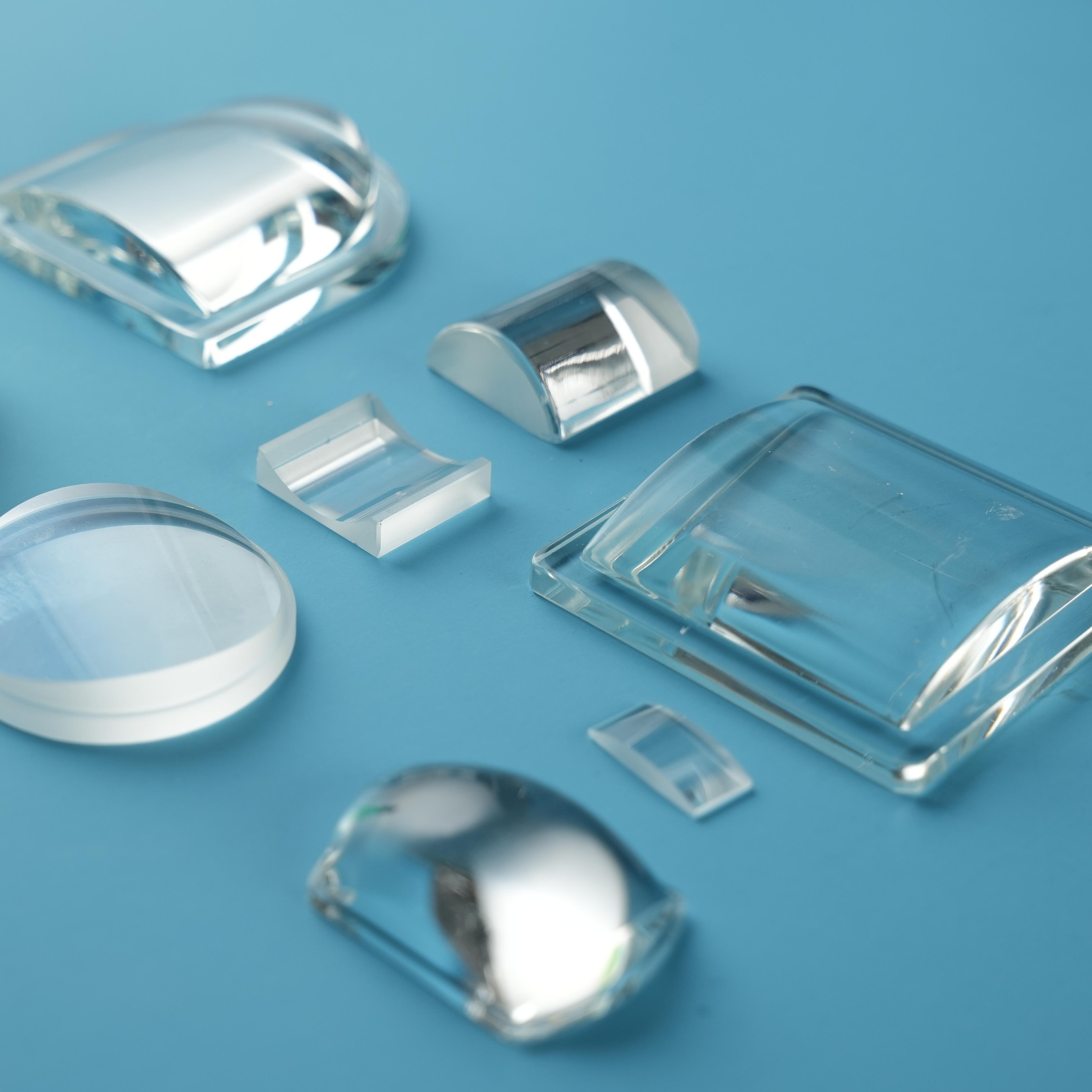
These eight product families cover many of the RFQs we receive from Texas lighting manufacturers, optical system integrators, laser laboratories, and industrial fixture teams. Each product can be adapted by size, material, coating, edge finish, thermal treatment, and packing format.

Supplier Snapshot

A Practical Capability Snapshot for Fort Worth Buyers

Procurement teams in Tarrant County and the wider DFW Metroplex need more than a low unit price. They need a supplier whose engineering review, samples, inspection records, and export packing can survive real industrial qualification.

10+ YearsLighting and optical glass experience aligned with the supplier profile
≤6 hAverage technical inquiry response time, useful for fast RFQ cycles
11–50Team size disclosed in the company profile, with engineering and sales support
US$2.5M–5MAnnual export revenue range shown in the original company information

Why Fort Worth Buyers Need a Precision Glass Partner, Not a Catalog Seller

Fort Worth sits inside one of the most dynamic industrial and logistics regions in the United States. Aerospace and defense supply chains, energy services, advanced manufacturing, healthcare, outdoor hospitality, and distribution networks all operate around the Dallas-Fort Worth Metroplex. Precision glass components move through these industries in very different forms: optical windows for inspection equipment, borosilicate shades for hazardous-area lighting, AR-coated lenses for laser systems, filters for analytical instruments, and weather-resistant glass lampshades for architectural and stage lighting.

The procurement risk is not simply whether a factory can cut glass to a dimension. The real risk is whether the glass will perform inside the finished fixture or instrument after installation, thermal cycling, cleaning, vibration, transport, and outdoor exposure. A useful supplier must connect the drawing to material selection, forming method, annealing or tempering, coating, sealing-face tolerance, and export packing. That is the difference between drawing-based manufacturing and a catalog reseller that forwards a specification without technical review.

For Fort Worth buyers, information gain comes from manufacturing details that can be verified before purchase: recommended glass type, thermal expansion compatibility, surface quality, coating specification, inspection method, sample approval process, and documentation package. Shanghai Tambi Glass Industrial Co., Ltd. operates as a manufacturer and trading company focused on custom borosilicate glass covers, explosion-proof lampshades, signal light domes, LED lenses, prisms, optical filters, and related lighting glass components. Its disclosed company profile shows more than a decade of experience, a team of 11–50 people, onsite-verified supplier status, an average response time within six hours, and an annual export revenue range of US$2.5M–5M.

That combination matters in the Fort Worth market because local buyers often need a dual-sourcing strategy: a responsive China manufacturing partner for custom, drawing-intensive glass parts, supported by documentation and samples that internal engineering and quality teams can review. The most effective RFQ is not a one-line request for “borosilicate glass cover.” It is a package that includes a 2D or 3D drawing, lamp surface temperature, gasket or sealing details, impact requirement, coating requirement, annual volume, target sample date, and the standard your luminaire or instrument must meet.
◎

What a Strong Technical RFQ Should Include

  • Dimensioned drawing or physical sample with tolerance notes
  • Glass material preference and operating temperature
  • Sealing face, gasket, thread, and assembly constraints
  • Optical requirements: transmission, color, AR coating, filter band
  • Impact, thermal shock, and cleaning exposure
  • Estimated annual volume, sample quantity, and target delivery
Localized Applications

Where Precision Glass Performs in the Fort Worth and DFW Market

Local applications do not all stress glass in the same way. The correct material and process depend on temperature, impact, weather exposure, optical path, cleaning chemistry, and the certification responsibility of the finished fixture or instrument.

✈

Aerospace, Aviation & Ground Systems

Fort Worth’s aerospace and defense supply ecosystem requires reliable visual and optical components for ground support, obstruction lighting, runway and taxiway fixtures, signal lamps, and inspection equipment. Glass domes and lenses must hold color, transmission, and dimensional fit across temperature cycles.

  • Obstruction and signal light lenses
  • Clear and red glass domes
  • FAA L-810-oriented fixture glass support
⚙

Energy, Chemical & Hazardous-Area Lighting

North Texas energy operations, chemical processing, and industrial workshops need lighting enclosures that tolerate heat, impact, dust, and cleaning. Thick-wall borosilicate or tempered shades can improve thermal-shock resistance and reduce the risk of cracked covers in demanding areas.

  • Explosion-proof protective shades
  • Heat-resistant transparent covers
  • Industrial emergency and workshop lighting
⌬

Advanced Manufacturing & Automation

DFW manufacturers use optical windows, prisms, filters, and lenses in machine vision, laser processing, metrology, and sensor systems. Small angular errors or coating mismatches can create alignment losses, so drawing review and inspection criteria matter as much as the glass itself.

  • Right-angle prisms and optical windows
  • AR-coated lenses for laser modules
  • Bandpass and longpass filters for sensors
▣

Medical, Laboratory & Scientific Instruments

Hospitals, research laboratories, and instrument builders in the Fort Worth area often require repeatable optical performance and clean documentation. Borosilicate, BK7, quartz, and coated filter options can be matched to spectroscopy, imaging, and analytical equipment designs.

  • Spectroscopy filters and windows
  • Borosilicate sight and inspection windows
  • Custom lens and prism prototypes
✦

Outdoor Hospitality, Stage & Architectural Lighting

Fort Worth’s hospitality, entertainment, and outdoor venue market values fixture appearance as much as durability. Custom glass lampshades can combine weather resistance, impact resistance, high-temperature performance, and silk-printable decorative finishes for distinctive lighting designs.

  • Coastal Victorian and outdoor stage shades
  • Custom-size decorative lampshades
  • Waterproof and high-temperature fixture covers
⬡

Automotive, EV & Outdoor LED Fixtures

Automotive suppliers and outdoor LED brands across Texas face thermal cycling, vibration, moisture, and UV exposure. Precision lenses, IP68-oriented optics, and durable glass covers help protect optical output while supporting long service life in exterior environments.

  • Projection and collimating lenses
  • Waterproof LED lens and reflector assemblies
  • High-temperature borosilicate Fresnel optics
Localized Trends

Trends Shaping Precision Glass Procurement in the Fort Worth Market

The buying conversation around custom glass is shifting from “price per piece” to “qualified total cost.” That change favors suppliers who can explain technical tradeoffs, provide samples quickly, and support repeat orders with stable documentation.

◇

Dual Sourcing With Deeper Technical Review

Fort Worth procurement teams increasingly keep local or regional options for urgent needs while using specialized China manufacturers for custom optical and borosilicate parts. The winning supplier is the one that makes qualification easier through drawings, samples, material data, and clear assumptions.

∑

Total Landed Cost Over Unit Price

A lower glass price can disappear after field failures, cracked covers, installation delays, replacement freight, and warranty administration. Buyers now compare thermal-shock resistance, impact performance, packing quality, and repeatability as part of the landed cost model.

⌁

Traceability and Change Control

Industrial buyers want to know what glass was used, how it was formed, what coating was applied, and how it was inspected. Material certificates, dimensional reports, coating data, and approval samples reduce the risk of silent changes between prototype and mass production.

⊕

Faster Customization With Smaller MOQs

Product teams want custom sizes, AR coatings, filter wavelengths, colors, and printed lampshades without committing to excessive inventory. Flexible sampling and drawing-based production help Fort Worth buyers test fit and performance before scaling to annual volumes.

Enterprise Advantages

Enterprise Advantages: The Information Gain Behind a Better Glass RFQ

Shanghai Tambi Glass Industrial Co., Ltd. is positioned as a manufacturer and trading company for custom lighting and optical glass. The advantage is not simply price; it is the ability to translate a fixture or instrument requirement into a manufacturing plan that can be sampled, inspected, packed, and repeated.

Tambi Glass production workshop in Shanghai for custom lighting and optical glass Quality inspection of lighting glass covers and optical components

Audit-Ready Production and Inspection Context

For Fort Worth buyers, a factory video and onsite-verified supplier information are not marketing extras. They help shorten supplier qualification, especially when the internal team cannot travel immediately. The original company information highlights real production lines, inspection procedures, export packing, and a willingness to support video calls and third-party audits.

  • Drawing-based OEM and ODM discussions before tooling
  • Borosilicate, tempered glass, quartz, BK7, K9, B270, and fused silica options
  • Pressed, blown, ground, polished, coated, and finished glass supply coordination
  • Onsite-verified supplier status and export documentation support
⌘

Drawing-Based DFM Review

Every project begins with manufacturability review: wall thickness, draft angle, tolerance stack, sealing face, edge condition, optical path, and packing constraints. This prevents a “quoted but not buildable” outcome and gives the buyer a clearer path to sample approval.

⚗

Material Selection Guidance

Borosilicate 3.3, tempered soda-lime, fused quartz, and BK7 each solve a different problem. The right choice depends on lamp temperature, thermal shock, impact, UV transmission, refractive index, coating compatibility, and the certification responsibility of the finished product.

⌬

Multi-Process Supply Chain

Pressed, handblown, ground, polished, and coated processes can be coordinated under one supply chain. That flexibility helps when a product family includes both a high-volume lighting cover and a lower-volume precision optical component.

◈

Optical Coating and Finishing

AR coating, optical filter coating, edge finishing, color options, and silk-printable lampShade designs can be reviewed against the application. Buyers should always confirm the exact wavelength range, transmission target, adhesion requirement, and cosmetic acceptance criteria in the RFQ.

▤

Inspection and Export Packing

Glass parts require disciplined packing. Foam or pulp dividers, reinforced cartons, palletization, labeling, and custom distributor packaging can be discussed before mass production. For fragile optical or lighting glass, packing is part of quality, not an afterthought.

⌁

Responsive Technical Communication

The disclosed average response time is within six hours. Fast feedback is valuable when Fort Worth engineers need clarification on tolerances, sample timing, coating options, or the difference between borosilicate and tempered soda-lime glass.

Engineering Data

Material Selection Matrix for Custom Precision Glass

Use this comparison as an early-stage engineering reference. Final material selection should be confirmed against the drawing, lamp surface temperature, impact requirement, cleaning exposure, optical target, and the standard your fixture or instrument must satisfy.

Material Thermal Expansion (×10⁻⁶/K) Typical Max. Working Temp. Key Strength Best-Fit Applications
Borosilicate 3.3 ≈ 3.3 ≈ 450 °C Excellent thermal-shock resistance Explosion-proof shades, high-power LED covers, Fresnel lenses, heat-resistant protective covers
Tempered soda-lime ≈ 9.0 ≈ 250 °C High impact strength and economical cost Outdoor lighting covers, floodlight glass, vandal-resistant lenses, decorative lampshades
Fused quartz ≈ 0.55 ≈ 1000 °C+ UV transmission and extreme heat capability UV optics, high-temperature windows, laser and scientific applications
Optical BK7 / H-K9L ≈ 7.1 ≈ 300 °C Homogeneous optical performance, nd ≈ 1.517 Precision lenses, prisms, mirrors, optical windows, filters

Typical reference values only. The supplier should confirm final specifications against your drawing and application conditions before quotation and sample approval.

From Drawing to Delivery

A Controlled Six-Step OEM Process for Repeatable Glass Production

A disciplined process reduces surprises between prototype and mass production. The exact steps vary by product, but the checkpoints below are useful for evaluating any precision glass factory serving the Fort Worth market.

01

Drawing Review and DFM

Review thickness, draft, tolerance, sealing face, optical path, edge condition, and packaging constraints before tooling.

02

Mold and Tooling Plan

Confirm whether an existing mold can be used or a new mold is required for pressing, blowing, grinding, or finishing.

03

Sampling and Fit Test

Measure and send samples for fit, light transmission, sealing, coating, and internal engineering approval.

04

Forming and Annealing

Controlled annealing or tempering helps relieve stress and supports stable performance under thermal cycling.

05

Coating, Finishing and QC

AR or optical coating, color, edge finishing, dimensional inspection, and visual acceptance are checked before packing.

06

Export Packing and Logistics

Divider-packed cartons, reinforced export packaging, palletization, labeling, and documentation support for sea or air freight.

Drawing-LedUseful for custom OEM and ODM reviews
Sample-FirstReduce fit and optical risk before volume
Evidence-BasedInspection and material reports on request
Export-ReadyPacking plan for fragile precision glass
Buyer FAQ

Fort Worth Procurement FAQ: What Local Buyers Usually Ask

These are the questions most relevant to Fort Worth and DFW buyers comparing custom precision glass manufacturers in China. Clear answers at the RFQ stage usually shorten sample approval and reduce rework.

Can you manufacture glass covers, lenses, prisms, and filters to our own drawing?
Yes. Most OEM orders are drawing-based. Send a 2D or 3D drawing, or a physical sample, with dimensions, tolerance, glass material, color, coating requirement, operating temperature, annual volume, and any standard the finished fixture or instrument must meet. The engineering team reviews manufacturability and proposes mold or process options before mass production.
What is the typical minimum order quantity for custom precision glass?
Typical MOQs range from about 50 pieces for optical lenses to 100–500 pieces for pressed or blown lighting covers, depending on whether an existing mold can be used and how much customization is required. Sample quantities can usually be discussed for evaluation before a volume order.
Should Fort Worth outdoor fixtures use borosilicate glass or tempered soda-lime glass?
Borosilicate 3.3 has low thermal expansion, approximately 3.3 × 10⁻⁶/K, so it tolerates high lamp temperatures and sudden temperature changes better. Tempered soda-lime glass offers high impact strength at a lower cost for moderate temperatures. The correct choice depends on surface temperature, thermal shock, impact exposure, cleaning chemicals, fixture design, and certification requirements.
Do you supply glass for FAA L-810 and EN 50293 lighting fixtures?
Glass lenses and domes can be produced for fixture makers whose obstruction and signal lights are designed around FAA L-810 or EN 50293 requirements. Fixture certification is normally held by the luminaire manufacturer. The glass supplier should match color, transmission, dimensions, and inspection criteria, and can provide material and inspection reports on request.
How should a Fort Worth buyer prepare an RFQ to avoid delays?
Include a dimensioned drawing, glass material preference, operating temperature, sealing or gasket details, optical requirements, impact or weather exposure, annual volume, sample quantity, target delivery date, and required documentation. If a current part is failing, include photos and failure details; that helps the engineering review identify whether thermal shock, impact, coating, or tolerance stack is the likely cause.
How do you handle shipping to Fort Worth and the DFW area?
Fragile glass parts are separated with foam or pulp dividers, packed in reinforced export cartons, and palletized for sea or air freight. DFW International Airport and regional logistics networks make air and consolidated freight options practical for many buyers. Custom packaging and labeling for distributors can be discussed before production.
Do you provide material certificates, inspection reports, and coating data?
Material and inspection reports can be provided on request, depending on the product and order requirements. For optical filters, lenses, windows, and coated parts, the RFQ should define the wavelength range, transmission target, coating durability expectation, dimensional inspection criteria, and cosmetic acceptance standard before quotation.
How fast do you reply to technical inquiries?
The disclosed average response time is within six hours. For faster review, send the drawing, application, operating temperature, annual volume, and any target sample date in the first message. This allows the supplier to respond with material guidance, process questions, and a more useful quotation path.
Can you support custom colors, AR coating, and silk printing?
Custom color, AR coating, optical filter coating, edge finishing, and silk-printable lampshade designs can be reviewed against the application. Buyers should define the color target, transmission or wavelength target, printing artwork, durability requirement, and inspection method so that samples reflect the intended production standard.
Are samples available before mass production?
Yes, sample evaluation is normally recommended for custom glass components. The sample stage should confirm fit, sealing, optical performance, color, coating, appearance, and packing suitability. After sample approval, the production order should reference the approved drawing and sample standard to reduce the risk of silent changes.

Send Your Drawing, Operating Temperature, and Annual Volume

Share the application details and our team can review material options, manufacturability, sampling, coating, inspection, and export packing for your Fort Worth or DFW project. For lighting covers, lenses, prisms, filters, optical windows, and custom lampshades, a technical RFQ produces a more useful quotation than a one-line price request.

Average response ≤6 hours Drawing-based OEM / ODM Borosilicate · BK7 · Quartz · Tempered Glass
Get a Quote