China Best Polished Glass Manufacturers & Wholesalers in Montreal
An engineering-led buying guide for Montreal OEMs, electrical distributors, facility teams and optical buyers comparing custom borosilicate, tempered, quartz and precision optical glass supply.
Send an InquiryEight Polished Glass Products Montreal Buyers Request Most
Montreal lighting OEMs, MRO buyers and optical distributors rarely need a generic catalogue item. They need a polished component that fits the housing, survives thermal cycling, and arrives with repeatable dimensions, colour and coating. The eight products below are practical starting points from a drawing-based OEM glass program; each can be adapted in diameter, thickness, edge polish, coating, packing and inspection criteria.

High Temperature Resistant Borosilicate Glass Fresnel Lens Anti-Reflective Coating High Power LED Collimation Stage Lighting
- Borosilicate 3.3 body
- AR-coated optical face
- High-power LED collimation
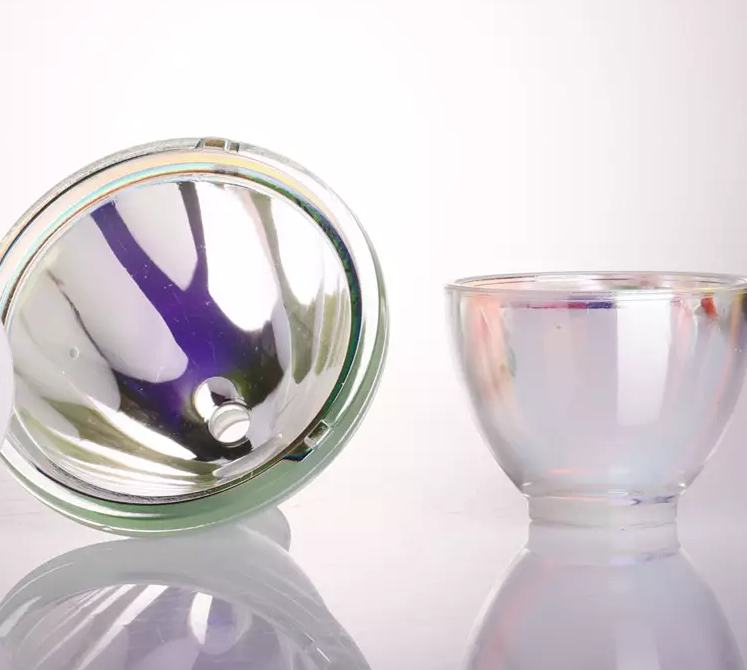
COB Glass LED Reflector Bowl Manufacturer Deep Design Perfect Beam Spotlights Projector Lights 20 60 90 Beam Angle
- Deep reflector bowl design
- 20°, 60° and 90° beam options
- Spotlight and projector use
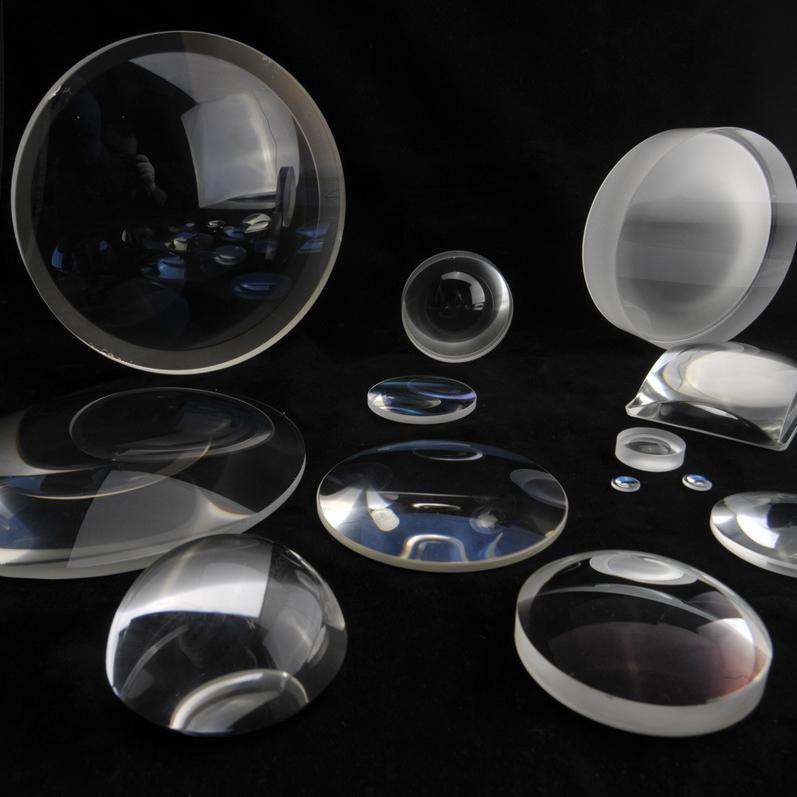
Custom High Quality Diameter 80Mm 127Mm 250Mm Spherical K9 Optical Coating Glass Plano Convex Lens for Big Magnifying
- 80 mm, 127 mm, 250 mm references
- Plano-convex optical geometry
- Large magnifying and projection use
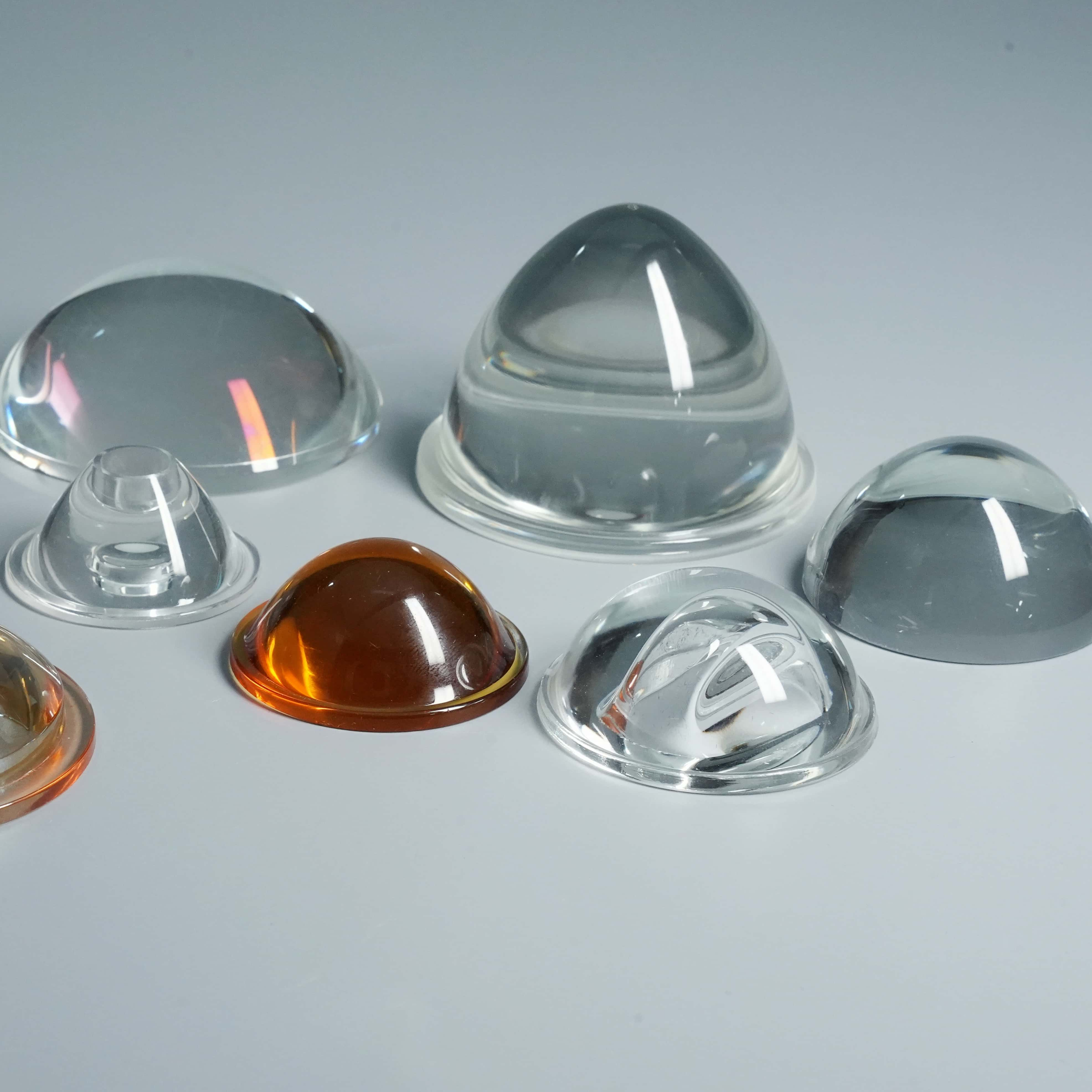
Custom Borosilicate Glass LED Grow Light Convex Lens with Anti-Reflective Coating for Indoor Farming Full Spectrum Lighting
- Full-spectrum transmission
- Anti-reflective coating option
- Indoor farming fixtures

Factory Price Custom Precision Optical 1-200mm Clear BK7 Spherical Quartz Glass Half Ball Concave/Biconvex Lens Anti-Reflective
- 1–200 mm custom range
- BK7 and quartz options
- Half-ball, concave, biconvex forms
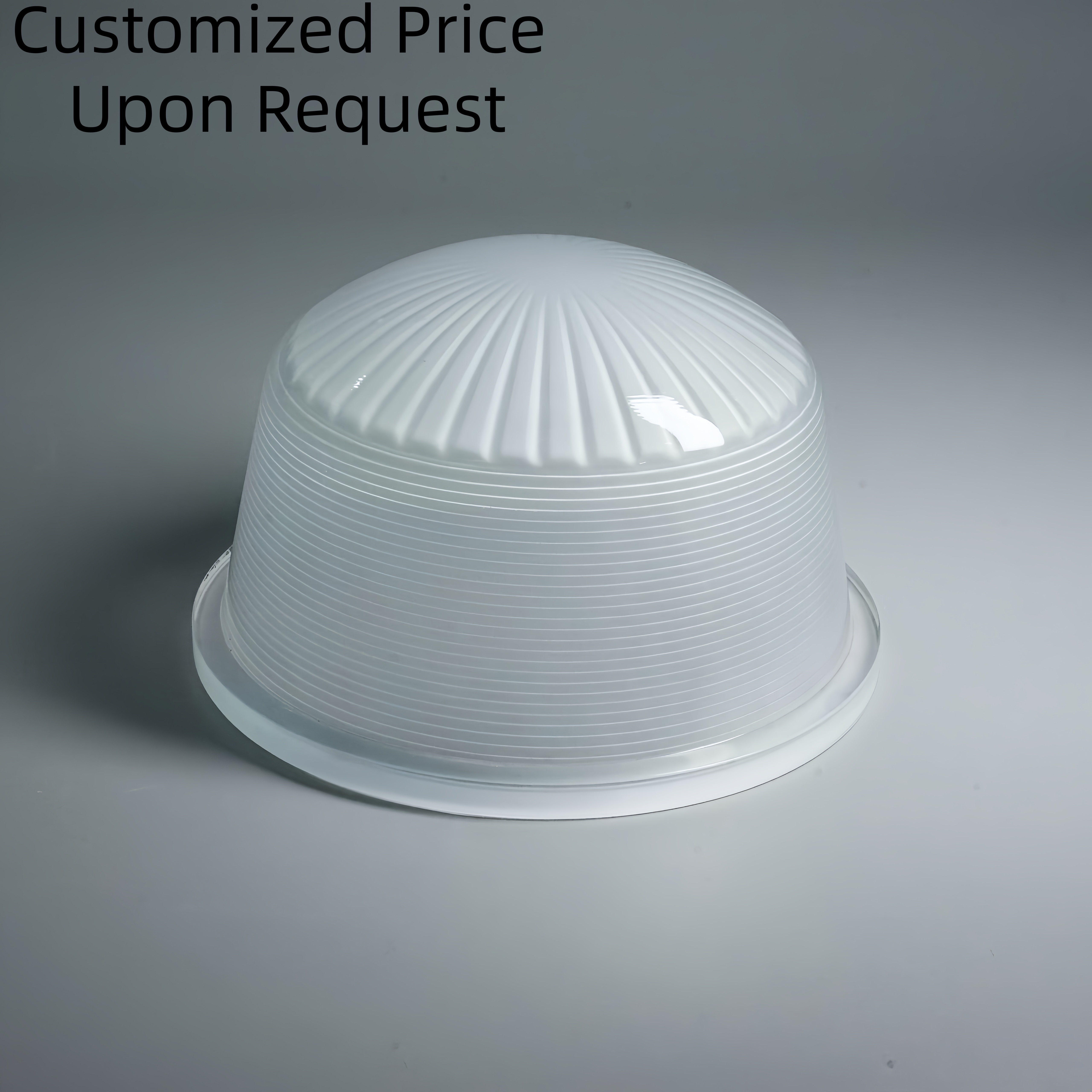
Transparent Explosion-proof Glass Shade, High Light Transmittance, Industrial Workshop Lighting
- High light transmittance
- Industrial workshop lighting
- Borosilicate or tempered routes

Wholesale OEM Shape Size Borosilicate Glass 175mm Diameter AR Coating Double Plano Convex Achromatic Fresnel Lens BO GLASS Stage
- 175 mm diameter reference
- Double plano-convex Fresnel form
- AR coating and OEM shape
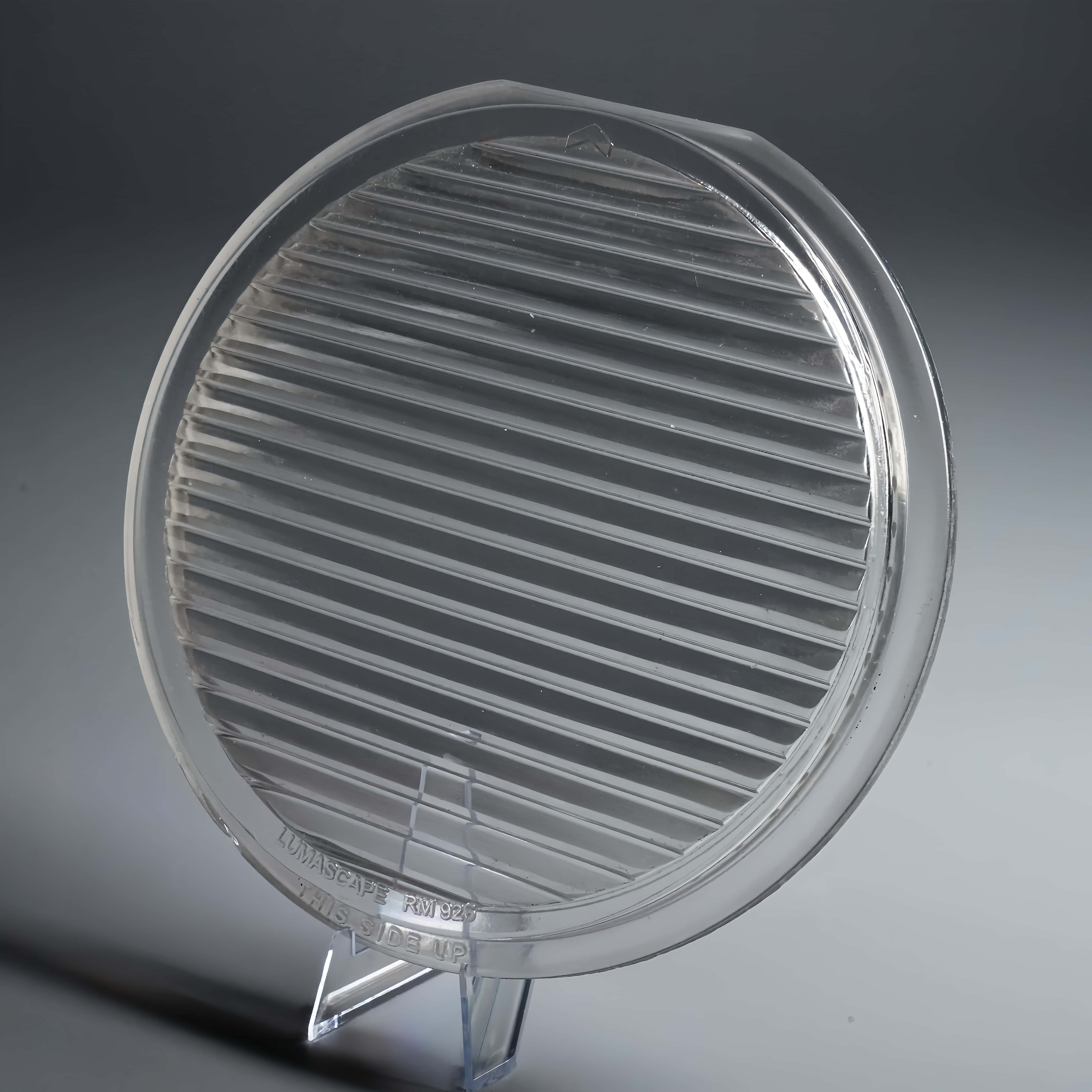
Supplier Custom Size Shape Pressed Mold Heat Resistant High Borosilicate Headlight Glass Lens Cover Headlight Glass Cover
- Pressed-mould custom shape
- Heat-resistant borosilicate
- Headlight and protective covers
Polished Glass Sourcing in Montreal: What the Search Intent Really Means
People searching for China best polished glass manufacturers & wholesalers in Montreal are usually not looking for a decorative glass retailer. They are comparing supply models: a China manufacturer for custom, drawing-based parts; a wholesaler with local inventory or distribution; or a hybrid route where a factory produces to an approved sample and a Montreal-area partner holds buffer stock. Each model solves a different risk, and the “best” supplier depends on the drawing, annual volume, fixture certification and replacement strategy.
Montreal adds specific conditions that generic SEO pages often miss: winter thermal shock, de-icing salt and grit, bilingual technical documentation, heritage building constraints, a dense underground city and transit network, and a buyer base that spans lighting OEMs, electrical distributors, facility maintenance teams, laboratories, film studios and port-side industrial operations. A glass component that looks acceptable in a catalogue photo may still fail when a hot cover meets snow, washdown water or a gasket that applies uneven pressure.
This guide is therefore an evaluation framework rather than a ranking claim. It focuses on information gain: material trade-offs, polished-edge definitions, sample checkpoints, landed-cost realities and the documentation a Montreal purchasing team should request before a purchase order. Shanghai Tambi Glass Industrial Co., Ltd. is a China-based manufacturer and trading company; this page does not pretend to be a local Montreal stockist. It explains how to qualify a factory-direct source for Montreal delivery and when to combine it with local wholesale support.
Quick buyer verdict
- Choose factory direct when the part is custom, tolerances are defined, the optical or thermal requirement is real, and annual volume is predictable.
- Choose a local wholesaler when you need standard SKUs, urgent replacement stock, familiar billing and fast technical response inside Quebec.
- Use a hybrid model for high-value fixtures: approve the China-made glass, keep a Montreal buffer stock, and control change notices centrally.
- Ask for material reports, dimensional inspection and packing evidence — not only sample photos. A polished sample without change control is not production approval.
Where Polished Glass Matters in Greater Montreal and Quebec
Glass performance is not set by the catalogue alone. It is set by lamp power, housing design, gasket pressure, cleaning methods, weather and maintenance access. These scenarios show how a Montreal buyer should translate local conditions into a glass specification.
Cold-climate exterior & façade lighting
Montreal freeze-thaw cycles, wind-driven snow and de-icing salt create a harsh test for exterior luminaires. A hot cover can be hit by cold rain, snow or wash water. Borosilicate 3.3 is often preferred for its low thermal expansion and thermal-shock resistance. Specify wall thickness, annealing or tempering, gasket contact faces and edge geometry — a sharp polished edge can become a crack starter. For Old Montreal and heritage façades, match visible profile and colour before cost reduction.
Transit, underground city & infrastructure
Montreal’s métro, REM, tunnels, underground walkways and station renovations demand impact resistance, consistent beam distribution and cleanable surfaces. Prismatic covers, tempered glass and LED lenses should be quoted with dimensional tolerances and replacement-piece packing. For tunnels and station lighting, glass transmission and colour must be coordinated with the LED module and driver; glass cannot correct a badly matched light engine. Vandal-resistant design and spare-part availability are part of the real specification.
Port, rail & hazardous-area lighting
Port of Montreal operations, Saint Lawrence marine activity, rail yards, chemical plants and food facilities use explosion-proof and high-transmission industrial shades. Buyers should remember that the fixture certification belongs to the luminaire manufacturer; the glass supplier must match dimensions, colour, transmission and material reports. In washdown or coastal air, borosilicate and tempered options should be compared for thermal shock, impact, chemical exposure and gasket compatibility, not only unit price.
Life sciences, universities & studios
Montreal universities, biotech companies, film studios and stage rental houses need Fresnel lenses, optical domes, filters and polished convex lenses. In stage lighting, AR-coated borosilicate reduces reflection losses while surviving high-power LED heat. In laboratories, specify wavelength, transmission, flatness, coating durability and measurement method. For rental studios, packaging and spare units matter as much as optical performance because downtime is a scheduling cost.
Trends Reshaping Polished Glass Demand in Montreal
Montreal buying behaviour is moving away from “replace like-for-like” toward performance specifications, documentation and supply continuity. These four trends are visible in quotes, samples and supplier qualification requests.
LED retrofits in older building stock
High-power LED modules concentrate heat behind compact covers. Demand is shifting from plain soda-lime glass to borosilicate shades, AR-coated lenses and precisely aligned Fresnel optics. Montreal buyers should compare transmission, beam control and thermal limits, not lumens alone.
Climate-resilient public realm
Freeze-thaw cycles, de-icing salt, snow-clearing vibration and wind-driven rain push specifiers toward stress-relieved glass, protective edge finishes and packaging that survives LTL handling. Outdoor fixtures need a maintenance plan and replacement SKU continuity.
Heritage lighting & custom details
Montreal projects often require custom shapes, colours and visible profiles. The strongest supplier offers drawing-based tooling and transparent sample approval; wholesalers add value when they hold matched replacement stock. “Best” should mean repeatability, not only a one-off sample.
Bilingual procurement & near-local inventory
Quebec buyers increasingly request English/French documents, clear Incoterms, landed-cost estimates and buffer inventory. A hybrid China factory plus Montreal distributor model can combine custom pricing with local response time. Clarify who owns warranty, spare parts and technical support after delivery.
Material Selection and Edge-Polish Engineering Guide
In polished glass purchasing, “polished” can mean a flat ground and polished face, an edge chamfer, a fire-polished surface, or a coated optical surface. Two suppliers can quote the same drawing and mean different processes. A proper RFQ defines base material, forming route, edge geometry, surface quality, coating and inspection method.
| Material | Thermal expansion (×10⁻⁶/K) | Typical max. working temperature | Key strength | Best for |
|---|---|---|---|---|
| Borosilicate 3.3 | ≈ 3.3 | ≈ 450 °C | Excellent thermal-shock resistance | Explosion-proof shades, high-power LED covers, Fresnel lenses |
| Tempered soda-lime | ≈ 9.0 | ≈ 250 °C | High impact strength and economical cost | Outdoor covers, floodlight glass, vandal-resistant lenses |
| Fused quartz | ≈ 0.55 | ≈ 1000 °C+ | UV transmission and extreme heat capability | UV optics, high-temperature windows, scientific equipment |
| Optical BK7 (H-K9L) | ≈ 7.1 | ≈ 300 °C | Homogeneous optical grade, nd ≈ 1.517 | Precision lenses, prisms, mirrors, filters |
Values are typical references for early-stage screening, not a substitute for fixture testing. Final specification must be confirmed against your drawing, lamp surface temperature, impact rating, gasket design and the standard the complete luminaire must meet.
Typical specification emphasis by application
Qualitative planning bars only. They show where a Montreal buyer should spend specification and inspection effort; they are not test results.
Specify the optical requirement
State transmission target, haze limit, colour coordinates or dominant wavelength, AR coating range, prism geometry and measurement wavelength. For visible lighting versus LiDAR versus stage lighting, the meaningful metric is different.
Specify the mechanical finish
Define dimensions, tolerance, flatness, parallelism, edge chip limit, chamfer or radius, annealing or tempering, gasket contact face and marking. Add thermal-shock or impact testing only when the fixture requirement justifies it.
Specify the commercial controls
Include annual volume, sample quantity, inspection reports, packaging, spare-parts ratio, Incoterm and change-control rules. The cheapest way to avoid a cracked cover is to define thermal shock, edge quality and certification responsibility in writing before tooling.
Why Tambi Glass Fits Drawing-Based Montreal Procurement
Shanghai Tambi Glass Industrial Co., Ltd. is a manufacturer and trading company focused on custom lighting and optical glass. The business is not built around anonymous catalogue glass. Most orders start with a 2D or 3D drawing, or a physical sample, followed by a manufacturability review, mould decision, sample approval and production control. That model suits Montreal buyers who need a polished glass component to fit an existing fixture, gasket, optical path or replacement program.
Original company information includes more than 10 years of lighting glass experience, a team of 11–50 people, annual export revenue in the US$2.5M–5M range, an average response time within 6 hours, and onsite-verified supplier records. The company works with pressed, blown, ground and coated processes, and materials include borosilicate 3.3, tempered soda-lime, fused quartz and optical BK7. These facts matter because they show where a technical conversation can go: custom tooling, mixed-material programs, coated optics, fragile export packing and small optical batches can be reviewed in one supply chain.
Montreal procurement teams can review the supplier assessment, credit index, trade capacity, trade history, factory video and buyer reviews before requesting samples. The point is not to replace your own qualification; it is to shorten the first technical review.



Drawing-based OEM / ODM
DFM review covers wall thickness, draft, sealing faces, optical path alignment, tolerance stack-up and packing constraints before mould work begins.
Material and process breadth
Borosilicate, tempered soda-lime, quartz and BK7 can be matched to pressed, blown, ground, polished and coated production routes.
AR and optical coating
Anti-reflective coating, bandpass or filter work, colour consistency and inspection criteria can be discussed in the same RFQ as the glass body.
Fast engineering feedback
The original company profile states an average response within 6 hours. For Montreal buyers, that speed matters when a fixture project is waiting on a drawing review.
Verified supplier transparency
Onsite verification, credit, trade capacity and transaction history help procurement teams decide whether the supplier is a fit before samples are shipped.
Export packing discipline
Fragile glass is separated with foam or pulp dividers, reinforced cartons and palletisation for sea or air freight. Custom labelling for distributors can be arranged.
Quality, Documentation and Risk Controls for Montreal Buyers
Glass is brittle, so quality is not only a final visual check. It is the result of drawing review, stress control, edge finishing, coating adhesion and packaging. For a Montreal buyer, the practical risk is often not a bad sample; it is uncontrolled drift between sample and mass production.
Drawing and DFM gate
Review 2D/3D drawings or samples for manufacturability, material, tolerance, edge finish, coating and sealing faces. Clarify which dimensions are critical and how they will be inspected.
Process and final inspection
Control forming, annealing or tempering, edge polishing, coating and cleaning. Final checks should cover dimensions, visual defects, edge chips, transmission or colour where relevant, and packing condition.
Certification interface
CSA/UL, FAA L-810, EN 50293 and similar marks usually apply to the complete luminaire, not the glass alone. Tambi Glass can match specifications and provide material or inspection reports; the fixture certificate remains with the luminaire manufacturer unless separately agreed.
| Montreal RFQ field | Why it matters | Recommended input |
|---|---|---|
| Operating temperature and thermal shock | Cold winters and hot LEDs create gradients across the glass. | Lamp power, surface temperature, minimum ambient, washdown, required test method. |
| Edge and surface finish | Edge chips or scratches can initiate cracks and reduce optical yield. | Edge chip limit, chamfer or radius, polish type, flatness, scratch criteria, inspection lighting. |
| Optical target | Transmission and colour differences appear under different LED spectra. | Wavelength or colour coordinates, transmission percentage, AR range, measurement instrument. |
| Fixture interface | Gasket pressure and sealing faces can leak, stress glass or misalign optics. | 2D/3D drawing, critical tolerances, sealing face finish, torque, gasket material. |
| Compliance responsibility | CSA/UL/FAA/EN marks normally belong to the complete fixture or luminaire. | Who holds certification, what reports are required, sample quantities for OEM testing. |
| Freight and packaging | Ocean, air and LTL handling can damage fragile glass even when parts are well made. | Divider type, carton strength, pallet pattern, spare ratio, English/French labelling. |
Wholesale, Freight and Landed-Cost Considerations for Montreal
For Montreal buyers, the lowest unit price is not the same as the lowest landed cost. Freight, brokerage, duties, taxes, damage rate, replacement lead time and inventory carrying cost all change the total. A custom polished lens from China can be competitive when annual volume is stable and the drawing is controlled. A standard replacement cover may be better supplied through a local wholesaler that holds stock. Many serious programs use both.
Choose the sourcing model by risk
Factory direct is strongest for custom shapes, optical coatings, thermal-shock materials and drawing-based production. Local wholesale is strongest for urgent standard replacements, small emergency orders and bilingual local support. A hybrid model protects the fixture program while reducing downtime.
Build a landed-cost sheet
Compare Incoterms, freight mode, insurance, brokerage, duties, taxes and payment fees. Ocean freight into Montreal, air freight through YUL, and LTL delivery each carry different packaging and handling risk. Confirm classification and tax treatment with a licensed customs broker.
Plan lead time and after-sales
Allow time for drawing review, tooling, samples, production, transit and customs. Add buffer for winter weather, port congestion and factory holidays. Agree on spare parts, warranty route, technical contact and bilingual documentation before the first shipment.
FAQ for Montreal Buyers Sourcing Polished Glass from China
These are the questions procurement teams, engineers and distributors ask when comparing a factory-direct polished glass supplier with a local wholesaler.
Are you a manufacturer or a trading company?+
Shanghai Tambi Glass Industrial Co., Ltd. is described in its original company information as a manufacturer and trading company. That means custom production can be coordinated with material sourcing, finishing and export logistics. For Montreal buyers, the practical value is one technical contact for drawings, samples, inspection and shipping instead of separate vendors for glass forming, coating and packing.
Can you ship polished glass to Montreal and Canada?+
Yes. Samples are normally shipped by courier, while production orders can move by air or sea. For Montreal, common routing includes air freight through YUL or sea freight into the Port of Montreal, followed by brokerage and local delivery. Glass parts are separated with foam or pulp dividers, packed in reinforced export cartons and palletised as needed. Incoterms and final delivery terms should be confirmed in the quotation.
What should I send for an accurate quote?+
Send a 2D or 3D drawing, a physical sample, or both. Include material preference, dimensions, critical tolerances, edge finish, coating, colour or transmission target, annual volume, sample quantity, destination in Canada and the fixture application. If the part must fit an existing gasket or housing, mark the sealing face and any assembly constraints. A complete RFQ reduces the risk of quoting the wrong polishing or coating process.
What is the typical MOQ and lead time?+
Typical MOQs range from about 50 pieces for optical lenses to 100–500 pieces for pressed or blown lighting covers, depending on whether an existing mould can be used. Sample quantities are available for evaluation. Lead time depends on drawing review, tooling, sample approval, production volume and transit. The original company profile states an average response within 6 hours for technical inquiries.
Do you provide CSA, UL, FAA or EN certification?+
The glass component is only one part of a luminaire. CSA, UL, FAA L-810, EN 50293 or similar certification is normally held by the fixture or luminaire manufacturer. Tambi Glass can produce glass lenses, covers and domes to match dimensional, colour and transmission specifications, and can provide material or inspection reports on request. The certification responsibility should be written into the RFQ so that no one assumes the glass supplier owns the fixture approval.
How do you support cold-climate performance?+
Cold-climate performance starts with the material and the whole assembly. Borosilicate 3.3 may be recommended where thermal shock is severe; tempered soda-lime may fit moderate-temperature impact applications; quartz or BK7 may be needed for optical or high-temperature work. Wall thickness, edge finish, annealing or tempering, gasket pressure and water trapping all matter. Final validation should be done with the complete fixture, not with a glass sample alone.
Ready to Compare a Montreal-Ready Polished Glass Quote?
Send your drawing, sample photo, operating temperature, annual volume and destination details. The engineering team can review manufacturability, suggest the right glass route and recommend packing for Montreal delivery.