Eight Flood Light Lens and Optical Glass Products for Düsseldorf Buyers
These product families cover high-power LED floodlights, airport and runway fixtures, street lighting, stage lighting, sensing optics, horticulture lighting, and precision optical windows. Each item can be customized by drawing, sample, coating, color, tolerance, and packing requirement.
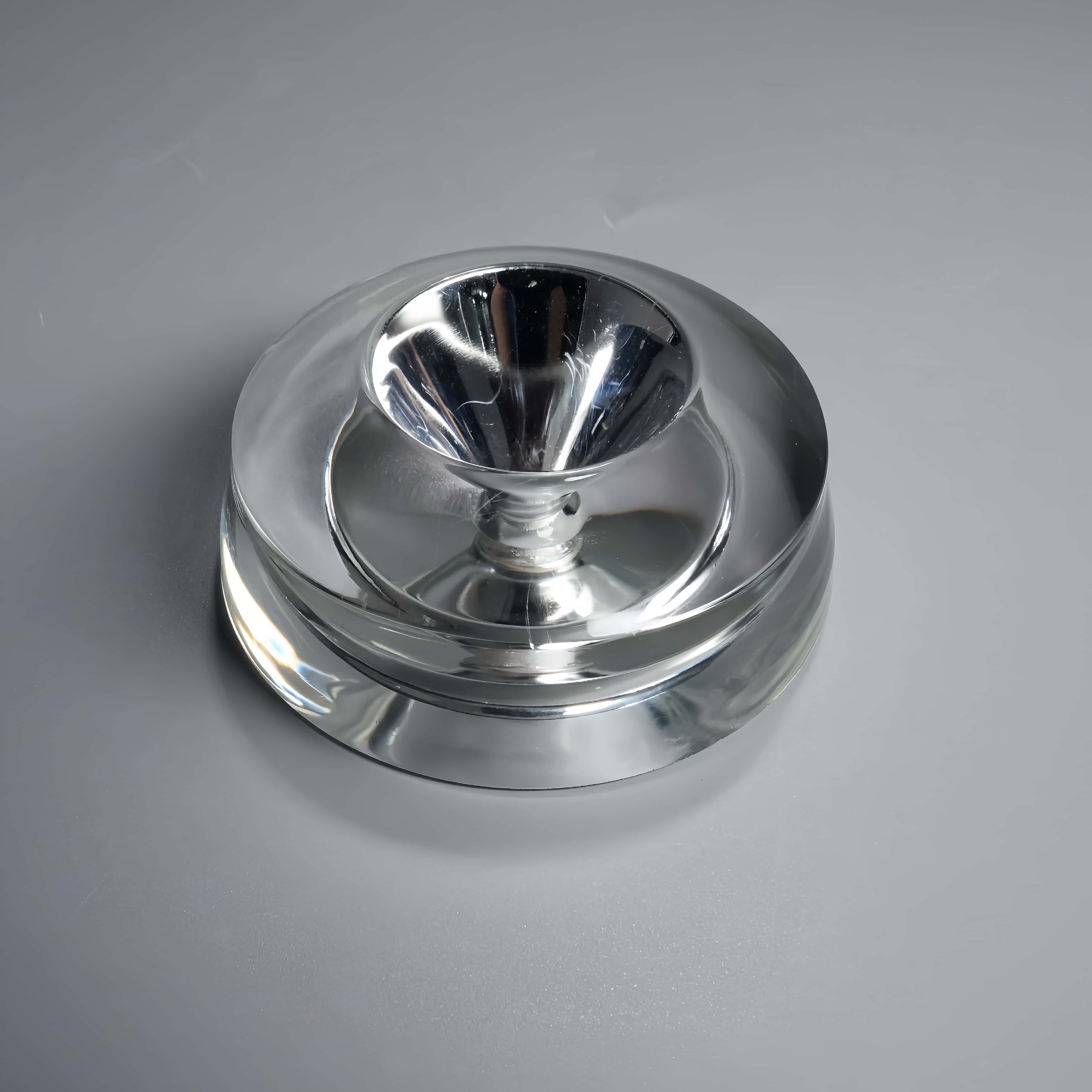
Factory China Custom Size Mold Pressed Borosilicate Bk7 K9 Eco-Friendly LED Optical Glass Lens for Taxiway Runway Airport Ground
Heat-resistant optical glass for airfield ground lighting, taxiway fixtures, and high-reliability LED assemblies.
View product →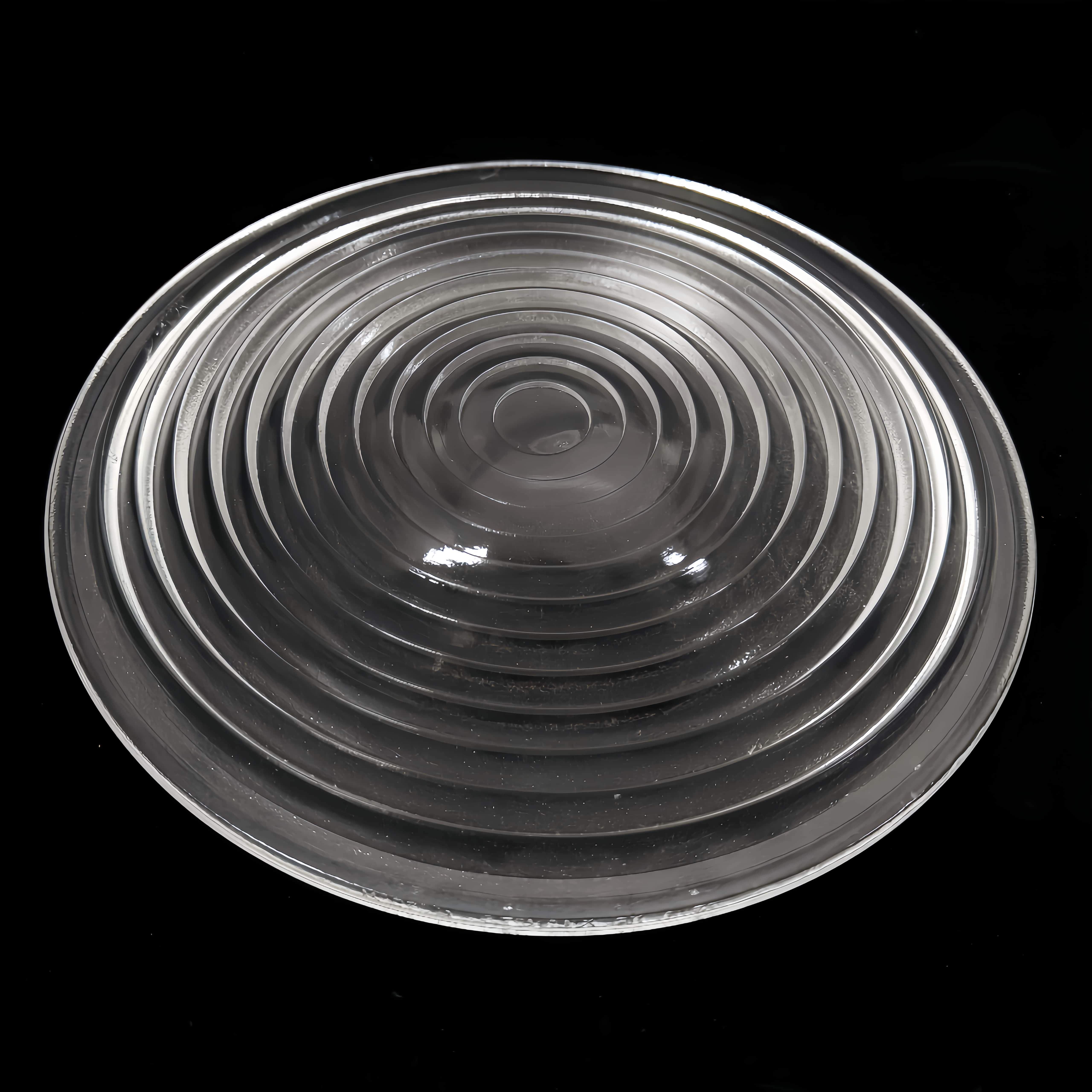
Precision Molded Borosilicate Glass Fresnel Lens Stage Lighting Anti-Reflective Coating FAA/ICAO Standards 175mm BO GLASS OEM
AR-coated borosilicate Fresnel optics for controlled beam spread, high transmission, and thermal stability.
View product →
High-Light Transmission Clear Borosilicate Glass Dome Lens LED Outdoor Lighting Fixtures Impact Resistant Anti-Scratch OEM
Clear dome optics for outdoor floodlights, facade lighting, and protected LED modules exposed to rain and wind.
View product →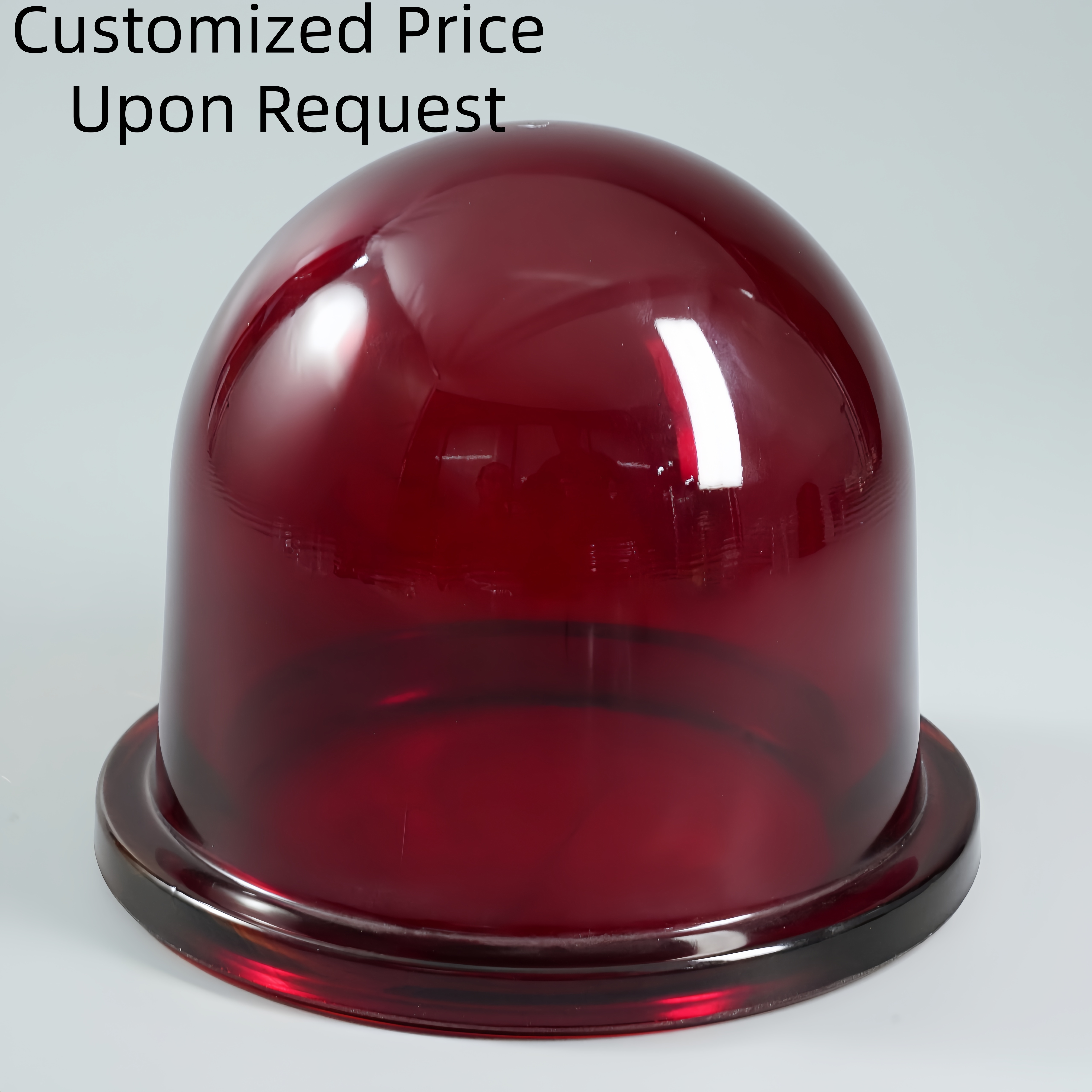
High-temperature Resistant Pressed Glass Shade, Explosion-proof & Crack-proof, Outdoor Street Light Specific
Pressed glass shades engineered for heat, impact, and thermal-shock resistance in street and industrial fixtures.
View product →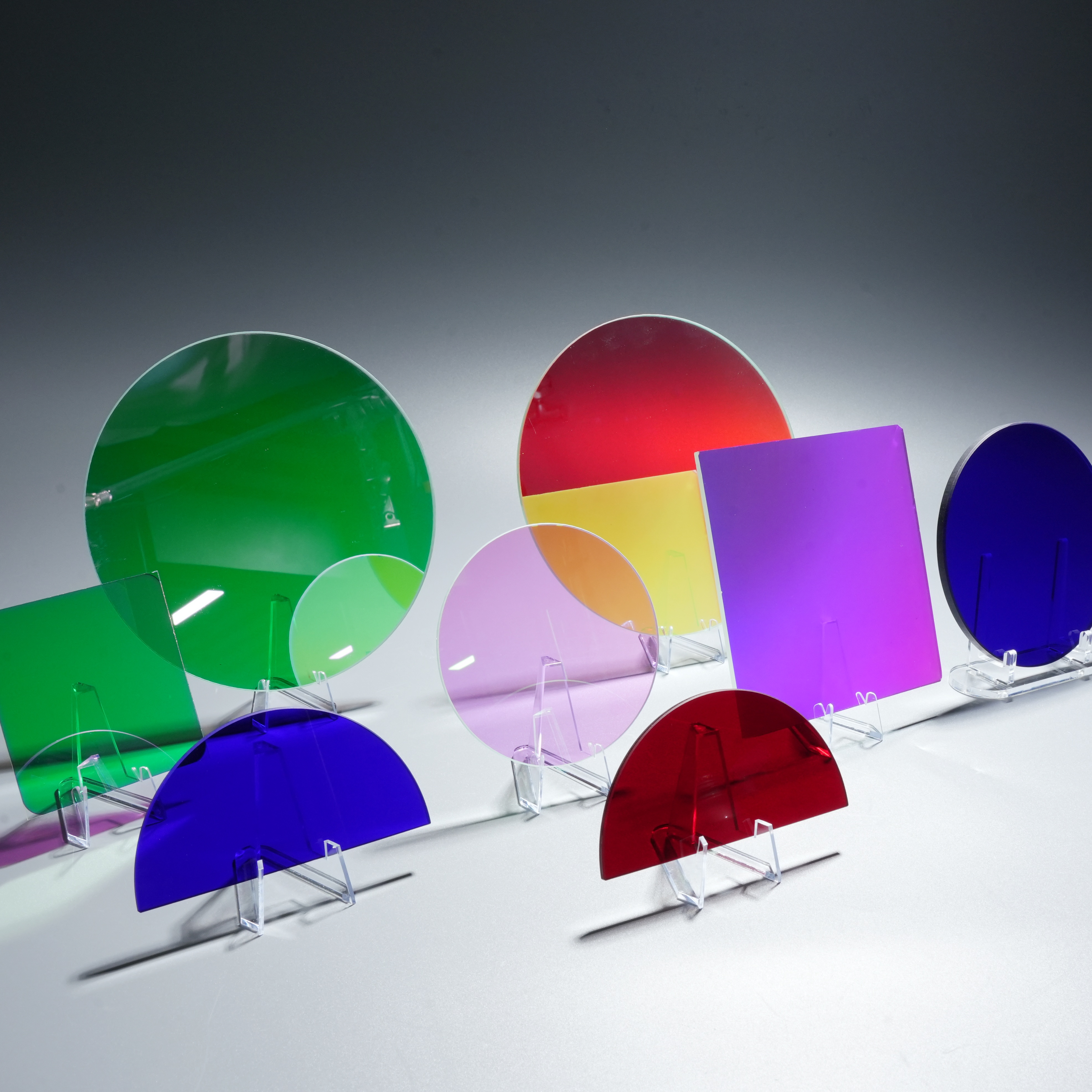
BO-GLASS BO-AH242 Manufacturer Customized High Precision 590Nm 49Mm Coated UV Borosilicate Bandpass Longpass Optical Filter
Custom wavelength filters for sensing, machine vision, and optical systems that require stable spectral control.
View product →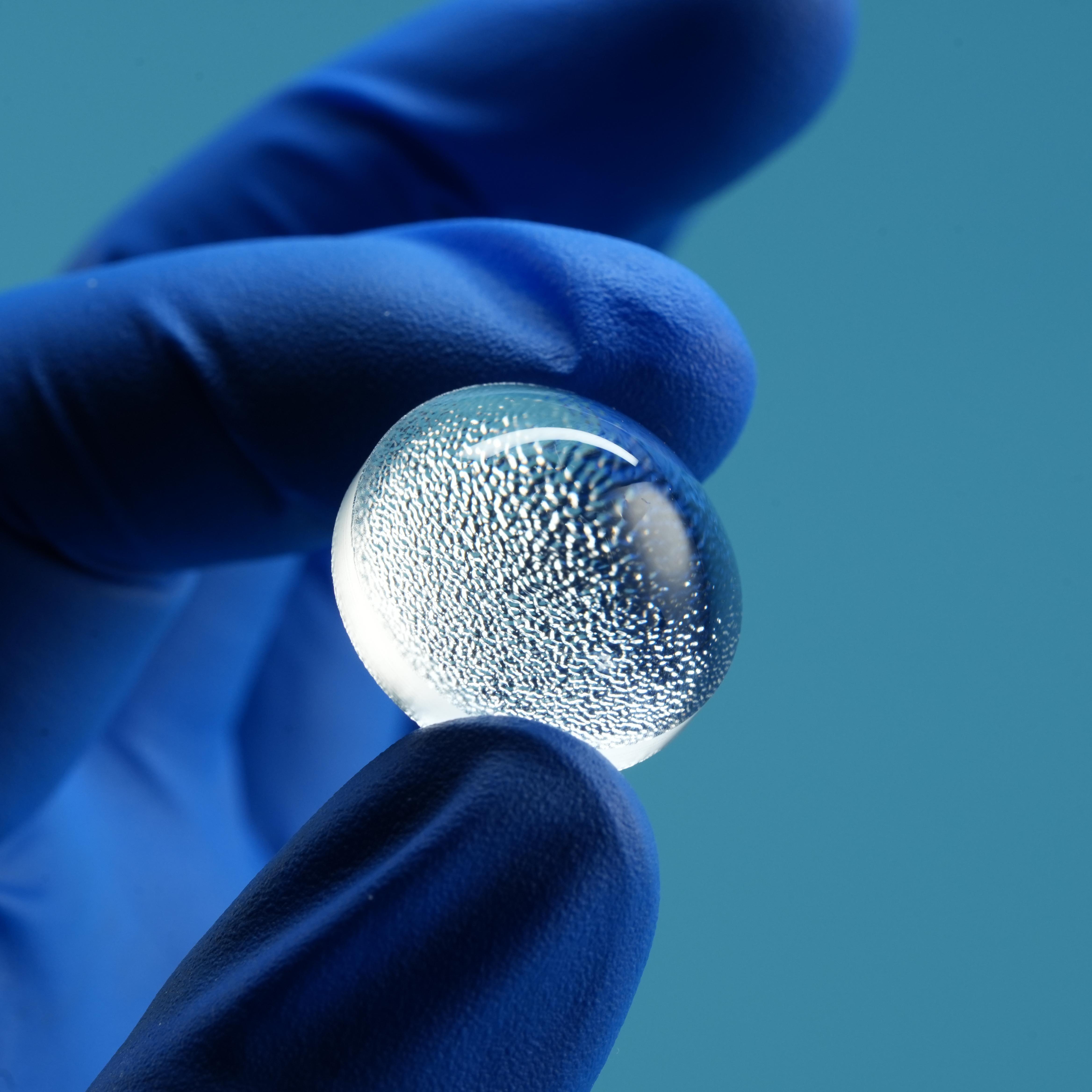
Factory Price Custom Precision Optical 1-200mm Clear BK7 Spherical Quartz Glass Half Ball Concave/Biconvex Lens Anti-Reflective
Precision-ground BK7 and quartz lenses for optical design, beam shaping, and instrument-grade light control.
View product →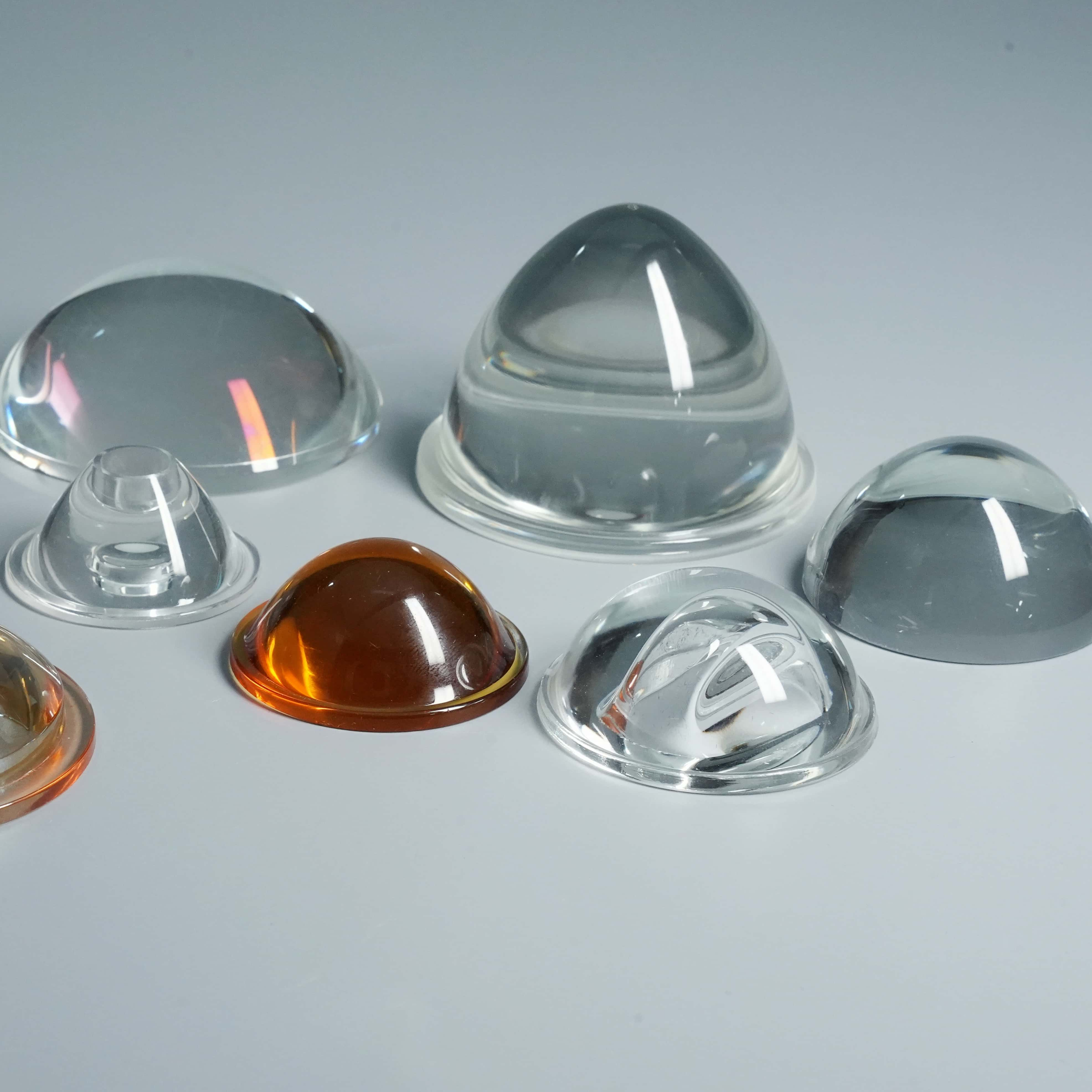
Custom Borosilicate Glass LED Grow Light Convex Lens with Anti-Reflective Coating for Indoor Farming Full Spectrum Lighting
Full-spectrum transmission and AR coating for indoor farming, vertical agriculture, and research lighting.
View product →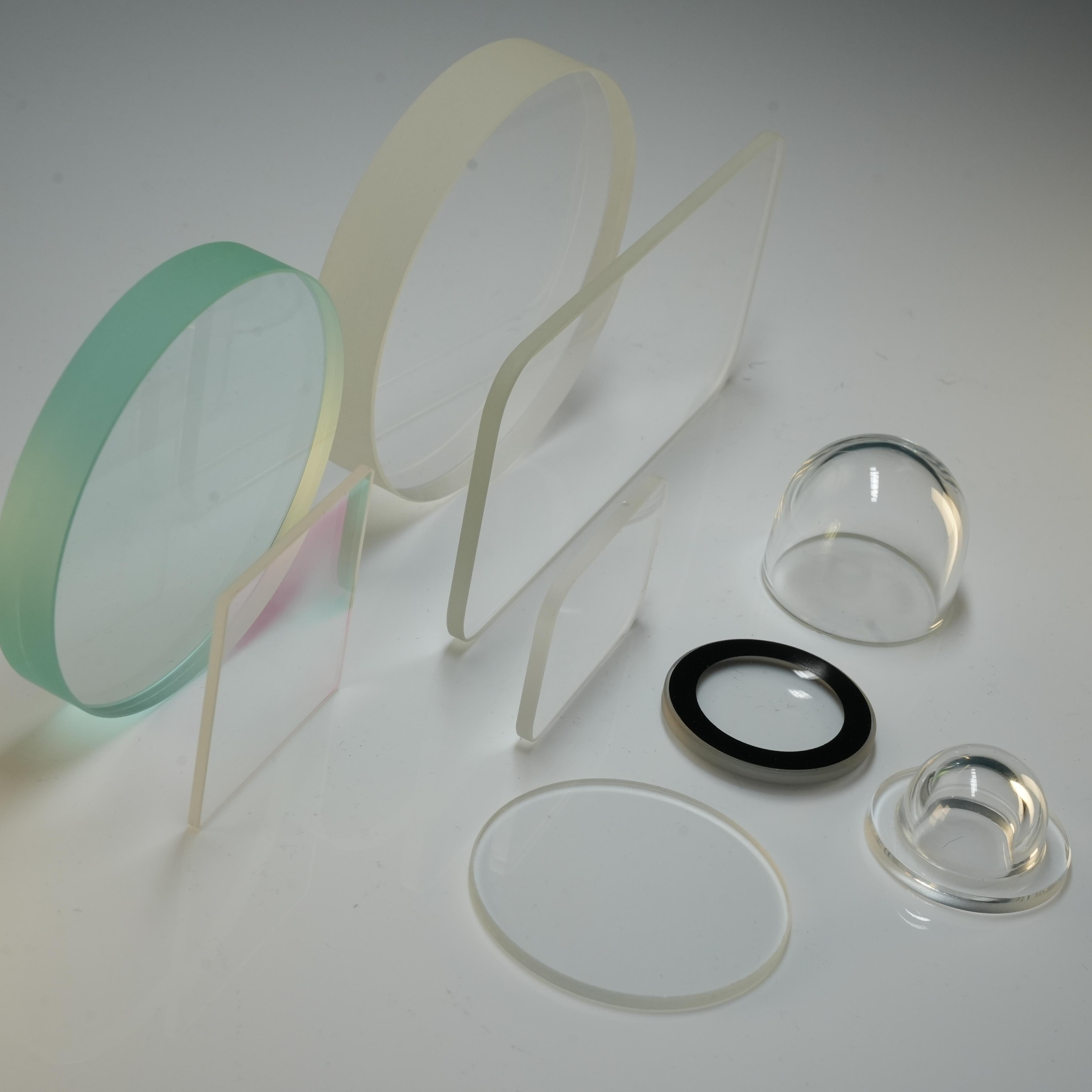
Manufacturer OEM Transparent High Quality Precision Borosilicate UV Fused Silica Coated Glass Optical Window High Transmittance
High-transmittance windows for sensors, LiDAR, UV systems, and protected optical cavities.
View product →What “Best” Should Mean for Flood Light Lens Buyers in Düsseldorf
When buyers in Düsseldorf search for the China best flood light lens manufacturer and suppliers, the useful question is not which supplier uses the strongest claim. The useful question is which supplier can prove material choice, optical performance, thermal-shock resistance, dimensional repeatability, documentation, and export reliability for a specific floodlight design. A floodlight lens is a critical optical and protective component: it shapes the beam, protects the LED chamber, resists UV and moisture, and must survive years of outdoor exposure in the Rhine-Ruhr climate.
Düsseldorf sits within one of Europe’s denser lighting and engineering regions. Buyers here are often comparing local suppliers in North Rhine-Westphalia with direct Chinese manufacturers, European distributors, and importers who hold stock in Germany. Each route has a place. Local stock can shorten replacement time; a Chinese OEM manufacturer can offer drawing-based customization, mold development, lower tooling cost at volume, and direct engineering communication. For projects involving high-power LED floodlights, stadium lighting, port and logistics areas, municipal squares, industrial plants, or architectural facades, the most reliable approach is to combine Düsseldorf market knowledge with factory-level engineering evidence.
Shanghai Tambi Glass Industrial Co., Ltd. has more than 10 years of lighting glass experience and works as both a manufacturer and trading company. The company supports drawing-based OEM and ODM projects, reviews wall thickness, draft, sealing faces, and optical path alignment before tooling, and combines pressed, blown, ground, and coated glass processes in one supply chain. For Düsseldorf buyers, that means one technical contact can coordinate borosilicate floodlight covers, tempered glass lenses, explosion-proof shades, Fresnel optics, and precision optical windows instead of dividing the project across unrelated vendors.
- Evidence-first sourcing: request material data, dimensional reports, coating specifications, and packing records before approval.
- Application-based selection: choose glass by surface temperature, impact risk, mounting height, cleaning method, and photometric target.
- Europe-ready coordination: plan DAP Düsseldorf delivery, EU declarations, replacement-part labeling, and batch traceability early.
Localized Application Scenarios in Düsseldorf and the Rhine-Ruhr Region
Floodlight lenses behave differently in a stadium, a Rhine waterfront facade, a logistics yard, or a chemical plant. The same glass family can need different thickness, coating, sealing, and impact specifications.
Rhine Promenade and MedienHafen Facades
Architectural floodlights near the Rhine face wind-driven rain, humid air, and strict glare expectations. Clear borosilicate dome lenses or tempered glass covers with AR coating help preserve light quality while protecting LED modules. Specify sealing-face flatness, gasket compression, and low-glare beam control for facade and pathway lighting.
Stadiums, Arenas, and Event Lighting
Sports and event venues demand controlled beam distribution, high transmission, and thermal stability under high-power LED modules. Borosilicate Fresnel lenses and high-temperature pressed lenses reduce risk from heat cycling. For Düsseldorf event and arena projects, request transmission curves, coating durability data, and sample photometric testing before approving a mold.
Logistics Yards, Ports, and Airport Areas
Around Düsseldorf Airport, freight hubs, and Rhine-Ruhr logistics parks, floodlights are exposed to vibration, cleaning equipment, and occasional impact. Tempered pressed glass shades and impact-resistant domes support IK-rated fixtures. Buyers should clarify mounting height, maintenance access, and whether the lens must be field-replaceable without opening the LED chamber.
Industrial Plants and Hazardous Areas
Chemical, pharmaceutical, and manufacturing sites across North Rhine-Westphalia often require explosion-proof or heavy-duty glass shades. Borosilicate 3.3 is commonly selected for thermal-shock resistance, while tempered soda-lime glass can be economical for moderate temperatures. Confirm lamp surface temperature, enclosure certification, and material reports before ordering.
Municipal Squares, Parking, and Retail
Düsseldorf’s public spaces and retail streets increasingly specify low-glare, dark-sky-friendly optics with uniform illuminance. Floodlight lenses may need asymmetric beam control, anti-reflective coating, and easy cleaning surfaces. A glass lens that improves optical efficiency can reduce energy use, but only when the photometric design and thermal path are validated together.
Urban Horticulture and Research Lighting
Indoor farming and research facilities in and around Düsseldorf require stable full-spectrum transmission. AR-coated borosilicate convex lenses help maintain photosynthetic photon flux while protecting emitters. For horticultural floodlights, check spectral transmission, coating wavelength range, and resistance to humidity and cleaning agents.
Localized Development Trends in Düsseldorf’s Lighting Market
Procurement in Düsseldorf is moving toward performance evidence, climate resilience, and documentation quality. These trends affect how floodlight lenses are specified and sourced from China.
Climate-Resilient Floodlight Design
Rhine-Ruhr weather combines humid periods, wind-driven rain, winter cold, and summer heat. Buyers are asking for thermal-shock rationale, annealing controls, and accelerated humidity testing rather than accepting “borosilicate” as a complete answer. Floodlight lenses for Düsseldorf projects should be specified by surface temperature, water contact, and mounting orientation.
Optical Quality and Photobiological Safety
Floodlight projects in Germany increasingly focus on glare control, light pollution reduction, and photobiological safety. A lens with higher transmission or a well-designed AR coating can improve efficiency, but it must be validated with the LED module and fixture optics. Buyers should request wavelength-specific transmission data and coating durability information before approving a Düsseldorf installation.
Documentation, Traceability, and Circular Packaging
Procurement teams in Düsseldorf want fewer surprises: RoHS and REACH declarations, material certificates, batch labels, inspection records, and packaging that survives palletized freight. A China floodlight lens manufacturer competing for European business must support DAP delivery planning, replacement-part identification, and recyclable or reduced packaging where the project requires it.
Product Selection Matrix: Matching Flood Light Lens Glass to the Project
Use this matrix as an early RFQ tool. Final selection must be confirmed against the fixture drawing, LED power, operating temperature, sealing design, and target photometric performance.
| Düsseldorf Project Scenario | Recommended Glass Product | Critical Specification | Procurement Note |
|---|---|---|---|
| Rhine waterfront and facade floodlighting | Clear borosilicate glass dome lens or tempered cover | AR coating, sealing-face flatness, IP-rated gasket compatibility | Ask for transmission curve and humidity resistance data for the coating. |
| Sports, arena, and event lighting | Borosilicate Fresnel lens and high-temperature pressed lens | Thermal-shock resistance, beam pattern consistency, low haze | Validate samples with the actual LED module and fixture thermal design. |
| Logistics yards, ports, and airport support areas | Impact-resistant tempered pressed glass shade | IK impact class target, anti-scratch surface, field-replaceable shape | Confirm maintenance access and replacement-part marking before mass production. |
| Industrial and hazardous-area fixtures | Explosion-proof borosilicate glass lampshade | Wall thickness, annealing quality, surface-temperature rating | Request material certificates and dimensional inspection reports. |
| Urban horticulture and research lighting | AR-coated borosilicate convex lens | Full-spectrum transmission, coating wavelength range, chemical resistance | Check spectral data against the specific LED spectrum used in the fixture. |
| Sensing, LiDAR, and optical windows | BK7 lens, fused silica window, or coated bandpass filter | Surface accuracy, coating adhesion, transmittance at target wavelength | Confirm optical axis, edge treatment, and cleaning compatibility. |
Fixture certification and CE marking remain the responsibility of the luminaire manufacturer. Component suppliers should provide supporting material, dimensional, optical, and inspection data for the manufacturer’s technical file.
How to Specify a Flood Light Lens That Handles Düsseldorf Weather and Standards
Floodlight lens failures usually begin with an incomplete specification, not with a single bad batch. A high-power LED floodlight may create a hot lens surface while rain, cleaning water, or cold night air creates a sudden temperature gradient. If the glass has the wrong expansion coefficient, poor annealing, or an unsuitable sealing face, a crack can appear even when the material description sounds correct.
For Düsseldorf projects, start with the operating environment. A facade fixture near the Rhine may see wind-driven rain and humid air. A logistics yard may face vibration and accidental impact. A hazardous-area fixture may need thick-wall borosilicate and documented annealing. A horticultural floodlight may need high transmission across a broad spectrum. A stadium lens may need precise beam control and coating stability under heat. The specification should turn these conditions into measurable requirements: material grade, coefficient of thermal expansion, maximum working temperature, wall thickness, tolerance, coating range, impact target, IP/IK interface, and packing method.
Borosilicate 3.3 is often the first choice for high-power LED covers and lenses because its thermal expansion is about 3.3 × 10⁻⁶/K and it tolerates high lamp temperatures better than ordinary soda-lime glass. Tempered soda-lime glass can be an economical choice for moderate temperatures when high impact strength is the priority. Fused quartz is used when UV transmission or extreme heat is required, while optical BK7 is used for precision lenses, prisms, and windows where homogeneous optical properties matter. The material name alone is not enough: buyers should ask how the part is formed, annealed, inspected, and packed.
Anti-reflective coating is another specification point that deserves attention. An AR coating can improve transmission and reduce ghosting, but the coating must be designed for the actual wavelength range and incidence angle. For floodlight lenses, the coating should also pass adhesion, humidity, and cleaning tests relevant to outdoor use. A low price per piece means little if the coating degrades after installation on a Düsseldorf facade or a stadium roof.
| Material | Thermal Expansion | Typical Max. Working Temperature | Key Strength | Best Fit for Floodlight Projects |
|---|---|---|---|---|
| Borosilicate 3.3 | ≈ 3.3 × 10⁻⁶/K | ≈ 450 °C | Excellent thermal-shock resistance | High-power LED floodlight lenses, explosion-proof shades, Fresnel optics |
| Tempered soda-lime | ≈ 9.0 × 10⁻⁶/K | ≈ 250 °C | High impact strength and economical cost | Outdoor covers, vandal-resistant lenses, street and area floodlights |
| Fused quartz | ≈ 0.55 × 10⁻⁶/K | ≈ 1000 °C+ | UV transmission and extreme heat resistance | UV optics, high-temperature windows, special sensing systems |
| Optical BK7 (H-K9L) | ≈ 7.1 × 10⁻⁶/K | ≈ 300 °C | Homogeneous optical properties, nd ≈ 1.517 | Precision lenses, prisms, mirrors, optical filters and windows |
Why Düsseldorf Buyers Work With Tambi Glass
Shanghai Tambi Glass Industrial Co., Ltd. combines lighting-glass experience, drawing-based engineering, controlled production, and export coordination for OEM buyers who need a China manufacturer to behave like a technical partner.
10+ Years in Lighting Glass
Long-term focus on glass covers, lampshades, signal domes, LED lenses, Fresnel optics, and optical components rather than general glass trading.
Drawing-Based OEM / ODM
Send a 2D or 3D drawing, physical sample, tolerance, material, color, and coating requirement. Engineers review manufacturability before tooling starts.
Multiple Processes, One Supply Chain
Pressed, blown, ground, and coated glass processes are coordinated under one supplier, helping match each floodlight lens to the right cost and performance target.
Optical Coatings and Color Control
AR coatings, bandpass and longpass filters, red and clear signal glass, and custom color requirements can be specified with wavelength and transmission targets.
≤ 6 Hour Average Response
Technical inquiries can move quickly. Share the drawing, annual volume, operating temperature, and target delivery window for a focused engineering and commercial review.
Export Packing for Fragile Glass
Foam or pulp dividers, reinforced export cartons, and palletized packing for sea or air freight. Custom labeling for distributors can be arranged.
Verification and Transparency
Onsite verification, supplier assessment records, trade-capacity information, and video calls or third-party audits can support procurement qualification.
Manufacturer and Trading Company
A compact team of 11–50 people, manufacturer and trading capability, and US$2.5M–5M annual export revenue support responsive, practical coordination for OEM buyers.
A Low-Risk Process from Drawing to DAP Düsseldorf
A controlled process reduces the gap between sample approval and mass production. Each step creates a clear checkpoint for the buyer and the factory.
RFQ and Drawing Intake
Share the 2D or 3D drawing, physical sample if available, operating temperature, annual volume, target delivery, and any packaging or labeling requirement.
DFM and Material Proposal
Engineers review wall thickness, draft, sealing faces, optical path alignment, material grade, coating range, and potential manufacturing risks before quoting.
Tooling and Sampling
Existing molds may reduce cost and lead time. New molds are proposed when the geometry or optical requirement cannot be met by an existing tool.
Forming and Annealing
Pressed, blown, or ground glass is produced with controlled annealing or tempering to relieve stress and support thermal-shock performance in outdoor floodlights.
Coating and Quality Control
AR or color coating, dimensional inspection, visual inspection, and required reports are checked before packing. Samples can be measured before approval.
Export Packing and Delivery
Glass parts are separated by dividers, packed in reinforced cartons, palletized for sea or air freight, and prepared for DAP Düsseldorf or another agreed Incoterm.
Questions Local Buyers Ask Before Ordering Flood Light Lenses from China
These are the practical questions that arise when a Düsseldorf lighting OEM, distributor, contractor, or facility owner evaluates a China floodlight lens manufacturer.
Can you manufacture to my drawing or a physical sample?
Yes. Most orders are drawing-based. Send a 2D or 3D drawing, dimensions, tolerances, material, color, coating, and operating temperature. If only a sample is available, provide key dimensions and the fixture context so engineers can review manufacturability before proposing a mold.
What is the typical MOQ for a Düsseldorf pilot order?
Typical MOQs range from about 50 pieces for optical lenses to 100–500 pieces for pressed or blown lighting covers, depending on whether an existing mold can be used. Sample quantities are available for evaluation before a larger release.
Can you support EU CE, RoHS, and REACH documentation?
We can provide material and inspection reports and RoHS or REACH declarations where applicable. CE marking of the finished luminaire remains the responsibility of the luminaire manufacturer. The component data should be included in the manufacturer’s technical file.
How do you reduce thermal-shock cracking in Rhine-Ruhr weather?
The material, wall thickness, annealing or tempering process, sealing design, and mounting orientation must work together. For high-power LED floodlights, borosilicate 3.3 is often preferred. Buyers should provide surface temperature, water-contact conditions, and cleaning method so the glass specification can be reviewed properly.
Can you deliver DAP Düsseldorf and use custom labels?
DAP Düsseldorf or another agreed Incoterm can be discussed during quotation. Glass parts can be packed with foam or pulp dividers, reinforced cartons, and palletization. Distributor labels, replacement-part identification, and custom packaging can be arranged when specified.
How do you match red, clear, or other transmission requirements?
Color and transmission should be defined by wavelength, target transmittance, and where possible a reference sample. Coated filters and colored signal glass can be matched against the fixture’s LED spectrum. Approved samples and measurement reports reduce ambiguity before mass production.
What quality checks can be included before shipment?
Depending on the product, checks may include dimensions, wall thickness, appearance, bubbles or inclusions, coating condition, transmittance, and batch labeling. For safety-critical or high-value projects, buyer-specific inspection plans and third-party inspection can be discussed.
How quickly can a technical inquiry be reviewed?
The average response time is within 6 hours. Email a drawing, annual volume, target application, and delivery expectation to info@tambiglass.com for an engineering and commercial review.
Request a Düsseldorf-Ready Flood Light Lens Review
Send your drawing, sample photo, operating temperature, annual volume, and target delivery window. We will review the glass material, forming method, coating, tolerance, packing, and documentation requirements for your floodlight project.
Average technical response: ≤ 6 hours · Email: info@tambiglass.com