Borosilicate Glass Lenses & Optical Parts for Puebla Projects
These eight product families cover street lighting, stage lighting, horticulture, laboratory optics, spectroscopy, sensing and outdoor fixtures. Each can be customized by drawing, coating, color and volume.
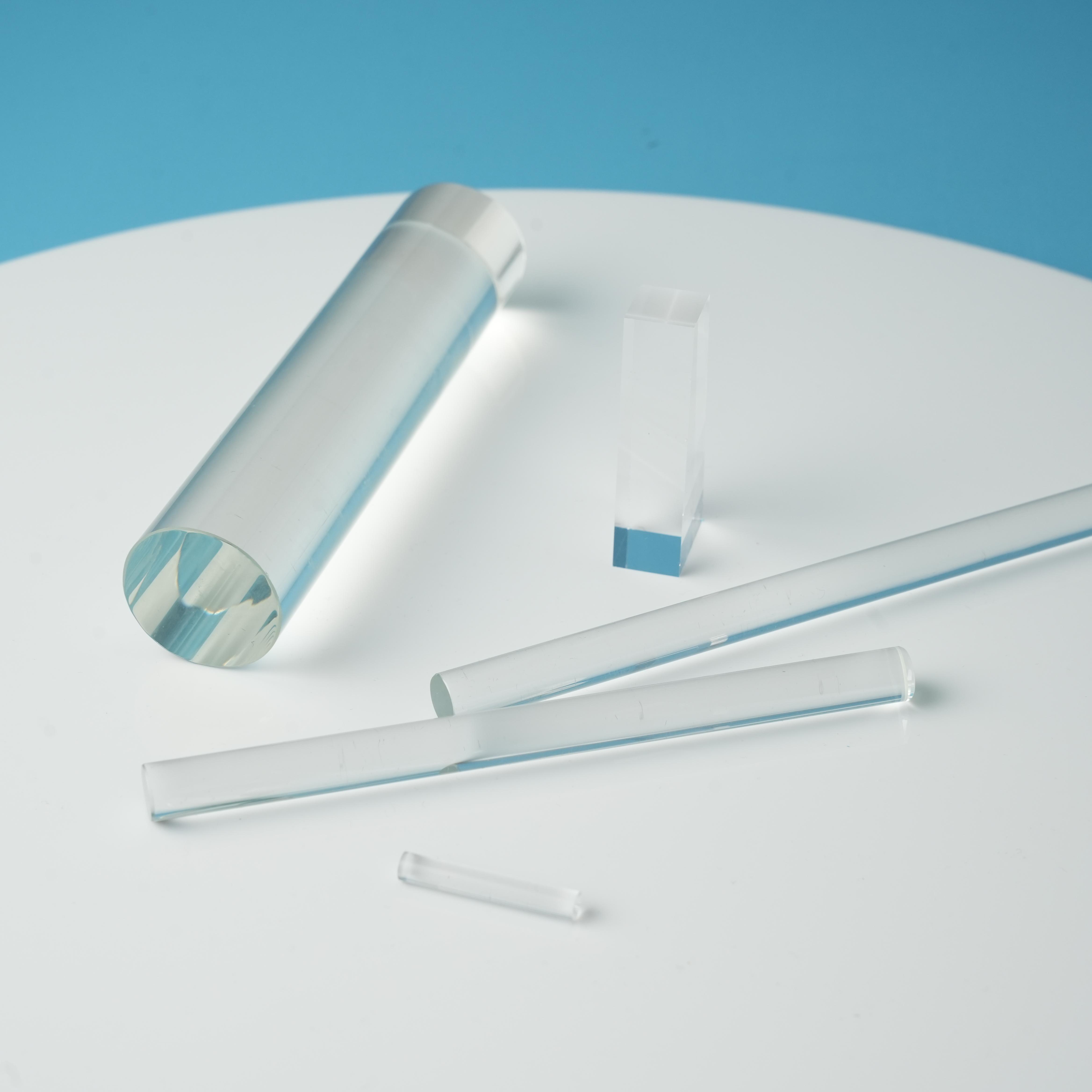
High Borosilicate Optical Light Guide Rod Lens
Custom transparent rod lens for laboratory light transfer, high-temperature resistance and stable optical alignment. Drawing-based dimensions and finishes available.
View light guide rod lens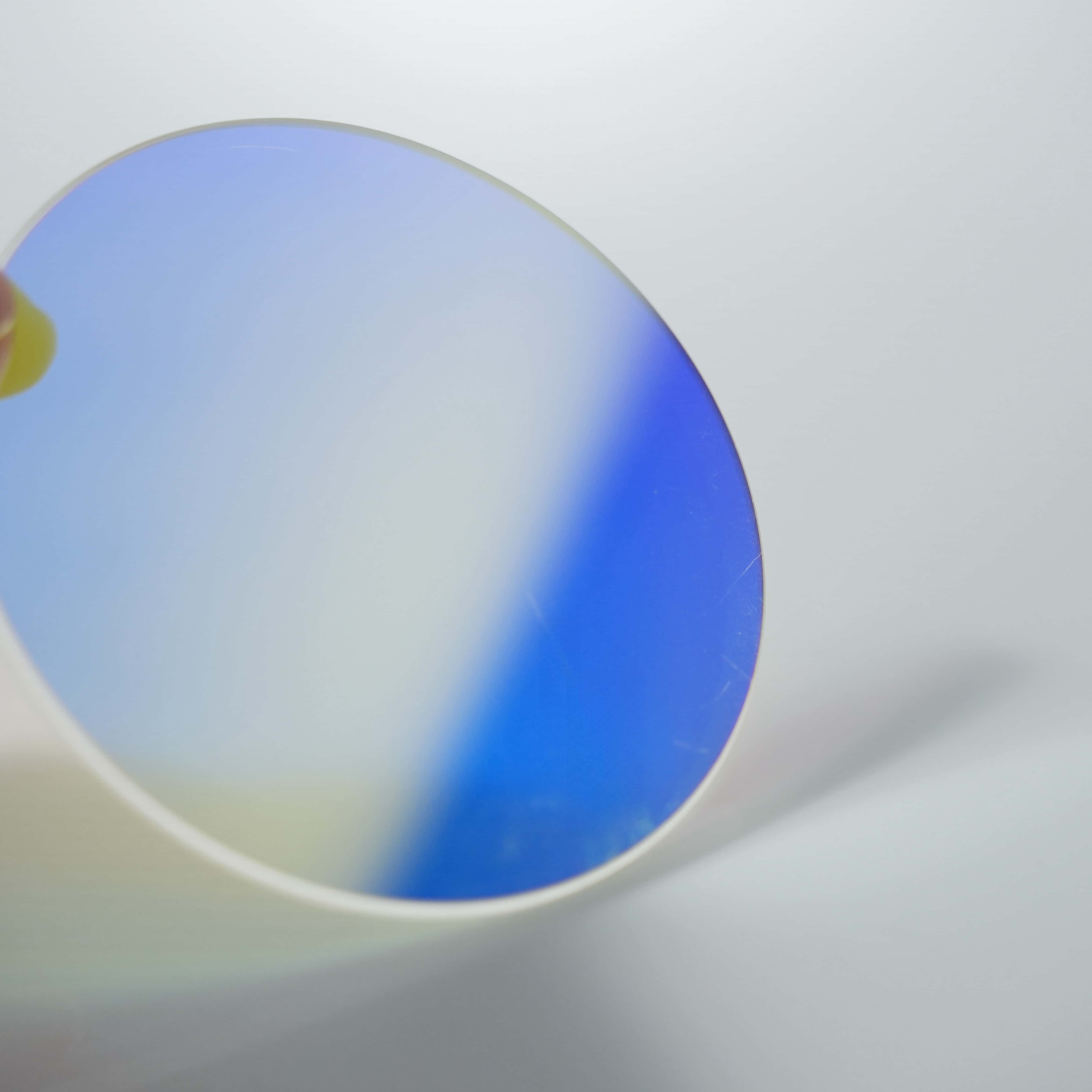
Borosilicate Longpass / Shortpass Filter 500–700 nm
AR-coated cut-edge filter for industrial sensors and spectroscopy. Select wavelength, diameter, coating and edge treatment for your optical path.
View optical filter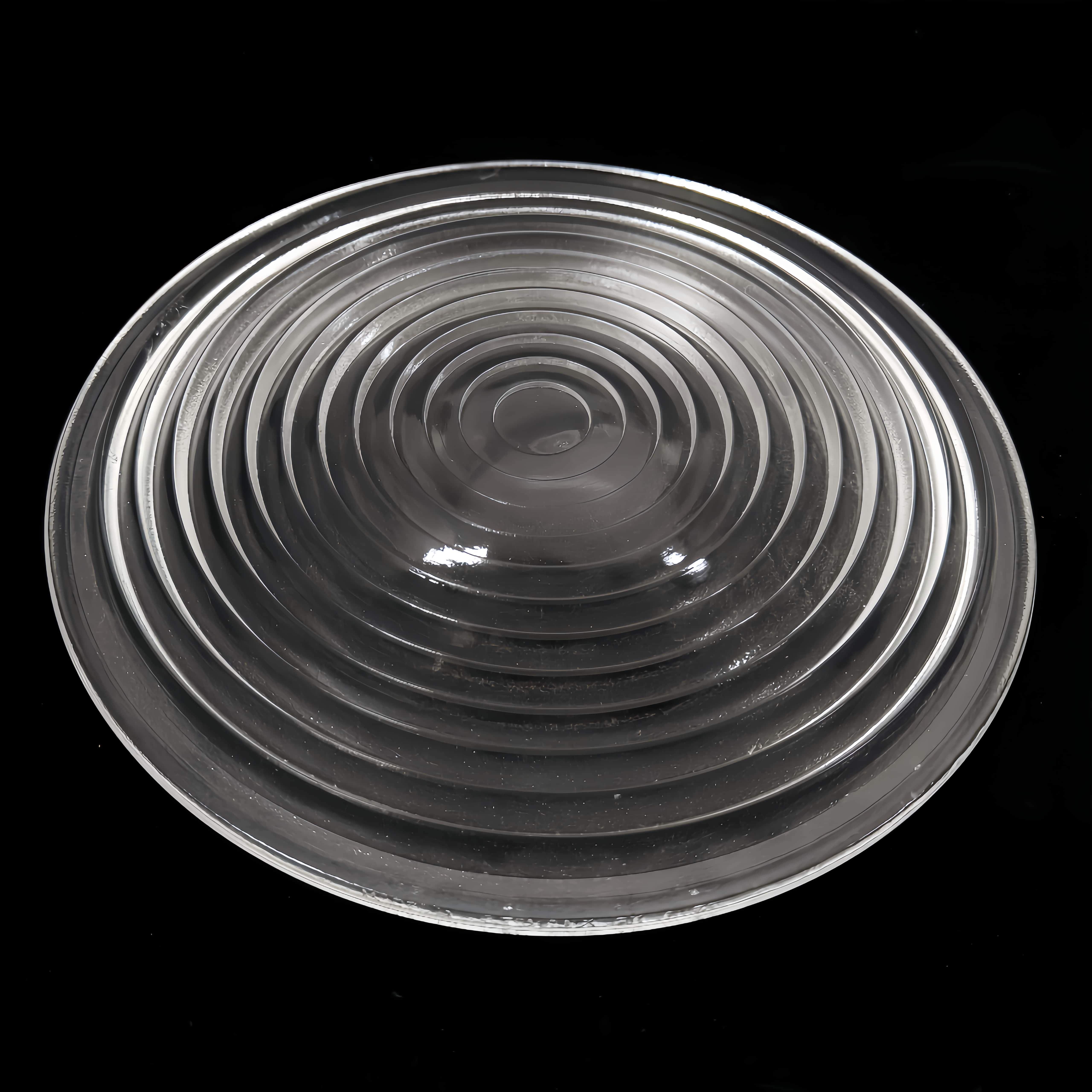
Precision Molded 175 mm Borosilicate Fresnel Lens
Molded Fresnel lens with anti-reflective coating for stage lighting and LED collimation. OEM dimensions, mounting details and coating options supported.
View 175 mm Fresnel lens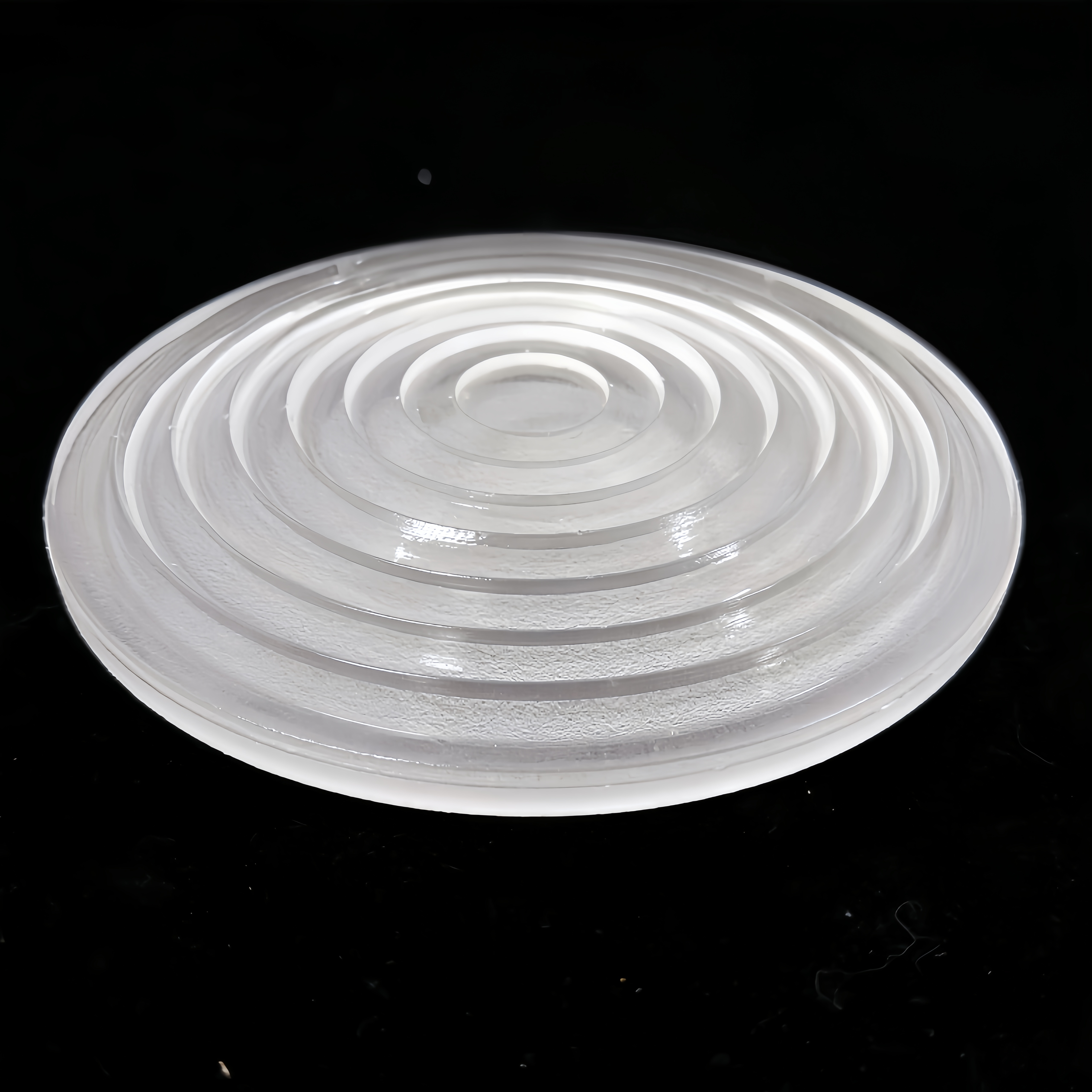
High-Temperature Borosilicate Fresnel Lens
Heat-resistant Fresnel lens engineered for high-power LED stage and studio luminaires. Anti-reflective coating supports efficient light collimation.
View high-temperature Fresnel lens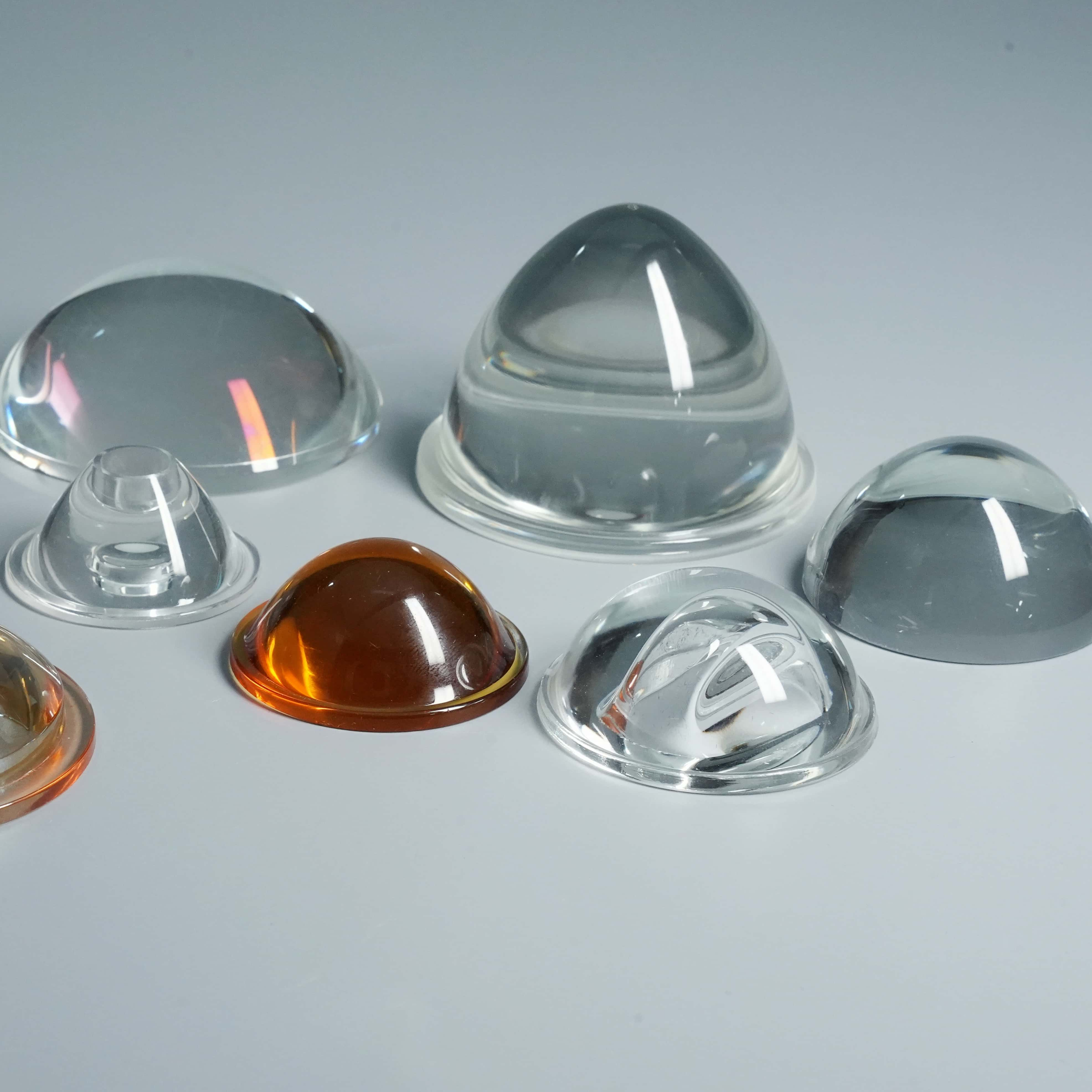
Borosilicate LED Grow Light Convex Lens
Full-spectrum convex lens with anti-reflective coating for indoor farming and greenhouse fixtures. Designed for efficient light delivery and easy cleaning.
View grow light convex lens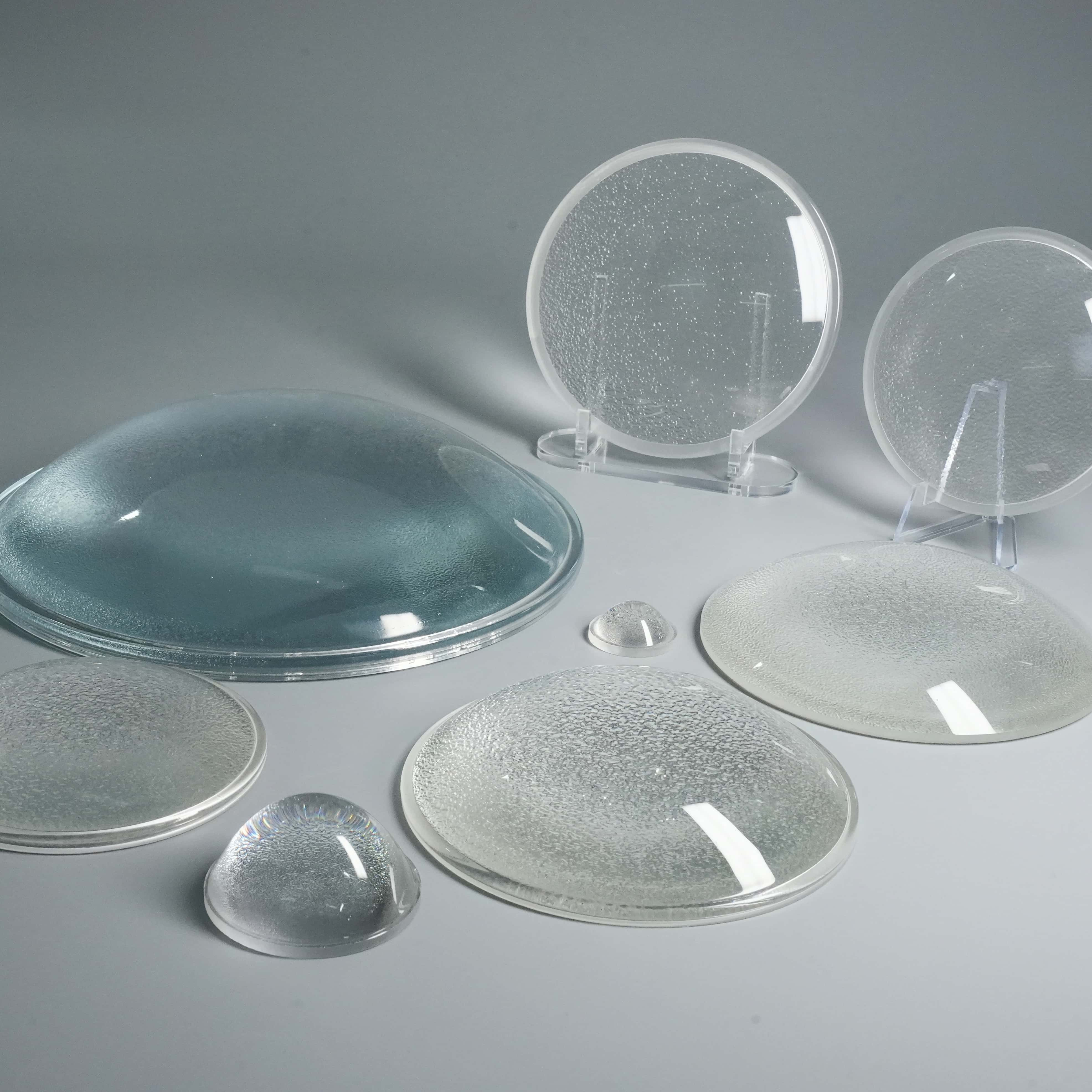
Asymmetric Borosilicate LED Street Light Lens
Roadway lens designed to reduce glare and light pollution while protecting LED modules. Suitable for street, industrial-park and municipal lighting projects.
View asymmetric street light lens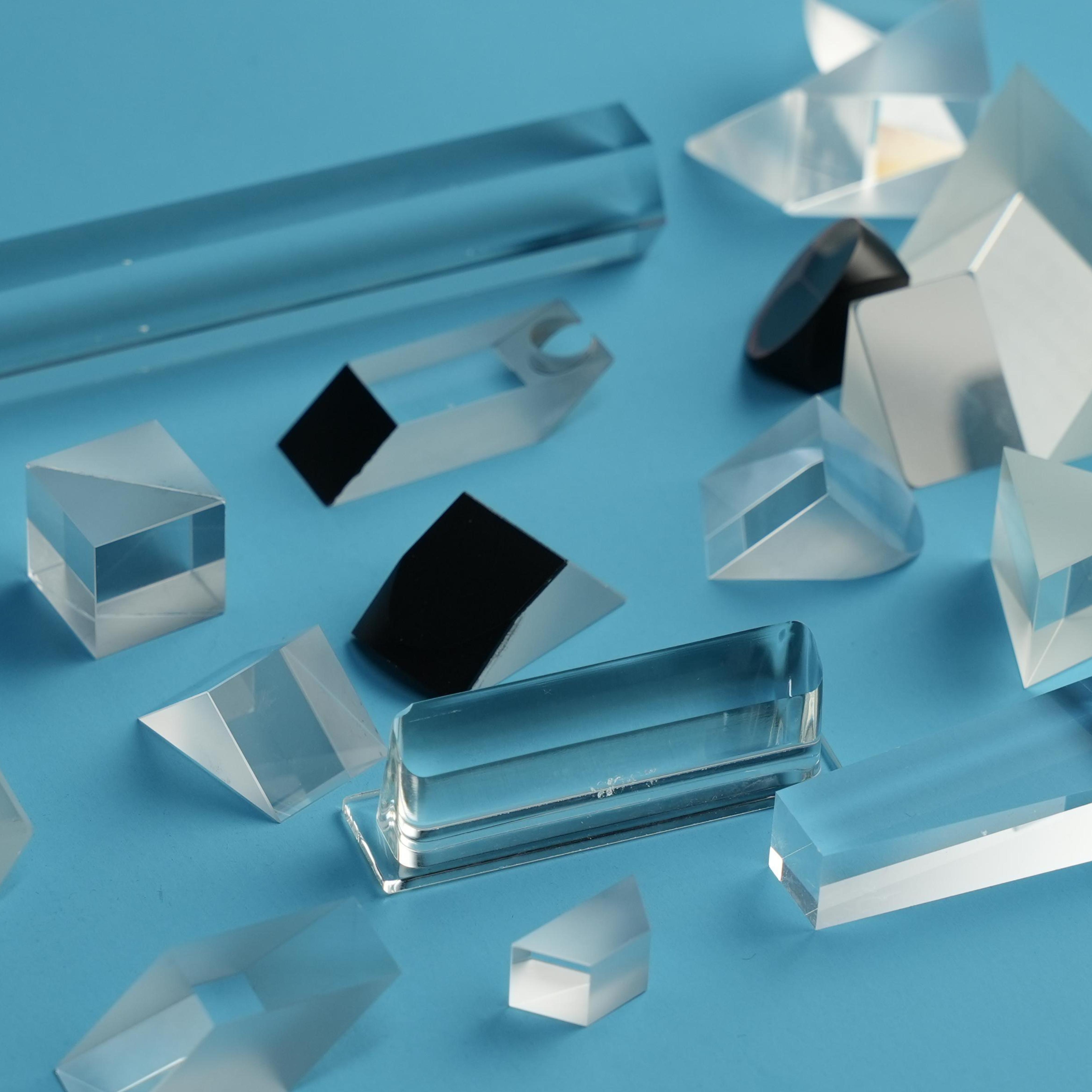
Custom BK7 / K9 Right-Angle Optical Prism
High-precision 90-degree prism in quartz, BK7 or K9 with optional AR coating and ODM/OEM finishing. Ideal for sensing and instrument assemblies.
View right-angle prism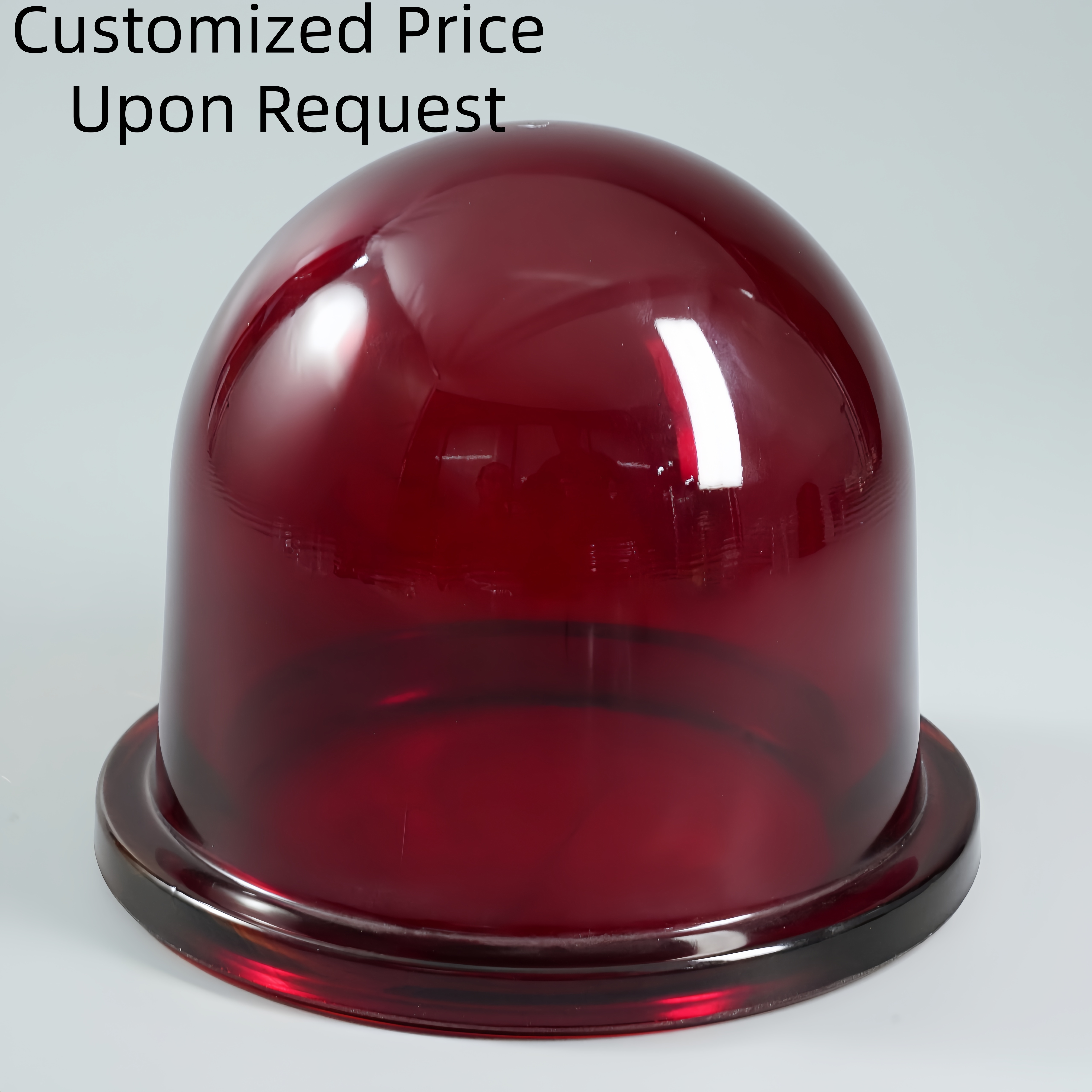
Heat-Resistant Pressed Glass Shade for Street Lights
Explosion-proof and crack-proof pressed glass shade for outdoor street lighting in high-temperature service. Custom shape and sealing-face review available.
View pressed glass shadeWhy Puebla Buyers Compare China-Based Borosilicate Glass Lens Factories
Puebla is not only an assembly location. It is a growing market for reliable lighting, optical and thermal-resistant glass components — with its own altitude, logistics, climate and certification realities.
When buyers search for China best borosilicate glass lens factories & factory in the Puebla market, the practical question is rarely “who has the lowest unit price?” It is “which factory can keep optical performance stable after a 2,100 m-altitude installation, a high-power LED heat load, a municipal streetlight tender and a long ocean shipment?” Puebla’s buyers — from OEM lighting brands and automotive suppliers to greenhouse operators and optical-sensor integrators — need a supplier who understands the whole chain: drawing review, glass selection, mold making, annealing, coating, inspection and export packing.
Puebla city sits at roughly 2,100 metres above sea level. That means stronger UV exposure, cool nights, warm days and frequent thermal cycling for outdoor luminaires. In the industrial corridors around Puebla city, San José Chiapa and Huejotzingo, high-power LED lighting, transport lighting and sensing equipment must survive vibration, heat and intermittent cleaning. Around Puebla’s agricultural zones, protected horticulture and floriculture projects increasingly use full-spectrum LED grow lights. The same borosilicate lens factory may therefore need to supply a street-light lens, a grow-light convex lens, a Fresnel lens and an optical filter — each with different transmission and thermal requirements.
Shanghai Tambi Glass Industrial Co., Ltd. is a manufacturer and trading company focused on custom lighting and optical glass. Its stated experience covers borosilicate glass covers, explosion-proof lampshades, signal-light domes, LED glass lenses, Fresnel lenses, prisms and optical filters. For Puebla buyers, that product breadth matters because it reduces the number of suppliers to qualify. A single engineering review can compare pressed, blown, ground and coated options before tooling starts.
Where Borosilicate Glass Lenses Fit in Puebla
Local application knowledge helps specifiers choose the right glass, coating and mechanical interface before requesting samples from a China factory.
Municipal LED Street & Roadway Lighting
Puebla’s ring roads, industrial parks and municipal streets need lenses that control glare, direct light downward and resist heat from compact LED modules. Asymmetric borosilicate lenses and pressed glass shades are common starting points.
Automotive & Transport Lighting Supply Chain
Suppliers linked to Puebla’s vehicle cluster require repeatable optical parts for lighting, inspection and sensor assemblies. Borosilicate and BK7 prisms, projection lenses and coated filters should be specified with drawing tolerances and inspection criteria.
Horticulture & Floriculture Projects
Puebla’s protected agriculture and ornamental-plant sector uses LED grow lights in greenhouses and indoor nurseries. AR-coated borosilicate convex lenses help maintain full-spectrum transmission while protecting emitters from dust and moisture.
Airport, Tower & Obstruction Lighting
Puebla’s aviation and infrastructure projects rely on signal and obstruction fixtures. Glass domes and lenses can be produced for fixture makers designing to FAA L-810 or similar requirements; final fixture certification remains with the luminaire manufacturer.
Industrial & Hazardous-Area Lighting
Chemical, food-processing and manufacturing plants around Puebla need robust glass covers for high-temperature and dusty environments. Explosion-proof borosilicate shades and pressed glass covers require careful wall-thickness and sealing-face review.
Stage, Architectural & Tourism Lighting
Puebla’s historic centre, event venues and hospitality projects use Fresnel, prism and effect lenses. High-temperature borosilicate Fresnel lenses are appropriate for high-power LED stage luminaires where plastic optics may deform.
Eight Trends Shaping Glass Lens Procurement in Puebla
These trends explain why Puebla buyers are adding a verified China borosilicate glass lens factory to their supplier map — often alongside local assembly and regional stock.
Puebla OEMs are qualifying a second glass source without abandoning Asian supply. A China factory with export packing and documentation helps reduce single-source risk.
Municipal and industrial-lighting upgrades focus on glare control and energy efficiency. Asymmetric lenses and precise light distribution matter more than raw lumen claims.
Outdoor lighting tenders increasingly specify reduced upward light and better visual comfort. Streetlight lenses with controlled beam patterns support these goals.
Smaller luminaires run hotter. Borosilicate 3.3 and controlled annealing are often selected to improve thermal-shock resistance behind high-power LEDs.
Puebla’s floriculture and protected-agriculture projects need full-spectrum transmission. AR-coated grow-light convex lenses are becoming a standard specification item.
The Puebla–San José Chiapa vehicle corridor increases demand for traceable optical parts, coated prisms and dimensionally stable glass components.
Buyers want sample quantities before committing to tooling. Optical lenses can start from about 50 pieces; pressed or blown covers often start from 100–500 pieces.
Procurement teams ask for drawings, inspection reports, packing lists and clear Incoterms. Spanish commercial summaries can be arranged by agreement for Puebla projects.
Borosilicate 3.3 vs Soda-Lime, Fused Quartz and BK7
Selecting the correct glass early avoids cracked covers, coating failures and costly field returns. Use this table for early specification, then confirm the final choice against your lamp temperature, impact rating and fixture standard.
| Material | Thermal expansion (×10⁻⁶/K) | Typical max. working temperature | Key strength | Best for |
|---|---|---|---|---|
| Borosilicate 3.3 | ≈ 3.3 | ≈ 450 °C | Excellent thermal-shock resistance | Explosion-proof shades, high-power LED covers, Fresnel lenses |
| Tempered soda-lime | ≈ 9.0 | ≈ 250 °C | High impact strength, economical | Outdoor covers, floodlight glass, vandal-resistant lenses |
| Fused quartz | ≈ 0.55 | ≈ 1000 °C+ | UV transmission, extreme heat | UV optics, high-temperature windows |
| Optical BK7 / K9 | ≈ 7.1 | ≈ 300 °C | Homogeneous optical properties | Precision lenses, prisms, mirrors, filters |
Inside Shanghai Tambi Glass: A Verified OEM Glass Supply Chain
For Puebla buyers, a factory is more than a price list. It is a partner that can review drawings, control coatings, document inspection and pack fragile optics for export.



Drawing-Based OEM / ODM Engineering
Send a 2D or 3D drawing, or a physical sample. Engineers review wall thickness, draft, sealing faces, tolerances, material and coating before tooling starts.
Multiple Glass Types Under One Supply Chain
Borosilicate 3.3, tempered soda-lime, fused quartz, BK7 and K9 can be reviewed for the same project, helping buyers avoid mismatched suppliers and specifications.
Pressed, Blown, Ground and Coated Processes
Lighting covers, domes, lenses, prisms and filters may require different forming routes. A combined process chain simplifies sampling and mass production.
AR and Optical Coating Support
Anti-reflective coatings for grow lights, Fresnel lenses, filters and instrument windows can be specified by wavelength and application needs.
Third-Party Onsite Verification
Our premises have been checked during third-party verification. Buyers can review supplier assessment, credit index, transaction level and trade capacity records before ordering.
Export Packing and Fast Response
Fragile glass parts are separated by foam or pulp dividers, packed in reinforced cartons and palletized. Average response time for technical inquiries is within 6 hours.
Company facts referenced from Tambi Glass public supplier information: Shanghai Tambi Glass Industrial Co., Ltd., manufacturer and trading company, 11–50 employees, 10+ years in lighting glass, annual export revenue US$2.5M–5M. View company profile · View supplier assessment
Drawing Review
DFM check of thickness, draft, tolerance, optical path and sealing face.
Mold & Tooling
New or existing molds selected for pressing, blowing, grinding or finishing.
Sampling
Samples measured and sent for fit, light and thermal evaluation before volume production.
Forming & Annealing
Controlled forming and annealing or tempering to reduce internal stress.
Coating & QC
AR or color coating, dimensional checks, visual inspection and report preparation.
Export Packing
Divider-packed cartons and palletized packing for sea or air freight to Mexico.
Local Procurement Questions from Puebla Buyers
These are the practical questions procurement teams ask before placing a first sample or production order with a China borosilicate glass lens factory.
Can you ship custom borosilicate glass lenses to Puebla, Mexico?
How do I choose glass for Puebla’s altitude, sun exposure and high-power LED heat?
What is the minimum order quantity for a first Puebla project?
Can you support NOM, FAA L-810 or EN 50293-related lighting projects?
How fast do you reply, and is Spanish support available?
How are samples and mass production checked before shipment?
How are fragile glass lenses packed for export to Puebla?
What information should I send with my inquiry?
What are the main lead-time drivers for a Puebla order?
Get a Puebla-Specific Borosilicate Glass Lens Review
Share your drawing, operating temperature, annual volume and delivery city in Puebla. Our engineering team will review the glass type, coating, sealing face and export packing — and respond with practical next steps.
Contact Us