Ceramic Printed Glass Exporters & Wholesaler in Quezon City
Engineering-led ceramic frit printed glass, borosilicate covers, optical domes, lenses and lighting glass components for Quezon City importers, lighting OEMs, contractors and institutional buyers.
8 Product Families Below the Banner for Quezon City Wholesale Buyers
These eight glass components are reorder-ready starting points for distributors, lighting manufacturers and project suppliers in Quezon City. Every item can be reviewed against your drawing, housing, gasket, operating temperature and desired delivery schedule.
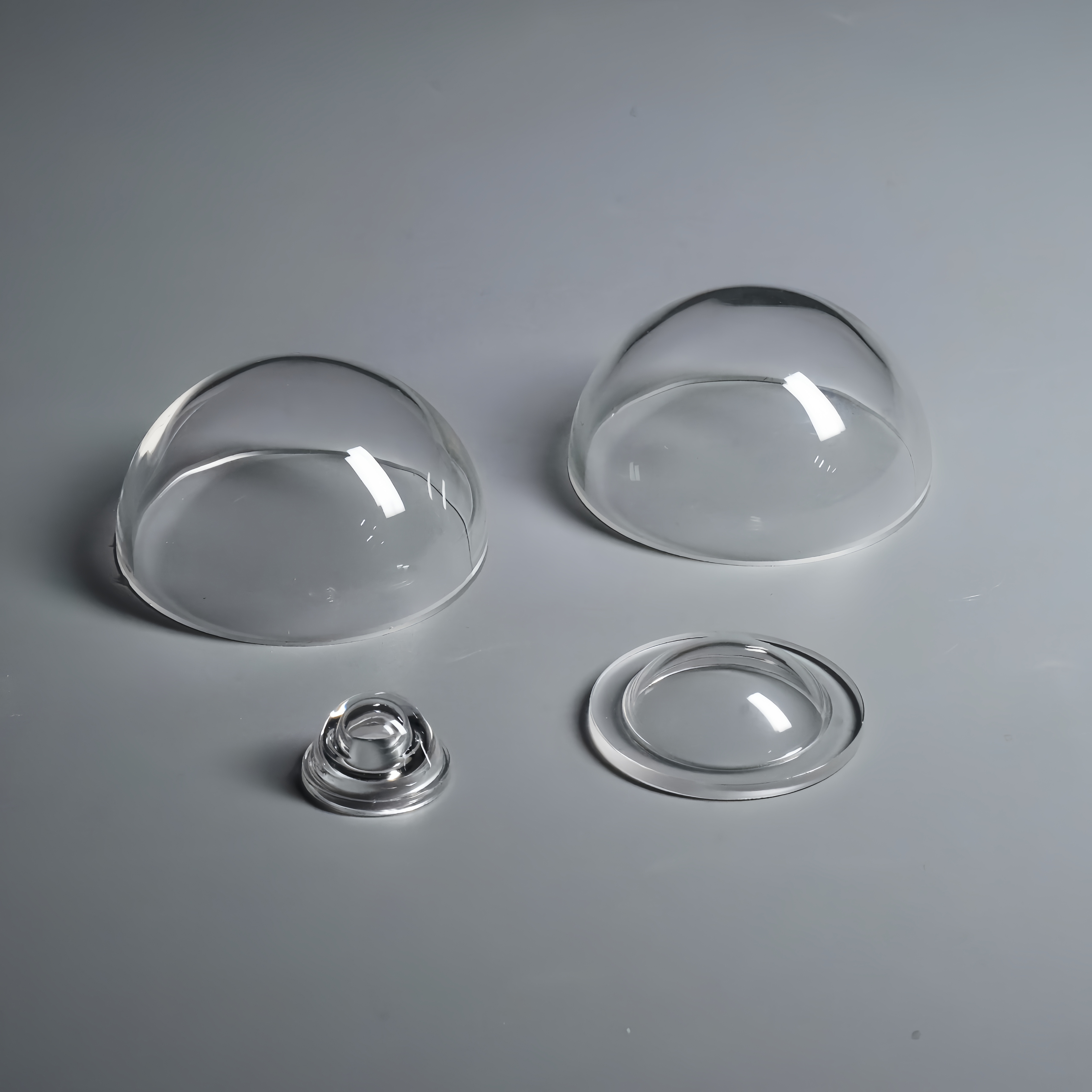
Mold Pressed Clear High Quality K9 Optical Dome Lens with Anti-Reflective Coating for Lighting OEM Customized Headlight Glass
- K9 optical glass with AR coating options
- For headlight, spotlight and instrument optics
- Drawing-based dimensional review available
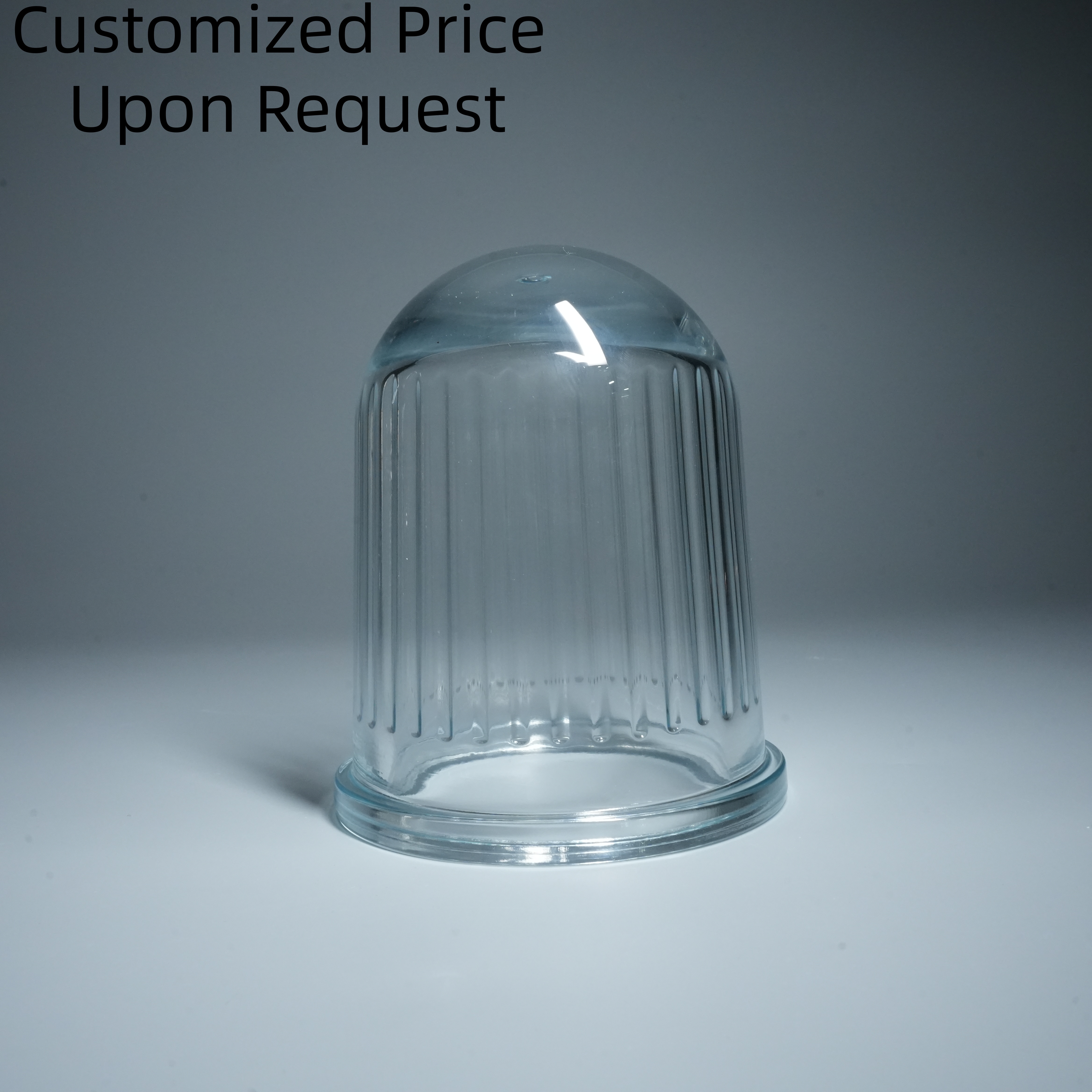
Borosilicate Transparent Explosion-proof Shade, Heat-resistant & Crack-proof, Transparent Protective Cover
- Borosilicate 3.3 heat resistance
- Transparent protective cover for harsh areas
- Useful for high-bay and hazardous fixtures
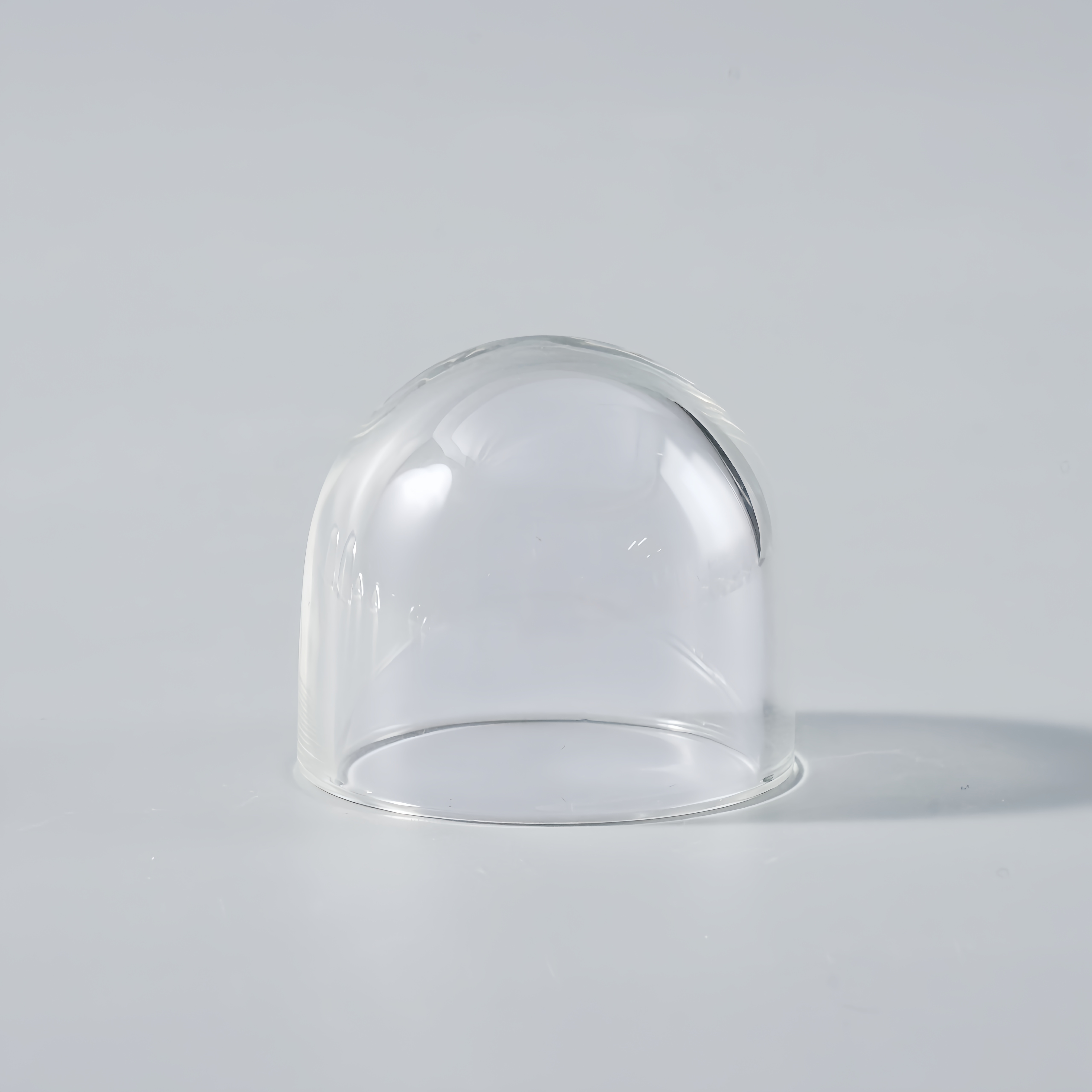
Customizable OEM Optical Glass Domes Broadband AR Coating Precision Hemispherical Windows for LiDAR Sensors Scientific
- Precision hemispherical windows
- Broadband AR coating for sensing
- For LiDAR, instruments and research units
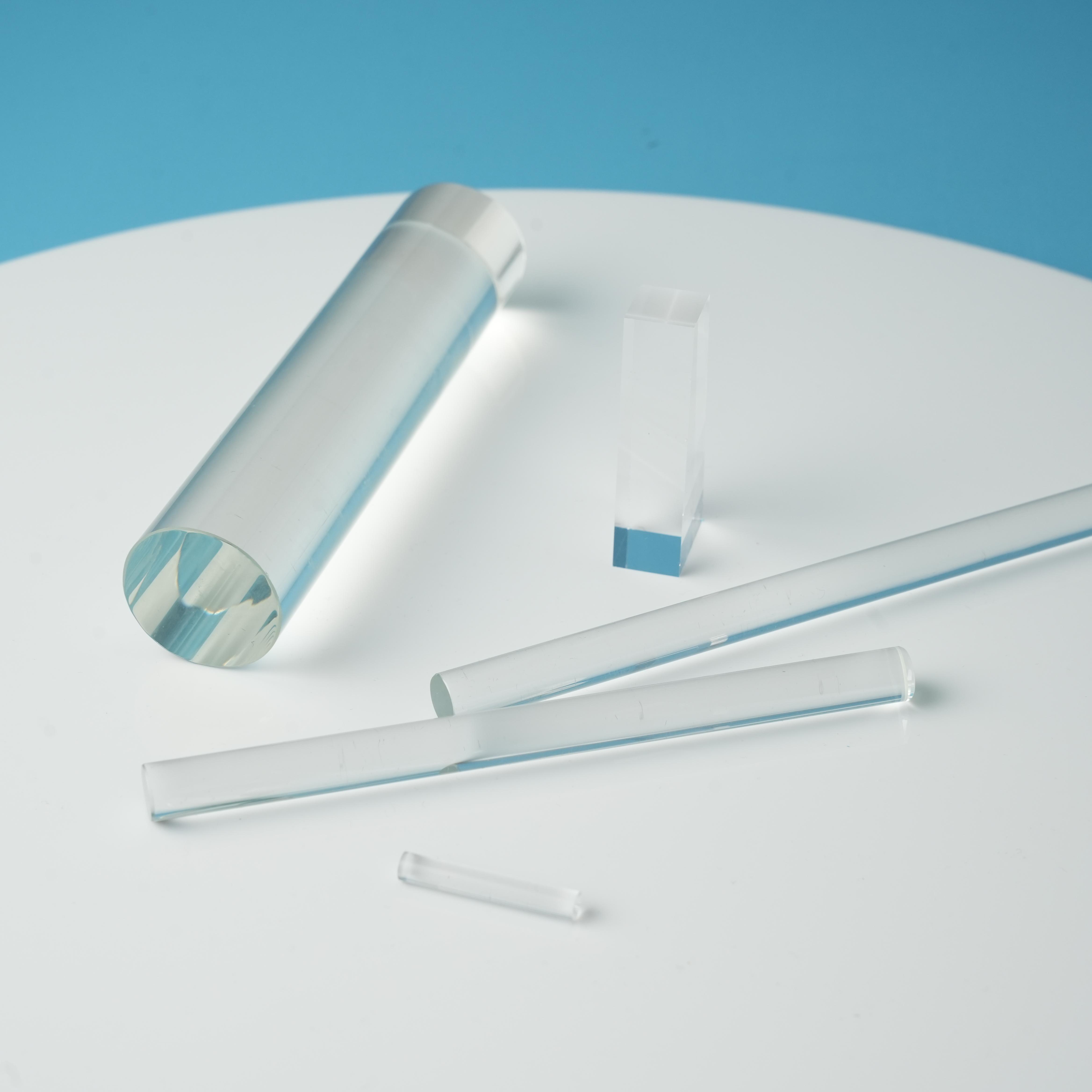
Factory Custom Shape Transparent High Borosilicate Temperature Resistant Optical Glass Light Guide Rod Rod Lens for Laboratory
- Custom shape and size options
- High borosilicate temperature resistance
- For lab, sensor and light-guide systems
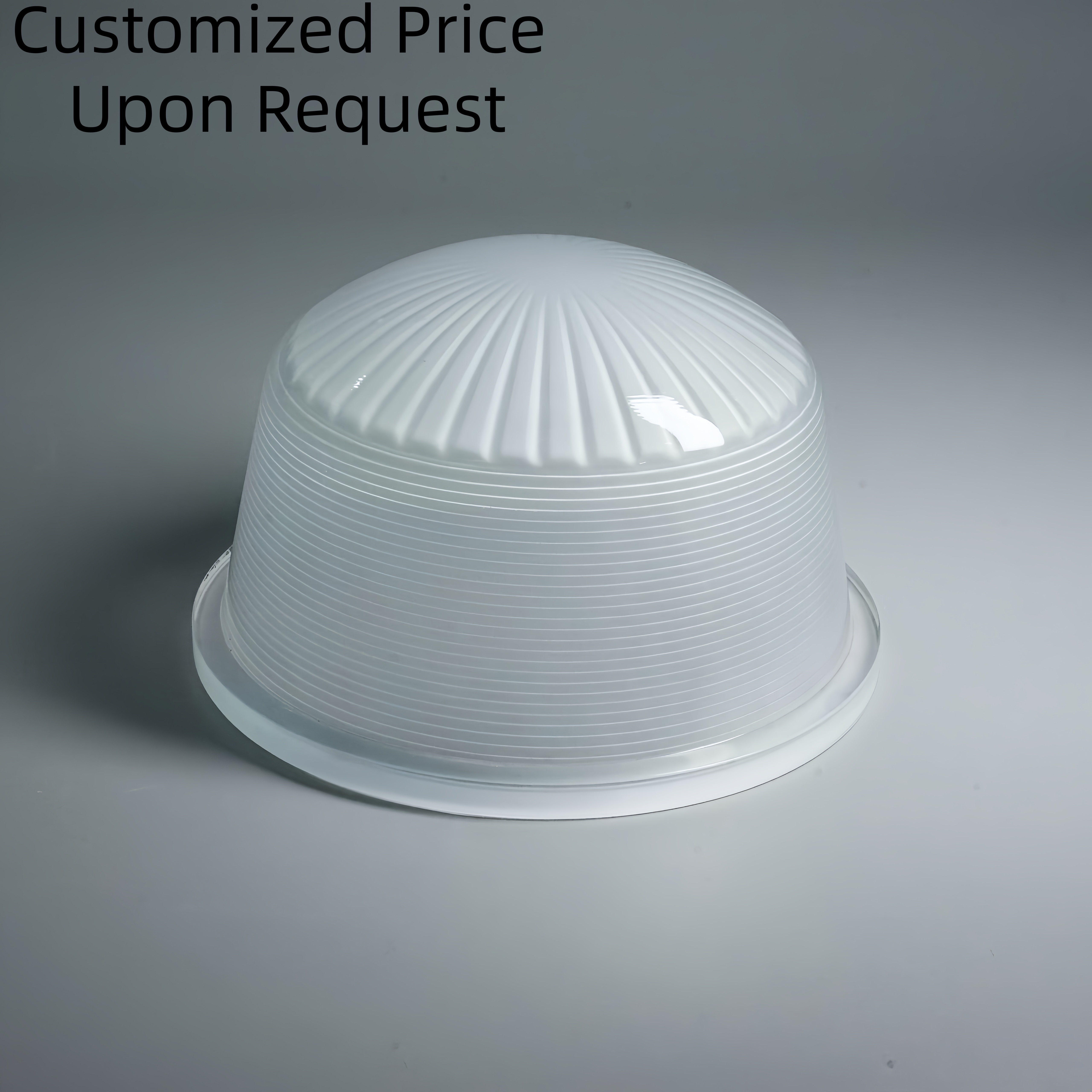
Transparent Explosion-proof Glass Shade, High Light Transmittance, Industrial Workshop Lighting
- High light transmission for industrial bays
- Explosion-proof shade style for demanding sites
- Supports maintenance-focused procurement
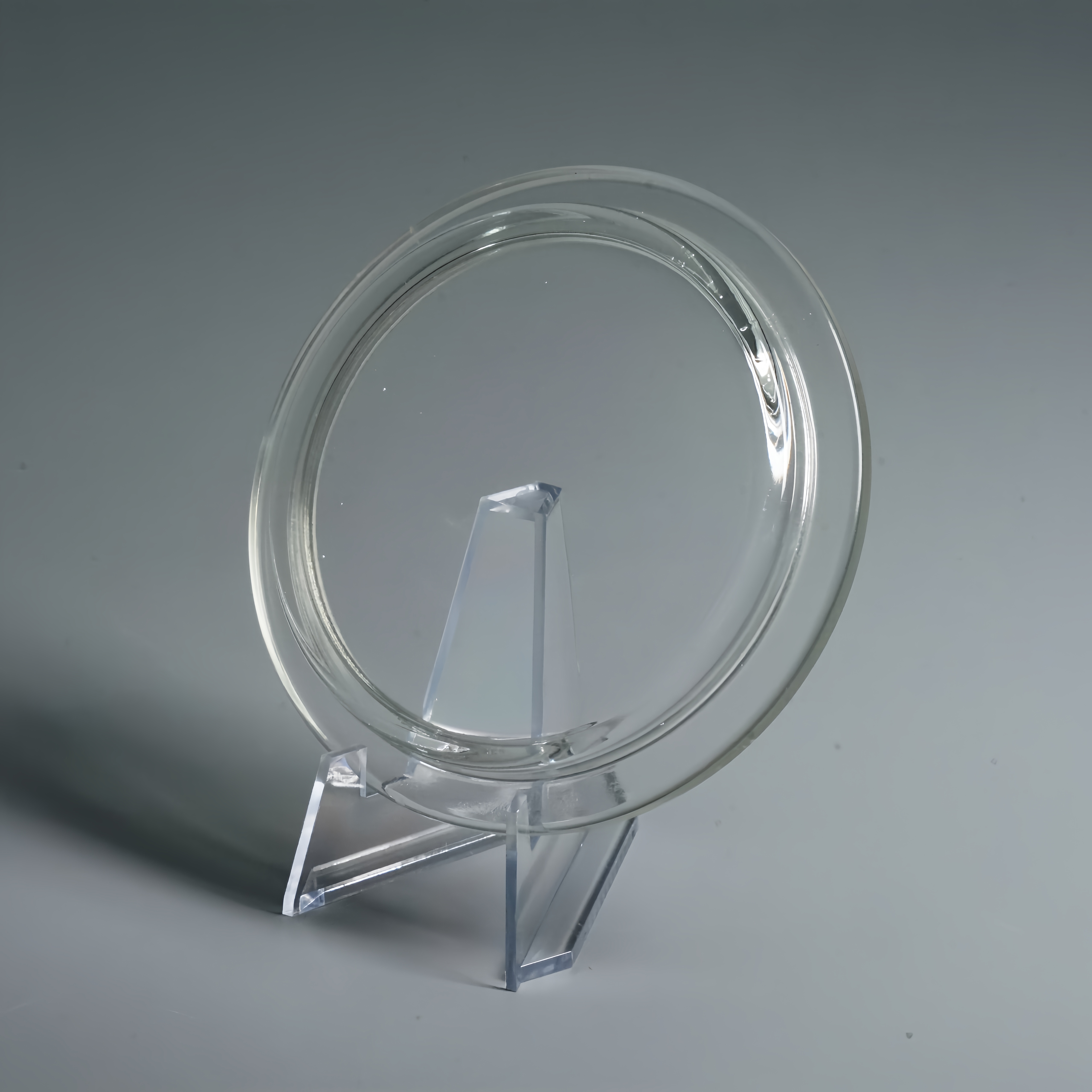
Custom Size Coastal Victorian Outdoor Stage Glass Lampshade Factory Waterproof High Temperature Impact Resistant Silk-Printable
- Waterproof and impact-resistant design review
- Silk-printable for branding or diffusion
- For hospitality, stage and outdoor projects
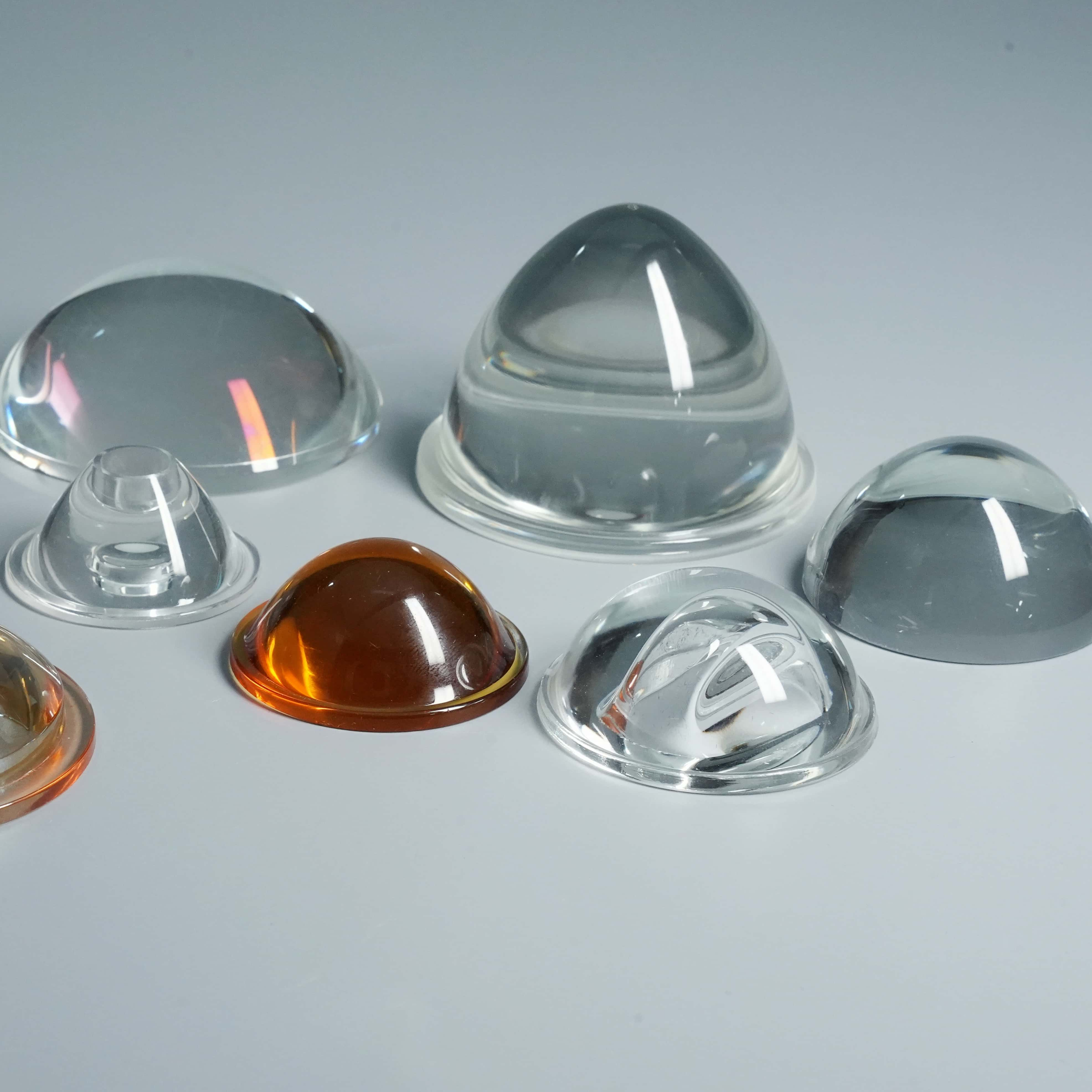
Custom Borosilicate Glass LED Grow Light Convex Lens with Anti-Reflective Coating for Indoor Farming Full Spectrum Lighting
- AR-coated convex lens for grow lights
- Full-spectrum transmission support
- For indoor farming and vertical agriculture

FAA Compliant Borosilicate Heat Resistant Glass Lens Runway In-Pavement Taxiway Lights IP68 Waterproof Optical Equipment Clear
- Borosilicate lens for runway fixtures
- For IP68 taxiway and in-pavement lights
- Material and inspection reports on request
For a mixed container or distributor starter order, combine ceramic printed glass, borosilicate shades, optical domes and LED lenses in one technical review. Share your drawing and annual volume to receive a specification-led quotation.
Get CatalogWhy Quezon City Buyers Use Tambi Glass for Ceramic Printed Glass and Technical Glass Programs
Quezon City procurement teams need more than a price list. They need a supplier that can interpret drawings, protect optical performance, document materials and pack fragile glass for Manila-bound freight.
An engineering-led exporter and wholesaler focused on real fixture performance
Shanghai Tambi Glass Industrial Co., Ltd. is a manufacturer and trading company supplying custom glass components to lighting and optical OEMs worldwide. For more than a decade, our work has centered on a practical question: how should glass perform inside a real luminaire, façade system, instrument housing or industrial fitting? That experience covers heat build-up behind high-power LEDs, thermal shock from sudden rain on hot covers, impact loads in hazardous areas, color consistency for signal lights and optical path alignment for sensing equipment.
Our design team of senior lighting and molding engineers reviews every drawing for wall thickness, draft, sealing faces and optical alignment before tooling starts. We combine pressed, blown, ground and coated processes under one supply chain, and work with long-term partners in Europe, North America and Japan. For Quezon City buyers, this means you can discuss ceramic printed glass, borosilicate 3.3 covers, tempered soda-lime glass, fused quartz and optical BK7/H-K9L in one technical conversation rather than assembling multiple unconnected suppliers.
Ceramic printed glass is not ordinary surface ink. The ceramic frit is applied and fired so that it fuses with the glass surface, producing a durable printed layer for light diffusion, branding, privacy, opacity control or decorative pattern. For a successful print program, our review considers artwork file quality, print coverage, color tolerance, edge treatment, tempering sequence and the interaction between printed areas and LED spacing. This is especially important for Quezon City projects where a glass diffuser may be specified for a hotel lobby, retail façade, transport hub, clinic or branded signage element that must look consistent after cleaning, humidity and repeated illumination.
- Drawing-based OEM / ODM review
- Borosilicate, tempered, quartz and BK7
- AR, bandpass, color and print-related finishes
- Onsite-verified supplier references
- Third-party assessment and trade records
- Export packaging for fragile glass parts
Supplier facts procurement teams can verify
Drawing-first engineering
Send a 2D or 3D drawing, a physical sample, tolerance notes, material requirement and operating condition. We return manufacturability feedback before mass production.
Multiple glass processes
Pressed, blown, ground, polished and coated routes allow the specification to match the part, not the other way around. Sample options are available for evaluation.
Wholesale-ready communication
Distributors and project buyers can request MOQ guidance, mixed-product review, packaging details, labeling support and shipment documentation for Manila and Quezon City consignees.
Fragile-glass export discipline
Foam or pulp dividers, reinforced export cartons and palletized packing help protect edges, coatings and sealing faces during sea or air freight.
Where Ceramic Printed Glass and Technical Glass Perform in Quezon City Projects
Quezon City combines dense commercial districts, institutional campuses, mixed-use developments, transport nodes and urban farming initiatives. Each environment stresses glass differently, so material selection should begin with the site condition rather than a generic catalogue number.
Cubao and Araneta City retail
Printed glass diffusers and backlit panels can carry branding while reducing glare. Specify print coverage against LED pitch to avoid hot spots.
Hospitality along Quezon Avenue
Hotels, restaurants and venues in Tomas Morato and Quezon Avenue can use silk-printable outdoor shades and decorative printed glass for a distinctive façade or lighting feature.
UP Diliman and research labs
Optical domes, light guide rods, prisms and bandpass filters support laboratory equipment, sensing prototypes and scientific instrumentation.
Stage, studio and entertainment
Fresnel-style optics, convex lenses and heat-resistant covers can be reviewed for high-power LED and stage fixtures used in event venues.
Industrial workshops and utilities
Explosion-proof borosilicate shades and high-transmission industrial covers suit factories, chemical areas, warehouses and maintenance-heavy sites.
Urban farming and indoor growing
AR-coated borosilicate grow-light lenses help protect full-spectrum output for vertical farms, plant factories and controlled-environment agriculture.
Transport and infrastructure suppliers
Quezon City-based distributors can supply runway, taxiway, obstruction and signal-light glass components to aviation and transport projects through Manila ports.
Outdoor LED and tropical weather
For rain, humidity, heat and UV exposure, specify tempered or borosilicate glass with suitable edge treatment, gasket design and drainage path.
Four Localized Trends Shaping Ceramic Printed Glass and Lighting Glass Demand
Procurement behavior in Quezon City is shifting toward performance documentation, smaller first orders and better integration between design intent and supply chain reality.
Heat, humidity and UV scrutiny
Buyers are asking more questions about thermal shock, annealing, coating durability and print stability. Borosilicate 3.3 and properly tempered soda-lime glass are being specified by application rather than by habit.
Printed glass as a brand surface
Ceramic frit printed glass is increasingly used for light diffusion, privacy, logo integration and façade identity. Quezon City retail, hospitality and mixed-use projects benefit when print artwork is reviewed together with LED spacing.
Energy and glare control
Efficient LED fixtures still need optical control. AR-coated lenses, diffusing print patterns and high-transmission shades help balance visual comfort, light output and maintenance access.
Smaller first orders, faster repeat supply
Distributors are testing demand with sample quantities or mixed-model orders, then scaling once fit and field performance are confirmed. Clear MOQ guidance and repeatable packaging reduce risk.
How to Choose the Right Glass Material for Quezon City Conditions
Selecting the correct glass early avoids cracked covers, coating failures and costly field returns. Use this comparison as a starting point, then confirm the final specification against your drawing and fixture standard.
| Material | Thermal expansion (×10⁻⁶/K) | Typical max. working temperature | Key strength | Best for |
|---|---|---|---|---|
| Borosilicate 3.3 | ≈ 3.3 | ≈ 450 °C | Excellent thermal-shock resistance | Explosion-proof shades, high-power LED covers, printed diffusers requiring heat stability |
| Tempered soda-lime | ≈ 9.0 | ≈ 250 °C | High impact strength and economical supply | Outdoor covers, floodlight glass, vandal-resistant lenses, architectural panels |
| Fused quartz | ≈ 0.55 | ≈ 1000 °C+ | UV transmission and extreme heat tolerance | UV optics, high-temperature windows, specialized laboratory components |
| Optical BK7 / H-K9L | ≈ 7.1 | ≈ 300 °C | Homogeneous optical properties, nd ≈ 1.517 | Precision lenses, prisms, domes, mirrors and filters |
Values are typical references. Final specification is confirmed against your drawing, lamp surface temperature, impact rating, print requirement, coating and the standard your fixture must meet. For ceramic printed glass, remember that print coverage, frit color and thermal treatment can affect both appearance and light transmission.
A practical Quezon City buying approach is to separate project requirements into four decisions: optical performance, thermal environment, mechanical exposure and visual finish. For example, a high-power LED fixture near an open-air retail entrance may need borosilicate glass with controlled print diffusion and a sealing-face review, while a low-temperature decorative façade panel may be better served by tempered soda-lime glass and a color-approved ceramic frit.
A Controlled OEM and Wholesale Workflow for Quezon City Buyers
Clear checkpoints mean fewer surprises between sample approval and mass production, especially when multiple glass types are combined in one distributor order.
Drawing review
DFM check of thickness, draft, tolerance, sealing face, print artwork and optical path before tooling.
Material and finish selection
Confirm borosilicate, tempered soda-lime, quartz or BK7, plus AR coating, ceramic print or color requirement.
Mold and tooling
New or existing molds for pressing, blowing or grinding. Existing tooling can shorten sample and production lead time.
Sampling and fit test
Samples are measured and sent for your fit, light, thermal and installation review before mass production approval.
Forming, printing and QC
Controlled annealing or tempering, coating or print firing, dimensional inspection and visual inspection.
Export packing
Divider-packed cartons, reinforced export packaging and palletization for sea or air freight to Manila and Quezon City.
Questions Quezon City Importers Ask Before Ordering Ceramic Printed Glass
These answers are written for procurement teams comparing suppliers, lead times, minimum quantities and technical documentation.
Are you an exporter or wholesaler that can serve Quezon City buyers?
Yes. We support importers, distributors, lighting factories and project suppliers in Quezon City through export-oriented OEM and wholesale supply. Samples can be sent by courier, while bulk orders are shipped by sea or air. Incoterms, freight and delivery requirements are confirmed in the quotation.
Can ceramic printed glass be customized for a project?
Custom review is possible for artwork, print coverage, color, glass type, thickness, shape and edge treatment, subject to manufacturability. A clean vector file or high-resolution artwork and a description of the illumination condition help our team evaluate print resolution, opacity and light diffusion.
What is the typical minimum order quantity?
Reference MOQs range from around 50 pieces for selected optical lenses to 100–500 pieces for pressed or blown lighting covers, depending on whether an existing mold can be used. Ceramic printed glass programs depend on tooling, print setup and glass size. Sample quantities are available for evaluation.
Which glass is better for Quezon City heat and humidity?
Borosilicate 3.3 is often preferred where high lamp temperatures and thermal shock are concerns. Tempered soda-lime glass can offer strong impact resistance at a lower cost for moderate temperatures. For optical sensing, fused quartz or BK7 may be appropriate. The correct choice depends on fixture temperature, impact risk, gasket design and certification requirements.
What information should I send for a quotation?
Send a 2D or 3D drawing, dimensions, tolerance, glass type, thickness, print artwork, coating requirement, operating temperature, annual volume and delivery port or consignee city. If available, include a photo of the current fixture, gasket or housing. Our average response time is within 6 hours.
Do you supply glass for FAA L-810 or EN 50293 fixture programs?
We produce glass lenses and domes for fixture makers whose obstruction and signal lights are designed around FAA L-810 or EN 50293 requirements. Fixture certification is held by the luminaire manufacturer. We match color, transmission and dimensional specifications and can provide material and inspection reports on request.
How are fragile glass parts packed for export?
Parts are separated by foam or pulp dividers, packed in reinforced export cartons and palletized for sea or air freight. Custom packaging and labeling for Quezon City distributors can be arranged. Protective packing is especially important for optical domes, printed panels and coated lenses.
Do you offer OEM, ODM and distributor support?
Yes. Most orders are drawing-based. We review manufacturability, propose mold options and confirm samples before mass production. Distributors can request mixed-product review, repeat-order packaging, label support and documentation planning. Email info@tambiglass.com with your drawing and annual volume.
Request a Quezon City Wholesale Review for Ceramic Printed Glass and Optical Glass Components
Share your dimensions, glass material, print requirement, operating temperature, annual volume and delivery target. Our engineers will recommend the most reliable specification for your fixture, façade or optical assembly.
Get Catalog