8 Optical & Lighting Glass Products for Nha Trang Projects
These eight product families cover the most common Nha Trang requirements: coastal street lighting, resort and promenade fixtures, marine signal glass, industrial hazardous-area lighting, stage optics, LiDAR and sensor windows.
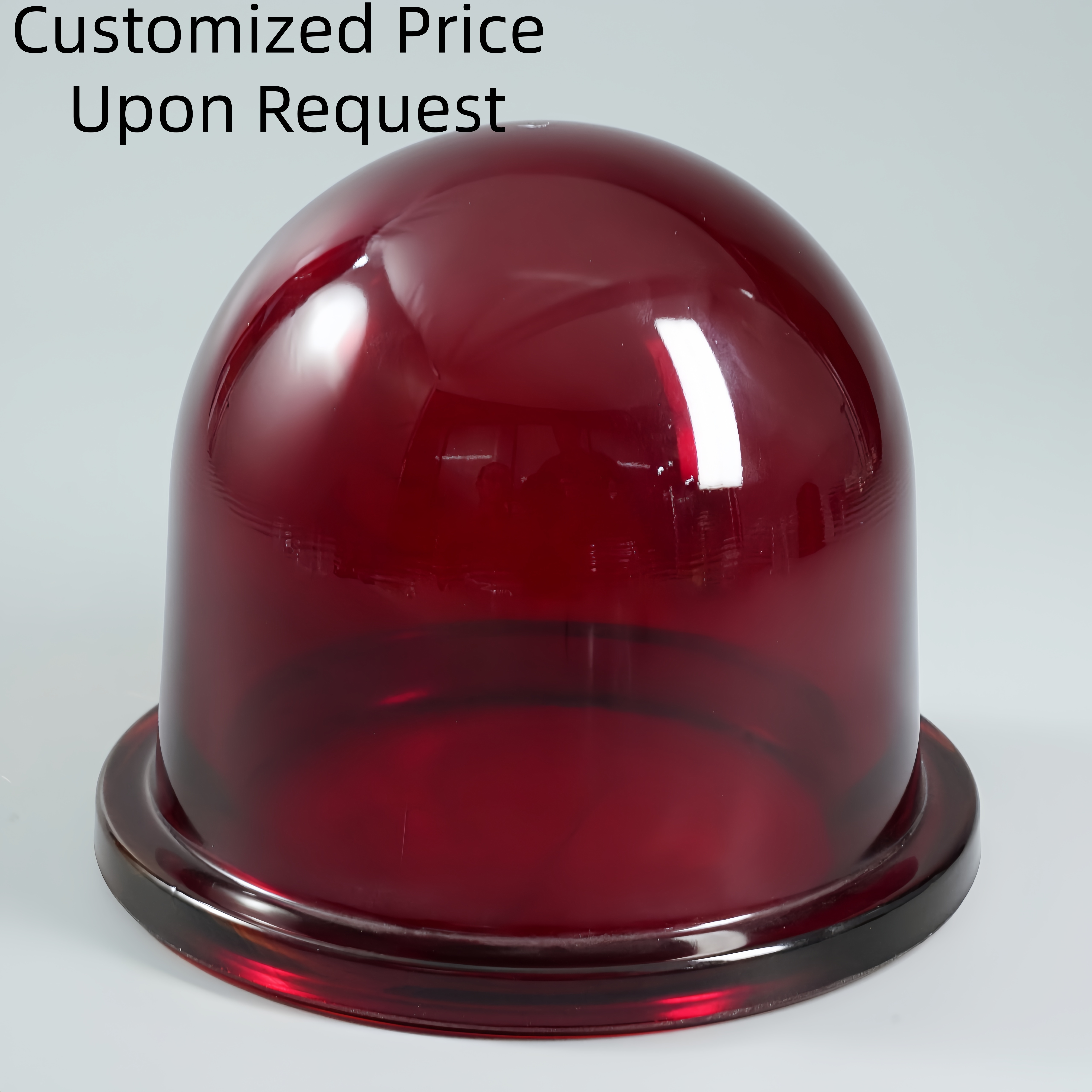
High-Temperature Resistant Pressed Glass Shade, Explosion-Proof & Crack-Proof, Outdoor Street Light Specific
Pressed heat-resistant glass shade for outdoor street light housings exposed to high humidity, salt air and rapid thermal cycling.
- Explosion-proof / crack-proof options
- Suitable for promenade and roadway fixtures
- Drawing-based size and profile review
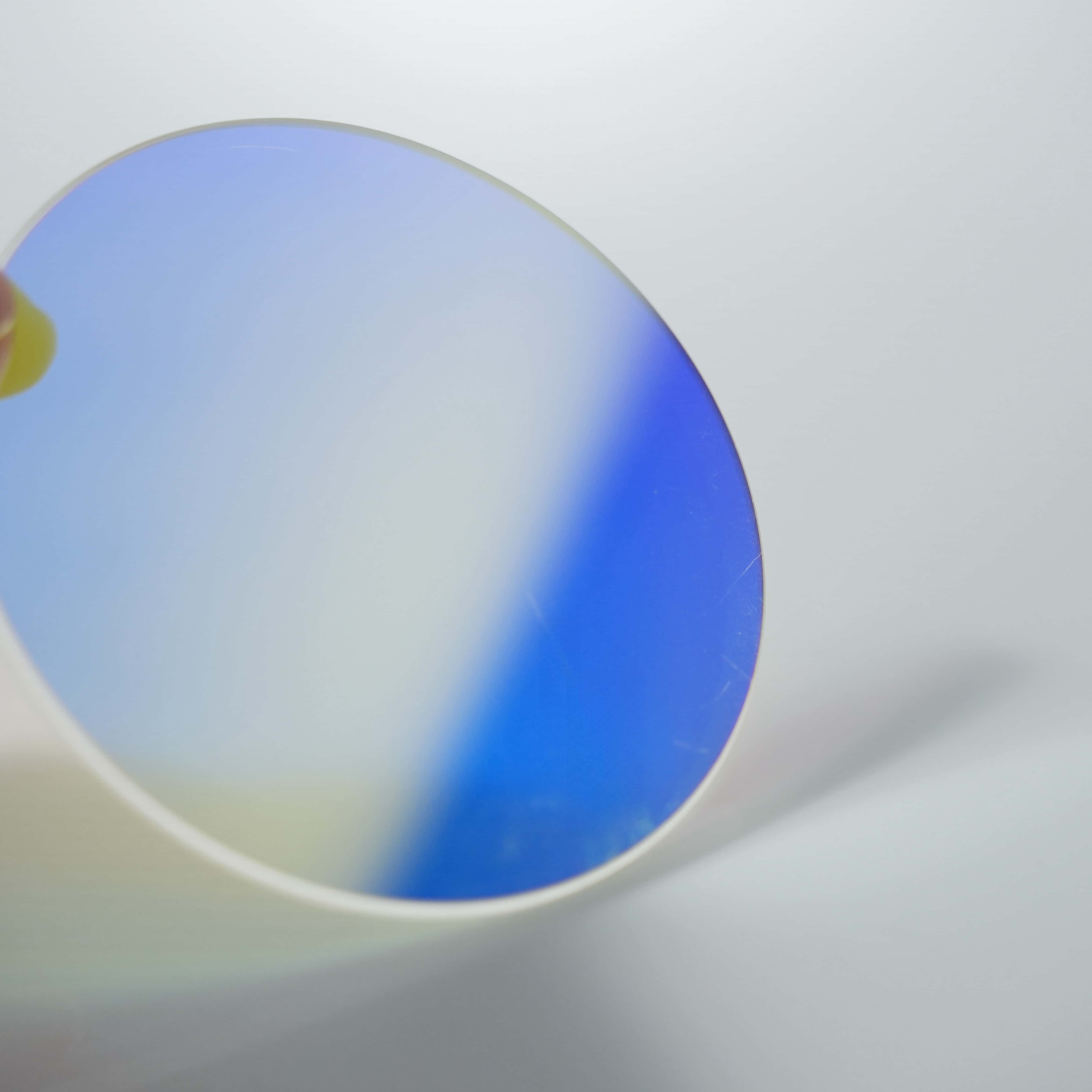
Optical Borosilicate Glass Longpass Shortpass Filter 500nm 600nm 700nm AR Coating Cut-Edge for Spectroscopy Industrial Sensor
Coated borosilicate filter for spectroscopy, industrial sensing and optical systems that require stable wavelength selection.
- Longpass / shortpass configurations
- AR coating and cut-edge options
- Useful for marine and environmental sensors
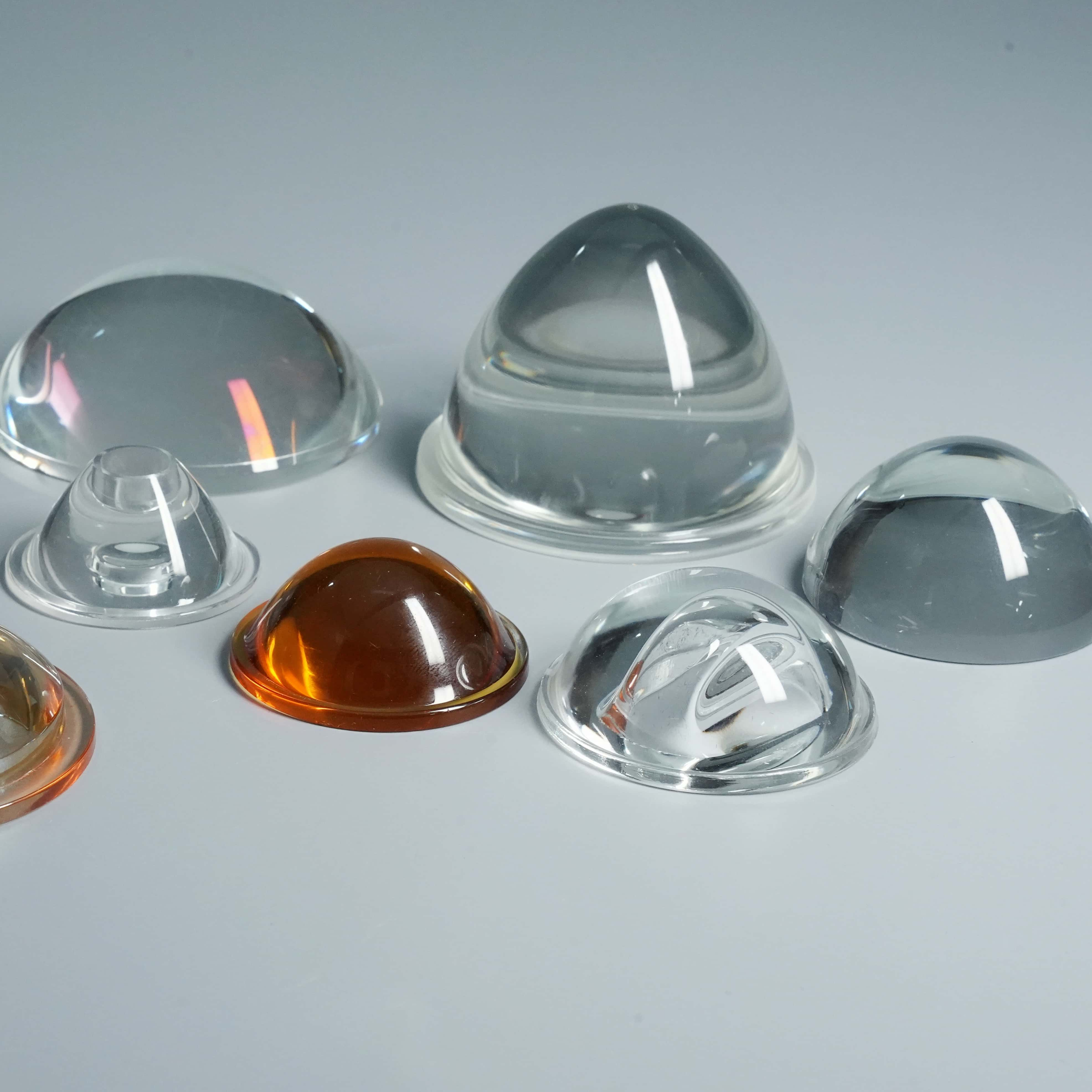
Custom Borosilicate Glass LED Grow Light Convex Lens with Anti-Reflective Coating for Indoor Farming Full Spectrum Lighting
AR-coated convex lens for indoor farming and greenhouse lighting where stable spectrum transmission and thermal resistance matter.
- Full-spectrum transmission support
- Anti-reflective coating
- Custom dimensions available

Supplier Custom Size Shape Pressed Mold Heat Resistant High Borosilicate Headlight Glass Lens Cover Headlight Glass Cover
Custom pressed headlight glass cover for vehicle, outdoor equipment and architectural lighting projects requiring specific contours.
- Custom size and shape
- High borosilicate heat resistance
- Mold and sampling support
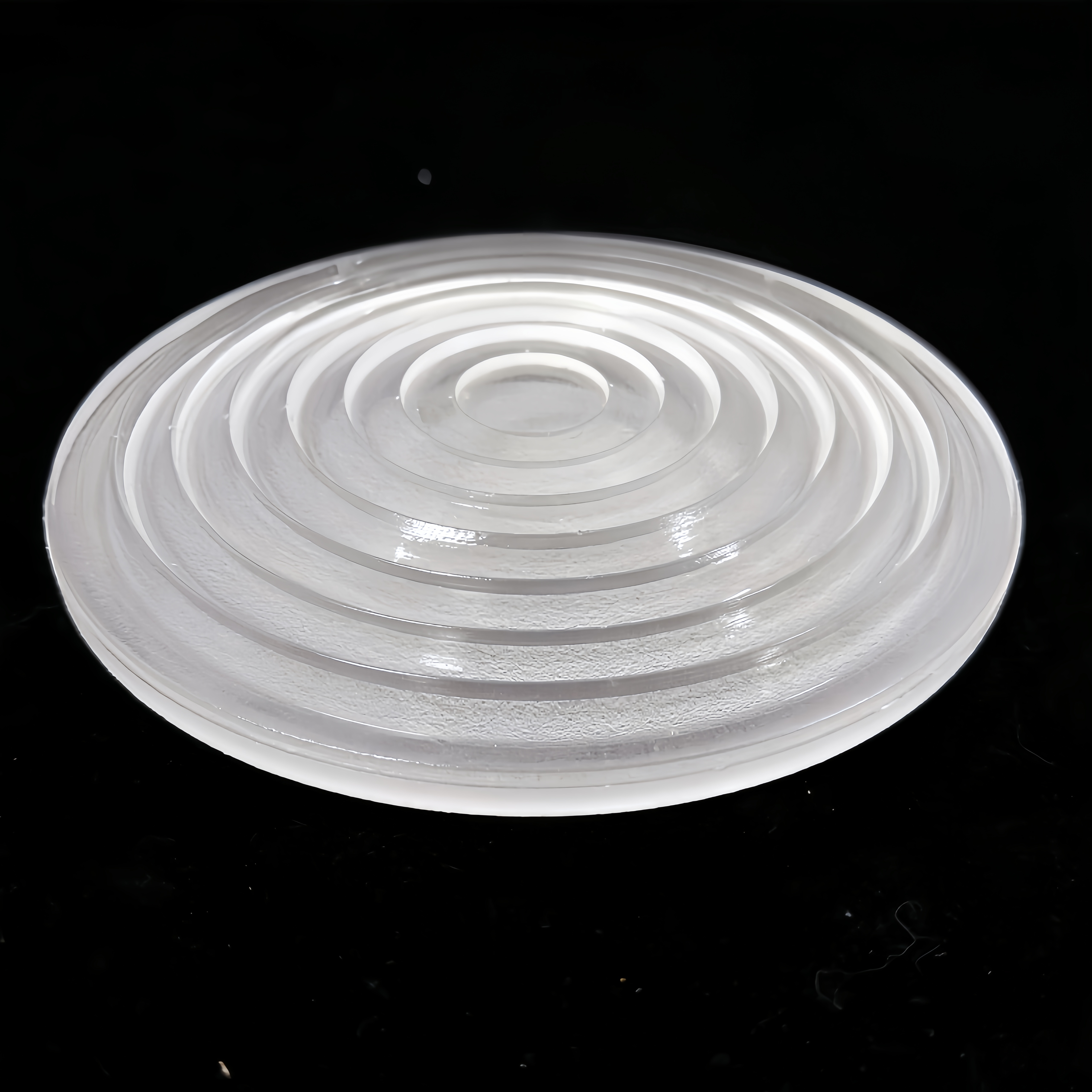
High Temperature Resistant Borosilicate Glass Fresnel Lens Anti-Reflective Coating High Power LED Collimation Stage Lighting
Borosilicate Fresnel lens for high-power LED collimation in theatres, event venues and Nha Trang hospitality entertainment spaces.
- High-temperature borosilicate
- AR coating for light efficiency
- Stable beam control
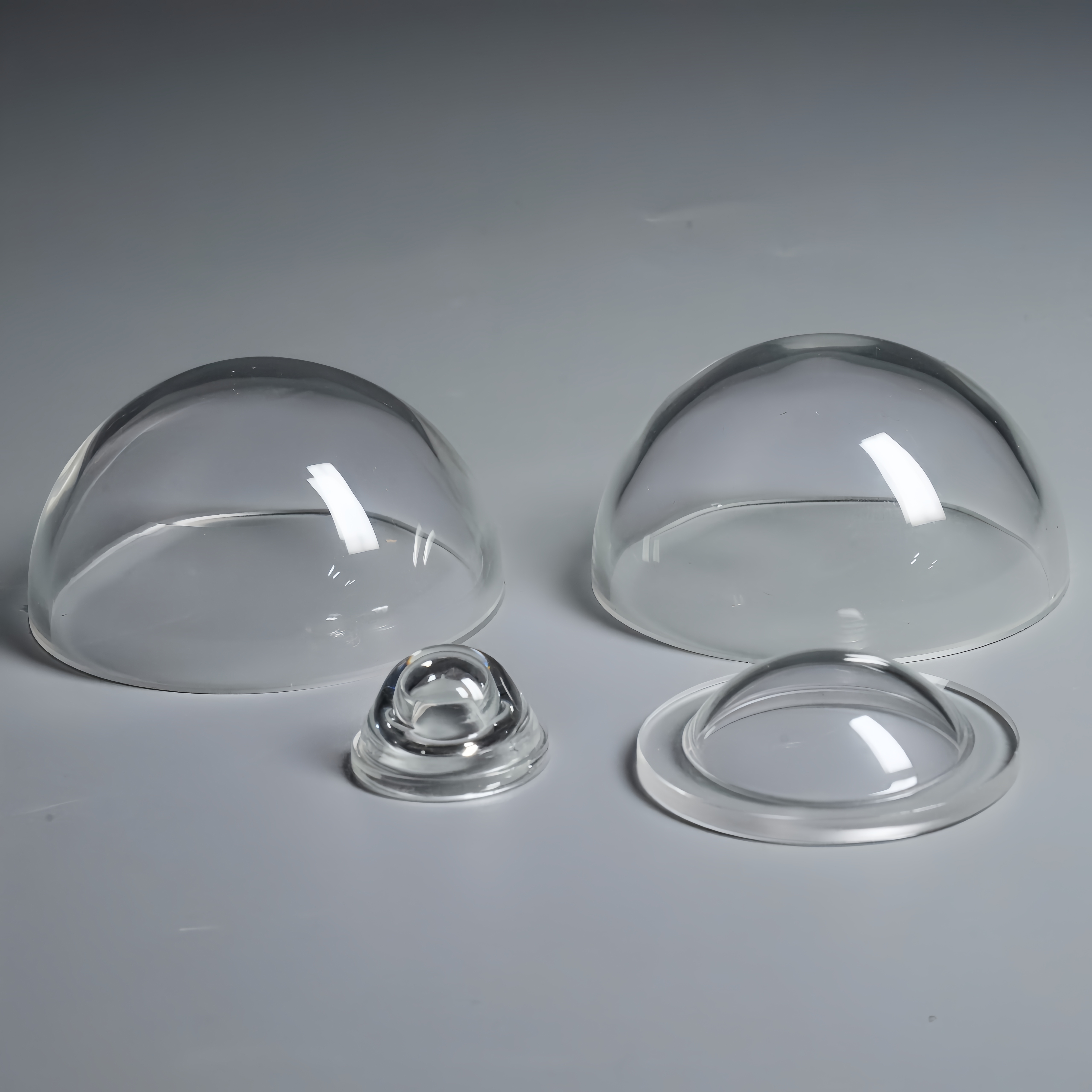
High-Pressure Borosilicate Optical Glass Dome for Underwater ROV AUV Camera Housings & Submersible Lights Deep Sea Rated
Pressure-resistant optical dome for underwater cameras, ROV/AUV housings and submersible lighting in Nha Trang's marine economy.
- Deep-sea rated design support
- Borosilicate optical clarity
- Pressure and dimensional review

Custom OEM Bo Glass Clear Borosilicate K9 Bk7 B270 Fused Silica Anti-Reflective Coated Square Optical Window 50mm Diameter
AR-coated optical window for instrumentation, enclosures, inspection systems and sensor protection in humid coastal environments.
- Borosilicate, K9, BK7, B270 options
- AR coating and custom shapes
- Prototype to production quantities
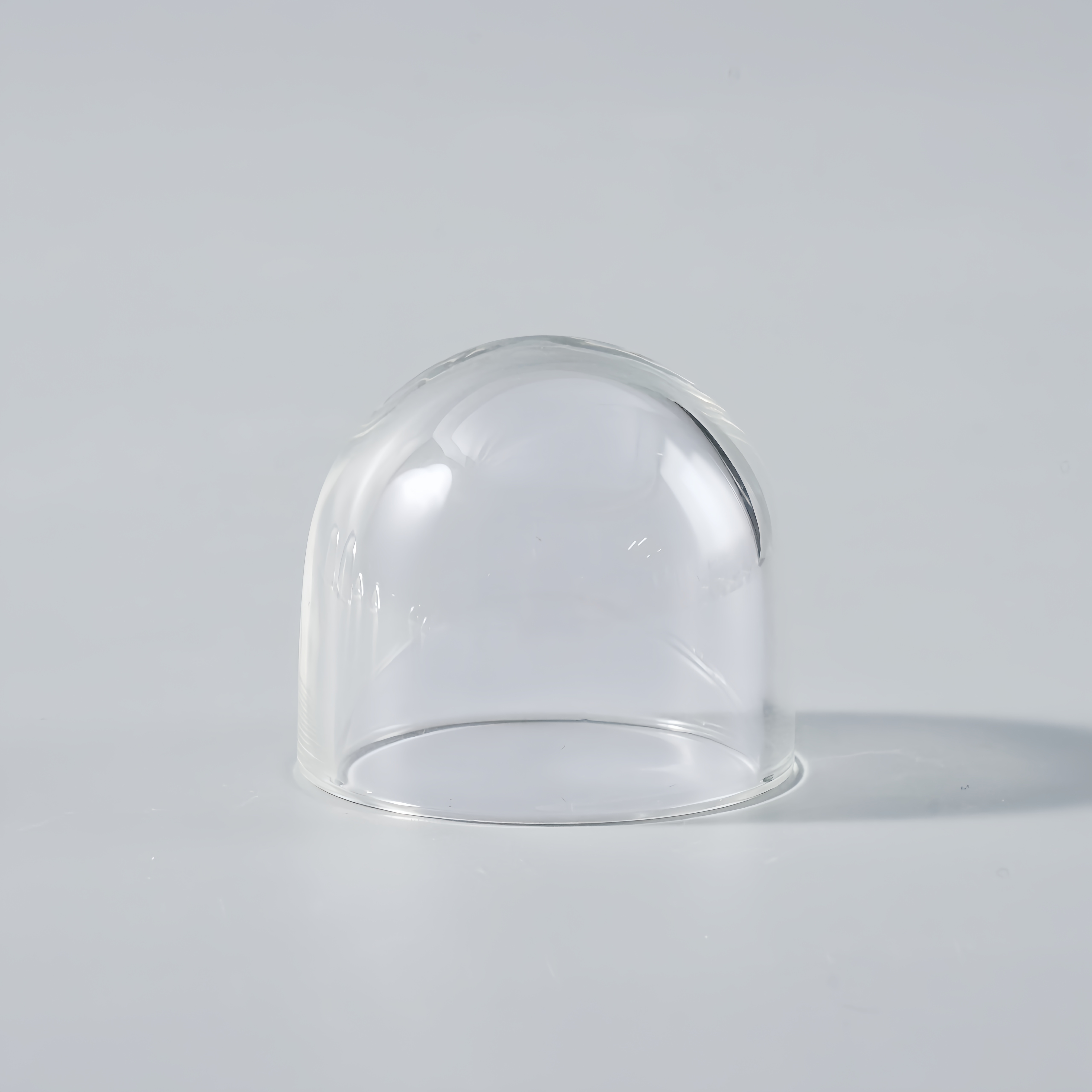
Customizable OEM Optical Glass Domes Broadband AR Coating Precision Hemispherical Windows for LiDAR Sensors Scientific
Precision hemispherical dome with broadband AR coating for LiDAR, scientific instruments and environmental monitoring equipment.
- Broadband AR coating
- Precision optical form
- OEM drawing customization
A CE-Aligned Lens Supply Strategy for Nha Trang, Not a Catalogue Guess
For Nha Trang buyers, CE compliance is not a label printed on a glass lens. It is a chain of evidence: correct material selection, stable optical transmission, dimensional consistency, sealing-face accuracy, coating durability and documentation that helps the luminaire maker complete CE marking under the applicable directives and standards. Shanghai Tambi Glass Industrial Co., Ltd. supports that chain with drawing-based manufacturing, inspection records and component-level material declarations.
The Nha Trang market rewards suppliers who understand the difference between a dry showroom sample and a coastal installation. Salt-laden air, high humidity, intense UV, monsoon rain and thermal shock from high-power LEDs all attack the weakest point of a lighting fixture. Our role is to make the glass part predictable before it reaches the fixture line, the resort facade, the port, the promenade or the marine service yard.
- Drawing-based OEM / ODM review before tooling
- Borosilicate 3.3, tempered soda-lime, quartz and BK7 options
- AR coating, color control and dimensional inspection
- Factory video, supplier assessment and trade records available
Why Nha Trang Is a Demanding Market for Optical Lighting Glass
Nha Trang combines a fast-growing tourism economy, a working port, marine services, aquaculture, offshore supply activity and coastal urban lighting. That mix puts glass components under conditions that inland catalogue buyers often underestimate.
Along Tran Phu promenade, resort facades, marina walkways and coastal hotels, lighting fixtures balance visual comfort with salt-spray resistance. Along the port and ship-service areas, signal and navigation lights need reliable color and transmission. In industrial or aquaculture environments, explosion-proof shades and high-pressure windows must resist moisture, cleaning chemicals, heat and accidental impact.
For procurement teams in Khanh Hoa, the most useful supplier is not the one with the widest catalogue. It is the one that can translate a coastal installation condition into a glass specification: wall thickness, annealing or tempering route, coating durability, sealing-face tolerance, edge finish and packaging protection. That is the practical meaning of E-E-A-T in this market: experience with real fixtures, technical depth in glass, documented authority and dependable delivery.
Nha Trang buyers should request evidence, not adjectives. Ask for material reports, dimensional inspection data, coating details, packing method and a sample that matches the intended fixture. A CE-aligned supply chain is built from these records long before a finished luminaire reaches the site.
Where Tambi Glass Components Fit in Nha Trang and Khanh Hoa
Each application below uses a different combination of material, coating and forming process. Recommending the same glass for every fixture is not engineering; it is guesswork.
Resort & Promenade Lighting
Pressed and tempered covers for facade, garden and walkway fixtures where visual quality and coastal durability must coexist.
Marine Signal & Navigation
Clear and colored glass domes, covers and high-pressure windows for marine lighting exposed to salt spray and vibration.
Port, Shipyard & Offshore
Robust optical domes and lighting covers for dockside equipment, ROV/AUV housings and submersible inspection lights.
Industrial Hazardous Areas
Explosion-proof and high-temperature shades for workshops, chemical plants, fuel depots and emergency lighting enclosures.
Stage & Event Venues
Fresnel lenses and optical components for hospitality entertainment, conference venues and cultural performances.
Street & Outdoor LED
High-transmission covers, convex lenses and optical windows for roadway, floodlight and public-space fixtures.
LiDAR & Scientific Sensors
Broadband AR domes, square windows and filters for sensing, research and environmental monitoring equipment.
Horticulture & Aquaculture
AR-coated grow-light lenses and protective glass for controlled environments where humidity and spectrum stability matter.
Four Procurement Trends Shaping Glass Lens Demand
Local buyers are moving toward fixtures that are easier to maintain, better documented and more resilient in coastal conditions.
LED public lighting upgrades
As street and promenade lighting shifts to high-efficiency LED modules, glass covers and lenses must manage higher local heat while preserving beam shape.
Design priority: very highCoastal corrosion awareness
Hospitality and marine buyers increasingly ask for salt-spray-resistant assemblies, better sealing faces and packaging that prevents edge chipping before installation.
Design priority: highCE and EN documentation
Fixtures designed for European or international projects need component records that support CE marking, optical performance claims and traceability.
Design priority: highFaster local replacement cycles
Resort operators and maintenance teams favor suppliers who can repeat a proven glass profile quickly, with clear MOQ, sample and lead-time expectations.
Design priority: highHow to Choose Glass Material for Nha Trang Conditions
Selecting glass by price alone often shifts cost to maintenance. The table below summarizes the material logic our engineers use during drawing review.
| Material | Thermal expansion | Typical working temperature | Nha Trang fit | Typical use |
|---|---|---|---|---|
| Borosilicate 3.3 | ≈3.3 × 10⁻⁶/K | ≈450 °C | Excellent thermal-shock resistance for hot LED covers and coastal day-night cycling | Explosion-proof shades, street-light covers, Fresnel lenses, high-power LED optics |
| Tempered soda-lime | ≈9.0 × 10⁻⁶/K | ≈250 °C | Good impact strength and cost efficiency for moderate-temperature outdoor fixtures | Floodlight covers, decorative lampshades, vandal-resistant lenses |
| Fused quartz | ≈0.55 × 10⁻⁶/K | ≈1000 °C+ | For extreme heat or UV transmission where standard glass is unsuitable | UV optics, high-temperature windows, specialized sensor protection |
| Optical BK7 / K9 | ≈7.1 × 10⁻⁶/K | ≈300 °C | Precision optical homogeneity for sensors, filters and scientific instruments | Windows, prisms, lenses, LiDAR domes, spectroscopy components |
Values are typical references. Final specification must be confirmed against the drawing, lamp surface temperature, sealing method, impact requirement and the standard applicable to the finished fixture.
Why Nha Trang Buyers Work With Shanghai Tambi Glass
Shanghai Tambi Glass Industrial Co., Ltd. is a manufacturer and trading company focused on custom borosilicate glass covers, explosion-proof lampshades, signal light domes, LED lenses, prisms and optical filters for lighting and optical OEMs.
Drawing-Based OEM / ODM
Send a 2D/3D drawing or physical sample with dimensions, tolerance, material, color and coating requirements. Engineers review manufacturability before tooling.
Broad Material & Coating Capability
Borosilicate 3.3, tempered soda-lime, fused quartz and optical BK7 / K9, with AR coating, color control and precision forming options.
Verification & Transparency
Supplier assessment, credit index, transaction level, trade capacity and trade history help procurement teams complete qualification faster.
Production & Quality Records
Pressed, blown, ground and coated processes are controlled with dimensional and visual inspection, and material or inspection reports can be provided on request.
Fast Technical Response
Average response time is within 6 hours. Email drawings and annual volume for a technical and commercial review before committing to a mold.
Export Packing Experience
Fragile glass parts are separated with foam or pulp dividers, packed in reinforced export cartons and palletized for sea or air freight to Vietnam.
A Controlled 6-Step Process for Nha Trang OEM Buyers
Clear checkpoints reduce surprises between sample approval, trial installation and volume production.
Drawing Review
DFM check of wall thickness, draft, tolerance, sealing face, optical path and fixture interface.
Mold & Tooling
New or existing molds for pressing, blowing, grinding or special finishing, depending on the part.
Sampling
Samples are measured and sent for fit, light test and environmental evaluation before approval.
Forming & Annealing
Controlled annealing or tempering relieves stress and improves reliability under thermal cycling.
Coating & QC
AR or color coating, dimensional inspection, visual inspection and documentation review before packing.
Export Packing
Divider-packed cartons and palletized export packing designed to protect glass edges during transit.
Questions Nha Trang Buyers Ask Before Ordering
Practical answers for procurement, engineering and maintenance teams evaluating a China-based optical lighting lens supplier.
Can you manufacture optical lighting lenses and glass covers to our own drawing for Nha Trang projects?+
Yes. Most orders are drawing-based. Send a 2D/3D drawing or a physical sample with dimensions, tolerance, material, color, coating and annual volume. Our engineers review manufacturability, propose mold options and confirm samples before mass production. For Nha Trang resort, street-lighting and marine projects, this review should also include salt-spray exposure, cleaning method and installation orientation.
What is the typical MOQ for Nha Trang buyers?+
Typical MOQs range from 50 pieces for optical lenses to 100–500 pieces for pressed or blown lighting covers, depending on whether an existing mold can be used. Sample quantities are available for evaluation. If a Nha Trang distributor needs mixed profiles, the most efficient approach is to group parts by material, coating and size to reduce changeover cost.
Should we choose borosilicate glass or tempered soda-lime glass for coastal lighting?+
Borosilicate 3.3 has low thermal expansion of about 3.3 × 10⁻⁶/K, so it tolerates high lamp temperatures and sudden rain or cold-water contact better. Tempered soda-lime glass offers high impact strength at a lower cost for moderate temperatures. The right choice depends on lamp surface temperature, impact rating, sealing design and the certification route of your fixture.
Do you support CE documentation for luminaires shipped to Vietnam or EU-linked projects?+
We support the component-level documentation chain: material information, dimensional inspection, coating details and specification matching. Fixture-level CE marking is held by the luminaire manufacturer. For Nha Trang projects linked to European standards or international hospitality brands, we can align our glass specification with the fixture maker's declared requirements.
How are fragile glass lenses and domes packed for shipment from Shanghai to Nha Trang?+
Parts are separated by foam or pulp dividers, packed in reinforced export cartons and palletized for sea or air freight. Custom packaging and labeling for distributors can be arranged. For coastal projects, keep cartons dry and avoid long-term storage in humid, unsheltered areas before installation.
What is the usual lead time and shipping route?+
Lead time depends on whether tooling is required, sample approval speed, quantity and coating process. Sea freight to Vietnam is common for production orders, while air freight is used for samples or urgent trial batches. Provide your target installation date, Incoterm and destination port so we can recommend a practical schedule.
Can you support FAA L-810, EN 50293 or other signal-light glass requirements?+
We produce glass lenses and domes for fixture makers whose obstruction and signal lights are designed to FAA L-810 or EN 50293 requirements. Fixture certification is held by the luminaire manufacturer; we match color, transmission and dimensional specifications and can provide material and inspection reports on request.
How do we start a technical inquiry?+
Send your drawing, target material, operating temperature, coating requirement, annual volume and destination in Khanh Hoa. Our average response time is within 6 hours. Include photos of the existing fixture and gasket if available; this shortens the engineering review and reduces sample iterations.
Have a Drawing for a Nha Trang Lighting or Optical Project?
Share dimensions, material, operating temperature, coating requirement and annual volume. Our engineers will suggest the most reliable glass solution for your fixture, then confirm samples before production.
info@tambiglass.com