8 Glass Components Frequently Specified by Philippine OEMs and Project Buyers
These products support the most common commercial-intent searches: custom glass bending, borosilicate optical domes, explosion-proof light covers, runway lenses, laser prisms, spectroscopy filters and precision aspherical optics.
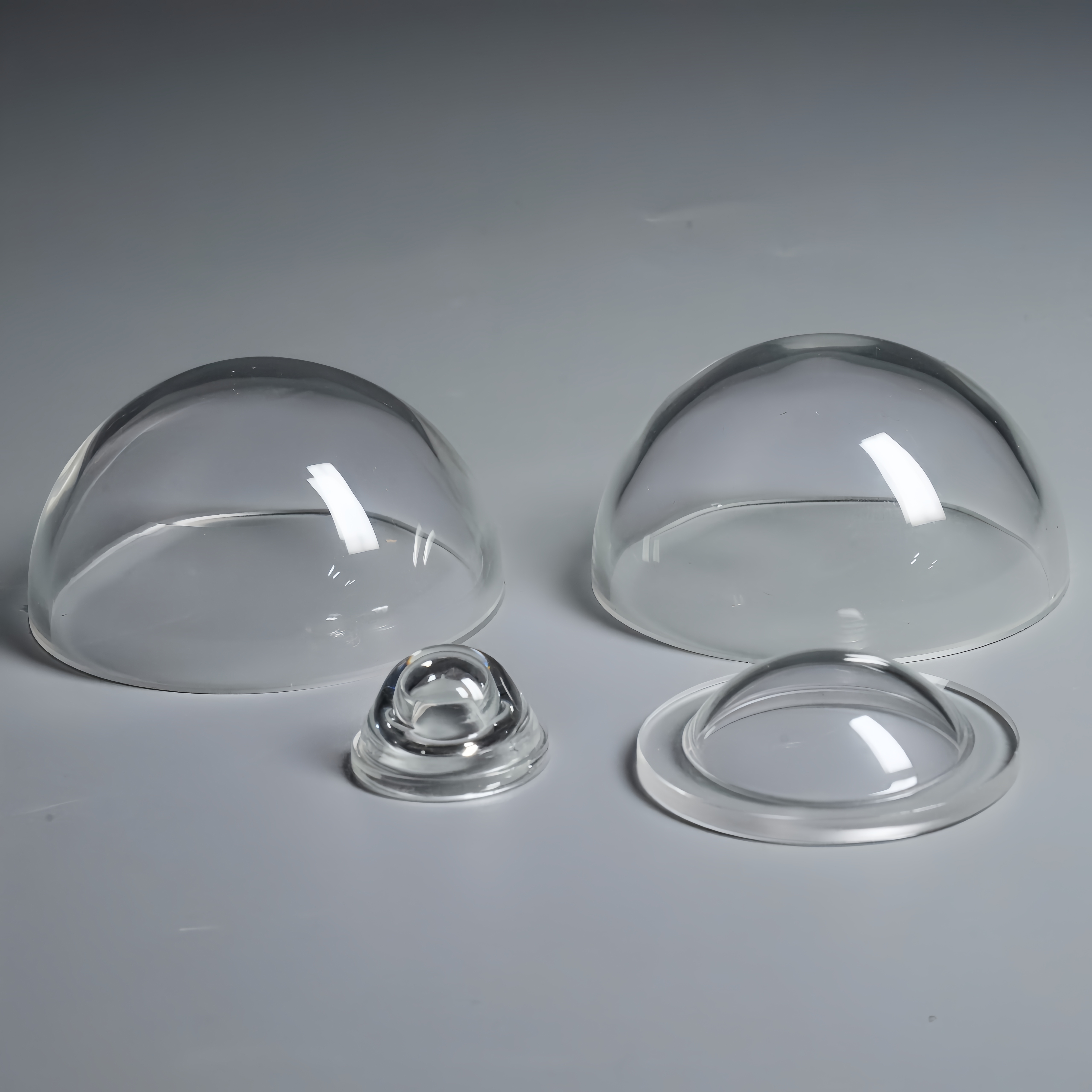
High-Pressure Borosilicate Optical Glass Dome for Underwater ROV AUV Camera Housings & Submersible Lights Deep Sea Rated
Pressure-tolerant optical window for subsea inspection, port survey and offshore service equipment, with drawing-based dimensional control.
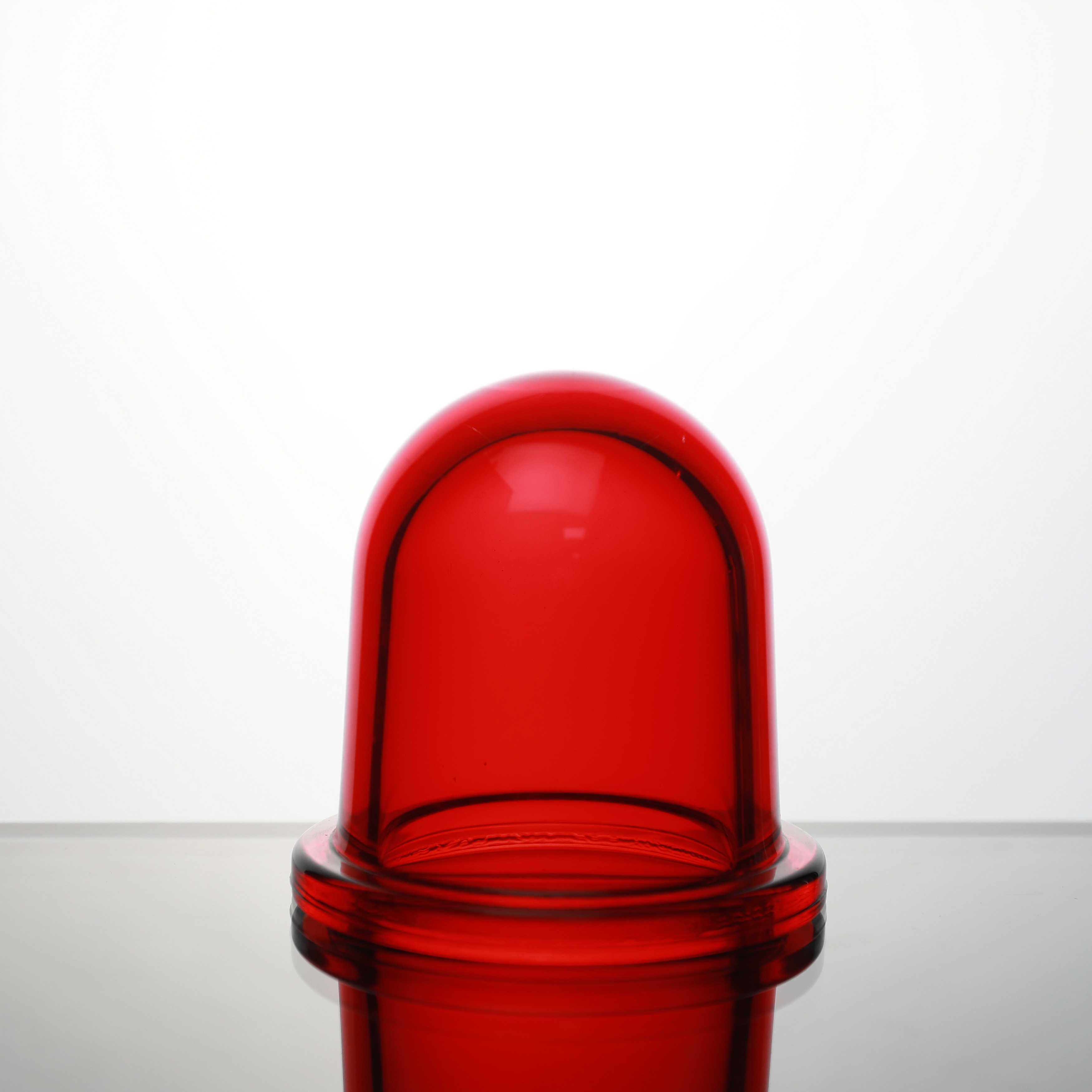
Custom Size Clear Borosilicate Explosion-Proof Antique Glass Light Covers Modern 2-Year Warranty Airport Outdoor Industrial
Clear borosilicate cover for explosion-proof fixtures in airports, outdoor plants and industrial buildings exposed to heat, rain and impact.
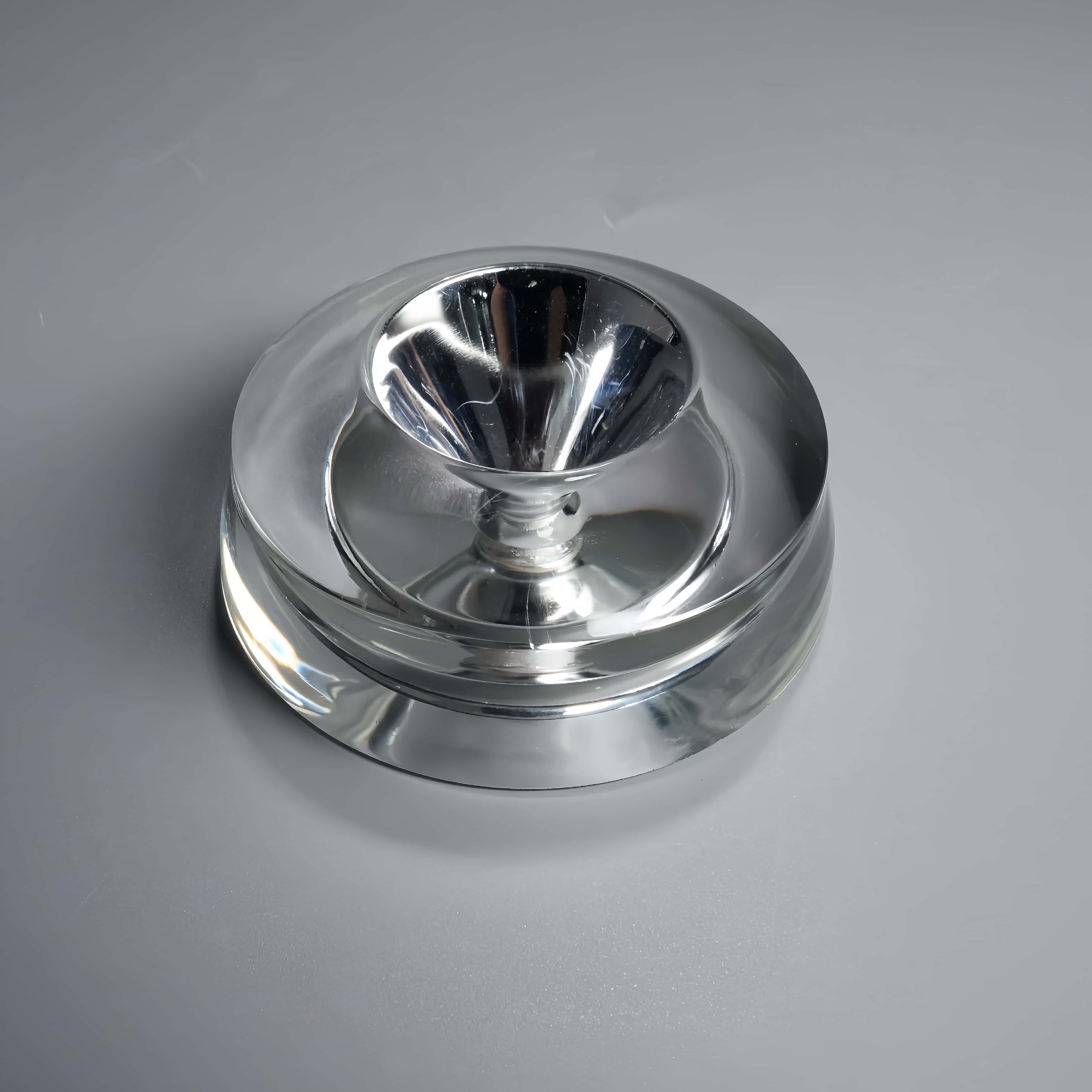
Factory China Custom Size Mold Pressed Borosilicate Bk7 K9 Eco-Friendly LED Optical Glass Lens for Taxiway Runway Airport Ground
Mold-pressed optical lens for taxiway and runway ground lighting, supporting stable beam control and color transmission in LED airfield fixtures.
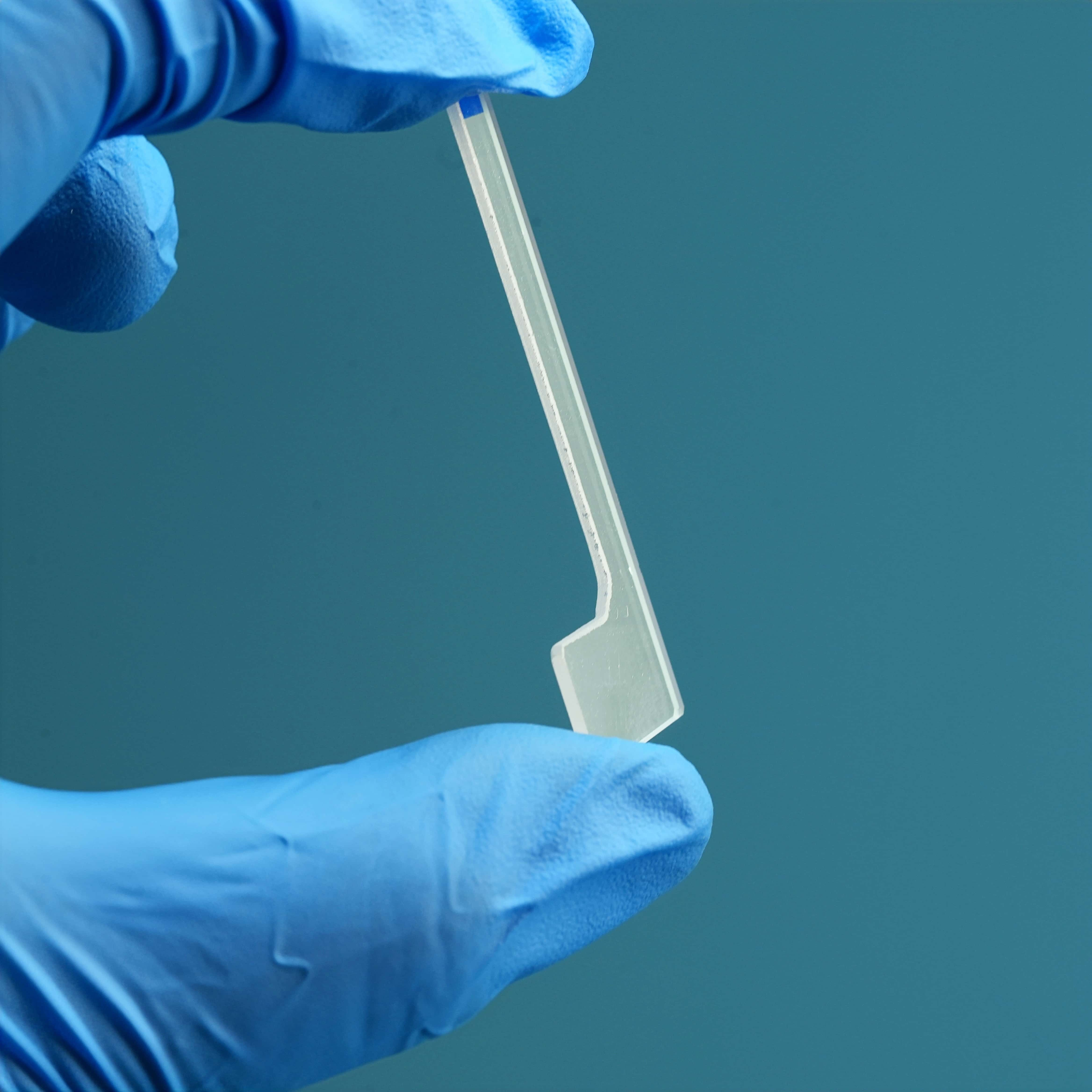
Anamorphic Prism Pair for Laser Beam Shaping Circularizing Elliptical Beams for Fiber Coupling Applications
Anamorphic prism pair for circularizing elliptical laser beams in fiber coupling, sensing and laboratory systems, with coating review for OEM integration.
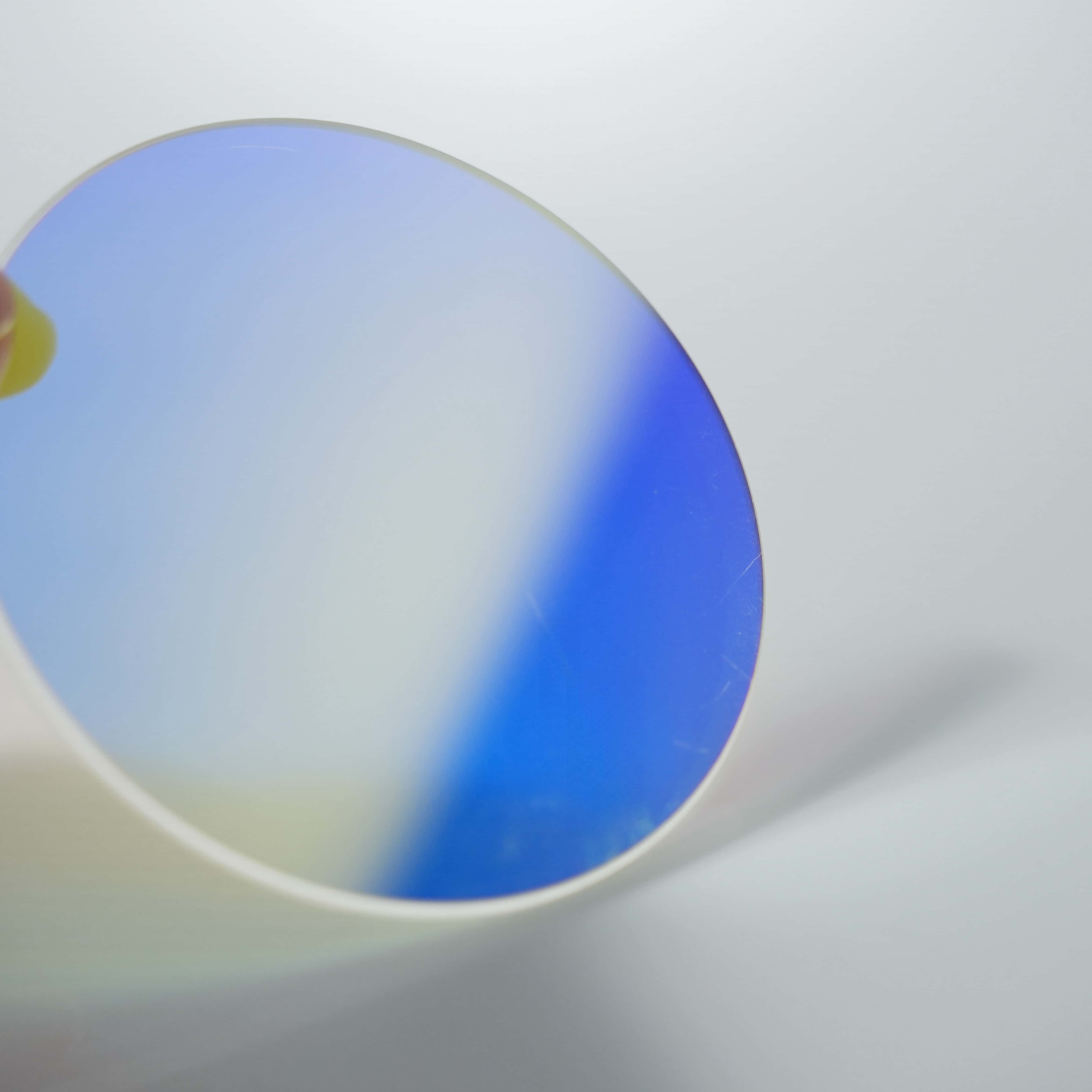
Optical Borosilicate Glass Longpass Shortpass Filter 500nm 600nm 700nm AR Coating Cut-Edge for Spectroscopy Industrial Sensor
Longpass and shortpass filter options with AR coating and cut-edge finishing for industrial sensors, spectroscopy and optical inspection systems.

FAA Compliant Borosilicate Heat Resistant Glass Lens Runway In-Pavement Taxiway Lights IP68 Waterproof Optical Equipment Clear
Heat-resistant lens for runway and taxiway in-pavement fixtures, designed for clear output under heat, rain and coastal humidity.
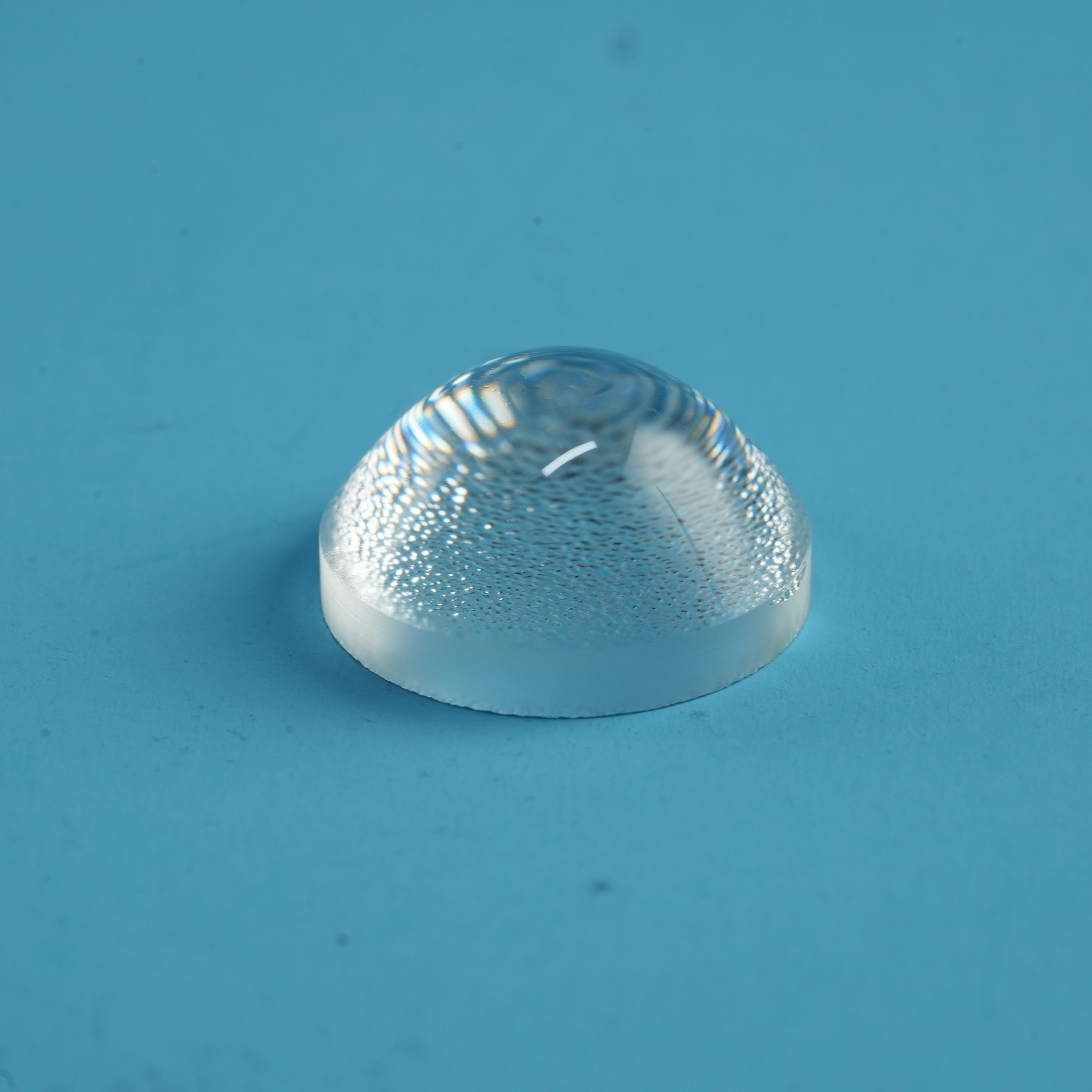
Manufacturer OEM Precision Grade BK7 K9 Optical Glass Aspherical Lens Anti-Reflective Coating Diameter 0.5-25mm MOQ 100 Pcs
Precision BK7/K9 aspherical lens for sensor modules, compact LED systems and optical instruments; AR coating and diameter options from 0.5 mm to 25 mm.
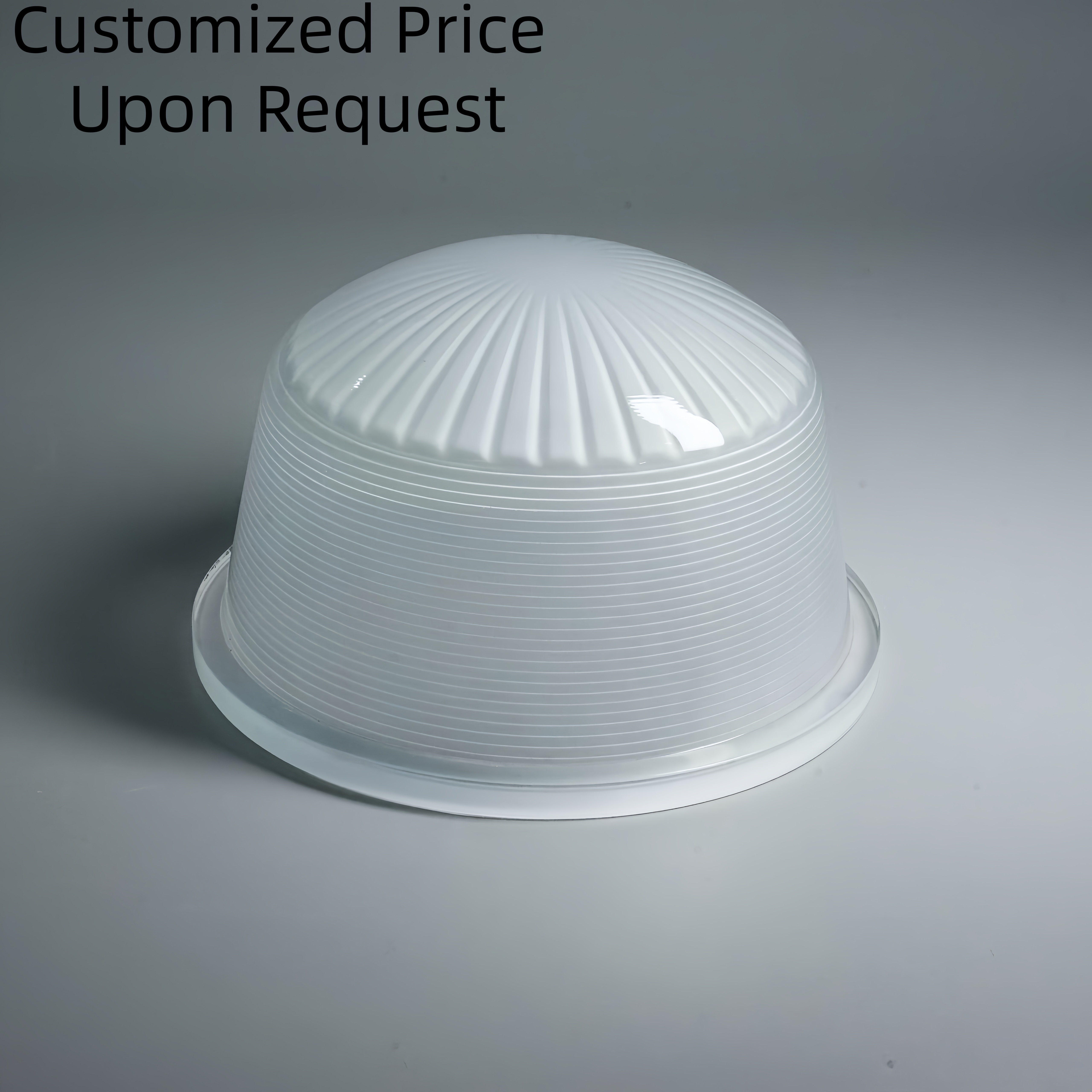
Transparent Explosion-proof Glass Shade, High Light Transmittance, Industrial Workshop Lighting
Transparent explosion-proof shade for industrial workshop lighting where high light transmission, chemical resistance and thermal stability are required.
CE Certified Glass Bending Suppliers in the Philippines: What the Claim Should Prove
The phrase “CE certified glass bending suppliers and exporters serving the Philippines market” combines commercial investigation with compliance, logistics and tropical-performance concerns. Buyers are rarely looking for a catalogue-only seller; they need a supplier who can quote from drawings, document the material, protect fragile glass in transit and support the final product’s compliance path.
For a procurement officer in Metro Manila, a lighting OEM in Cebu, a marine equipment distributor in Subic or an optical instrument buyer in Laguna, the real comparison usually comes down to five points: drawing capability, material grade, documentation, sample speed and export packing. Price matters, but a failed thermal-shock test, a cracked cover after monsoon rain or a shipment of chipped lenses can cost far more than the unit price difference.
CE marking is generally applied to the finished luminaire, machine or equipment under the relevant EU directive. A responsible glass component supplier supports that chain with material reports, dimensional inspection records, coating and wavelength data, packing specifications and change-control statements. The final CE declaration remains with the finished-product manufacturer. Philippine buyers who re-export to Europe, or who supply EU-brand OEMs, should ask for component traceability before releasing a purchase order.
Tropical service conditions make the component-level decision critical. In the Philippines, glass may face intense UV, high humidity, salt-laden coastal air, monsoon rain, typhoon-driven vibration and frequent washdown in food, chemical or industrial plants. A hot lens hit by sudden rain can generate thermal stress. Borosilicate 3.3 is often selected for high-heat LED covers, explosion-proof shades and airport lenses, while tempered soda-lime glass can be economical for moderate-temperature outdoor fixtures where impact strength is the main requirement.
What Philippine Buyers Should Request Before Approval
Ask for the glass grade and thermal expansion data, dimensional report, coating or color specification, visual inspection criteria, packing method, sample approval record and a change-control statement. For airport, marine or hazardous-area fixtures, also confirm how the glass specification aligns with the fixture maker’s FAA-style, EN 50293-style or CE-marking responsibilities.
Why Shanghai Tambi Glass Is Built for Drawing-Based Export Programs
Shanghai Tambi Glass Industrial Co., Ltd. is a Shanghai-based manufacturer and trading company focused on custom borosilicate glass covers, explosion-proof lampshades, signal light domes, LED lenses, prisms and optical filters for lighting and optical OEMs. With more than a decade of lighting-glass experience, an 11–50 person team and annual export revenue in the US$2.5M–US$5M range, the company supports long-term partners in Europe, North America and Japan through a practical, engineering-led export model.

Production workshop: pressed, blown, ground and coated glass processes under one supply chain.

Forming and finishing line: wall thickness, draft and sealing faces reviewed before tooling.

Inspection: dimensional, visual and coating checks before export packing.
Drawing-Based OEM / ODM
Send a 2D/3D drawing or physical sample with dimensions, tolerance, material, color and coating requirements. Senior lighting and molding engineers review wall thickness, draft, sealing faces and optical path alignment before mold or tooling decisions.
Material & Optical Range
Borosilicate 3.3, tempered soda-lime, fused quartz and optical BK7/K9 are matched to the application. AR coatings, color control, cut-edge finishing and precision grinding support lighting, sensor and instrument projects.
Tropical Reliability Focus
High humidity, salt spray, UV and sudden rain are not afterthoughts. The specification can be adjusted for thermal shock, impact, sealing-face flatness and annealing so the glass performs inside the real Philippine fixture environment.
One Supply Chain, Fewer Handoffs
Pressed, blown, ground and coated processes are coordinated under one supplier structure. That reduces the risk of mismatched tolerances, inconsistent color or unclear responsibility between separate workshops.
Verification & Transparency
Tambi Glass is presented as an onsite-verified supplier with third-party verification, credit index, transaction level, trade capacity, trade history and buyer reviews available for procurement review. Factory video and audit-style checks help overseas buyers qualify the supplier remotely.
Export Packing & Response
Fragile glass is separated with foam or pulp dividers, packed in reinforced export cartons and palletized for sea or air freight. The average technical inquiry response target is within 6 hours, and sample quantities can be arranged for evaluation.
Where Custom Glass Bending and Optical Components Fit Local Projects
Philippine buyers often need one supplier who understands both imported-project specifications and local service conditions. These application scenarios show how borosilicate, tempered and optical glass components are used in real procurement conversations.
Airport & Airfield Lighting
Airport modernization and runway safety programs in Manila, Clark, Cebu, Davao and provincial airports require obstruction, runway edge, taxiway and in-pavement light lenses. Heat-resistant borosilicate lenses and red or clear domes help maintain stable light output under high surface temperatures, rain and UV exposure. Fixture certification remains with the luminaire manufacturer, while the glass supplier matches color, transmission and dimensional requirements.
Marine, Ports & Offshore
Manila Bay, Subic, Batangas and Cebu shipyard or offshore supply operations expose signal lights, navigation lights and searchlights to salt spray and constant humidity. Pressed or handblown glass covers with controlled wall thickness can be specified for corrosion-adjacent environments, with packing designed to protect curved surfaces during sea freight.
Oil, Gas & Chemical Plants
Industrial corridors in Bataan, Batangas and Mindanao require explosion-proof lampshades and emergency-light enclosures for hazardous or washdown areas. The critical glass properties are thermal-shock resistance, impact strength and stable sealing dimensions. Borosilicate shades and thick-wall covers are often reviewed against the fixture’s temperature and certification requirements.
Electronics & Semiconductor Clusters
PEZA-linked electronics and semiconductor operations in Laguna, Cavite, Batangas and Cebu use optical domes, filters, prisms and aspherical lenses in sensors, imaging modules, inspection equipment and LiDAR-related products. Clean packaging, coating data and dimensional repeatability are more important than cosmetic catalog presentation.
Outdoor LED & Public Lighting
Local government units, ports, industrial estates and commercial developments are upgrading outdoor lighting for energy efficiency and climate resilience. LED lenses, reflectors and glass covers must resist UV, humidity, typhoon-driven rain and salt air. For high-power fixtures, borosilicate or tempered glass is selected according to surface temperature and impact rating.
Horticulture & Indoor Farming
Highland farms in Benguet, agricultural projects in Bukidnon and indoor growing facilities use LED grow-light lenses to improve light distribution and spectrum utilization. AR-coated borosilicate convex lenses can support high-transmission designs while managing heat from high-power LED modules.
Philippine Procurement Trends That Favor Documented Glass Suppliers
Buyers are becoming more specific because projects now combine energy efficiency, climate resilience, import documentation and long-term maintenance planning. A supplier that can explain material choice has a clear advantage over one that only quotes a price per piece.
LED & Energy-Efficiency Upgrades
Retrofit programs need optical glass that matches new LED modules, not legacy lamp profiles. Lens angle, AR coating and thermal tolerance become part of the purchasing decision.
Infrastructure & Transport Upgrades
Airport, port, road and industrial projects increase demand for runway lenses, signal domes and durable outdoor covers with clear dimensional documentation.
Electronics Supply-Chain Localization
More optical and sensor-related work in PEZA zones means buyers want small MOQs, samples, coating records and repeatable inspection for precision components.
Climate Resilience & Traceability
Typhoon, salt-spray and humidity exposure push procurement teams toward materials with clear thermal and corrosion-adjacent performance data, plus export packing that reduces breakage.
Material Selection for Tropical, High-Heat and Export-Grade Glass
Use this comparison as an early engineering screen. The final specification should still be confirmed against your drawing, lamp surface temperature, impact requirement, gasket design and the standard your finished fixture must meet.
| Material | Thermal Expansion (×10⁻⁶/K) | Typical Max Working Temp. | Key Strength | Best-Fit Use |
|---|---|---|---|---|
| Borosilicate 3.3 | ≈3.3 | ≈450 °C | Excellent thermal-shock resistance | Explosion-proof shades, high-power LED covers, airport lenses, Fresnel optics |
| Tempered soda-lime | ≈9.0 | ≈250 °C | High impact strength, economical | Outdoor covers, floodlight glass, vandal-resistant lenses |
| Fused quartz | ≈0.55 | ≈1000 °C+ | UV transmission, extreme heat | UV optics, high-temperature windows, special instrument glass |
| Optical BK7 / K9 | ≈7.1 | ≈300 °C | Homogeneous optical properties, nd ≈1.517 | Precision lenses, prisms, mirrors, filters and sensor windows |
For Philippine coastal or high-humidity installations, review sealing-face flatness, annealing quality, coating durability and packing protection together. The glass, gasket and housing must be treated as one system.
A Controlled 6-Step OEM Process for Philippine Buyers
Clear checkpoints reduce the risk between sample approval and mass production. This is especially important when the buyer is importing fragile glass and coordinating with a local fixture assembler or project contractor.
Drawing Review
DFM check of thickness, draft, tolerance, sealing face and optical path alignment before quotation is finalized.
Mold & Tooling
Existing or new molds selected for pressing, blowing or grinding based on shape, volume and optical requirement.
Sampling
Samples are measured and sent for fit, light and sealing tests before mass production is released.
Forming & Annealing
Controlled annealing or tempering relieves stress and supports thermal-shock performance in service.
Coating & QC
AR coating, color control, dimensional inspection and visual checks are completed according to the approved specification.
Export Packing
Divider-packed cartons and palletized packing for sea or air freight, with labeling options for distributors and project sites.
Questions Procurement Teams in the Philippines Ask Most Often
These answers focus on the practical concerns behind commercial searches: CE documentation, custom drawing production, MOQs, tropical material choice, fragile-glass shipping and lighting-standard support.
Are you a CE certified glass bending supplier, and how does CE apply to glass parts?
For glass components, the more precise question is how the supplier supports the finished product’s CE marking. CE marking generally applies to the finished luminaire, machine or equipment under the relevant directive. Tambi Glass supports the chain with material reports, dimensional inspection, coating records and packing specifications. The final CE declaration remains with the finished-product manufacturer, so Philippine buyers should request component traceability rather than a generic logo alone.
Can you manufacture glass covers and lenses to my own drawing for a Philippine fixture project?
Yes. Most orders are drawing-based. Send a 2D/3D drawing or physical sample with dimensions, tolerance, material, color, coating and annual volume. Engineers review manufacturability, propose mold options and confirm samples before mass production. This is suitable for airport, marine, industrial lighting and optical instrument projects where the glass must fit an existing housing or gasket.
What are the typical MOQ, sample and lead-time expectations?
Typical MOQs range from about 50 pieces for optical lenses to 100–500 pieces for pressed or blown lighting covers, depending on whether an existing mold can be used. Sample quantities are available for evaluation. Technical inquiries are targeted for response within 6 hours, while production lead time is confirmed after drawing review, sample approval and order quantity are clear.
Which glass should I choose for Philippine heat, humidity and salt spray?
Borosilicate 3.3 is often chosen when high lamp temperature and sudden rain create thermal-shock risk. Tempered soda-lime glass can offer high impact strength at a lower cost for moderate-temperature outdoor fixtures. The right choice depends on surface temperature, impact rating, gasket design, washdown chemicals and the certification requirements of the finished fixture.
How are fragile glass parts packed for shipment to Manila, Cebu or Davao?
Parts are separated with foam or pulp dividers, packed in reinforced export cartons and palletized for sea or air freight. Custom packaging and labeling for distributors can be arranged. Buyers should confirm the destination port, handling method, storage conditions and any project-site delivery requirements before shipment.
Do you supply glass for FAA L-810 or EN 50293 lighting fixtures and provide reports?
Tambi Glass produces glass lenses and domes for fixture makers whose obstruction and signal lights are designed around FAA-style or EN 50293-style requirements. Fixture certification is held by the luminaire manufacturer. The glass supplier can match color, transmission and dimensional specifications and provide material and inspection reports on request.
Send Your Drawing for a 6-Hour Engineering Review
Share your dimensions, material, operating temperature, coating, annual volume and destination port in the Philippines. Our team will review the glass specification, suggest a suitable borosilicate, tempered or optical glass solution, and advise on sample and export packing requirements.