Eight Engineered Glass Parts for Hanoi OEMs and Wholesale Buyers
These products are practical starting points because they cover the most common technical triggers in the Hanoi market: thermal shock, UV exposure, humidity, optical transmission, coating durability, chemical washdown and precision alignment. Each part can be adapted by drawing, tolerance, glass grade, coating and packaging.
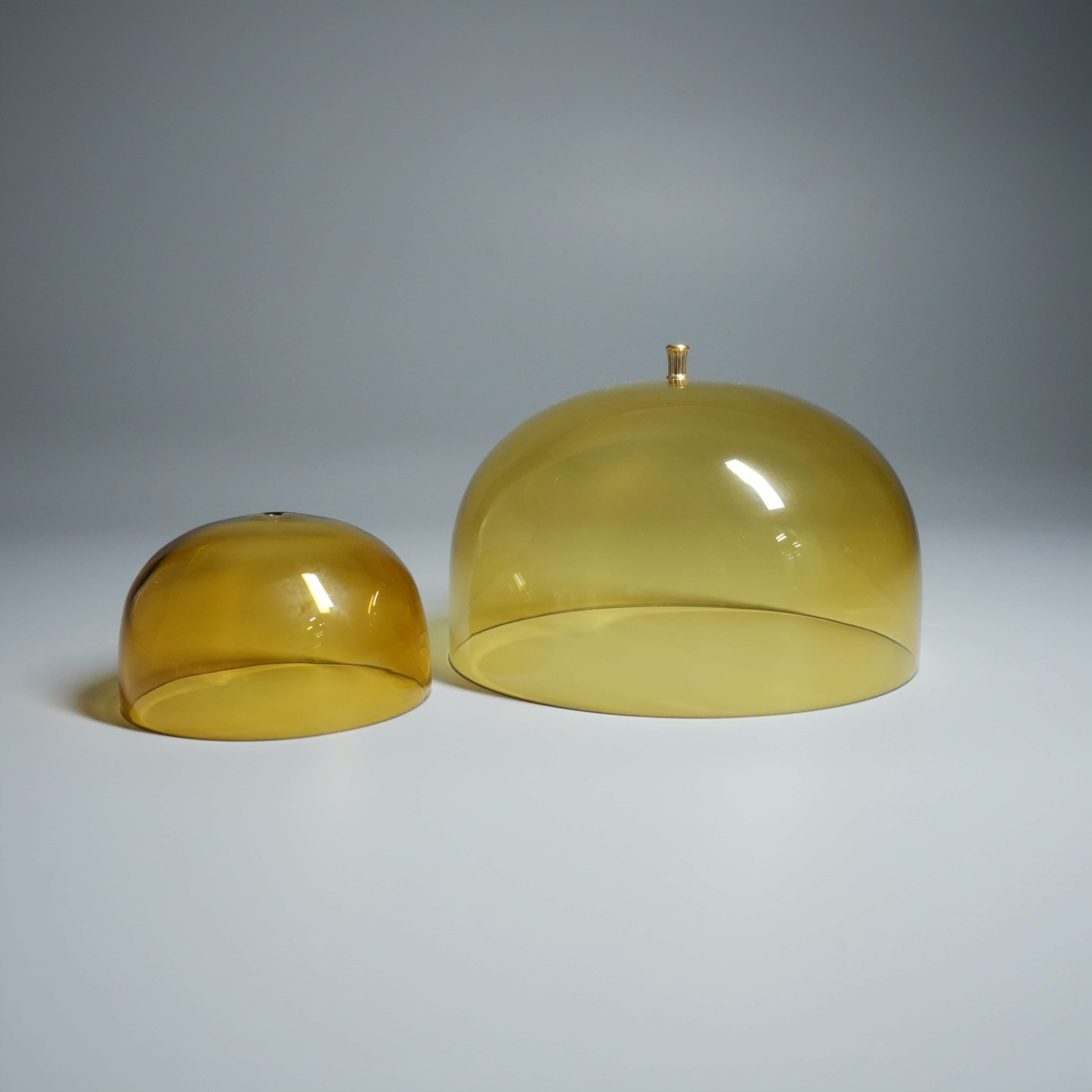
Certified Glass Cover for Food Machinery and Medical Equipment, Chemical Resistant
Suitable for sight windows, inspection covers and washdown equipment where chemical resistance and cleanability matter.
- Fused quartz or borosilicate options
- Custom thickness and sealing face
- Documentation for OEM qualification

High Temperature Resistant Borosilicate Glass Fresnel Lens Anti-Reflective Coating High Power LED Collimation Stage Lighting
Designed for high-power LED collimation, theatre fixtures and architectural spotlights exposed to heat cycling.
- Borosilicate heat resistance
- AR coating for transmission
- Drawing-based focal control
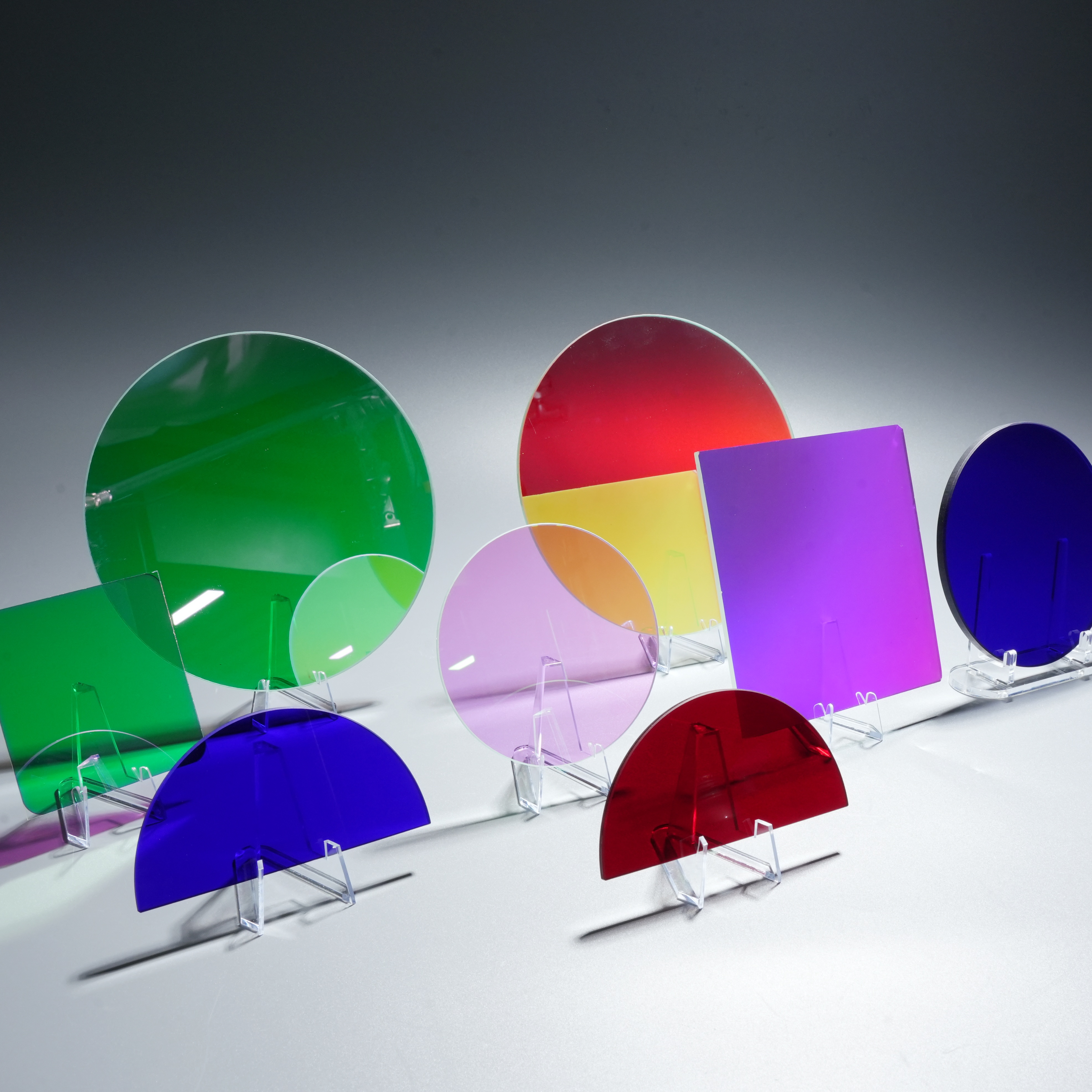
BO-GLASS BO-AH242 Manufacturer Customized High Precision 590Nm 49Mm Coated UV Borosilicate Bandpass Longpass Optical Filter
For sensing, machine vision, laboratory instruments and wavelength-selective optical assemblies.
- Bandpass and longpass choices
- Custom wavelength and diameter
- Coating data available

OEM Borosilicate Glass Optical Dome Cover for Outdoor IP Cameras UV Resistant Waterproof Housing Anti-Reflective Coating
For outdoor surveillance, smart-city cameras and sealed housings exposed to Hanoi’s humid monsoon climate.
- UV-resistant borosilicate
- AR coating reduces reflection
- Custom flange and curvature

Factory Price Custom Precision Optical 1-200mm Clear BK7 Spherical Quartz Glass Half Ball Concave/Biconvex Lens Anti-Reflective
For optical integrators, inspection systems and R&D projects that need custom focal length or geometry.
- BK7, K9 and quartz options
- 1–200 mm diameter range
- AR coating optional
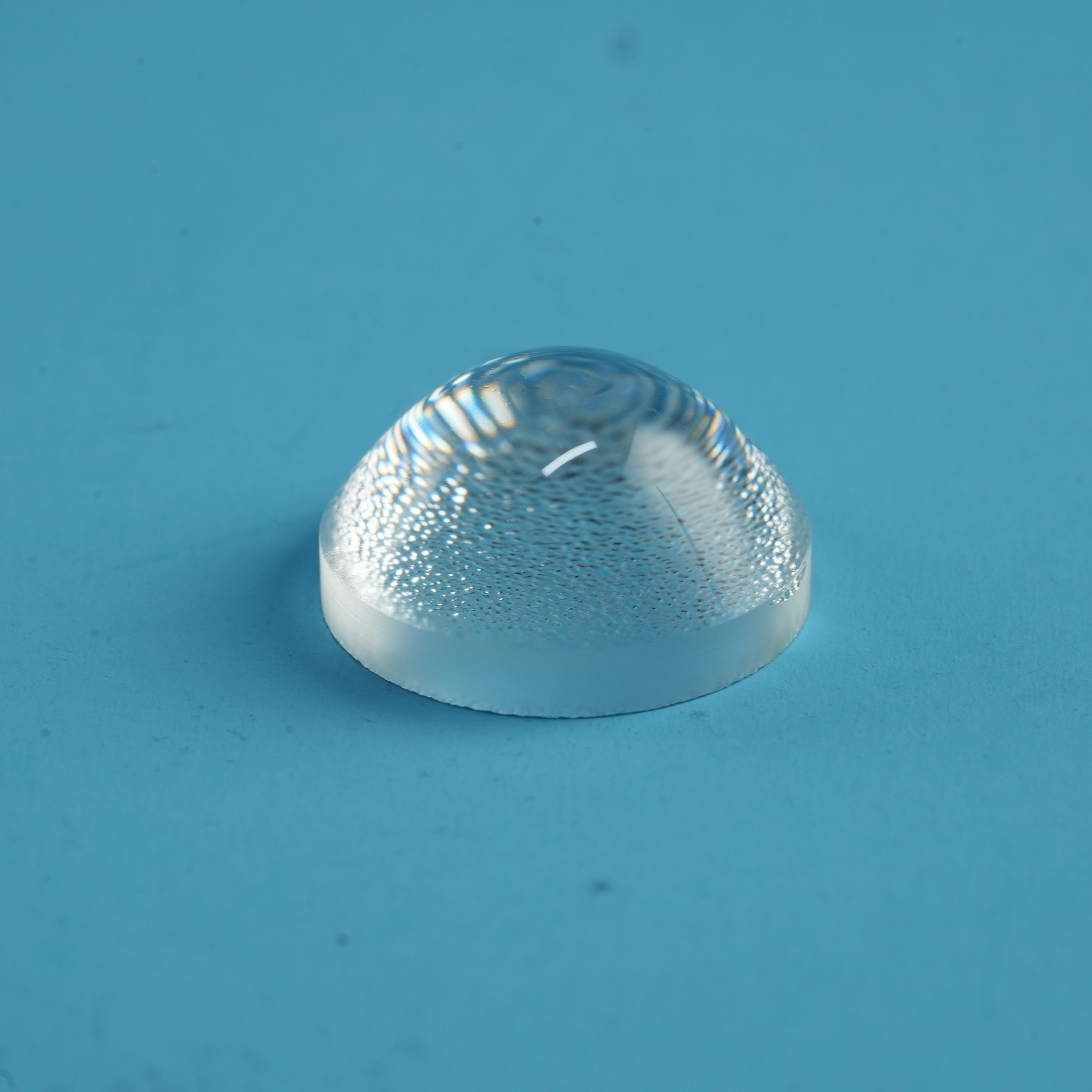
Manufacturer OEM Precision Grade BK7 K9 Optical Glass Aspherical Lens Anti-Reflective Coating Diameter 0.5-25mm MOQ 100 Pcs
Well matched to compact camera modules, sensors and miniature optical systems assembled in Vietnam.
- 0.5–25 mm diameter
- AR-coated aspherical profile
- MOQ from 100 pcs
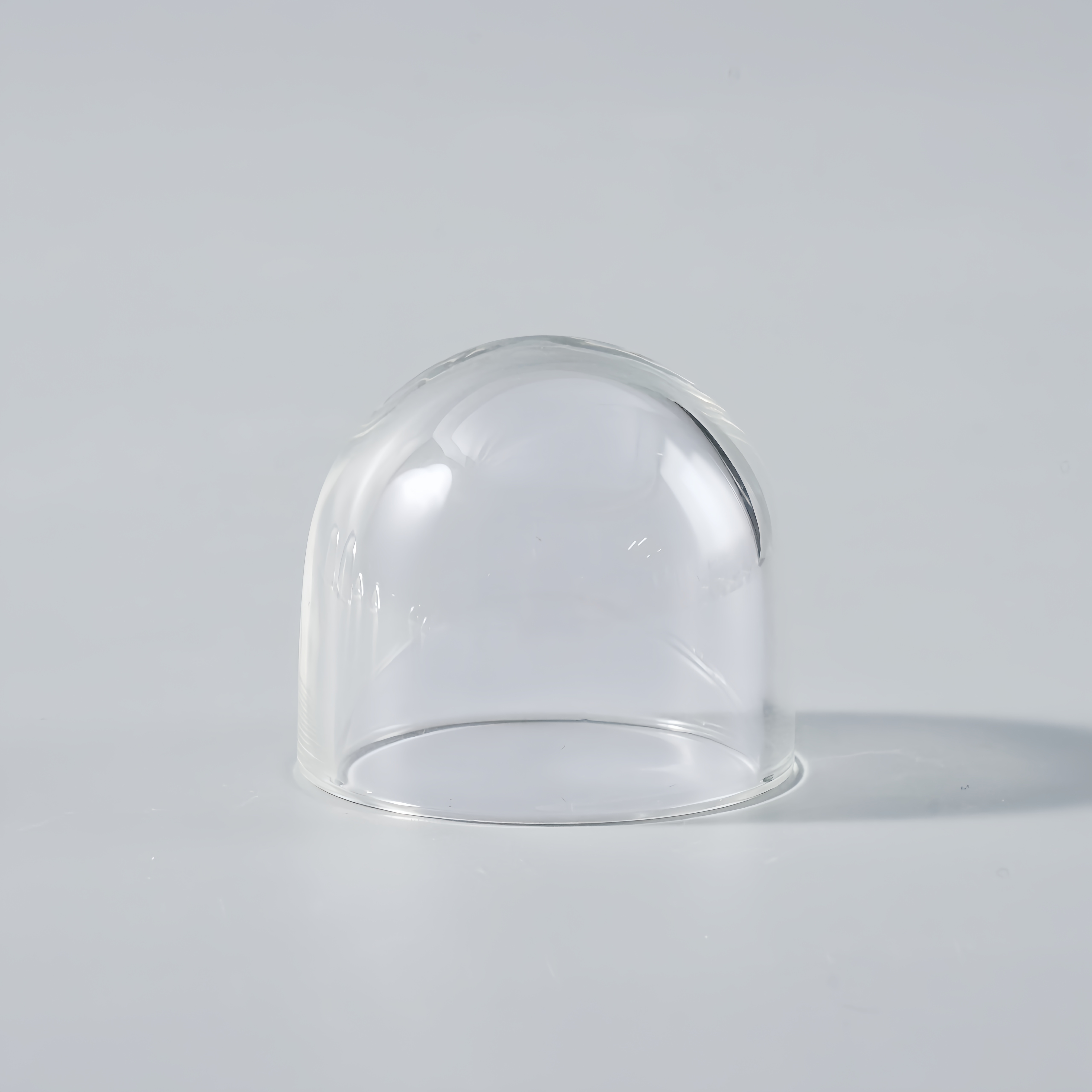
Customizable OEM Optical Glass Domes Broadband AR Coating Precision Hemispherical Windows for LiDAR Sensors Scientific
For LiDAR, robotics, environmental sensors and scientific instruments requiring a sealed hemispherical window.
- Broadband AR coating
- High geometric repeatability
- Prototype to volume production

Factory Custom BO-GLASS Quartz BK7 K9 Arcoated Fused Silica High Precision Right Angle Prism 90Degree Clear ODM/OEM 3-Year
For beam steering, alignment, metrology and optical bench assemblies requiring a stable 90-degree path.
- Quartz, BK7, K9 and fused silica
- AR-coated faces optional
- ODM/OEM drawing support
CE Certification, Fused Quartz, and the Hanoi Buyer’s Real Risk Map
For procurement teams comparing a CE certified fused quartz glass wholesaler & wholesalers in the Hanoi market, the purchasing decision is rarely only about unit price. Fused quartz is used where ordinary soda-lime or even standard borosilicate glass can create a hidden failure cost: UV degradation, high-temperature deformation, thermal-shock cracking, contamination risk in laboratory equipment, or unstable optical transmission after humidity exposure. In Hanoi, those technical risks are amplified by a humid monsoon climate, dense urban dust, long outdoor duty cycles and increasingly strict incoming inspection by international OEM factories.
One important qualification matters. CE marking is normally a declaration made by the manufacturer of the finished machine, luminaire, camera, instrument or medical device. A component supplier should therefore not be judged only by a logo on a brochure. A serious wholesale partner should provide material traceability, dimensional inspection reports, coating data, sample records and packaging specifications that help the Hanoi OEM complete its own CE-related technical file. This distinction between a “CE certificate” and “CE-supporting component evidence” is one of the first checks experienced buyers make.
Fused quartz is not automatically the right answer for every project. It offers very low thermal expansion, excellent high-temperature stability and good UV transmission, but it can be unnecessary where tempered soda-lime or borosilicate 3.3 already meets the fixture test plan. A useful supplier will ask about lamp surface temperature, impact rating, sealing method, cleaning chemicals, outdoor exposure and annual volume before recommending material. That is how a wholesale purchase becomes an engineering decision instead of a catalogue transaction.
Hanoi buyers also face a practical logistics issue: fragile components must survive sea freight to Hai Phong or air freight to Noi Bai, then local trucking and warehouse handling. For distributors, mixed-SKU consolidation is valuable, but only when each SKU is separately protected and labelled. A supplier that understands the Hanoi route will treat packing as part of the product specification, not as an afterthought.
- Ask for a drawing review before tooling or sampling begins.
- Confirm whether the drawing requires fused quartz, borosilicate 3.3, tempered soda-lime, BK7, K9 or another grade.
- Request dimensional, visual and coating inspection records for the agreed sample.
- Define export packing and labelling before the purchase order is released.
Minimum RFQ checklist for Hanoi buyers
Send this information and a competent optical glass supplier can review manufacturability instead of guessing.
- 2D/3D drawing or a physical sample with key dimensions.
- Glass grade, colour, transmission and coating target.
- Operating temperature, impact and cleaning exposure.
- Tolerance, sealing face and surface quality requirements.
- Annual volume, first-order quantity and delivery destination.
- Label, packaging and document requirements for Vietnam.
Where Fused Quartz and Precision Glass Create Value in Hanoi
Hanoi’s manufacturing base is not a single industry. It combines electronics assembly, lighting, security systems, laboratories, food processing, medical equipment, automation and optical R&D. Each environment stresses glass differently.
LED lighting and stage fixtures
High-power LEDs, Fresnel lenses, reflector covers and architectural luminaires need stable light output after heat cycling. Borosilicate and fused quartz options help Hanoi lighting assemblers reduce yellowing, cracking and transmission loss.
Outdoor IP cameras and smart city
Surveillance domes face rain, dust, UV and temperature swings. AR-coated borosilicate or quartz domes protect the optical path while maintaining image clarity and weather resistance.
LiDAR, robotics and scientific sensors
Hemispherical windows, prisms and bandpass filters are used for beam steering and environmental sensing. Hanoi’s automation and university labs often need prototypes before volume production.
Food machinery and medical equipment
Sight glass covers and inspection windows must withstand cleaning agents, moisture and temperature changes. Fused quartz can be specified where chemical resistance and high-temperature cleaning are more critical.
Machine vision and optical filters
Hanoi electronics factories use vision systems for inspection, alignment and defect detection. Custom lenses, right-angle prisms and bandpass filters improve repeatability under factory lighting.
Laboratories, universities and R&D
Research groups need small quantities of quartz windows, domes, prisms and filters without compromising documentation. Prototype-friendly suppliers reduce the gap between experiment and pilot production.
What Wholesale Buyers in Hanoi Are Changing in 2025–2026
The most visible change is that Hanoi buyers are moving away from “lowest price per piece” as the only buying logic. OEMs and distributors increasingly ask for a supplier who can combine material advice, samples, inspection records and export packing. The reason is simple: a failed optical window in a finished camera, luminaire or instrument can cost far more than the glass component itself.
Second, humidity and thermal cycling are becoming part of the sample discussion. Hanoi’s hot, humid season and cooler winter periods create repeated expansion and condensation risks. For outdoor products, buyers want to know whether the AR coating, sealing face and glass grade remain stable after realistic environmental testing. A supplier that can discuss the test plan early is more useful than one that only quotes a price.
Third, distributors want mixed-SKU consolidation. A Hanoi distributor may need Fresnel lenses for a lighting customer, domes for a security-camera assembler and prisms for a university lab in the same quarterly shipment. Clear SKU labelling, separate inner packing and consistent carton marks reduce warehouse errors and improve after-sales traceability.
Finally, technical response time is becoming a competitive factor. When an RFQ comes from a Hanoi engineering team, delays are often caused by unclear drawings rather than production itself. A supplier with a structured drawing review process can identify draft angle, wall thickness, tolerance stack-up and coating feasibility before tooling is committed.
Practical RFQ qualification index
Internal planning rubric used by our export engineering team; not a statistical market forecast. Higher values show where technical risk usually concentrates.
Fused Quartz, Borosilicate, Soda-Lime or BK7: A Practical Comparison
Material choice should follow the operating conditions of the final product. Over-specifying raises cost; under-specifying creates field returns. The table below is a starting point for technical review, not a substitute for drawing-specific validation.
| Material | Thermal expansion | Typical working temperature | Key strength | Best fit for Hanoi projects |
|---|---|---|---|---|
| Fused quartz | ≈ 0.55 × 10⁻⁶/K | ≈ 1000 °C+ | Very low expansion, UV transmission, high purity and thermal stability | High-temperature windows, UV optics, laboratory components, semiconductor-adjacent equipment, high-purity sight glass |
| Borosilicate 3.3 | ≈ 3.3 × 10⁻⁶/K | ≈ 450 °C | Excellent thermal-shock resistance with practical cost | High-power LED covers, explosion-proof lampshades, Fresnel lenses, outdoor luminaires |
| Tempered soda-lime | ≈ 9.0 × 10⁻⁶/K | ≈ 250 °C | High impact strength and economical volume production | Outdoor light covers, floodlight glass, vandal-resistant lenses where temperature is moderate |
| BK7 / K9 optical glass | ≈ 7.1 × 10⁻⁶/K | ≈ 300 °C | Homogeneous optical properties and stable refractive index | Precision lenses, prisms, domes, filters and instrument optics |
Final specification should be confirmed against your drawing, lamp surface temperature, impact rating, sealing method, cleaning chemicals and the standard your finished fixture or instrument must meet.
Why Tambi Glass Is a Practical Wholesale Partner for Hanoi
Shanghai Tambi Glass Industrial Co., Ltd. combines drawing-based production, multiple glass materials, coating capability and export packing experience for lighting and optical OEM buyers.



A Manufacturer and Trading Company Built Around Drawing-Based Production
For more than a decade, Tambi Glass has focused on a practical question: how should glass perform inside a real luminaire, camera housing, medical cover or optical instrument? That experience covers heat build-up behind high-power LEDs, thermal shock from rain on hot covers, impact loads in hazardous areas, colour accuracy for signal lights and alignment stability for optical systems.
Our team reviews drawings for wall thickness, draft, tolerance, sealing faces and optical path alignment before tooling starts. We work with long-term partners in Europe, North America and Asia, and combine pressed, blown, ground and coated processes under one supply chain. The business is structured as a manufacturer and trading company with an 11–50 person team, 10+ years of lighting-glass experience and an average technical response time within 6 hours.
- Drawing-based OEM/ODM support from prototype to volume production.
- Fused quartz, borosilicate 3.3, tempered soda-lime, BK7 and K9 options.
- AR coating, colour coating and optical finishing experience.
- Onsite-verified supplier records, trade capacity and factory video available for qualification.
Drawing review before tooling
Engineers check manufacturability, draft, tolerance, sealing face and optical path before sampling, reducing avoidable revisions.
Material and coating breadth
Fused quartz, borosilicate, tempered glass and optical BK7/K9 can be matched to the operating condition rather than forced into one material.
Forming, annealing and QC
Controlled annealing or tempering helps relieve stress. Dimensional, visual and coating checks are defined against the approved sample.
Verification for procurement
Supplier assessment, credit index, transaction level, trade capacity and factory video help Hanoi buyers complete supplier qualification faster.
Fast technical response
Average response time is within 6 hours. Send drawings, target temperature, coating requirements and annual volume for a useful review.
Export packing for fragile optics
Foam or pulp dividers, reinforced export cartons and palletized packing can be arranged for sea or air freight to Vietnam.
A Controlled Six-Step OEM Process for Wholesale Orders
Clear checkpoints reduce surprises between sample approval and mass production, especially when the buyer and supplier are working across different languages and time zones.
Drawing review
DFM check of thickness, draft, tolerance, sealing face, coating area and optical path alignment.
Mold and material route
Select pressing, blowing or grinding; confirm glass grade and whether an existing mold can be used.
Sampling
Measure samples and send them for the buyer’s fit, light, transmission or environmental evaluation.
Forming and annealing
Controlled forming and annealing or tempering to reduce residual stress and improve durability.
Coating and QC
AR or colour coating, dimensional inspection, visual inspection and agreed report preparation.
Export packing
Divider packing, reinforced cartons and palletization for sea freight to Hai Phong or air freight to Noi Bai.
Common Questions from Hanoi Wholesalers and Procurement Teams
These are the questions that most often decide whether a sample request becomes a repeat wholesale order.
What does “CE certified fused quartz glass” mean for a Hanoi buyer, and which documents should I request?
Can a Hanoi wholesaler combine fused quartz, borosilicate, BK7 and coated optics in one wholesale order?
What MOQ is realistic for a first order from Hanoi?
How are fragile domes, lenses and prisms packed for Hai Phong or Noi Bai?
Which local applications justify fused quartz instead of lower-cost borosilicate or soda-lime glass?
How should Hanoi buyers test samples for humidity, thermal shock and coating durability?
Do you support Vietnamese distributors with neutral packaging, labels and document sets?
What should I include in the RFQ for the fastest engineering review?
Send Your Drawing, Operating Temperature and Annual Volume
Tell us whether the part needs fused quartz, borosilicate, tempered glass, BK7/K9 or a coated optical route. Our team will review manufacturability, suggest a sample plan and confirm export packing for Hanoi delivery.
info@tambiglass.com