Eight Glass Components Reordered by Denpasar Buyers
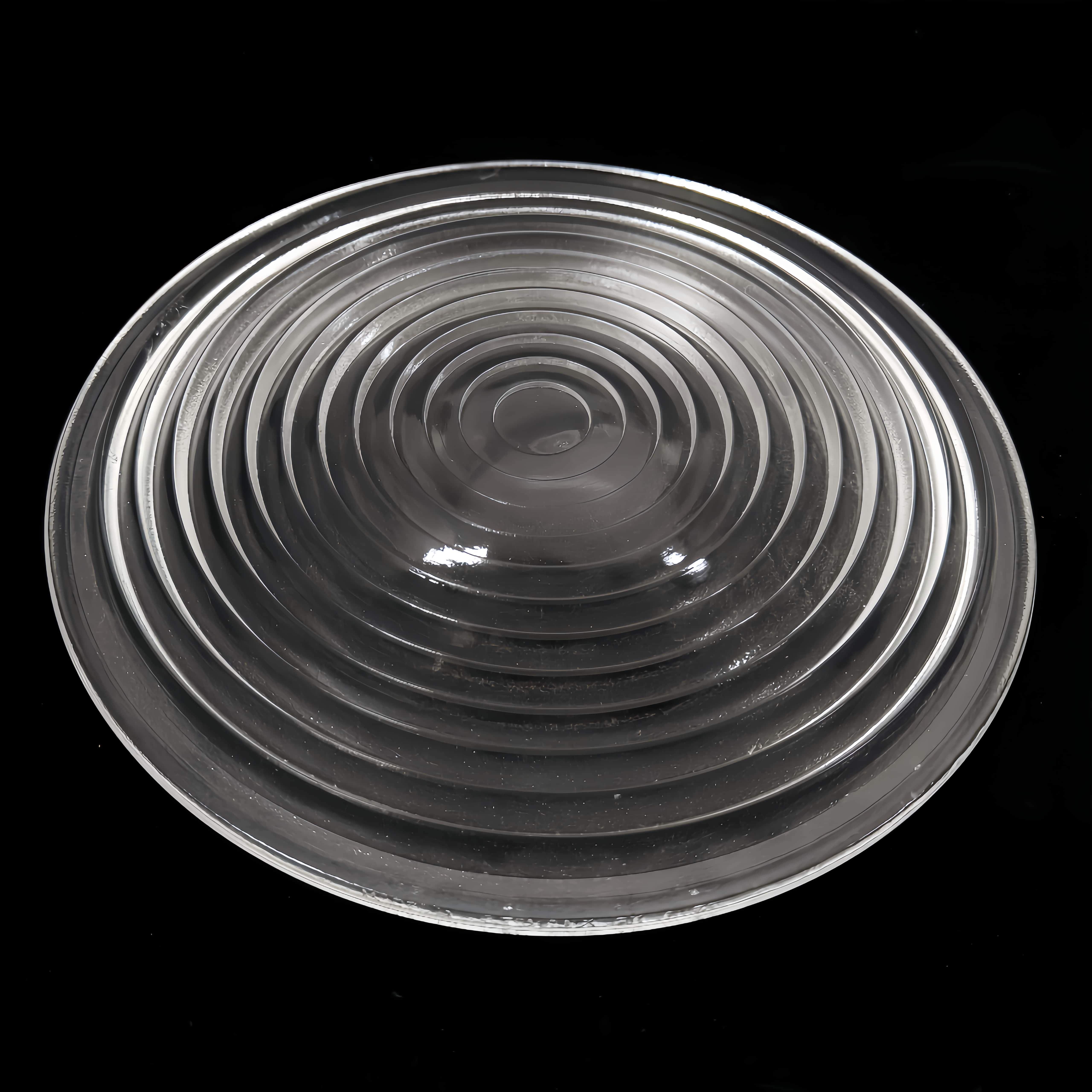
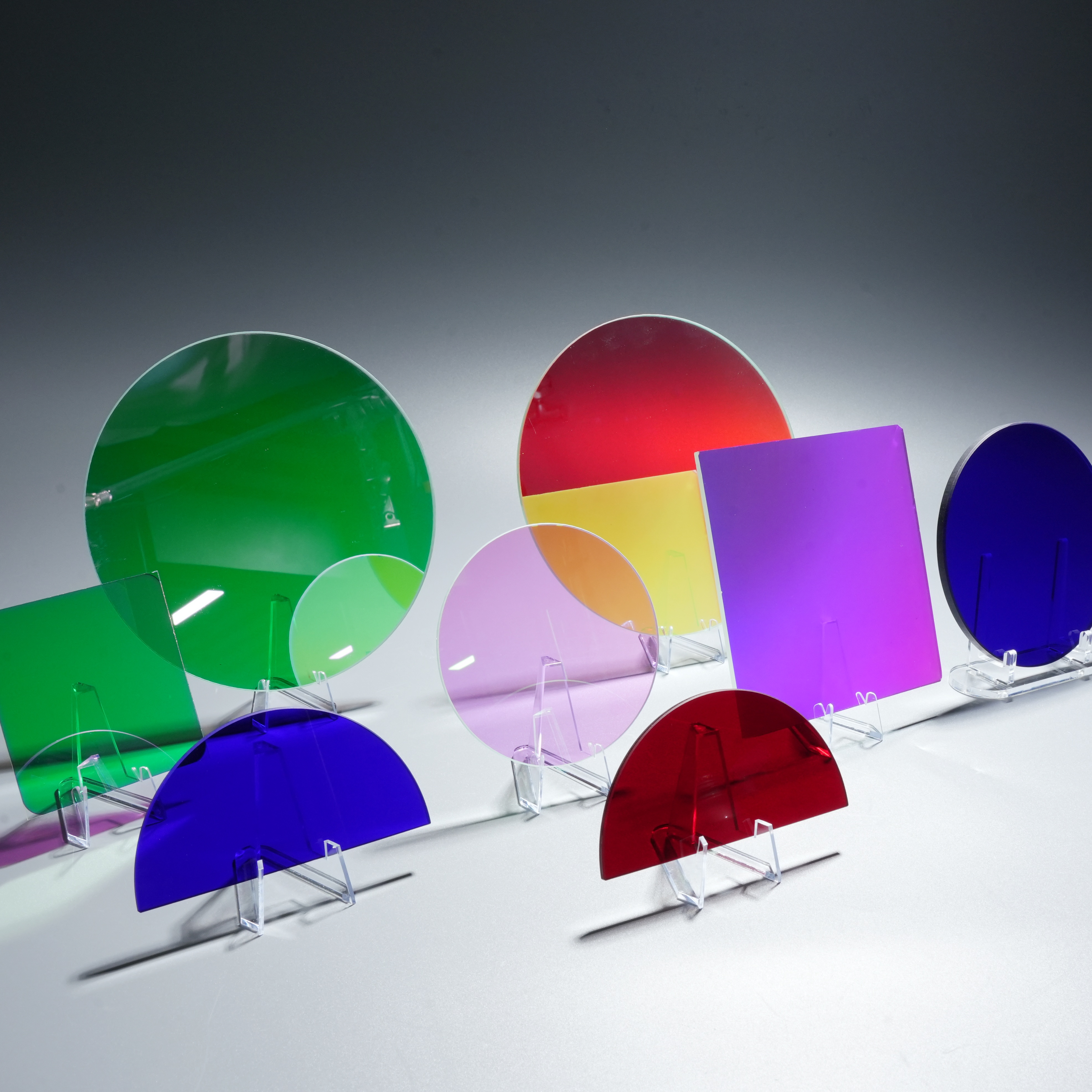
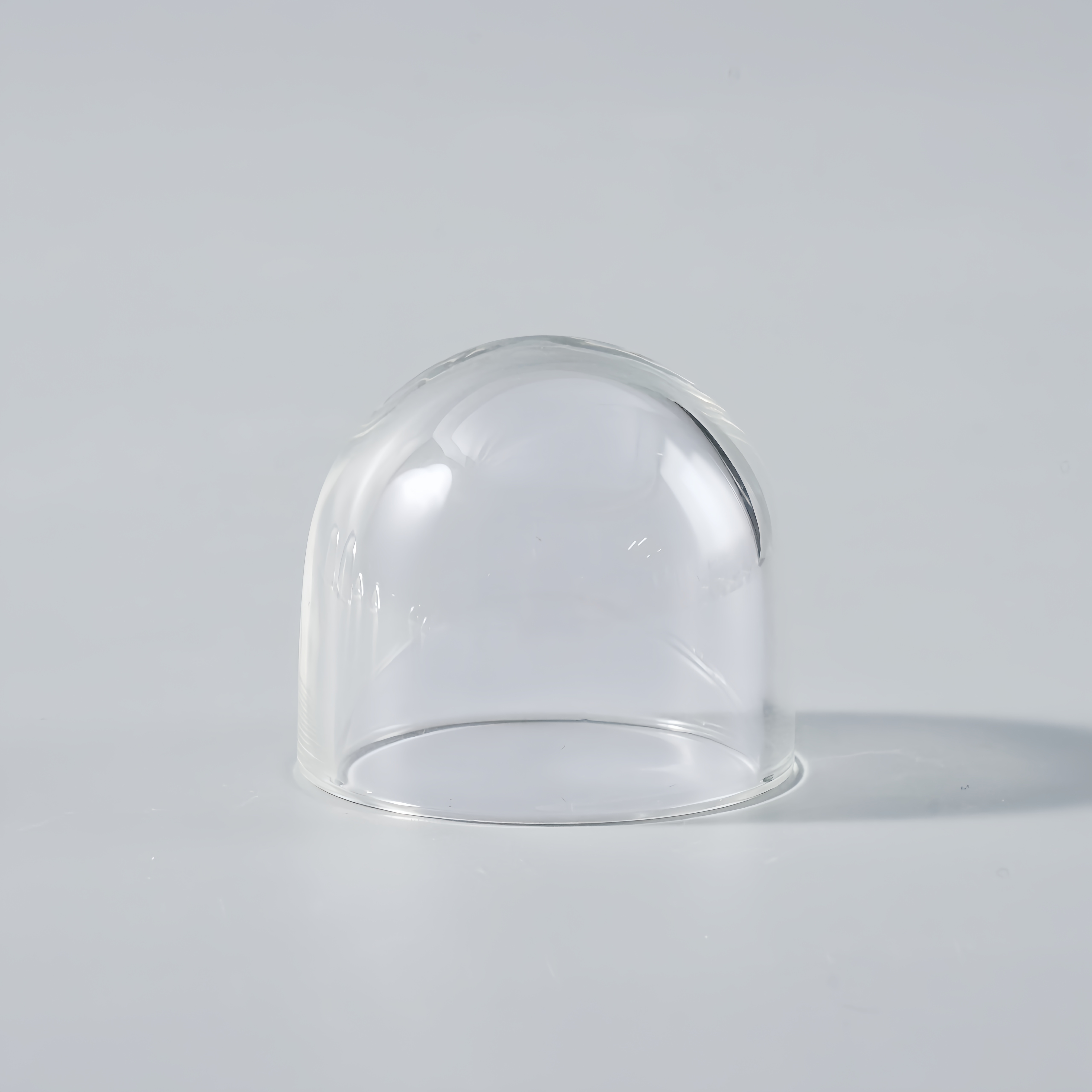
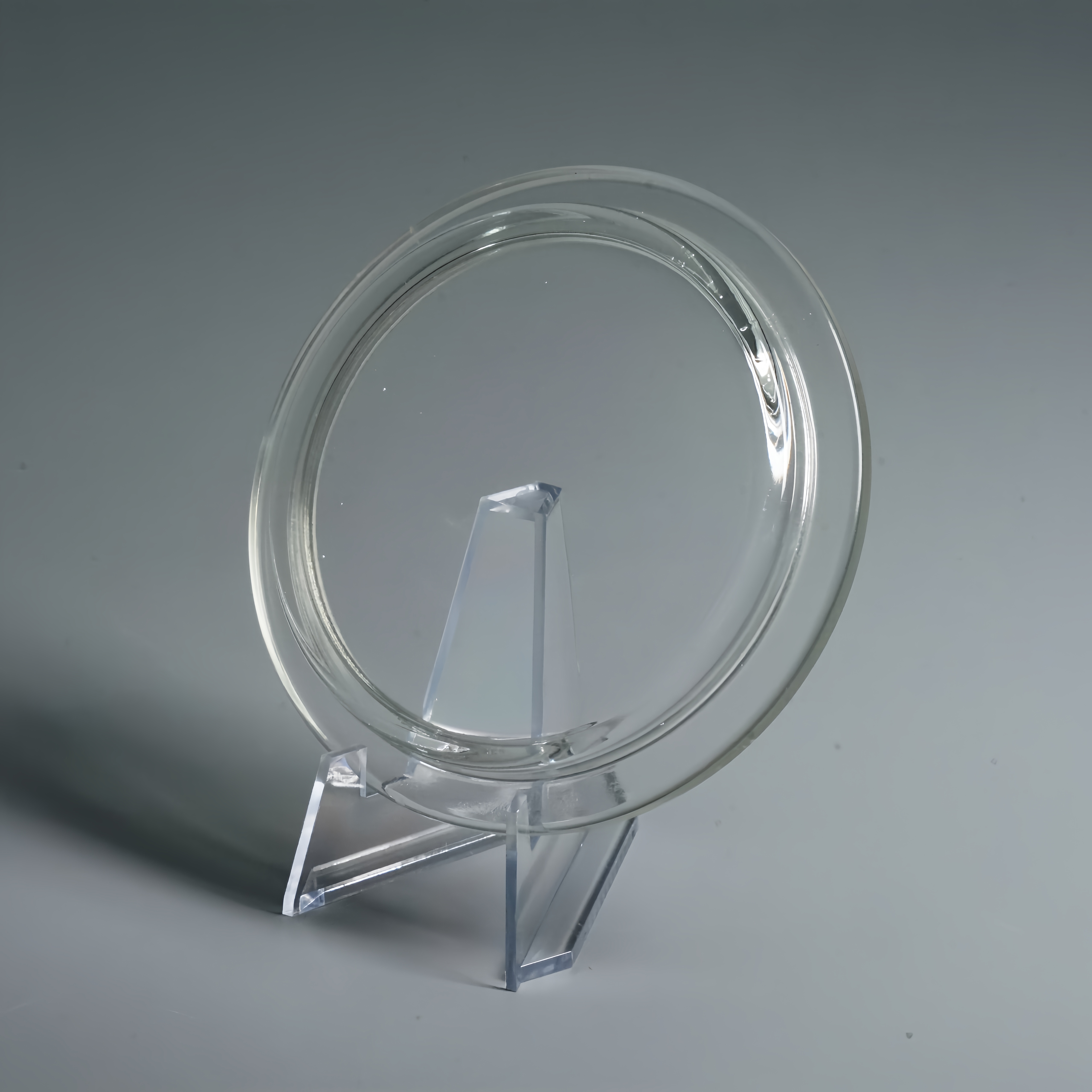
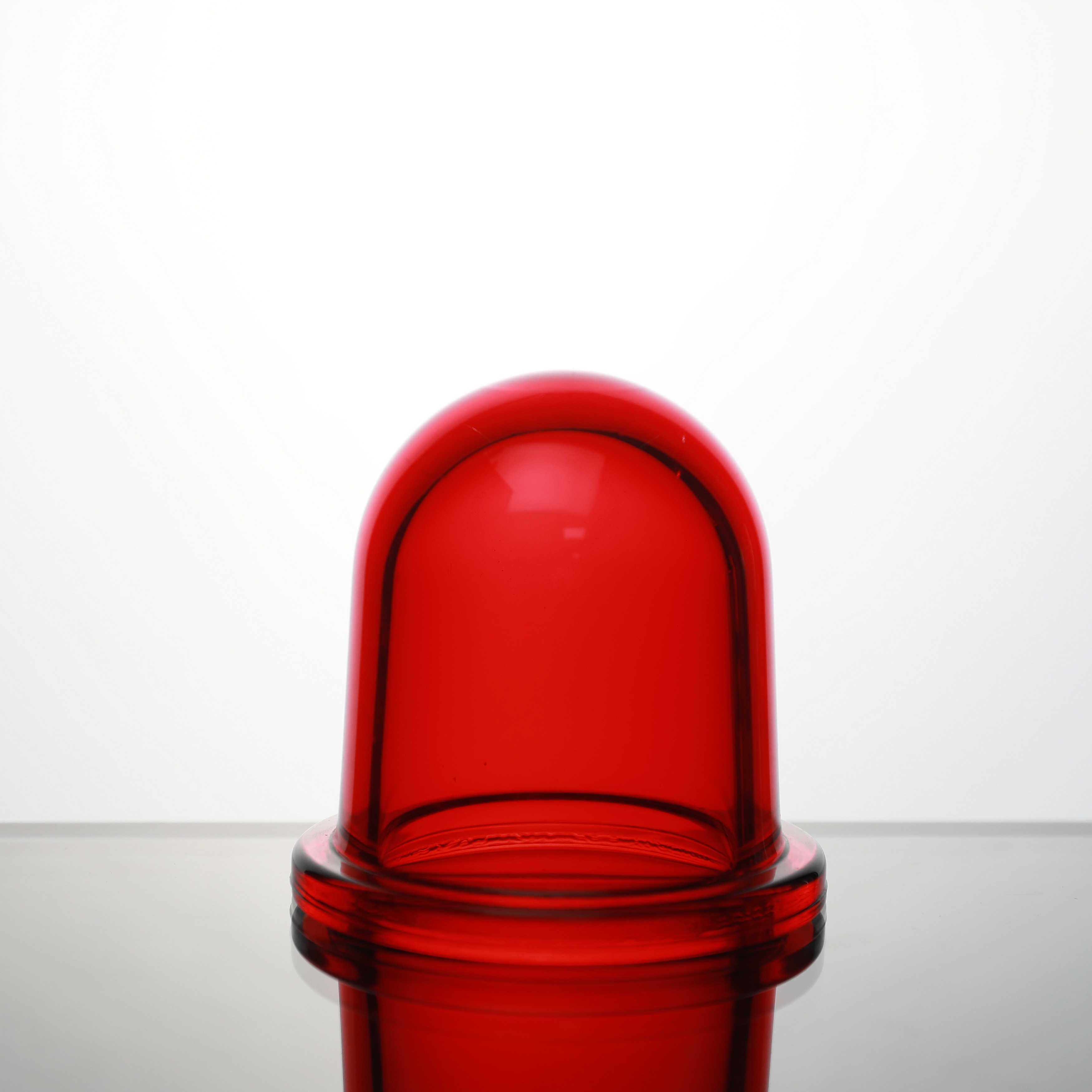
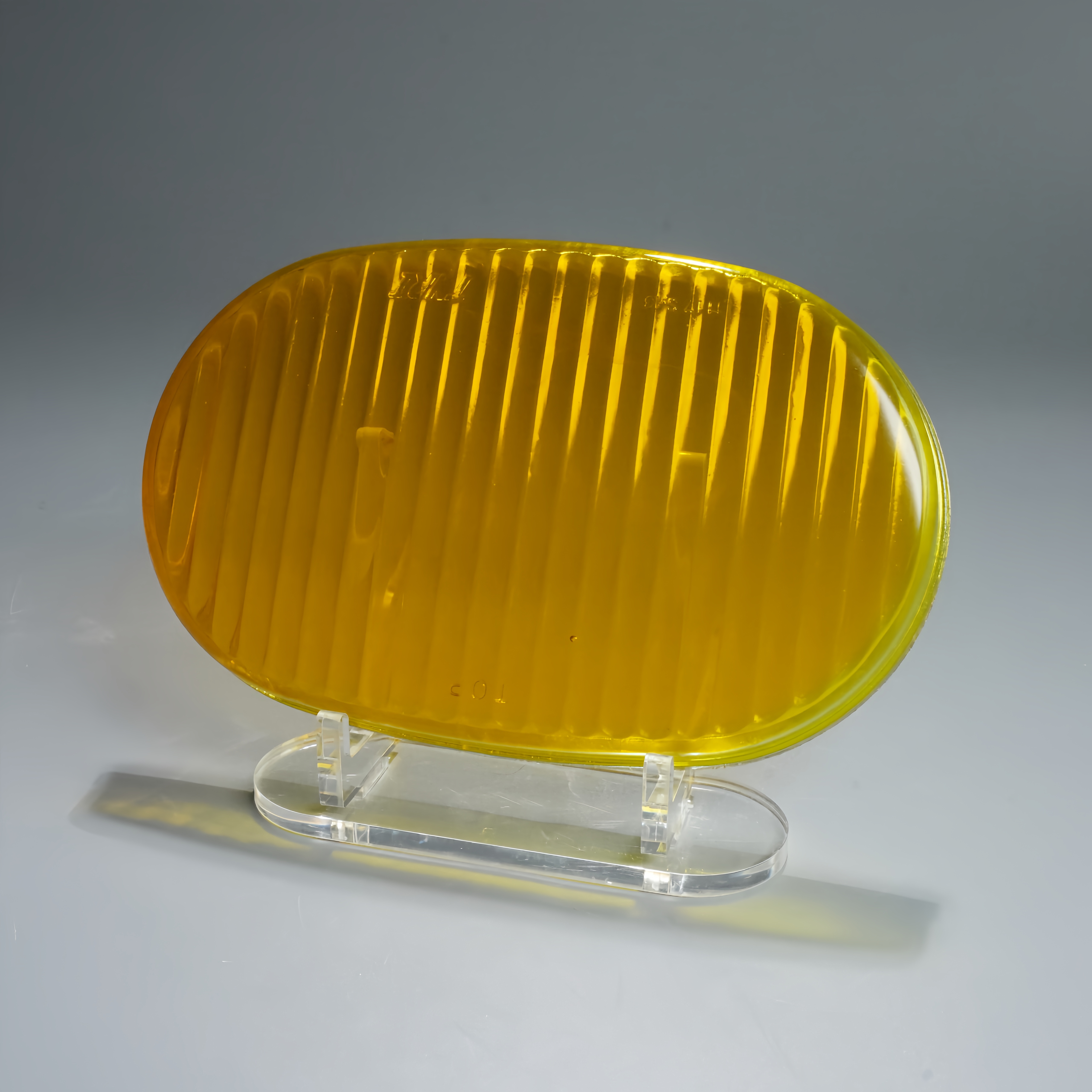
Every part below is produced from the same material family that makes boiler sight glass survive a Balinese plant room: borosilicate 3.3, tempered soda-lime, fused quartz and optical BK7. A single purchase order can combine gauge glass, explosion-proof covers and coated optical windows, which is exactly how Denpasar procurement teams buy.


Why Boiler Sight Glass Fails in Denpasar — and What That Means for Specification
A supplier-side view of the failure modes we see in Balinese plant rooms, written for hotel chief engineers, MEP contractors and importers who cannot afford an unscheduled shutdown.
Boiler sight glass is the cheapest component in a steam system and the fastest one to disappear from a maintenance budget. That is exactly why it fails. In Denpasar, where most steam is raised for laundry, kitchens, spa facilities and small processing lines, a sight glass is expected to survive three conditions at once: repeated thermal shock, year-round humidity above 75% and a maintenance team that may replace the glass without a torque wrench.
Glass does not fail randomly. It fails in a predictable sequence. A soda-lime sight glass that has been cut and polished rather than fire-polished carries micro-chipping along its edge. When the boiler heats, the seal face expands against a cold gasket; when the boiler is blown down, cold water hits a hot glass face. The chip propagates into a crack, the crack runs toward the bolt hole, and the result is a weep that becomes a leak overnight. Once the first whitish etch marks appear — usually from alkaline washdown chemicals attacking the glass surface — the remaining safe life is measured in weeks, not months.
Three specification choices that change the outcome
1. Borosilicate 3.3 over soda-lime. Its coefficient of linear expansion is roughly 3.3 × 10⁻⁶/K, about one third that of ordinary window glass. That difference is what allows a sight glass to tolerate a blow-down cycle without internal stress concentrations at the sealing face.
2. Annealing, not just forming. Every part we press or blow passes through controlled annealing that relieves residual stress. A sight glass that has been cooled too quickly looks perfect in the warehouse and cracks in service three weeks later.
3. Ground sealing faces with a defined flatness and edge radius. A chamfered, fire-polished edge removes the chip initiation sites that start most field failures. This is optical-glass discipline applied to a plumbing component — and it is the single largest source of information gain our engineering team brings to a Denpasar boiler project.
What the CE mark actually covers
This is the point where most online suppliers overstate. A stand-alone sight glass is a component, not a finished pressure device. The CE marking of the boiler or pressure equipment is issued by the equipment manufacturer, on the basis of component documentation. What a serious glass factory supplies is the evidence layer underneath that declaration: EN 10204 3.1 material certificates, dimensional and visual inspection reports, batch traceability and, on request, transmission and thermal data. When a Denpasar importer asks for "CE sight glass", the correct answer is a package of documents — not a sticker on a crate.
Where Sight Glass and Technical Glass Work Hardest in Denpasar
Bali's economy concentrates a surprising variety of thermal and optical duty cycles into a small island. Each of these environments stresses glass differently.
Hotel & Resort Boiler Rooms
Sanur, Seminyak and Ubud properties often run single or dual steam boilers for laundry and domestic hot water. Sight glass is replaced most often after monsoon-season shutdowns, when idle boilers restart against cold feedwater.
Laundry & Steam Distribution
Commercial laundries are the highest-hour steam users on the island. Continuous wet-dry cycling accelerates etching on the water-side face, so glass grade and surface finish decide the replacement interval.
Food, Beverage & Baking Plants
Small-batch sauce, pastry, brewery and coffee-roasting operations in the Denpasar industrial corridor use sight glasses on kettles and steam jackets, where daily caustic washdown is the dominant chemical load.
Marine & Benoa Port Workshops
Dive boats, ferries and workboats serviced around Benoa and Serangan need signal light covers and heat-resistant lenses; the same distributors frequently add a carton of sight glass to the order.
Heat Pumps, Solar & Geothermal
As Bali shifts away from diesel-fired boilers, heat pump and solar-thermal loops introduce new sight points on buffer tanks and expansion vessels, where lower temperatures make tempered soda-lime viable.
Water Treatment & Desalination
Resort-scale desalination and greywater plants use observation windows on filters and dosing tanks. Borosilicate resists the chlorine and acidic cleaning agents that cloud ordinary glass within a season.
Six Shifts Reshaping How Denpasar Buys Boiler Sight Glass
Procurement behaviour in Bali has changed faster than most catalogues. These are the patterns our sales engineers see across incoming inquiries from the island.
Renovation Cycles Drive Batch Orders
Hotel refurbishments tend to be scheduled in low season and completed in a single window. Buyers no longer order one replacement glass; they order a two-year spares kit, which pushes average order values up and makes drawing-based quotation essential.
Fuel Switching Changes the Duty Cycle
Conversions from diesel to gas, LPG or heat pumps alter operating temperatures and cycling frequency. A glass grade that suited the old boiler may be over- or under-specified for the new one, so re-specification is becoming routine.
Documentation Is Now Part of the Price
Indonesian importers increasingly request EN 10204 3.1 certificates and inspection reports before releasing a purchase order, because their own clients — international hotel groups and industrial tenants — audit the paperwork.
Coastal Corrosion Sets the Bar
Salt-laden air around Denpasar, Kuta and Sanur attacks hardware faster than the glass itself. Buyers now specify glass that survives repeated gasket changes without edge chipping, since every re-seal is another opportunity to crack a lens.
Food & Beverage Manufacturing Expansion
Small-batch production for Bali's hospitality market keeps adding steam-jacketed vessels and pasteurisers, each needing observation glass, which widens the buyer pool beyond traditional boiler maintenance contractors.
Drawing-Based Online Sourcing
Denpasar buyers now send a photo, a calliper measurement or a 2D drawing over chat instead of requesting a printed catalogue by post. Factories that can quote from a drawing within a working day win the order.
Material Selection Matrix for Sight Glass & Technical Glass
The comparison our engineers use when a new drawing arrives. Choosing the correct glass at quotation stage avoids cracked covers, cloudy sight windows and expensive field returns.
Borosilicate 3.3
- Linear expansion
- ≈ 3.3 × 10⁻⁶/K
- Typical working temperature
- ≈ 450 °C
Excellent thermal-shock resistance. The default for gauge glass, explosion-proof covers, high-power LED windows and Fresnel lenses.
Tempered Soda-Lime
- Linear expansion
- ≈ 9.0 × 10⁻⁶/K
- Typical working temperature
- ≈ 250 °C
High impact strength at lower cost. Suitable for outdoor covers, floodlight glass and vandal-resistant lenses in moderate heat.
Fused Quartz
- Linear expansion
- ≈ 0.55 × 10⁻⁶/K
- Typical working temperature
- ≈ 1000 °C+
UV transmission with extreme heat tolerance. Reserved for high-temperature windows and specialised optical duty.
Optical BK7 (H-K9L)
- Linear expansion
- ≈ 7.1 × 10⁻⁶/K
- Typical working temperature
- ≈ 300 °C
Homogeneous, nd ≈ 1.517. Used for precision lenses, prisms, mirrors and coated filters rather than steam service.
Values shown are typical references, not guarantees; the final specification is confirmed against your drawing, lamp or steam surface temperature, impact rating and the standard your finished equipment must meet. For boiler sight glass, borosilicate 3.3 is almost always the correct starting point — the diameter and thickness, however, must follow the equipment manufacturer's drawing, because those dimensions maintain the pressure boundary and are not an aesthetic choice.
A Controlled Six-Step OEM Process
Clear checkpoints between sample approval and mass production are what keep a Denpasar delivery schedule honest.
Drawing Review
DFM check of wall thickness, draft angle, tolerance, sealing face and optical path alignment before any tooling cost is quoted.
Mould & Tooling
New mould development or use of an existing pressing, blowing or grinding tool, whichever shortens lead time without compromising the part.
Sampling
Measured samples shipped for your fit test, light test or pressure test, with dimensional reports attached.
Forming & Annealing
Controlled pressing, blowing or grinding followed by annealing or tempering to relieve residual stress.
Coating & QC
AR coating, colour coating, silk printing, then dimensional and visual inspection against the approved sample.
Export Packing
Foam or pulp dividers, reinforced cartons and palletisation for sea freight to Benoa or air freight to Ngurah Rai.
Why Denpasar Buyers Work Directly With Our Shanghai Plant
Shanghai Tambi Glass Industrial Co., Ltd. is a manufacturer and trading company focused on one question: how should glass perform inside a real fixture, a real lamp or a real pressure boundary?
10+ Years, Drawing-Based OEM / ODM
More than a decade supplying custom glass components to lighting and optical OEMs. Most orders start from a 2D/3D drawing or a physical sample with dimensions, tolerance, material, colour and coating requirements.
Four Material Families Under One Supply Chain
Borosilicate, tempered soda-lime, fused quartz and optical BK7, combined with pressed, blown, ground and coated processes — so one purchase order can cover sight glass, covers and optics.
Senior Engineers Review Every Drawing
Our design team of lighting and moulding engineers checks wall thickness, draft, sealing faces and optical alignment before tooling starts — the step that prevents most field failures.
Average Response Within Six Hours
Technical and commercial questions are answered the same working day. Send a drawing and annual volume and the reply comes back with a manufacturability opinion, not a price list.
Onsite-Verified, Auditable Supplier
Third-party supplier assessment, credit index, transaction level and trade history are all published and verifiable, which lets procurement teams complete qualification before the first sample is approved.
Export Packaging Built for Fragile Glass
Foam or pulp dividers, reinforced export cartons and palletisation for sea or air freight, with custom labelling for distributors. Annual export revenue runs between US$2.5M and US$5M.
Questions Denpasar Procurement Teams Ask Before Ordering
Practical answers for importers, MEP contractors and maintenance managers sourcing from Bali.
Can you manufacture boiler sight glass to our own drawing?
What is the minimum order quantity and lead time for delivery to Denpasar?
What documents do you provide for a CE-marked boiler project?
Should we choose borosilicate 3.3 or tempered soda-lime glass?
Do you supply glass for FAA L-810 and EN 50293 lighting fixtures, and for industrial plant rooms?
How are fragile glass parts packed for the Bali climate and long sea transit?
Have a Drawing? Get an Engineering Review Within Six Hours.
Share the diameter, thickness, material, operating temperature and annual volume. Our engineers will confirm the most reliable glass solution for your boiler, luminaire or optical assembly — and send the full catalogue with current specifications.
Get Catalog