Important sourcing distinction: in this guide, “borosilicate glass window” refers to a technical glass window, lens, dome or protective cover used in industrial luminaires, aviation lighting, marine signal lights, sensors and high-power LED fixtures. It is not ordinary architectural glazing. Cebu City buyers looking for fire-rated building glass should specify that requirement separately.
For Cebu City procurement teams, the real question is not simply “who sells borosilicate glass?” but “who can control material grade, forming, annealing, coating, inspection and export packing?” Cebu City has active aviation, shipping, tourism, electronics, industrial and construction sectors, yet highly specialised borosilicate forming and optical coating capacity is concentrated in established manufacturing hubs. Many high-spec components are therefore sourced through importers, trading companies or direct exporters. Shanghai Tambi Glass Industrial Co., Ltd. is a Shanghai-based manufacturer and trading company serving overseas buyers; it supports Cebu City projects as an export supplier, not as a local Cebu factory.
What Does “Borosilicate Glass Window” Mean in Cebu City Procurement?
In Cebu City, “borosilicate glass window” is often used as a broad search term for several technical products: optical windows for sensors, clear domes for outdoor LED lights, explosion-proof glass shades for industrial fixtures, Fresnel lenses for stage lighting, and protective covers for aviation or marine signal lights. The common requirement is that the glass must perform reliably under heat, moisture, salt air and mechanical impact — not merely look transparent.
Borosilicate 3.3 is valued because its coefficient of thermal expansion is approximately 3.3 × 10⁻⁶/K. This low expansion helps it tolerate rapid temperature change, which is important when a hot lamp cover is exposed to tropical rain or cold cleaning water. It also offers high light transmission, chemical stability and good resistance to heat. For high-power LED fixtures, coastal floodlights, airport lighting, industrial hazardous areas and optical sensing equipment, borosilicate glass can be a more reliable material than ordinary soda-lime glass.
Why Cebu City creates a demanding operating environment
Cebu City is a coastal metropolis with high humidity, salt-laden air, strong monsoon rain and high ambient temperatures. Projects around Mactan-Cebu International Airport, Cebu Port, Mactan Economic Zone, Cebu IT Park, Cebu Business Park and the resort corridors of Mactan require components that can survive weather and thermal cycling. Outdoor fixtures may be heated by the sun by day and cooled by rain at night. Marine and port fixtures face salt spray. Industrial buildings face dust, heat and vibration. Hospitality projects demand custom shapes and consistent appearance.
This is why material selection, annealing control and coating quality matter more than a low unit price. A cheap clear cover that cracks after a few thermal cycles creates replacement, labour and safety costs far above the original saving. For Cebu City buyers, the strongest specification is a drawing-based glass part supported by material reports, sample approval and export-grade packaging.
- Aviation and port projects need stable color, transmission and dimensional repeatability.
- Industrial and hazardous-area lighting needs heat resistance, impact resistance and sealing-face accuracy.
- Resort, retail and streetscape lighting needs custom shapes with reliable export packaging.
- Sensor and instrumentation projects need optical coating consistency and clean surface quality.
Cebu City buyer snapshot
Typical evaluation questions from Cebu City procurement teams:
- Can the supplier provide drawing-based OEM production?
- Is the glass borosilicate 3.3, tempered soda-lime, quartz or BK7?
- Will the part survive coastal humidity and rapid temperature change?
- Are samples and inspection reports available before mass production?
- How are fragile domes, covers and lenses packed for sea or air freight?
8 Borosilicate & Optical Glass Products for Cebu City Projects
Each product below is available for drawing-based customization in size, thickness, color, coating and edge finish. Cebu City buyers can use these options for airport lighting, coastal LED fixtures, industrial hazardous areas, sensors, hospitality lighting and horticulture.
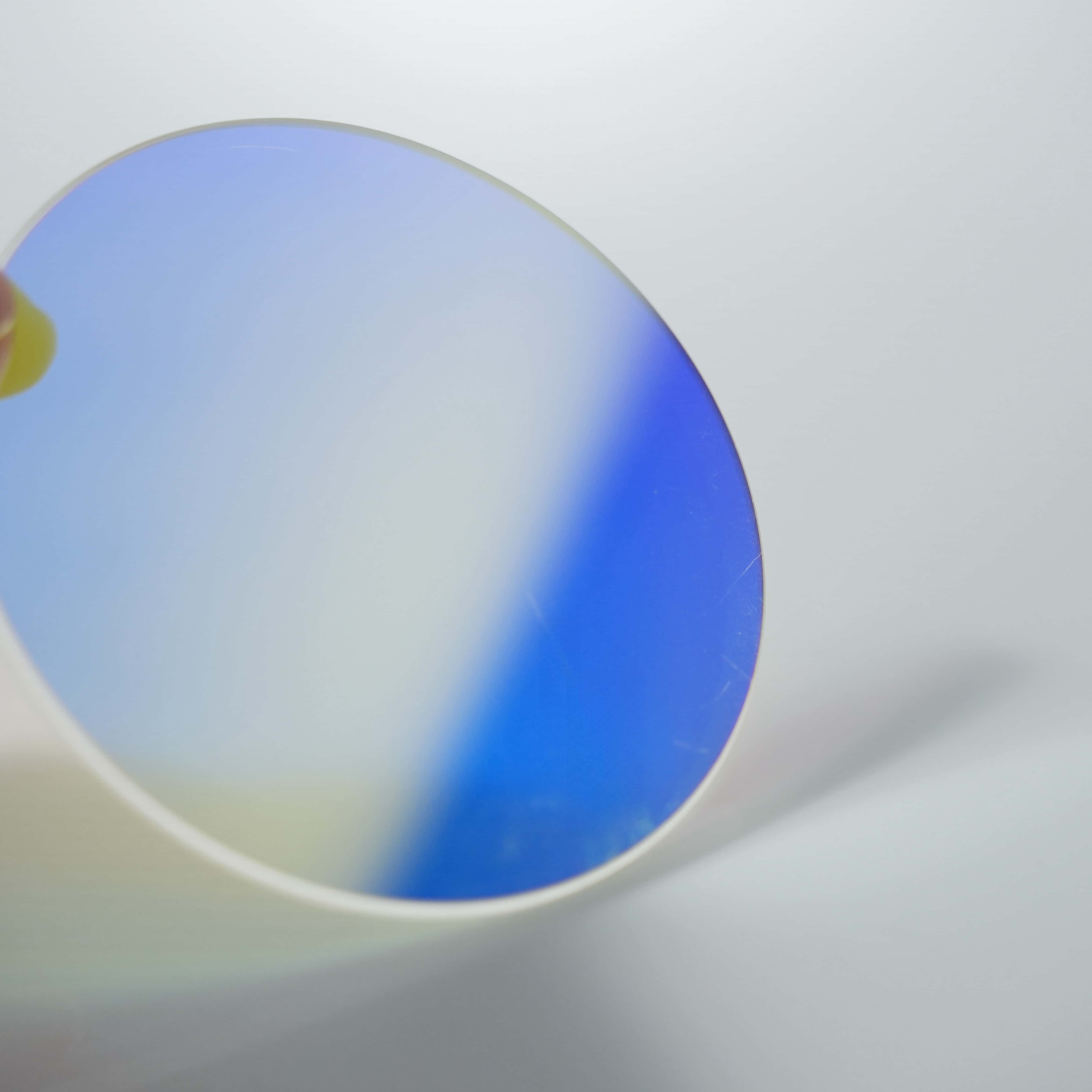
Optical Borosilicate Glass Longpass Shortpass Filter 500nm 600nm 700nm AR Coating Cut-Edge for Spectroscopy Industrial Sensor
For Cebu City electronics, laboratory and automation teams that need precise wavelength control. The AR-coated longpass/shortpass design supports spectroscopy, industrial sensors and optical inspection where heat and ambient humidity can shift performance.
View optical filter
High Temperature Resistant Borosilicate Glass Fresnel Lens Anti-Reflective Coating High Power LED Collimation Stage Lighting
A heat-resistant Fresnel option for high-power LED collimation in hotels, event venues, churches, theatres and production studios. Cebu City's warm ambient conditions make thermal management important; borosilicate construction helps reduce thermal-shock risk.
View Fresnel lens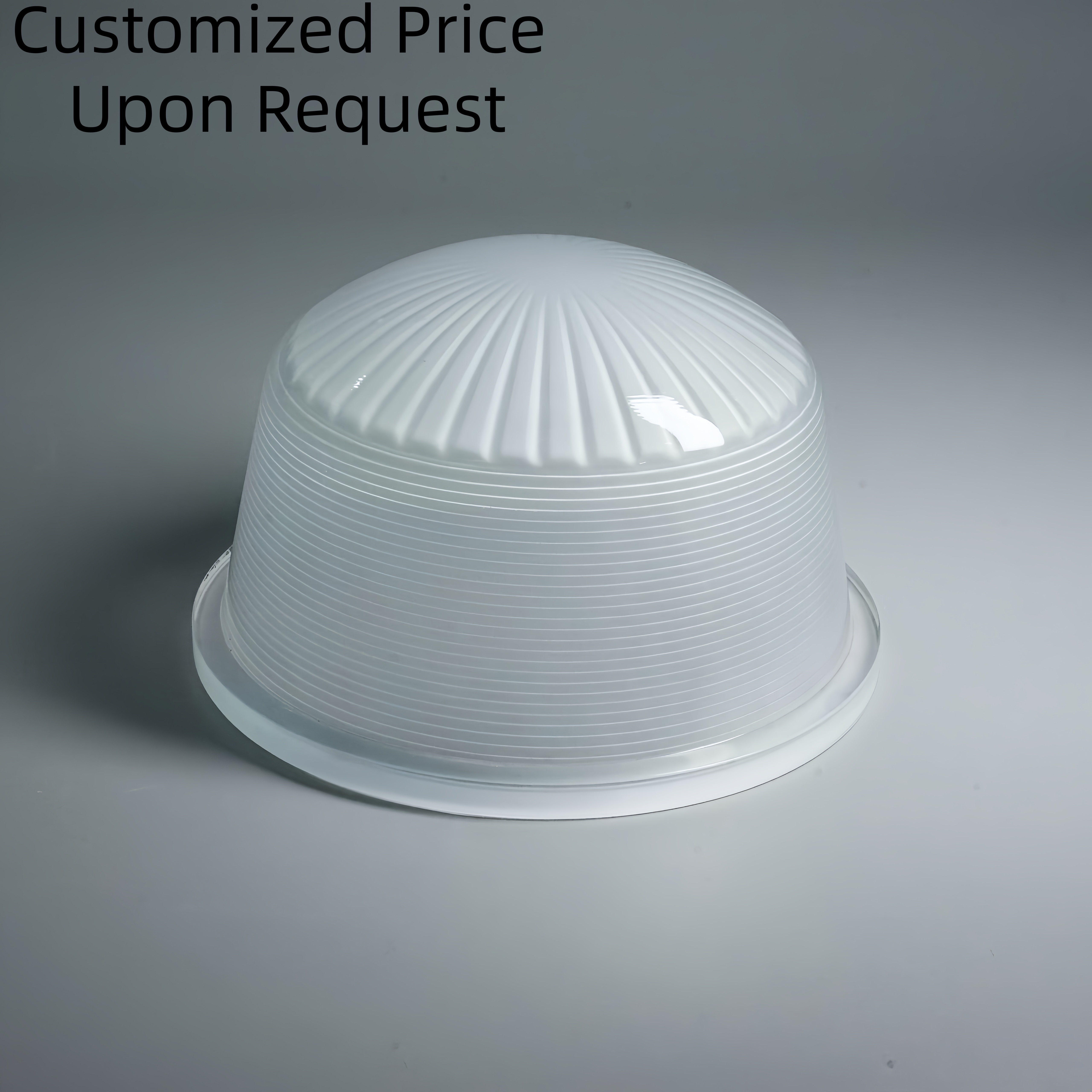
Transparent Explosion-proof Glass Shade, High Light Transmittance, Industrial Workshop Lighting
Clear, high-transmittance explosion-proof shade for workshops, chemical areas, fuel depots, port maintenance buildings and dusty manufacturing spaces. Provides strong light output while protecting the lamp chamber from impact and environmental exposure.
View industrial shade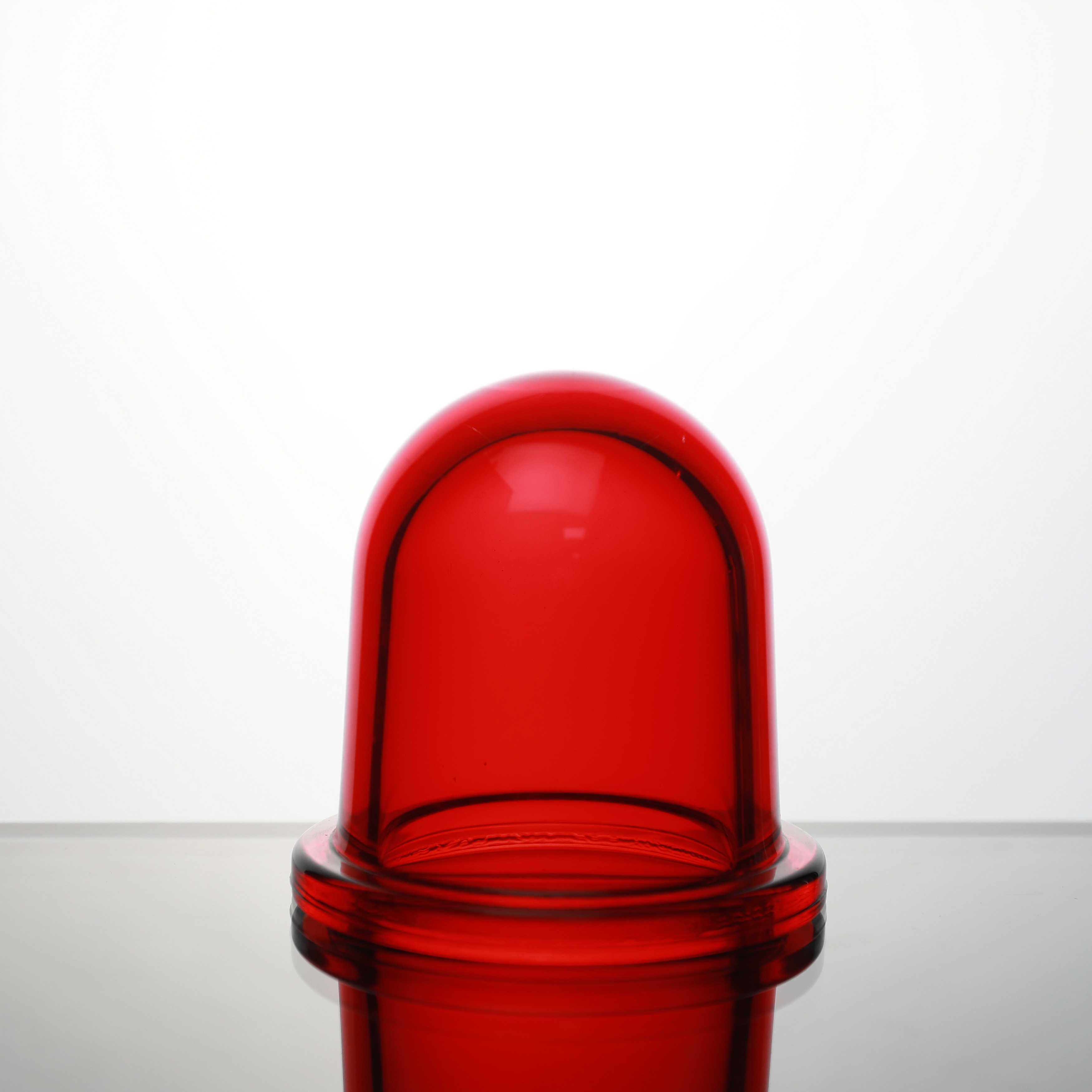
Custom Size Clear Borosilicate Explosion-Proof Antique Glass Light Covers Modern 2-Year Warranty Airport Outdoor Industrial
Custom-size clear borosilicate cover for antique-style and modern outdoor fixtures, airport areas and industrial luminaires. Suitable for Cebu City hospitality refurbishment, street lighting and replacement projects where the original cover shape matters.
View custom covers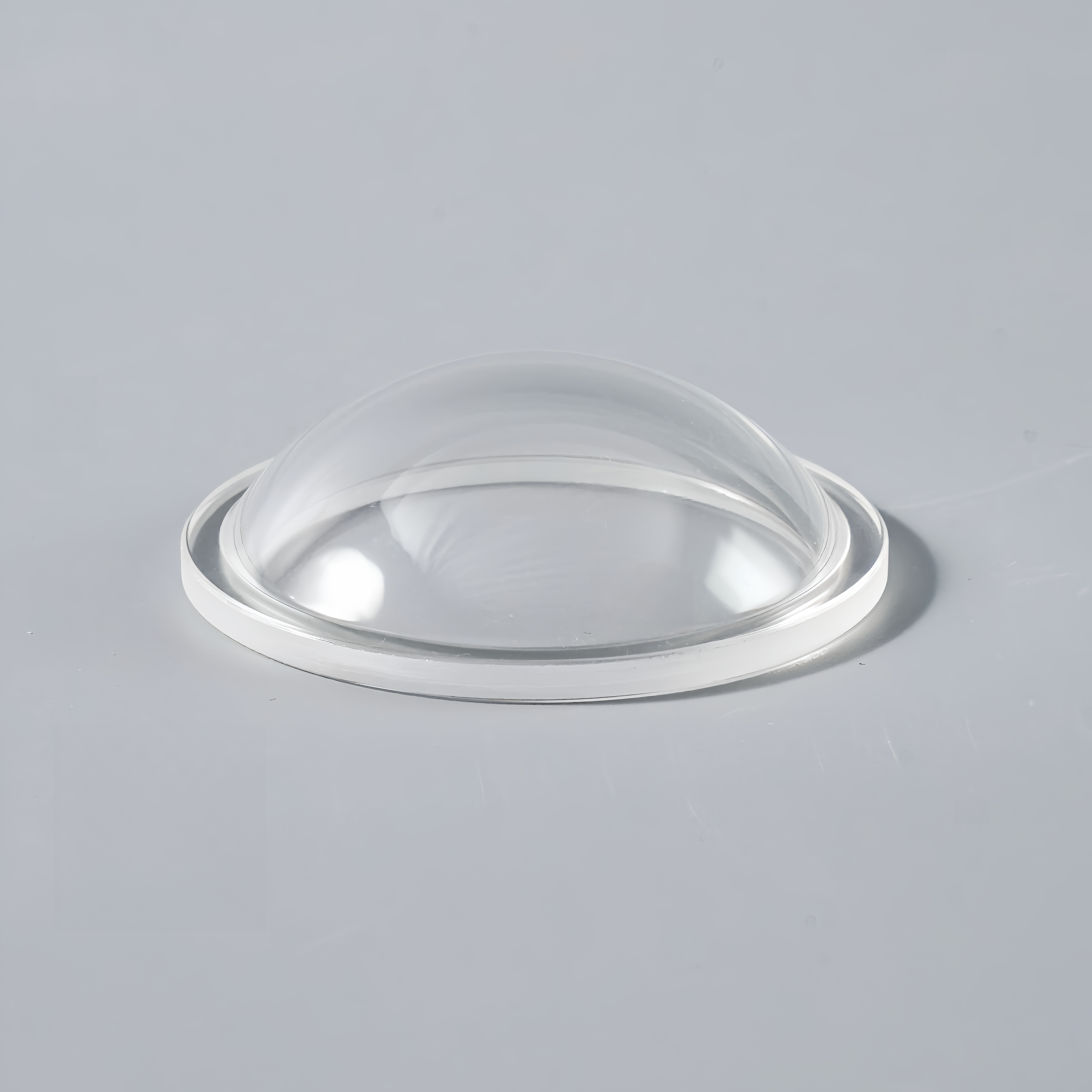
High-Light Transmission Clear Borosilicate Glass Dome Lens LED Outdoor Lighting Fixtures Impact Resistant Anti-Scratch OEM
An impact-resistant clear dome lens with high light transmission for LED outdoor lighting, floodlights, area lights and coastal fixtures. Anti-scratch and OEM options help Cebu City projects maintain output through humid, salty and rainy conditions.
View LED dome lens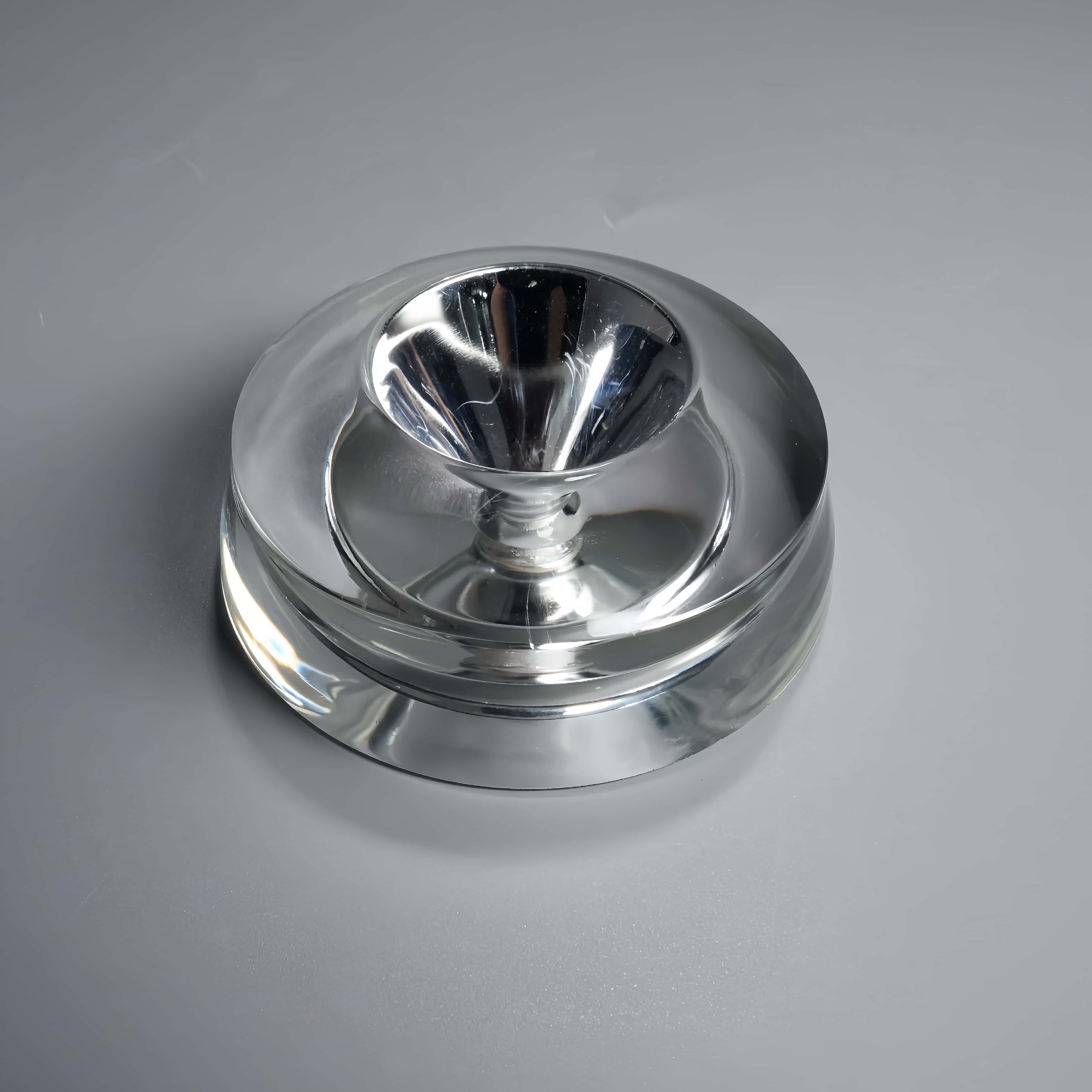
Factory China Custom Size Mold Pressed Borosilicate Bk7 K9 Eco-Friendly LED Optical Glass Lens for Taxiway Runway Airport Ground
Custom mold-pressed borosilicate, BK7 or K9 optical glass lens for taxiway, runway and airport ground lighting. A relevant option for Mactan-Cebu airport suppliers and aviation lighting contractors that need repeatable optical geometry and heat resistance.
View runway lens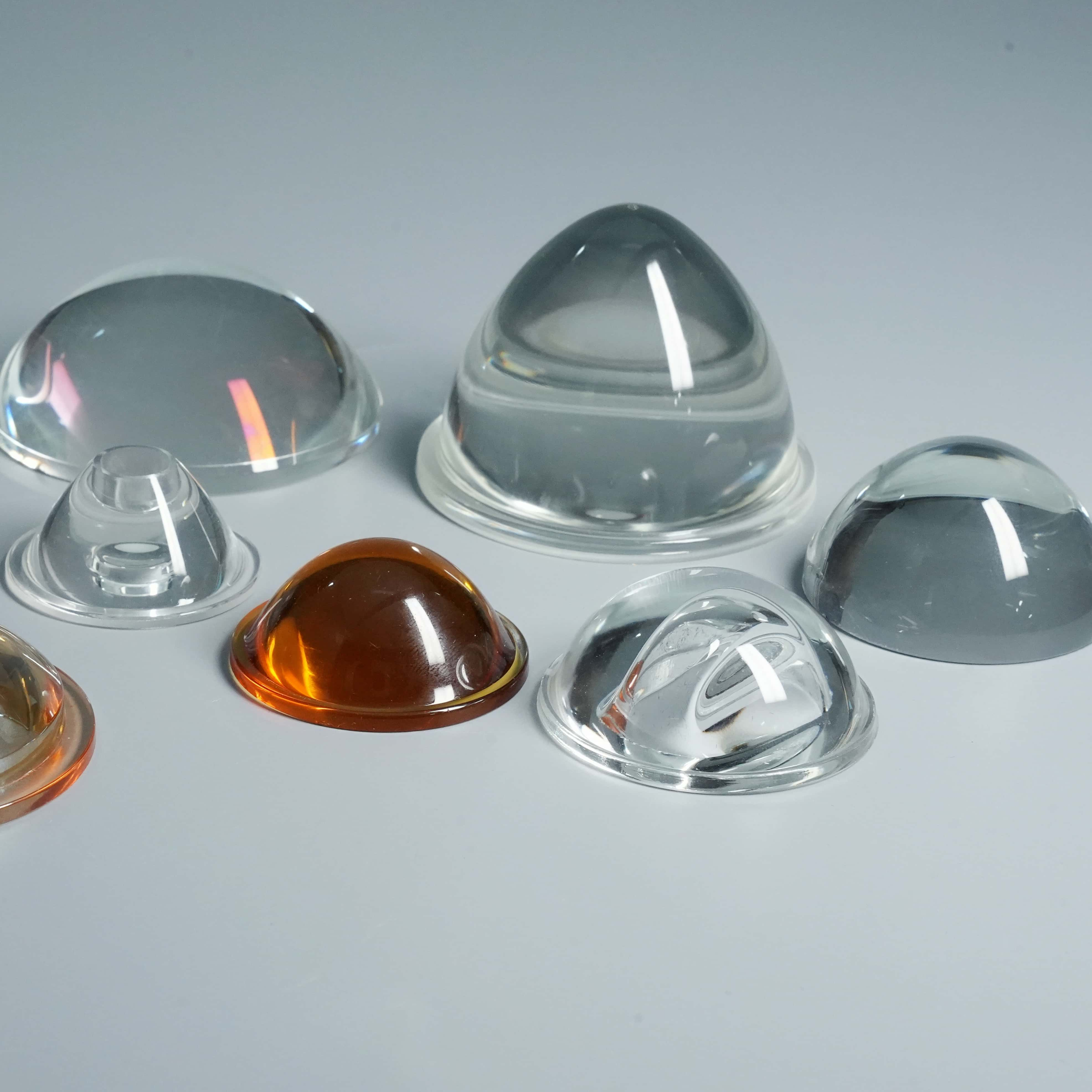
Custom Borosilicate Glass LED Grow Light Convex Lens with Anti-Reflective Coating for Indoor Farming Full Spectrum Lighting
AR-coated convex lens for full-spectrum LED grow lights in indoor farming, nurseries and controlled-environment agriculture. Cebu City and nearby provinces are investing in protected agriculture; glass lenses must balance transmission, heat and cleaning resistance.
View grow light lens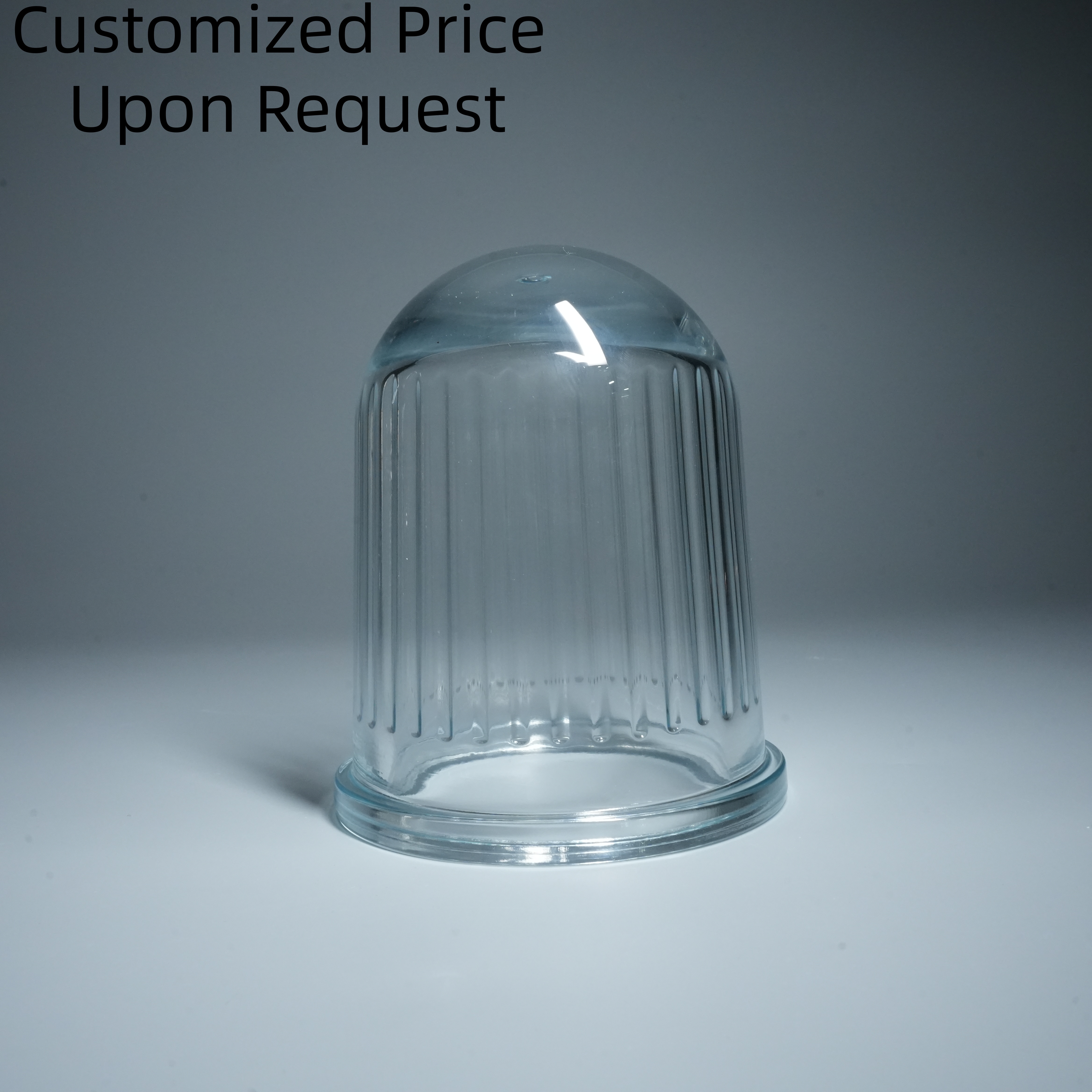
Borosilicate Transparent Explosion-proof Shade, Heat-resistant & Crack-proof, Transparent Protective Cover
Transparent, heat-resistant and crack-proof protective shade for high-temperature industrial fixtures, emergency lighting and hazardous-area luminaires. A practical replacement part for Cebu City plants and port facilities exposed to heat, moisture and impact.
View protective shadeWhere Borosilicate Glass Performs in and around Cebu City
Cebu City projects rarely face a single stress factor. Heat, humidity, salt air, rain, vibration and high-power lighting often combine. These application scenarios show where material choice affects service life, maintenance cost and visual performance.
Aviation & airport lighting
For suppliers to Mactan-Cebu International Airport and aviation lighting projects, borosilicate lenses, filters and domes can support runway, taxiway, obstruction and ground lighting. The glass supplier should match color, transmission and dimensional specifications; final fixture certification remains with the luminaire manufacturer.
Port, marine & offshore
Cebu Port, shipyards, ferry terminals and offshore support facilities expose signal lights and outdoor fixtures to salt spray and constant moisture. Clear domes, red signal covers and handblown or pressed glass covers should be specified with salt-air exposure in mind, not just indoor lighting performance.
Industrial parks & hazardous areas
Manufacturing plants, chemical facilities, fuel depots and maintenance workshops around Cebu City need explosion-proof shades, high-bay covers and protective windows that resist heat, dust and impact. Thick-wall borosilicate or tempered glass should be selected according to surface temperature, impact rating and the fixture standard.
Hospitality & architectural lighting
Cebu City hotels, resorts, restaurants and retail spaces often require custom glass covers that preserve a design language while surviving outdoor humidity. Antique-style clear covers, custom domes and decorative glass shades can be produced to drawings, with finish and dimensional consistency checked before shipment.
Outdoor infrastructure & smart lighting
Street lighting, floodlights, coastal promenade fixtures and area lights need impact-resistant domes, anti-scratch surfaces and AR-coated lenses. In Cebu City's tropical climate, thermal shock from rain on a hot cover is a common failure mode, making borosilicate a strong candidate for high-output fixtures.
Horticulture & controlled farming
Indoor farms, urban agriculture and nurseries in Cebu and nearby provinces use full-spectrum LED grow lights. Convex glass lenses with anti-reflective coating can improve light delivery and resist cleaning chemicals, humidity and heat from dense LED arrays.
Four Local Trends Reshaping Borosilicate Glass Demand
The Cebu City market is moving toward more technical specifications, faster sample cycles and stronger documentation. Buyers are no longer comparing glass only by dimensions; they are comparing material reliability and supply-chain transparency.
1. Climate-resilient specification
Coastal humidity, salt spray, monsoon rain and high temperatures are pushing buyers toward borosilicate 3.3 and tempered glass instead of generic soda-lime covers for outdoor and industrial fixtures.
2. Higher LED power density
As Cebu City projects adopt brighter LED modules, lenses and covers must handle more heat and deliver higher transmission. AR-coated optics and heat-resistant Fresnel lenses are becoming more important.
3. Aviation, port and industrial upgrades
Airport, maritime and industrial infrastructure projects increasingly request documented material grades, dimensional reports and sample approval before mass production. Glass suppliers must support traceability.
4. Customization with smaller MOQs
Hospitality, retail and architectural lighting buyers need custom shapes and finishes without committing to large inventory. Suppliers that offer drawing-based production and flexible MOQs have an advantage.
How to Choose the Right Glass Material for Cebu City Conditions
Selecting the correct glass early avoids cracked covers, discoloration, poor light output and costly field returns. The following comparison is the same logic our engineers use when reviewing a new drawing.
| Material | Thermal expansion (×10⁻⁶/K) | Typical max. working temp. | Key strength | Best for Cebu City projects |
|---|---|---|---|---|
| Borosilicate 3.3 | ≈ 3.3 | ≈ 450 °C | Excellent thermal-shock resistance | Explosion-proof shades, high-power LED covers, Fresnel lenses, coastal fixtures |
| Tempered soda-lime | ≈ 9.0 | ≈ 250 °C | High impact strength, economical | Outdoor covers, floodlight glass, vandal-resistant lenses where heat load is moderate |
| Fused quartz | ≈ 0.55 | ≈ 1000 °C+ | UV transmission, extreme heat | UV optics, high-temperature windows, specialised laboratory and sensor systems |
| Optical BK7 / H-K9L | ≈ 7.1 | ≈ 300 °C | Homogeneous, nd ≈ 1.517 | Precision lenses, prisms, mirrors, filters and airport optical components |
Selection indicators for coastal projects
Indicators are for selection planning only, not certified test data. Final specification is confirmed against your drawing, lamp surface temperature, impact rating, coating requirement and the standard your fixture must meet.
What Cebu City Buyers Should Verify in a Borosilicate Glass Supplier
Shanghai Tambi Glass Industrial Co., Ltd. is a manufacturer and trading company focused on lighting and optical glass. For more than a decade, the team has reviewed drawings for wall thickness, draft, sealing faces and optical path alignment before tooling starts. We support long-term partners in Europe, North America and Japan, and welcome video calls, third-party audits and sample verification.
Drawing-based OEM / ODM
Most orders are built from 2D/3D drawings or physical samples. Our engineers check manufacturability, propose mold options and confirm samples before mass production.
Material breadth and process control
Borosilicate 3.3, tempered soda-lime, fused quartz and BK7 are matched to the fixture's heat, impact and optical requirements. Pressed, blown, ground and coated processes are coordinated under one supply chain.
Optical coating and finishing
AR coatings, color control and edge finishing are specified for LED lenses, filters, domes and signal light covers. Coating consistency is reviewed during sampling and inspected before packing.
Manufacturer & trading company
With 11–50 team members and US$2.5M–5M annual export revenue, we combine production coordination with export documentation, logistics support and technical communication for overseas buyers.
Verification and quality confidence
Our premises have been checked onsite during third-party verification. Material and inspection reports can be provided on request, and video calls or audits are welcome before your sample order.
Cebu-ready packing and communication
Fragile parts are separated by foam or pulp dividers, packed in reinforced export cartons and palletized for sea or air freight. Our average technical response time is within 6 hours.
From Drawing to Delivery: A Controlled 6-Step Process for Cebu City Orders
Clear checkpoints reduce surprises between sample approval and mass production. The process below is designed for buyers who need technical glass parts rather than catalogue stock.
Drawing review
DFM check of thickness, draft, tolerance, sealing face, optical path and operating temperature.
Mold and tooling
New or existing molds are selected for pressing, blowing or grinding based on shape and volume.
Sampling
Samples are measured, inspected and sent to Cebu City for fit, light and assembly tests.
Forming and annealing
Controlled annealing or tempering relieves stress and supports thermal-shock performance.
Coating and QC
AR or color coating, dimensional inspection and visual checks are completed before packing.
Export packing
Divider-packed cartons and palletized packing protect fragile glass for sea or air freight to Cebu.
Local Procurement Questions About Borosilicate Glass Windows & Exporters
These are the questions Cebu City buyers commonly ask when comparing a local glass trader with an overseas factory exporter.
Are there borosilicate glass window factories in Cebu City, or should buyers import?
What is the difference between borosilicate glass and ordinary window glass?
What MOQ and lead time should a Cebu City buyer expect?
Can I get samples delivered to Cebu City before mass production?
How are fragile glass windows, lenses and domes shipped to Cebu City?
Can you manufacture to my drawing and match my fixture?
Do you support FAA L-810, EN 50293 or other lighting fixture requirements?
How should Cebu City procurement compare a local trader with a factory exporter?
Ready to source borosilicate glass for a Cebu City project?
Send your drawing, sample photo, target quantity and operating temperature. Our team will review the application, recommend a glass material, discuss MOQ and outline the sample-to-export process. Average technical response time is within 6 hours.