8 Borosilicate & Optical Glass Products Built for Local OEM and Facility Needs
These are not generic catalogue parts. Each product can be adapted by dimension, thickness, color, edge finish, coating and packing to suit Charlotte-area fixture designs, replacement programs and distributor stock. Product URLs are preserved from the original catalogue.
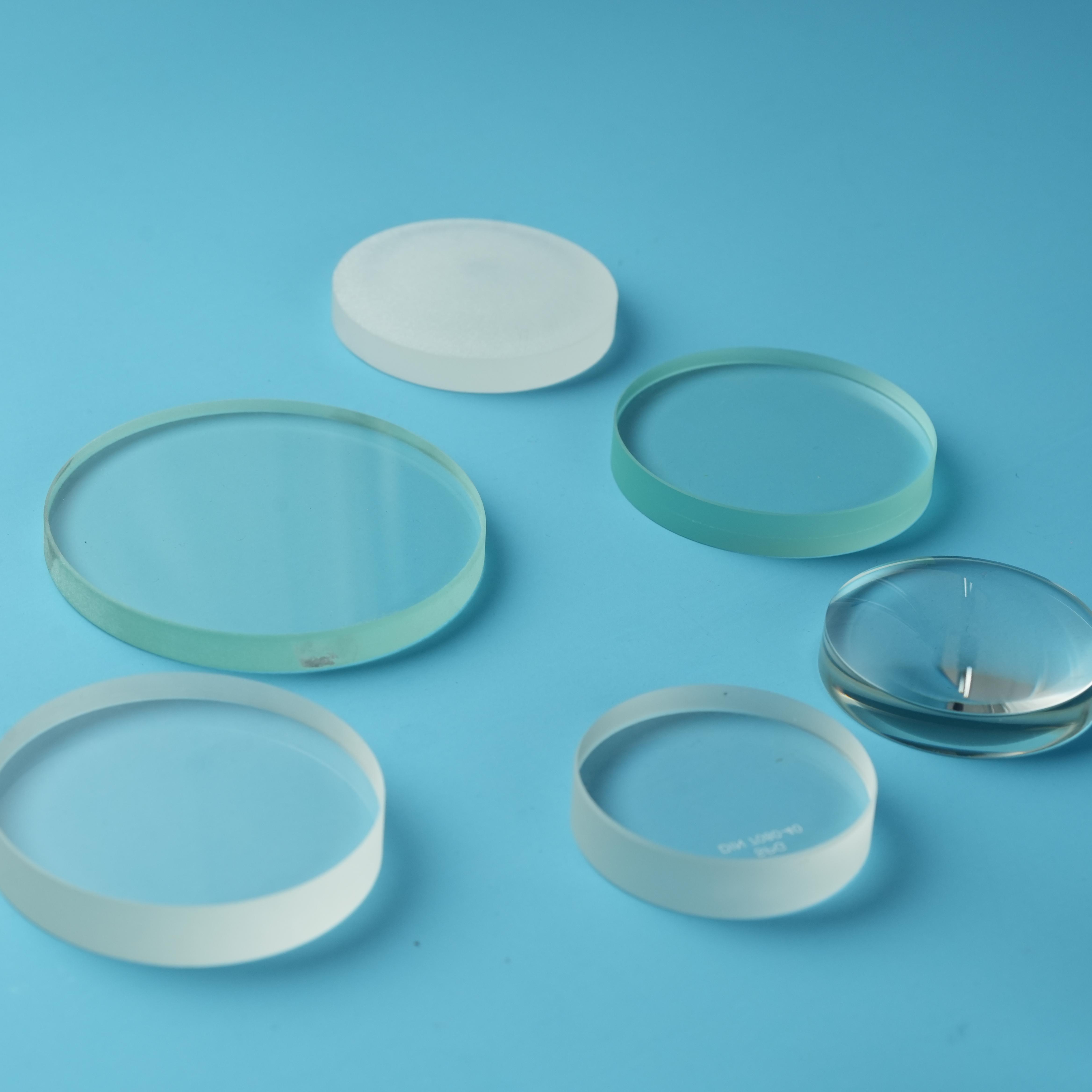
Custom OEM Bo Glass Clear Borosilicate K9 BK7 B270 Fused Silica Anti-Reflective Coated Square Optical Window 50mm Diameter
A compact AR-coated window for sensors, inspection cameras, instrument enclosures and optical inspection systems where flatness and transmission stability matter.
View product details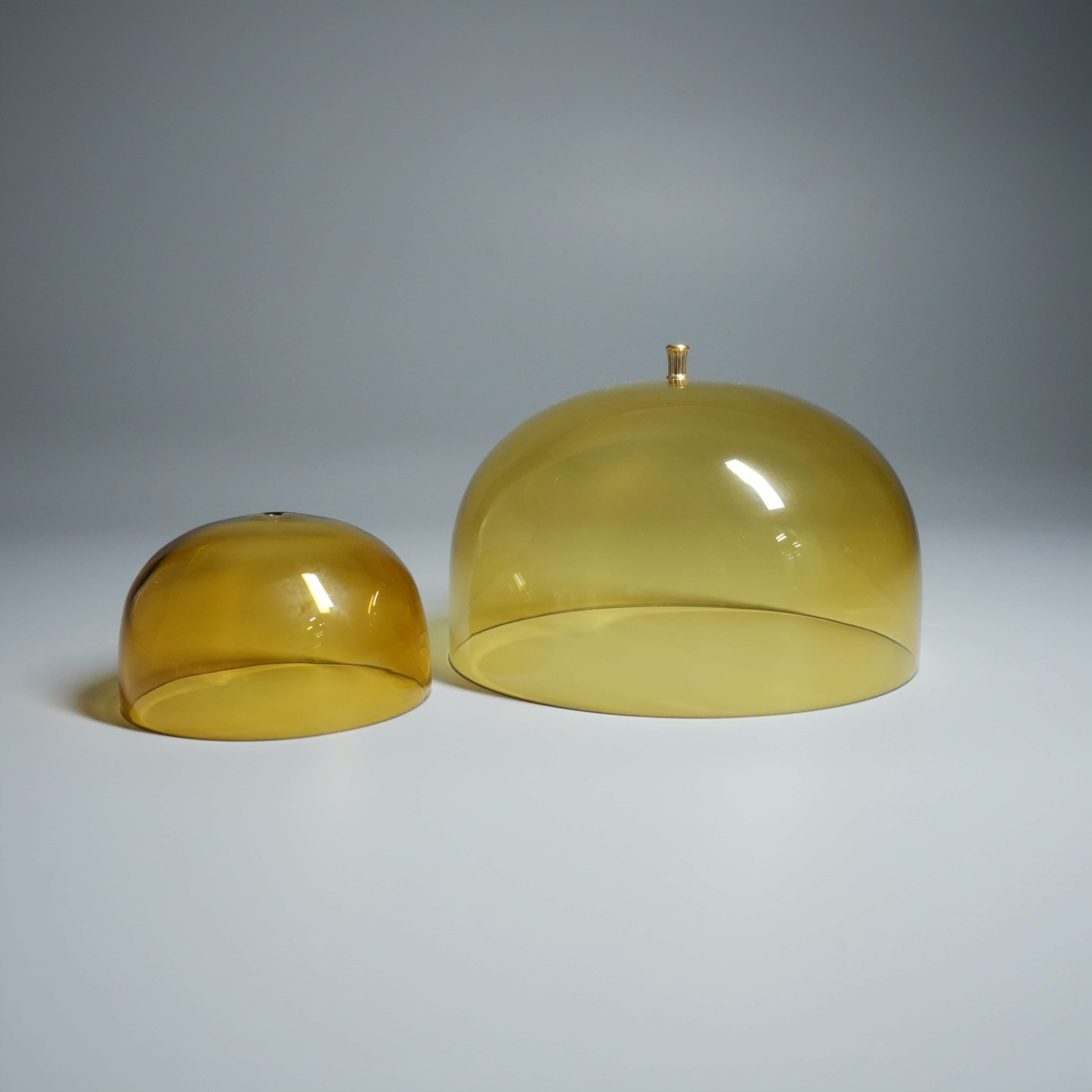
Certified Glass Cover for Food Machinery and Medical Equipment, Chemical Resistant
Designed for washdown equipment, sight windows and medical housings where chemical resistance, cleanability and dimensional repeatability are important.
View product details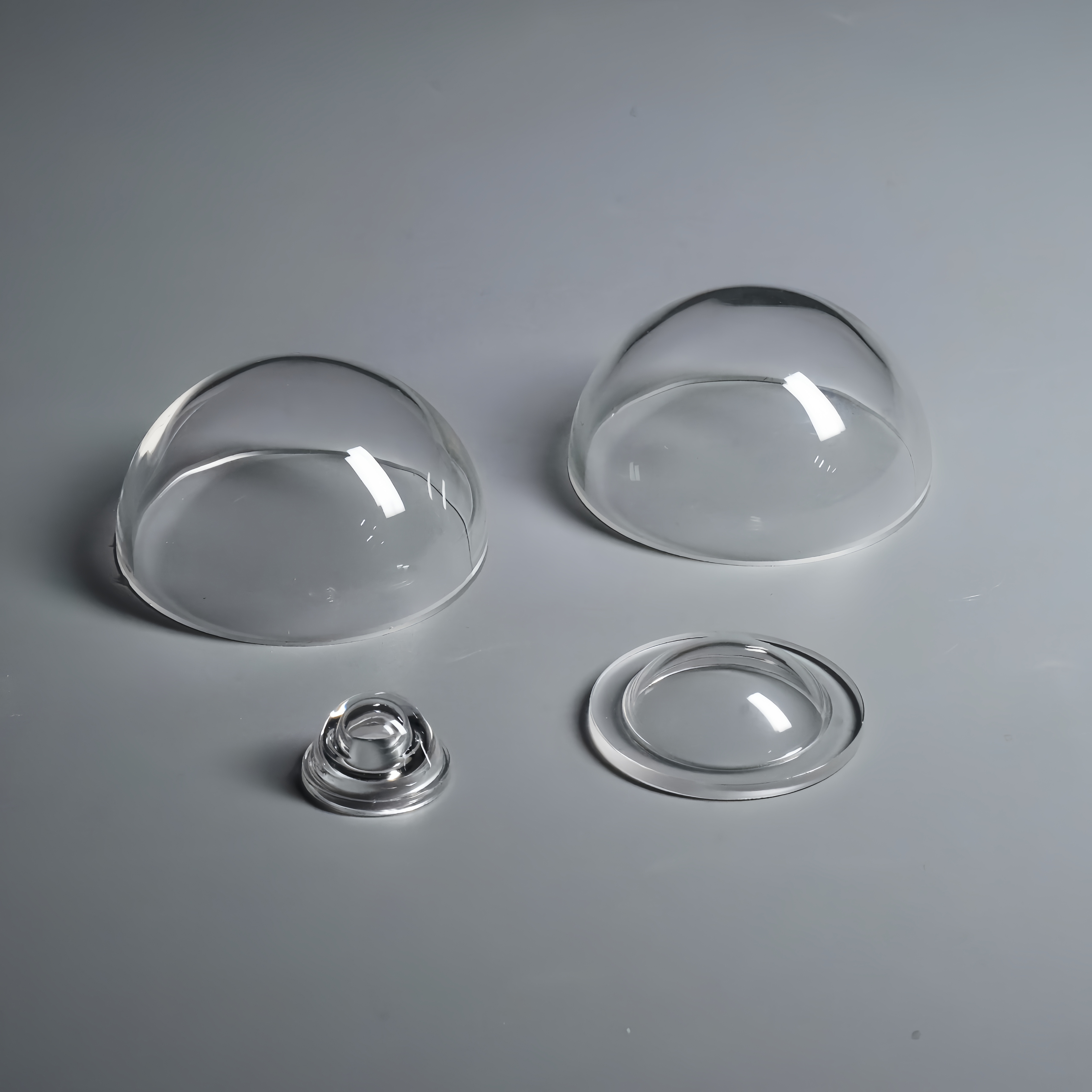
Mold Pressed Clear High Quality K9 Optical Dome Lens with Anti-Reflective Coating for Lighting OEM Customized Headlight Glass
A mold-pressed dome lens for customized headlight glass and lighting OEM programs that need clarity, coating control and stable optical alignment.
View product details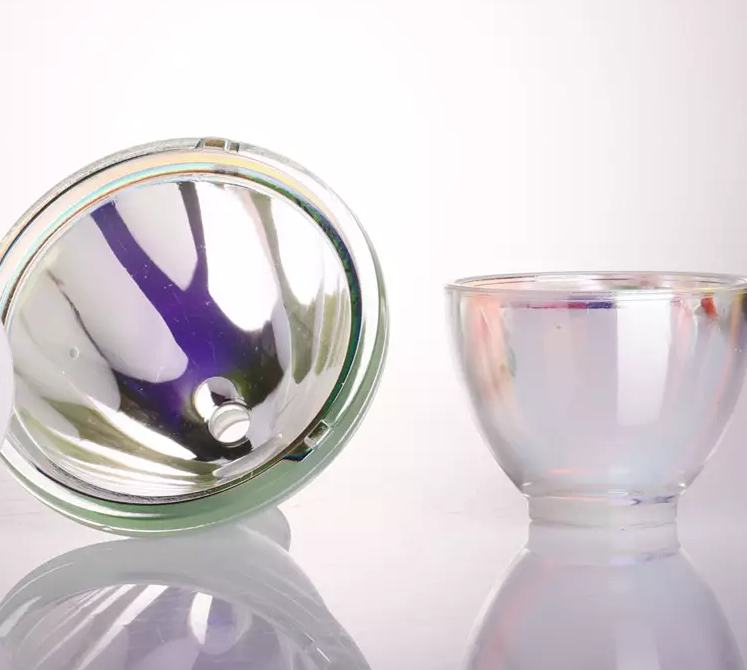
COB Glass LED Reflector Bowl Manufacturer Deep Design Perfect Beam Spotlights Projector Lights 20 60 90 Beam Angle
A deep reflector bowl for spotlights and projector lights, available in multiple beam angles for high-bay, display and commercial lighting assemblies.
View product details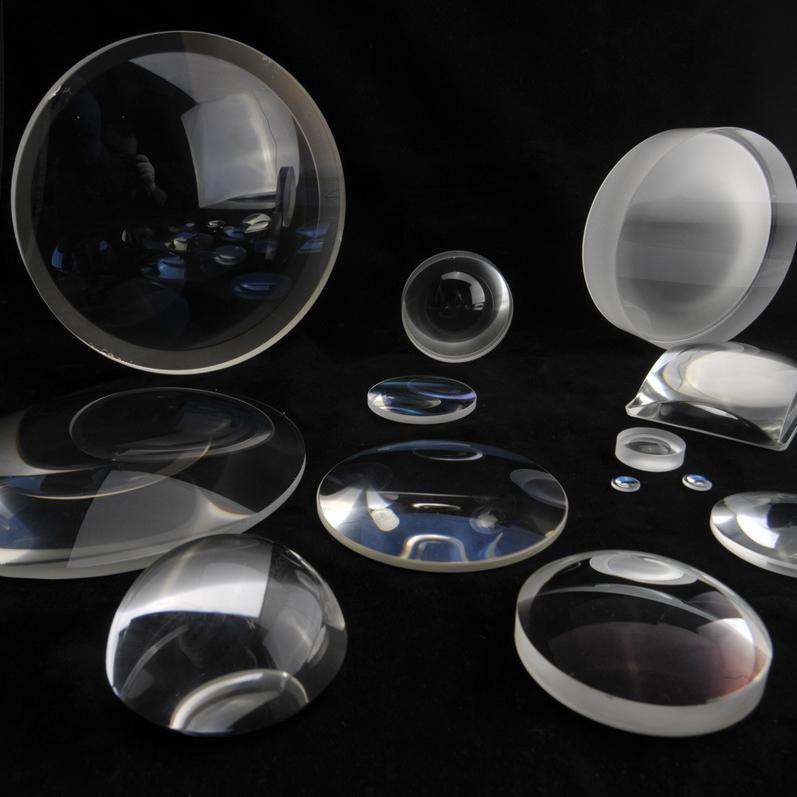
Custom High Quality Diameter 80Mm 127Mm 250Mm Spherical K9 Optical Coating Glass Plano Convex Lens for Big Magnifying
Large-diameter K9 plano-convex lenses for magnifying systems, inspection equipment and optical assemblies requiring controlled curvature and coating.
View product details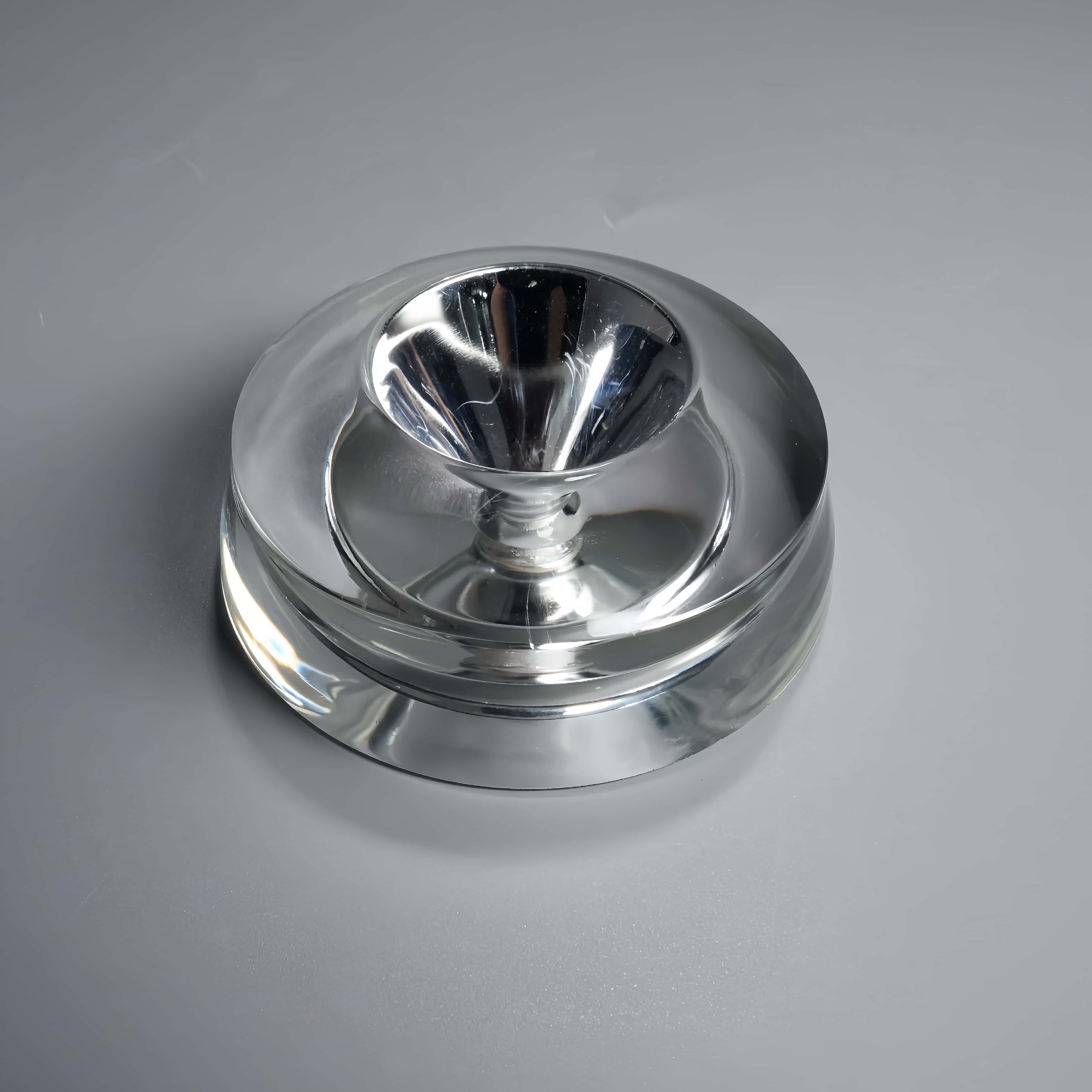
Factory China Custom Size Mold Pressed Borosilicate Bk7 K9 Eco-Friendly LED Optical Glass Lens for Taxiway Runway Airport Ground
Mold-pressed optical glass for taxiway, runway and airport ground lighting, with customization in size, shape and material for fixture integration.
View product details
FAA Compliant Borosilicate Heat Resistant Glass Lens Runway In-Pavement Taxiway Lights IP68 Waterproof Optical Equipment Clear
Heat-resistant borosilicate lenses for runway and taxiway in-pavement fixtures, suitable for IP68 assemblies where thermal shock and moisture protection matter.
View product details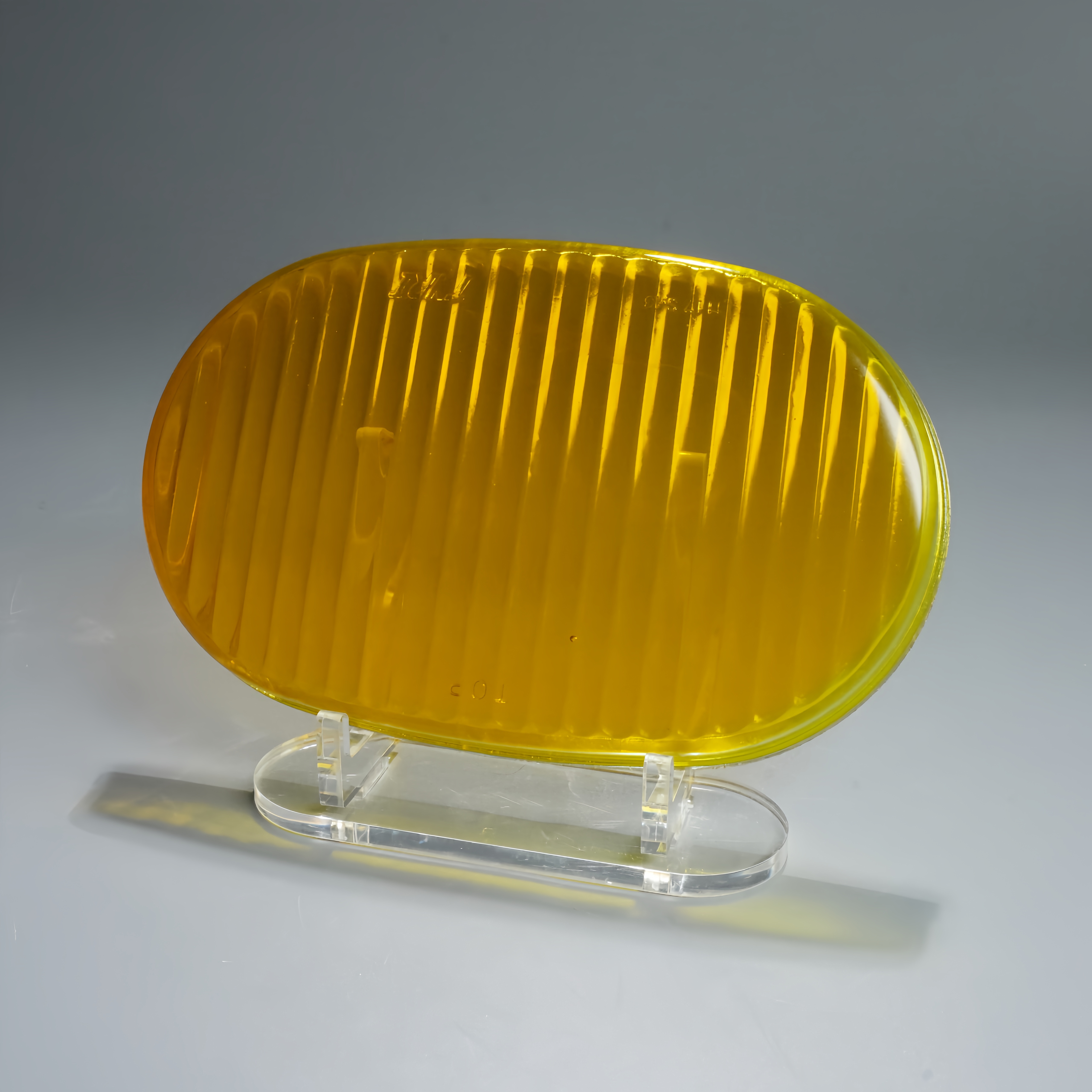
Factory Customized Size Shape Color Heat Resistant High Quality Borosilicate Glass Car Light Accessories Traditional Industrial
Custom borosilicate glass for car lighting accessories and traditional industrial fixtures, with size, shape and color options for OEM replacement programs.
View product detailsA Technical Purchase Is Also a Risk-Control Decision
Charlotte’s economy is unusually broad for a single metro market. Advanced manufacturing, energy, healthcare, logistics, motorsports, aviation and commercial construction all create different lighting environments. A lens that works in a decorative showroom may fail in a high-bay fixture, a runway in-pavement light or a washdown machine enclosure. That is why borosilicate glass lens specifications should be matched to the actual thermal, mechanical and optical load, not selected from a generic size list.
The Charlotte region includes Uptown and South End office and hospitality projects, industrial corridors along I-77 and I-85, food and beverage facilities, medical campuses, data and logistics operations, automotive performance businesses and nearby airfields such as Charlotte Douglas International Airport and Concord Regional Airport. Buyers in these environments often need small sample quantities first, then a documented repeatable production process. They also need a supplier who can explain why borosilicate 3.3, tempered soda-lime, fused quartz or BK7 is the right material for a given fixture. A glass part is structural, optical and safety-related at the same time; the purchase decision should reflect all three roles.
Shanghai Tambi Glass Industrial Co., Ltd. serves this type of requirement with drawing-based OEM and ODM manufacturing. Our work is not limited to one product family: we produce borosilicate glass covers, explosion-proof lampshades, signal light domes, LED lenses, Fresnel lenses, optical domes, prisms and bandpass filters. For Charlotte buyers, the commercial value is not only the factory price. It is the ability to review a drawing, identify manufacturability risks, propose a mold route and verify samples before mass production. That sequence reduces field returns and protects the fixture brand.
Where Borosilicate Glass Lenses and Covers Fit the Charlotte Market
Local conditions shape the specification. Humid summers, severe thunderstorms, high-bay heat, washdown chemicals and continuous outdoor exposure all influence material choice.
Aviation and Airfield Lighting Near Charlotte
Charlotte Douglas and regional airfields require signal and in-pavement lighting components with stable color, heat resistance and moisture protection. Borosilicate lenses are relevant for runway, taxiway and obstruction fixtures where thermal shock and weather exposure are routine.
High-Bay and Hazardous-Area Lighting
Industrial plants, energy facilities and workshops need thicker-wall covers and lenses that tolerate heat build-up, dust and cleaning. Explosion-proof borosilicate lampshades and tempered covers support fixtures used in demanding maintenance environments.
Food, Beverage and Medical Equipment
Charlotte’s healthcare and food-processing supply chains require sight windows, covers and enclosures that resist chemicals and repeated cleaning. The certified chemical-resistant glass cover in the product list is a practical starting point for machinery and equipment builders.
Commercial Lighting in Uptown and South End
Architectural, facade, parking and landscape lighting projects need optical clarity and consistent color. AR-coated windows, glass domes and prismatic covers can be specified for visual comfort, beam control and long-term appearance.
Automotive, Motorsports and Transportation
The Charlotte region’s motorsports and automotive cluster needs headlight domes, projection lenses, reflectors and custom glass accessories. K9 and borosilicate options support prototypes, aftermarket programs and low-volume specialty builds.
LiDAR, Sensing and Warehouse Automation
Logistics hubs and automation integrators use optical domes, windows, prisms and filters in sensing equipment. AR-coated hemispherical windows and bandpass filters help protect sensitive optics while maintaining transmission.
Four Procurement Shifts Shaping Local Glass Lens Demand
Price alone is no longer enough. Charlotte buyers are asking for evidence, sample speed, documentation and a factory that can explain the material route.
Supply-Chain Resilience
After several years of freight disruption, local OEMs prefer suppliers who can show a real factory, provide material reports, offer alternative packing and quote repeatable lead times. A verifiable production process is becoming part of the purchase scorecard.
Higher LED Power Density
LED retrofits keep shrinking the optical package while increasing power. Smaller, hotter fixtures make borosilicate 3.3, controlled annealing and accurate coating more important than ever. Lenses that were acceptable at lower temperatures may now need a material change.
Weather and Thermal-Shock Awareness
Charlotte’s hot, humid summers and intense storms create thermal-shock risk on outdoor and high-bay fixtures. Procurement teams increasingly ask for the coefficient of thermal expansion, maximum working temperature and recommended gasket load instead of only asking for “clear glass.”
Verification-Led Buying
Buyers now review supplier assessment, credit index, transaction level, trade capacity, trade history and buyer feedback before releasing a sample order. Factory video, inspection records and drawing review notes reduce uncertainty for remote Charlotte purchasers.
How to Choose the Right Glass Material for a Charlotte Fixture
Material selection should begin with operating temperature, impact exposure, cleaning chemicals, optical target and the certification path of the finished fixture.
| Material | Thermal expansion | Typical max. working temp. | Key strength | Best fit |
|---|---|---|---|---|
| Borosilicate 3.3 | ≈ 3.3 × 10⁻⁶/K | ≈ 450 °C | Excellent thermal-shock resistance | High-power LED covers, explosion-proof shades, runway lenses, Fresnel optics |
| Tempered soda-lime | ≈ 9.0 × 10⁻⁶/K | ≈ 250 °C | High impact strength and economical cost | Outdoor covers, floodlight glass, vandal-resistant lenses |
| Fused quartz | ≈ 0.55 × 10⁻⁶/K | ≈ 1000 °C+ | UV transmission and extreme heat resistance | UV optics, high-temperature windows, specialty sensing |
| Optical BK7 / K9 | ≈ 7.1 × 10⁻⁶/K | ≈ 300 °C | Homogeneous optical properties | Precision lenses, prisms, domes, filters and imaging windows |
- 2D or 3D drawing with full dimensions and tolerances
- Glass material, color, transmission and coating target
- Operating temperature and thermal-shock conditions
- Gasket interface, sealing face and installation load
- Impact, IP rating and fixture certification path
- Sample quantity, annual volume and packaging requirement
Why Tambi Glass Is a Practical Manufacturing Partner for Charlotte Buyers
Shanghai Tambi Glass Industrial Co., Ltd. combines drawing-based engineering, multiple glass forming routes and export packing experience for lighting and optical OEMs.



10+ Years of Focused Experience
Lighting glass and optical components require different know-how from general glass trading. Our team has more than a decade of experience with heat build-up, thermal shock, sealing faces, optical alignment and color consistency.
Drawing-Based OEM / ODM
Most orders are made to a customer drawing or physical sample. Engineers review wall thickness, draft, tolerance, coating and packing before tooling. This is valuable for Charlotte OEMs that need a part to fit an existing housing.
Multiple Material and Process Routes
Borosilicate 3.3, tempered soda-lime, fused quartz, BK7 and K9 are available across pressed, blown, ground and coated processes. The right route is selected from the application rather than from a single production line.
Quality Inspection and Coating Control
Dimensional checks, visual inspection, annealing or tempering records and AR coating control can be discussed at quotation. Inspection reports can be provided on request for qualified projects.
Fast Technical Response
Our average response time is within 6 hours. Charlotte buyers can send a drawing, target annual volume and application notes for a technical and commercial review without a long discovery cycle.
Export Packing for Fragile Glass
Parts are separated with foam or pulp dividers, packed in reinforced export cartons and palletized for sea or air freight. Custom labels and distributor packing can be arranged for repeat orders.
A Controlled 6-Step Process for Charlotte OEM Programs
Clear checkpoints reduce the gap between sample approval and repeatable mass production.
Drawing Review
Engineering checks thickness, draft, tolerance, sealing face, optical path and gasket interface before quoting.
Mold and Tooling
We confirm whether an existing mold can be adapted or whether a new mold is required for pressing, blowing or grinding.
Sampling
Samples are measured and sent for fit, light and installation testing. This step is critical for Charlotte buyers working with existing housings.
Forming and Annealing
Controlled forming, annealing or tempering relieves internal stress and supports thermal-shock resistance in service.
Coating and QC
AR or color coating, dimensional inspection and visual inspection are performed according to the approved specification.
Export Packing
Dividers, reinforced cartons and palletized packing protect fragile glass parts during export to North Carolina and other markets.
Verify the Supplier Before You Release a Purchase Order
Remote buying works better when records are visible. Use these verification pages to support your supplier qualification process.
Supplier Assessment
Third-party verification of legal status and premises supports a basic supplier check.
View supplier assessment →Credit Index
Review credit and compliance information before a first order or a larger annual commitment.
Check credit index →Transaction Level
Recorded online transaction performance can help procurement teams compare supply reliability.
See transaction level →Trade Capacity
Export markets, logistics capability and trade terms are part of the factory fit assessment.
View trade capacity →Trade History
Historical shipment and order records provide context for repeatable export experience.
See trade history →Ratings and Reviews
Buyer feedback helps Charlotte procurement teams understand communication and delivery experience.
Read buyer feedback →Common Purchasing Questions from Local OEMs and Distributors
These answers reflect the issues that usually arise when a Charlotte-area buyer evaluates a custom borosilicate glass lens project.
Why choose borosilicate glass for Charlotte’s climate and lighting conditions?
Can you match an existing lens, drawing or physical sample from a North Carolina fixture?
What is the typical minimum order quantity for Charlotte buyers?
How are samples shipped to Charlotte, and what should I plan for?
Do you support FAA L-810, runway, taxiway and EN 50293 related lighting glass?
Should I specify AR coating, bandpass coating or uncoated glass?
How are fragile glass lenses packed for export to North Carolina?
How quickly will I receive a technical reply from the factory?
Have a Drawing? Get a Charlotte-Focused Engineering Review Within 6 Hours.
Share your dimensions, glass material, operating temperature, coating target, annual volume and delivery location in the Charlotte area. Our engineers will review the part for manufacturability and recommend the most reliable glass route for your fixture or equipment program.
Shanghai Tambi Glass Industrial Co., Ltd. — drawing-based borosilicate glass lenses, covers, lampshades, domes, prisms and optical filters for OEM buyers serving Charlotte and the wider North Carolina market.