


What Is a Chemical-Resistant Glass Cover for Food Machinery and Medical Equipment?
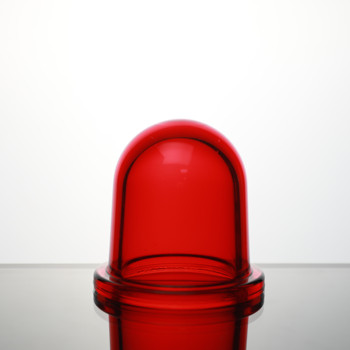
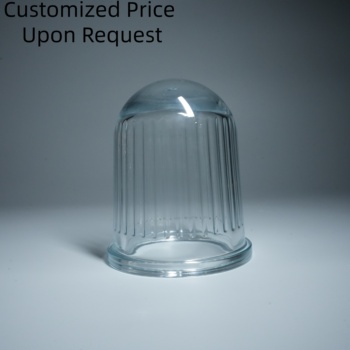
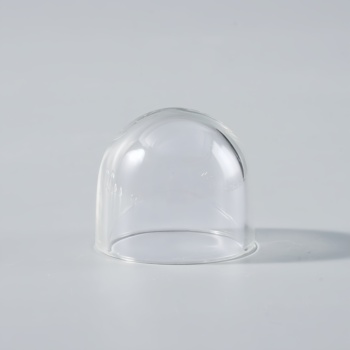
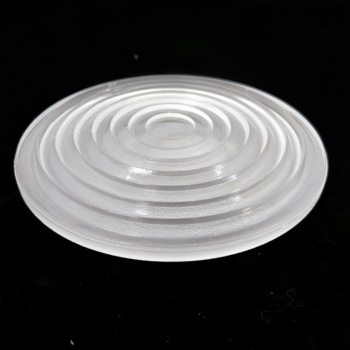
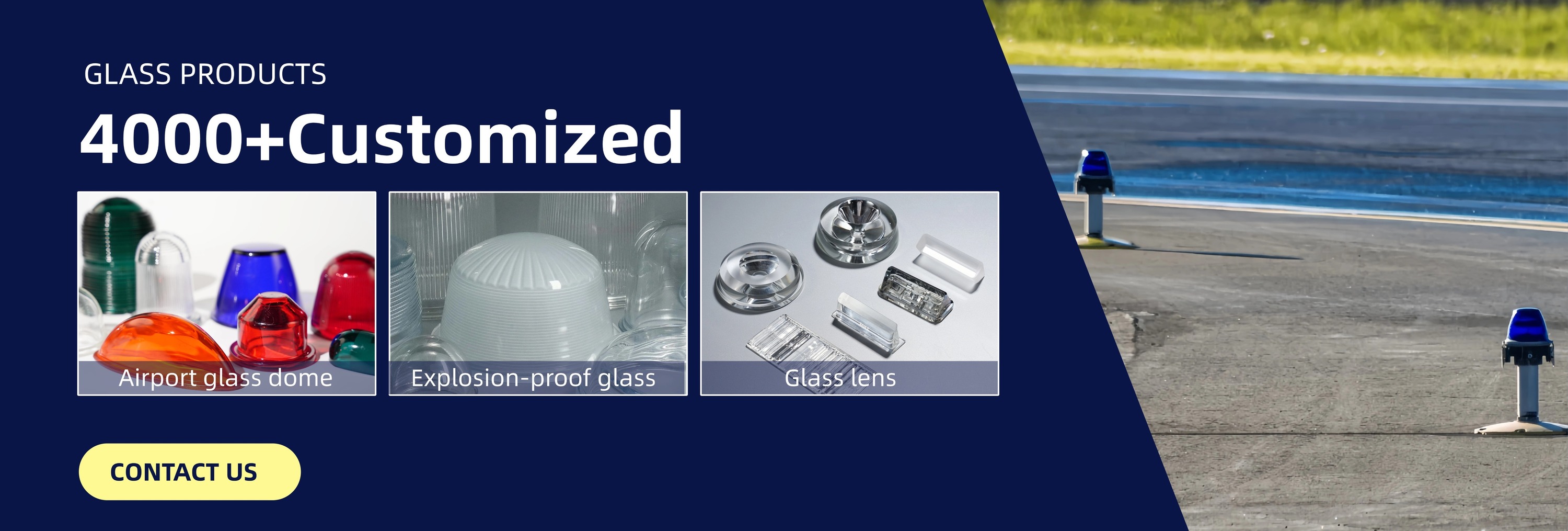
Short answer: A chemical-resistant glass cover for food machinery and medical equipment is a custom glass window, sight glass, lamp cover, sensor dome or protective panel made from a glass composition selected for repeated contact with cleaning agents, disinfectants, steam, hot water, food residues or laboratory chemicals. The most common choice is borosilicate 3.3 because of its low thermal expansion and good hydrolytic durability. Tempered soda-lime glass may be suitable for lower-temperature, impact-sensitive covers, while fused quartz and optical BK7 are specified for extreme heat, UV transmission or precision optics. Final approval should be based on the actual cleaning chemistry, temperature cycling, pressure, impact risk and the equipment maker’s hygiene or medical compliance requirements.
Global buyers often search for this product using long, question-style queries. They want more than a catalogue photo. They need to know which glass tolerates alkaline foam cleaners, acidic sanitizers, autoclave steam, hydrogen peroxide wipes, alcohol disinfectants and repeated washdown. They also need to know whether the cover can be produced to a drawing, sealed against a gasket, inspected for optical distortion and packed safely for export.
For food machinery, the glass cover is usually part of an inspection window, machine guard, light housing or sensor enclosure. Hygienic design is as important as chemical durability. A smooth, rounded edge, controlled flatness and a clean gasket contact zone reduce residue build-up and make manual cleaning easier. The gasket material must be compatible with both the cleaning agent and the glass surface. For medical equipment, the same cover may need to withstand frequent disinfection, resist staining, maintain clarity for a display or sensor, and support change-control documentation.
Specification Checklist Before You Request a Quote
- Application: food processing window, machine guard, medical display cover, sensor window, lamp cover or inspection pane.
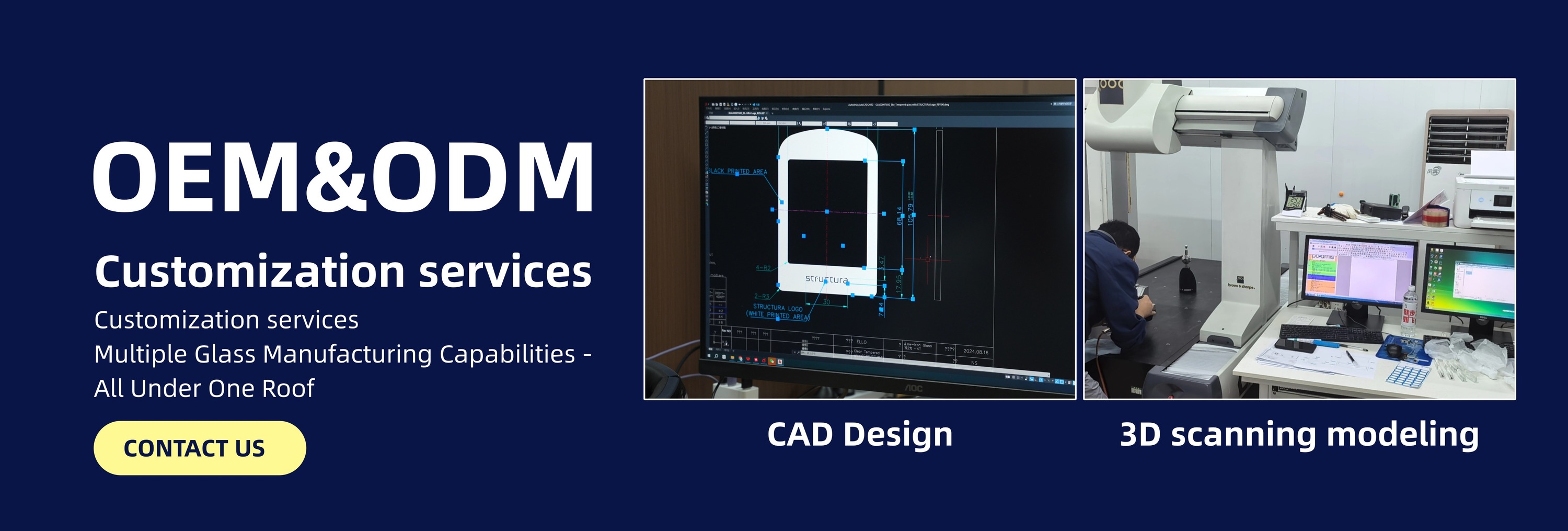
- Drawing: 2D/3D drawing with outer dimensions, thickness, flatness, parallelism, edge profile, holes, chamfers and sealing-face tolerance.
- Cleaning exposure: list the actual detergents, sanitizers, disinfectants, concentrations, temperatures and contact times. “Chemical-resistant” is not a universal specification.
- Thermal conditions: operating temperature, steam or hot-water cleaning, thermal shock from cold rinse and maximum lamp or equipment surface temperature.
- Optical needs: transmission range, haze, color neutrality, anti-reflective coating, easy-clean coating or anti-scratch treatment.
- Compliance evidence: ask for material certificates, lot traceability, dimensional inspection reports, coating data and packaging validation where required.
- Annual volume and spare-part demand: initial order quantity, forecast, replacement rate and packaging requirements for distributors or service engineers.
Important limitation: glass is chemically durable but not immune to every chemical. Hydrofluoric acid and hot, concentrated alkaline solutions can attack glass. Strong alkaline dishwashing detergents can etch soda-lime glass over time, and abrasive cleaning pads can damage coatings. A responsible supplier should ask for the cleaning chemistry instead of simply claiming “chemical-proof” performance.