Top Trusted Electronic Glass Supplier & Suppliers
Drawing-based borosilicate, optical and explosion-proof glass for lighting, imaging, sensing and industrial OEMs — engineered in Shanghai, delivered worldwide.
8 Recommended Electronic & Optical Glass Products for 2025–2026 Procurement
The shortlist below reflects repeatable OEM demand: outdoor imaging domes, coated filters, high-heat Fresnel optics, precision windows, street and industrial shades, airport lenses and BK7 precision lenses. Each item can be customized by drawing, material, coating, transmission and packaging.

OEM Borosilicate Glass Optical Dome Cover for Outdoor IP Cameras — UV Resistant, Waterproof Housing, Anti-Reflective Coating
Recommended for outdoor surveillance, marine cameras and weather-exposed imaging modules where UV stability, sealing geometry and anti-reflective performance matter.
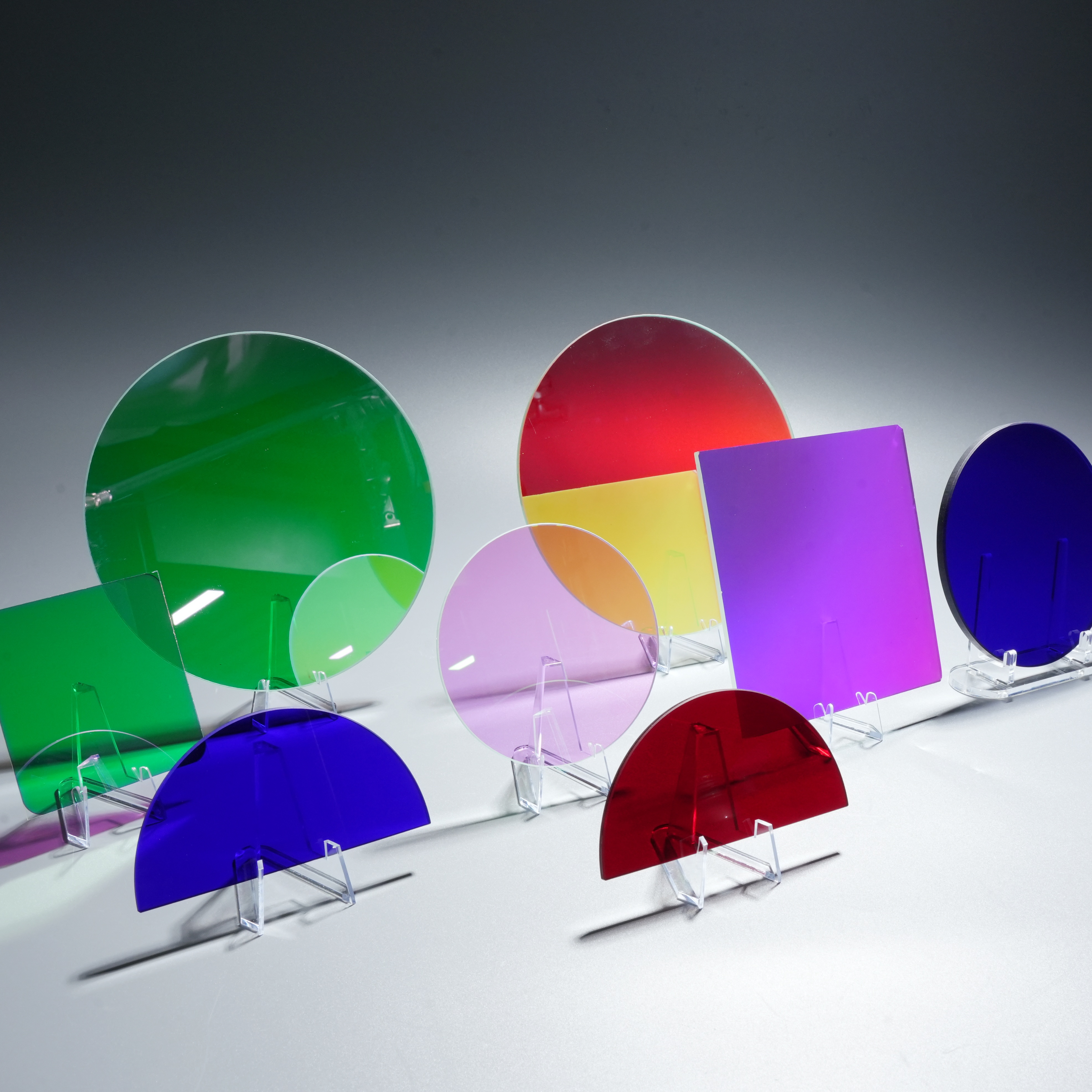
BO-GLASS BO-AH242 Manufacturer Customized High Precision 590nm 49mm Coated UV Borosilicate Bandpass Longpass Optical Filter
Recommended for sensing, instrumentation and optical assemblies requiring stable wavelength selection, coating consistency and drawing-based customization.

High Temperature Resistant Borosilicate Glass Fresnel Lens with Anti-Reflective Coating for High Power LED Collimation and Stage Lighting
Recommended for high-power LED fixtures, stage optics and collimation systems that combine thermal load, optical efficiency and beam control.

Manufacturer OEM Transparent High Quality Precision Borosilicate UV Fused Silica Coated Glass Optical Window with High Transmittance
Recommended for inspection windows, sensor housings and UV-visible optical paths where material clarity and coating durability are central to performance.
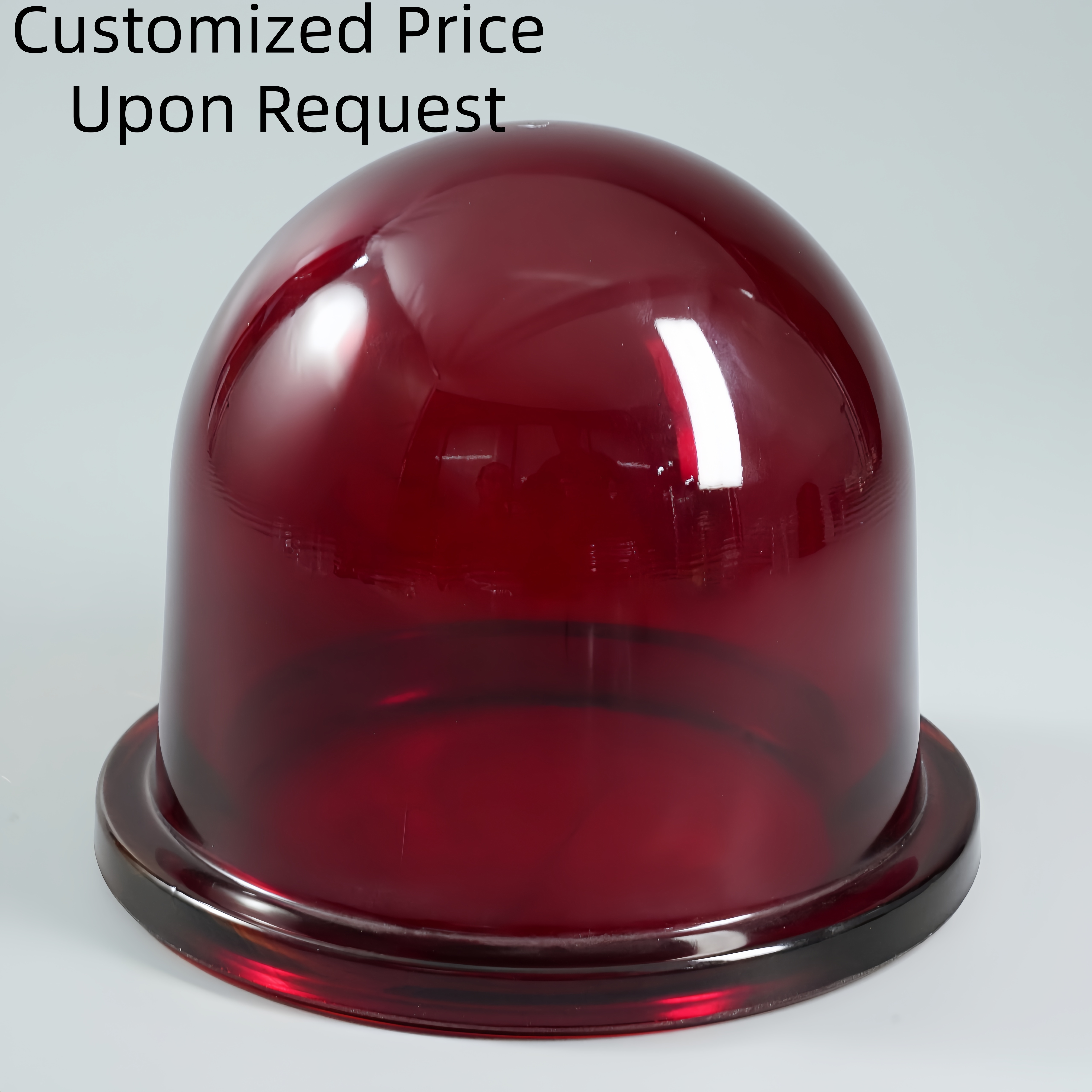
High-Temperature Resistant Pressed Glass Shade — Explosion-Proof and Crack-Proof for Outdoor Street Light Fixtures
Recommended for street lighting, high-bay fixtures and outdoor housings needing thermal shock resistance, mechanical strength and stable light distribution.
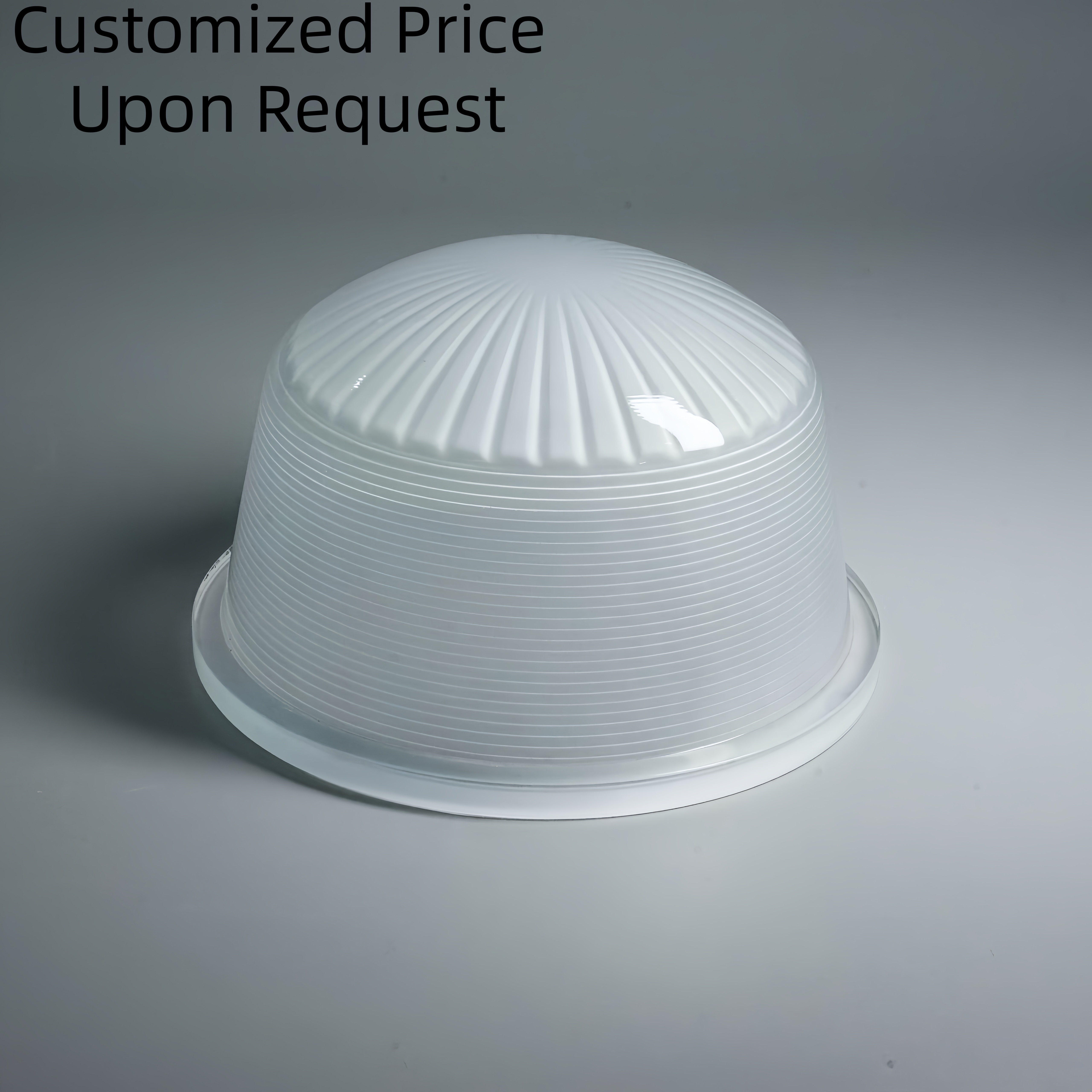
Transparent Explosion-Proof Glass Shade with High Light Transmittance for Industrial Workshop Lighting
Recommended for workshops, hazardous areas and heavy-duty industrial fixtures where optical output, impact resistance and clean maintenance access matter.
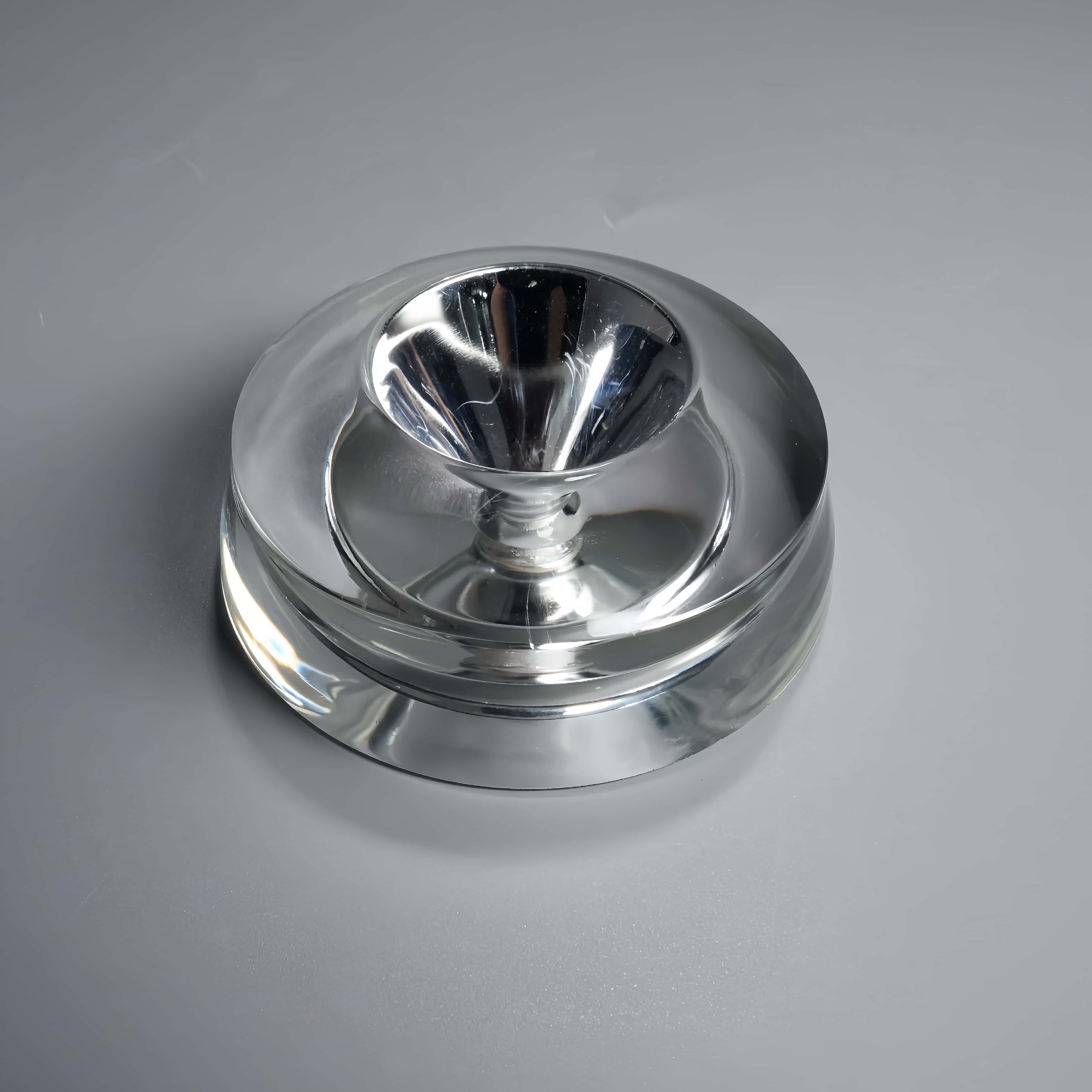
Factory China Custom Size Mold Pressed Borosilicate BK7 K9 Eco-Friendly LED Optical Glass Lens for Taxiway, Runway and Airport Ground Lighting
Recommended for airfield ground lighting, runway edge and taxiway fixtures requiring color stability, dimensional repeatability and heat resistance.

Factory Price Custom Precision Optical 1–200mm Clear BK7 Spherical Quartz Glass Half Ball Concave / Biconvex Lens with Anti-Reflective Coating
Recommended for OEM optical systems, instruments and focused LED applications where curvature, centration, coating and dimensional tolerance are critical.
Trusted Electronic Glass Sourcing Has Moved From Price Comparison to Technical Proof
In the 2025–2026 procurement cycle, electronic and optical glass is no longer a low-risk commodity purchase. Buyers are combining higher LED power, multi-spectral imaging, compact sensor stacks, outdoor IP housings and stricter safety requirements. A glass cover, dome, window or lens that looks simple on a drawing can determine whether an entire fixture passes thermal shock, ingress protection, color consistency and field-failure targets.
For procurement teams, the word trusted should not mean “a supplier with a polished catalogue.” It should mean a supplier that can show drawing review discipline, material traceability, coating control, inspection records, export packing and a realistic qualification path. That is also why the title Top Trusted Electronic Glass Supplier & Suppliers is a search intent with two sides: finding one reliable source, and understanding how to compare multiple sources without creating hidden quality risk.
Shanghai Tambi Glass Industrial Co., Ltd. supplies custom borosilicate covers, explosion-proof lampshades, signal light domes, LED lenses, prisms, optical windows and filters to lighting and optical OEMs worldwide. The company’s practical starting point is a manufacturing question: how should the glass perform inside the real luminaire, sensor or instrument? That leads back to wall thickness, thermal expansion, seal faces, optical path alignment, coating durability and the way fragile parts are packed for export.
- Drawing-based OEM / ODM with DFM review before tooling
- Borosilicate 3.3, tempered soda-lime, fused quartz and optical BK7 options
- Pressed, handblown, ground, polished and AR-coated production routes
- Onsite-verified supplier profile, factory video and audit documentation available
What to Validate Before You Approve a Glass Supplier
1. Drawing response quality. A serious supplier will question wall thickness, draft, tolerance, gasket compression and coating edge clearance before quoting.
2. Material evidence. Borosilicate 3.3, tempered soda-lime, fused quartz and BK7 solve different thermal, impact and optical problems. Ask why a material is recommended, not only what it costs.
3. Standard boundary. For airport and marine fixtures, glass makers supply components for luminaires designed to standards such as FAA L-810 or EN 50293; fixture certification normally sits with the luminaire manufacturer. A trustworthy supplier should state that boundary clearly.
4. Packaging proof. Fragile glass margins disappear if export packing is weak. Confirm dividers, carton reinforcement, palletization and labeling before mass production.
Material Selection Is the Hidden Driver of Field Reliability
The right glass is selected from operating temperature, thermal shock, impact exposure, optical transmission, coating requirements and the fixture standard — not from a single catalogue page.
| Material | Typical thermal expansion | Typical working temperature | Engineering strength | Best-fit applications |
|---|---|---|---|---|
| Borosilicate 3.3 | ≈3.3 × 10⁻⁶/K | ≈450°C | Excellent thermal-shock resistance; stable optical clarity | Explosion-proof shades, high-power LED covers, Fresnel lenses, outdoor camera domes |
| Tempered soda-lime | ≈9.0 × 10⁻⁶/K | ≈250°C | High impact strength and economical cost | Outdoor covers, floodlight glass, vandal-resistant lenses, street lighting shades |
| Fused quartz | ≈0.55 × 10⁻⁶/K | ≈1000°C+ | UV transmission and extreme heat resistance | UV optics, high-temperature windows, scientific instruments |
| Optical BK7 / H-K9L | ≈7.1 × 10⁻⁶/K | ≈300°C | Homogeneous optical properties; nd ≈1.517 | Precision lenses, prisms, mirrors, filters, LiDAR and sensing optics |
Values are typical reference points for early engineering discussion. Final specification must be confirmed against your drawing, lamp surface temperature, impact rating, sealing design, coating requirement and the standard your fixture must meet.
This chart is an illustrative relative comparison for procurement discussion, not a certified test result. Tambi Glass reviews each project against the actual drawing and operating conditions.
What Buyers Will See in the Next Electronic Glass Procurement Cycle
Glass is becoming part of the optical and thermal design, not a final accessory. These four product directions are shaping drawings from OEM lighting, imaging and sensor teams.
AR-Coated Domes and Windows for Imaging
Outdoor IP cameras, LiDAR and machine vision systems need high transmission without ghosting or veiling glare. Broadband AR coating, dome geometry and waterproof sealing are increasingly specified together. Buyers should confirm coating durability, edge clearance and transmission targets early.
High-Temperature Fresnel and LED Optics
Higher-power LED modules and compact stage fixtures push glass closer to the heat source. Borosilicate Fresnel lenses, prisms and collimation optics help maintain beam control while tolerating thermal load. The purchasing trend is to co-specify lens material and fixture cooling.
Explosion-Proof and Vandal-Resistant Shades
Oil and gas, chemical plants, workshops and public areas require thick-wall shades that resist impact, thermal shock and cleaning. Pressed glass covers are gaining attention when they combine high transmittance with repeatable wall thickness and reliable sealing faces.
Precision BK7, Quartz and Coated Filters
LiDAR, instrumentation and advanced sensing demand tighter control of curvature, centration, surface quality and coatings. Instead of buying a generic lens, OEMs increasingly request drawing-based optical parts with inspection reports and packaging matched to clean assembly.
Fewer Transactions, Deeper Technical Proof
Procurement teams are not simply searching for more suppliers. They are building a smaller, better-documented supply base with a qualified alternate route.
Supplier Consolidation With Dual-Source Qualification
Buyers want one technical partner for covers, domes, lenses and windows, but they still need a qualified alternate for risk management. The effective model is to consolidate drawings and material data with a capable OEM supplier while keeping inspection and approval standards portable between sources.
Total Cost of Ownership and Field-Failure Risk
A low unit price means little if a glass cover cracks in transit, leaks after thermal cycling or fails optical acceptance. Procurement is shifting toward total landed cost: sample iterations, inspection time, field returns, packaging waste and production downtime all belong in the comparison.
Digital-First RFQs and Traceability
Drawings, 3D models, coating targets and inspection criteria are moving into structured RFQ packages. Suppliers that can reply with clear assumptions, material notes, tooling requirements and packing data reduce back-and-forth. Material certificates and inspection reports on request become part of the purchase record, not an afterthought.
Engineering Control From Drawing to Pallet
Shanghai Tambi Glass Industrial Co., Ltd. is a manufacturer and trading company with an 11–50 person team and more than a decade of lighting-glass experience. The supply model is built around drawing-based production: a customer shares a 2D/3D drawing or physical sample, engineers review manufacturability, propose mold or process options, confirm samples and then move to repeat production.
The advantage is not only equipment. It is the ability to connect glass selection, forming method, annealing or tempering, coating, inspection and export packing in one technical conversation. Buyers can review the company profile, watch the factory video and check the supplier assessment before requesting samples.



Drawing-Based DFM
Engineers review wall thickness, draft, tolerance, sealing faces and optical alignment before tooling starts.
Process Breadth
Pressed, handblown, ground, polished and AR-coated routes support both lighting covers and precision optics.
Auditable Profile
The supplier profile, credit index, transaction level and trade capacity pages help procurement teams verify records.
Export Packing
Foam or pulp dividers, reinforced cartons and palletization protect fragile glass during sea or air freight.
Where This Glass Portfolio Fits
Different applications stress glass in different ways. Specification should start from the operating environment and acceptance criteria.
Airport and Aviation
Obstruction, runway edge, taxiway and in-pavement light lenses need stable red or clear transmission, heat resistance and dimensional repeatability. Glass components can support fixtures designed to FAA L-810 or equivalent requirements; luminaire certification remains with the fixture manufacturer.
Marine and Offshore
Navigation and ship signal lights encounter salt spray, wind load, vibration and UV exposure. Handblown or pressed covers with controlled color and gasket fit help maintain visibility and reduce maintenance in exposed locations.
Oil, Gas and Chemical
Explosion-proof lampshades and emergency-light enclosures require thick-wall glass, controlled annealing and reliable sealing geometry. Early material review helps avoid cracks caused by thermal shock, incorrect gasket pressure or cleaning chemicals.
LiDAR, Sensors and Instruments
Optical domes, windows, prisms and bandpass filters support sensing systems where coating, transmission and mechanical fit are part of system accuracy. Buyers should specify wavelength range, angle of incidence, surface quality and environmental exposure.
A Controlled Six-Step OEM Process
Clear checkpoints reduce surprises between sample approval and mass production.
Drawing Review
DFM check of thickness, draft, tolerance, sealing faces, optical path and material compatibility.
Mold and Tooling
New or existing molds for pressing, blowing or grinding, with sample quantity planning.
Sampling
Samples are measured and sent for fit, light, coating and installation testing.
Forming and Annealing
Controlled forming, annealing or tempering to relieve stress and support field reliability.
Coating and QC
AR or color coating, dimensional checks and visual inspection against the approved sample.
Export Packing
Divider-packed cartons, palletization, labeling and documentation for sea or air freight.
Questions Procurement and Engineering Teams Ask
Direct answers help buyers evaluate fit faster. For a specific drawing, include dimensions, material, operating temperature, coating target and annual volume.
Can you manufacture electronic glass covers, domes and lenses to my own drawing?+
What is the typical minimum order quantity?+
Should I choose borosilicate glass or tempered soda-lime glass?+
Do you supply glass for FAA L-810 and EN 50293 lighting fixtures?+
How fast do you reply to technical inquiries?+
How are fragile glass parts packed for export?+
Have a Drawing? Get an Engineering Review Within 6 Hours.
Share dimensions, material preference, operating temperature, coating target and annual volume. The engineering team will suggest a reliable glass route for your fixture, sensor or industrial assembly — from sample to export packing.
info@tambiglass.com