Condenser Lenses and Optical Glass Components Built to Your Drawing
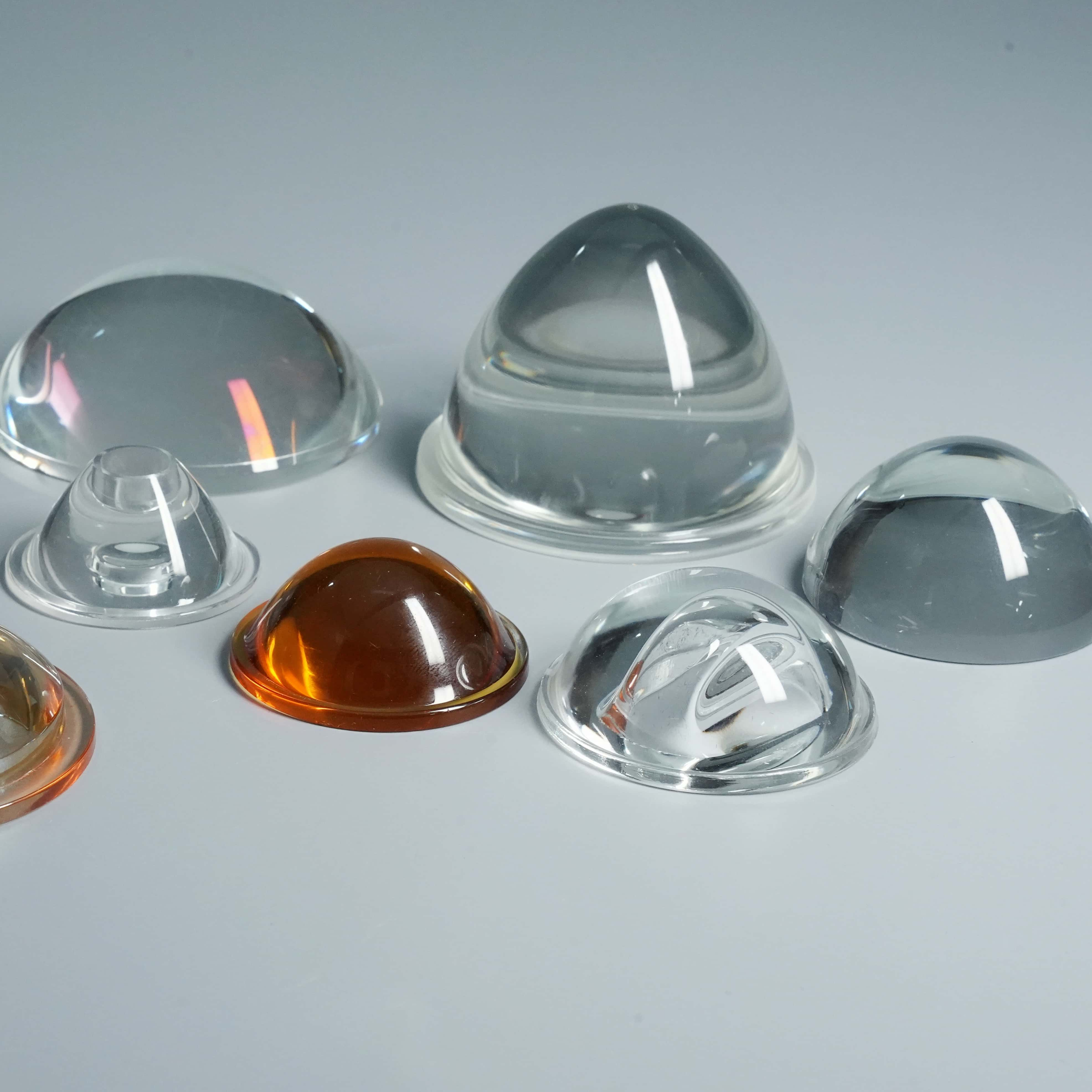
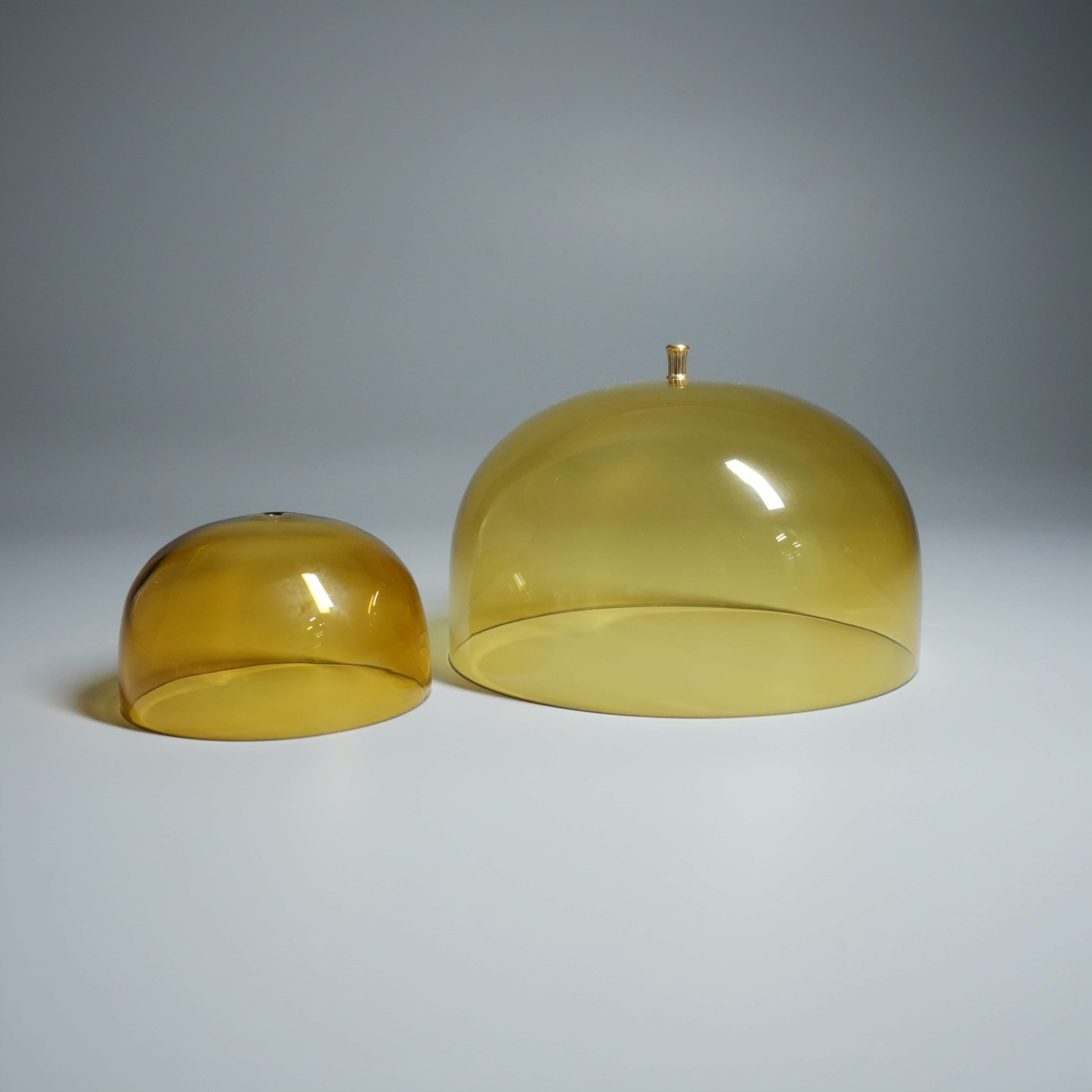
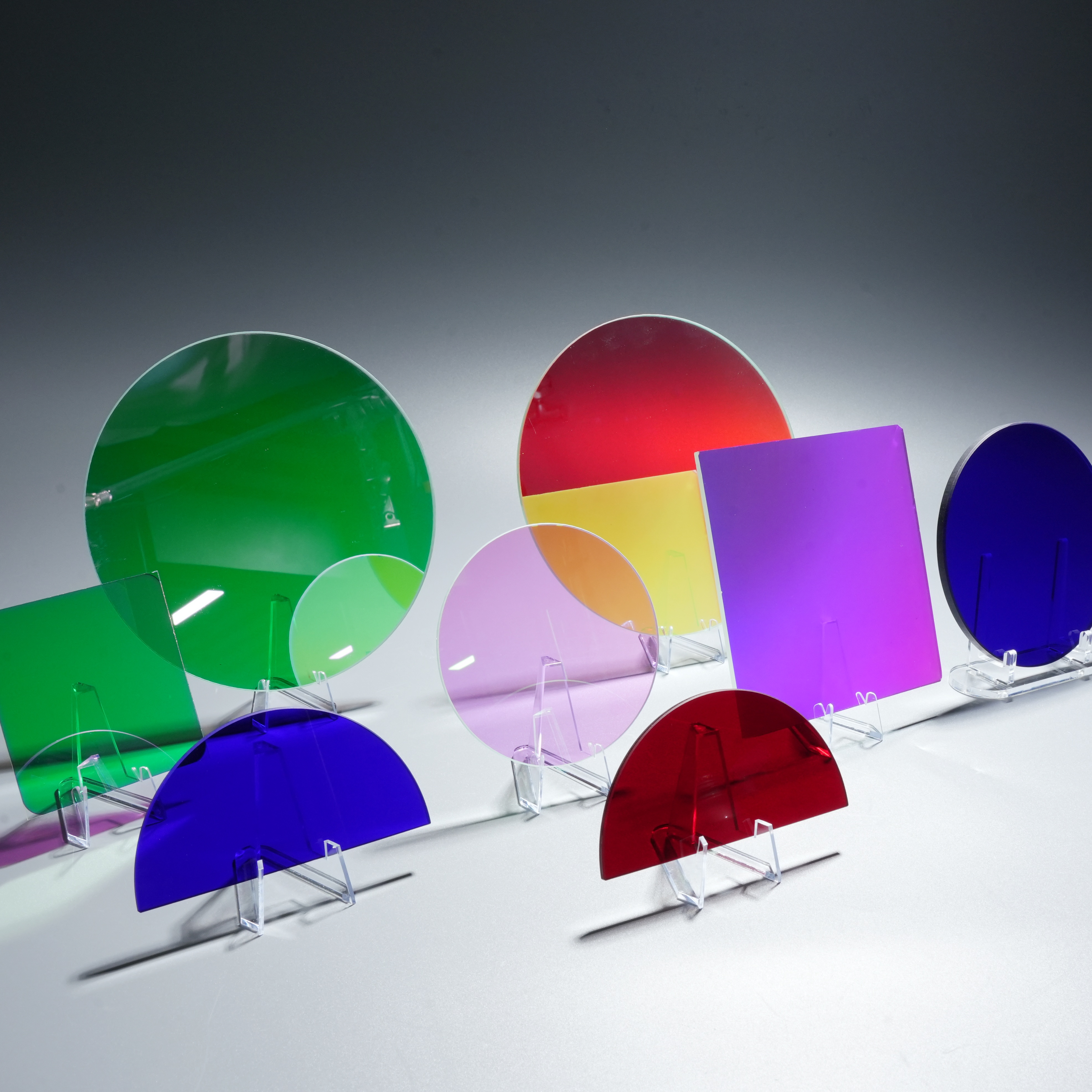
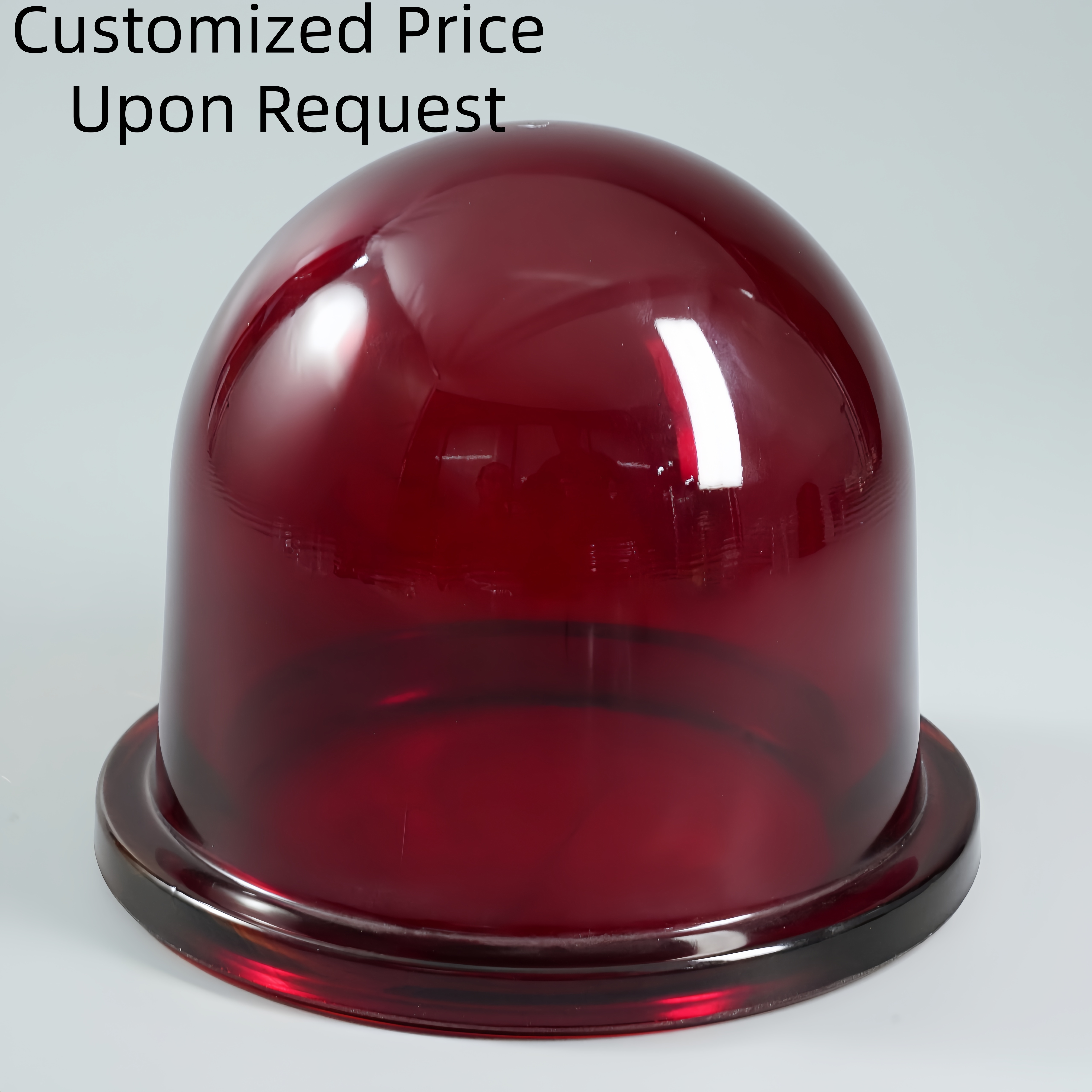
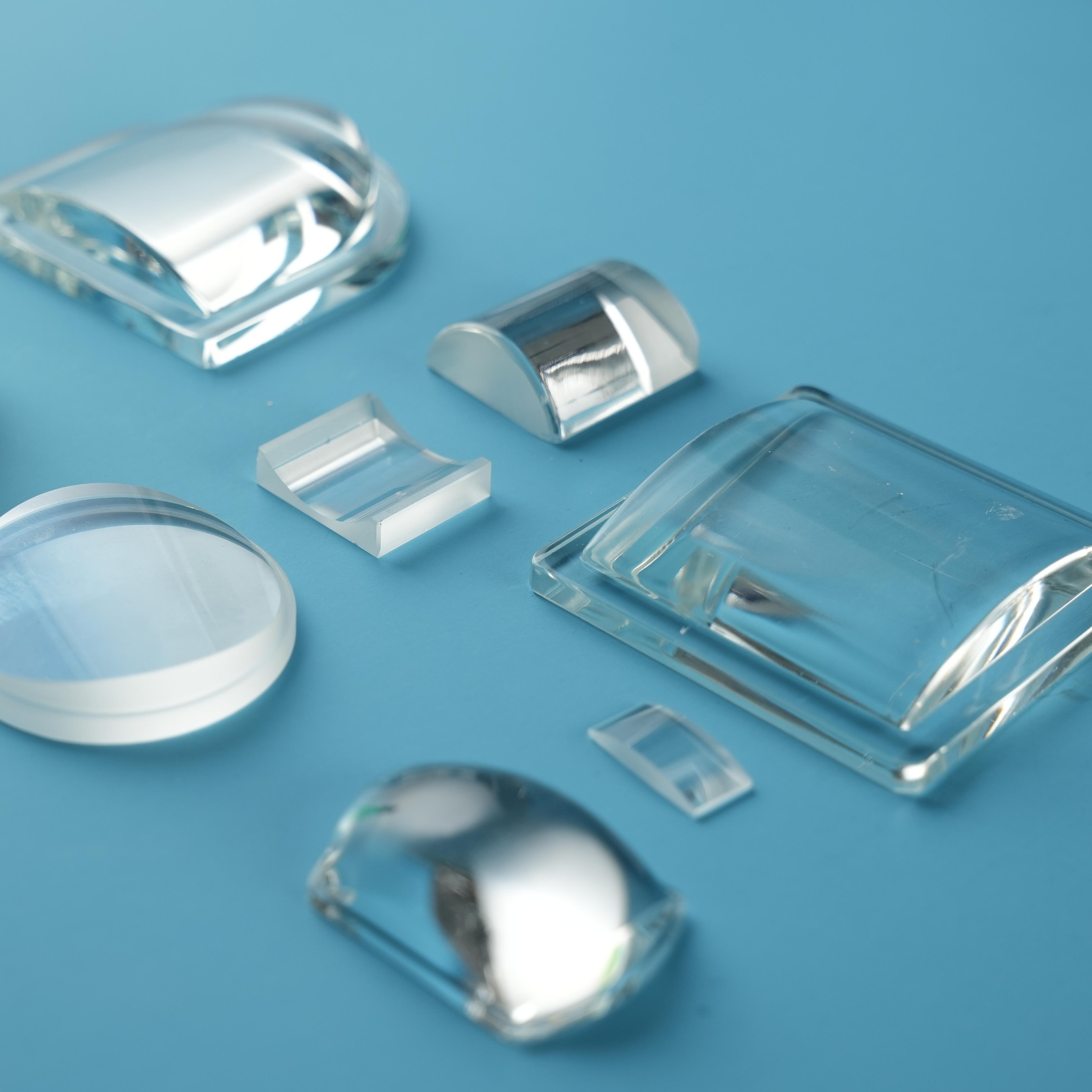
Condenser lenses are not catalogue commodities. Every lens below is quoted against a drawing or physical sample, with glass grade, coating band, edge finish and dimensional tolerance matched to the light source, housing and certification path of the finished fixture. These eight families are the optical and lighting glass parts our Shanghai engineering team reviews most often. If a standard item is close but not exact, the drawing can be modified in diameter, focal length, coating or edge treatment.


Why Global Buyers Shortlist Tambi Glass
Shanghai Tambi Glass Industrial Co., Ltd. is a manufacturer and trading company focused on lighting and optical glass. For more than a decade, the team has worked with OEMs in Europe, North America and Japan on parts where the glass must survive heat, thermal shock, impact and outdoor exposure. The advantage is not a catalogue; it is a drawing-to-delivery process built around how glass behaves inside a real luminaire or instrument.
Drawing-Based OEM Engineering
Send a 2D/3D drawing or a physical sample. Senior lighting and moulding engineers review wall thickness, draft, sealing faces and optical-path alignment before tooling, so the lens fits the fixture rather than merely matching a diameter.
In-House Forming and Annealing
Pressed, blown, ground and polished borosilicate parts are produced through a controlled supply chain. Annealing schedules are set to relieve stress in thick rims and asymmetric condenser profiles.
AR and Optical Coating
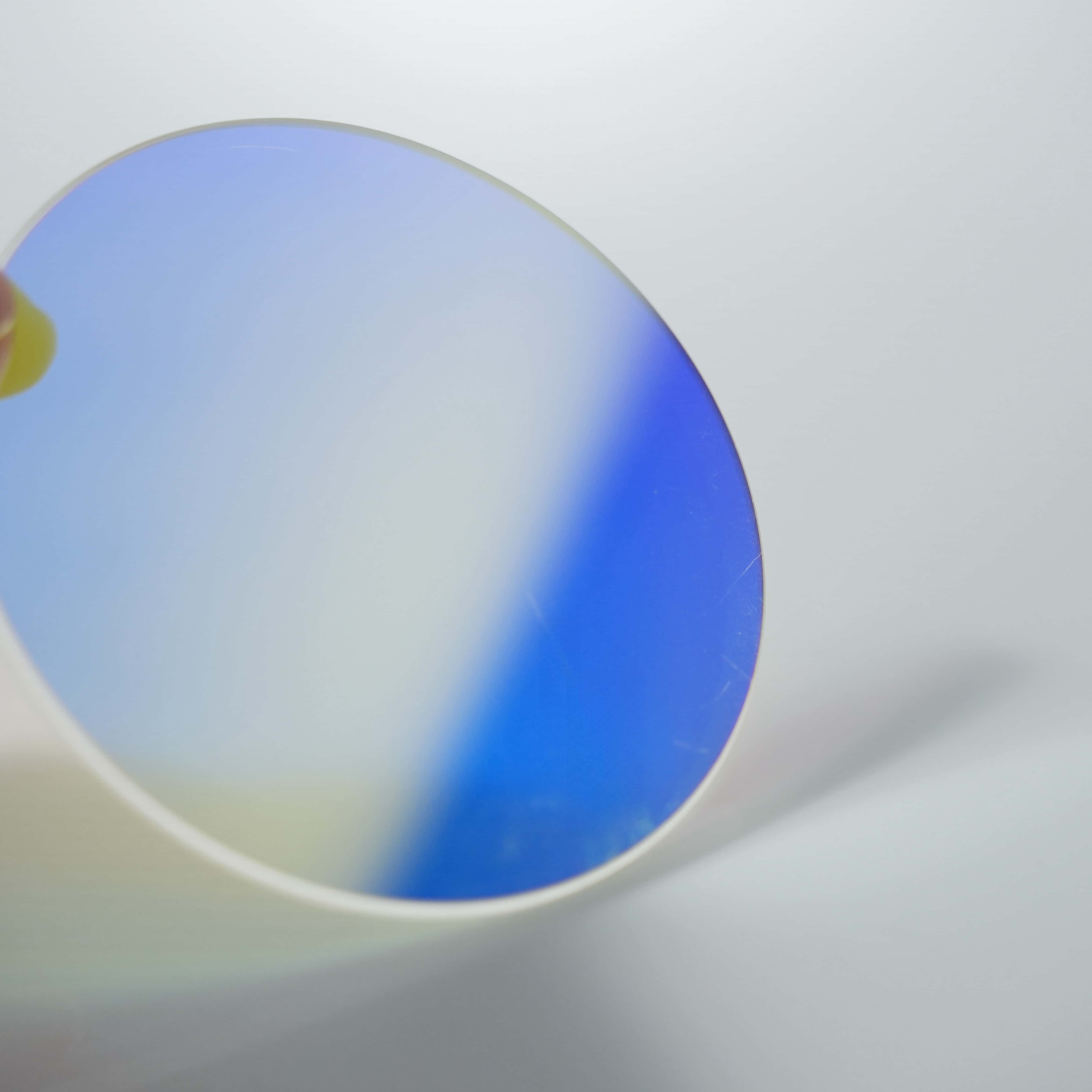
Broadband AR, bandpass and cut-edge coatings are specified by wavelength band, angle of incidence and environmental exposure. Coating runs are inspected for adhesion, transmission and cosmetic defects.
Verified and Auditable
Our premises have been checked onsite during third-party supplier assessment. Factory video, credit index, transaction level and trade history are available for procurement teams that must complete supplier qualification before a sample order.
≤6-Hour Technical Response
Most drawing reviews, tolerance questions and quotation clarifications are answered within six hours. That speed matters when a fixture programme is waiting on a lens sample or a coating decision.
Export-Grade Packing
Foam or pulp dividers, reinforced cartons and palletized loading protect polished surfaces and thin edges. Distributor labelling and custom packaging can be arranged for repeat programmes.
 Production workshop, Shanghai
 Forming and finishing line
 Quality inspection before packing
Inspection is not a final gate at the end of the line. Wall thickness, edge quality and coating cosmetics are checked at defined stages, and the final dimensional report is matched to the drawing revision used for tooling. Buyers who need an audit trail can request material certificates, sample measurement records and packing validation photos before shipment. This is the practical meaning of E-E-A-T in custom optics: evidence that the same drawing, the same glass grade and the same inspection criteria were used from first article to repeat order.
Condenser Lens Engineering: The Specifications That Decide Performance
Diameter and focal length are only the entry point. In a real fixture, four specification areas determine whether a condenser lens delivers stable light output, survives thermal cycling and passes incoming inspection.
Material and Thermal Stability
Borosilicate 3.3, fused silica and BK7 behave differently when the light source heats the lens. CTE, refractive-index temperature coefficient and internal stress all influence focus shift and crack risk. We review the expected surface temperature and thermal shock profile before recommending a glass grade.
Optical Form and Centration
Effective focal length, back focal length, clear aperture, edge thickness and centration must be specified together. A tight diameter tolerance does not correct a decentered optical axis. For small condenser lenses, centration and surface form usually cost more to control than diameter.
AR Coating and Spectral Control
A broadband AR coating can raise transmission, but the design must match the wavelength band, angle of incidence and environment. Laser and UV projects may need a different coating stack and damage-threshold review than white-light LED optics.
Inspection and Traceability
Inspection plans typically cover dimensions, surface form, cosmetic defects, coating adhesion and transmission. Where drawings use ISO 10110 indications, the inspection report can follow the same notation. First-article reports and batch traceability reduce risk at incoming inspection.
For high-power LED and laser condenser lenses, request the refractive-index temperature coefficient (dn/dT), the expected thermal focus shift and the coating damage threshold — not just the room-temperature focal length. These three values often explain field failures that dimensional inspection cannot detect.
The housing interface deserves equal attention. A lens that is clamped on its optical surface, or seated on a sharp metal edge, can chip during assembly or thermal expansion. Specify the sealing face, chamfer, edge profile and adhesive compatibility before tooling. In many projects, a small change to the seat radius removes the need for a tighter and more expensive lens tolerance.
Optical Glass Selection Matrix for Condenser Lenses
The table below is a starting point for RFQ discussions, not a substitute for drawing review. Final selection depends on wavelength, source power, housing design, impact rating and the standard the finished fixture must meet.
| Material | CTE (×10⁻⁶/K) | Typical max. working temperature | Optical and mechanical character | Best-fit condenser application |
|---|---|---|---|---|
| Borosilicate 3.3 | ≈3.3 | ≈450 °C | Excellent thermal-shock resistance; good visible transmission; moderate index | High-power LED, stage, explosion-proof and outdoor condenser lenses |
| Fused silica | ≈0.55 | ≈1000 °C+ | Deep UV to IR transmission; very low expansion; higher cost | UV curing, laser, spectroscopy and high-temperature windows |
| BK7 (H-K9L) | ≈7.1 | ≈300 °C | Homogeneous; nd ≈1.517; excellent polishability | Precision imaging, machine vision and low-power condenser systems |
| Tempered soda-lime | ≈9.0 | ≈250 °C | High impact strength; economical; limited thermal shock | Outdoor, floodlight and cost-sensitive condenser covers |
Typical reference values. Confirm the final grade, tolerance and coating against your drawing, lamp surface temperature and certification requirements.
Selection logic is usually straightforward once the operating conditions are known. If the lens sees concentrated blue or UV flux, or if the housing is sealed and cannot dissipate heat, borosilicate or fused silica is the safer starting point. If impact is the dominant load and the surface temperature stays moderate, tempered soda-lime can offer a lower-cost path. For imaging or beam-shaping where wavefront quality dominates, BK7 remains the practical benchmark. The mistake is to choose by unit price before the thermal and coating loads are defined.
Condenser Lens Procurement and Product Trends to 2030
Procurement teams are changing how they buy optical glass. The shift is away from isolated part quotations and toward documented, repeatable supply. At the same time, higher power density and smaller optical modules are changing the lens itself.
Dual Sourcing and Continuity
Buyers increasingly qualify a second glass source or hold regional safety stock. RFQs now ask for batch traceability, material certificates and a documented change-notification process, not only a price and lead time.
Total Cost of Ownership
Freight damage, field failures, coating returns and line stoppages can outweigh a lower unit price. Suppliers that provide first-article reports, coating curves and validated export packing are easier to defend in a cost review.
Digital RFQ and Faster Sampling
CAD uploads, DFM feedback and video audits compress the supplier selection cycle. A factory that answers technical questions within hours has an advantage over one that replies only with a catalogue.
Higher Power Density
High-power LED, laser and UV curing modules push condenser lenses toward borosilicate and fused silica. AR coatings must survive elevated temperature, blue or UV flux and cleaning cycles without delamination.
Miniaturisation and Integration
LiDAR, machine vision, wearables and compact projectors demand smaller condenser lenses with tighter centration and, increasingly, aspheric or freeform surfaces. The optical axis matters as much as the outer diameter.
Sustainability and Compliance
RoHS and REACH declarations, lead-free glass where technically possible, lower-energy annealing and recyclable pulp packaging are becoming routine RFQ attachments. Compliance documentation is now part of the product, not an afterthought.
A practical RFQ package for a condenser lens should include the drawing revision, glass grade or allowable alternatives, wavelength band and source power, clear aperture and expected beam, coating specification including angle of incidence, operating temperature and thermal cycling, sealing and mounting method, annual volume, and the inspection report format your incoming team requires. When these inputs are complete, a supplier can quote a manufacturable part instead of a best guess, and the sample cycle usually shortens.
Not sure which glass grade fits your light source?
Send the drawing and operating conditions for a DFM review before tooling is committed.
A Controlled Six-Step OEM Process
The process is deliberately conservative at the front end. Tooling a lens that cannot be sealed, coated or inspected economically is the most expensive mistake in custom optics.
Drawing Review
DFM check of thickness, draft, edge profile, centration and sealing faces before tooling starts.
Mould and Tooling
New or existing moulds for pressing, blowing, grinding or polishing, depending on the optical form.
Sampling
Samples measured and sent for your fit, light and environmental evaluation; changes are agreed before mass production.
Forming and Annealing
Controlled thermal cycles relieve stress in thick rims and asymmetric condenser profiles.
Coating and QC
AR or spectral coating, dimensional inspection, cosmetic check and transmission verification.
Export Packing
Divider-packed cartons, reinforced outer packaging and palletized loading for sea or air freight.
Condenser Lens Sourcing Questions Procurement Teams Ask
What is a condenser lens, and how do I specify one?
Can you manufacture to my drawing or a physical sample?
Which glass should I choose for high-power LED or laser condenser lenses?
What AR coating options and tolerances are available?
What is the typical minimum order quantity?
How do you control quality and traceability?
Do you support FAA L-810 and EN 50293 fixture programmes?
How are fragile glass lenses packed for export?
Have a Condenser Lens Drawing? Get a Technical Review Within 6 Hours.
Send your drawing, source type, wavelength band, operating temperature and annual volume. Our engineers will review manufacturability, suggest the glass grade and coating, and confirm the sample path before you commit to tooling.
info@tambiglass.com