Top China Toughened Glass Manufacturers & Factory
A buyer’s white-paper guide to tempered glass, borosilicate 3.3, optical domes, AR-coated windows, signal-light covers and custom industrial glass for global OEM procurement teams.
8 Technical Glass Products Buyers Source from China
These products represent the practical crossover between toughened glass sourcing, borosilicate heat resistance, optical coating and custom factory manufacturing.
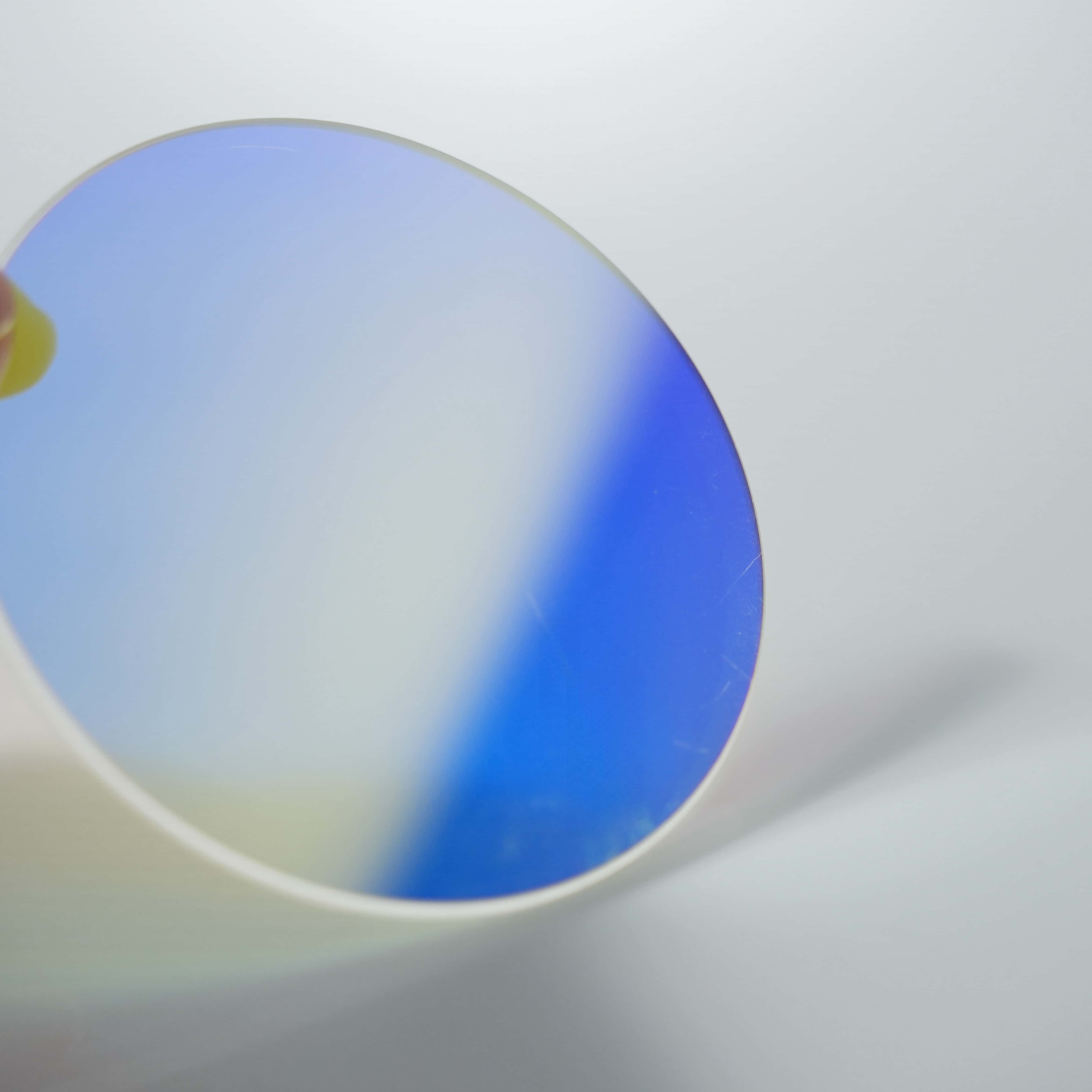
Optical Borosilicate Glass Longpass Shortpass Filter 500nm 600nm 700nm AR Coating Cut-Edge for Spectroscopy Industrial Sensor
AR-coated borosilicate filters for spectroscopy, sensing and industrial optical modules.
View product details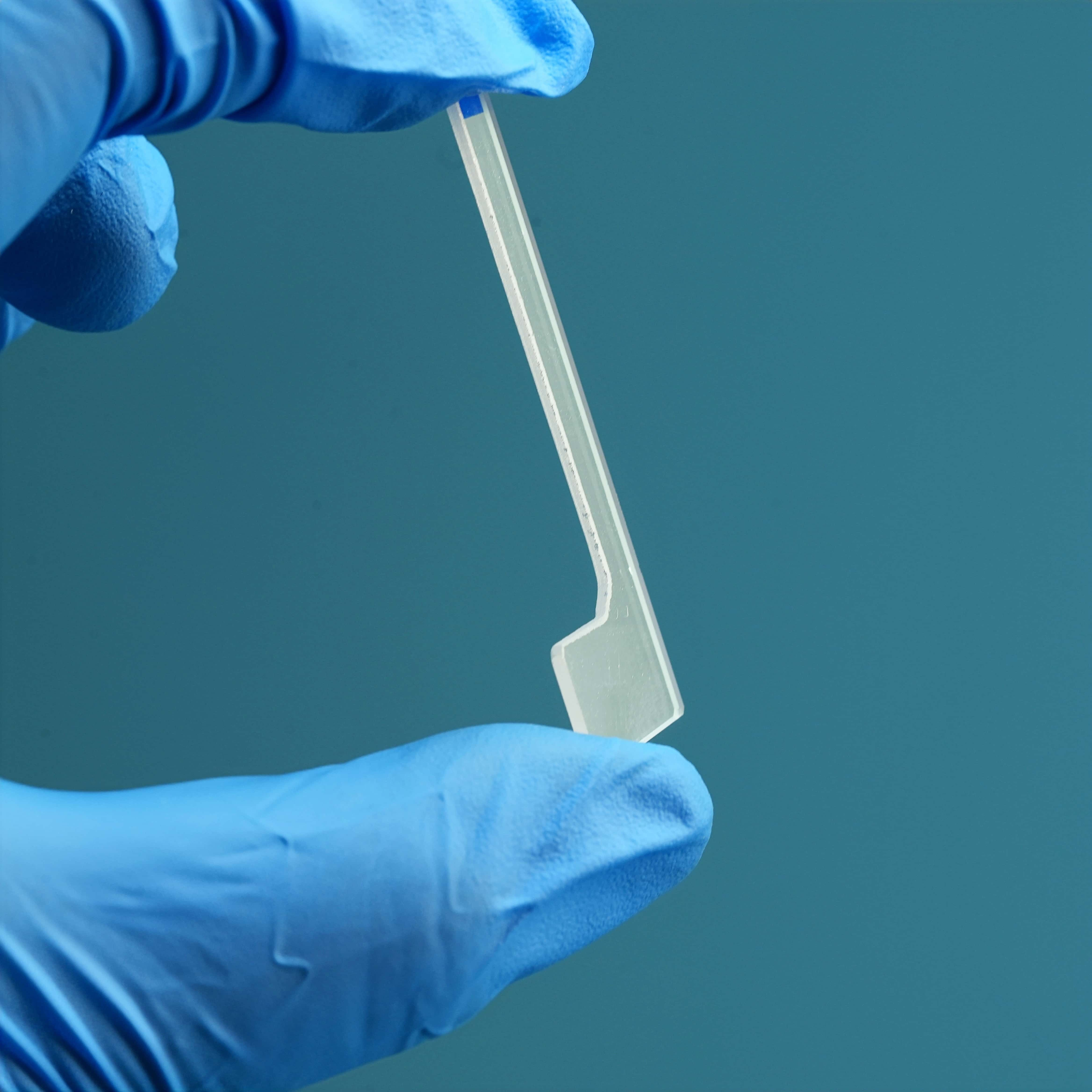
Anamorphic Prism Pair for Laser Beam Shaping Circularizing Elliptical Beams for Fiber Coupling Applications
Precision prism pairs that reshape elliptical laser beams for fiber coupling and photonics systems.
View product details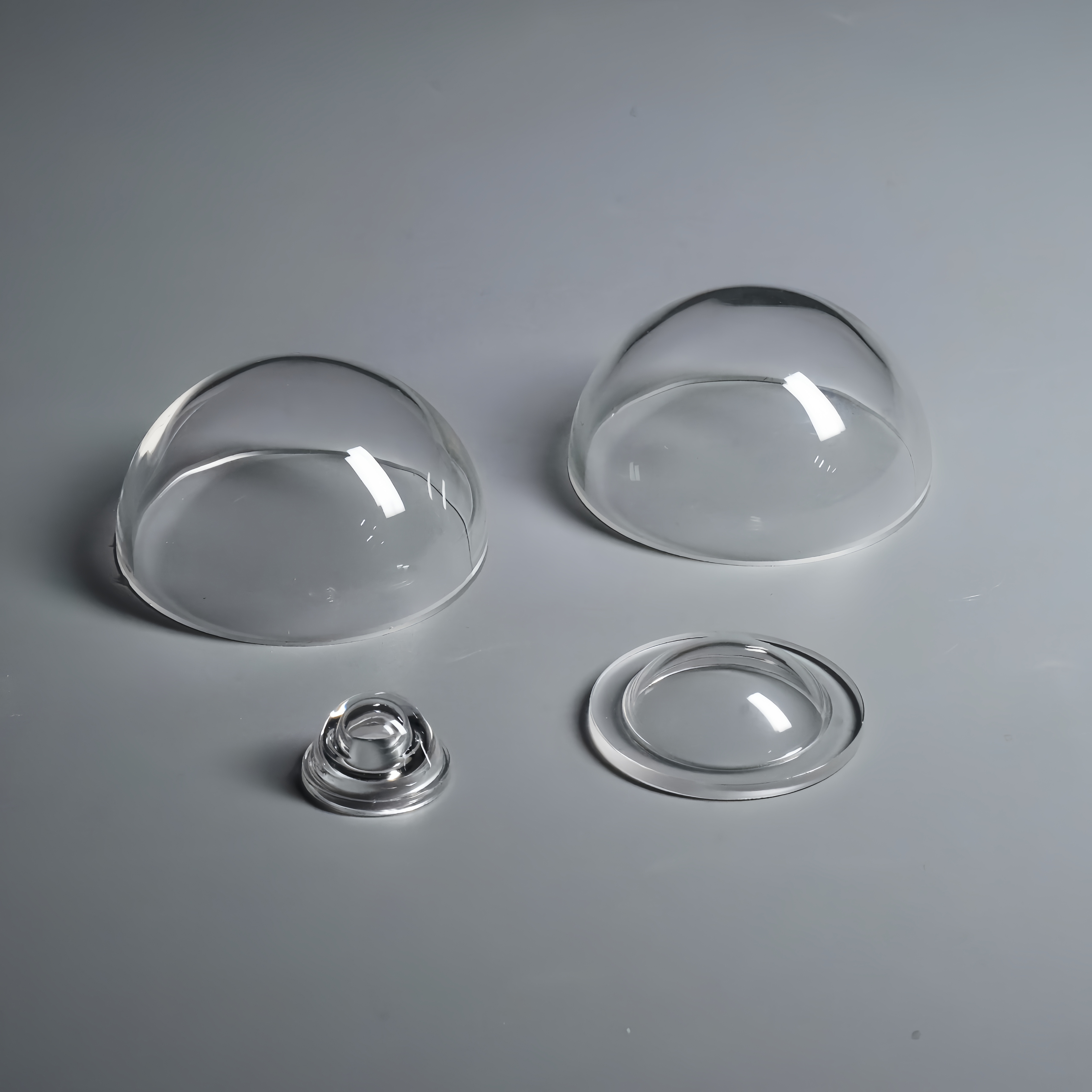
Mold Pressed Clear High Quality K9 Optical Dome Lens with Anti-Reflective Coating for Lighting OEM Customized Headlight Glass
Custom K9 dome lenses for headlight, projection and high-clarity lighting assemblies.
View product details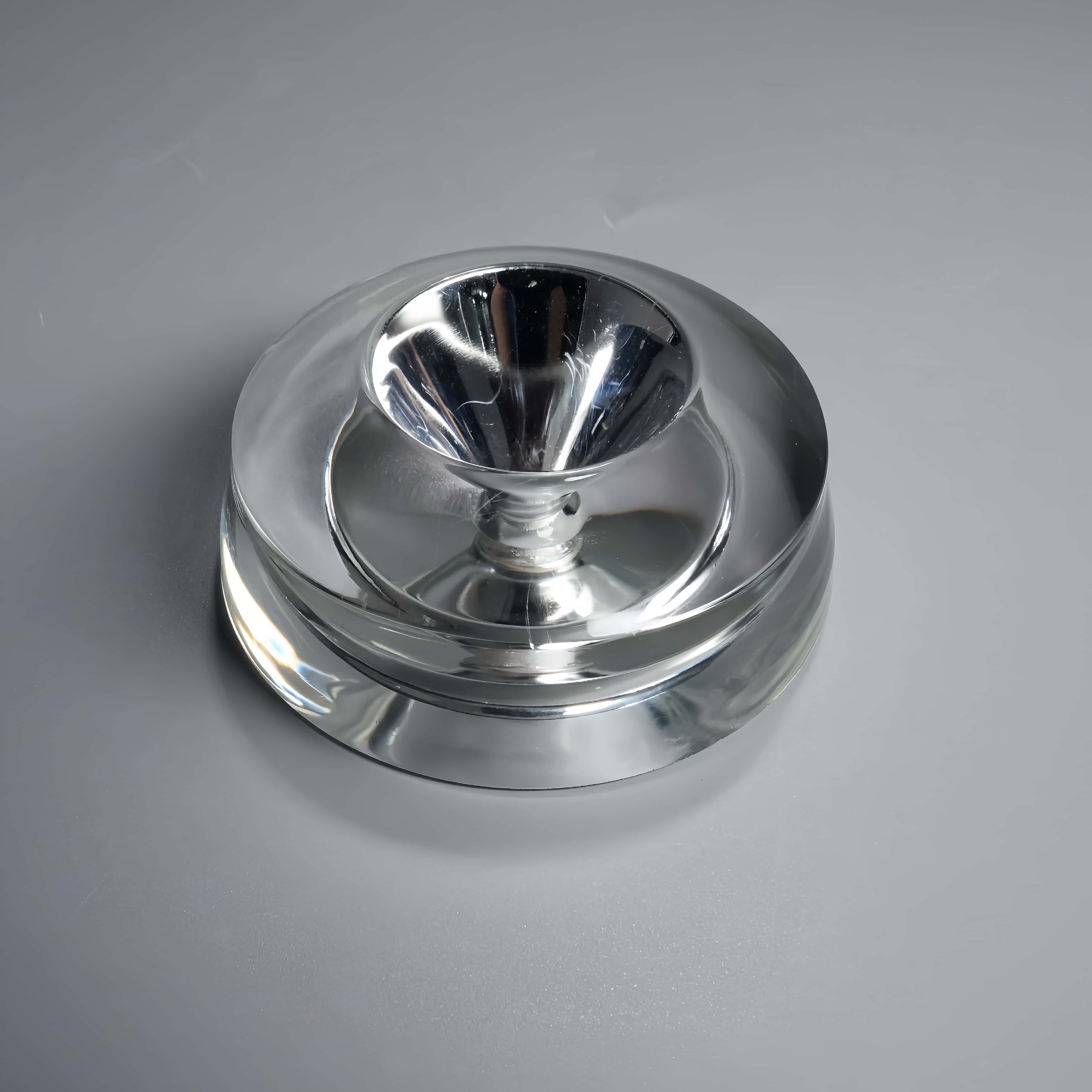
Factory China Custom Size Mold Pressed Borosilicate Bk7 K9 Eco-Friendly LED Optical Glass Lens for Taxiway Runway Airport Ground
Heat-resistant runway and taxiway lenses for airport ground lighting and harsh outdoor use.
View product details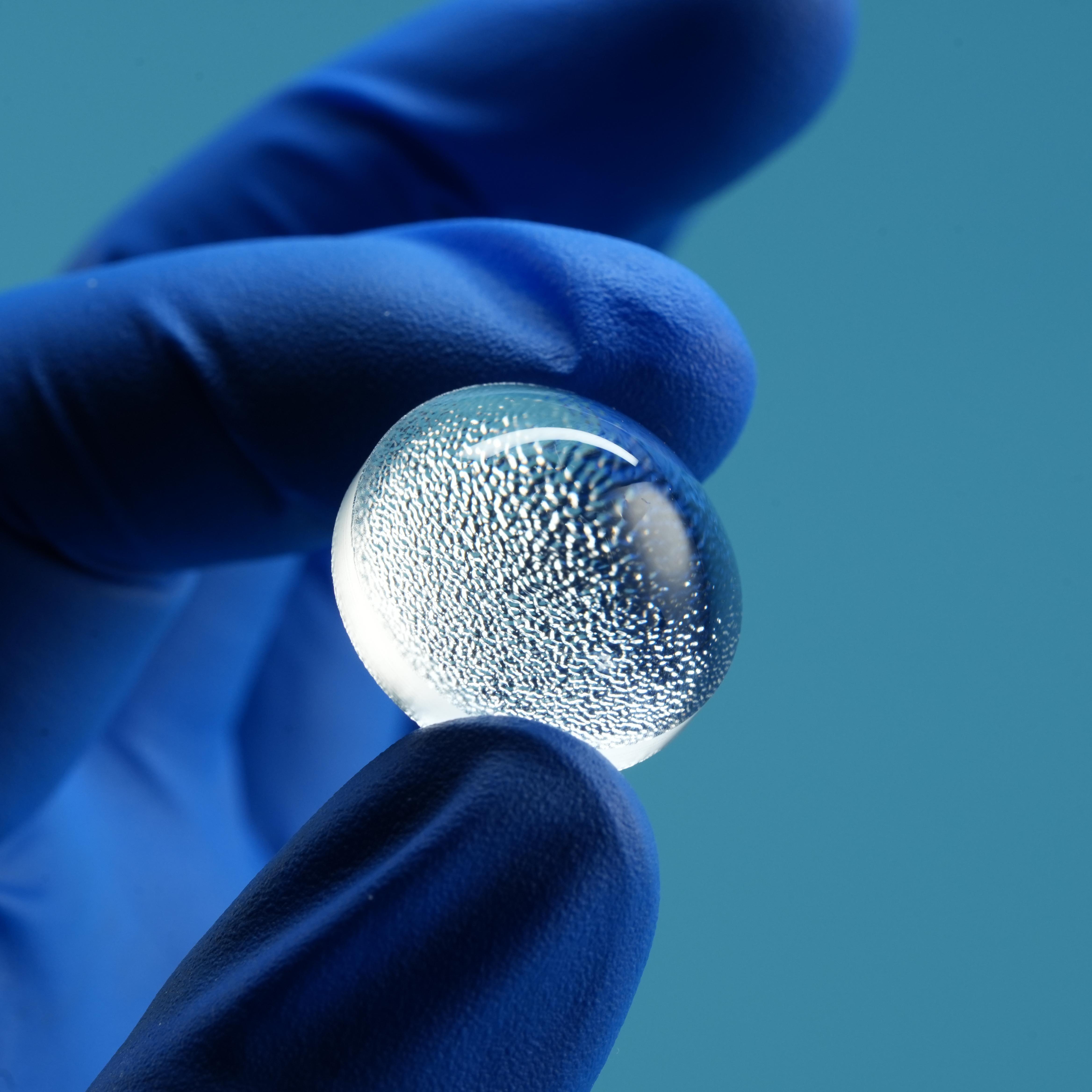
Factory Price Custom Precision Optical 1-200mm Clear BK7 Spherical Quartz Glass Half Ball Concave/Biconvex Lens Anti-Reflective
Custom BK7 and quartz spherical lenses with AR coating for instruments and sensors.
View product details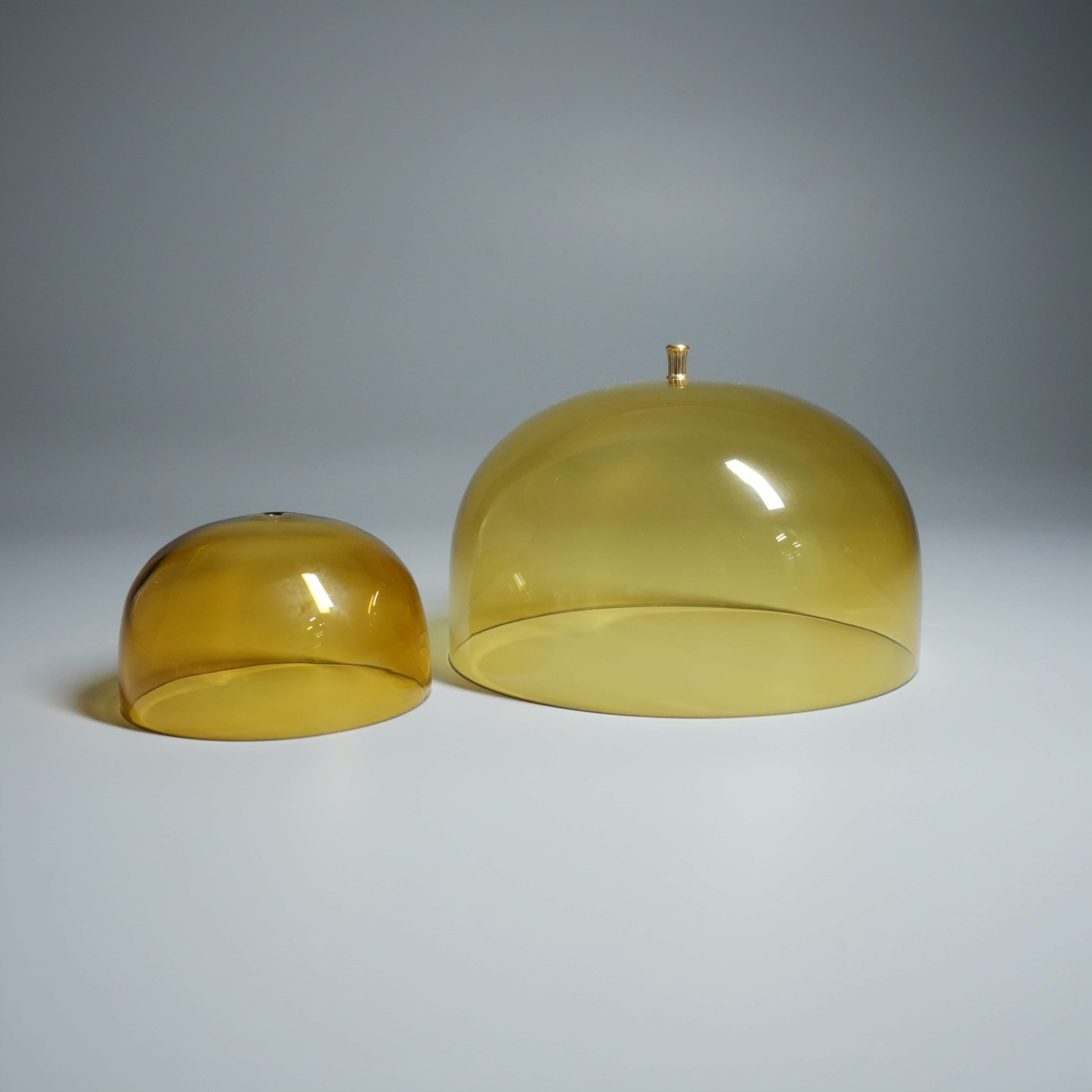
Certified Glass Cover for Food Machinery and Medical Equipment, Chemical Resistant
Chemical-resistant glass covers for washdown, medical and food-processing machinery.
View product details
Custom OEM Bo Glass Clear Borosilicate K9 Bk7 B270 Fused Silica Anti-Reflective Coated Square Optical Window 50mm Diameter
AR-coated windows in borosilicate, BK7, B270 and fused silica for sensing enclosures.
View product details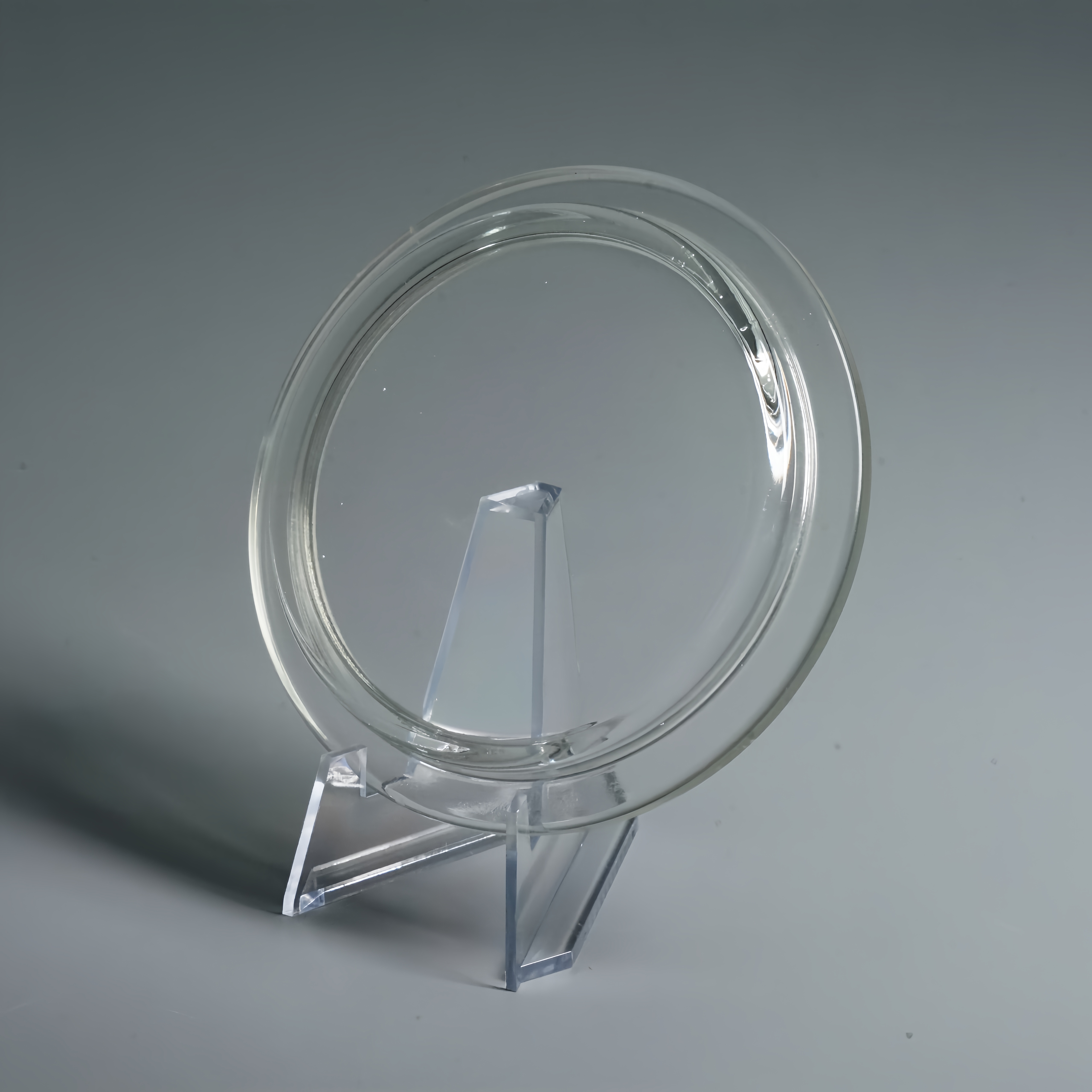
Custom Size Coastal Victorian Outdoor Stage Glass Lampshade Factory Waterproof High Temperature Impact Resistant Silk-Printable
Waterproof, heat-resistant lampshades for coastal, stage and architectural lighting.
View product detailsWhat Buyers Really Mean by “Top China Toughened Glass Manufacturers”
A high-value supplier is not the factory that simply says “yes” to every drawing. It is the factory that identifies whether the part should be thermally tempered, heat-strengthened, chemically strengthened or made from borosilicate 3.3.
For procurement teams, the phrase China toughened glass manufacturers usually combines four different purchase intents. The first is impact resistance: outdoor luminaires, marine signal lights, airport fixtures, stage lights and industrial covers must survive impact without shattering into unsafe fragments. The second is thermal shock resistance: high-power LEDs, halogen lamps and explosion-proof fixtures generate heat, while rain, washdown water or cold ambient air can create steep temperature gradients across the glass surface.
The third intent is optical performance: transmission, haze, color coordinates, AR coating, cut-off wavelength and surface flatness can matter more than the glass price. The fourth is supplier risk: documentation, packaging, repeatability, sample approval, raw material traceability and the ability to answer technical questions quickly. This is the information-gain layer that separates a reliable China glass factory from a price-only trading intermediary.
“Toughened glass” is often used as a broad commercial term. Technically, tempered soda-lime glass gains impact strength through controlled heating and rapid cooling. Borosilicate 3.3 achieves its reputation through a low coefficient of thermal expansion of approximately 3.3 × 10⁻⁶/K. Fused quartz pushes heat resistance further, while optical BK7 is selected for refractive homogeneity and imaging performance. A credible manufacturer should help you choose the material and forming route from your surface temperature, impact standard, gasket design, coating target and annual volume rather than from a generic catalogue page.
This is also where Design for Manufacturability becomes commercially valuable. Wall thickness, draft angle, edge quality, annealing stress, sealing faces and optical path alignment all influence yield. When a factory reviews these details before tooling, buyers avoid the hidden cost of cracked covers, delamination, coating failure and dimensional mismatch after mass production starts.

Engineering review, forming, annealing and inspection are more reliable buying signals than a list of generic certifications alone.
Application-First Intent
Buyers searching for runway lenses, explosion-proof lampshades, LiDAR domes or medical glass covers need application-specific material and inspection criteria.
Material-First Intent
Borosilicate, tempered soda-lime, fused quartz and BK7 are not interchangeable. Each has a different cost, thermal limit, optical behavior and fabrication route.
Supplier-Risk Intent
Factory audit, sample speed, packaging validation, response time and export experience often decide whether a purchase order is awarded.
Product Trends Shaping the Next Generation of Toughened and Technical Glass
The next purchasing cycle will reward factories that can combine strength, optical function, coating durability and clean production data in one supply chain.
Thin-Wall Strength
Luminaires and sensing devices are becoming smaller and lighter. Buyers want thinner glass with controlled edge quality, uniform tempering and stable sealing faces.
AR and Functional Coatings
Broadband AR, hydrophobic, hard-coat and bandpass coatings are moving from premium optics into mainstream lighting, LiDAR and industrial sensing.
Harsh-Environment Hybrids
Explosion-proof, coastal, marine and high-temperature fixtures are driving demand for borosilicate covers with thicker walls and tighter annealing control.
Sensor-Ready Optics
LiDAR domes, machine-vision windows and medical instrument glass need optical measurement, coating adhesion data and consistent dimensional repeatability.
A China toughened glass factory with only a tempering furnace is not enough. The strongest supplier combines thermal processing, borosilicate forming, precision grinding, coating and documented inspection under one quality system.
How Global OEMs Will Buy China Toughened Glass in 2025–2030
Purchasing is shifting from “lowest piece price” to “lowest total risk” — a change that favors factories with engineering depth, transparent data and flexible production.
Dual Sourcing and Continuity
OEMs are reducing single-factory risk by qualifying one primary and one secondary source. A factory that supports drawing-based production and existing mold options is easier to add as a second source.
Digital RFQ Packages
Buyers now send 2D/3D drawings, CTQ lists, surface requirements, annual volumes and target dates. Fast, structured engineering feedback becomes part of the supplier scorecard.
Traceability and Reports
Material certificates, dimensional reports, coating data, visual inspection records and packaging photos are increasingly expected before shipment, especially for aviation, marine and medical projects.
Total Landed Cost
Breakage, rework, customs delay and field failure cost more than a few cents per piece. Reliable packing, stable color and repeatable dimensions protect the total landed cost.
For SEO and real procurement value, the phrase “China toughened glass manufacturer” should be evaluated against evidence: DFM comments, sample cycle time, inspection method, packaging design, export records and technical responsiveness.
Tempered Glass vs Borosilicate vs Fused Quartz vs BK7
A visual decision guide for buyers comparing strength, thermal shock and optical performance before requesting a quotation.
Borosilicate 3.3
Excellent thermal-shock resistance for explosion-proof lampshades, high-power LED covers and Fresnel lenses.
Tempered Soda-Lime
High impact strength and economical cost for outdoor covers, floodlight glass and vandal-resistant lenses.
Fused Quartz
UV transmission and extreme temperature resistance for UV optics and high-temperature windows.
Optical BK7 / K9
Homogeneous optical glass with nd ≈ 1.517 for precision lenses, prisms, mirrors and filters.
Reference values only. Final selection must be confirmed against the lamp surface temperature, impact rating, sealing method, coating requirement and the certification standard of your finished fixture.
Where a Reliable China Glass Factory Creates Measurable Value
Different applications stress glass in different ways. The material and process should follow the operating environment, not a generic catalogue category.
Airport & Aviation
Runway, taxiway and obstruction light lenses with stable red/clear transmission and heat resistance.
Marine & Offshore
Salt-spray-resistant signal light covers, domes and lampshades for ships and ports.
Oil, Gas & Chemical
Explosion-proof borosilicate lampshades and emergency lighting glass for hazardous zones.
Stage & Entertainment
Fresnel, prism and effect lenses that tolerate the heat of high-power LED and COB modules.
Automotive & Outdoor LED
Projection lenses, IP68 lenses and reflectors for headlights, floodlights and street lighting.
LiDAR & Scientific
Pressure-rated domes, hemispherical windows, prisms and filters for sensing systems.
Food & Medical
Chemically resistant sight glasses and covers for machinery that is washed down frequently.
Horticulture Lighting
AR-coated convex lenses that keep full-spectrum LED output efficient in indoor farms.
Inside a China Glass Factory Worth Shortlisting
A strong factory does not only show machines. It shows how each production step is controlled, measured and documented before fragile glass leaves the building.
Drawing and DFM Review
Thickness, draft, tolerance, sealing face, optical axis and coating zone are checked before tooling. Potential cracks and fit problems are identified early.
Mold and Batch Control
Existing or new molds are selected according to pressing, blowing or grinding requirements. Raw glass batch and color consistency are tracked.
Forming, Annealing & Tempering
Controlled heating and cooling relieve internal stress. Tempered soda-lime and borosilicate parts follow different process windows.
Coating and Surface Finish
AR coating, bandpass coating, silk printing, edge grinding and surface treatment are validated for adhesion, transmission and appearance.
Inspection and Measurement
Dimensions, wall thickness, bubbles, scratches, color coordinates, transmission and coating performance are checked against the approved sample.
Export Packing Validation
Foam or pulp dividers, reinforced cartons and pallets reduce breakage. Packaging photos can be shared before sea or air shipment.
For high-risk parts, quality control should be discussed before the quotation is finalized. Ask how the factory will verify edge quality, residual stress, color difference, coating adhesion and critical dimensions. Ask which characteristics are checked 100% and which are verified by sampling. This converts vague assurances into a measurable acceptance plan that protects your brand and reduces rework after arrival.
Why Tambi Glass Is a Practical Partner for Toughened, Borosilicate and Optical Glass Projects
Shanghai Tambi Glass Industrial Co., Ltd. combines drawing-based OEM production, material selection, coating and export packing for lighting and optical buyers worldwide.
Drawing-Based OEM / ODM
Most projects start from a 2D/3D drawing or physical sample. Engineers review manufacturability, propose mold options and confirm samples before mass production.
Broad Material Capability
Borosilicate 3.3, tempered glass, quartz, BK7/K9, B270 and other optical glass options support different thermal and optical requirements.
AR and Optical Coatings
Anti-reflective, bandpass, longpass and custom coating routes help improve transmission, reduce glare and meet sensing specifications.
Lighting and Optical Focus
More than a decade of experience with explosion-proof shades, signal domes, LED lenses, Fresnel optics, prisms and filters.
Verification and Transparency
Onsite-verified supplier records, factory video, credit index, trade capacity and buyer feedback help procurement teams complete supplier qualification.
Fast Technical Response
Average response within 6 hours for drawing-based inquiries. Export packing and labeling can be customized for distributors and OEMs.
Company profile reference: Shanghai, China · manufacturer and trading company · 11–50 people · US$2.5M–5M annual export revenue · custom borosilicate covers, explosion-proof lampshades, signal light domes, LED lenses, prisms and optical filters.
China Toughened Glass Manufacturers & Factory: Common Procurement Questions
These are the questions technical buyers, sourcing managers and product engineers ask before placing a sample or production order.
Can you manufacture glass covers and lenses to my own drawing?
Should I choose borosilicate glass or tempered soda-lime glass?
What is the typical minimum order quantity?
Do you supply glass for FAA L-810 and EN 50293 lighting fixtures?
How do you control color and light transmission?
How fast do you reply to technical inquiries?
How are fragile glass parts packed for export?
Can you provide samples and inspection reports?
Have a Drawing? Turn It Into a Production-Ready Glass Part.
Share your dimensions, material preference, operating temperature, coating requirement and annual volume. Our engineers will review the drawing, identify manufacturing risks and recommend the most reliable glass solution for your fixture or optical assembly.