Procurement-Grade Guide for OEM Buyers

Top China Optical Glass Manufacturers & Exporter

How global lighting, aviation, marine, LiDAR, instrumentation and industrial OEMs should evaluate Chinese optical glass suppliers, materials, coatings and drawing-based manufacturing.

Product Recommendation

8 Optical Glass Products Buyers Source from China

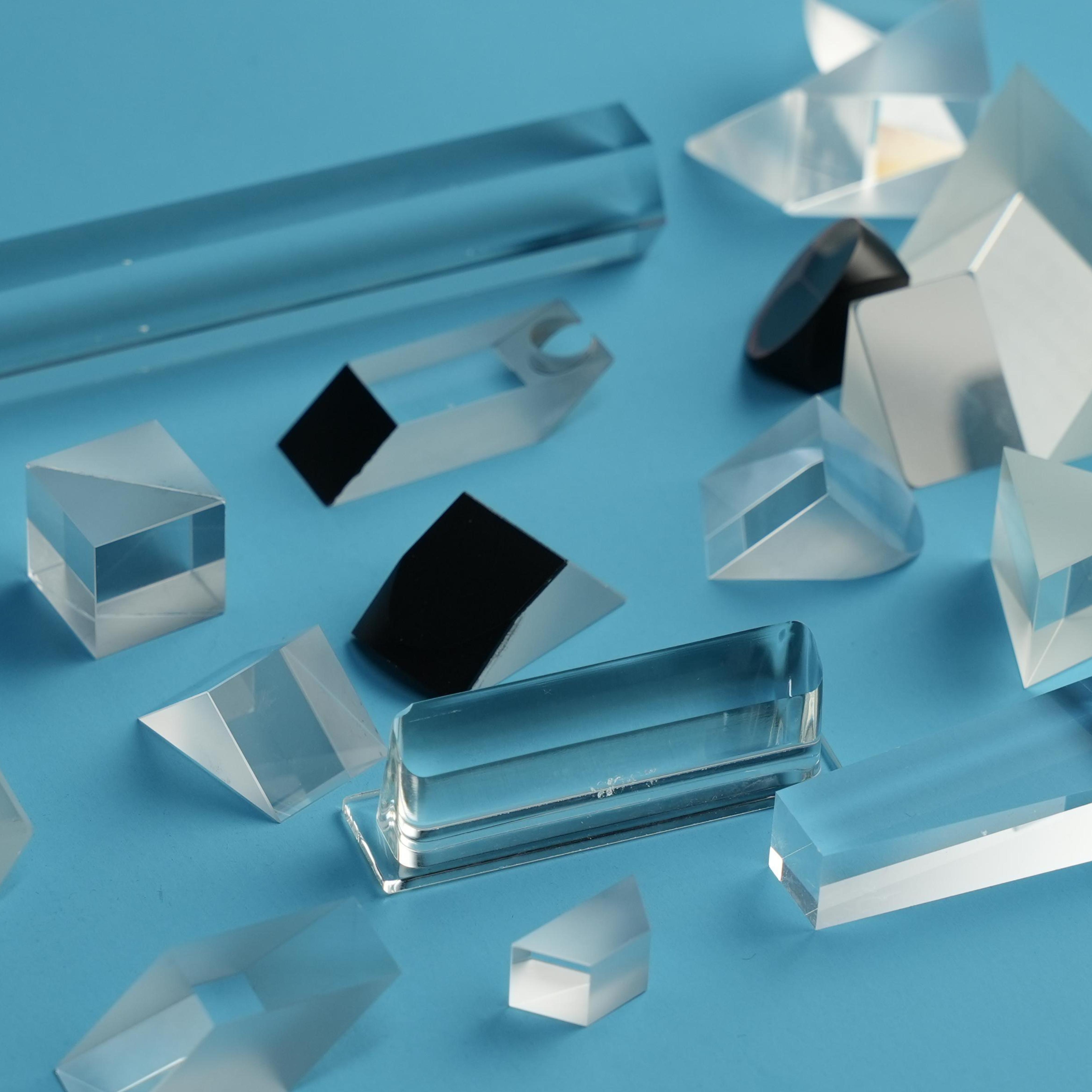
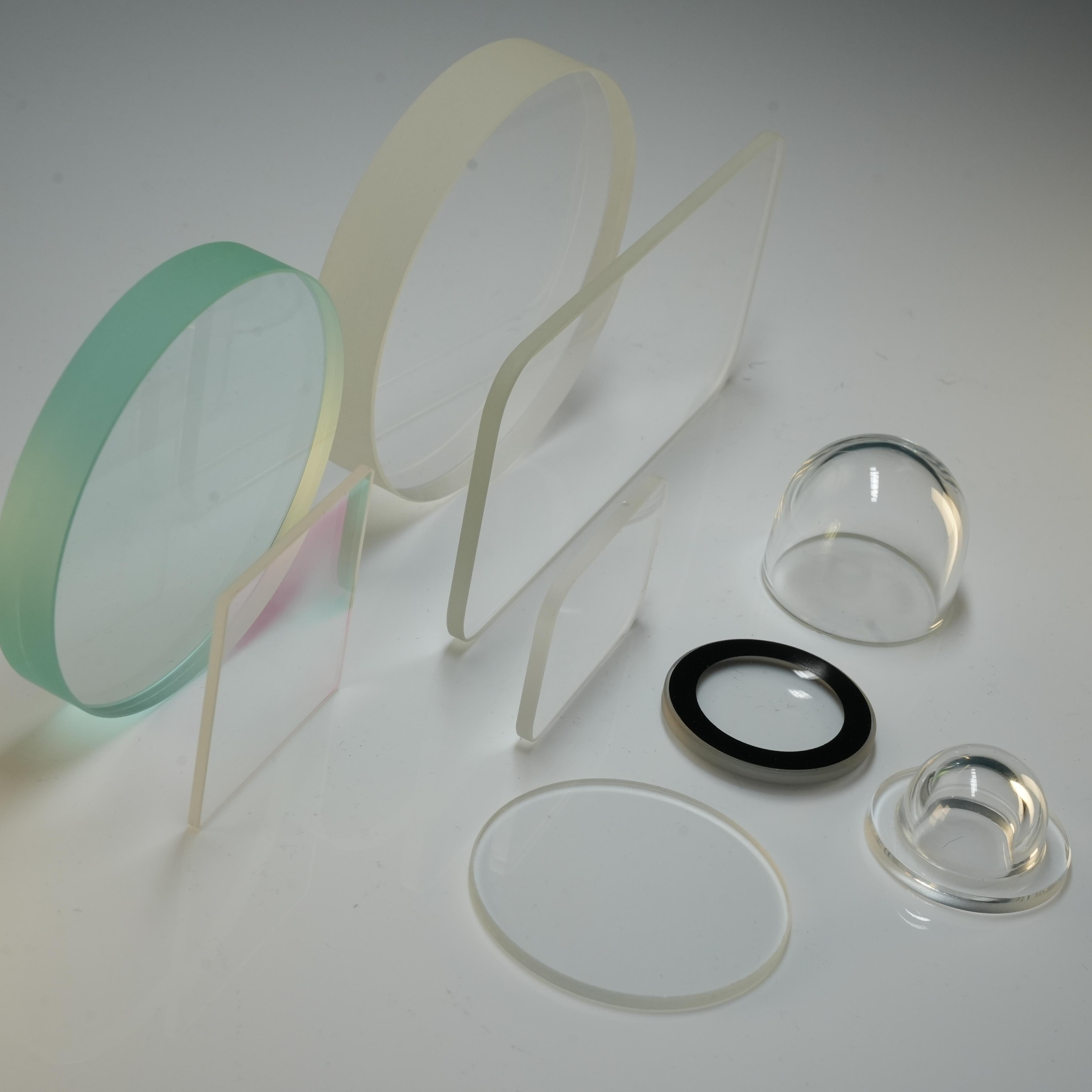
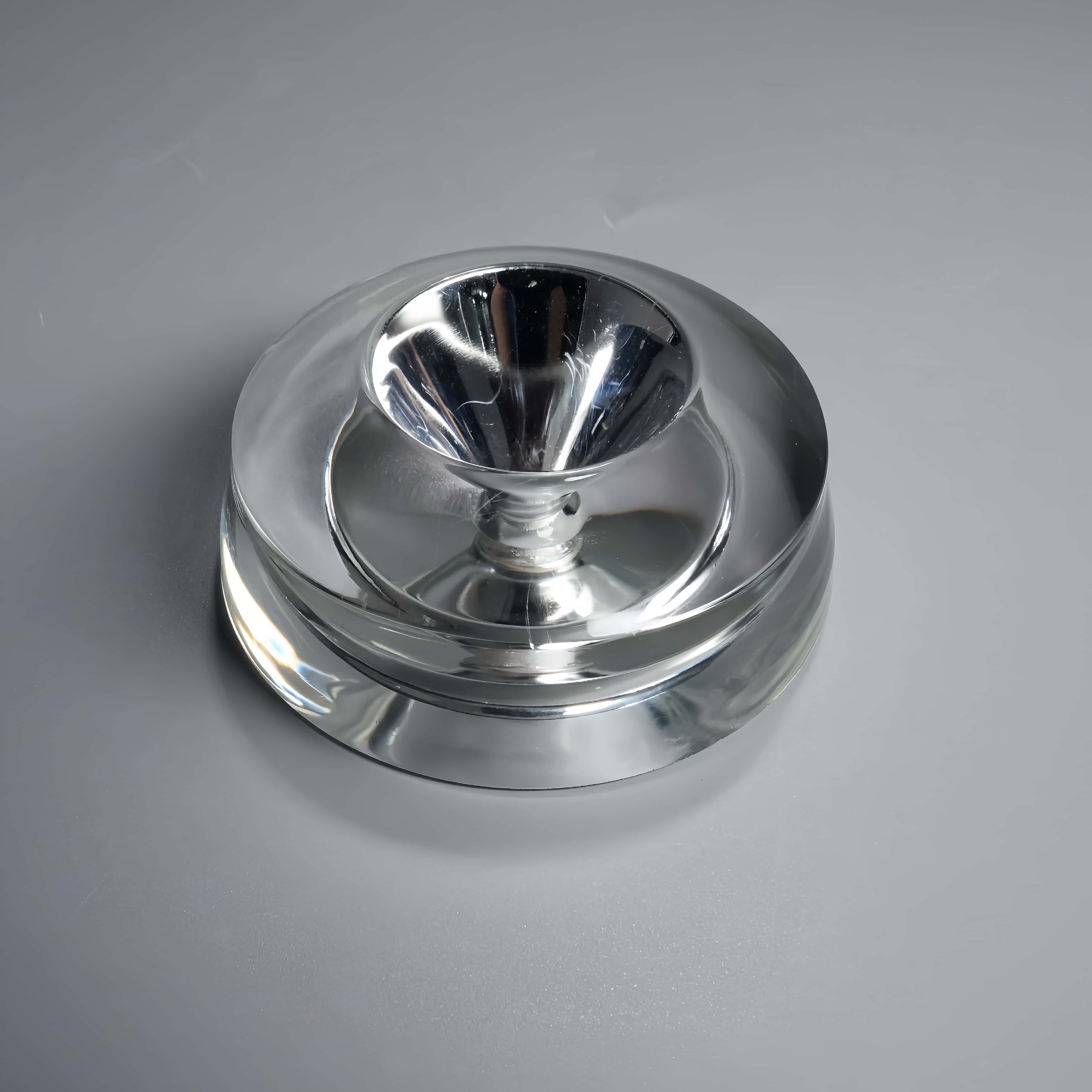
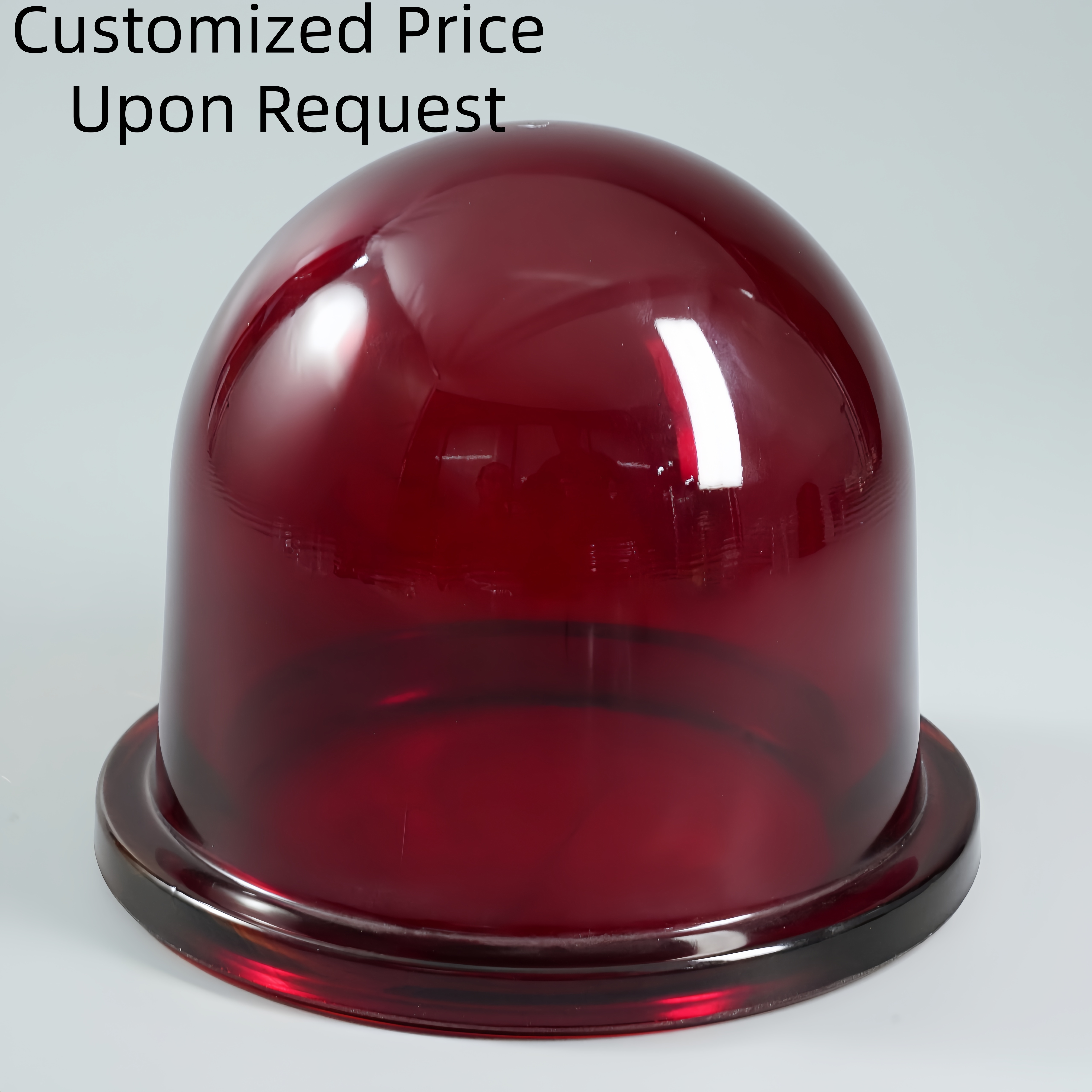
This shortlist reflects the product families international procurement teams most often request from Shanghai Tambi Glass Industrial Co., Ltd. Every item can be customized by dimension, tolerance, glass grade, edge finish, tempering, coating and packaging. Product URLs are preserved exactly as supplied, and images are displayed uncropped so buyers can compare geometry before requesting a sample.

Supplier Snapshot

A China Optical Glass Exporter Built for Drawing-Based Programs

The right supplier is not simply the one with the lowest unit price. It is the one that can review a drawing, match the glass to the thermal and optical load, control coating quality, document inspection results and pack fragile optics for export without creating hidden costs.

10+Years in lighting and optical glass
≤6hAverage technical response time
11–50Team supporting OEM and ODM orders
US$2.5M–5MAnnual export revenue range
Enterprise Advantage

Engineering Evidence Matters More Than a Catalog Photo

Shanghai Tambi Glass Industrial Co., Ltd. is a manufacturer and trading company based in Shanghai, China, producing custom borosilicate glass covers, explosion-proof lampshades, signal light glass domes, LED lenses, prisms, optical filters, optical windows and related lighting and optical components for OEM buyers worldwide. The company has more than a decade of application experience in real luminaires: heat build-up behind high-power LEDs, thermal shock from rain on hot covers, impact loads in hazardous areas and color accuracy for aviation and marine signal lights.

For procurement teams, that experience becomes useful only when it is verifiable. The supplier profile includes an onsite-verified factory record, Supplier Assessment, Credit Index, Transaction Level, Trade Capacity, Trade History and buyer Ratings & Reviews. The company works with long-term partners in Europe, North America and Japan, combines pressed, blown, ground and coated processes under one supply chain, and maintains a drawing-based OEM/ODM model rather than forcing buyers into a fixed catalog.

  • Drawing-based OEM and ODM production
  • Borosilicate, tempered, quartz and BK7/K9
  • AR and optical coatings
  • Onsite-verified supplier record
Send an Inquiry

Shanghai Tambi Glass factory workshop for custom lighting and optical glass
LocationShanghai, China
Business typeManufacturer and trading company
SpecialisationCustom lighting and optical glass
Key materialsBorosilicate 3.3, tempered soda-lime, fused quartz, BK7/K9
ProcessesPressed, blown, ground, tempered and coated glass
Quality supportMaterial and inspection reports on request

Drawing Review Before Tooling

Senior lighting and molding engineers review wall thickness, draft, sealing faces and optical-path alignment before a mold is made, reducing late-stage redesign risk.

Material and Coating Breadth

Borosilicate, tempered soda-lime, fused quartz, BK7/K9 and AR-coated optics can be specified around the fixture temperature, impact rating and optical target.

Thermal-Shock Engineering

Borosilicate 3.3 is selected where hot lamp covers can meet cold rain or washdown water, while tempered soda-lime is used where impact strength and cost control dominate.

Onsite-Verified Transparency

Independent records help procurement and quality teams complete supplier qualification faster and reduce the perceived risk of sourcing from China.

Fast Technical Response

Average replies within six hours help buyers keep samples, costing and engineering reviews moving without adding unnecessary weeks to the development cycle.

Export-Ready Fragile Glass Packing

Foam or pulp dividers, reinforced export cartons, palletization and custom distributor labeling reduce breakage and make sea or air freight more predictable.

Future Procurement Trends

China Optical Glass Procurement Trends 2025–2030

The buying logic for optical glass is shifting from commodity purchasing to engineering risk management. Buyers are no longer asking only for a price per piece; they are asking how the material, coating, inspection record and packaging will behave in the field.

From Catalog Buying to Drawing-Based RFQs

More buyers now send 2D/3D drawings, sealing-face requirements and annual volume before asking for a quotation. Suppliers that can perform manufacturability review early become more valuable than those that simply list stock sizes.

From Lowest Piece Price to Total Qualification Cost

Procurement teams are adding sample iterations, inspection reports, breakage during transit and field-return risk into the cost model. A slightly higher glass price can be cheaper than a failed certification test or a cracked cover in service.

From Single-Source to Verified Dual Sourcing

Global buyers want a primary supplier plus a qualified alternative. Onsite verification, credit records and trade history make it easier to justify a Chinese supplier to internal risk and compliance teams.

From Basic Transmission to Coating-Level Control

AR coatings, bandpass filters, UV resistance and color consistency are now specified with measurable targets. Buyers increasingly ask for coating adhesion, transmission and dimensional evidence rather than visual inspection alone.

From Large Batches to High-Mix Launches

LED, LiDAR, automotive and horticulture products are fragmenting into more variants. Suppliers need flexible mold strategies, sample quantities and production planning that can support low-volume first launches before scaling.

From Linear Supply Chains to Data-Backed Traceability

Material grade, batch traceability, inspection criteria and packaging records are becoming part of the purchase order. This is especially important for aviation, marine, hazardous-area and optical sensing programmes.

Procurement Scorecard: What to Verify Before Releasing a PO

Drawing and DFM review before quotation100%
Material and coating evidence available on request96%
Average technical response within one working day92%
Export packing matched to fragile optical parts88%
Product Development Trends

Where Optical and Lighting Glass Is Heading Next

Material choice is becoming more application-specific. A single “glass” specification is no longer enough when the same factory may supply an explosion-proof street light shade, a LiDAR dome and a precision BK7 prism.

Borosilicate 3.3

Low thermal expansion makes it the practical choice for high-power LED covers, explosion-proof shades, Fresnel lenses and parts exposed to sudden temperature change.

Fused Silica and Quartz

UV transmission and extreme heat resistance support scientific windows, high-temperature optics and sensing components where soda-lime glass would fail.

BK7 and K9 Optical Glass

Homogeneous optical properties suit precision lenses, prisms, mirrors and filters where consistent refractive index and surface quality are critical.

Coated and Tempered Glass

AR coatings, bandpass filters, red or green signal colors and tempered soda-lime glass expand the design space for aviation, marine and outdoor fixtures.

MaterialThermal expansion (×10⁻⁶/K)Typical max. working temp.Key strengthBest for
Borosilicate 3.3≈ 3.3≈ 450 °CExcellent thermal-shock resistanceExplosion-proof shades, high-power LED covers, Fresnel lenses
Tempered soda-lime≈ 9.0≈ 250 °CHigh impact strength, economicalOutdoor covers, floodlight glass, vandal-resistant lenses
Fused quartz≈ 0.55≈ 1000 °C+UV transmission, extreme heatUV optics, high-temperature windows
Optical BK7 (H-K9L)≈ 7.1≈ 300 °CHomogeneous, nd ≈ 1.517Precision lenses, prisms, mirrors, filters

Values are typical references. Final specification should be confirmed against your drawing, lamp surface temperature, impact rating, coating target and the standard your fixture must meet.

Domes for LiDAR and Outdoor Cameras

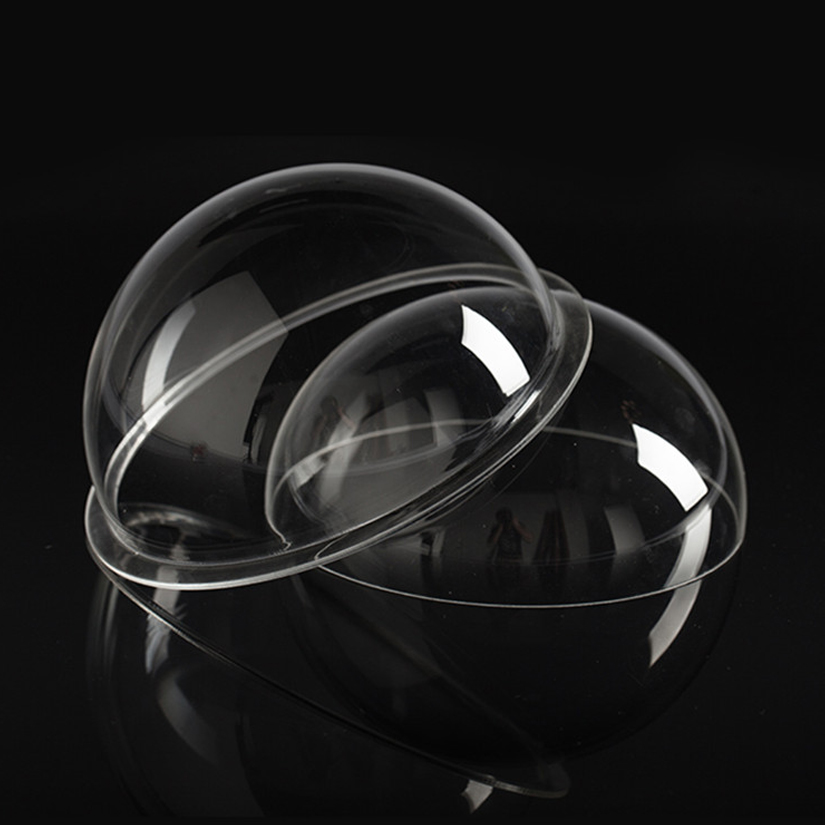
Optical domes are moving from simple protective covers to coated optical surfaces. Buyers now specify UV resistance, waterproof housings, AR coating and hemispherical accuracy for LiDAR, CCTV and outdoor IP cameras.

AR-Coated LED and Stage Lenses

High-power LED and stage lighting modules create heat and demand efficient light extraction. Borosilicate Fresnel and convex lenses with anti-reflective coating are replacing lower-temperature glass in demanding fixtures.

Signal Light Glass with Color Consistency

Aviation obstruction, runway and marine signal lights depend on stable red, green or clear transmission. Buyers increasingly request chromaticity and transmission checks in addition to dimensions.

Explosion-Proof and High-Temperature Shades

Oil, gas, chemical and outdoor street lighting applications continue to demand thick-wall borosilicate or tempered glass shades that tolerate heat, impact and washdown without cracking.

Automotive and Horticulture Optics

Car light accessories, projection lenses and grow-light convex lenses are becoming more customised by shape, color and coating to fit compact modules and full-spectrum LED output.

High-Mix, Lower-Volume Customisation

Product lifecycles are shorter. Suppliers that can move from drawing to sample with existing mold options and controlled tooling investment will win more first-generation programmes.

Quality Path

A 6-Step Procurement Framework for Reducing Field Failures

A clear process is more useful than a generic quality claim. The following checkpoints help buyers compare suppliers on engineering discipline, not only price.

01

Drawing and Application Review

Confirm optical path, sealing face, wall thickness, draft, tolerance, surface finish and expected thermal load before tooling is discussed.

02

Material Selection

Match coefficient of thermal expansion, maximum working temperature, impact requirement, UV exposure and coating target to the real operating environment.

03

Mold and Prototype

Choose pressed, blown or ground production based on geometry and volume. Approve a sample for fit, light performance and sealing before mass production.

04

Forming and Annealing

Controlled annealing or tempering relieves internal stress and reduces the risk of cracks during installation, transport or sudden temperature change.

05

Coating and Inspection

Apply AR or color coating where required, then check dimensions, appearance, parallelism or profile, coating condition and agreed optical criteria.

06

Export Packing and Release

Separate parts with foam or pulp dividers, pack into reinforced cartons and palletize for sea or air freight. Custom labels and distributor packaging can be arranged.

Buyer FAQ

What Procurement Teams Ask Before Sourcing Optical Glass from China

These answers address the technical, commercial and logistics questions that most often appear during supplier qualification.

Can you manufacture glass covers and lenses to my own drawing?
Yes. Most orders are drawing-based. Send a 2D/3D drawing or a physical sample with dimensions, tolerance, material, color and coating requirements. Our engineers review manufacturability, propose mold options and confirm samples before mass production.
What is the typical minimum order quantity?
Typical MOQs range from 50 pieces for optical lenses to 100–500 pieces for pressed or blown lighting covers, depending on whether an existing mold can be used. Sample quantities are available for evaluation.
Should I choose borosilicate glass or tempered soda-lime glass?
Borosilicate 3.3 has a low thermal expansion of about 3.3 × 10⁻⁶/K, so it tolerates high lamp temperatures and sudden rain or cold-water contact better. Tempered soda-lime glass offers high impact strength at a lower cost for moderate temperatures. The right choice depends on surface temperature, impact rating and the certification of your fixture.
Do you supply glass for FAA L-810 and EN 50293 lighting fixtures?
We produce glass lenses and domes for fixture makers whose obstruction and signal lights are designed to FAA L-810 or EN 50293 requirements. Fixture certification is held by the luminaire manufacturer; we match color, transmission and dimensional specifications and can provide material and inspection reports on request.
How fast do you reply to technical inquiries?
Our average response time is within 6 hours. Email info@tambiglass.com with your drawing and annual volume for a technical and commercial review.
How are fragile glass parts packed for export?
Parts are separated by foam or pulp dividers, packed in reinforced export cartons and palletized for sea or air freight. Custom packaging and labeling for distributors can be arranged.
What information helps you quote an optical glass part faster?
Send the drawing, material grade, dimensions, tolerance, surface finish, coating target, annual volume, sample quantity and the operating temperature or impact requirement. If a physical sample exists, share photos from several angles and key measurements. This information lets the engineering team check mold feasibility and optical risk before quoting.
How do you validate optical coating and transmission requirements?
The exact inspection plan depends on the product. Buyers can specify transmission range, coating adhesion, color chromaticity, dimensional checks and visual criteria. For sensitive projects, the agreed criteria should be written into the purchase order and confirmed on the approved sample before mass production.
Next Step

Send Your Drawing for a 6-Hour Engineering Review

Share your dimensions, material, operating temperature, coating requirement and annual volume. The engineering team can review manufacturability, suggest the most reliable glass solution and support your sample stage with drawing-based OEM/ODM production.

Send an Inquiry