Top China Magnifying Lens Suppliers & Wholesaler
A sourcing-grade reference for buying managers and optical engineers: how magnifying lenses, Fresnel optics and matched glass components are specified, verified and shipped by a factory-verified Chinese manufacturer and trading partner.
Eight Factory-Ready Glass Parts Buyers Reorder Most
This is not a generic catalogue page. These eight items are the parts our lighting and optical customers put back on purchase orders. Each one can be re-dimensioned, re-coated or re-edged to fit your housing, gasket and certification route.
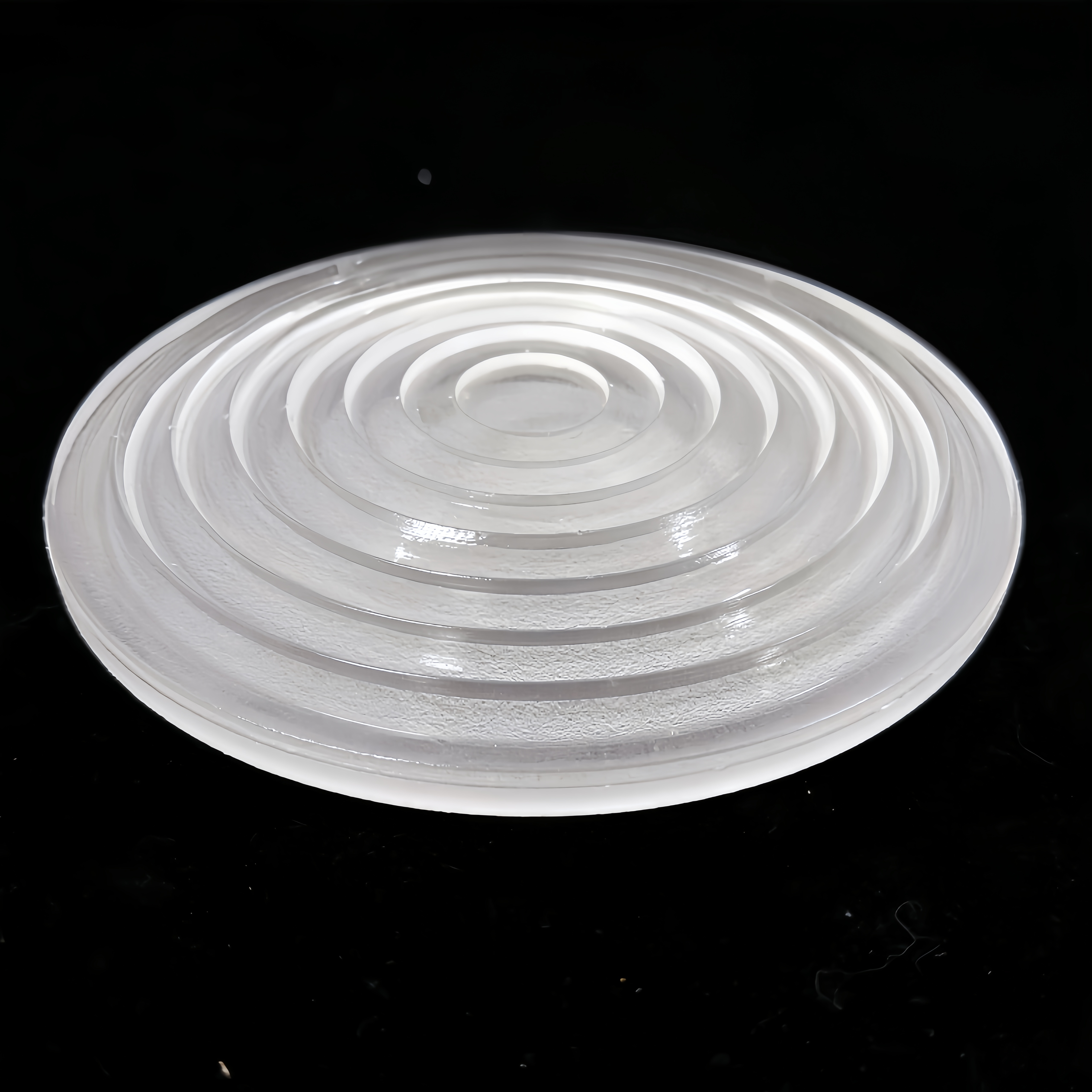
High Temperature Resistant Borosilicate Glass Fresnel Lens Anti-Reflective Coating High Power LED Collimation Stage Lighting
Fire-polished Fresnel prisms that keep collimation tight even when the LED module behind them runs hot.
View product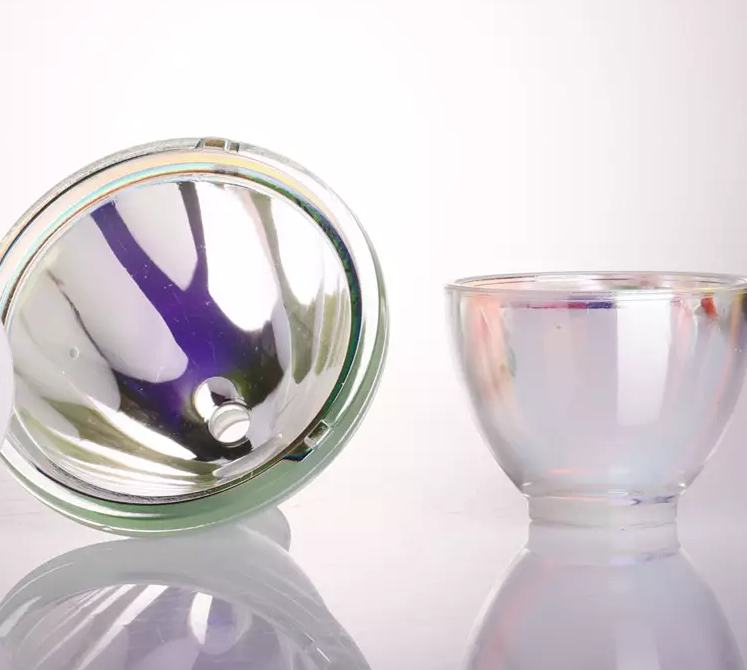
COB Glass LED Reflector Bowl Manufacturer Deep Design Perfect Beam Spotlights Projector Lights 20 60 90 Beam Angle
Deep bowl geometry for clean beam cut-off at 20°, 60° and 90°, pressed in one piece for stable light distribution.
View product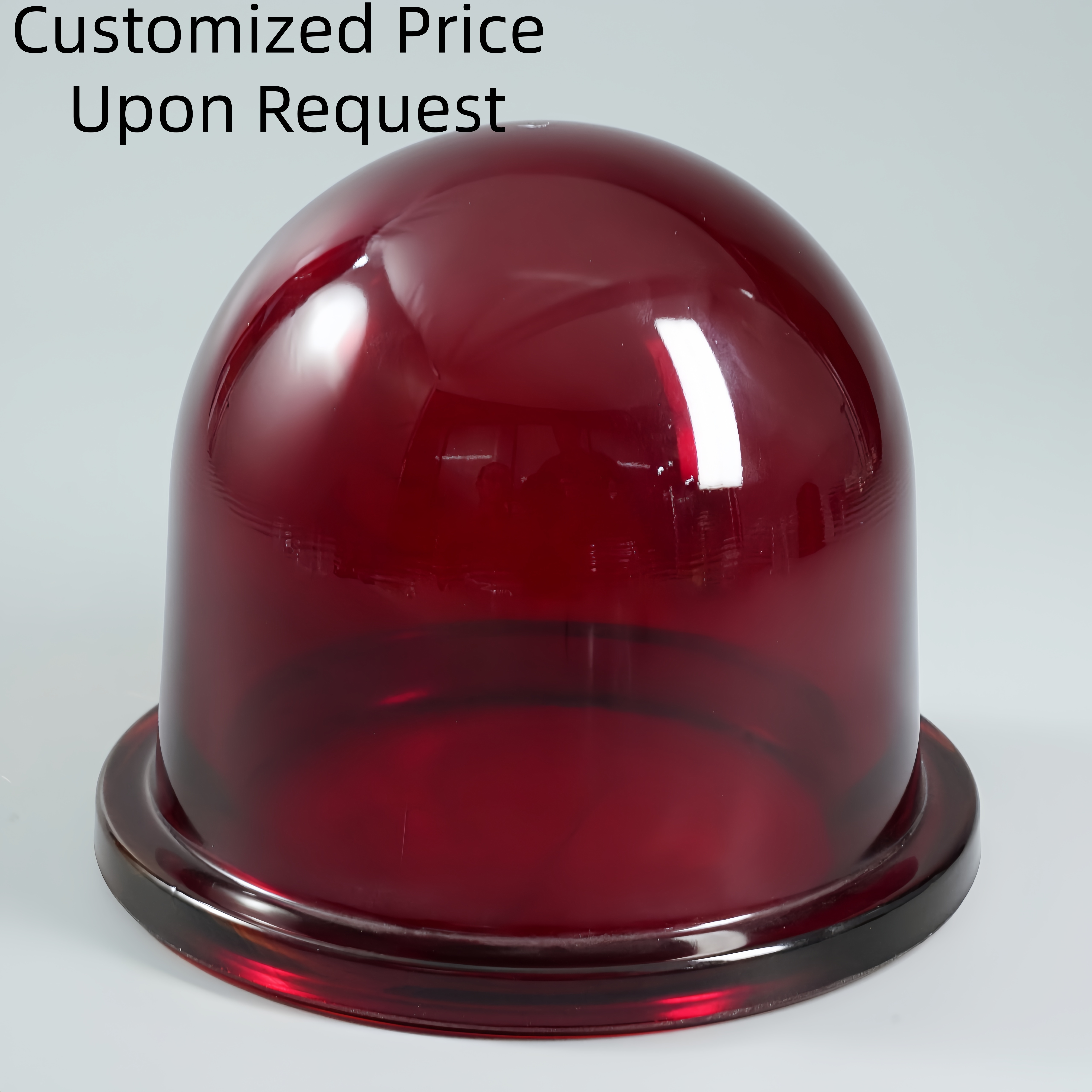
High-temperature Resistant Pressed Glass Shade, Explosion-proof & Crack-proof, Outdoor Street Light Specific
Thick-walled pressed shade that survives rain contact on a hot cover and keeps its sealing face flat.
View product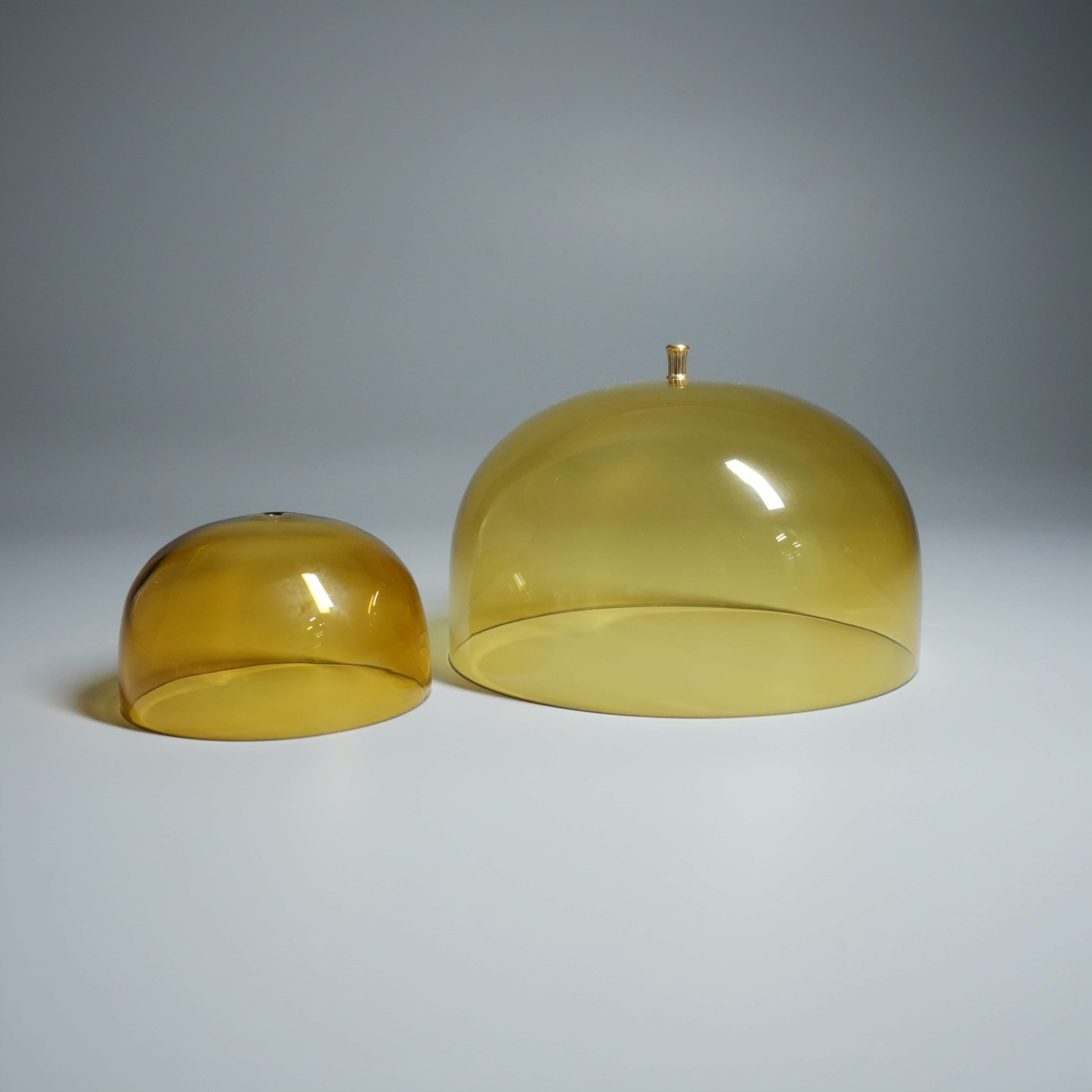
Certified Glass Cover for Food Machinery and Medical Equipment, Chemical Resistant
Chemical-resistant covers for machinery that is washed down with detergents several times a day.
View product
Borosilicate Transparent Explosion-proof Shade, Heat-resistant & Crack-proof, Transparent Protective Cover
Clear protective cover with high light transmission and tolerance for abrupt temperature swings.
View product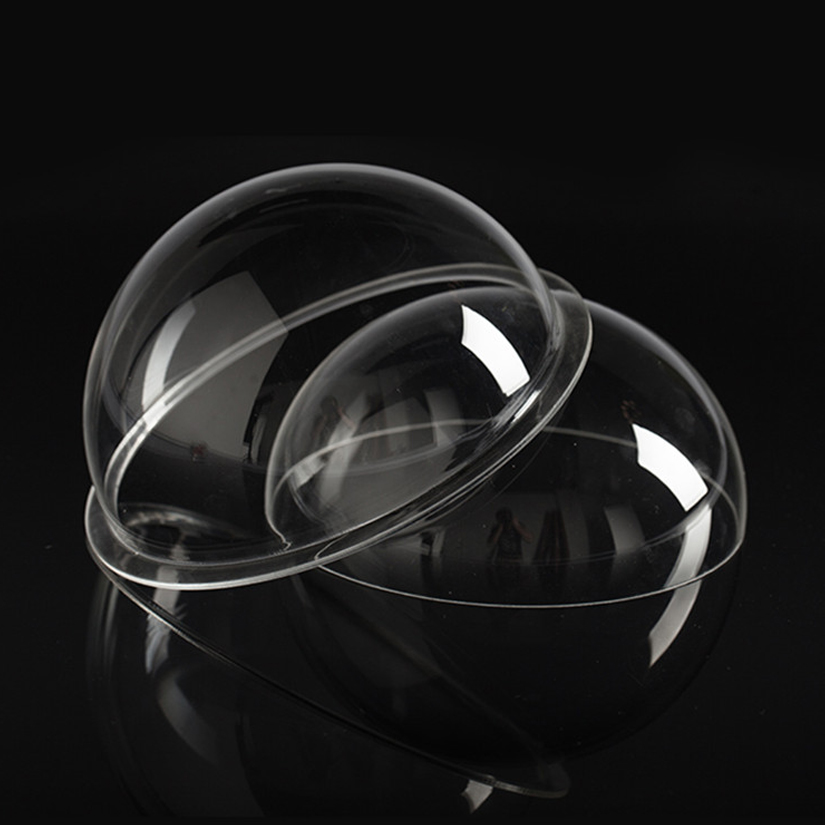
OEM Borosilicate Glass Optical Dome Cover for Outdoor IP Cameras UV Resistant Waterproof Housing Anti-Reflective Coating
Waterproof hemispherical window with broadband AR coating for outdoor imaging and sensing housings.
View product
Wholesale OEM Shape Size Borosilicate Glass 175mm Diameter AR Coating Double Plano Convex Achromatic Fresnel Lens BO GLASS Stage
A 175 mm achromatic Fresnel format with AR coating, supplied to OEM stage-lighting programmes.
View product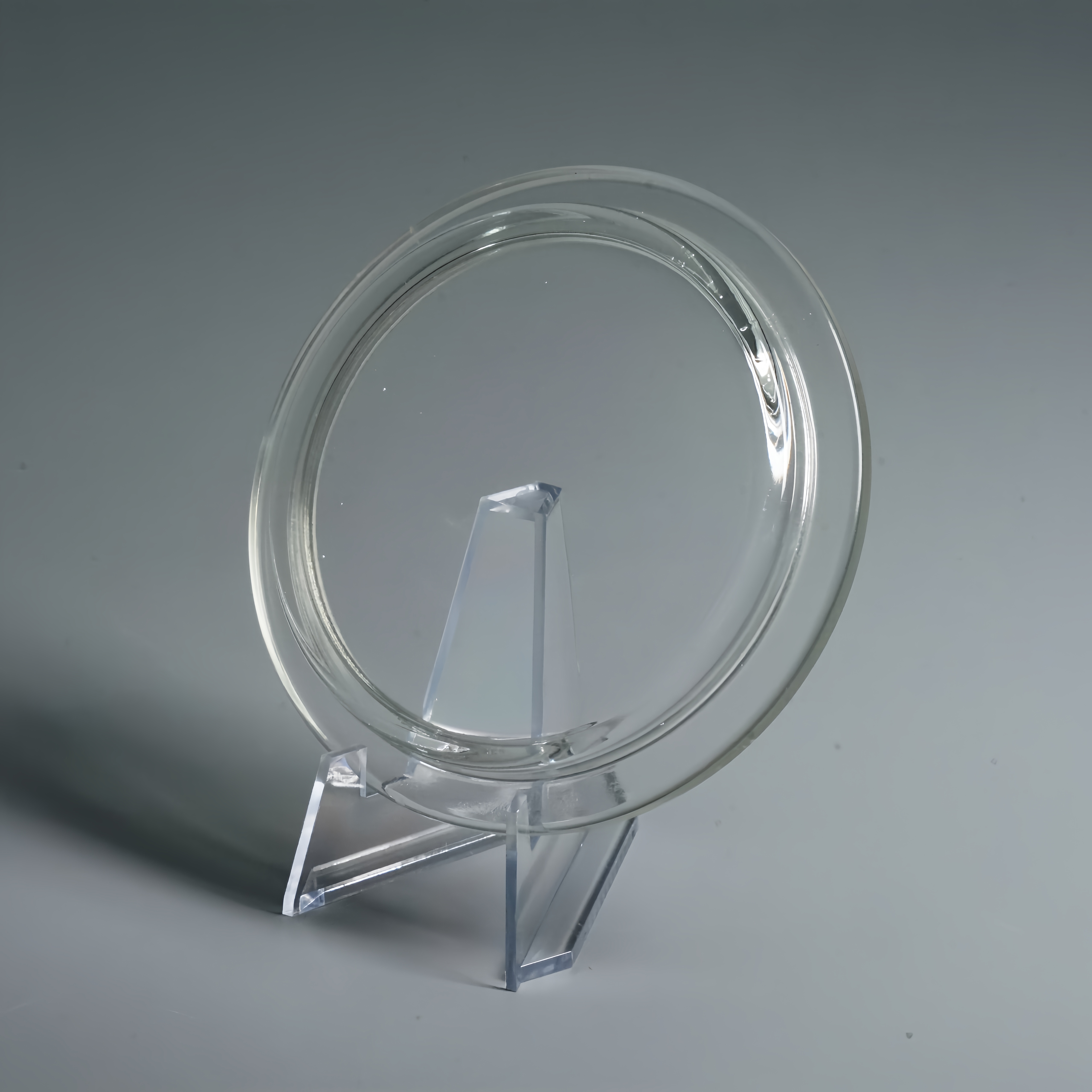
Custom Size Coastal Victorian Outdoor Stage Glass Lampshade Factory Waterproof High Temperature Impact Resistant Silk-Printable
Decorative Victorian profile built for coastal and outdoor posts, with silk-printable surfaces.
View productA Supplier Profile You Can Verify, Not Just Read
Procurement teams rarely award a lens programme on a catalogue alone. These are the operating numbers behind Shanghai Tambi Glass Industrial Co., Ltd. — the entity that would actually hold your purchase order.
What Actually Decides the Quality of a Wholesale Magnifying Lens
A magnifying lens looks like a commodity part — until a 20,000-piece order reaches a retail chain and half of the units show colour fringing around white text. Here is the specification language our engineers use when they review a buyer's drawing.
On a purchase spreadsheet a magnifying lens is one line of product code. Optically, it is a closed system: focal length, clear aperture, substrate, coating and mounting datum together determine what the end user actually sees. Magnifier brands tend to negotiate hardest on unit price, yet price is the variable with the least influence on whether the product returns as a complaint.
Focal length sets the working distance. Reading magnifiers usually sit between 150 mm and 350 mm, so the lens focal length has to land inside that window. Long-focal lenses suit dental, hobby and low-vision applications where the user needs room to work; short-focal lenses serve thin, pocketable formats. Clear aperture and edge thickness then trade off against field of view and assembly: a wider aperture widens the visible field but demands a thicker edge, and every extra millimetre of edge has to be absorbed by the frame without introducing mounting stress.
Substrate and dispersion matter more than most specification sheets admit. At higher magnification an ordinary soda-lime blank will fringe the edges of white characters with blue and yellow, which users describe as "blurry" rather than "chromatic aberration". Where image cleanliness has to be specified, low-dispersion or high-homogeneity materials such as borosilicate 3.3, BK7 or H-K9L become the honest choice. For lightweight, low-cost consumer magnifiers, PMMA still dominates — but heat resistance and scratch resistance are the compromises written into that price.
Coating and annealing are the two invisible costs. A broadband anti-reflective coating lifts transmission from roughly 91% on bare glass toward the high nineties, and the buyer's perception is simply a brighter, cleaner image. Annealing determines internal stress: a lens that skipped a proper annealing curve will chip at the edge during frame insertion while showing nothing wrong at final inspection.
Our standing recommendation to buyers is to put seven items into the RFQ: focal length, clear aperture, centre thickness, edge thickness, glass grade, annealing method and coating curve. Leave any one of them out and the quotations you receive stop being comparable, because each supplier will quietly assume a different default.
Focal Length & Working Distance
Magnification is a consequence of focal length, not a label printed on the box. Confirm the working distance your users expect before the drawing is frozen.
Clear Aperture & Field of View
Aperture drives usable field and edge thickness at the same time. Ask for the full edge-diameter tolerance, not just the nominal diameter.
Substrate & Dispersion
Borosilicate, BK7 and PMMA each carry a different dispersion and heat ceiling. Matching grade to application prevents visible colour fringing.
Coating & Transmission
Single-layer AR, broadband multilayer AR and hard coats all read as "coated" on a quotation. Insist on the target wavelength band and reflectance value.
Edge Finish & Mounting Datum
Ground, chamfered or fire-polished edges change both handling safety and how the lens seats under a retaining ring.
Tolerance & Batch Consistency
Batch-to-batch drift, not single-sample accuracy, is what breaks assembly lines. Ask for the inspection record format before the first shipment.
Applications That Push Optical Glass to Its Limits
Each application stresses glass differently — thermally, mechanically or optically. We specify material and processing from your operating conditions rather than from a stock list.
Airport & Aviation Lighting
Obstruction, runway edge and in-pavement fixtures depend on stable red and clear transmission that does not drift between production lots.
Marine & Offshore
Hand-blown and pressed covers for navigation and ship signal lights, engineered against salt spray and constant vibration.
Oil, Gas & Chemical
Explosion-proof shades and emergency-light enclosures for hazardous, corrosive zones where a cracked cover is a safety event.
Stage & Entertainment
Fresnel, prism and effect optics that have to survive the radiant heat of high-power COB modules night after night.
LiDAR & Machine Vision
Pressure-rated domes, hemispherical windows and bandpass filters where coating uniformity directly changes sensor accuracy.
Food & Medical Equipment
Chemically resistant sight glasses and covers for machinery that is washed down repeatedly with aggressive cleaning agents.
How Buying Optical Glass From China Is Changing
Sourcing behaviour has shifted measurably since 2023. These six patterns show up repeatedly in the briefs we receive from European and North American purchasing teams.
The most visible change is that buyers no longer accept a catalogue part number as the answer to an engineering problem. They arrive with a drawing, a target surface temperature, a sealing method and a fixture certification route, and they expect the supplier to respond in the same language. That shift favours manufacturers with in-house mould and optical engineers over pure trading intermediaries.
The second change is consolidation. Instead of buying lenses from one supplier, covers from a second and domes from a third, procurement teams now try to place all glass components of a single luminaire family with one partner, because every additional supplier multiplies inspection, packaging and shipping overhead without adding optical value.
From Catalogue to Drawing-Based
Requests now specify tolerances, coating curves and sealing faces. Suppliers that can only quote from a stock list are being filtered out at the RFQ stage.
Consolidating the Glass Basket
Lenses, covers, domes and reflector bowls sourced from one partner reduce inspection touchpoints and simplify freight consolidation.
Auditability as a Gate
Supplier assessment records, credit index, trade capacity and trade history are now checked before an NDA is even signed.
Tighter Coating Language
Purchase contracts increasingly name the wavelength band, target reflectance and adhesion test method instead of simply stating "AR coated".
Dual Sourcing With One Tool
Buyers keep a second supplier approved but often share the same mould design, so qualification cost stays manageable.
Shorter Cycles for Outdoor Optics
Project-driven outdoor lighting brands want sample-to-bulk in weeks, which pushes suppliers to hold tooling capacity rather than raw stock.
Where Magnifying and Optical Glass Components Are Heading
Engineering direction, not marketing direction. These are the technical requests that have moved from occasional to routine in our project reviews.
Fresnel Optics for Thinner Magnifiers
Fresnel surfaces let a magnifier keep its focal length while shedding mass and thickness, which is why sheet-format Fresnel lenses keep replacing solid plano-convex blanks in portable designs.
Broadband AR as the Default
Coating used to be an upgrade. Buyers now treat multi-layer broadband AR as a baseline requirement for any lens that faces a user's eye or a camera sensor.
Borosilicate Replacing Polymer
Where LED power densities climb, polymer covers soften or yellow. Borosilicate 3.3 with its low expansion is the practical substitute in high-power fixtures.
Optics and Structure Merged
Sealing grooves, locating steps and chamfers are increasingly pressed directly into the glass so an O-ring seats without a separate machined seat.
Batch-Level Traceability
Lot numbers linked to annealing records and coating runs are turning from a premium request into a standard line item for regulated end markets.
Colour Accuracy for Signals
Signal and architectural glass is specified by chromaticity coordinates rather than a colour name, so that matching lots stay matching for years.
How to Choose the Right Glass for a Lens or Cover
A quick comparison our engineers run when reviewing a new drawing. Selecting the substrate early avoids cracked covers, yellowed lenses and expensive field returns later.
| Glass / Substrate | Thermal Expansion (×10⁻⁶/K) | Typical Max. Working Temp. | Key Strength | Best Suited To |
|---|---|---|---|---|
| Borosilicate 3.3 | ≈ 3.3 | ≈ 450 °C | Outstanding thermal-shock resistance | Explosion-proof shades, high-power LED covers, Fresnel lenses |
| Tempered Soda-Lime | ≈ 9.0 | ≈ 250 °C | High impact strength at lower cost | Outdoor covers, floodlight glass, vandal-resistant lenses |
| Fused Quartz | ≈ 0.55 | ≈ 1000 °C+ | Deep UV transmission, extreme heat tolerance | UV optics, high-temperature viewing windows |
| Optical BK7 / H-K9L | ≈ 7.1 | ≈ 300 °C | High homogeneity, nd ≈ 1.517 | Precision magnifier lenses, prisms, mirrors, filters |
| PMMA (Optical Acrylic) | ≈ 70 | ≈ 80 °C | Light, tough, low cost per unit | Consumer magnifiers, low-heat signage and display lenses |
Reference values only. The final specification is confirmed against your drawing, actual lamp or LED surface temperature, impact rating and the standard your fixture must satisfy.
Why Buyers Keep Tambi Glass on the Approved List
Shanghai Tambi Glass Industrial Co., Ltd. is a manufacturer and trading company built around one question: how should glass perform inside a real luminaire, a real camera housing or a real magnifier frame?
For more than a decade our work has centred on heat build-up behind high-power LEDs, thermal shock from rain striking a hot cover, impact loads in hazardous areas and colour accuracy in signal lights. A design team of senior lighting and moulding engineers reviews every drawing for wall thickness, draft angle, sealing faces and optical path alignment before tooling money is committed.
We combine pressed, blown, ground and coated processes under one supply chain, and we work with long-term partners across Europe, North America and Japan. Because the same entity handles engineering and export, a specification question does not have to travel between a factory, an agent and a trading desk before someone answers it.
Drawing-Based OEM / ODM
Most orders start from a 2D or 3D drawing or a physical sample. Engineers review manufacturability and propose mould options before quoting.
Four Substrates Under One Roof
Borosilicate 3.3, tempered soda-lime, fused quartz and optical BK7 — matched to your thermal, optical and cost envelope.
AR & Optical Coating
Anti-reflective, colour and bandpass coatings applied in-line, with the target wavelength band written into the drawing rather than guessed.
Onsite-Verified Supplier
Premises checked during third-party verification. Factory video, supplier assessment and trade records are all available for qualification.
Response Within Six Hours
Average technical response time of six hours or less. Send a drawing with annual volume and the engineering review starts the same working day.
Export-Grade Packing
Foam or pulp dividers, reinforced cartons and palletising for sea or air freight, with distributor labelling arranged on request.
A Controlled Six-Step OEM Process
Clear checkpoints mean fewer surprises between sample approval and mass production — and fewer arguments about what "matching the sample" actually means.
Drawing Review
DFM check on wall thickness, draft, tolerance stack-up and sealing face flatness before any tooling is quoted.
Mould & Tooling
New or existing moulds selected for pressing, blowing or grinding, depending on geometry and volume.
Sampling
Dimensionally measured samples shipped for your fit test, light test or optical bench measurement.
Forming & Annealing
Controlled annealing or tempering to relieve internal stress — the step that decides whether edges survive assembly.
Coating & QC
AR or colour coating followed by dimensional and visual inspection recorded against the agreed inspection standard.
Export Packing
Divider-packed cartons, palletised for sea or air, with custom labelling for distributors available on request.
Questions Procurement Teams Ask Before Awarding
The eight questions that come up most often when a magnifier brand, lighting OEM or sensing manufacturer evaluates us for the first time.
Can you manufacture magnifying lenses and glass covers to my own drawing?
Yes. Most of our orders are drawing-based. Send a 2D or 3D drawing, or a physical sample, together with dimensions, tolerance, glass grade, colour and coating requirements. Our engineers review manufacturability, propose mould options and confirm samples before mass production begins.
What is the typical minimum order quantity?
Typical MOQs range from 50 pieces for optical lenses to 100–500 pieces for pressed or blown lighting covers, depending on whether an existing mould can be used. Sample quantities are available for evaluation before you commit to a production run.
Should I choose borosilicate glass or tempered soda-lime glass?
Borosilicate 3.3 has a coefficient of thermal expansion of roughly 3.3 × 10⁻⁶/K, so it tolerates high lamp temperatures and sudden contact with rain or cold water far better. Tempered soda-lime glass offers high impact strength at a lower cost for moderate-temperature applications. The right answer depends on surface temperature, impact rating and the certification your fixture must meet.
Is PMMA or acrylic ever the better choice for a magnifying lens?
For lightweight consumer magnifiers produced in very large volumes, optical acrylic is often the most economical route. It is not appropriate where the lens sits close to a heat source or must survive solvent cleaning. We will tell you when a polymer is the honest recommendation rather than simply quoting glass.
Do you supply glass for FAA L-810 and EN 50293 lighting fixtures?
We produce glass lenses and domes for fixture makers whose obstruction and signal lights are designed to FAA L-810 or EN 50293 requirements. Fixture certification is held by the luminaire manufacturer; we match colour, transmission and dimensional specifications and can provide material and inspection reports on request.
How fast do you reply to technical inquiries?
Our average response time is within six hours. Email info@tambiglass.com with your drawing and estimated annual volume for a combined technical and commercial review.
How are fragile glass parts packed for export?
Parts are separated by foam or pulp dividers, packed in reinforced export cartons and palletised for sea or air freight. Custom packaging, barcoding and labelling for distributors can be arranged.
Are you a factory or a trading company?
Both. Shanghai Tambi Glass Industrial Co., Ltd. is registered as a manufacturer and trading company, with a team of 11–50 people including in-house lighting and mould engineers. Supplier assessment, credit index, trade capacity and trade history records are available so your procurement team can complete qualification without guesswork.
Have a Drawing? Get an Engineering Review Within Six Hours.
Share dimensions, glass grade, operating temperature, coating target and annual volume. Our engineers will come back with the most reliable glass solution for your magnifier, luminaire or sensor housing — and tell you honestly when a cheaper substrate will do the job.