8 Industrial Glass Products Recommended for 2025–2030 Procurement
This is not a catalogue dump. Shortlist the eight products below by matching four variables: surface temperature, impact or explosion risk, optical requirement and certification path. Each item is drawing-customisable in size, wall thickness, colour, edge finish, coating and packaging.
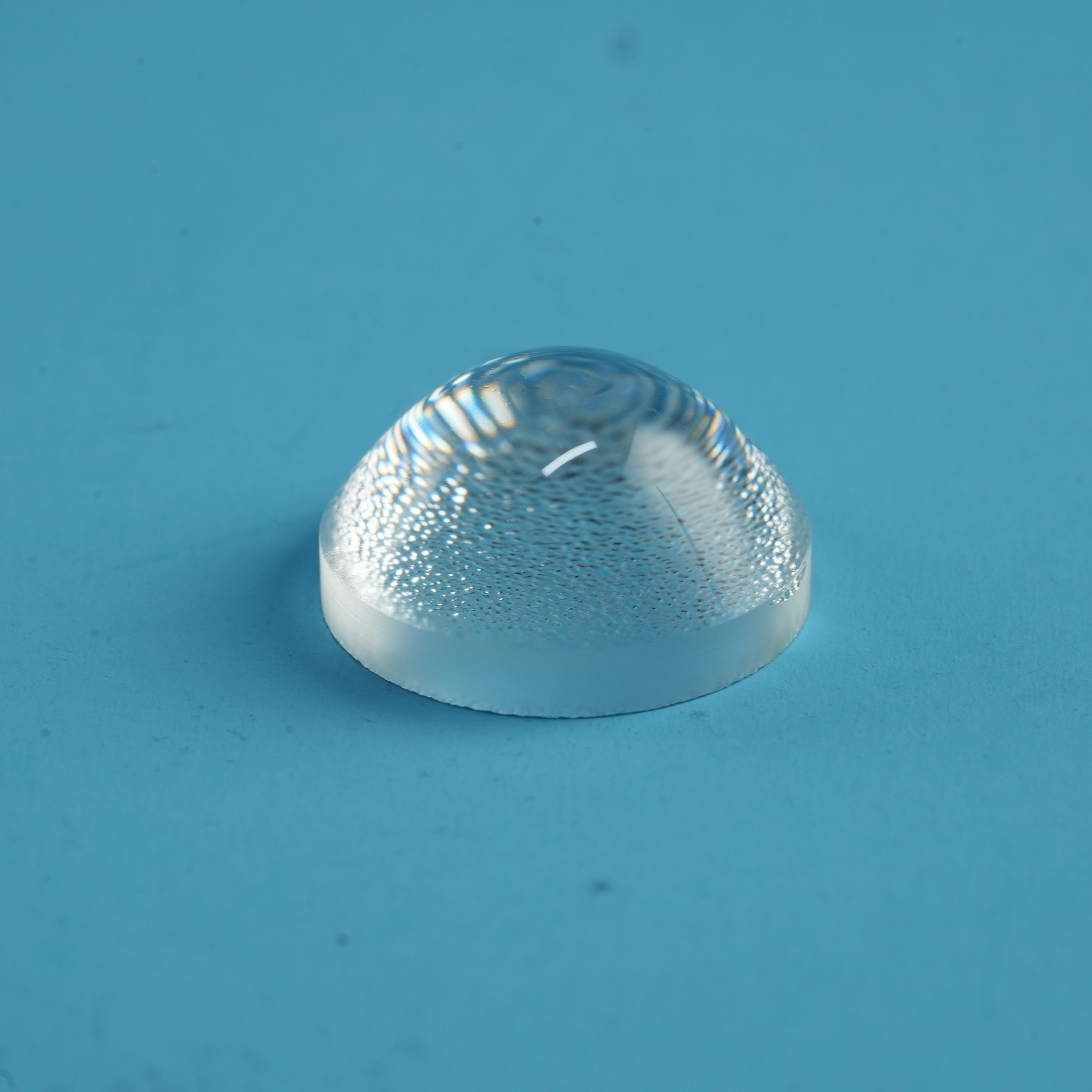
Manufacturer OEM Precision Grade BK7 K9 Optical Glass Aspherical Lens Anti-Reflective Coating Diameter 0.5-25mm MOQ 100 Pcs
For laser, imaging and sensing modules where wavefront quality and coating repeatability matter.
- Diameter 0.5–25 mm
- AR coating options
- MOQ 100 pcs
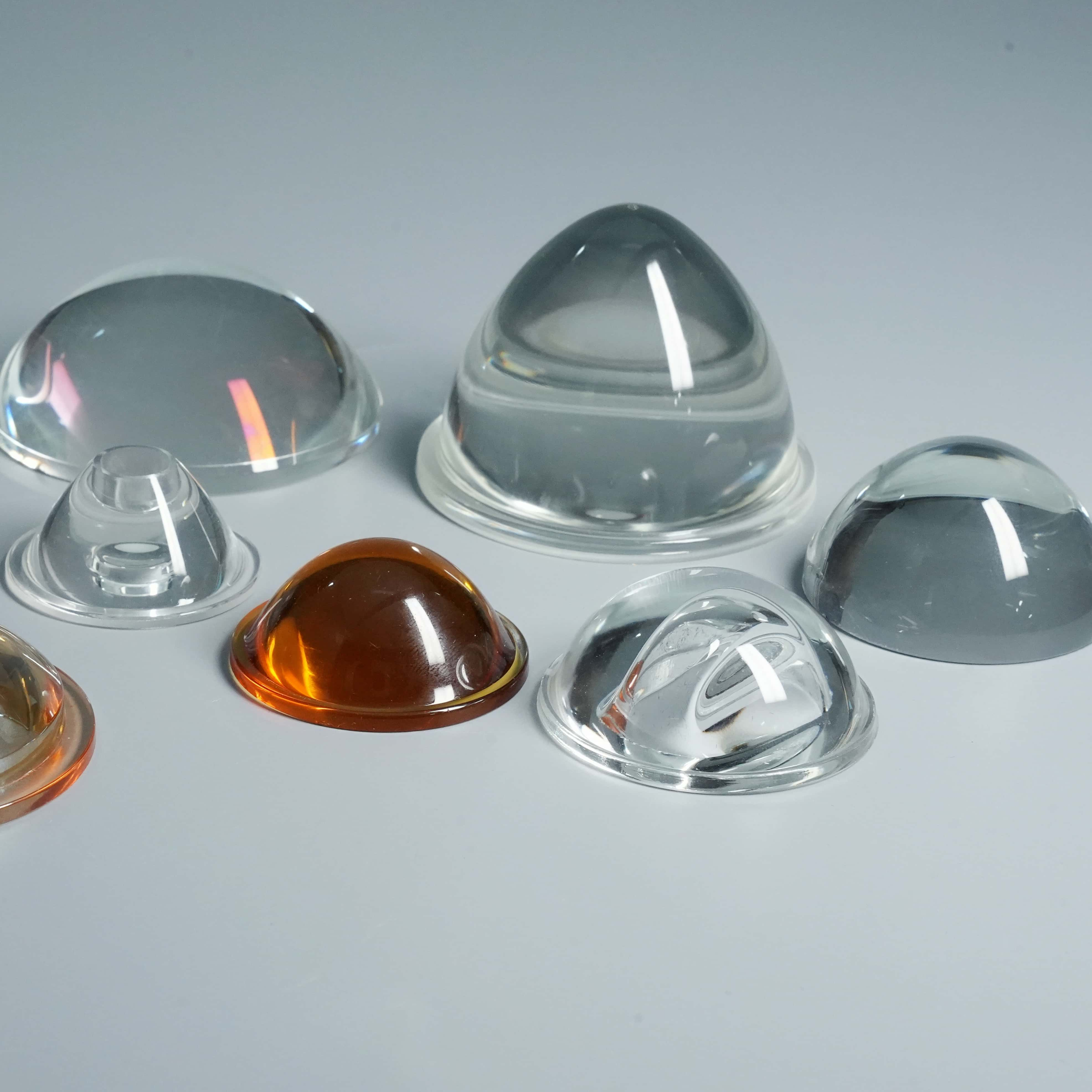
Custom Borosilicate Glass LED Grow Light Convex Lens with Anti-Reflective Coating for Indoor Farming Full Spectrum Lighting
Borosilicate convex lens for full-spectrum indoor farming; AR coating improves light delivery and reduces surface reflection.
- Full-spectrum LED
- AR-coated glass
- Indoor farming fixtures
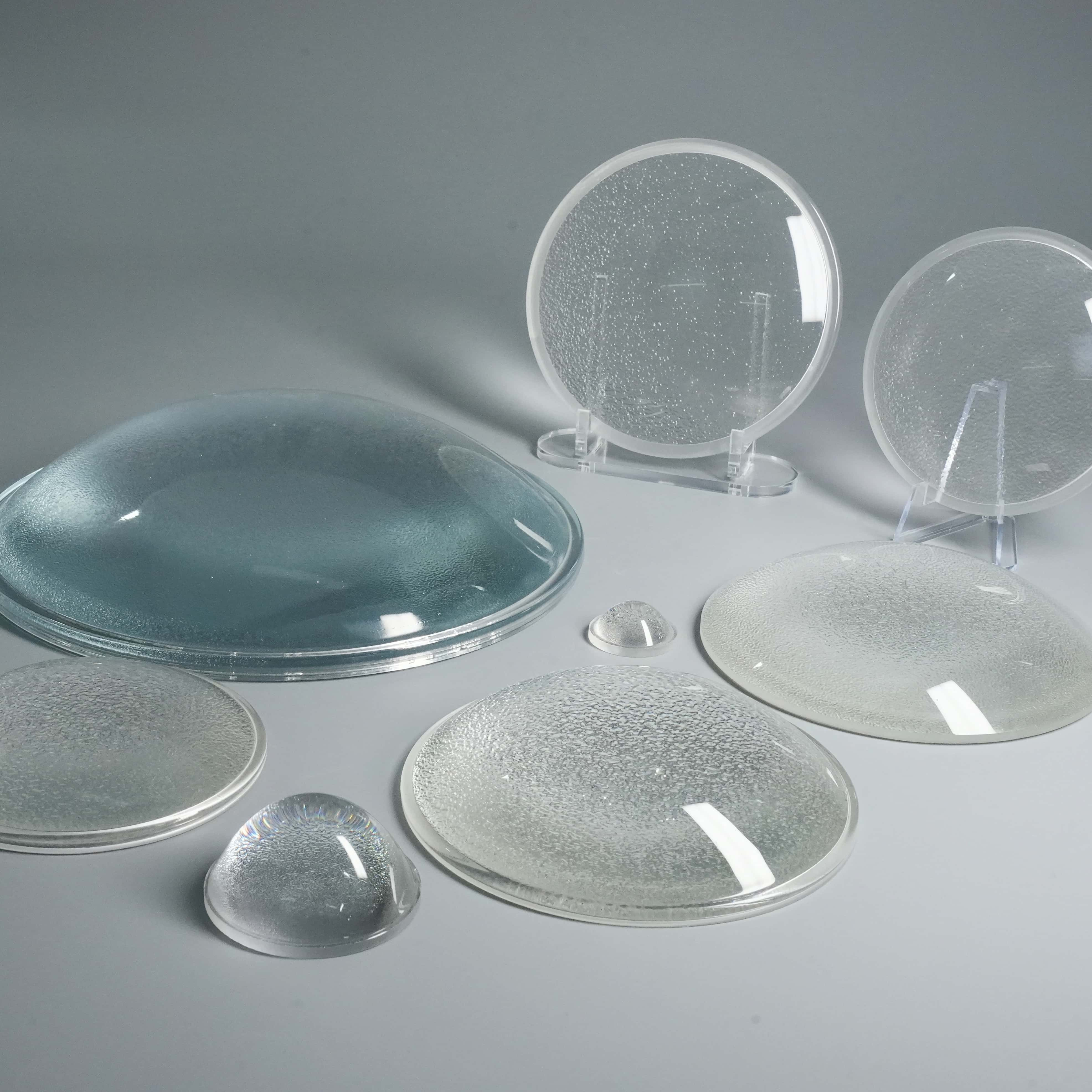
Bo Glass Asymmetric LED Lens Roadway Street Light Reduces Light Pollution Glare Borosilicate Glass UV Protection OEM
Asymmetric LED lens designed to direct light onto the roadway while reducing glare and light pollution.
- UV protection
- Borosilicate glass
- OEM drawing support
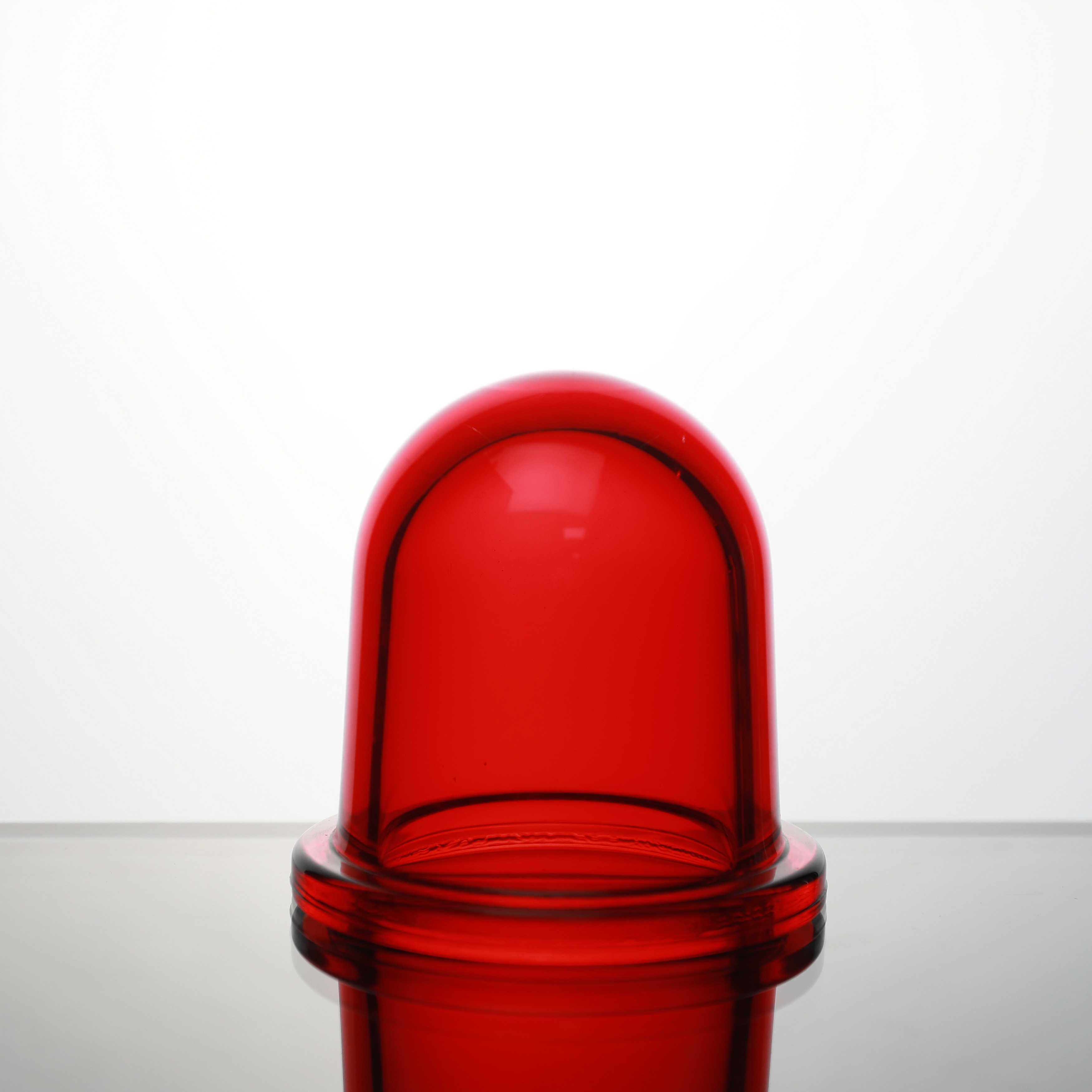
Custom Size Clear Borosilicate Explosion-Proof Antique Glass Light Covers Modern 2-Year Warranty Airport Outdoor Industrial
Clear borosilicate cover for industrial, airport and outdoor fixtures with custom dimensions.
- Explosion-proof cover design
- Custom size and shape
- 2-year warranty option
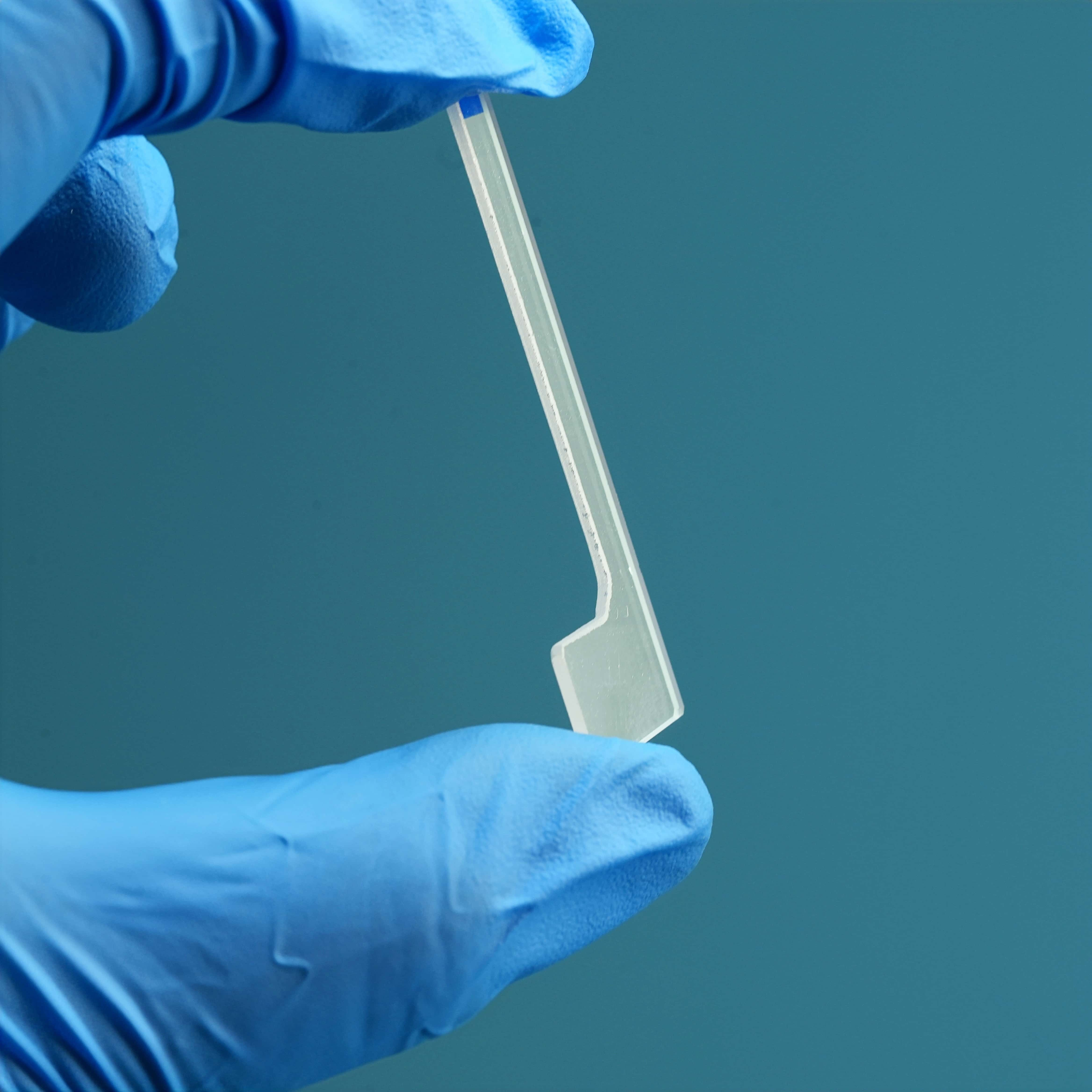
Anamorphic Prism Pair for Laser Beam Shaping Circularizing Elliptical Beams for Fiber Coupling Applications
Anamorphic prism pair for circularising elliptical laser beams in fibre coupling and beam-shaping assemblies.
- Beam circularisation
- Precision prism pair
- Fibre coupling applications
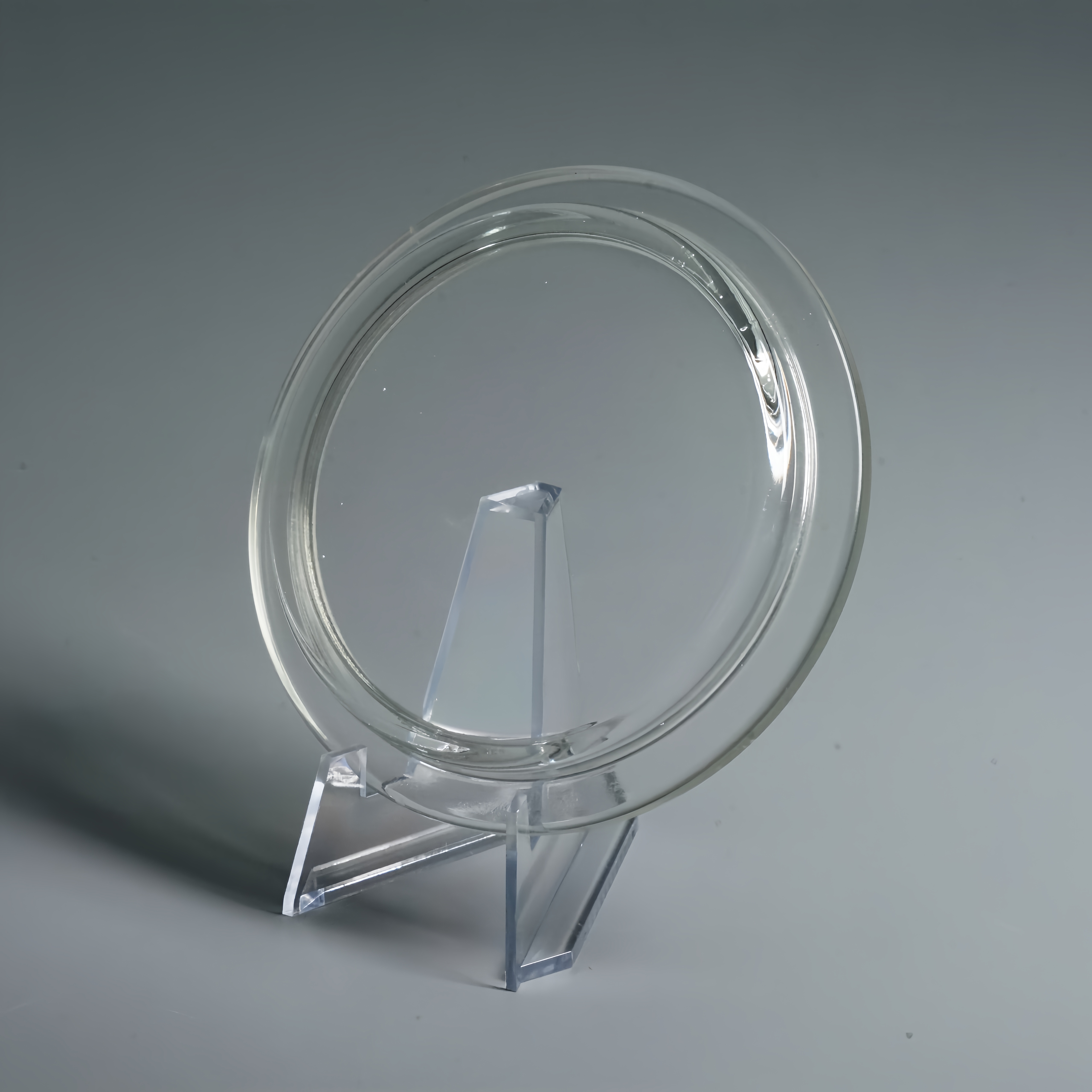
Custom Size Coastal Victorian Outdoor Stage Glass Lampshade Factory Waterproof High Temperature Impact Resistant Silk-Printable
Custom glass lampshade for coastal, Victorian-style and stage fixtures with impact-resistant construction.
- Waterproof fixture design
- High-temperature resistance
- Silk-printable surface
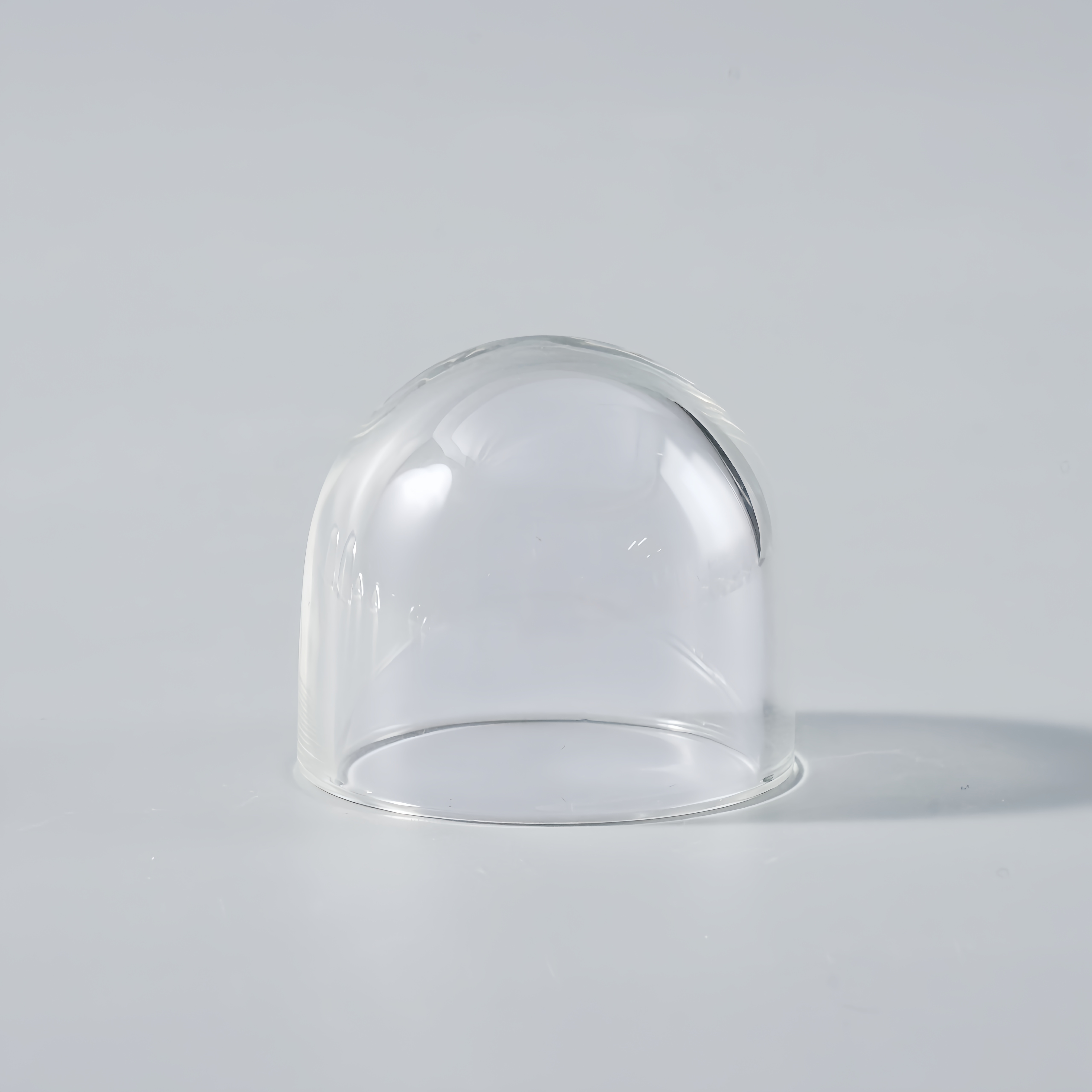
Customizable OEM Optical Glass Domes Broadband AR Coating Precision Hemispherical Windows for LiDAR Sensors Scientific
Broadband AR-coated hemispherical dome for LiDAR and scientific instruments with custom coating bands.
- Precision hemispherical dome
- Broadband AR coating
- LiDAR and scientific use
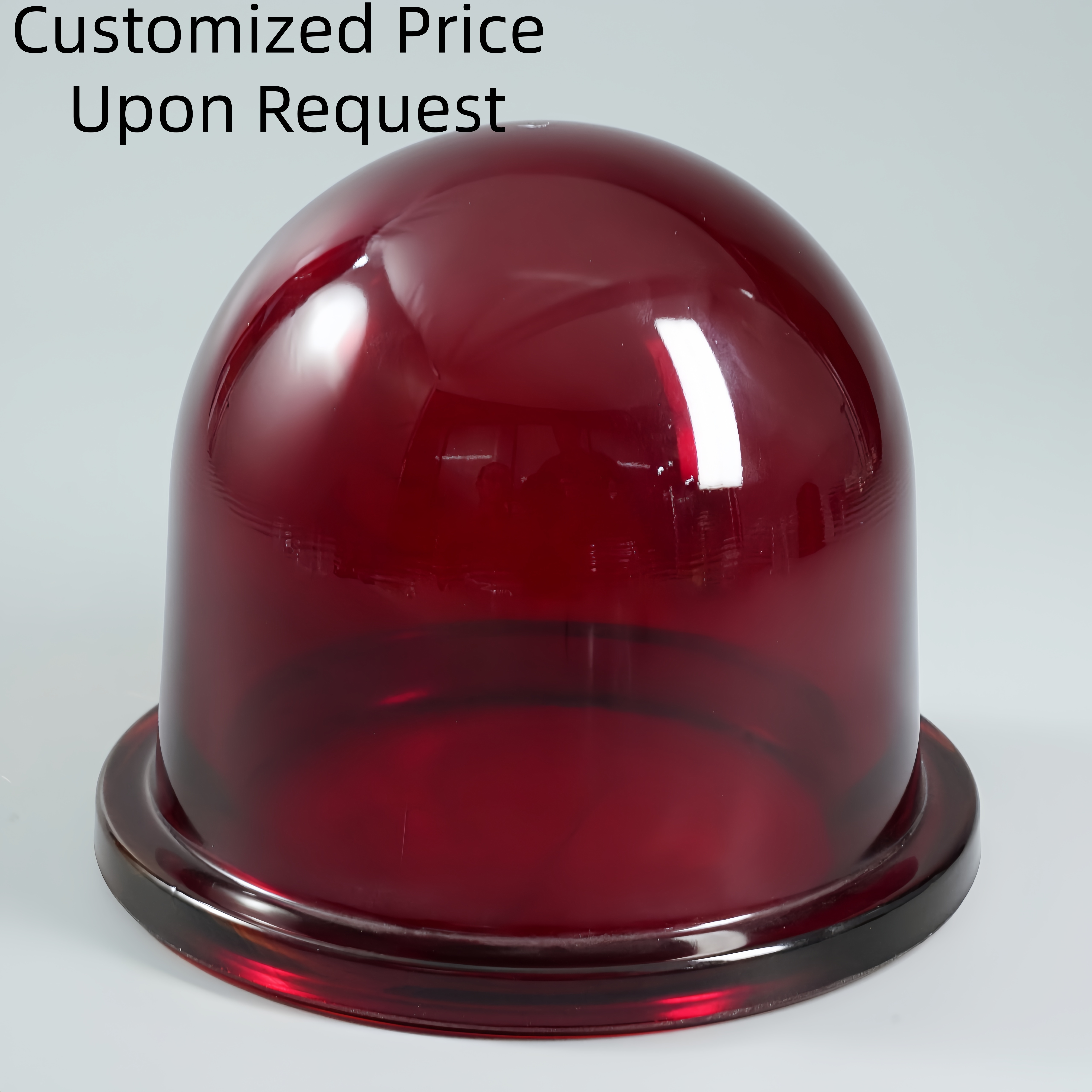
High-temperature Resistant Pressed Glass Shade, Explosion-proof & Crack-proof, Outdoor Street Light Specific
Pressed glass shade for outdoor street lights, engineered for high temperature and crack resistance.
- Heat resistant
- Explosion-proof and crack-proof design
- Street-light specific
MOQs typically range from 50 pieces for optical lenses to 100–500 pieces for pressed or blown lighting covers, depending on whether an existing mould can be used. Sample quantities are available for fit, light and thermal evaluation.
Send dimensions, material, operating temperature and annual volume for a technical and commercial review.
A China industrial glass partner built for OEM qualification
Shanghai Tambi Glass Industrial Co., Ltd. is a manufacturer and trading company focused on custom lighting glass and optical glass components.
What procurement teams should verify before choosing a China industrial glass supplier
Custom industrial glass is not a commodity purchase. A cover that fits one luminaire can fail in another because of a thermal-expansion mismatch, an uneven sealing face, gasket pressure, coating adhesion or a small colour shift that becomes visible only after the fixture is installed. The most reliable Chinese suppliers are therefore not simply the ones with the largest catalogue; they are the ones that can read a drawing, question the operating conditions and prove process control before mass production.
This guide is written from the engineering and export desk of Shanghai Tambi Glass Industrial Co., Ltd., a Shanghai-based manufacturer and trading company that has supplied custom borosilicate covers, explosion-proof lampshades, signal-light domes, LED lenses, prisms and optical filters for more than ten years. Our team works with buyers in Europe, North America and Japan, and we combine pressed, blown, ground and coated processes in one supply chain. Claims on this page are kept specific: fixture certification remains with the luminaire manufacturer, while we control glass material, dimensions, colour, transmission, coating and packing to the agreed drawing.
The practical sequence we recommend is consistent across OEM projects:
- Define the risk first. Record lamp wattage, surface temperature, thermal-shock exposure, impact and vibration, UV or chemical contact, gasket material and the standard your fixture must meet.
- Select material and process before price. Borosilicate 3.3, tempered soda-lime, fused quartz and optical BK7 solve different problems; the cheapest glass is not a substitute when thermal stress is the failure mode.
- Require DFM feedback and sample measurement. A factory should review wall thickness, draft, sealing faces and optical alignment before tooling starts.
- Verify traceability and packing. Material reports, dimensional inspection, coating witnesses and export cartons should be agreed in the purchase order, not after the first container is loaded.
Why China remains a strategic base for industrial glass — and where sourcing risk enters
China’s advantage in industrial glass is no longer just cost. It is the density of specialist capability: borosilicate tube and rod supply, pressed-glass tooling, optical grinding, AR coating, colour matching, metal hardware and export packaging can be coordinated within a compact industrial network. For OEMs, that density shortens mould iteration and makes small-to-mid volume customisation more practical than in markets where each process sits in a different country.
The risk enters when a low-cost quotation is placed before the technical review. A factory may accept a drawing without checking draft angles, wall-thickness variation, annealing stress or the flatness of the sealing face. It may also quote a generic soda-lime glass for an application that needs borosilicate 3.3, or promise a coating without a durability test method. These are not only purchasing issues; they become field-return, warranty and safety issues.
A credible China sourcing strategy separates the country from the supplier. The country offers process depth; the supplier must demonstrate fit. At Tambi Glass, orders are usually drawing-based. Engineers review manufacturability, propose mould options, confirm samples and only then move to volume. That sequence is slower than an auction, but it reduces the probability of a tooling change after the first shipment.
Material selection: the first decision that determines field reliability
Before comparing quotations, lock the glass family. The table below summarises reference values our engineers use during an initial review. These are typical values, not a substitute for your final drawing and application standard.
| Material | Thermal expansion (×10⁻⁶/K) | Typical maximum working temperature | Key strength | Best-fit applications |
|---|---|---|---|---|
| Borosilicate 3.3 | ≈ 3.3 | ≈ 450 °C | Excellent thermal-shock resistance | Explosion-proof shades, high-power LED covers, Fresnel lenses |
| Tempered soda-lime | ≈ 9.0 | ≈ 250 °C | High impact strength and economical cost | Outdoor covers, floodlight glass, vandal-resistant lenses |
| Fused quartz | ≈ 0.55 | ≈ 1000 °C+ | UV transmission and extreme heat tolerance | UV optics, high-temperature windows, special scientific parts |
| Optical BK7 / H-K9L | ≈ 7.1 | ≈ 300 °C | Homogeneous optical properties, nd ≈ 1.517 | Precision lenses, prisms, mirrors and filters |
Values are typical references. Final specification is confirmed against your drawing, lamp surface temperature, impact rating, coating requirement and the standard your fixture must meet.
Application shortcuts for buyers
- Explosion-proof industrial shade, high-power lamp, hot cover exposed to rain: borosilicate 3.3 is usually the starting point.
- Moderate-temperature outdoor cover where impact is the main risk: tempered soda-lime can offer a lower-cost path, but the thermal limit must be respected.
- UV transmission or very high temperature: fused quartz may be required, but cost, sealing design and lead time must be reviewed together.
- Precision lens, prism, window or filter: optical BK7/H-K9L with controlled grinding and polishing, not ordinary pressed glass.
What to put in the RFQ
Include lamp wattage, measured surface temperature, thermal-shock test, impact rating, colour coordinates, transmission curve, coating band, gasket material, IP target, annual volume, target market standard and packaging requirement. A drawing alone can be incomplete: two identical outlines can require different glass, annealing and coating when the operating conditions differ.
Industrial glass procurement trends for 2025–2030
The buyers who perform best are not chasing the lowest piece price in isolation. They are redesigning the RFQ to capture risk, lead time and lifecycle cost. Six shifts are visible in custom lighting and optical glass projects.
Risk-adjusted total cost of ownership
Quotes are being compared on tooling, breakage rate, replacement cost, inspection effort and freight—not only piece price. A slightly higher part that passes the first fit and thermal test is usually cheaper than a low-cost part that creates field returns.
Drawing-based digital RFQs
Buyers increasingly issue 2D/3D drawings, tolerance stacks, material declarations and first-article requirements. Suppliers that can return marked-up DFM feedback and a measurable sample report are easier to qualify than those that only send a price sheet.
Dual sourcing with one qualified China partner
Procurement teams are combining a qualified China manufacturer with regional stock or a second approved source. The aim is resilience without losing the tooling speed and process breadth that made China attractive in the first place.
Standards-aware purchasing
Aviation, marine and hazardous-area buyers now ask for material and inspection evidence at the RFQ stage. Fixture certification remains with the luminaire maker, but the glass supplier must match colour, transmission, dimensions and documentation to the agreed specification.
Material and sustainability declarations
Lead-free compositions, recyclable packaging, cullet reuse and energy reporting are moving from marketing language into supplier questionnaires. Ask for a material declaration and a realistic statement of what is controlled in the batch and coating process.
Forecast visibility and buffer stock
Glass is fragile, customised and often produced with dedicated tooling. Buyers are sharing 6–12 month forecasts and agreeing safety stock, pallet quantities and call-off schedules so that ocean freight variability does not stop a production line.
Industrial glass product trends shaping the next buying cycle
Product development in lighting and optics is moving toward higher power density, tighter optical control and more documented reliability. These trends change what buyers should specify.
Borosilicate 3.3 as the default for high-power LED
Higher LED power density and compact fixtures increase surface temperature and thermal-shock risk. Borosilicate covers and lenses are increasingly specified for explosion-proof shades, outdoor floodlights and high-power stage fixtures where soda-lime glass would be marginal.
Coatings as a performance differentiator
Broadband AR, hydrophobic, oleophobic and anti-scratch coatings are becoming part of the optical specification rather than an optional extra. Buyers should define the wavelength band, incidence angle, adhesion test and cleaning method so that coating performance can be compared consistently.
Freeform and precision optical glass for LiDAR
LiDAR, machine vision and scientific instruments need domes, aspheres and prism pairs with controlled transmitted wavefront and coating uniformity. The opportunity is not simply a glass window; it is an optical interface that must survive outdoor sealing, cleaning and temperature cycling.
Signal optics designed for glare and light pollution
Asymmetric LED lenses and prismatic covers are being used to put light on the roadway or target area while reducing spill, glare and skyglow. For airport, marine and street-light projects, colour stability and beam control now carry as much weight as impact resistance.
Lighter, thinner and stronger glass
Fixture designers want reduced weight without sacrificing impact or thermal performance. This places more emphasis on edge quality, controlled annealing, tempering and sealing-face flatness. Thin glass can work, but only when the full mechanical and thermal load is reviewed.
Application-specific portfolios
Horticulture full-spectrum lenses, UV-C windows, automotive projection lenses and LiDAR domes each need a different material and coating strategy. Buyers benefit from a supplier that can discuss the application rather than force every project into one standard glass grade.
Why buyers shortlist Shanghai Tambi Glass Industrial Co., Ltd.
Experience is useful only when it is converted into drawing review, process control and clear communication. These are the capabilities our buyers rely on.
Tambi Glass is a manufacturer and trading company based in Shanghai, with 11–50 employees and annual export revenue in the US$2.5M–5M range. More than a decade in lighting glass has built a practical understanding of how glass behaves in real fixtures: heat build-up behind high-power LEDs, rain on a hot cover, impact in hazardous areas, gasket pressure and colour accuracy for signal lights.
The project team includes senior lighting and moulding engineers who review the drawing before tooling starts. Production combines pressed, blown, ground and coated processes, so the discussion does not stop at one forming method. Buyers can request samples, inspection reports and custom export packing, and our average technical response time is within six hours.
Drawing-based OEM / ODM
Send a 2D/3D drawing, a physical sample or a complete performance requirement. We review wall thickness, draft, sealing faces, optical path and packing before confirming the quotation.
Material breadth
Borosilicate 3.3, tempered soda-lime, fused quartz and optical BK7/H-K9L can be evaluated against the application instead of being forced into one standard grade.
Process breadth
Pressed, blown, ground and coated processes are coordinated in one supply chain. That helps when a project needs a pressed cover, a ground optical face and an AR coating on the same component.
Quality and inspection
Samples are measured and checked for fit, light and appearance before volume production. Material and inspection reports can be agreed in the purchase order, and change control is discussed before tooling.
Export packing for fragile parts
Foam or pulp dividers, reinforced export cartons and palletisation are adapted to the part. Custom labels and packaging for distributors can be arranged to reduce handling risk at destination.
Transparent verification
Our premises have been checked onsite during third-party verification. Video calls and third-party audits are welcome, and our average response time is within six hours.



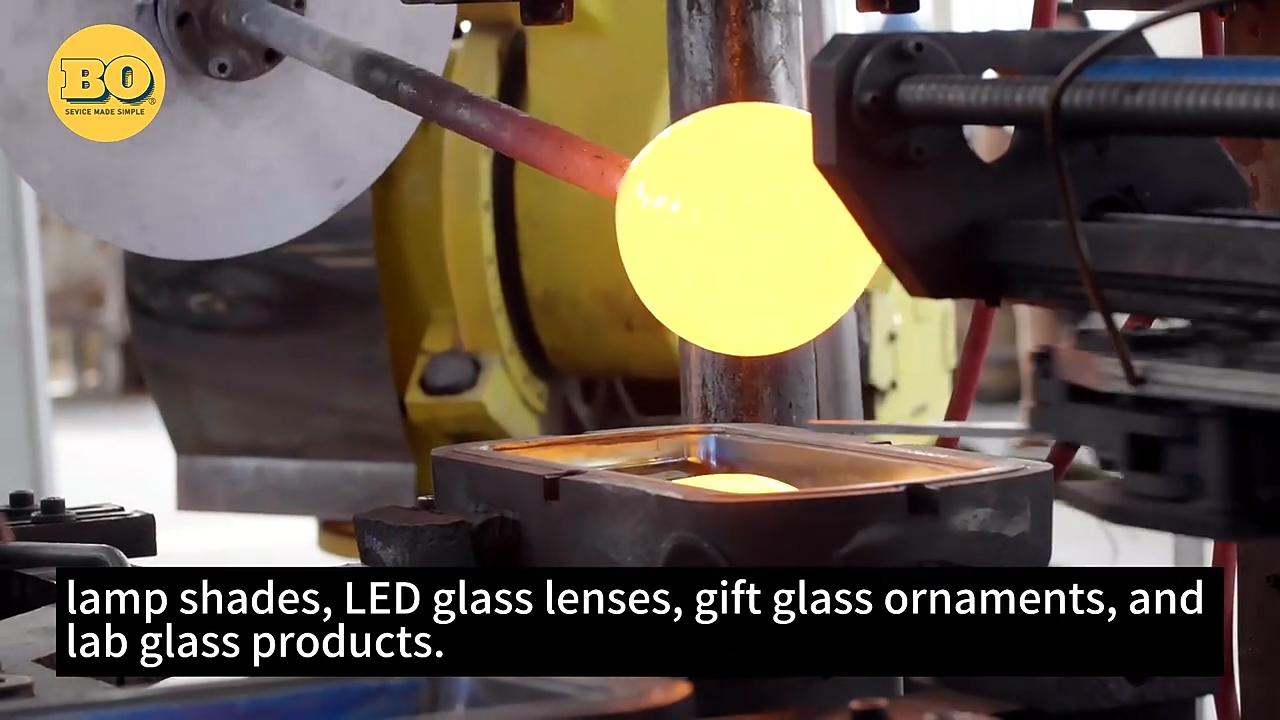
Our engineers can recommend the glass family, forming method and inspection plan before you commit to tooling.
From drawing to delivery: six controlled checkpoints
Clear checkpoints reduce surprises between sample approval and mass production.
Drawing review
DFM check of thickness, draft, tolerance, sealing face and optical alignment.
Mould and tooling
New or existing moulds selected for pressing, blowing or grinding.
Sampling
Samples measured and sent for your fit, light and thermal evaluation.
Forming and annealing
Controlled annealing or tempering to relieve stress and stabilise dimensions.
Coating and QC
AR or colour coating, dimensional checks and visual inspection.
Export packing
Divider-packed cartons and palletisation for sea or air freight.
Eight questions that reveal a lower-risk glass supplier
Use this checklist before approving a sample or placing a first production order.
Can the supplier show marked-up feedback on draft, wall thickness, sealing face and tolerance?
Who owns the tooling, how is it stored, and what happens if the mould needs repair or duplication?
Can the material family and batch be traced to the purchase order and inspection record?
Is stress relief controlled and recorded, especially for thick covers and high-temperature fixtures?
Are critical dimensions, flatness and edge condition measured against the drawing?
For signal lenses and optical parts, is transmission or colour verified with a defined method?
Is the AR or colour coating checked for adhesion, cleaning resistance and appearance?
Has the export pack been tested, and how are material, process or subcontractor changes communicated?
Questions procurement teams ask before ordering industrial glass
Can you manufacture glass covers and lenses to my own drawing?+
Yes. Most orders are drawing-based. Send a 2D/3D drawing or a physical sample with dimensions, tolerance, material, colour and coating requirements. Our engineers review manufacturability, propose mould options and confirm samples before mass production.
What is the typical minimum order quantity?+
Typical MOQs range from 50 pieces for optical lenses to 100–500 pieces for pressed or blown lighting covers, depending on whether an existing mould can be used. Sample quantities are available for evaluation.
Should I choose borosilicate glass or tempered soda-lime glass?+
Borosilicate 3.3 has a low thermal expansion of about 3.3 × 10⁻⁶/K, so it tolerates high lamp temperatures and sudden rain or cold-water contact better. Tempered soda-lime glass offers high impact strength at a lower cost for moderate temperatures. The right choice depends on surface temperature, impact rating and the certification of your fixture.
Do you supply glass for FAA L-810 and EN 50293 lighting fixtures?+
We produce glass lenses and domes for fixture makers whose obstruction and signal lights are designed to FAA L-810 or EN 50293 requirements. Fixture certification is held by the luminaire manufacturer; we match colour, transmission and dimensional specifications and can provide material and inspection reports on request.
How fast do you reply to technical inquiries?+
Our average response time is within 6 hours. Email info@tambiglass.com with your drawing and annual volume for a technical and commercial review.
How are fragile glass parts packed for export?+
Parts are separated by foam or pulp dividers, packed in reinforced export cartons and palletised for sea or air freight. Custom packaging and labelling for distributors can be arranged.
What should I include in an RFQ for an accurate quotation?+
Include the drawing, dimensions and tolerances, glass material preference, colour or transmission target, coating band, lamp wattage or surface temperature, annual volume, gasket material, IP target, target market standard and packaging requirement. If you only have a sample, send it with the fixture interface details.
What quality documents can be provided before shipment?+
Depending on the project, material reports, dimensional inspection records, visual inspection records and coating witnesses can be agreed in the purchase order. The final document list should be confirmed during quotation so that expectations match the drawing and application.
Can you support custom coatings, colours and silk printing?+
Yes. AR coatings, clear or coloured glass, custom edge finishes and silk-printable surfaces can be evaluated. Provide the wavelength or colour target, cleaning method and any chemical exposure so the coating and glass grade can be reviewed together.
What usually causes field breakage in industrial glass, and how can buyers reduce it?+
Most failures come from thermal shock, clamped stress, sealing-face mismatch, edge damage or inadequate annealing—not from glass being “too thin” in isolation. Share the full fixture design, verify sample fit and gasket load, protect edges in packing, and confirm that the glass family matches the operating temperature.
Have a drawing? Get an engineering review within 6 hours.
Send your 2D/3D drawing, annual volume, operating temperature and any standard your fixture must meet. Our engineers will review manufacturability, suggest the right glass family and confirm the next sample step.
Contact UsAverage reply ≤6 hours · info@tambiglass.com · Shanghai Tambi Glass Industrial Co., Ltd.