Top China Glass Plate Manufacturer & Exporter
Custom borosilicate, tempered, pressed and optical glass components for lighting, signal, hazardous-area and sensing OEMs—engineered to your drawing, supported by verifiable supplier data and export-ready quality control.
Eight OEM Glass Products for Lighting, Automotive, Hazardous-Area and Optical Applications
The phrase “glass plate” covers far more than a flat sheet in modern sourcing. It may mean an optical window, a pressed lighting cover, a heat-resistant shade, a reflector bowl, a headlight lens or a coated bandpass filter. Each product below is drawing-based and can be adapted in dimensions, glass type, color, coating, edge finish and packing format.

Manufacturer OEM Transparent High Quality Precision Borosilicate UV Fused Silica Coated Glass Optical Window High Transmittance
High-transmission window for instruments, sensors and optical assemblies where clarity, flatness and coating performance matter.
View product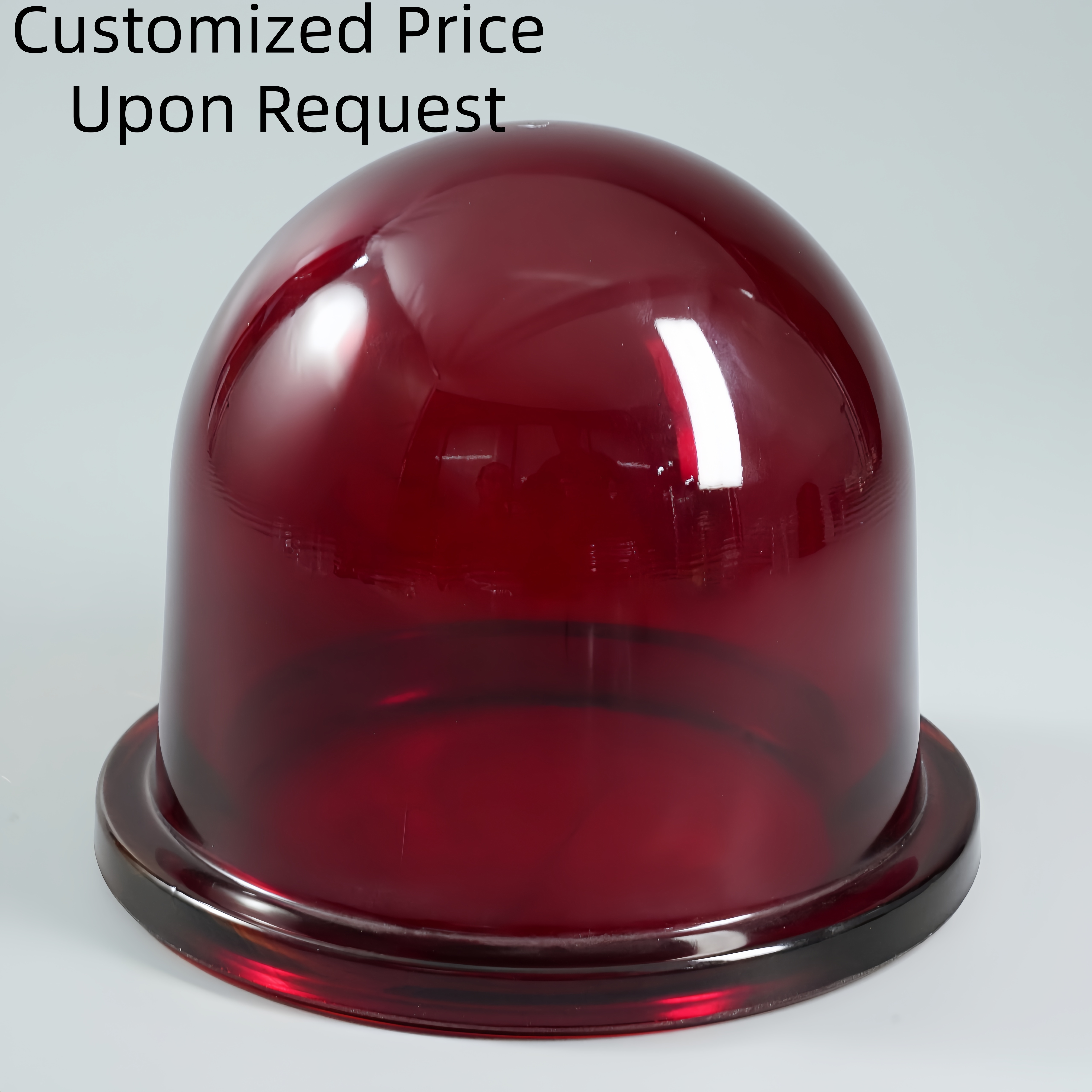
High-temperature Resistant Pressed Glass Shade, Explosion-proof & Crack-proof, Outdoor Street Light Specific
Pressed shade for street and area lighting, designed for heat build-up, weather exposure and impact resistance.
View product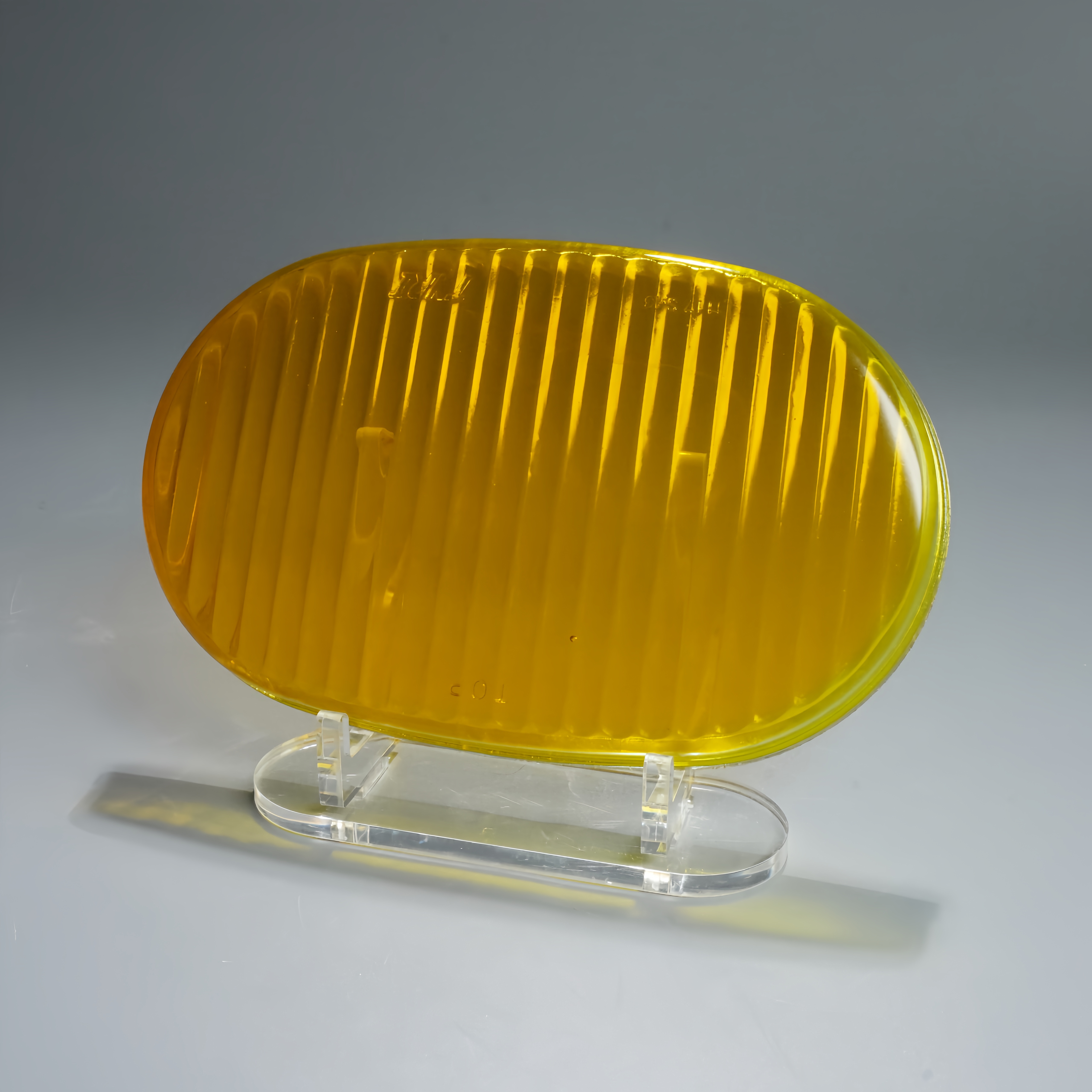
Factory Customized Size Shape Color Heat Resistant High Quality Borosilicate Glass Car Light Accessories Traditional Industrial
Custom automotive glass accessory for car lighting, industrial lamp assemblies and heat-exposed housings.
View product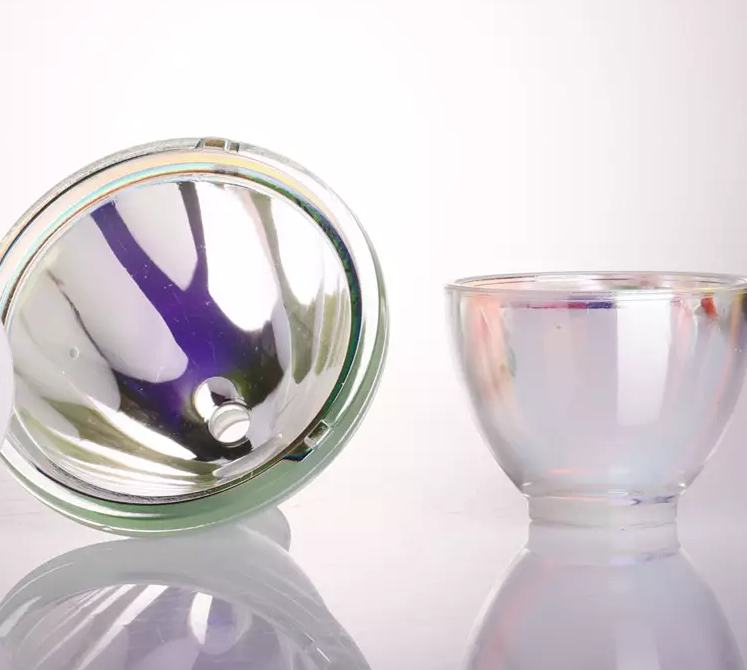
COB Glass LED Reflector Bowl Manufacturer Deep Design Perfect Beam Spotlights Projector Lights 20 60 90 Beam Angle
Deep reflector bowl for COB spotlights and projector lighting, with beam-angle options for controlled light distribution.
View product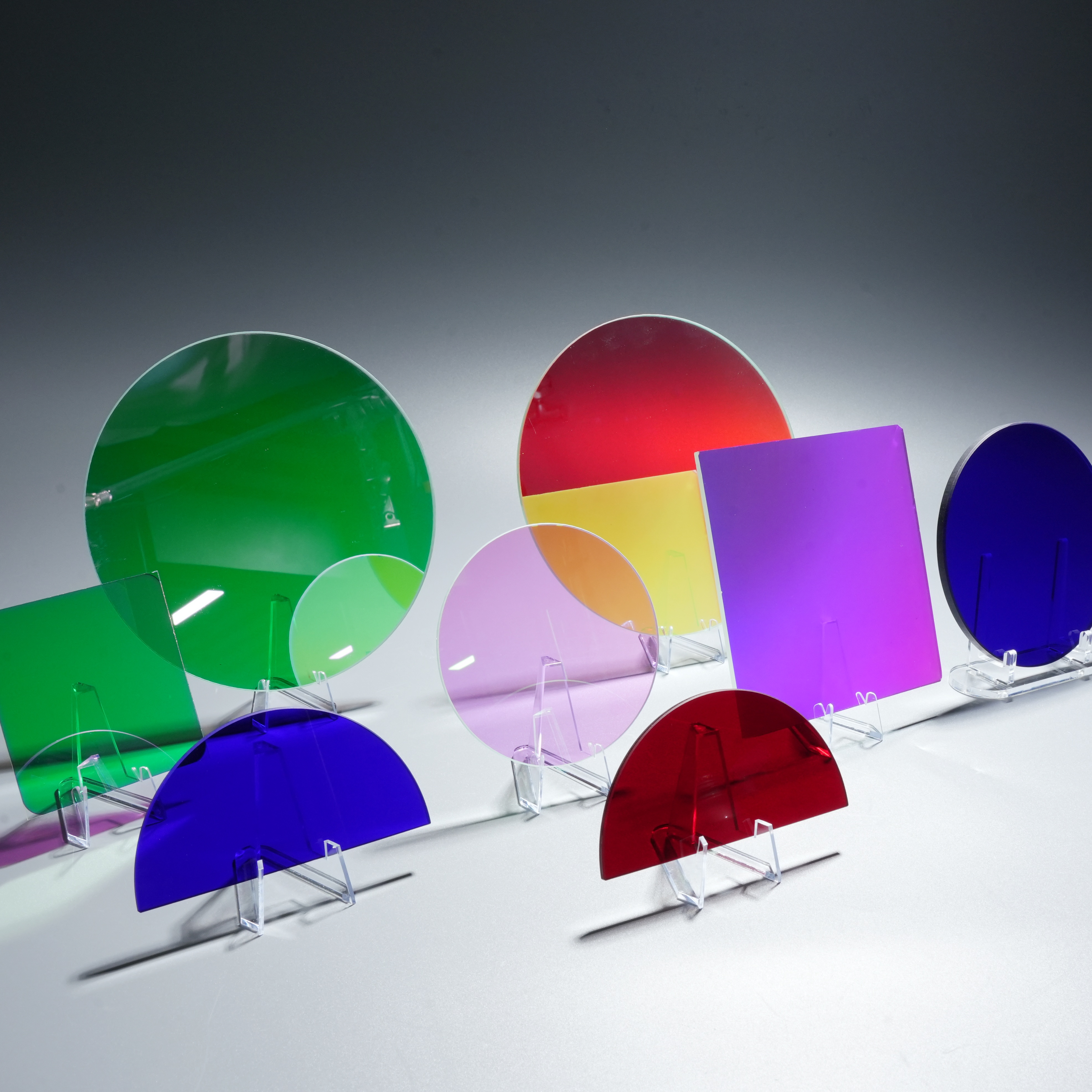
BO-GLASS BO-AH242 Manufacturer Customized High Precision 590Nm 49Mm Coated UV Borosilicate Bandpass Longpass Optical Filter
Coated bandpass and longpass filter for spectroscopy, sensing and industrial optical systems.
View product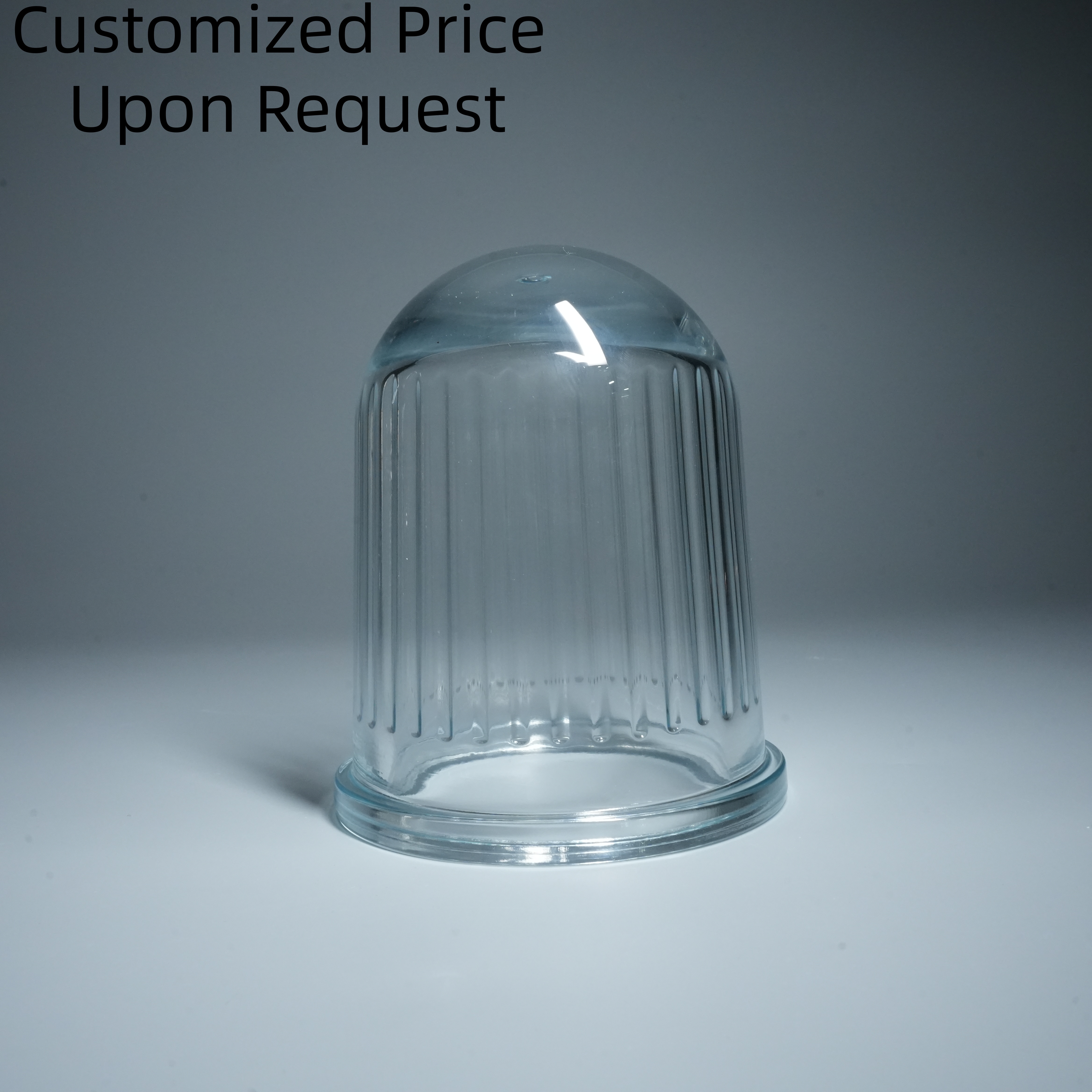
Borosilicate Transparent Explosion-proof Shade, Heat-resistant & Crack-proof, Transparent Protective Cover
Transparent protective shade for hazardous-area and high-temperature fixtures requiring thermal-shock resistance.
View product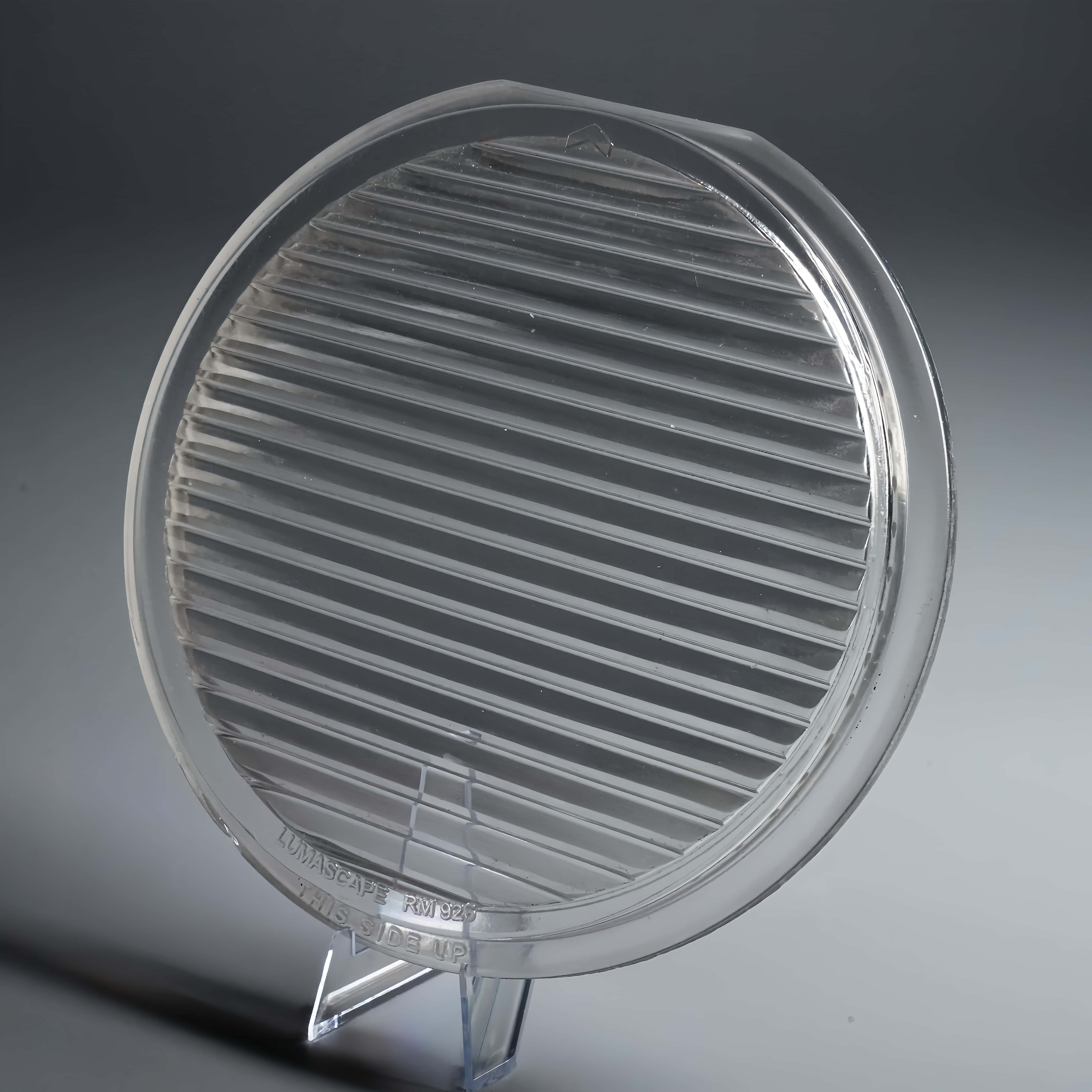
Supplier Custom Size Shape Pressed Mold Heat Resistant High Borosilicate Headlight Glass Lens Cover Headlight Glass Cover
Pressed-mold headlight lens cover for automotive and specialty lighting, customizable in size, shape and optical finish.
View product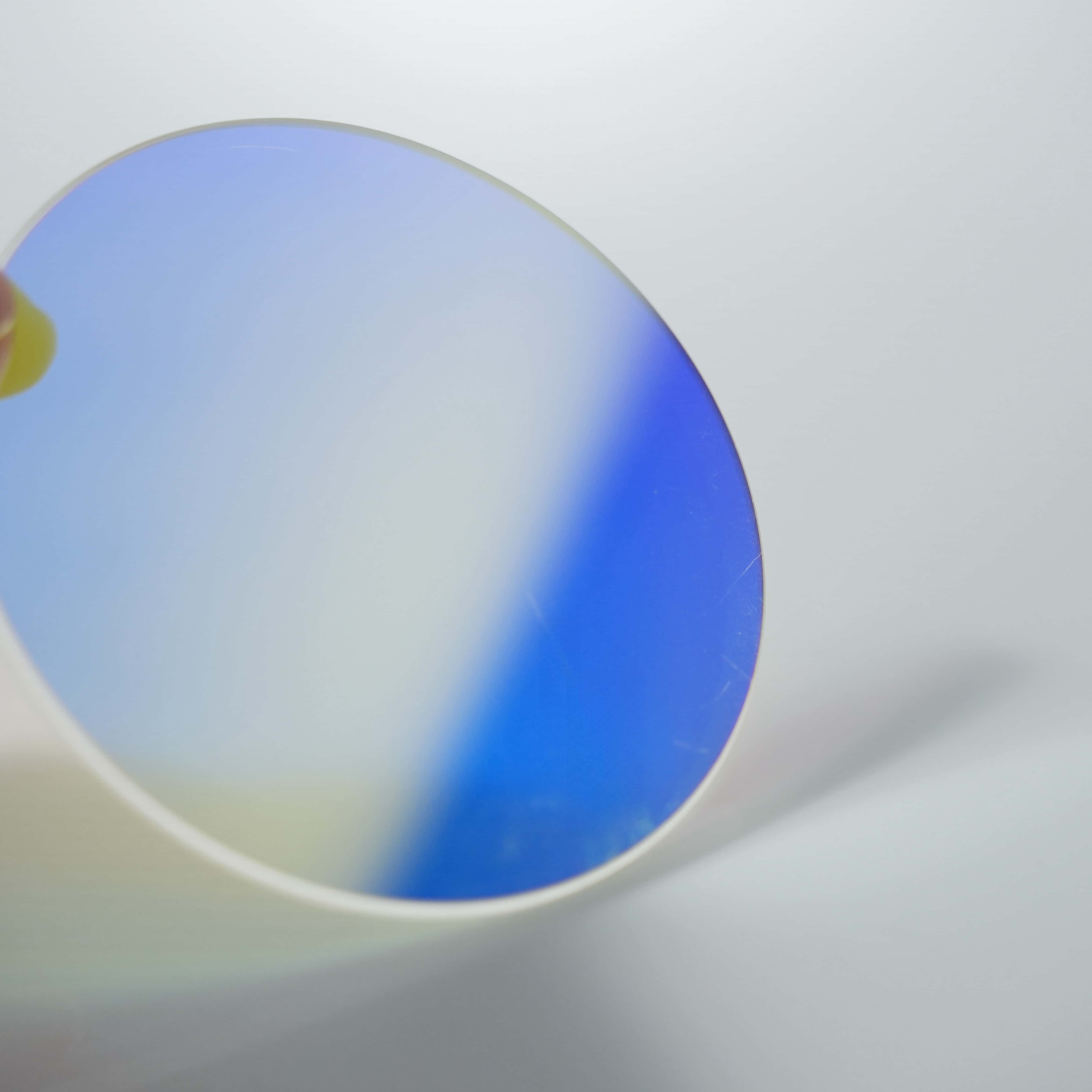
Optical Borosilicate Glass Longpass Shortpass Filter 500nm 600nm 700nm AR Coating Cut-Edge for Spectroscopy Industrial Sensor
AR-coated longpass and shortpass filter for spectroscopy, industrial sensors and precision optical instruments.
View productNeed a size, coating, color or glass type that is not listed here? Send your drawing and annual volume for an engineering review, material recommendation and quotation route.
Contact UsWhy the “Glass Plate” Supply Chain Deserves More Engineering Attention
China remains the world’s most complete source for custom lighting and optical glass, but the category is not a commodity. A glass cover that performs well in a low-power fixture may fail quickly behind a high-output LED, in a coastal marine environment or in an explosion-proof housing. For procurement teams, the real question is not simply “Who can supply a glass plate?” but “Which supplier can engineer the right glass part, prove its process controls and keep the specification stable across repeat orders?”
In this white paper, “glass plate” is used in its practical sourcing sense: flat optical windows, pressed glass covers, heat-resistant shades, domes, lenses, reflector bowls and coated filters. These parts sit at the intersection of lighting engineering, materials science and export manufacturing. Their performance depends on glass composition, wall thickness, annealing or tempering history, sealing-face flatness, coating adhesion, edge quality and packaging. A low unit price can be erased quickly by field cracks, color deviation, gasket leaks, coating haze or high breakage in transit.
Shanghai Tambi Glass Industrial Co., Ltd. approaches these parts from a drawing-based OEM perspective. The company is a manufacturer and trading company based in Shanghai, with more than a decade of experience in lighting glass and an export profile designed for global lighting and optical buyers. Its stated strengths include drawing review before tooling, access to borosilicate, tempered soda-lime, quartz and optical glass, pressed, blown, ground and coated processes, and verification pages covering supplier assessment, credit index, trade capacity and trade history. These are exactly the signals procurement teams should examine when reducing supplier risk.
The information gain for buyers is not another list of product names. It is a framework for connecting application stress to glass specification, then connecting specification to supplier evidence. That is the difference between buying a part and buying a reliable, repeatable component.
Quick Verification Snapshot
- CompanyShanghai Tambi Glass Industrial Co., Ltd.
- LocationShanghai, China
- Business typeManufacturer & trading company
- Experience10+ years in lighting glass
- Response profile≤6 hours average
- Core processDrawing-based OEM / ODM
What a Drawing-Based China Glass Plate Manufacturer Should Prove
Experience is useful only when it is converted into a controlled process. The following capabilities are the practical advantages a buyer should look for in a custom glass partner—and the areas Tambi Glass is structured to support.



Engineering Review Before Tooling
A reliable glass project begins before a mold is cut. The drawing review should cover wall thickness, draft angle, sealing faces, gasket compression, optical path alignment, lamp surface temperature, thermal-shock scenario and impact exposure. Tambi Glass positions its senior lighting and molding engineers in this review step so that manufacturability problems are found before tooling investment, not after mass production.
Material and Process Fit
Borosilicate 3.3 is often the default choice for high-temperature covers and shades because its low thermal expansion helps it tolerate rapid temperature change. Tempered soda-lime glass can be the more economical choice when impact strength and moderate temperatures dominate. Fused quartz may be appropriate for UV transmission or extreme heat, while optical BK7 or H-K9L may be used for precision lenses, prisms and filters. The correct answer depends on the operating condition and the certification strategy of the fixture.
Tambi Glass also publishes supplier assessment, credit index, transaction level, trade capacity and trade history pages. For a procurement team, these links are not decoration; they are due-diligence shortcuts that should be opened, compared and archived alongside the quotation. Equally important, the company does not claim to certify the luminaire itself. Where a fixture must meet FAA L-810 or EN 50293 requirements, certification belongs to the luminaire manufacturer, while the glass supplier must match color, transmission, dimensions and inspection records.
Product Recommendations by Search Intent and Operating Environment
Buyers usually arrive with an application problem rather than a material code. The recommendations below translate common intentions into the glass characteristics that matter most.
Aviation, Marine and Signal Lighting
For obstruction lights, runway fixtures, marine navigation lights and tower signals, color stability and transmission consistency are critical. Borosilicate or tempered domes and covers should be specified with tight dimensional control, sealing-face flatness and a color target that can be checked against your fixture design. Tambi Glass supplies red, clear and custom-colored signal glass components for fixture makers targeting FAA L-810 or EN 50293 requirements.
Review explosion-proof protective shade →Explosion-Proof and Hazardous-Area Fixtures
Hazardous-area lighting combines heat, pressure, impact and corrosion risk. A thick-wall borosilicate shade or tempered protective cover may be appropriate, but the final choice must be checked against lamp temperature, enclosure design and the safety standard of the finished fixture. The most useful supplier is one that can discuss wall thickness, annealing or tempering evidence, and packing protection without overstating certification.
View borosilicate protective shade →Automotive, Street and Outdoor LED Lighting
Outdoor and automotive lighting demands stable optical output through rain, dust, heat and vibration. Pressed glass covers, headlight lenses and COB reflector bowls should be reviewed together with gasket compression and housing tolerance. A supplier that can work from 2D/3D drawings and confirm samples before mass production reduces the risk of fit problems during assembly.
View custom headlight glass cover →Optical Sensing and Spectroscopy
For LiDAR, sensors, analytical instruments and spectroscopy, the glass is part of the optical system. Flatness, parallelism, transmitted wavefront, coating curve and edge treatment all influence signal quality. UV fused silica windows, borosilicate bandpass filters and AR-coated longpass or shortpass filters should be specified with measurable acceptance criteria, not only by a product name.
View spectroscopy optical filter →Four Procurement Shifts Reshaping Custom Glass Sourcing, 2025–2030
The next buying cycle will reward suppliers who can document process control, support dual sourcing and reduce field failures—not only suppliers who quote the lowest piece price.
Dual Sourcing With Tooling Clarity
Buyers are adding second sources for risk control, but glass tooling is not always portable. Procurement teams will ask who owns the mold, whether tooling can be transferred, how drawings are version-controlled and what data package follows each shipment. A China supplier should be able to answer these questions before the first production order.
Total Landed Cost Over Piece Price
Breakage, field returns and assembly line stoppages often cost more than the glass itself. Buyers will compare thermal-shock performance, coating durability, packing validation and inspection records alongside unit price. Suppliers that can reduce the hidden cost of poor-quality glass will win repeat business even at a higher initial quote.
Documentation-Led Qualification
Expect more requests for material certificates, dimensional reports, transmission data, coating test records, annealing or tempering evidence, packaging specifications and change notifications. The strongest China manufacturers will treat documentation as a product feature, not an after-sales burden. This is especially important for lighting OEMs selling into regulated markets.
Faster Iteration and Lower Sample Friction
Smart lighting, horticulture, automotive sensing and LiDAR are shortening product cycles. Buyers need fast drawing feedback, realistic minimum order quantities and sample routes that fit engineering budgets. Suppliers that combine existing mold platforms with flexible finishing and coating can help buyers test a design before committing to high-volume tooling.
Where Lighting and Optical Glass Technology Is Moving Next
Glass is being asked to do more than cover a lamp. It is becoming part of the optical, thermal and information architecture of the fixture.
Higher Transmission With Stronger Thermal Margins
High-power LEDs and compact fixtures concentrate heat in a smaller area. Borosilicate covers and lenses will continue to dominate where thermal shock is a risk, while anti-reflective coatings and low-iron raw glass will be used to recover light output. Buyers should ask for transmission targets across the relevant wavelength range, not a single marketing number.
Integrated Optical Functions
Reflector bowls, Fresnel lenses, domes and filters are increasingly designed as one optical path rather than isolated parts. This creates demand for tighter coordination between the glass drawing, the LED module and the housing. Suppliers with optical measurement and coating knowledge will be preferred over suppliers that only copy dimensions.
Color Consistency and Long-Life Stability
Signal, aviation, marine and automotive lighting rely on stable color coordinates. Future specifications will focus more on batch-to-batch color control, UV stability and coating adhesion after environmental exposure. For buyers, the practical answer is to request color plaques, transmission records and agreed inspection methods before approving a sample.
Packaging and Supply-Chain Resilience as Engineering
Fragile glass components can fail before they ever reach the customer. Packaging design, divider choice, drop-test validation and pallet configuration are becoming part of supplier qualification. More buyers will favor pulp or foam protection, labeled inner packs and export cartons that protect sealing faces and optical surfaces during sea or air freight.
Material Selection Matrix and Indicative Performance Comparison
Use this matrix to structure a technical conversation with your supplier. Final material selection must be confirmed against your lamp surface temperature, impact requirement, optical target and fixture certification strategy.
| Material | Typical thermal expansion | Typical working temperature | Key strength | Common use |
|---|---|---|---|---|
| Borosilicate 3.3 | ≈3.3 × 10⁻⁶/K | ≈450 °C | Thermal-shock resistance, clarity | Explosion-proof shades, high-power LED covers, lenses |
| Tempered soda-lime | ≈9.0 × 10⁻⁶/K | ≈250 °C | Impact strength and cost efficiency | Outdoor covers, floodlight glass, street light shades |
| Fused quartz | ≈0.55 × 10⁻⁶/K | ≈1000 °C+ | UV transmission and extreme heat | UV optics, high-temperature windows |
| Optical BK7 / H-K9L | ≈7.1 × 10⁻⁶/K | ≈300 °C | Homogeneity and optical precision | Lenses, prisms, windows and filters |
Values are typical reference figures for engineering discussion. Confirm the final specification with your drawing, thermal model, gasket design and applicable fixture standard. Tambi Glass can review material and process options against your drawing and sample requirements.
Indicative Application Fit
Relative scores for early-stage supplier discussion only. They are not a substitute for testing your exact geometry and operating condition.
Buyers should request material certificates, dimensional reports and coating inspection data appropriate to the project.
A 12-Point Framework for Qualifying a China Glass Plate Manufacturer
Use this checklist to compare quotations on a like-for-like basis. Strong answers are specific, documentable and repeatable across samples and mass production.
Drawing and DFM Review
Ask how the supplier checks wall thickness, draft, sealing faces, optical path and gasket compression before quoting.
Material Recommendation
Confirm why borosilicate, tempered soda-lime, quartz or optical glass is proposed for your temperature and transmittance target.
Tooling Ownership
Clarify mold ownership, maintenance responsibility, tooling transfer options and change-control procedures.
Sampling Protocol
Define sample dimensions, inspection criteria, approval method and whether the production process will use the same mold.
Thermal-Shock Testing
Request test conditions appropriate to the lamp surface temperature, water contact, cold-start scenario and fixture standard.
Dimensional Capability
Ask for CMM or profile records on critical sealing and mounting dimensions, especially for repeat orders.
Optical Measurement
For lenses, windows and filters, confirm transmission range, coating curve, haze, flatness or other relevant optical checks.
Coating Validation
Review adhesion, abrasion, humidity and cleaning-resistance expectations for AR or color coatings.
Annealing or Tempering Evidence
Ask how residual stress is controlled and what process records are available for audit or quality review.
Packing and Drop Control
Check divider material, carton strength, pallet pattern, labeling and any drop or vibration validation for export.
Traceability
Confirm batch identification, material certificates, inspection records and the ability to trace a shipment back to production data.
Communication Discipline
A fast technical response is valuable only when it is accurate. Test the supplier with a drawing, a question and a requested data package.
Tambi Glass makes these checks easier by combining drawing-based engineering, export packing experience and public verification pages for buyer review. Send your project details to start a structured technical discussion.
Contact UsFrequently Asked Questions About Custom Glass Plate Procurement
These are the questions technical and procurement teams most often ask before requesting a sample or placing a repeat order.
Can you manufacture glass covers and lenses to my own drawing?
What is the typical minimum order quantity for custom glass parts?
Should I choose borosilicate glass or tempered soda-lime glass?
Do you supply glass for FAA L-810 or EN 50293 lighting fixtures?
How fast do you reply to technical inquiries?
How are fragile glass parts packed for export?
What documents can be provided for supplier qualification?
Can you support custom color, coating and edge finishing?
How should I compare quotations from different China glass suppliers?
What is the best first step for a new OEM project?
Turn Your Glass Drawing Into a Manufacturable, Export-Ready Component
Share your dimensions, material target, operating temperature, coating requirement and annual volume. The engineering review will focus on manufacturability, sample approval, inspection criteria and packing protection—before tooling and mass production.