Eight Glass & Optical Components for Double Convex Lens Projects
The list below combines biconvex optical glass, AR-coated lenses, borosilicate domes, Fresnel optics and sealed glass covers. Each item can be quoted against your drawing, annual volume, coating target and fixture environment.
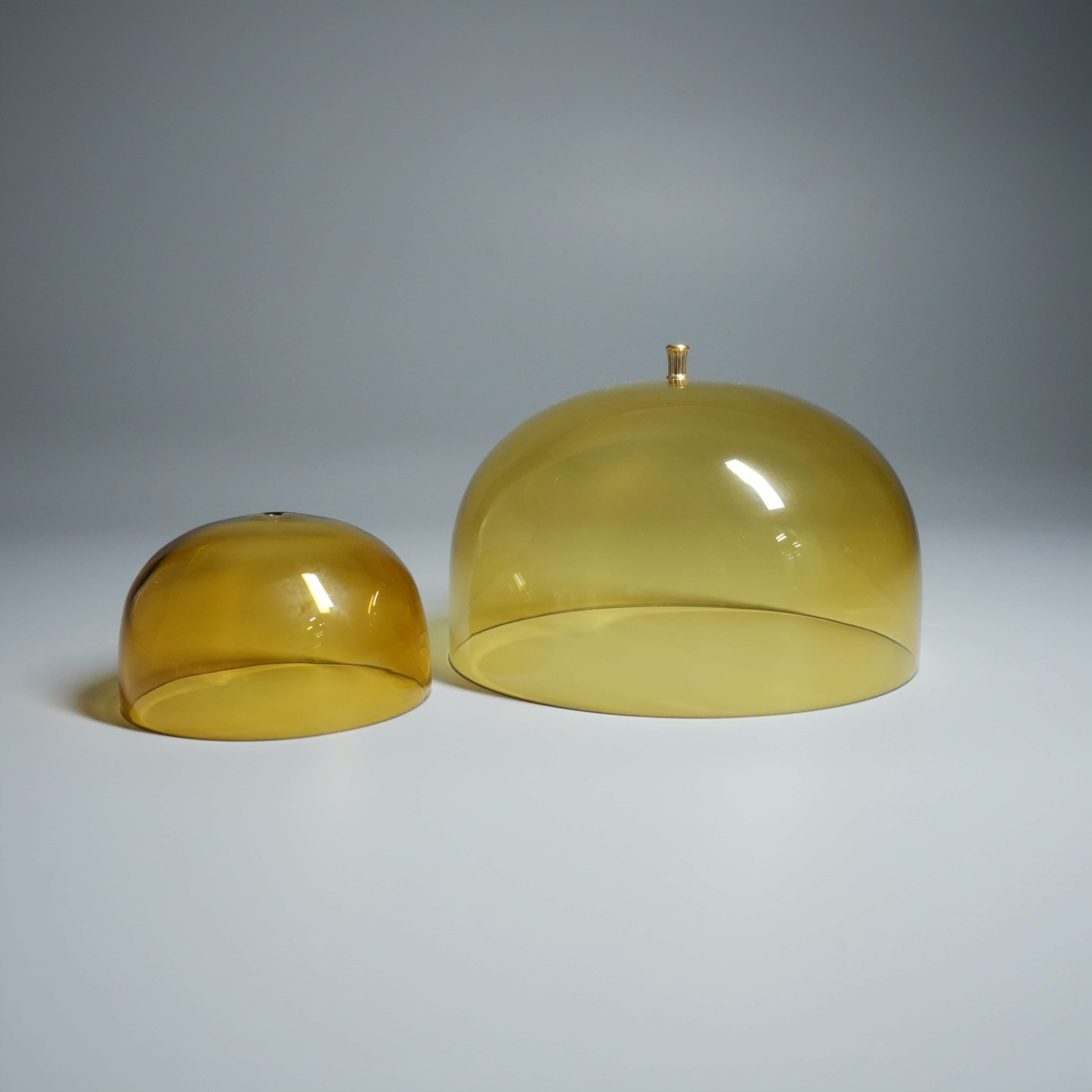
Certified Glass Cover for Food Machinery and Medical Equipment, Chemical Resistant
A cleanable glass barrier for food and medical machinery, useful when a double convex lens or sensor window must be isolated from washdown and chemical exposure.
View product
Custom Size Clear Borosilicate Explosion-Proof Antique Glass Light Covers Modern 2-Year Warranty Airport Outdoor Industrial
Thick-wall borosilicate covers for hazardous and outdoor fixtures, offering a reference for thermal-shock resistance, sealing faces and outer optical envelopes.
View product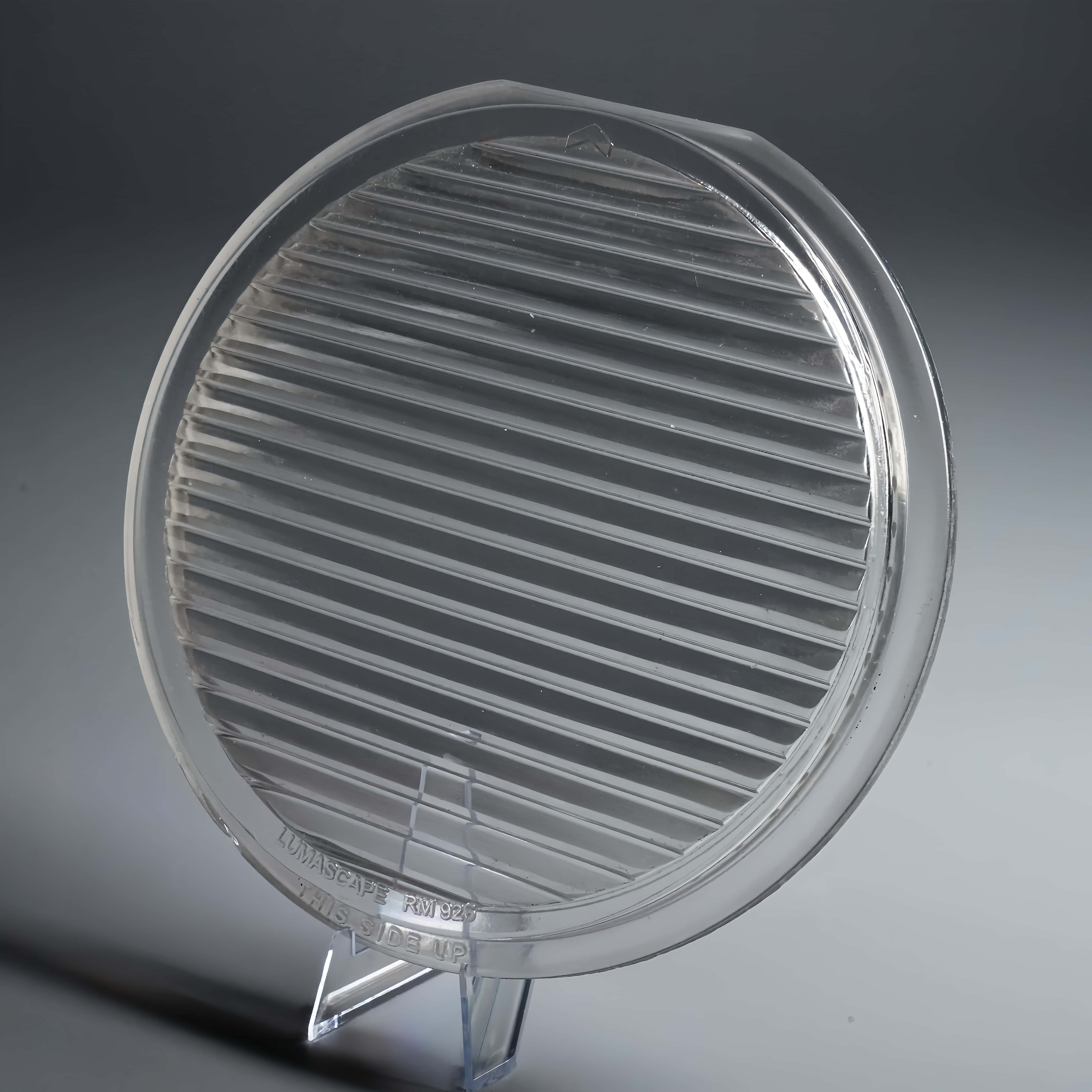
Supplier Custom Size Shape Pressed Mold Heat Resistant High Borosilicate Headlight Glass Lens Cover Headlight Glass Cover
Pressed-mold heat-resistant glass for headlight and projection optics; a practical reference for biconvex radius control, edge finishing and high-temperature LED environments.
View product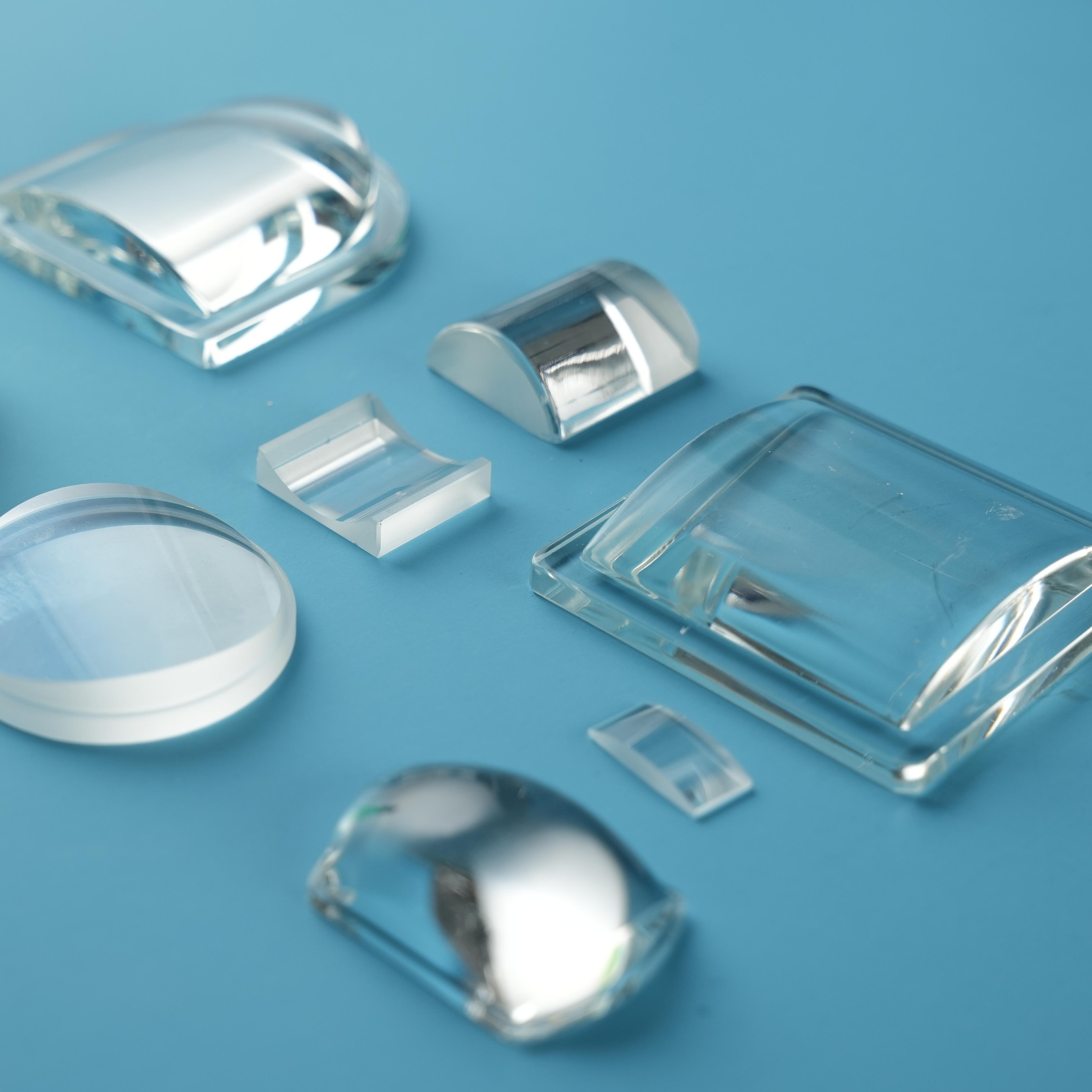
Manufacturer Custom OEM Anti-Reflective Laser Glass Optical Borosilicate UVC Plano Convex Cylindrical Biconvex Lens
The closest product-fit for custom double convex lens sourcing: borosilicate optical glass, AR coating options, laser/UVC use, and OEM dimensions for integration into sensing or illumination systems.
View product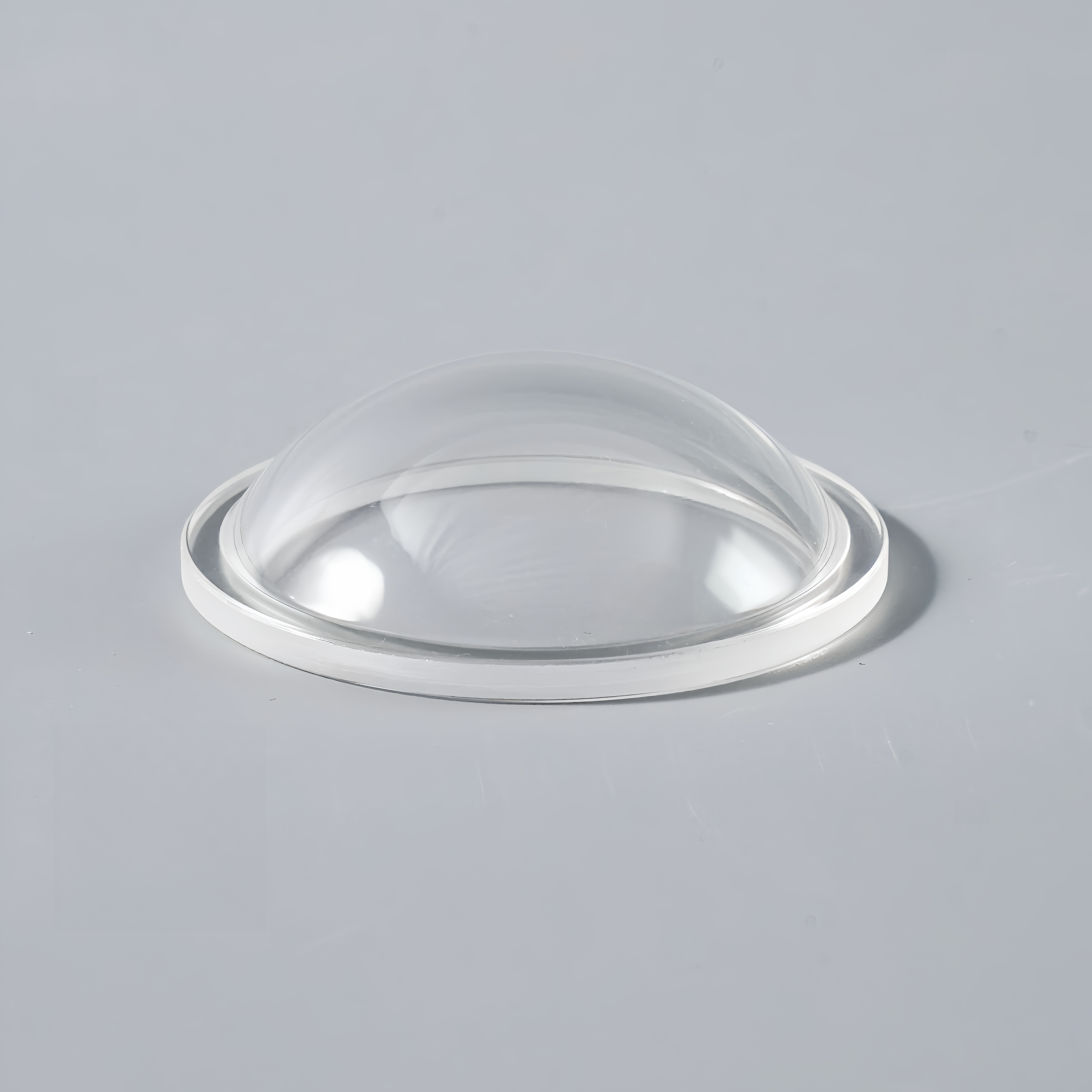
High-Light Transmission Clear Borosilicate Glass Dome Lens LED Outdoor Lighting Fixtures Impact Resistant Anti-Scratch OEM
A clear dome for LED outdoor lighting, sensor windows and impact-resistant optical housings; useful where a double convex lens stack needs a sealed, high-transmission front element.
View product
High Temperature Resistant Borosilicate Glass Fresnel Lens Anti-Reflective Coating High Power LED Collimation Stage Lighting
Demonstrates the heat resistance and AR-coating discipline also required in high-power biconvex lens systems for stage, studio and architectural lighting.
View product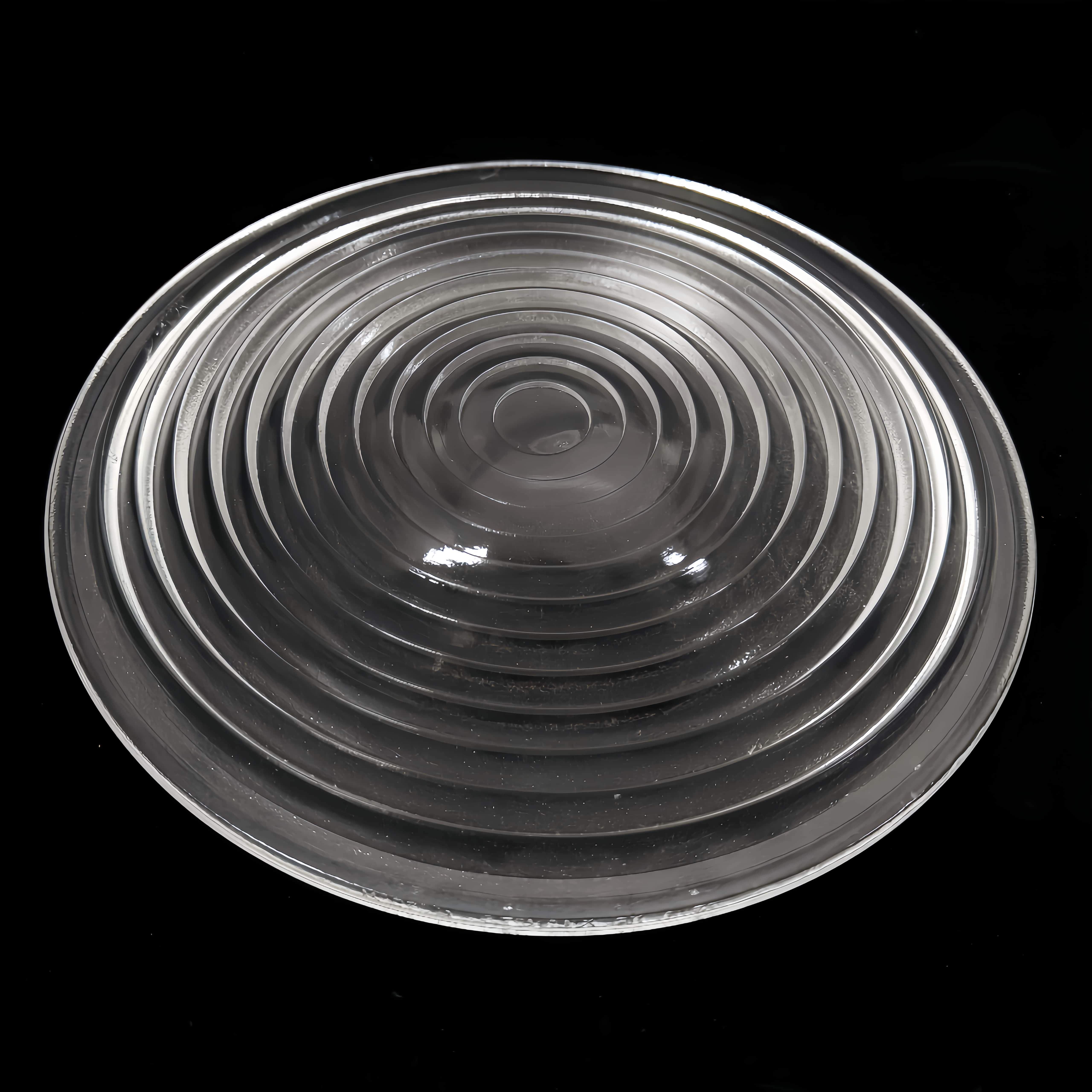
Precision Molded Borosilicate Glass Fresnel Lens Stage Lighting Anti-Reflective Coating FAA/ICAO Standards 175mm BO GLASS OEM
A large-aperture molded glass reference for repeatability, AR coating and fixture-level standards discussions when optics must align with FAA or ICAO-oriented lighting designs.
View product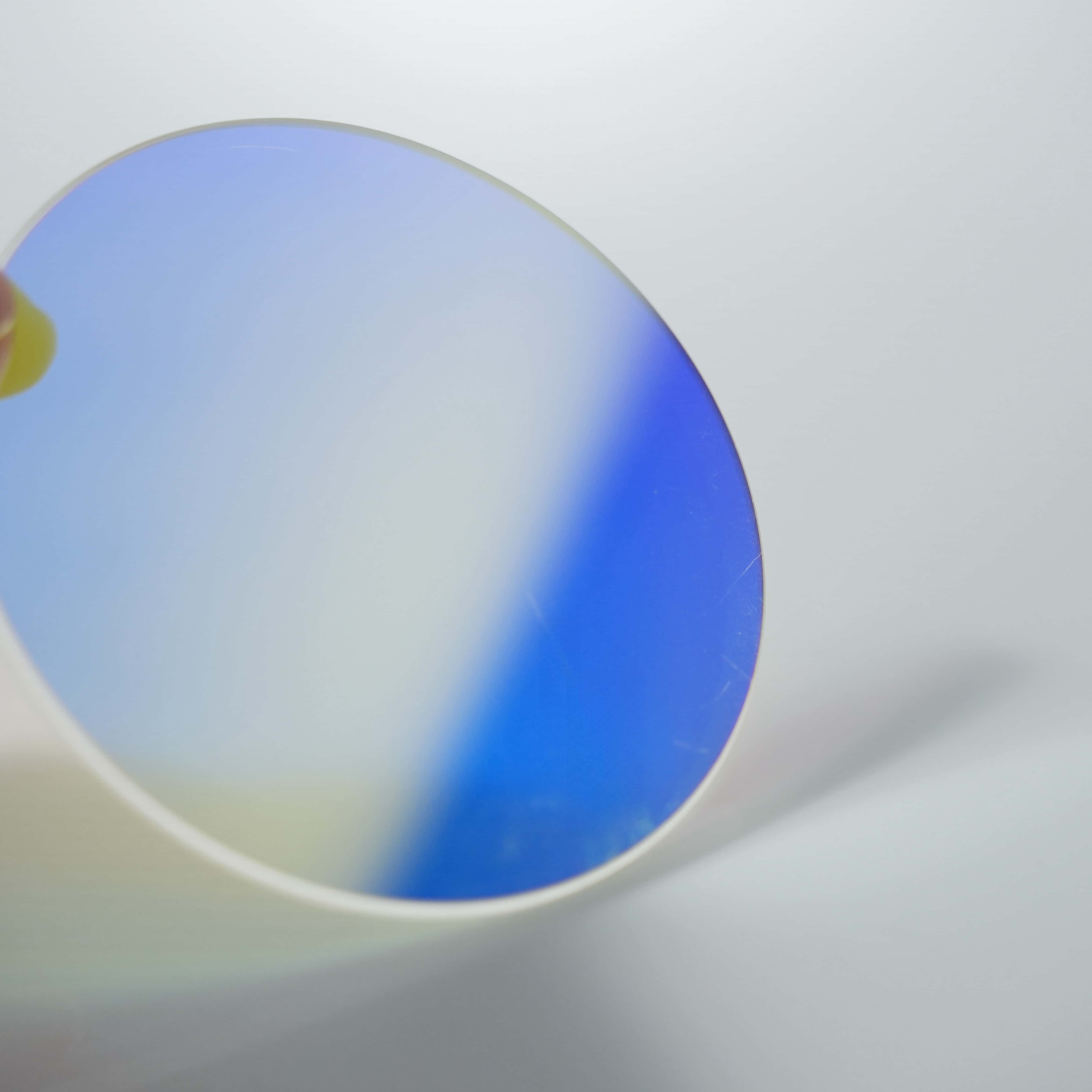
Optical Borosilicate Glass Longpass Shortpass Filter 500nm 600nm 700nm AR Coating Cut-Edge for Spectroscopy Industrial Sensor
A coated filter for spectroscopy and industrial sensors, suitable as an upstream or downstream optic in a double convex lens and sensor assembly.
View productWhat a Double Convex Lens Must Deliver Before Price Is Discussed
A double convex lens, also called a biconvex lens, has two outward-curved surfaces and positive focal power. In LED lighting, laser systems, spectroscopy, LiDAR, medical equipment and industrial sensors, the lens is rarely bought as a decorative glass part. It is a functional optical element whose value depends on radius control, center thickness, clear aperture, surface quality, coating durability and material transmission.
For procurement teams, the correct sourcing question is not “Who sells the cheapest biconvex lens?” It is “Which China manufacturer can reproduce my drawing, protect the optical path, document material and coating data, and keep the same optical output from sample to mass production?” That distinction separates a component supplier from a true OEM optical glass partner.
Shanghai Tambi Glass Industrial Co., Ltd. works from the same practical foundation: a drawing review, material selection, mold or grinding route, coating decision, inspection method and export packing plan. The company is a manufacturer and trading company focused on lighting and optical glass, with more than a decade of experience in borosilicate covers, explosion-proof lampshades, signal-light domes, LED lenses, Fresnel lenses, prisms and optical filters.
For double convex lens buyers, this experience matters at the interfaces: the lens-to-housing fit, the gasket compression, the LED thermal load, the AR coating angle, the edge chip limit and the final optical test. A supplier that understands those interfaces can reduce field returns before a mold is cut.
Procurement information gain
- Drawing-based OEM / ODM quotation, not catalog-only matching
- Borosilicate 3.3, tempered soda-lime, fused quartz and BK7 options
- AR, bandpass, longpass and shortpass coating discussions
- Sample measurement before mass production
- Inspection reports and material data on request
- Export packing designed for fragile optical parts
Thermal shock
High-power LEDs, stage fixtures and outdoor lights can heat a lens quickly. Borosilicate 3.3 is often selected for lower thermal expansion and stronger resistance to sudden temperature change.
Optical loss
Reflection at each glass-air surface reduces useful light. AR coating targets, wavelength range and angle of incidence must be specified together with the biconvex lens geometry.
Sealing & fit
Center thickness, edge thickness and sealing-face flatness affect gasket compression. A lens that performs on a bench can still leak or crack if the mounting interface is ignored.
Traceability
Buyers increasingly ask for material reports, coating details, inspection records and packing images. These documents shorten supplier qualification and support repeat orders.
Double Convex Lens Procurement Trends Through 2030
Purchasing teams are moving from unit-price comparison to total optical cost, supply resilience and documented process control. The trends below are especially relevant for China double convex lens manufacturers and supplier qualification.
Drawing-first RFQs
Buyers now share STEP, DXF, PDF drawings, tolerance stacks and optical performance targets at the first contact. Suppliers that can review manufacturability quickly are more valuable than catalog sellers.
Total optical cost
Coating yield, edge quality, packaging loss and field-return risk can outweigh a small piece-price difference. A stable process often lowers the true cost of a double convex lens program.
Dual sourcing
OEMs keep a qualified alternate for critical optics. They look for documented inspection methods, repeatable molds and clear communication from each supplier.
Flexible MOQs
Programs often start with 50–100 lenses for evaluation, then scale. Existing mold families and modular tooling help shorten the path from prototype to volume.
Compliance files
Material declarations, coating data and dimensional reports are becoming part of the purchase package. The glass supplier should support the fixture maker’s certification process.
China plus local support
Buyers combine China manufacturing economics with English technical support, sample coordination and an auditable quality path. Response time is part of the supply chain.
How Biconvex Lens Design and Manufacturing Are Evolving
The next generation of double convex lenses is being shaped by higher LED power, tighter sensing requirements, thinner fixtures and stronger documentation expectations.
AR-coated by default
More projects specify anti-reflective coating on one or both surfaces to raise transmission and control ghosting. Coating durability and wavelength range are becoming standard RFQ data.
High-temperature glass
Borosilicate and tempered glass continue to replace ordinary glass in high-power LED and outdoor fixtures where thermal shock and impact are both concerns.
Molded precision optics
Precision molding is being used for repeatable biconvex shapes and Fresnel profiles. For some volumes, molding reduces finishing cost while maintaining optical alignment.
Tight metrology
Buyers ask for radius, focal length, center thickness, surface defects and coating data. Suppliers must define what is measured, with which instrument, and how often.
Laser, UVC and LiDAR
New optical paths in sensing and disinfection systems require material transmission and coating choices that match the wavelength, power level and environmental exposure.
Lower scrap, better packing
Fragile optics reward careful annealing, chip control and divider packing. Lower damage rates improve landed cost and protect delivery schedules.
A Practical Decision View for Biconvex Lens Buyers
Use this visual as an early qualification reference. Final material and coating specifications must be confirmed against your drawing, operating temperature, wavelength, impact requirement and fixture certification target.



Why Shanghai Tambi Glass Is a Practical China Supplier for Optical Glass Programs
Shanghai Tambi Glass Industrial Co., Ltd. is a manufacturer and trading company serving lighting and optical OEMs worldwide. Its product scope includes custom borosilicate glass covers, explosion-proof lampshades, signal-light domes, LED lenses, Fresnel lenses, prisms and optical filters. For double convex lens projects, that range is useful because the optical element often sits inside a larger glass assembly rather than working alone.
The company’s stated design approach is drawing-based. Senior lighting and molding engineers review wall thickness, draft, sealing faces and optical path alignment before tooling begins. Buyers can send a 2D/3D drawing or physical sample with dimensions, tolerance, material, color and coating requirements; the team then reviews manufacturability, proposes mold options and confirms samples before mass production.
Procurement teams can review the company profile, factory video, supplier assessment, credit index, trade capacity and buyer feedback before requesting samples. This transparency supports a more complete supplier qualification file and reduces reliance on a single price quotation.
A Controlled OEM Workflow for Double Convex Lens Sourcing
Clear checkpoints reduce the gap between an approved sample and a stable repeat order. The workflow below is suitable for custom biconvex lenses, domes, Fresnel optics and sealed glass covers.
Drawing review
Check diameter, radius, center thickness, edge thickness, clear aperture, tolerance, sealing face and coating target.
Material & route
Select borosilicate, tempered glass, fused quartz or BK7; choose pressing, grinding, polishing or a combined process.
Tooling & sample
Use an existing mold family where possible, or develop tooling. Sample parts are measured and sent for fit and light tests.
Forming & annealing
Control thermal history to reduce internal stress. Tempering or annealing is selected according to material and application.
Coating & QC
Apply AR, bandpass, longpass or shortpass coating where required; inspect dimensions, appearance and optical defects.
Export packing
Separate fragile parts with foam or pulp dividers, pack in reinforced cartons and palletize for sea or air freight.
Double Convex Lens and Custom Optical Glass FAQ
These are the questions procurement and engineering teams commonly ask before requesting a quotation from a China double convex lens manufacturer or supplier.
Can you manufacture double convex lenses to my own drawing?
Yes. Most projects are drawing-based. Send a 2D/3D drawing or physical sample with dimensions, radius, center thickness, edge thickness, tolerance, material, coating and annual volume. The engineering team reviews manufacturability, proposes mold or grinding options and confirms samples before mass production.
What is the typical minimum order quantity for biconvex optical lenses?
Typical MOQs can start around 50 pieces for optical lenses and may range from 100 to 500 pieces for pressed or blown lighting glass covers, depending on whether an existing mold can be used. Sample quantities are available for evaluation before a volume order.
Should I choose borosilicate glass or tempered soda-lime glass?
Borosilicate 3.3 has low thermal expansion of about 3.3 × 10⁻⁶/K, so it tolerates high lamp temperatures and sudden rain or cold-water contact better. Tempered soda-lime glass offers high impact strength at a lower cost for moderate temperatures. The correct choice depends on surface temperature, impact rating, coating and the certification target of your fixture.
Can you support FAA L-810, EN 50293 or ICAO-related lighting projects?
The company produces glass lenses and domes for fixture makers whose obstruction and signal lights are designed to FAA L-810, EN 50293 or ICAO-related requirements. Fixture certification is held by the luminaire manufacturer; the glass supplier matches color, transmission and dimensional specifications and can provide material and inspection reports on request.
What optical data should I include in the RFQ?
Include diameter, clear aperture, radius or focal length, center thickness, edge thickness, surface quality, allowable chips, material grade, transmission target, coating wavelength range, angle of incidence and any sealing-face flatness requirement. If you have a tolerance stack or housing drawing, include it so the review covers fit as well as optics.
How fast do you reply to technical inquiries?
Average response time is within 6 hours. Include your drawing, operating environment, annual volume and target schedule for a technical and commercial review. If the project is urgent, state the required sample date and mass-production date in the first message.
How are fragile glass lenses and covers packed for export?
Parts are separated by foam or pulp dividers, packed in reinforced export cartons and palletized for sea or air freight. Custom packaging and labeling for distributors can be arranged. For high-value optical parts, the packing plan and carton images should be confirmed before shipment.
Have a Double Convex Lens Drawing? Get an Engineering Review Within 6 Hours.
Share your dimensions, material, coating target, operating temperature and annual volume. The review can cover manufacturability, mold route, sample plan, inspection method and export packing for your optical glass project.