Top 10 Plano Convex Lens Factory & Supplier
How global lighting, LiDAR, laser and instrumentation buyers separate true optical manufacturing capability from catalog assembly — and where custom borosilicate plano convex optics create measurable procurement advantage.
Eight Plano Convex & Precision Optical Glass Products Buyers Source First
The search for a “Top 10 Plano Convex Lens Factory & Supplier” usually begins with a focal length, a drawing or a failed sample. The eight families below represent the practical product paths where optical glass, thermal stability, coating quality and sealed-fixture reliability decide whether a program scales.
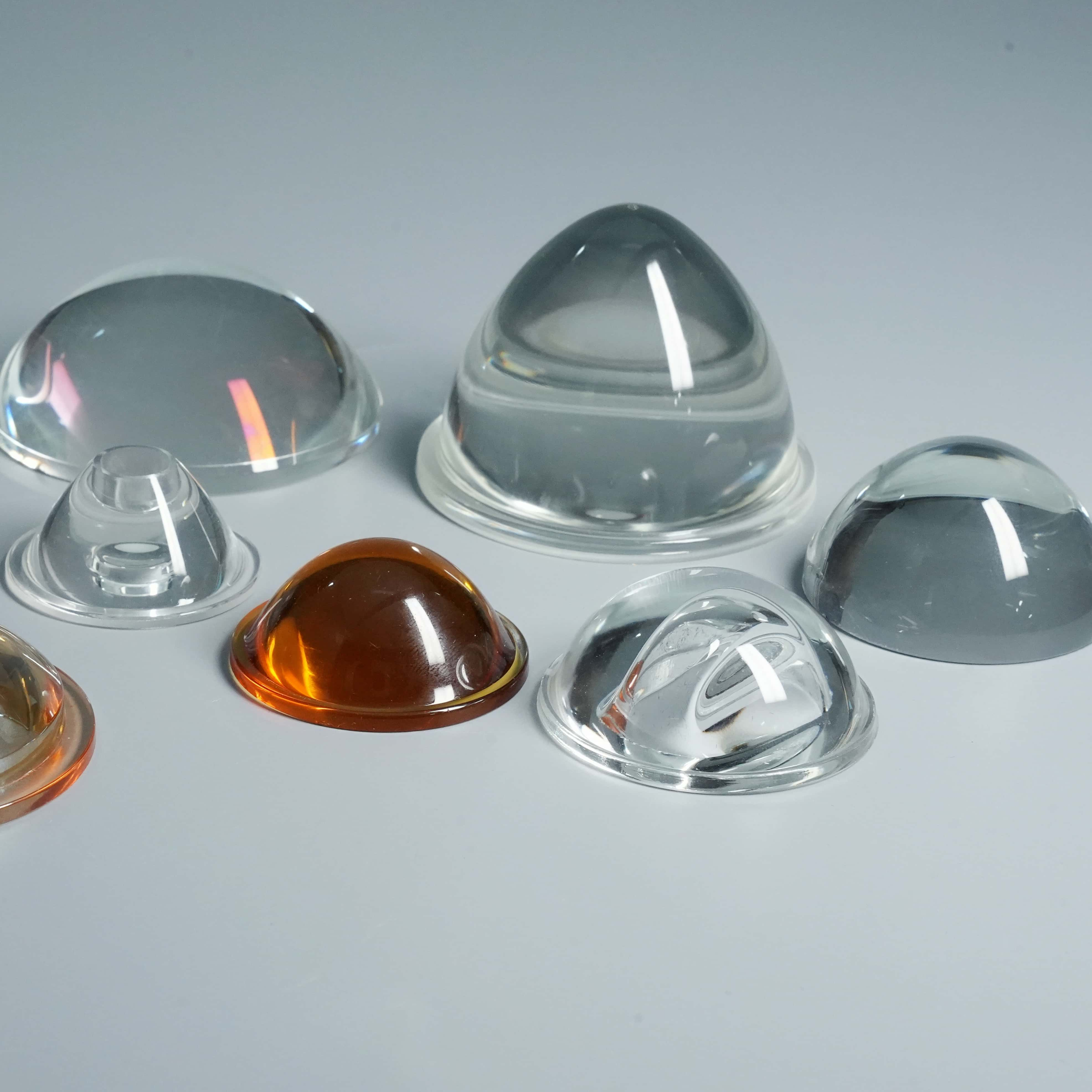
Custom Borosilicate LED Grow Light Convex Lens
Anti-reflective full-spectrum transmission for indoor farming, high-power LED modules and sealed horticultural fixtures.
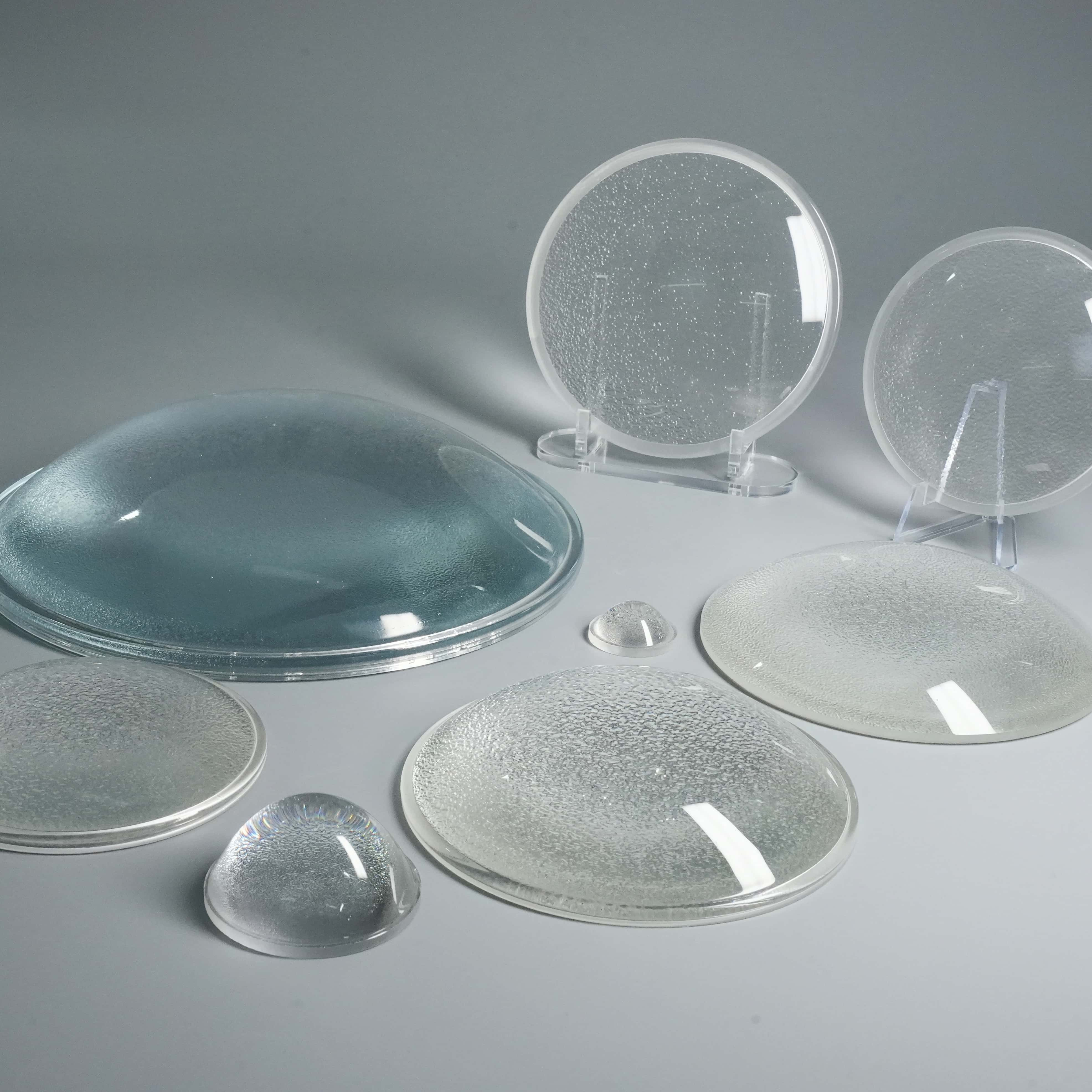
Asymmetric LED Lens for Roadway & Street Lights
Designed for glare reduction, light-pollution control and UV protection in municipal and roadway fixtures.
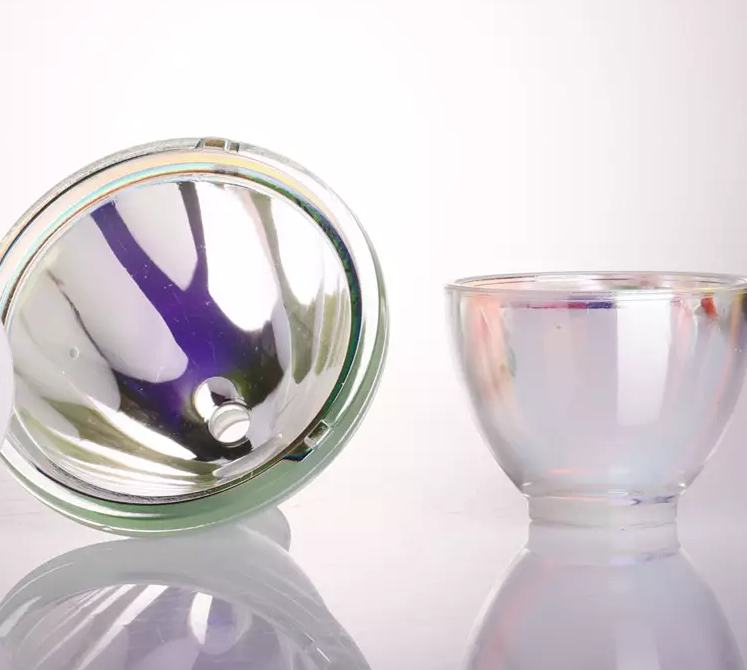
COB Glass LED Reflector Bowl — Deep Design
Beam-angle control for spotlights and projector lights, with 20°, 60° and 90° options reviewed to your housing.

Clear Borosilicate Glass Dome Lens
Impact-resistant, anti-scratch protection for outdoor lighting fixtures, with OEM dimensions and transmission targets.

Heat-Resistant Explosion-Proof Protective Shade
Transparent borosilicate protection for high-temperature and hazardous-area luminaires requiring crack resistance.
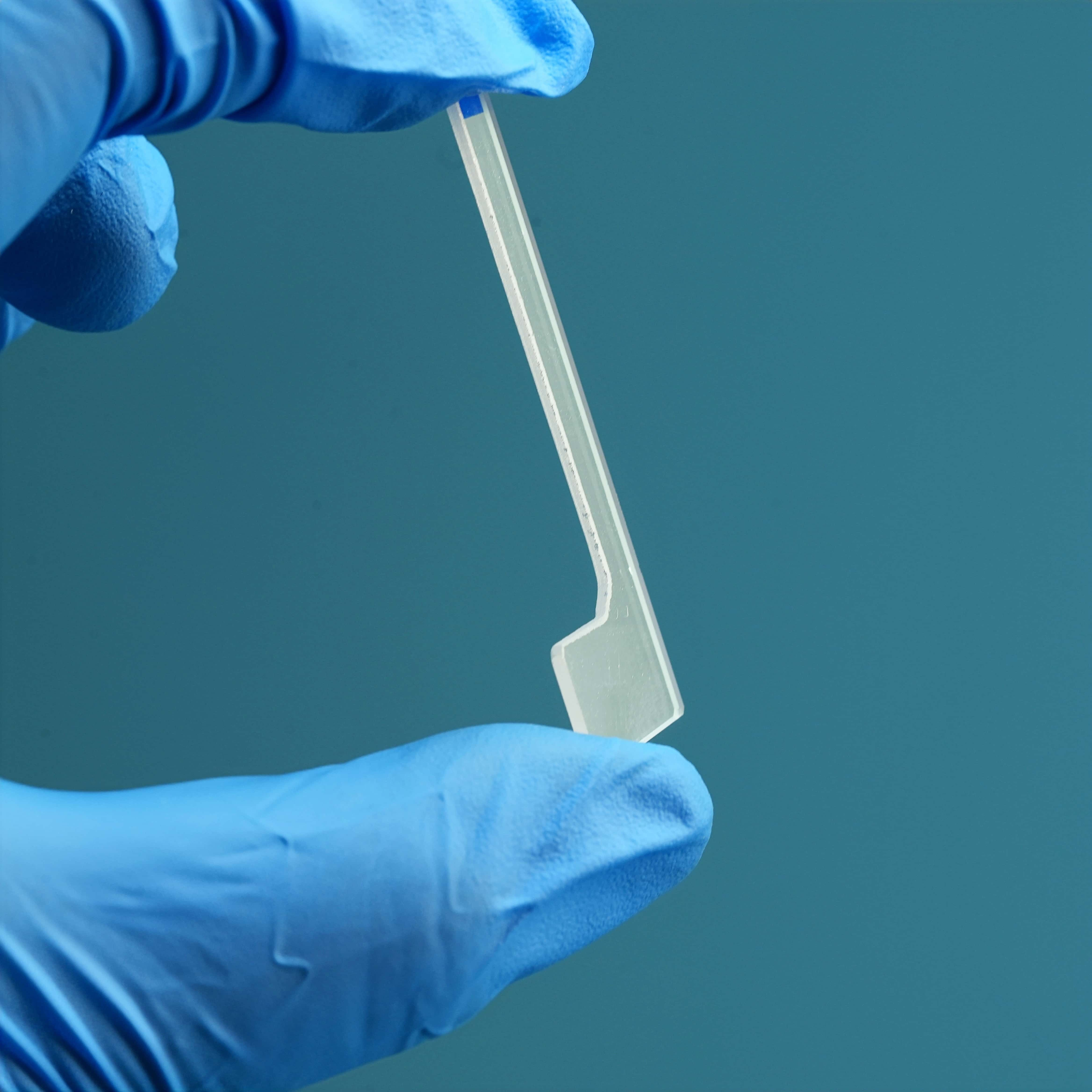
Anamorphic Prism Pair for Laser Beam Shaping
Circularizes elliptical beams for fiber coupling, laser modules and instrumentation where beam symmetry affects yield.

175mm AR-Coated Borosilicate Fresnel Lens
Wholesale OEM shape and size support for stage lighting, collimation and high-power LED optical engines.
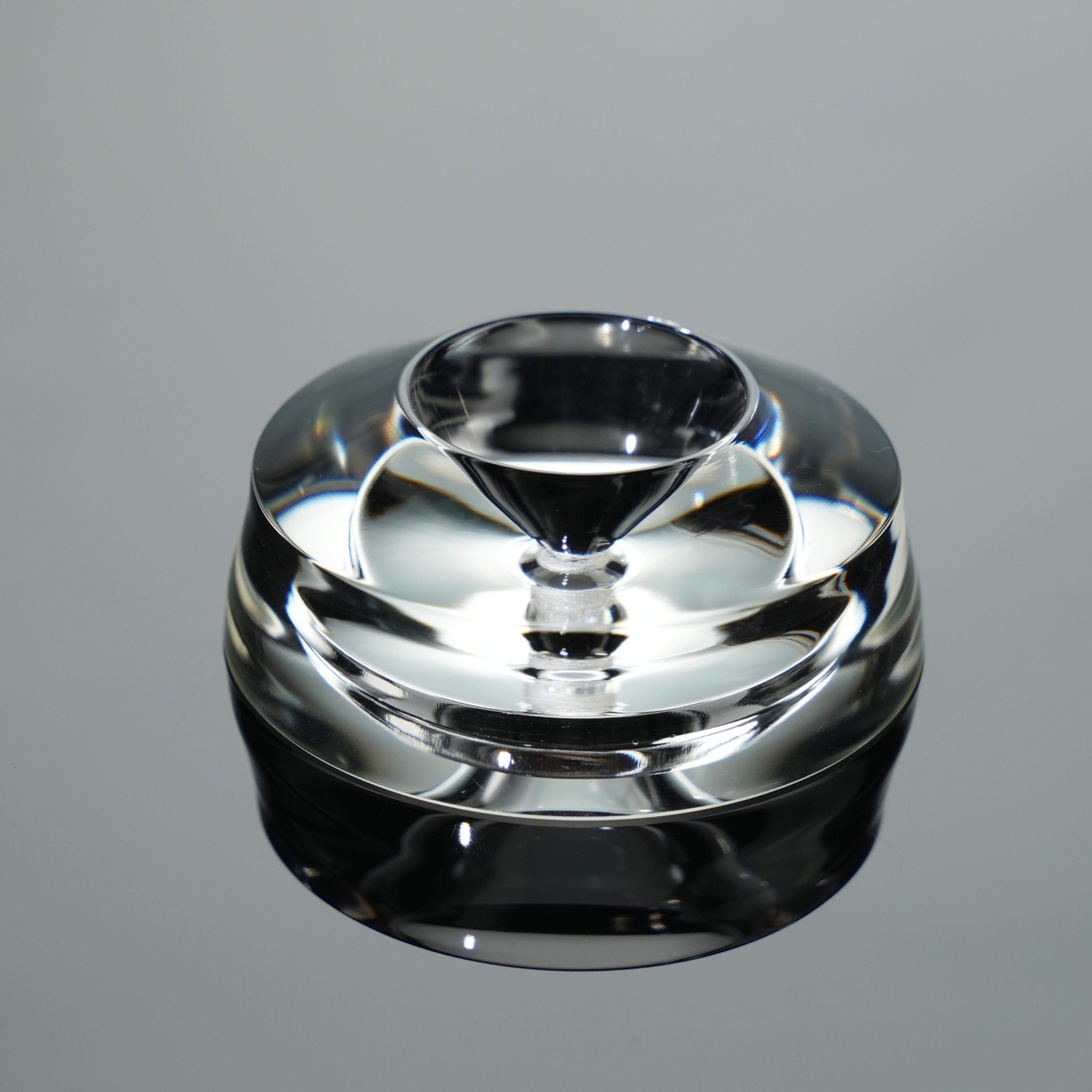
FAA-Compliant Runway & Taxiway Glass Lens
Heat-resistant borosilicate optics for in-pavement lights, IP68 assemblies and demanding airfield environments.
Why a Plano Convex Lens Supplier Search Is Really a Risk-Management Decision
A plano convex lens is a deceptively simple optical component: one spherical convex surface and one flat surface, used to focus, collimate or image light. In a laboratory catalog, success is measured by focal length and diameter. In a production luminaire, LiDAR module, laser system or airport fixture, success is measured by transmission repeatability, coating durability, thermal-shock survival, sealing-face geometry and lot-to-lot traceability.
That gap explains why the query “Top 10 Plano Convex Lens Factory & Supplier” carries high commercial intent but low tolerance for generic supplier lists. Procurement teams are not only comparing price per piece. They are comparing how quickly an engineering team can review a drawing, how clearly a factory can define optical and mechanical tolerances, and how reliably the same lens will perform after 500 or 5,000 units. In the age of AI-assisted search and semantic procurement research, the winning supplier is the one that publishes evidence — not the one with the largest catalog.
Tambi Glass approaches this from the fixture side. Shanghai Tambi Glass Industrial Co., Ltd. manufactures and supplies custom borosilicate glass covers, explosion-proof lampshades, signal-light domes, LED lenses, Fresnel optics, prisms and optical filters for lighting and optical OEMs. The practical information gain for buyers is simple: a plano convex lens should be specified as part of an optical system, not as an isolated glass part. Heat path, LED placement, gasket compression, AR coating bandwidth and inspection method all move together.



What a Top 10 Plano Convex Lens Factory & Supplier Must Prove
A credible top-10 shortlist is not a popularity list. It is a set of ten capabilities that can be checked during RFQ, sample approval and mass production. Each point below should appear in the supplier’s technical response, not only in a brochure.
Optical Design Co-Review
Can the factory comment on focal length, NA, back focal distance and LED placement before quoting?
Material Grade Discipline
Borosilicate 3.3, tempered soda-lime, fused quartz and BK7 must be selected by thermal and optical duty.
Tooling Repeatability
Pressed, blown, ground and coated processes must hold the same geometry from sample to volume.
AR & Optical Coating Control
Coating bandwidth, adhesion, scratch resistance and transmission loss must be measurable and reported.
Metrology & Traceability
Lot records should link dimensions, visual inspection, coating batch and material certificates.
Thermal-Shock Validation
High-power LED and outdoor fixtures require evidence, not assumptions, on CTE and annealing stress.
Sealing & Fixture Fit
Flatness, edge finish and gasket contact geometry often decide IP68 success more than lens power.
Prototype-to-Scale Path
Low-MOQ optical samples should transition into stable pressed or ground production without redesign.
Export Packing & Documentation
Fragile optics need divider packaging, pallet planning, inspection reports and shipment consistency.
Engineering Response Speed
A useful supplier returns a technical review within hours, not a generic price list after several days.
Six Purchasing Shifts Reshaping Plano Convex Lens Sourcing
The next buying cycle will reward suppliers who can discuss optical risk in commercial language. Price remains important, but the total cost of a failed coating, a cracked dome or a delayed tooling transfer is now part of the evaluation.
Dual Sourcing by Design
Procurement teams are qualifying a primary and a backup optical glass factory before launch, not after a supply disruption. Drawings, coating specifications and inspection criteria must be portable between sites.
Tolerance Compression
Higher-power LEDs, tighter LiDAR fields of view and slimmer fixture profiles are pushing buyers to specify diameter, centration, focal length and surface quality in the same RFQ.
Coating as a Contract KPI
AR coating is moving from an optional note to a measurable performance requirement. Buyers want wavelength range, reflectance target, adhesion test and transmission verification tied to acceptance.
Thermal Integration
Plano convex optics are being evaluated together with housing, gasket and heat sink. A borosilicate lens may be justified less by catalog price and more by reduced thermal-stress failures in the field.
Data-Rich RFQs
3D drawings, optical performance targets, annual volume, application temperature and end-certification requirements are being packaged into one technical brief to shorten supplier comparison.
Lead-Time Resilience
Mold ownership, packing standards, raw-glass planning and shipping documentation are now part of supplier risk scoring. A fast sample does not guarantee a stable mass-production ramp.
Where Plano Convex Lens Technology Is Moving Next
Semantic search data and technical RFQs point to a consistent direction: glass optics are being asked to do more than shape light. They must survive heat, resist scratches, support sealing, carry coatings and remain traceable across global supply chains.
From Polymer to Glass in Demanding Fixtures
High-power LED, stage lighting, outdoor floodlighting and industrial luminaires are revisiting glass where acrylic or polycarbonate suffers from thermal drift, UV yellowing or coating wear. Borosilicate 3.3 remains a strong reference material because its low thermal expansion helps it tolerate lamp heat and sudden rain or washdown contact. For moderate temperatures and stronger impact demand, tempered soda-lime glass can be a cost-effective alternative. Fused quartz and BK7 remain relevant for UV, laser and precision optical paths.
- AR-coated convex lenses for full-spectrum horticulture lighting
- Large-diameter Fresnel and plano convex optics for stage and projection
- Pressure-rated domes and windows for LiDAR and outdoor sensing
- Prism pairs and filters for laser beam shaping and fiber coupling
Coatings, Metrology and System Integration
The next differentiation is not only whether a factory can grind or press a lens, but whether it can control the optical interface after coating. Buyers increasingly ask for wavelength-specific AR designs, transmission baselines, adhesion checks and clear acceptance criteria. At the same time, plano convex lenses are being designed with sealing faces, chamfers, locating features and edge treatments that reduce assembly variation. In other words, the optical component is becoming a mechanical interface as well as a light-control element.
This is where a manufacturer with lighting-glass experience adds value. Understanding gasket compression, thermal shock, IP68 assemblies and fixture certification helps avoid a lens that looks correct on paper but fails during housing integration. For OEM buyers, the best supplier is the one that can translate a drawing into a manufacturable glass part without separating optical, mechanical and compliance requirements.
Review Buyer FAQ
Why Tambi Glass Belongs on a Practical Optical Glass Shortlist
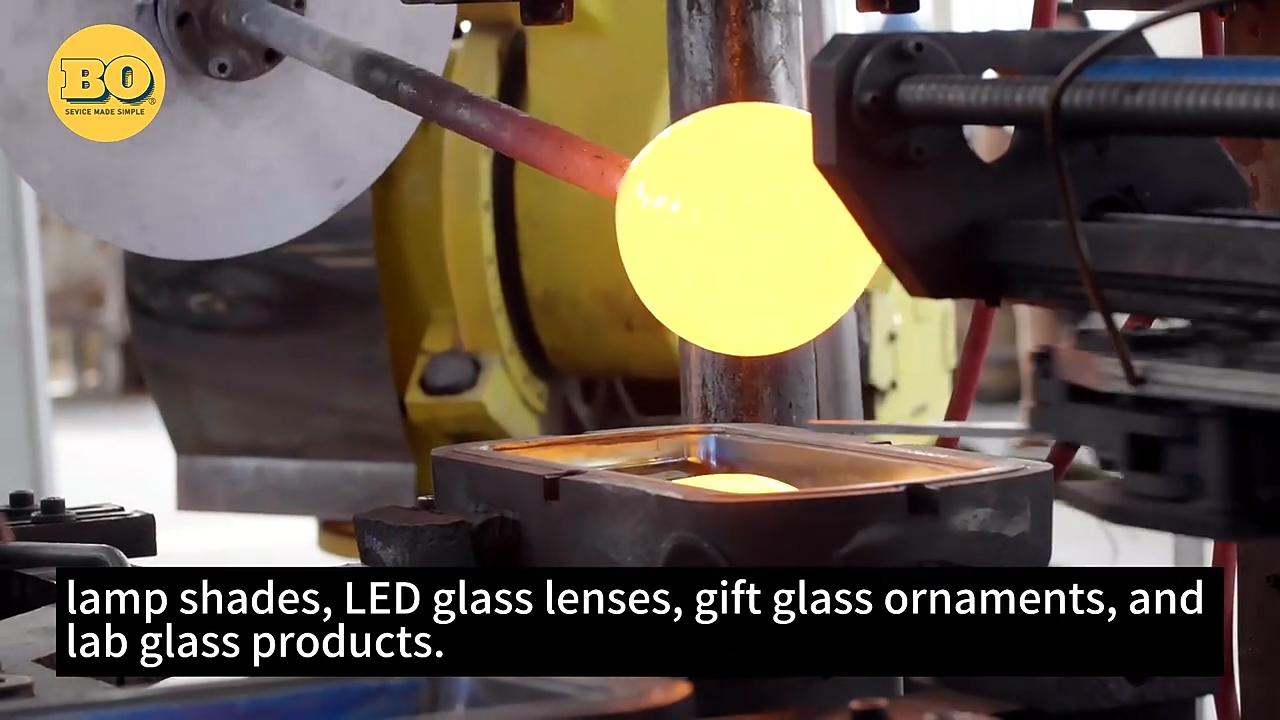
Shanghai Tambi Glass Industrial Co., Ltd. is a Shanghai-based manufacturer and trading company focused on custom lighting glass and optical glass components. The company serves lighting and optical OEMs worldwide, with experience across Europe, North America and Japan. Its strength is not a one-size-fits-all catalog; it is drawing-based OEM/ODM production supported by senior lighting and molding engineers who review wall thickness, draft, sealing faces, optical path alignment and thermal duty before tooling starts.
For plano convex lens buyers, that means the quotation process can include manufacturability feedback, material recommendation and sample planning instead of a simple price. Tambi works with borosilicate, tempered glass, quartz and BK7, and combines pressed, blown, ground and coated processes under one supply chain. This matters when a program needs a lens, a protective dome and an explosion-proof shade qualified by the same technical team.
- Drawing-based OEM / ODM
- Borosilicate, tempered, quartz, BK7
- AR and optical coatings
- Onsite-verified supplier records
- FAA L-810 and EN 50293 fixture support
- Export-grade fragile-glass packing
Typical minimum order quantities range from about 50 pieces for optical lenses to 100–500 pieces for pressed or blown lighting covers, depending on whether an existing mold can be used. Sample quantities are available for evaluation. For buyers who need transparency before purchase, Tambi provides a factory video, supplier assessment, credit index, transaction level, trade capacity and trade history. These records help procurement teams complete supplier qualification faster and with fewer assumptions.
Optical Material Selection Data for Plano Convex Lens Buyers
Material choice should follow operating temperature, thermal shock, impact exposure, wavelength range and certification. The table below is a starting reference for RFQ discussions, not a substitute for drawing-specific validation.
| Material | Thermal expansion (×10⁻⁶/K) | Typical max. working temperature | Key strength | Best-fit applications | Transmission reference |
|---|---|---|---|---|---|
| Borosilicate 3.3 | ≈ 3.3 | ≈ 450 °C | Excellent thermal-shock resistance | Explosion-proof shades, high-power LED covers, Fresnel lenses, plano convex optics | High |
| Tempered soda-lime | ≈ 9.0 | ≈ 250 °C | High impact strength and economical cost | Outdoor covers, floodlight glass, vandal-resistant lenses | Good |
| Fused quartz | ≈ 0.55 | ≈ 1000 °C+ | UV transmission and extreme heat tolerance | UV optics, high-temperature windows, laser components | Very high |
| Optical BK7 (H-K9L) | ≈ 7.1 | ≈ 300 °C | Homogeneous optical properties, nd ≈ 1.517 | Precision lenses, prisms, mirrors, filters | High |
Values are typical references. Final specification should be confirmed against your drawing, lamp surface temperature, impact rating, coating requirement and the standard your fixture must meet. For aviation and marine lighting, fixture certification remains with the luminaire manufacturer; glass suppliers should match color, transmission, dimensions and inspection records to the approved design.
A Controlled 6-Step OEM Process for Optical Glass Components
Clear checkpoints reduce surprises between sample approval and mass production. The same sequence applies whether the part is a small plano convex lens or a larger protective dome.
Drawing Review
DFM check of thickness, draft, tolerance, optical path and sealing face before quotation is finalized.
Mold & Tooling
New or existing molds for pressing, blowing, grinding or finishing, selected to match volume and geometry.
Sampling
Samples measured and sent for fit, light and thermal evaluation before mass-production approval.
Forming & Annealing
Controlled forming and annealing or tempering help relieve stress and stabilize the optical part.
Coating & QC
AR or color coating, dimensional inspection, visual checks and agreed acceptance criteria.
Export Packing
Divider-packed cartons and palletized freight for fragile glass, with custom labeling available.
Frequently Asked Questions from Global Plano Convex Lens Buyers
These are the commercial and technical questions procurement teams commonly raise during supplier comparison. Clear answers shorten the path from RFQ to sample approval.
Can you manufacture plano convex lenses and glass covers to my own drawing?
What is the typical minimum order quantity for a custom optical lens?
Should I choose borosilicate 3.3 or tempered soda-lime glass?
Do you supply glass for FAA L-810 and EN 50293 lighting fixtures?
How fast do you reply to technical inquiries?
Can you provide AR coating, material reports and inspection records?
How are fragile glass lenses and domes packed for export?
What makes a factory a top-10 supplier in practice?
Have a Drawing? Get an Optical Glass Engineering Review Within 6 Hours.
Share your dimensions, material, operating temperature, coating target and annual volume. The Tambi Glass team will review manufacturability and recommend a practical plano convex lens or lighting glass solution for your fixture.