8 Optical Glass Lens Products Buyers Ask For First
These application-ready components reflect the high-intent searches procurement teams use when they move from general supplier research to drawing-based quotation. Each item can be adapted by size, thickness, coating, edge finish, color and packing format.

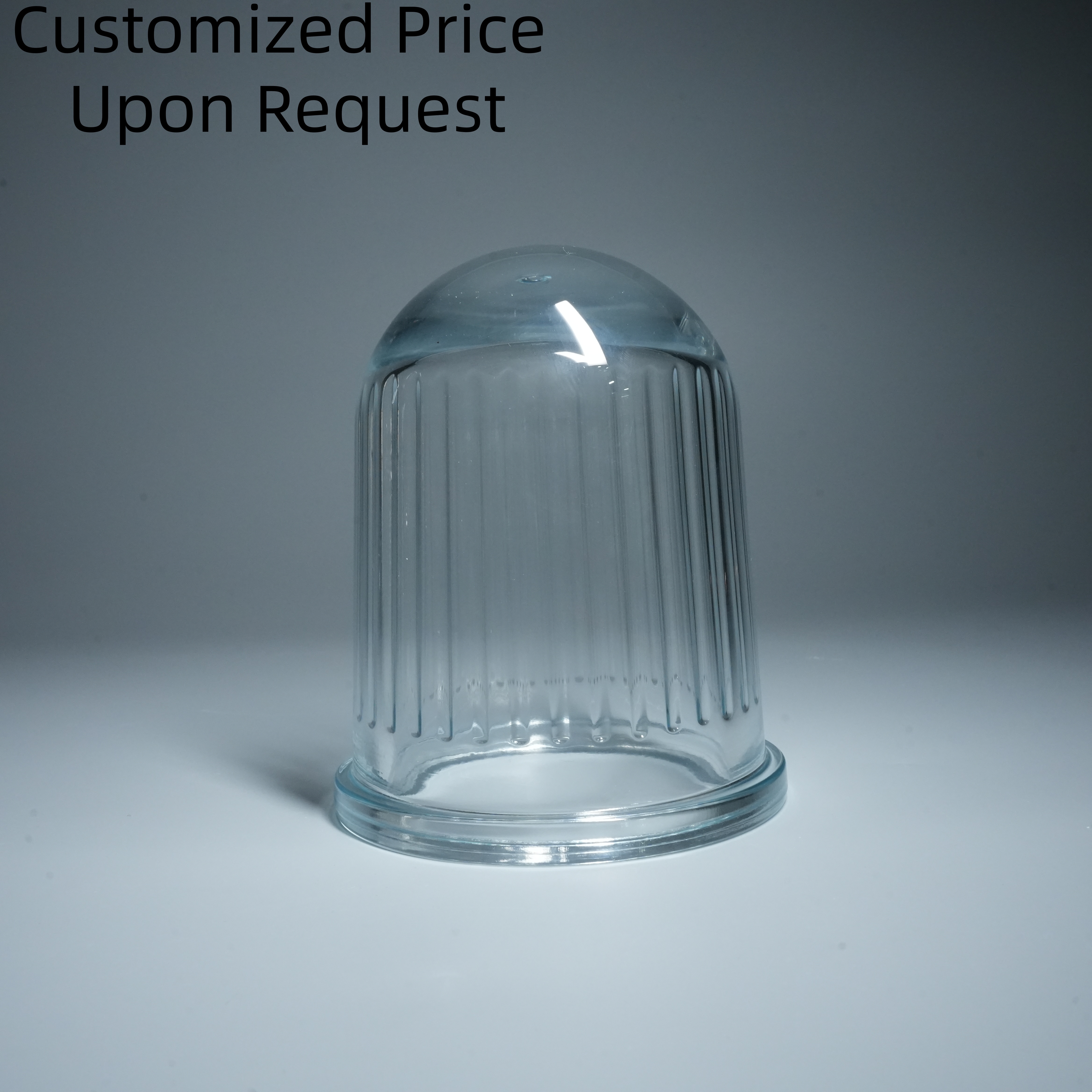
Custom Waterproof Coastal Victorian Outdoor Stage Glass Lampshade
View product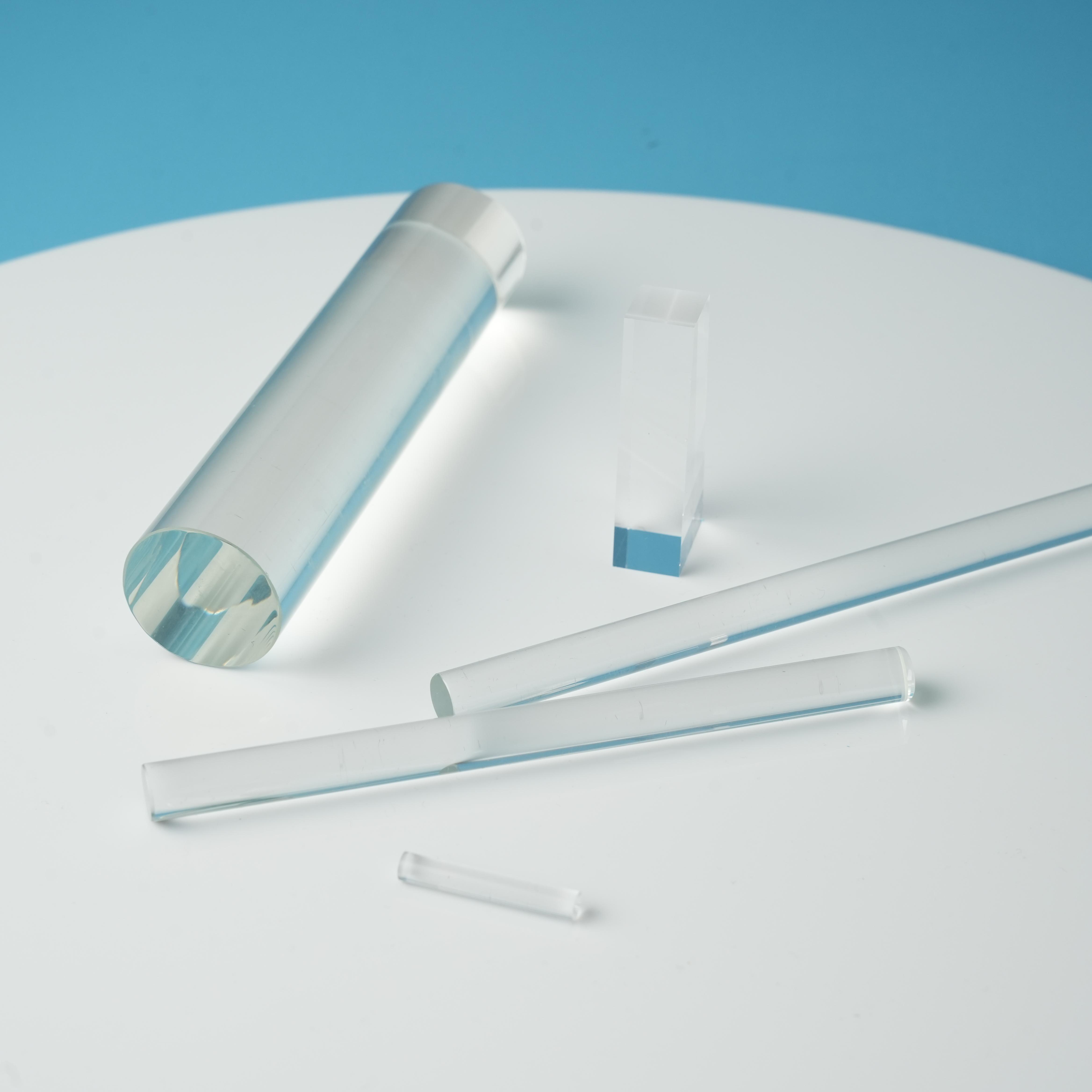

How to Read the Top 10 Optical Glass Lens Manufacturer & Factories Shortlist
Search intent for “Top 10 Optical Glass Lens Manufacturer & Factories” is rarely a request for a directory. It usually comes from an engineer or sourcing manager who needs a factory that can interpret a drawing, control optical tolerances, validate thermal shock and repeat quality after the sample is approved.
Price is only one line in the total-cost equation
A lens that costs less per piece but fails sealing, coating or thermal-shock validation creates far more cost than the quotation shows. For lighting glass, the failure mode is often not optical at all: it is a crack after cold rain hits a hot cover, a coating that shifts color over time, a sealing face that is not flat enough for the gasket, or packaging that allows edge chipping during export.
The stronger procurement question is therefore: can this factory prove repeatability at the 10,000th piece, not only at the first sample? That proof appears in drawing review, tooling control, annealing records, dimensional inspection, coating measurements and packing validation.
This guide treats “top 10” as a 10-factor factory scorecard rather than a static popularity list. It is built around the capabilities that commonly separate reliable optical glass factories from suppliers that only trade glass. The featured company profile, Shanghai Tambi Glass Industrial Co., Ltd., is included because its public capabilities align closely with the buying criteria below: custom borosilicate, tempered glass, quartz, BK7/K9, AR coating, prisms, signal-light domes, explosion-proof shades and drawing-based OEM production.
For buyers, the most useful information gain is not another list of names. It is a repeatable way to compare factories with different processes, minimum order quantities, material expertise and documentation habits.
What a strong optical glass factory can prove
- Drawing-based DFM review before tooling
- Material grade matched to temperature and impact
- Annealing or tempering controls that reduce residual stress
- Coating thickness, transmission and color consistency
- Export packing that protects edges and optical surfaces
Top 10 Optical Glass Lens Manufacturer & Factories: 10-Point Evaluation Matrix
Use these ten checks to compare suppliers consistently. A factory may be strong in one area and weak in another; the goal is to identify which risk matters most for your fixture, instrument or optical assembly.
Drawing-based DFM
Does the supplier review wall thickness, draft, tolerance stack-up, sealing faces and optical path alignment before quoting tooling?
Material science
Can the team explain when to use borosilicate 3.3, tempered soda-lime, fused quartz or BK7/K9 for heat, impact, UV or refractive-index requirements?
Thermal-shock validation
For lighting covers and domes, can the factory provide evidence that annealing or tempering is controlled for hot-lamp and cold-rain conditions?
Optical coating control
Are AR, bandpass, longpass or color coatings measured for thickness, transmission and batch consistency rather than judged visually only?
Dimensional inspection
Can the factory report diameter, thickness, curvature, angle, flatness and edge quality with the instruments your drawing requires?
Cosmetic standard
Is there a written acceptance standard for scratches, bubbles, chips, inclusions and coating defects that matches the end application?
Tooling and MOQ logic
Does the supplier separate existing-mold production from new-tooling projects, and is the MOQ tied to the real forming method?
Traceability
Can material certificates, inspection reports, sample approval records and batch labels be linked to the shipment?
Export packing
Are glass parts separated by foam or pulp dividers, reinforced in export cartons and palletized for sea or air freight?
Communication speed
Does the supplier answer technical questions quickly, propose manufacturable alternatives and clearly state assumptions before mass production?
Shanghai Tambi Glass Industrial Co., Ltd.: A Drawing-Based Custom Glass Manufacturer
For buyers building a shortlist of optical glass lens manufacturers and factories, Tambi Glass is relevant because its capabilities cover lighting glass, signal-light domes, explosion-proof shades, LED lenses, prisms and optical filters rather than a single catalog item.
Experience built around real luminaire conditions
Shanghai Tambi Glass Industrial Co., Ltd. is a manufacturer and trading company focused on custom borosilicate glass covers, explosion-proof lampshades, signal light domes, LED lenses, prisms and optical filters for OEM lighting buyers worldwide. The company’s stated experience is more than ten years in lighting glass, with an operating team of 11–50 people and an annual export revenue range of US$2.5 million to US$5 million.
That profile matters because the hardest part of optical glass sourcing is often not the optical formula. It is the interaction between glass and the fixture: heat build-up behind high-power LEDs, thermal shock from rain on a hot cover, impact loads in hazardous areas, color accuracy for signal lights, sealing-face flatness and the ability to pack fragile parts for export.
Tambi’s process breadth is also relevant to procurement. The company works across borosilicate, tempered glass, quartz and BK7/K9 materials, with pressed, blown, ground and coated processes coordinated under one supply chain. For buyers comparing top optical glass factories, that breadth can reduce the number of vendors needed for a project that includes lenses, domes, covers, filters or prisms.
The company’s design team reviews drawings for wall thickness, draft, sealing faces and optical path alignment before tooling starts. This is the kind of early engineering review that prevents expensive mold changes later. Tambi also states that its average response time is within six hours, which is useful for procurement teams running sample approvals across time zones.
At a glance
- Location: Shanghai, China
- Business type: manufacturer and trading company
- Team: 11–50 people; 10+ years in lighting glass
- Materials: borosilicate 3.3, tempered soda-lime, quartz, BK7/K9
- Capabilities: pressing, blowing, grinding, AR coating, color coating
- Verification: onsite-verified supplier records available for review
- Average technical response: within 6 hours

Production workshop support for drawing-based glass projects

Forming and finishing coordination across glass types

Visual and dimensional inspection before export packing
Why a Specialist Factory Reduces Procurement Risk
For custom optical glass, supplier value is created before the quotation and after the shipment: in drawing review, material selection, process control, documentation and packing. These are the advantages buyers should look for when comparing the top optical glass factories.
10+ years of lighting-glass focus
Long experience with covers, domes and lenses helps the factory anticipate thermal, sealing and handling problems before tooling.
Drawing-based OEM/ODM
Most projects begin with a 2D or 3D drawing, a sample or a performance target. The supplier should propose mold options and confirm samples before mass production.
Material breadth
Borosilicate, tempered soda-lime, quartz and BK7/K9 cover different thermal, impact and optical requirements, so the glass is matched to the fixture.
Coating and finishing control
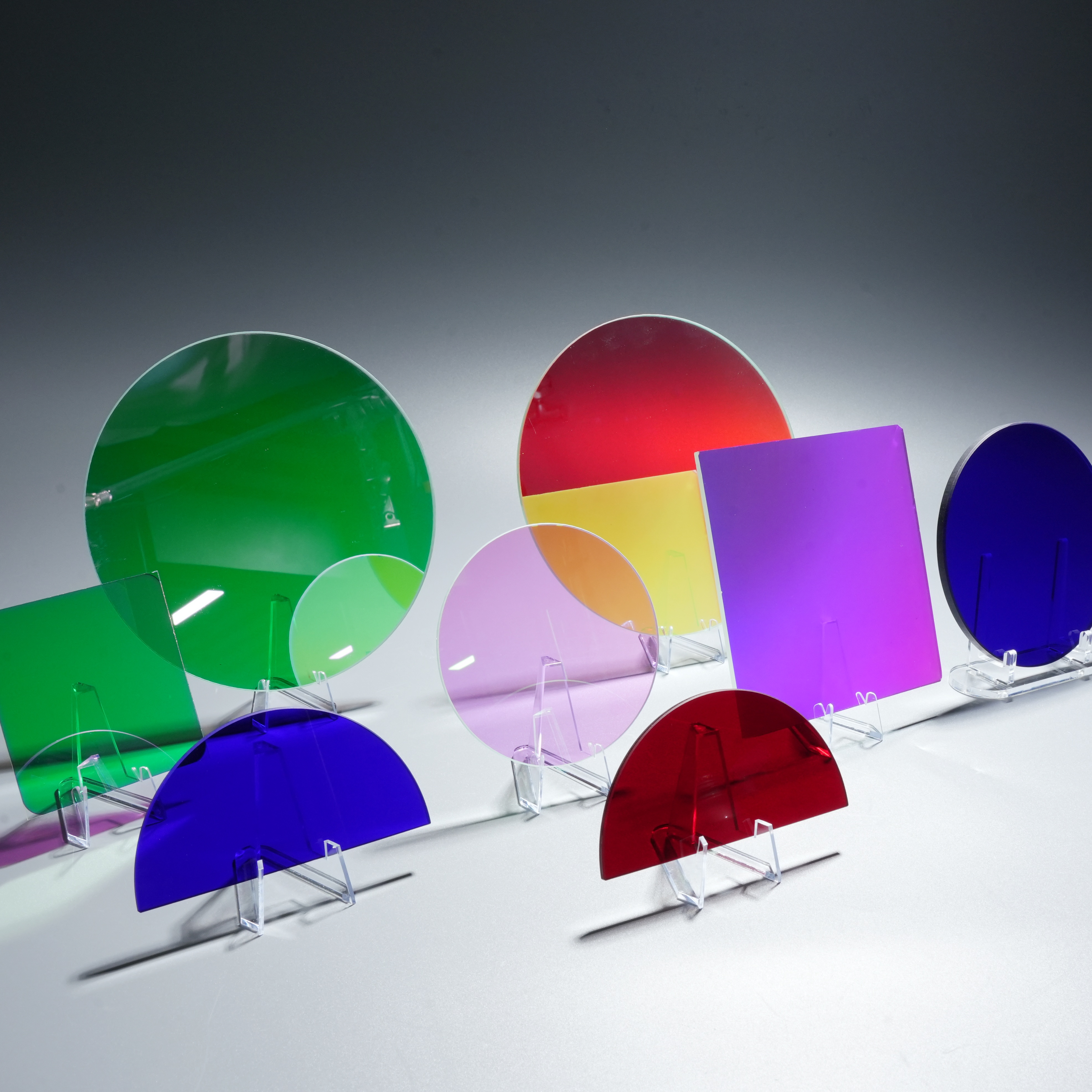
AR, bandpass and color coatings require inspection beyond visual appearance. Buyers should request transmission targets, coating curves or sample comparisons.
Verification and documentation
Onsite-verified supplier records, material certificates, dimensional reports and inspection notes help procurement teams complete qualification faster.
Fast technical response
An average response within six hours shortens the sample loop, especially when the buyer needs material advice, mold feedback or packing clarification.
Product Recommendations by Optical and Lighting Application
The best optical glass lens is not automatically the most precise one. It is the one that meets the optical path, environmental exposure, certification context and assembly method at a repeatable cost.
Airport and obstruction lighting
Use heat-resistant borosilicate lenses and stable red tempered domes. Request color, transmission and dimensional data that matches the fixture maker’s FAA L-810 or EN 50293 design context.
Hazardous-area industrial lighting
Choose thick-wall borosilicate or tempered shades with controlled annealing and clear sealing faces for oil, gas, chemical and dusty workshop fixtures.
LED spotlights and projectors
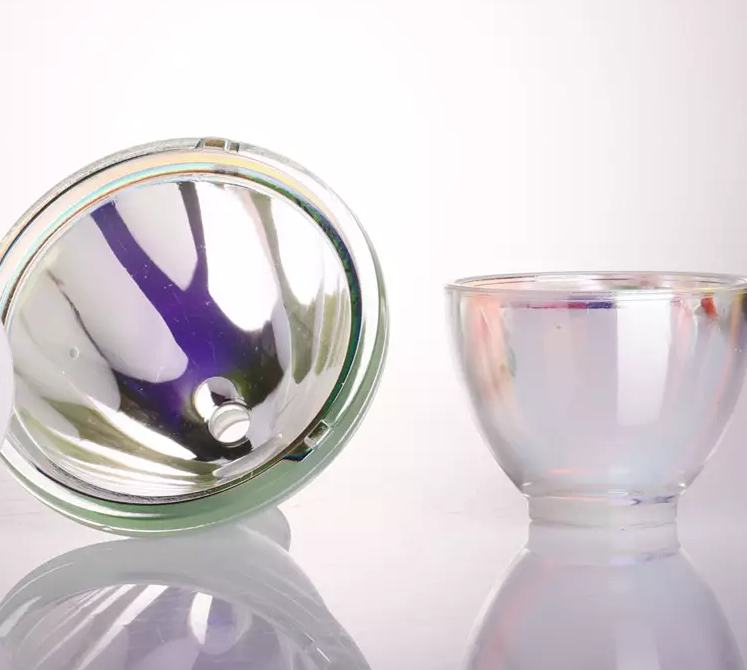
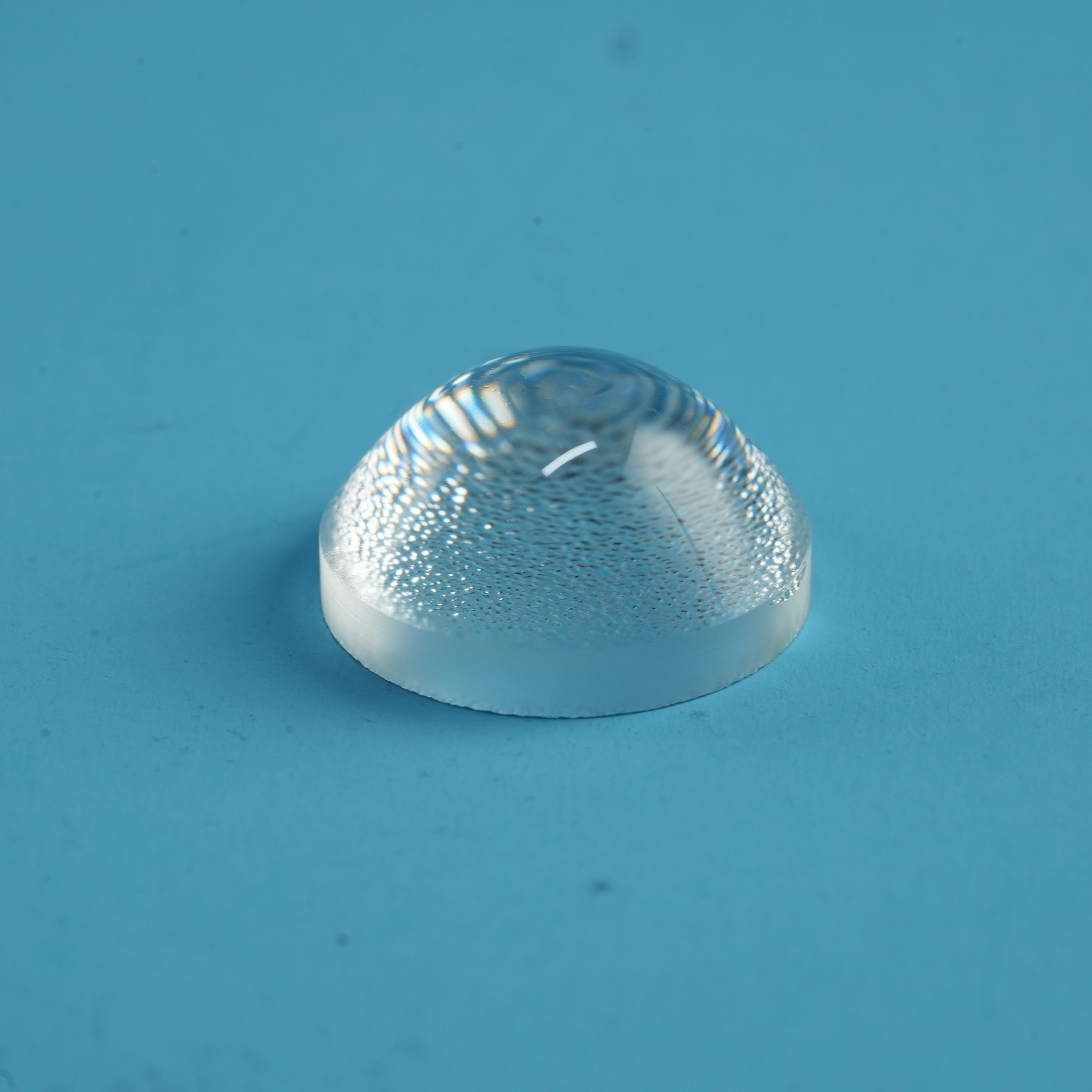
Glass reflector bowls, aspherical lenses and AR-coated convex lenses improve beam control and light extraction in high-power COB and projector designs.
LiDAR and scientific instruments
Specify optical domes, hemispherical windows, right-angle prisms and bandpass filters with documented transmission and dimensional tolerance.
Marine and outdoor lighting
Waterproof, impact-resistant and salt-spray-conscious glass covers should be matched with gasket compression, edge finish and export-safe packaging.
Laboratory and high-temperature work
Borosilicate light guide rods, sight glasses and protective covers are appropriate when chemical resistance, heat resistance and transparency are all required.
What Optical Glass Buyers Will Expect in 2025–2027
Procurement is shifting from transactional catalog buying to evidence-based supply partnerships. The factories that win repeat orders will be the ones that make technical risk visible and manageable.
Total landed cost over piece price
Buyers will compare breakage rate, inspection cost, coating yield and packing performance alongside unit price. The cheapest sample is not the cheapest program.
Drawing-based co-engineering
More lighting and sensing projects are custom rather than catalog-driven. Suppliers must contribute DFM feedback, material advice and mold strategy early.
Validated dual sourcing
OEMs increasingly qualify a second factory before disruption occurs. That requires comparable drawings, inspection criteria and packing standards across suppliers.
Digital inspection records
Photos, dimensional reports, coating curves and batch labels will be shared during RFQ and shipment review, not only when a problem appears.
Application-specific glass grades
Generic “glass” specifications will give way to clear material grades tied to thermal expansion, impact rating, transmission and certification context.
Export-proof packaging engineering
Fragile optical parts require divider systems, edge protection, moisture control and palletization designed for sea or air freight, not generic cartons.
How Optical Glass Lenses and Components Are Evolving
Optical systems are becoming smaller, hotter and more integrated. Glass remains essential where polymer lenses cannot meet thermal, chemical or transmission requirements.
Aspherical and freeform optics
Compact LED and sensing systems need fewer elements and better aberration control, increasing demand for aspherical lenses, freeform surfaces and precision molds.
Broadband AR coating
Coating specifications are moving from “AR coated” to wavelength-specific reflection targets, transmission curves and durability requirements.
Hotter, smaller luminaires
High-borosilicate and tempered glass remain critical as LED modules become more compact and surface temperatures become less forgiving.
Domes for LiDAR and machine vision
Pressure-rated optical domes, hemispherical windows and filters are growing with autonomous systems, robotics and scientific sensing.
Hybrid assemblies
Glass lenses are increasingly combined with metal housings, gaskets, reflectors and plastic carriers, requiring suppliers to consider the whole assembly rather than one part.
Material compliance and sustainability
Buyers want lead-free and application-appropriate material choices, reduced breakage, efficient packing and clear documentation for compliance reviews.
Material Selection and Quality Documentation
Selecting the correct glass early avoids cracked covers, coating mismatch and costly field returns. The table below reflects the comparison logic buyers should confirm against their drawing, lamp surface temperature and certification requirements.
| Material | Thermal expansion | Typical working temperature | Key strength | Best-fit components |
|---|---|---|---|---|
| Borosilicate 3.3 | ≈ 3.3 × 10⁻⁶/K | ≈ 450 °C | Excellent thermal-shock resistance | Explosion-proof shades, high-power LED covers, Fresnel lenses |
| Tempered soda-lime | ≈ 9.0 × 10⁻⁶/K | ≈ 250 °C | High impact strength and economical cost | Outdoor covers, floodlight glass, vandal-resistant lenses |
| Fused quartz | ≈ 0.55 × 10⁻⁶/K | ≈ 1000 °C+ | UV transmission and extreme heat resistance | UV optics, high-temperature windows, scientific components |
| Optical BK7 / K9 | ≈ 7.1 × 10⁻⁶/K | ≈ 300 °C | Homogeneous optical properties, nd ≈ 1.517 | Precision lenses, prisms, mirrors and filters |
Values are typical references. Final specifications should be confirmed against your drawing, operating conditions, impact rating and the standard your fixture must meet.
Material certificate
Ask for the glass grade, thermal expansion and supplier traceability, especially for borosilicate, quartz and BK7/K9.
Dimensional report
Confirm which dimensions are critical, which instrument is used and how sampling is performed during mass production.
Optical performance
For coated lenses, request transmission targets, reflection limits or a coating curve rather than a visual color description alone.
Thermal-shock evidence
For lighting glass, ask how annealing or tempering is controlled and whether thermal-shock testing is available for the project.
Visual acceptance standard
Define allowed scratches, bubbles, chips, inclusions and edge defects according to the product’s visibility and safety role.
Packing validation
Request the divider layout, carton strength, pallet pattern and labeling format before shipment, not after breakage occurs.
From Drawing Review to Export Packing: A Controlled 6-Step Process
Clear checkpoints reduce surprises between sample approval and mass production. The best factory conversations make assumptions visible before tooling begins.
Drawing review
DFM check of thickness, draft, tolerance, sealing face and optical path.
Mold and tooling
Existing or new molds selected for pressing, blowing, grinding or finishing.
Sampling
Samples measured and sent for fit, light and assembly testing.
Forming and annealing
Controlled annealing or tempering to reduce residual stress.
Coating and QC
AR or color coating, dimensional and visual inspection before packing.
Export packing
Divider-packed cartons and palletization for sea or air freight.
Where Custom Optical Glass Components Perform
Each application stresses glass differently. A useful factory evaluates material and processing from operating conditions, not from a generic catalog.
Aviation and airport
Obstruction, runway edge and in-pavement light lenses with stable red and clear transmission.
Marine and offshore
Handblown and pressed covers for navigation and ship signal lights exposed to salt spray.
Oil, gas and chemical
Explosion-proof lampshades and emergency-light enclosures for hazardous zones.
Stage and entertainment
Fresnel, dichroic, prism and effect lenses that survive high-power COB module heat.
Automotive and outdoor LED
Projection lenses, IP68 lenses and reflectors for headlights, floodlights and street lighting.
LiDAR and scientific
Pressure-rated domes, hemispherical windows, prisms and bandpass filters for sensing systems.
Food and medical equipment
Chemically resistant sight glasses and covers for machinery that is washed down frequently.
Horticulture lighting
AR-coated convex lenses that keep full-spectrum LED output efficient in indoor farms.
Optical Glass Lens Purchasing Questions, Answered
These are the technical and commercial questions procurement teams should resolve before placing a sample or production order.
Can you manufacture glass covers and lenses to my own drawing?+
What is the typical minimum order quantity?+
Should I choose borosilicate glass or tempered soda-lime glass?+
Do you supply glass for FAA L-810 and EN 50293 lighting fixtures?+
How fast should a technical inquiry be answered?+
How are fragile glass parts packed for export?+
How do I specify AR coating correctly?+
Can the factory support samples and pilot builds?+
Send Your Drawing for a 6-Hour Engineering Review
Share your dimensions, material, operating temperature, coating requirement, annual volume and target certification context. A technical review can identify the most reliable glass solution, the right tooling route and the inspection points that matter before you commit to production.
Inquire Now Working with Shanghai Tambi Glass Industrial Co., Ltd. · Custom borosilicate, tempered glass, quartz, BK7/K9, AR coating, prisms and filters