Top 10 Functional Glass Factory & Wholesaler
A procurement-grade guide to borosilicate, tempered, signal-light and precision optical glass—written for lighting OEMs, optical engineers, distributors and technical buyers who need repeatable quality, not just a low quotation.
Drawing-based RFQ review · 6-hour average response · Shanghai manufacturer & trading company
8 Functional Glass Products Buyers Shortlist First
The products below cover the most practical starting points for lighting, aviation, marine, hazardous-area, LiDAR and precision optical programs. Each product can be adapted in material grade, thickness, diameter, colour, coating, edge finish and sealing interface.
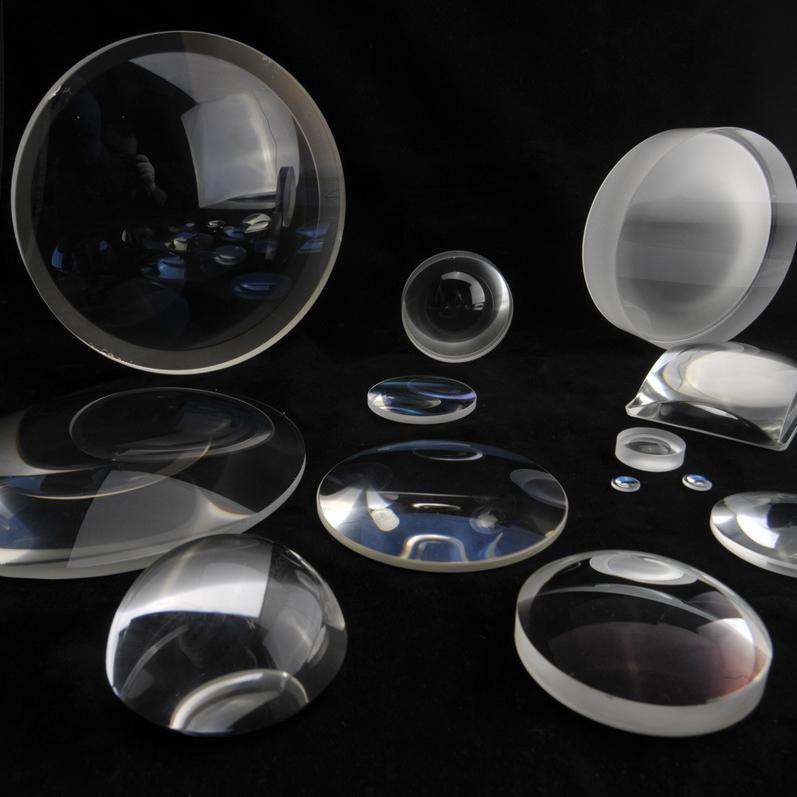
Custom K9 Plano-Convex Lens · 80 mm / 127 mm / 250 mm
For magnifying systems, inspection equipment and light collection where diameter flexibility and optical coating matter. Confirm focal length, edge thickness and mounting flatness before tooling.
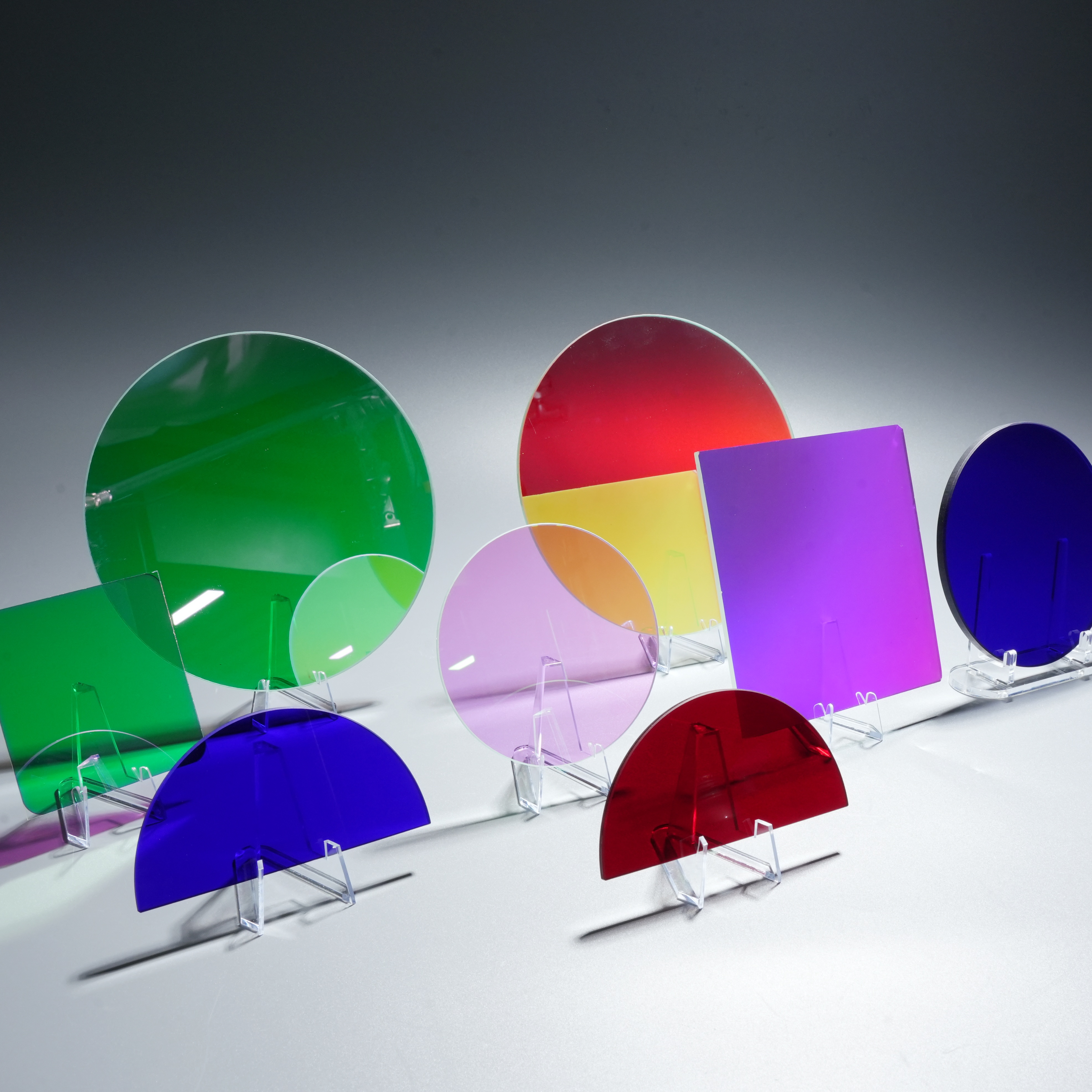
590 nm 49 mm Coated Borosilicate Bandpass Filter
For wavelength-selective sensing, instrument windows and LED systems needing controlled spectral transmission. Request the transmission curve, blocking range, angle sensitivity and coating durability data.
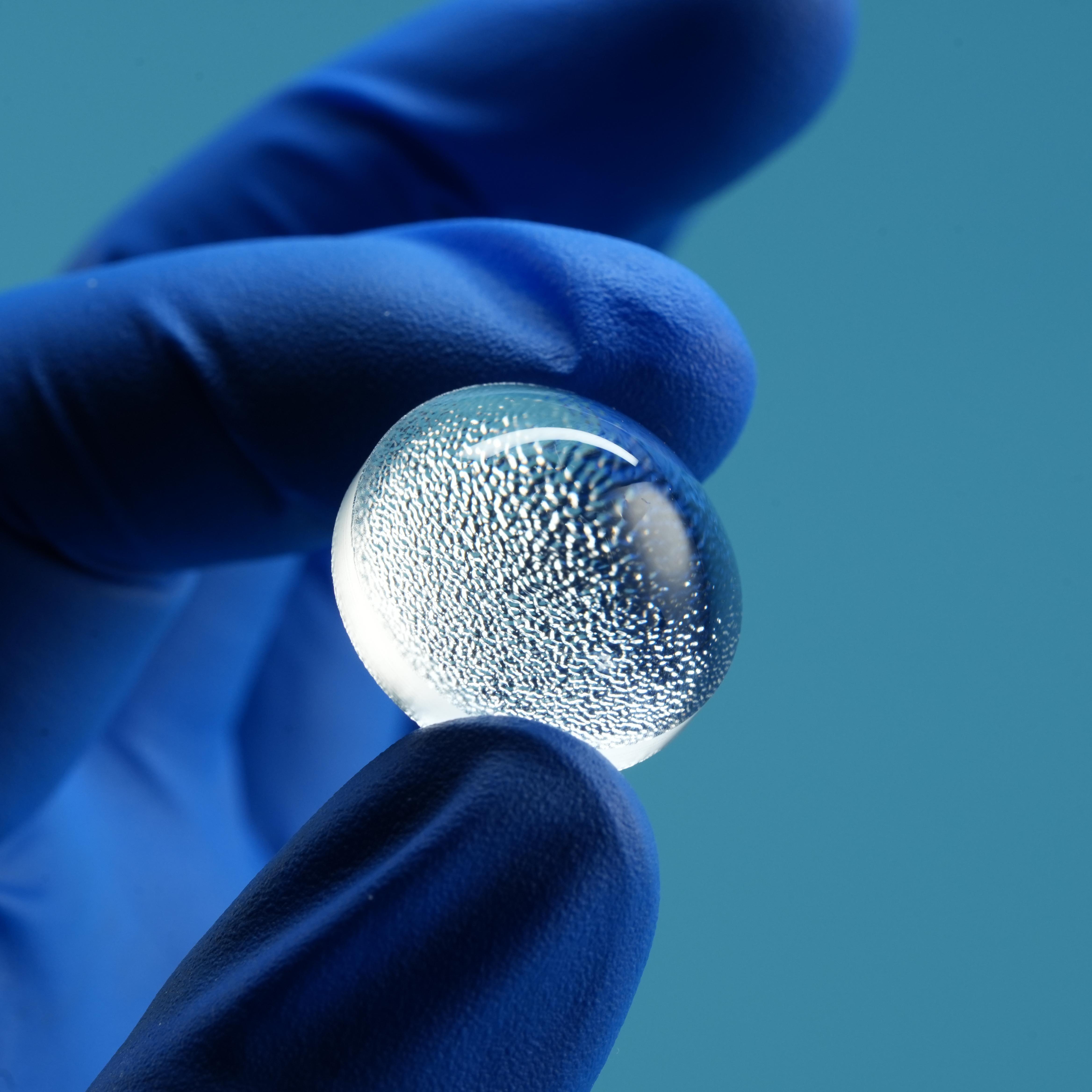
Custom BK7 & Quartz Half-Ball / Biconvex Lens · 1–200 mm
A flexible precision lens family for prototypes through production. BK7 and quartz options support imaging, collimation and instrument assemblies where surface form and AR coating are critical.

Pressed-Mold Heat-Resistant Borosilicate Headlight Cover
For headlight and high-temperature outdoor fixtures exposed to rain, wash-down or rapid temperature change. Borosilicate chemistry helps resist thermal shock; confirm impact rating and gasket seal.
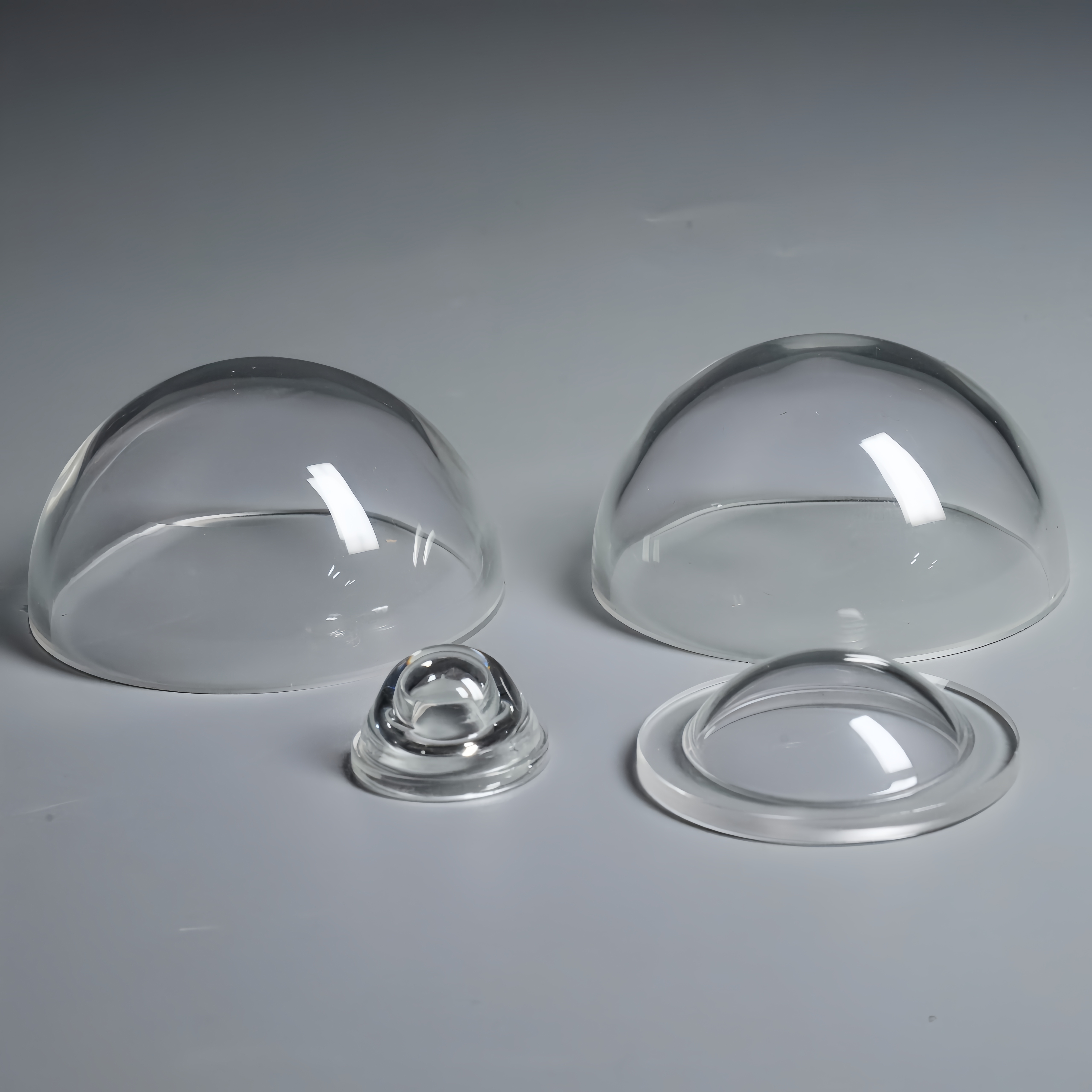
High-Pressure ROV/AUV Optical Glass Dome
For underwater camera housings and submersible lighting. Buyers should specify depth rating, clear aperture, pressure-cycle validation and housing interface tolerances before quoting the dome.
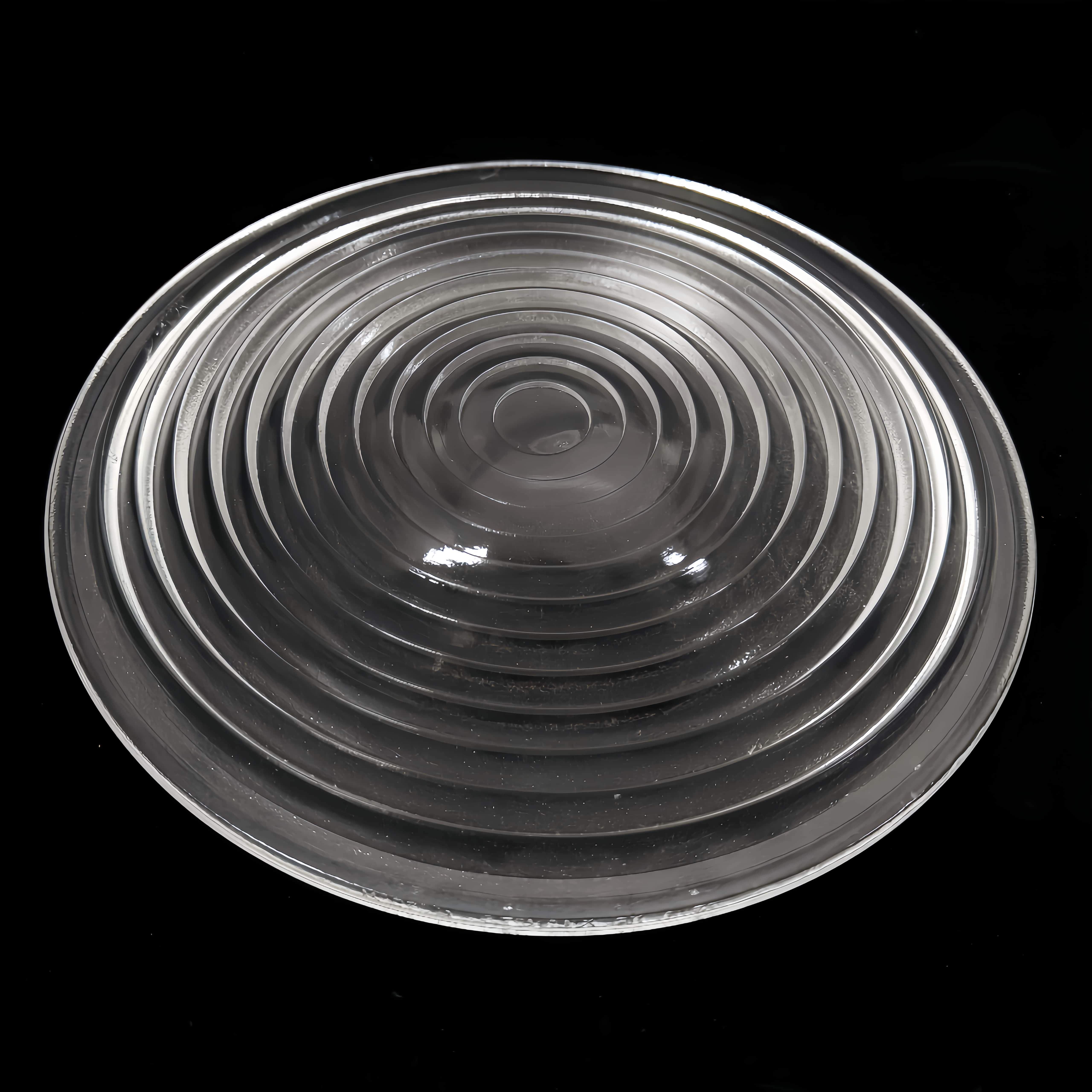
175 mm Molded Borosilicate Fresnel Lens
For stage lighting and high-power LED beam shaping. The borosilicate body manages heat while AR coating can improve transmission. Confirm groove orientation, focal length and photometric target.

Clear Borosilicate Glass Dome for LED Outdoor Lighting
For outdoor LED fixtures that need high transmission, scratch resistance and impact performance. Specify cosmetic limits, sealing-face flatness, glass thickness and packaging protection.
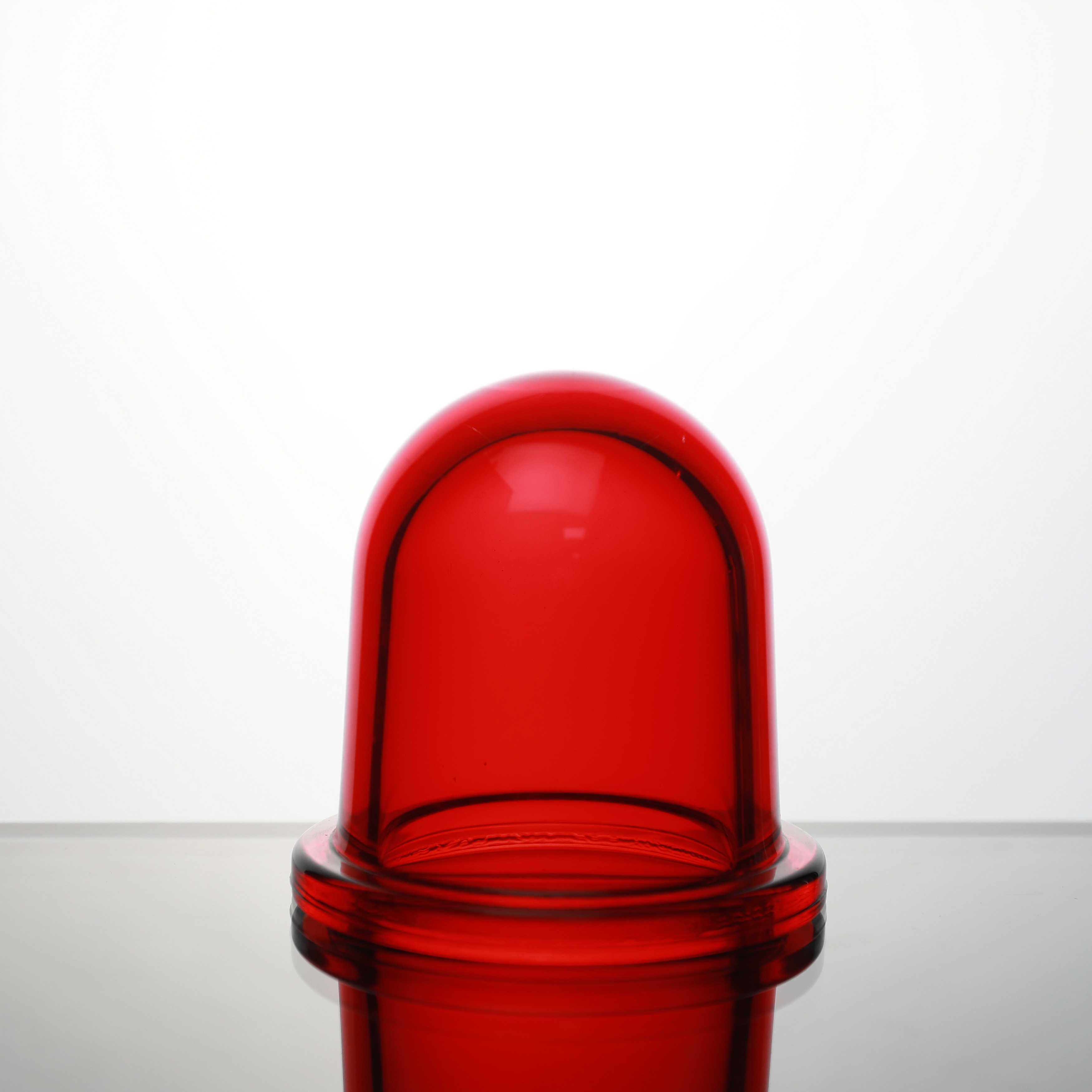
Custom Explosion-Proof Borosilicate Light Cover
For explosion-proof and heavy-duty industrial light fixtures. The correct design balances thick-wall strength, thermal shock resistance and gasket compression. Material reports are available on request.
Product links are preserved exactly as supplied. For programs that need a material change, coating adjustment or new mould, the live-chat inquiry route is the fastest way to receive an engineering review.
Why Functional Glass Is a Specification Purchase, Not a Commodity
A Top 10 Functional Glass Factory & Wholesaler should be judged by its ability to reduce field failures, shorten qualification cycles and provide documentation that survives procurement and certification review. Functional glass sits at the interface of optics, heat, pressure, impact, sealing and human safety. When it fails, the cause is often not the glass alone—it is flange flatness, gasket compression, thermal-expansion mismatch, annealing stress or coating adhesion.
That is why a serious factory must behave like an engineering partner. It should read drawings, challenge tolerances, recommend the correct material grade and prove the process through samples, inspection records and repeatable packing. Shanghai Tambi Glass Industrial Co., Ltd. is used in this whitepaper as a practical reference point: a Shanghai-based manufacturer and trading company with more than a decade of lighting-glass experience, drawing-based OEM/ODM support and a product range spanning borosilicate covers, tempered domes, Fresnel lenses, optical domes and coated filters.
For procurement managers, the right supplier is not simply the one with the lowest unit price. It is the one that can make the difference between a luminaire that passes field trials and a shipment that creates warranty claims six months later. This guide explains the evaluation framework, the product categories worth shortlisting, the procurement trends reshaping RFQs and the technical questions that should appear before a purchase order is released.
The 10-Point 2025 Framework for Ranking Functional Glass Factories and Wholesalers
The following ten criteria reflect the information gain that separates a commodity glass trader from a technically qualified factory. Use them as a scorecard during supplier discovery, sample approval and annual vendor review.
Drawing-Based Engineering
The supplier should review 2D/3D drawings for wall thickness, draft, sealing faces, tolerances and mould feasibility before quoting. A “same as photo” quotation is not engineering.
Material Science Depth
Borosilicate 3.3, tempered soda-lime, fused quartz and BK7 have different thermal, impact and optical behaviour. A top supplier explains the trade-offs rather than defaulting to one material.
Multi-Process Capability
Pressed, blown, ground, polished and coated processes should be coordinated under one supply chain. This reduces hidden subcontracting risk and improves dimensional accountability.
Optical and Lighting Validation
Transmission, beam pattern, colour stability, spectral response and coating durability must be discussed in the language of the final fixture, not only in catalogue values.
Certification Awareness
Airport obstruction, marine signal and hazardous-area fixtures often require glass that supports FAA L-810, EN 50293 or explosion-proof housing requirements. The luminaire maker owns fixture certification; the glass supplier must supply matching dimensions, colour and material evidence.
Dimensional and Cosmetic QC
Glass failures often start with a sealing face that is not flat enough or a cosmetic limit that is not agreed before production. A written inspection standard prevents disputes.
Thermal Shock and Pressure Review
High-power LEDs, deep-sea housings and explosion-proof fixtures need different validation. Ask for annealing control, thermal cycling records, pressure-test expectations and gasket compression guidance.
Export-Safe Packaging
Fragile glass needs divider-packed cartons, reinforced outer packaging and palletization. Poor packing can erase the value of good production quality on the first shipment.
Traceability and Response Speed
Material reports, inspection records, sample status and engineering feedback should be easy to retrieve. A 6-hour technical response is more useful than a fast price with no answers.
Total Landed Cost
Evaluate yield, breakage rate, rework, certification documentation, lead-time reliability and packaging cost. The lowest quotation is not always the lowest total cost of ownership.
Future Procurement Trends: What Functional Glass Buyers Will Expect by 2026–2030
Sourcing teams are moving from catalogue buying to evidence-based buying. The RFQ of the near future will be closer to an engineering data package than a simple request for a price.
RFQs Become Data Packages
Buyers will attach drawings, 3D models, surface-temperature data, pressure ratings, transmission targets, gasket details and projected annual volume. Suppliers that can respond with a manufacturability review will win trust earlier.
Traceability Is a Standard Expectation
Material certificates, batch records, dimensional reports and coating data will be requested for regulated lighting and sensing programs. Paperless QC and photo records will reduce approval friction.
Dual Sourcing and Supply Resilience
Procurement teams will not place all critical glass SKUs with one region or one process. They will qualify a primary and alternate route, with the same drawing revision and inspection standard.
Total Landed Cost Becomes the KPI
Breakage, rework, field returns, packaging performance and delivery reliability will be weighed alongside piece price. A lower-priced part that causes line stoppage is a false economy.
Optical Performance Guarantees
Coating adhesion, transmission tolerance, colour coordinates and beam performance will be specified more tightly. Buyers will expect measured data, not “clear glass” descriptions.
Sustainability and Packaging
Recyclable dividers, reduced foam use, carton strength and pallet optimization will be part of supplier scorecards. Durable packaging and fewer breakages are sustainability and cost wins at the same time.
Product Development Trends in Functional Glass
The next product cycle will reward glass components that do more than transmit light. They will need to manage heat, pressure, impact, colour and integrated optics without adding cost to assembly.
Borosilicate 3.3 Remains the Heat Benchmark
With thermal expansion around 3.3 × 10⁻⁶/K, borosilicate 3.3 is well suited to high-power LED covers, explosion-proof shades and Fresnel lenses exposed to heat and sudden moisture. Its value is not only temperature resistance; it is dimensional stability during repeated thermal cycling.
Tempered Soda-Lime for Impact Value
Tempered soda-lime glass remains attractive for outdoor covers and vandal-resistant fixtures where impact strength and cost matter more than extreme thermal shock. The right grade depends on surface temperature and certification strategy.
Precision Molded Optics
Fresnel lenses, biconvex lenses and freeform optical elements are becoming more integrated into LED and sensing systems. Suppliers that can combine moulding, grinding, coating and inspection reduce the number of hand-offs in the supply chain.
Large Domes for ROV, AUV and LiDAR
Pressure-rated optical domes are moving from custom one-off builds to repeatable OEM programs. Designers need hemisphere geometry, clear aperture, sealing-interface tolerance and coating performance to work together.
Hazardous-Area Form Factors
Explosion-proof covers are becoming more application-specific: thicker walls in some areas, lighter optical paths in others, tighter gasket interfaces and improved thermal-shock margins. Generic shades are being replaced with drawing-based designs.
AR, Hydrophobic and Functional Coatings
Anti-reflective coatings, colour-stable coatings and easy-clean surfaces will be specified as functional requirements. Coating durability, abrasion resistance and angle sensitivity should be tested before mass production.
Material Selection and Performance Data
A functional glass factory should help buyers choose material from operating conditions—not from a single catalogue page. The table and visual comparison below are typical references used during technical review.
| Material | Thermal expansion (×10⁻⁶/K) | Typical max. working temperature | Key strength | Best suited to |
|---|---|---|---|---|
| Borosilicate 3.3 | ≈ 3.3 | ≈ 450 °C | Excellent thermal-shock resistance | Explosion-proof shades, high-power LED covers, Fresnel lenses |
| Tempered soda-lime | ≈ 9.0 | ≈ 250 °C | High impact strength and lower cost | Outdoor covers, floodlight glass, vandal-resistant lenses |
| Fused quartz | ≈ 0.55 | ≈ 1000 °C+ | High UV transmission and extreme heat tolerance | UV optics, high-temperature windows |
| Optical BK7 / K9 | ≈ 7.1 | ≈ 300 °C | Homogeneous optical properties, nd ≈ 1.517 | Precision lenses, prisms, mirrors and filters |
Values are typical references. Final specification must be confirmed against your drawing, lamp surface temperature, impact rating, pressure requirement, coating and the standard your fixture must meet.
Visual bars are for relative comparison only. Always use the actual coefficient supplied on the material certificate and validate the design through thermal cycling or pressure testing where required.
Why Tambi Glass Qualifies for Technical Shortlists
Shanghai Tambi Glass Industrial Co., Ltd. is a manufacturer and trading company based in Shanghai, China, with an 11–50 person team and annual export revenue in the US$2.5M–5M range. Its focus is custom borosilicate covers, explosion-proof lampshades, signal-light domes, LED lenses and precision optical components for global lighting OEMs.
The commercial advantage is not simply a product list. It is the combination of drawing review, material selection, sampling, coating, inspection and export packing under one supplier relationship. For buyers who need information gain before commitment, that combination reduces the number of unknowns between a drawing and a repeatable shipment.
Drawing-Based OEM / ODM
Send a 2D/3D drawing or physical sample with dimensions, tolerance, material, colour and coating requirements. The team reviews manufacturability, proposes mould options and confirms samples before mass production.
Material Breadth in One Supply Chain
Borosilicate 3.3, tempered glass, quartz and optical BK7 can be evaluated against the same application. Pressed, blown, ground and coated processes are coordinated instead of fragmented across unknown traders.
Optical and Lighting Application Focus
The portfolio is centred on real luminaire and sensing problems: high-power LED heat, signal-light colour, explosion-proof durability, Fresnel beam control, optical domes and bandpass filtration.
Verification and Auditability
Buyers can review the company profile, factory video, supplier assessment, credit index, transaction level, trade capacity and trade history before placing a sample order. Third-party onsite verification supports procurement qualification.
≤ 6-Hour Technical Response
The average response target is within six hours. For urgent programs, sharing a drawing and annual volume helps the team return a technical and commercial review faster than a general catalogue question.
Export-Safe Packing and Sampling
Fragile glass parts are separated by foam or pulp dividers, packed in reinforced export cartons and palletized for sea or air freight. Custom packaging and distributor labelling can be arranged.

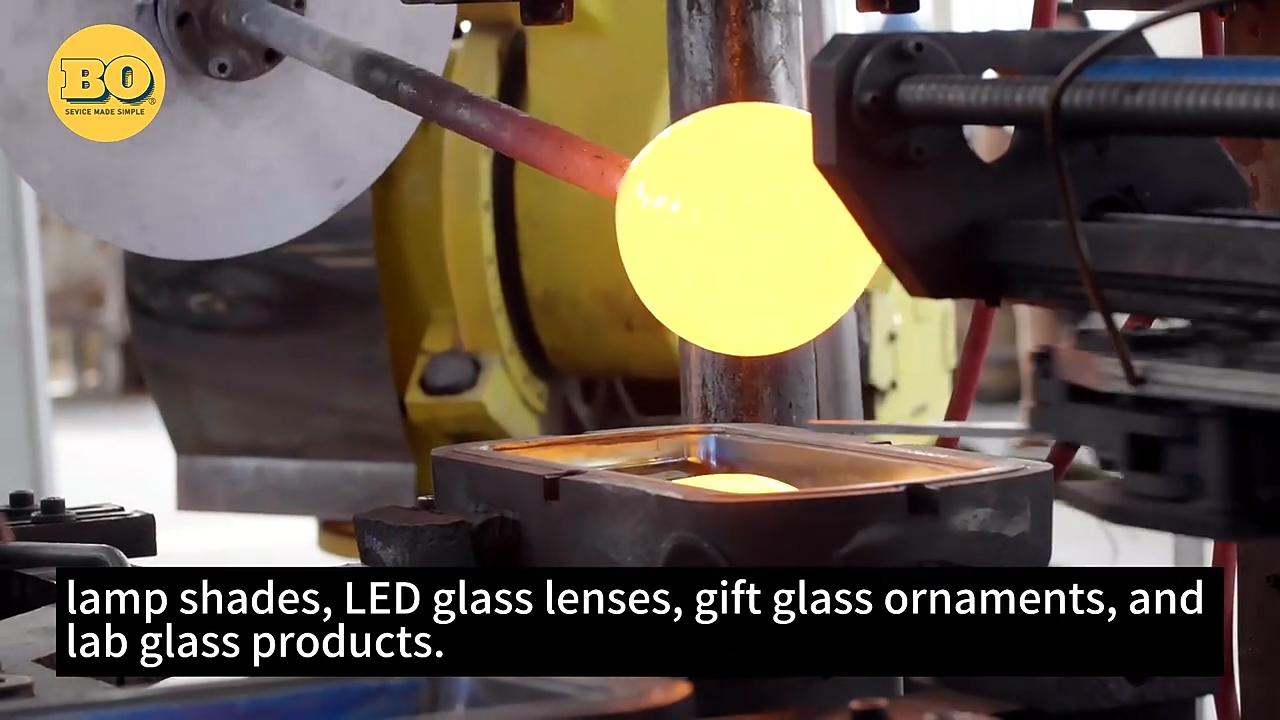
The 6-Stage Control Path Behind a Repeatable Glass Part
A high-quality glass factory must make the route from drawing to shipment visible. The most reliable suppliers define checkpoints before production starts, so sample approval and mass production refer to the same criteria.
Drawing Review
DFM check of wall thickness, draft, tolerance, sealing face, optical path and gasket interface.
Material & Mould Plan
Select borosilicate, tempered, quartz or BK7; confirm new or existing mould and forming route.
Sampling
Send measured samples for fit, light, seal, coating and visual evaluation before volume release.
Forming & Annealing
Control temperature, forming pressure and annealing or tempering to reduce residual stress.
Coating & Inspection
Apply AR or functional coating when specified; inspect dimensions, appearance, coating and marking.
Export Packing
Divider-packed cartons, reinforced export packaging and palletization for sea or air freight.
The exact inspection plan should match the failure mode of the product: thermal shock for high-power LED covers, pressure cycles for subsea domes, colour and transmission for signal lights, and surface form for precision lenses.
Functional Glass Sourcing FAQ
These are the questions technical buyers, procurement teams and distributors most often ask before sampling a custom functional glass part.
QCan you manufacture glass covers and lenses to my own drawing?
Yes. Most projects are drawing-based. Send a 2D/3D drawing or physical sample with dimensions, tolerance, material, colour, coating, annual volume and operating conditions. The engineering team reviews manufacturability and proposes mould and sampling options before mass production.
QWhat is the typical minimum order quantity?
Typical MOQs range from around 50 pieces for optical lenses to 100–500 pieces for pressed or blown lighting covers, depending on whether an existing mould can be used. Sample quantities are normally available for evaluation.
QShould I choose borosilicate glass or tempered soda-lime glass?
Borosilicate 3.3 has low thermal expansion and tolerates high lamp temperatures plus sudden moisture better. Tempered soda-lime glass offers high impact strength at a lower cost for moderate temperatures. The choice depends on surface temperature, impact rating, pressure, certification target and total cost.
QCan you supply glass for FAA L-810 or EN 50293 lighting fixtures?
Glass lenses and domes can be produced for fixture makers whose obstruction and signal lights are designed to FAA L-810 or EN 50293 requirements. Fixture certification is held by the luminaire manufacturer; the glass supplier should match colour, transmission, dimensions and material evidence.
QHow fast do you reply to technical inquiries?
The average response time is within 6 hours. For a faster engineering review, include a drawing, target quantity, material preference, operating temperature, coating requirement and the standard the final fixture must meet.
QHow are fragile glass parts packed for export?
Parts are separated with foam or pulp dividers, packed in reinforced export cartons and palletized for sea or air freight. Custom packaging, labelling and distributor-ready cartons can be arranged for repeat programs.
QWhat information is needed for an accurate quotation?
Provide a drawing, material, dimensions and tolerances, surface finish, optical or colour requirement, coating, operating temperature, pressure or impact rating, annual volume and destination. If a drawing is not ready, a sample and application description are useful starting points.
QHow should we evaluate a glass sample before placing a volume order?
Test dimensional fit, gasket compression, thermal cycling, light transmission, colour consistency, impact resistance and packing. For safety-related products, request material reports, inspection records and process evidence that can support your own certification file.
Have a Drawing? Put It in Front of an Engineering Team.
Share your dimensions, material, operating temperature, coating requirement and annual volume. The fastest route to a useful answer is a short technical brief—not a one-line price request. Tell us whether you are comparing borosilicate against tempered glass, developing an explosion-proof cover, scaling a signal-light dome or sourcing a coated optical component.
Email: info@tambiglass.com
Average response time within 6 hours · Drawing-based OEM/ODM · Shanghai, China
This page is an independent technical buying guide for functional glass sourcing. Product availability, final tolerances and certification support should be confirmed directly with the supplier for each drawing revision and purchase program.