8 Dome Lens, Glass Shade and Optical Glass Products for OEM Buyers
Each item below can be adapted by size, thickness, color, coating, edge finish and packing. The links are preserved for direct product review and technical inquiry.
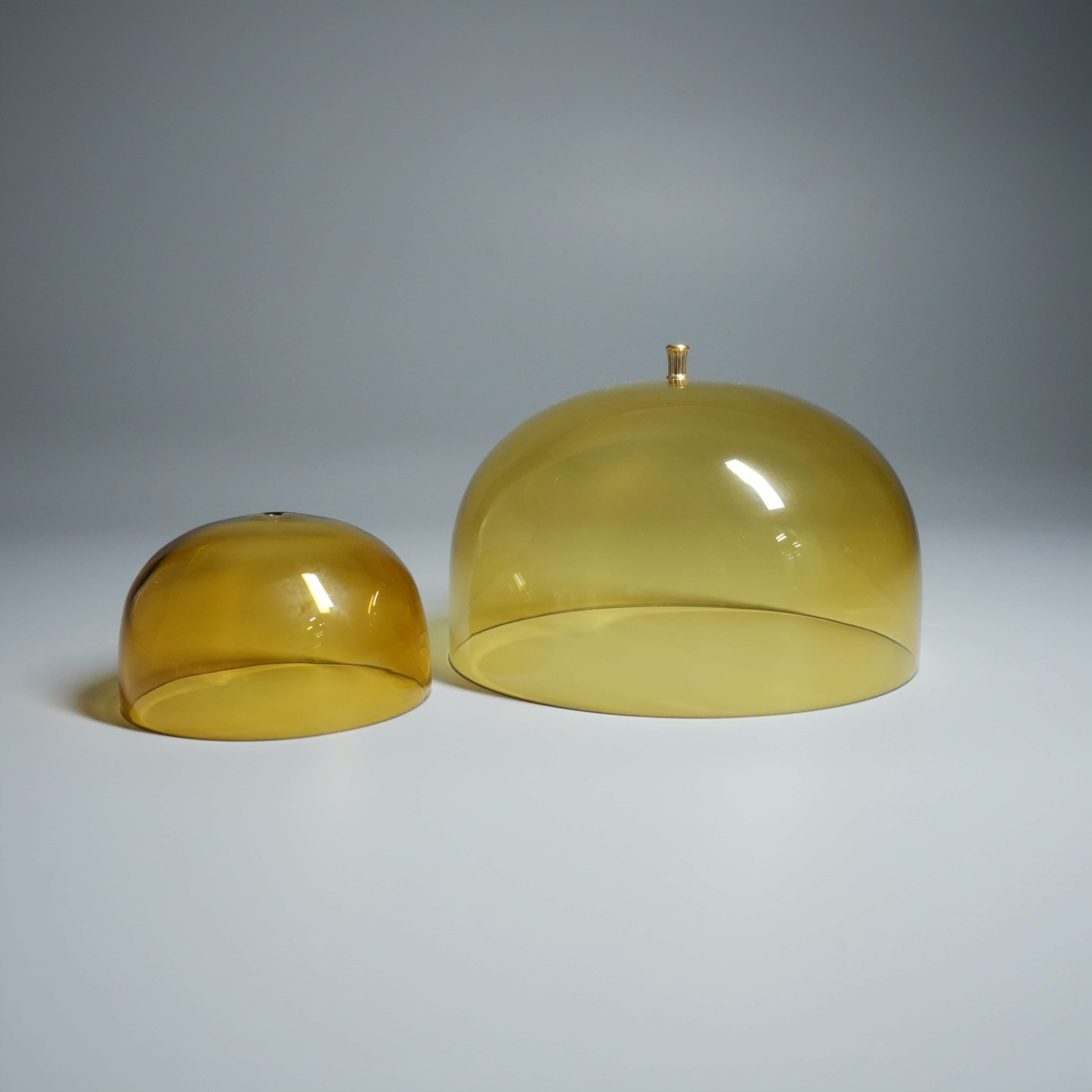
Certified Glass Cover for Food Machinery and Medical Equipment, Chemical Resistant
Chemical-resistant glass cover for food processing, medical equipment and washdown environments where cleanliness and dimensional fit matter.
View product details →
Borosilicate Transparent Explosion-proof Shade, Heat-resistant & Crack-proof, Transparent Protective Cover
Borosilicate protective shade engineered for heat resistance, crack resistance and stable light transmission in demanding fixtures.
View product details →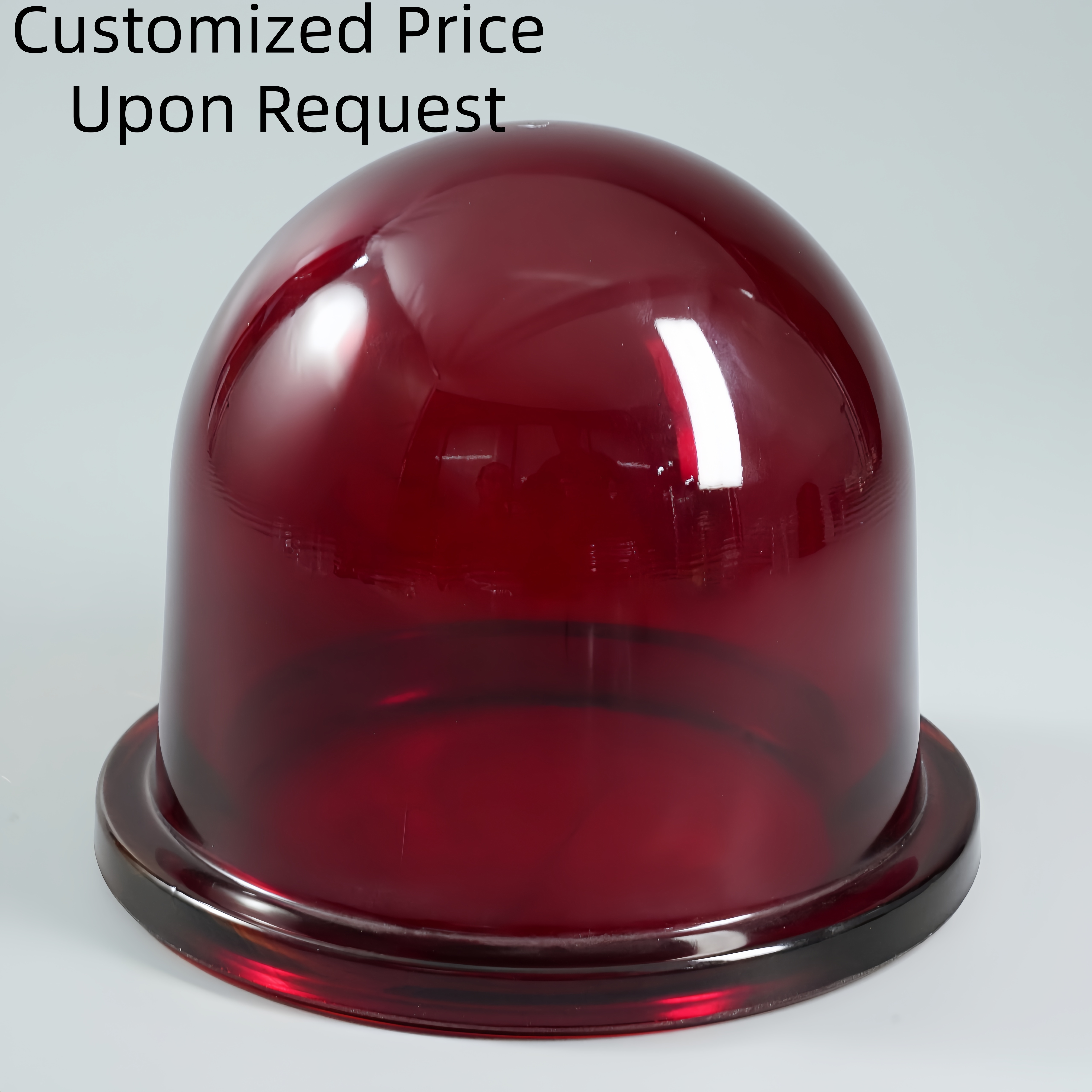
High-temperature Resistant Pressed Glass Shade, Explosion-proof & Crack-proof, Outdoor Street Light Specific
Pressed glass shade developed for outdoor street light fixtures exposed to high lamp temperatures, rain and thermal cycling.
View product details →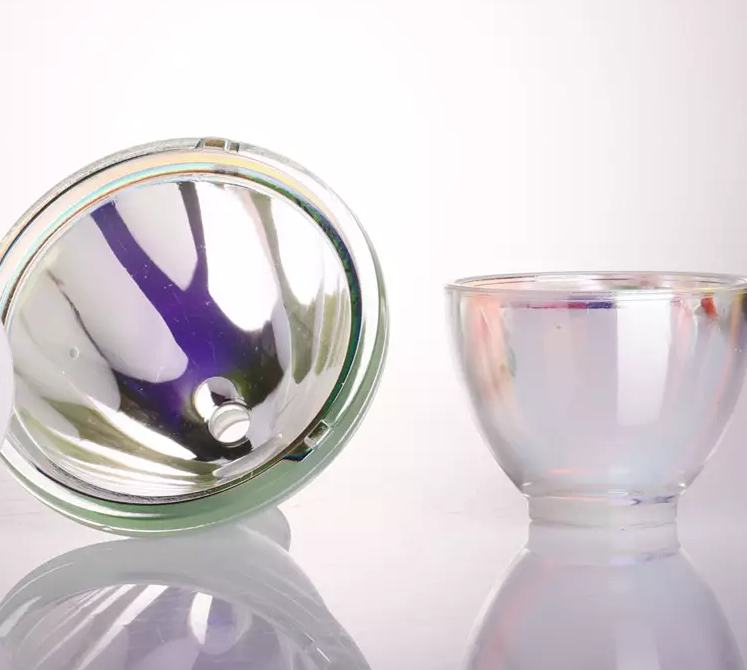
COB Glass LED Reflector Bowl Manufacturer Deep Design Perfect Beam Spotlights Projector Lights 20 60 90 Beam Angle
Deep-design glass reflector bowl for COB spotlights and projector lights, with 20°, 60° and 90° beam angle options for beam control.
View product details →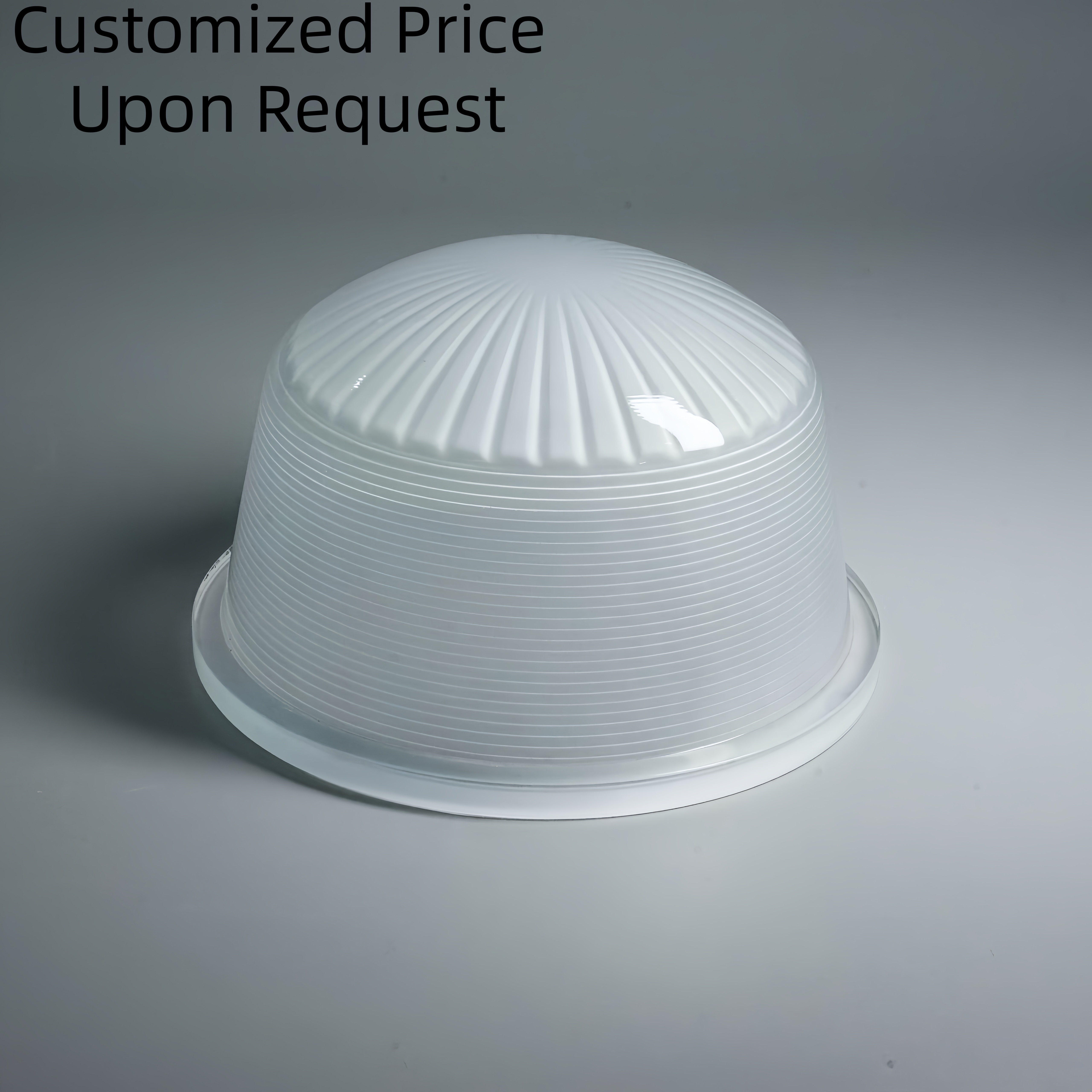
Transparent Explosion-proof Glass Shade, High Light Transmittance, Industrial Workshop Lighting
High-transmittance glass shade for industrial workshop lighting where optical efficiency, impact resistance and safety are all required.
View product details →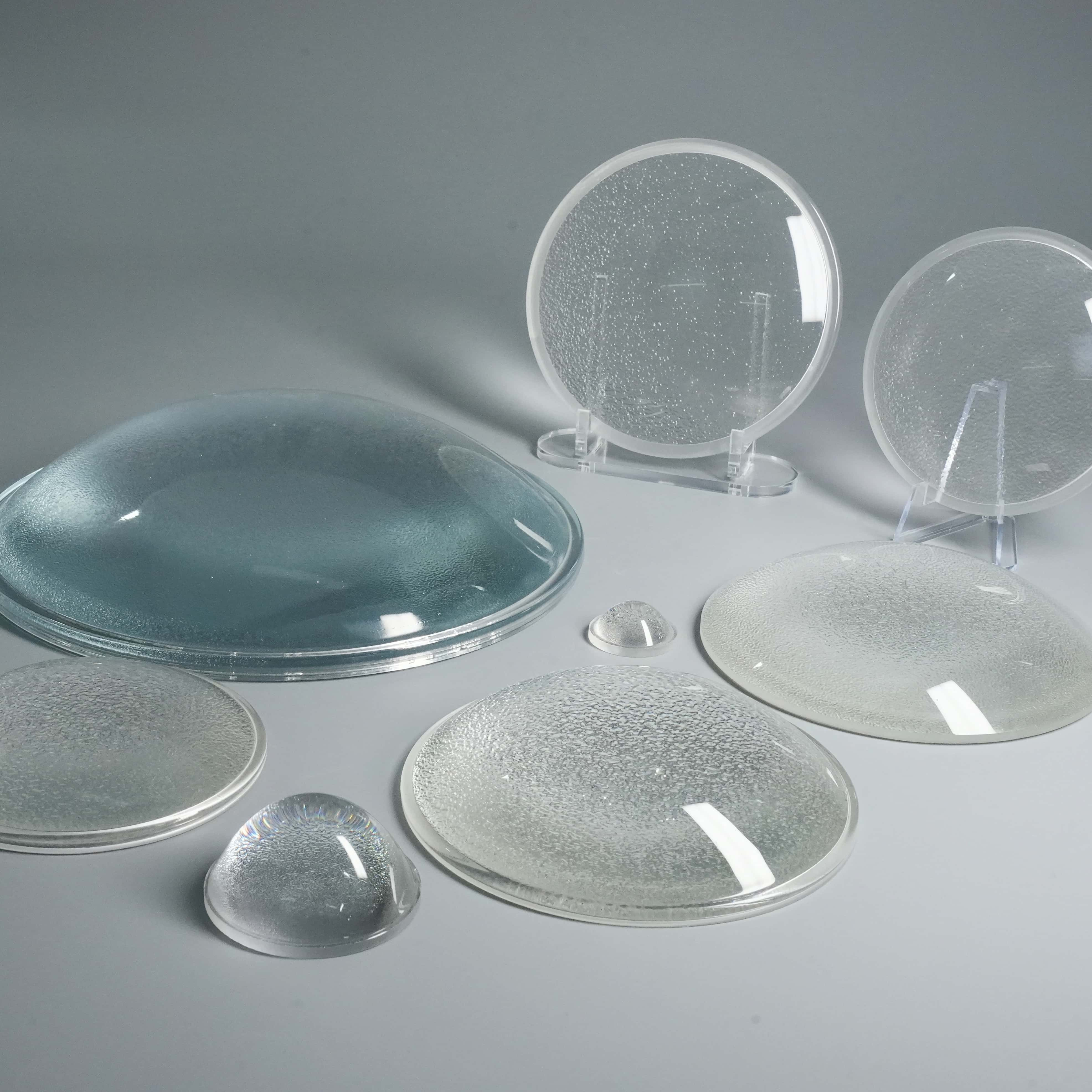
Bo Glass Asymmetric LED Lens Roadway Street Light Reduces Light Pollution Glare Borosilicate Glass UV Protection OEM
Asymmetric LED roadway lens designed to reduce glare and light pollution while protecting optical performance with borosilicate glass.
View product details →
Custom OEM Bo Glass Clear Borosilicate K9 Bk7 B270 Fused Silica Anti-Reflective Coated Square Optical Window 50mm Diameter
Custom square optical window with anti-reflective coating, available in borosilicate, K9, BK7, B270 and fused silica options.
View product details →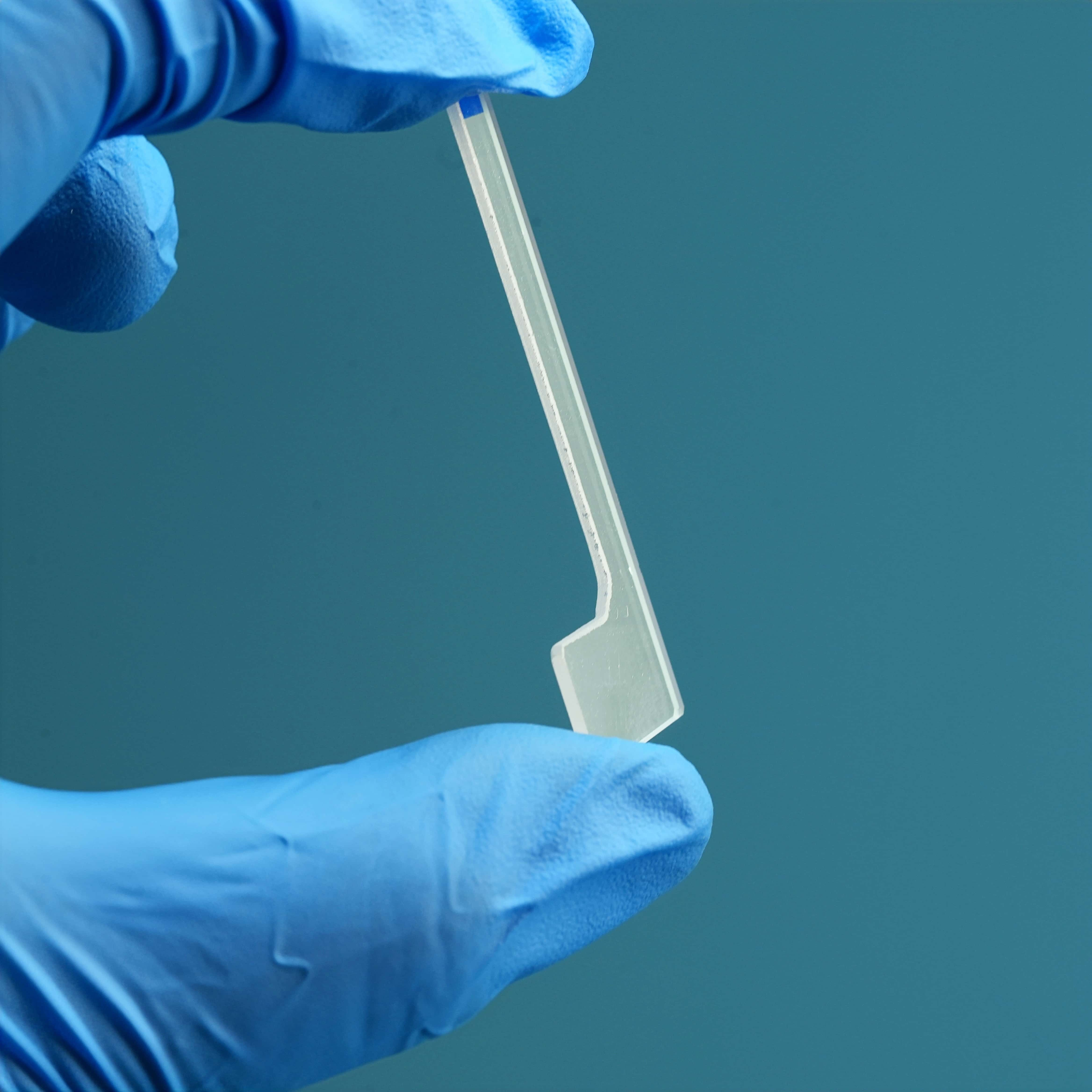
Anamorphic Prism Pair for Laser Beam Shaping Circularizing Elliptical Beams for Fiber Coupling Applications
Anamorphic prism pair for circularizing elliptical laser beams in fiber coupling, sensing and precision photonics systems.
View product details →A Buyer’s White Paper for Dome Lens and Optical Glass Sourcing
For procurement teams, the search for “Top 10 Dome Lens Manufacturers & Exporter” is rarely about collecting company names. It is about reducing technical risk, validating optical performance and securing a repeatable export supply chain.
Dome lenses, explosion-proof glass shades, optical windows and LED lenses sit at the intersection of lighting engineering, material science and international logistics. A supplier that performs well on a generic catalog page may still fail when a fixture experiences thermal shock, salt spray, gasket pressure, high-power LED heat or an airport and marine certification review. For that reason, this white paper does not rely on a single static ranking. Instead, it gives buyers the 10 capability filters that separate genuinely reliable manufacturers and exporters from short-term traders.
The best shortlist is built from evidence: material declarations, drawing review, measurement reports, sample validation, coating data and packing standards. Shanghai Tambi Glass Industrial Co., Ltd. is used as a practical reference point because its product range covers borosilicate glass covers, explosion-proof lampshades, signal light domes, LED glass lenses, Fresnel lenses, prisms and optical filters. Buyers can use the same criteria to compare any candidate, whether the requirement is a single custom optical window or a multi-year OEM lighting glass program.
For SEO and procurement teams alike, the useful information gain is not another directory list. It is a repeatable evaluation method that connects application conditions to glass grade, tooling, coating, inspection and export packing. That is how a top-tier dome lens exporter becomes a true engineering partner rather than a transactional vendor.
The Top 10 Capabilities That Separate Leading Dome Lens Manufacturers & Exporters
Use these ten criteria as a scorecard during supplier discovery, sampling and pre-production review. They are more valuable than a fixed ranking because they remain valid across aviation, marine, industrial, medical, horticulture and photonics applications.
Material Engineering
Borosilicate 3.3, tempered soda-lime, fused quartz and BK7 are not interchangeable. Strong exporters document thermal expansion, transmission and lamp-surface temperature before recommending a glass grade.
Thermal-Shock Validation
Dome lenses and explosion-proof shades often fail at the sealing face, not the optical center. Suppliers should review wall thickness, annealing stress and gasket compression together.
Optical Design Support
Beam angle, glare control, anti-reflective coating and transmission targets must be matched to the LED, reflector and housing, not selected from a catalog alone.
Mold & Tooling Capability
Pressed, blown, ground and coated processes require different tooling strategies. A serious manufacturer explains draft angles, mold life and sampling before mass production.
Compliance Documentation
For aviation and marine lighting, FAA L-810 or EN 50293 fixture programs require glass partners who can provide material and inspection reports, not only a product photo.
Metrology & Inspection
Dimension, bubble and stone control, color consistency, coating adhesion and annealed stress checks separate repeatable production from one-off sample success.
Coating Control
AR, bandpass, dichroic and color coatings need proven process windows. Buyers should ask for transmission curves, adhesion methods and abrasion test records.
NPI & MOQ Flexibility
Sample quantities matter for validation. Optical lenses may start at 50 pcs, while pressed or blown covers often start at 100–500 pcs depending on mold availability.
Export Packaging
Foam or pulp dividers, reinforced export cartons and palletization protect fragile dome lenses from shock, moisture and handling damage during sea or air freight.
Technical Response Speed
A response within 6 hours, including drawing review and manufacturability feedback, saves weeks in procurement and reduces costly revision loops before tooling.
Dome Lens Procurement Trends Buyers Will Prioritize from 2025 to 2030
The purchasing conversation is shifting from “Can you supply this part?” to “Can you prove that this part will perform in our fixture, in our market, under our certification and logistics conditions?”
Specification-Led Sourcing
Buyers increasingly send CAD models, 3D STEP files, gasket details, thermal profiles and target standards instead of requesting a generic glass dome. Suppliers that can review manufacturability early become preferred partners.
Certification Traceability
Airport, marine, hazardous-area and LiDAR programs demand material traceability and inspection reports. A credible exporter must connect batch records to dimensional and optical results.
Custom Optics over Catalog Parts
Anti-reflective coatings, asymmetric lenses, Fresnel optics and bandpass filters are being co-developed with fixture makers. Catalog equivalents often miss beam angle, transmission or sealing requirements.
Supply Chain Resilience
Procurement teams are dual-sourcing critical glass components and asking suppliers to retain molds, process parameters and packing specifications. This reduces downtime when demand spikes or freight routes change.
Total Cost of Ownership
Low unit price loses value when covers crack in the field, coating fails or a container arrives with breakage. Buyers now compare sample validation, breakage rate, inspection cost and replacement risk.
Sustainability & Packaging
More buyers ask about energy-efficient annealing, recyclable dividers, lower packaging waste and optimized pallet loading. These factors increasingly affect supplier scorecards for European and North American programs.
How Dome Lens and Industrial Glass Products Are Evolving
The next generation of lighting and optical fixtures puts more heat, more optical precision and more environmental stress into a smaller mechanical envelope. Glass development is responding with higher purity materials, tighter coatings and more integrated optical design.
High-Power LED Thermal Loads
COB modules and compact high-output fixtures increase surface temperature and thermal cycling. Borosilicate covers, deep reflector bowls and annealing control become more important than ever.
Coated Optical Windows
Anti-reflective, broadband and bandpass coatings are moving from laboratory optics into industrial lighting, sensing and LiDAR enclosures where transmission and signal quality determine system performance.
Hazardous-Area Safety
Oil, gas, chemical and dusty workshop lighting continues to demand thick-wall explosion-proof shades with controlled sealing faces, impact resistance and documented material properties.
LiDAR and Industrial Sensing
Optical domes and hemispherical windows now require pressure resistance, precise curvature and coating uniformity for autonomous mobility, robotics, surveying and scientific instruments.
Horticulture and Full-Spectrum LED
Grow-light optics must preserve full-spectrum output while resisting humidity, cleaning agents and heat. AR-coated borosilicate convex lenses are replacing lower-performance plastic optics in demanding farms.
Laser Beam Shaping
Anamorphic prism pairs, precision windows and low-loss optical components support fiber coupling and laser systems where beam circularization and alignment stability directly affect yield.
Material Selection Matrix for Dome Lenses, Shades and Optical Covers
Choosing the right glass early prevents cracked covers, color drift, coating failure and costly field returns. Use this table as a first technical filter before requesting a sample.
| Material | Thermal expansion | Typical max. working temperature | Key strength | Best for |
|---|---|---|---|---|
| Borosilicate 3.3 | ≈ 3.3 × 10⁻⁶/K | ≈ 450 °C | Excellent thermal-shock resistance | Explosion-proof shades, high-power LED covers, Fresnel lenses, signal light covers |
| Tempered soda-lime | ≈ 9.0 × 10⁻⁶/K | ≈ 250 °C | High impact strength and economical cost | Outdoor covers, floodlight glass, vandal-resistant lenses |
| Fused quartz | ≈ 0.55 × 10⁻⁶/K | ≈ 1000 °C+ | UV transmission and extreme heat resistance | UV optics, high-temperature optical windows |
| Optical BK7 / K9 | ≈ 7.1 × 10⁻⁶/K | ≈ 300 °C | Homogeneous optical properties, nd ≈ 1.517 | Precision lenses, prisms, mirrors, AR-coated windows |
Values are typical references only. Final specification must be confirmed against your drawing, lamp surface temperature, impact rating, coating requirement and the standard your fixture must meet.


Why Tambi Glass Is a Practical Shortlist Candidate for Custom Dome Lens Programs
Shanghai Tambi Glass Industrial Co., Ltd. supplies custom glass components to lighting and optical OEMs worldwide. For more than a decade, the company has focused on one practical question: how should glass perform inside a real luminaire? That experience covers heat build-up behind high-power LEDs, thermal shock from rain on hot covers, impact loads in hazardous areas and color accuracy for signal lights.
The design team reviews every drawing for wall thickness, draft, sealing faces and optical path alignment before tooling starts. As a manufacturer and trading company with an 11–50 person team, Tambi combines pressed, blown, ground and coated processes under one supply chain, serving long-term partners in Europe, North America and Japan.
- ✓Drawing-based OEM / ODM production
- ✓Borosilicate, tempered, quartz and BK7 options
- ✓AR and optical coating capability
- ✓Onsite-verified supplier profile
- ✓Export packing for fragile glass parts
- ✓Typical technical response within 6 hours
Drawing Review Before Tooling
Engineers check thickness, draft, tolerance, sealing face and optical alignment before molds are committed, reducing revision risk.
Multi-Process Production
Pressed, blown, ground and coated glass processes support lighting covers, domes, lenses, prisms and optical windows.
Material Selection Support
Borosilicate 3.3, tempered soda-lime, fused quartz and optical glass grades are matched to temperature, impact and transmission targets.
Inspection & Reports
Dimensional, visual, coating and material inspection can be documented for procurement and engineering review.
Custom Coating & Finishing
Anti-reflective, bandpass and color finishing options help match transmission, signal color and beam-control requirements.
Export-Ready Packing
Foam or pulp dividers, reinforced cartons and palletization are arranged for fragile glass shipped by sea or air.
Dome Lens Procurement FAQ for OEM Buyers
These are the questions procurement and engineering teams ask most often when comparing dome lens manufacturers, exporters and custom glass suppliers.
Can you manufacture glass covers and lenses to my own drawing?
What is the typical minimum order quantity?
Should I choose borosilicate glass or tempered soda-lime glass?
Do you supply glass for FAA L-810 and EN 50293 lighting fixtures?
How fast do you reply to technical inquiries?
How are fragile glass parts packed for export?
Have a Drawing or a Thermal-Shock Target? Get an Engineering Review.
Share your dimensions, material, operating temperature, coating requirement and annual volume. The review can help you compare borosilicate versus tempered glass, select a mold strategy and confirm the most reliable dome lens or glass cover solution for your fixture.
Get a Quote Technical inquiries: info@tambiglass.com · Custom borosilicate, tempered, quartz, BK7 and coated optical glass