Eight Product Examples Buyers Use to Qualify a Factory
These are not catalog accessories. Each part represents a different optical, thermal, pressure or environmental requirement — which is exactly how a serious cover glass factory and exporter should be evaluated.
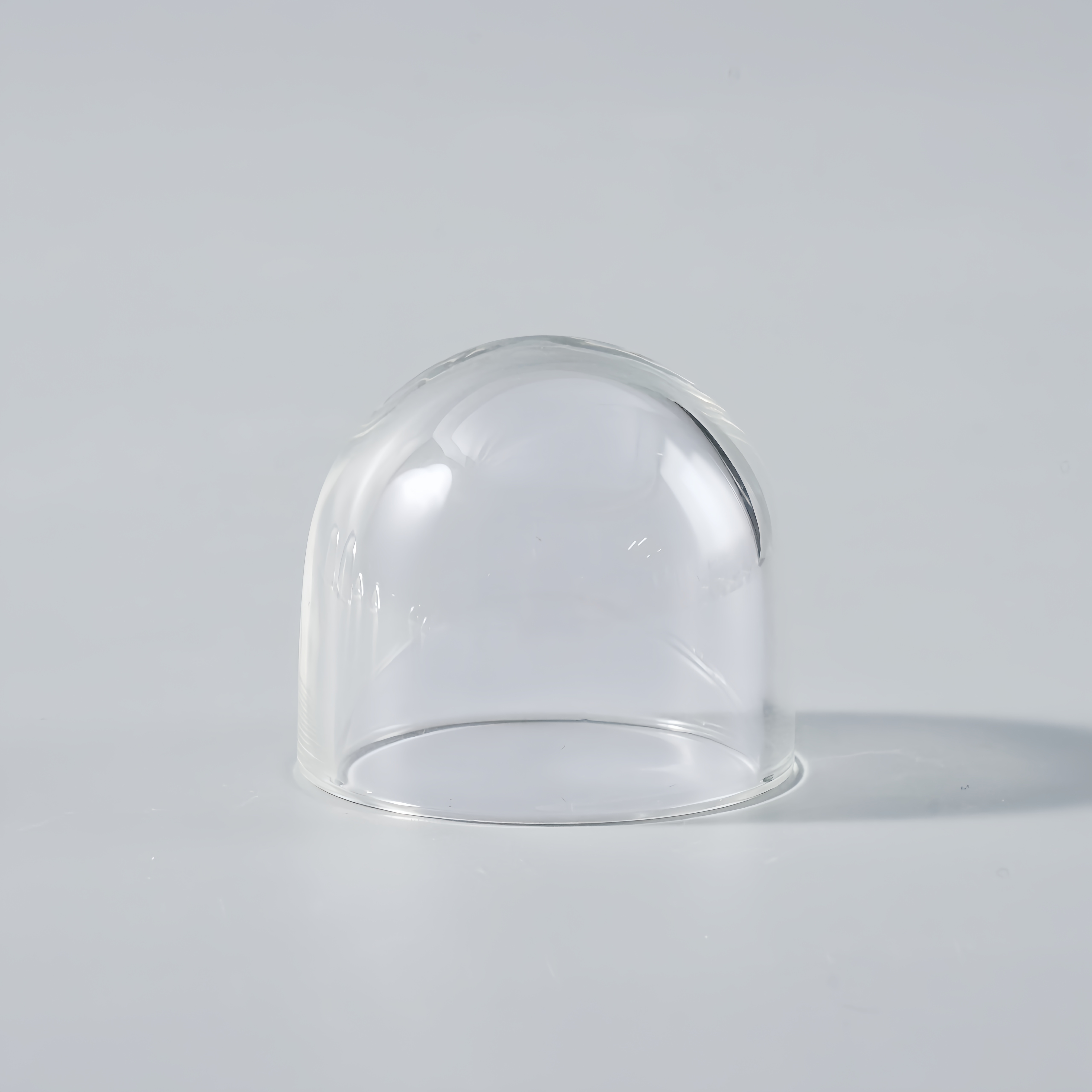
Customizable OEM Optical Glass Domes Broadband AR Coating Precision Hemispherical Windows for LiDAR Sensors Scientific
Broadband AR-coated hemispherical windows for LiDAR, sensing and scientific instruments where transmission and wavefront quality matter.
- Precision hemispherical geometry
- Broadband anti-reflective coating
- Drawing-based OEM customization
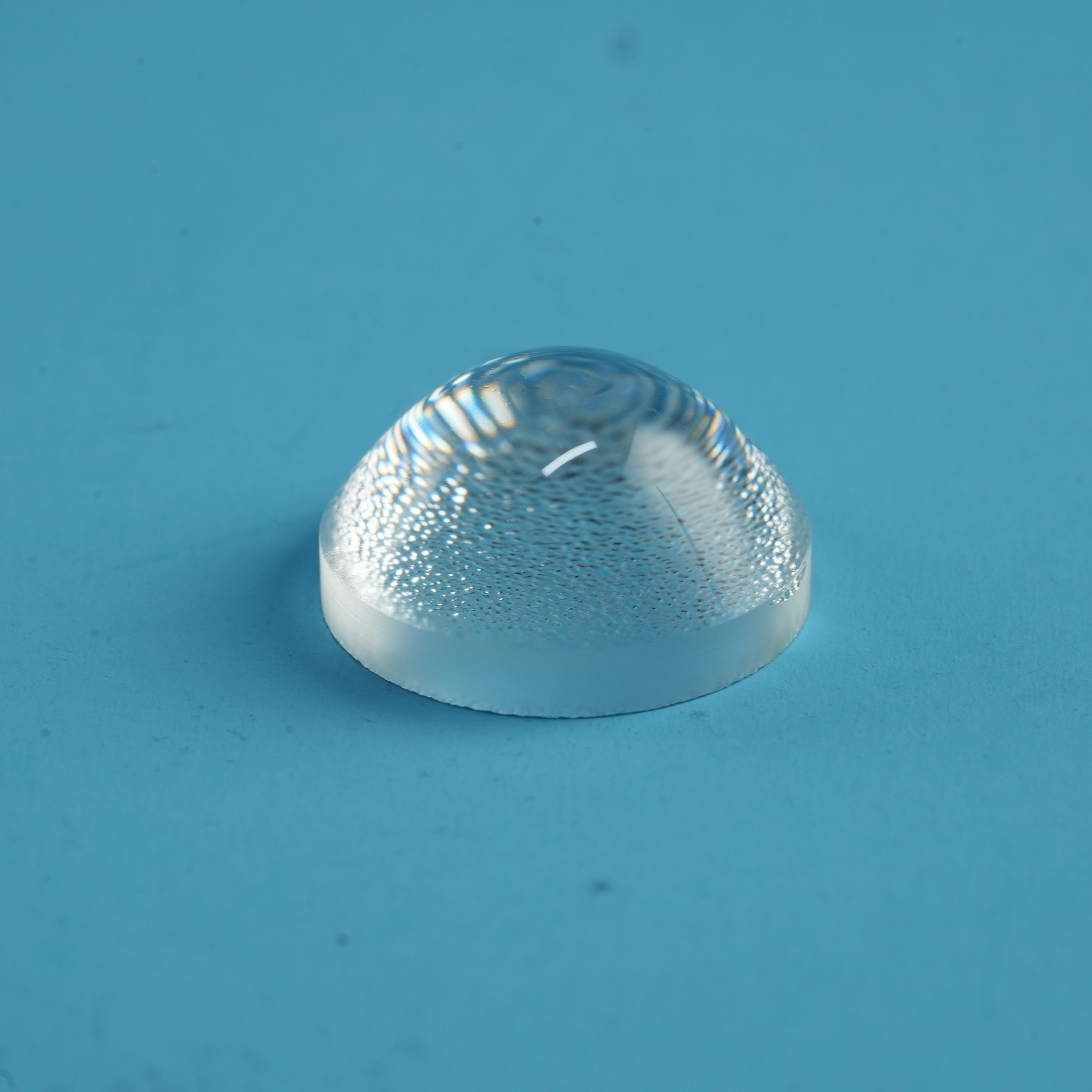
Manufacturer OEM Precision Grade BK7 K9 Optical Glass Aspherical Lens Anti-Reflective Coating Diameter 0.5-25mm MOQ 100 Pcs
BK7/K9 aspherical lens for compact optical systems, with AR coating and tight diameter control for repeatable assembly.
- Diameter range 0.5–25 mm
- Anti-reflective coating
- MOQ from 100 pcs
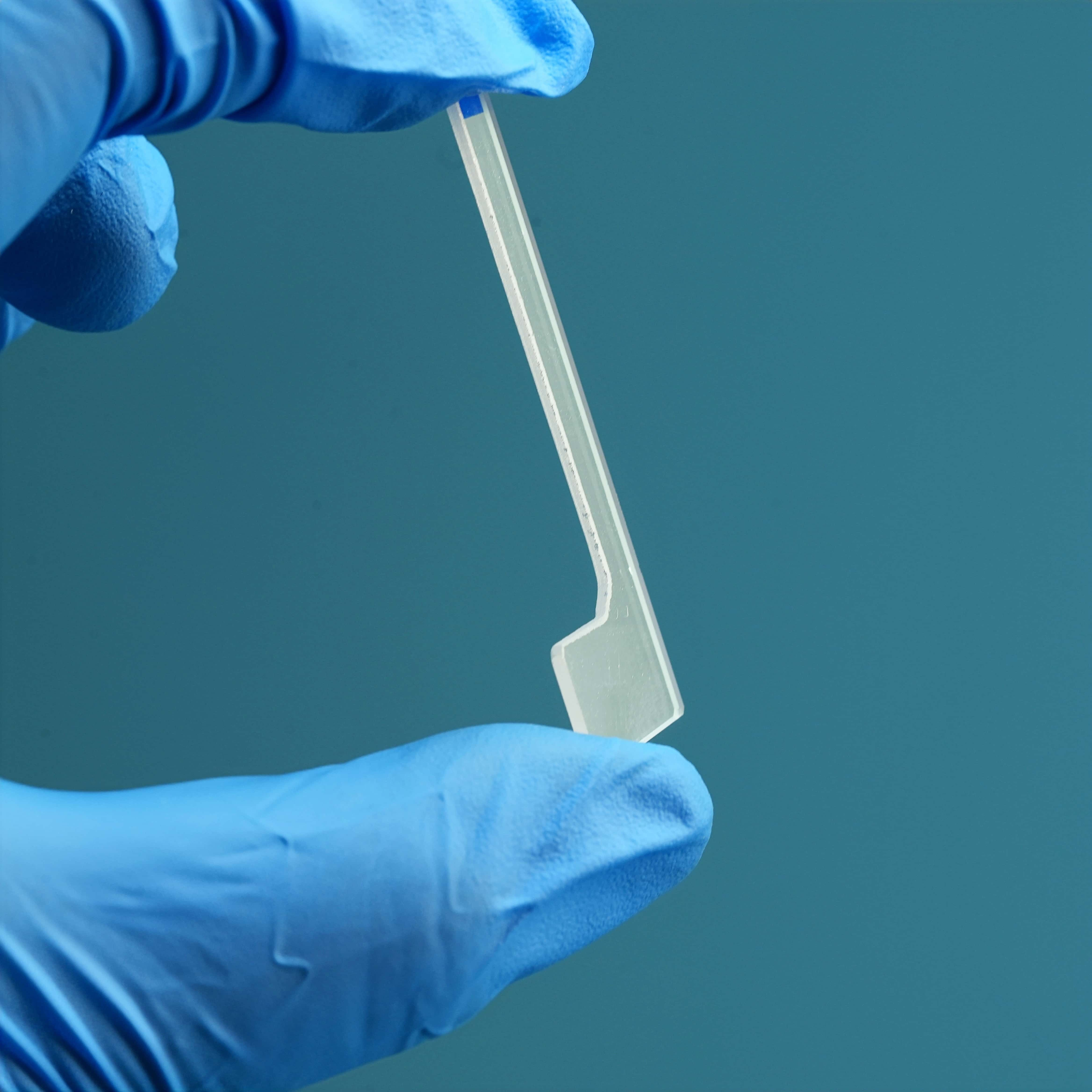
Anamorphic Prism Pair for Laser Beam Shaping Circularizing Elliptical Beams for Fiber Coupling Applications
Prism pair for reshaping elliptical laser beams into more circular profiles in fiber coupling, test and laser delivery systems.
- Beam circularizing function
- Fiber coupling applications
- Custom prism pair assembly

OEM Borosilicate Glass Optical Dome Cover for Outdoor IP Cameras UV Resistant Waterproof Housing Anti-Reflective Coating
UV-resistant borosilicate dome cover for outdoor IP camera housings, designed around waterproof sealing and optical clarity.
- Borosilicate glass body
- UV and weather resistance
- AR coating options
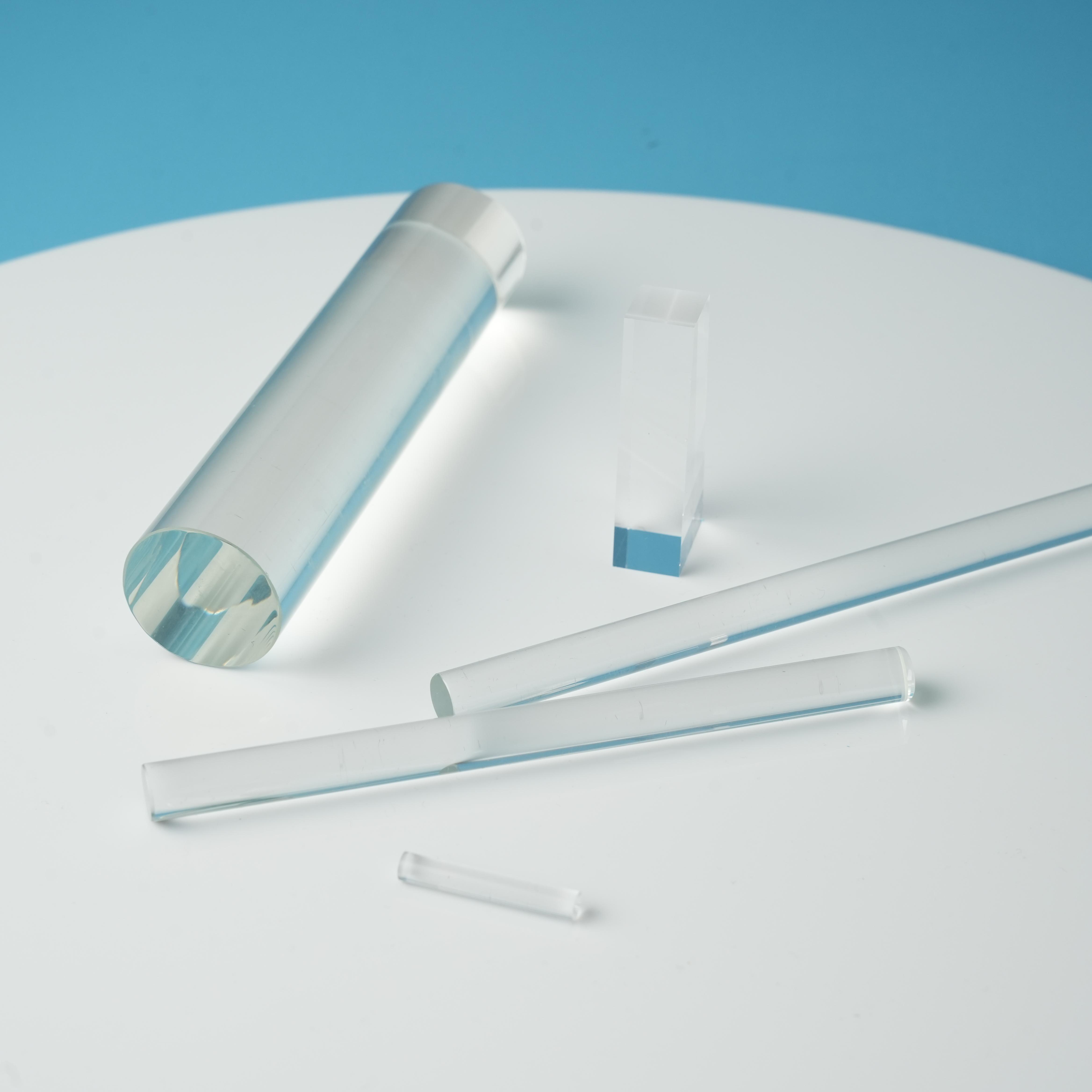
Factory Custom Shape Transparent High Borosilicate Temperature Resistant Optical Glass Light Guide Rod Rod Lens for Laboratory
High-borosilicate light guide rod and rod lens for laboratory, light transmission and temperature-resistant applications.
- High borosilicate material
- Custom shape and size
- Temperature-resistant design
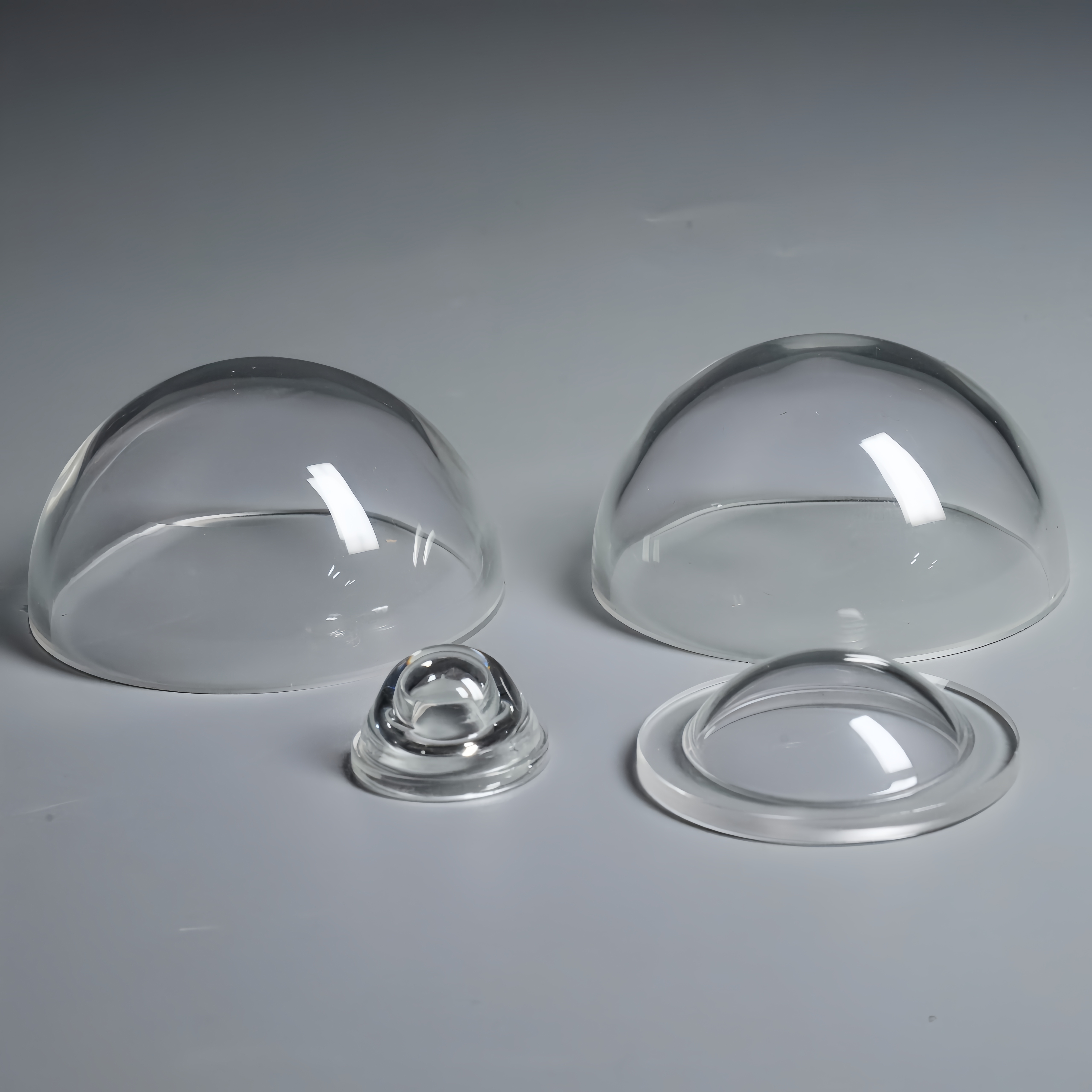
High-Pressure Borosilicate Optical Glass Dome for Underwater ROV AUV Camera Housings & Submersible Lights Deep Sea Rated
Pressure-oriented optical dome for ROV/AUV camera housings and submersible lights used in deep-sea inspection.
- High-pressure housing design
- Deep-sea camera and light use
- Borosilicate optical clarity

Wholesale OEM Shape Size Borosilicate Glass 175mm Diameter AR Coating Double Plano Convex Achromatic Fresnel Lens BO GLASS Stage
Large-format borosilicate Fresnel lens for stage, studio and high-power LED lighting where heat and beam control meet.
- 175 mm diameter class
- AR coating available
- Stage and LED lighting use
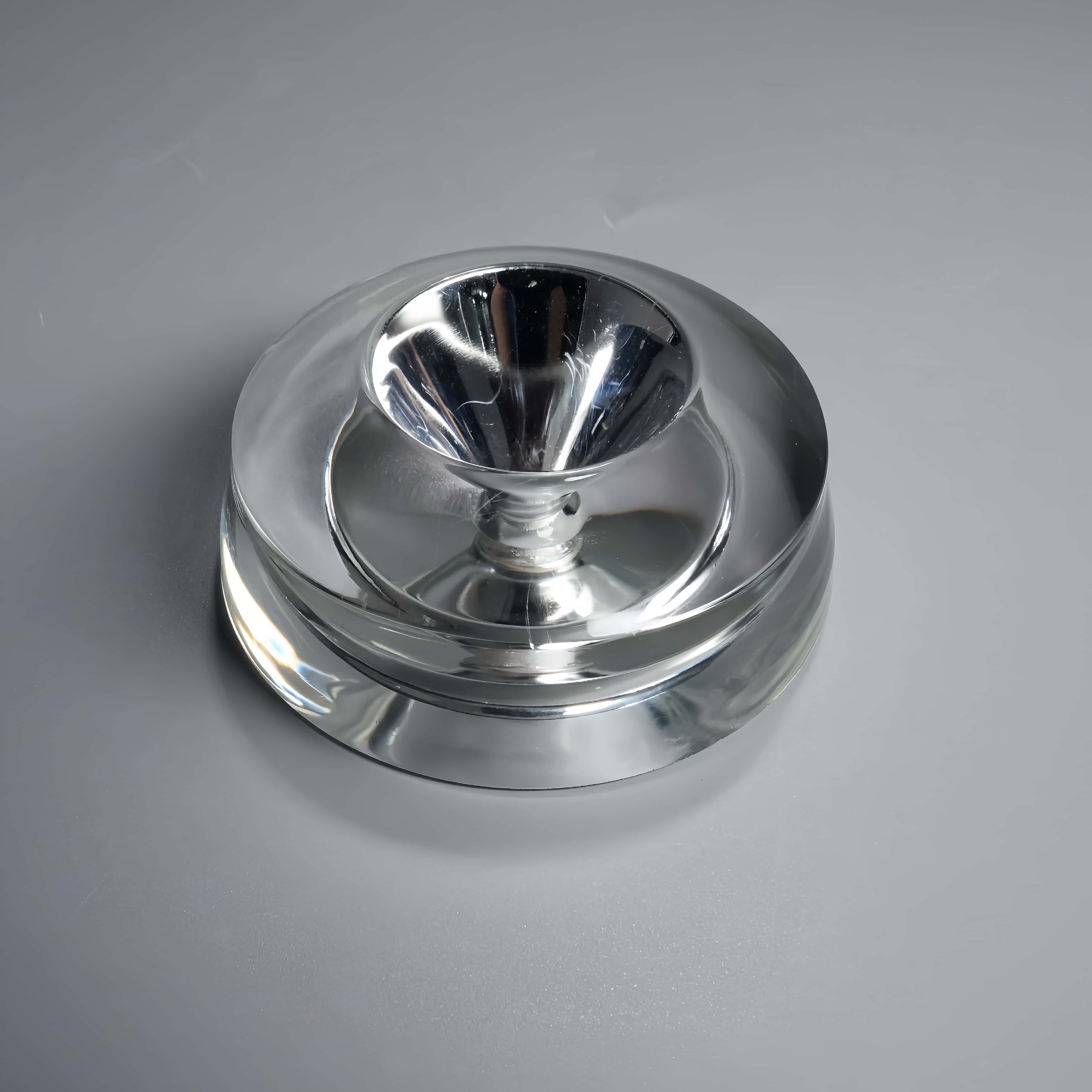
Factory China Custom Size Mold Pressed Borosilicate Bk7 K9 Eco-Friendly LED Optical Glass Lens for Taxiway Runway Airport Ground
Mold-pressed LED glass lens for taxiway, runway and airport ground lighting, with custom size and material options.
- Mold-pressed forming
- Borosilicate, BK7 or K9
- Airport ground lighting
What Makes a Top Cover Glass Factory & Exporter Different?
Cover glass is no longer a commodity accessory. In aviation signal lights, the dome controls color, beam pattern and environmental sealing. In hazardous-area lighting, a borosilicate shade is part of the thermal and impact safety chain. In LiDAR and scientific instruments, an AR-coated optical dome influences signal-to-noise ratio. For procurement teams, the buying question changes from “Who can supply the lowest price per piece?” to “Which cover glass factory and exporter can prove material, geometry, coating, reliability and export discipline?”
This guide is written from a manufacturer’s perspective. Shanghai Tambi Glass Industrial Co., Ltd. is a manufacturer and trading company based in Shanghai, China, serving lighting and optical OEMs with drawing-based borosilicate glass covers, explosion-proof lampshades, signal-light domes, LED lenses, Fresnel lenses, prisms, optical filters and precision optical domes. Its operating profile — more than 10 years in lighting glass, a team of 11–50 people, annual export revenue in the US$2.5M–5M range and an average inquiry response time of ≤6 hours — matters because these are practical signals a buyer can compare before requesting samples.
The information gain here is the procurement lens: ten factory evaluation signals, eight product examples, material selection guidance, future buying trends, product development trends and the questions serious buyers ask before a first purchase order. It is not a replacement for your technical qualification. It is a faster, more precise way to run that qualification.
Tambi Glass at a Glance
Ten Signals That Separate a Factory From a Reseller
The “Top 10” in the title should be read as a supplier scorecard. A cover glass factory and exporter earns a shortlist position only when these ten capabilities are visible in drawings, samples, reports and commercial terms.
DFM Before Quotation
Wall thickness, draft, sealing flatness, optical axis and gasket compression should be reviewed before price is confirmed.
In-House Glass Forming
Pressed, blown, ground or polished capability inside one supply chain reduces hidden subcontract risk and lead-time surprises.
Material Control
Borosilicate 3.3, tempered soda-lime, fused quartz and BK7/K9 should be selected by temperature, impact, pressure and transmission — not by habit.
Coating Ownership
Broadband AR, bandpass, dichroic and color coatings need adhesion, durability and wavelength data, not only a visual sample.
Thermal & Pressure Logic
Explosion-proof shades, ROV/AUV domes and LiDAR windows fail differently; ask for the relevant test logic and operating assumptions.
Optical Metrology
Transmission, color coordinates, wavefront, radius, concentricity and thickness matter as much as external diameter.
Compliance Awareness
FAA L-810, EN 50293, IEC/ATEX fixture contexts and RoHS/REACH documentation should be understood by the glass supplier.
Export Packing
Fragile glass needs foam or pulp dividers, reinforced cartons, palletization and a packing method that survives air and sea freight.
Traceability
Lot ID, material certificates, inspection reports and sample retention turn quality from a promise into a repeatable process.
Technical Communication
A ≤6-hour average response is useful only if the answer includes manufacturability notes, tolerances and clear next actions.
Why Buyers Shortlist Shanghai Tambi Glass
Tambi Glass combines lighting-glass experience, optical finishing, drawing-based production and export-ready communication in one supplier conversation.
Drawing-Based OEM / ODM
Most projects start from a 2D/3D drawing or physical sample. Engineers review wall thickness, draft, tolerance, sealing faces and optical path alignment before tooling.
Multi-Material Engineering
Borosilicate 3.3, tempered soda-lime, fused quartz, BK7 and K9 are matched to heat, impact, pressure, UV and optical requirements.
Coating & Optical Finishing
AR coating, bandpass filters, color control, grinding, polishing and annealing support LED, LiDAR, aviation and scientific applications.
Manufacturer + Export Control
As a manufacturer and trading company, Tambi coordinates production, inspection, packing and export documentation for global OEM buyers.
Fast Technical Review
The average response time is within 6 hours. Send a drawing, annual volume, operating temperature and acceptance criteria for a focused review.
Verification-Ready Transparency
Supplier assessment, credit index, trade capacity, transaction level, factory video and buyer feedback help procurement teams complete qualification faster.

Drawing review, mold preparation and production planning are handled around the fixture, not around a generic catalog.

Forming and finishing steps are selected by geometry, glass type, volume and optical or safety requirement.

Dimensional, visual and optical checks are agreed before mass production so that sample approval means something.
How to Choose the Right Glass Material
Material choice is not a price-only decision. Selecting the correct glass early avoids cracked covers, color drift, pressure failures and costly field returns.
| Material | Thermal expansion (×10⁻⁶/K) | Typical max. working temperature | Key strength | Best for |
|---|---|---|---|---|
| Borosilicate 3.3 | ≈ 3.3 | ≈ 450 °C | Excellent thermal-shock resistance | Explosion-proof shades, high-power LED covers, Fresnel lenses, signal-light domes |
| Tempered soda-lime | ≈ 9.0 | ≈ 250 °C | High impact strength and economical cost | Outdoor covers, floodlight glass, vandal-resistant lenses |
| Fused quartz | ≈ 0.55 | ≈ 1000 °C+ | UV transmission and extreme heat resistance | UV optics, high-temperature windows, scientific instruments |
| Optical BK7 / K9 | ≈ 7.1 | ≈ 300 °C | Homogeneous optical properties, nd ≈ 1.517 | Precision lenses, prisms, mirrors, filters and aspherical optics |
Values are typical references for early specification discussions. Final material approval should be confirmed against your drawing, lamp surface temperature, impact rating, pressure requirement, coating durability and the standard your fixture must meet.
How Cover Glass Buyers Will Purchase in 2025–2026
Procurement behavior is shifting from catalog buying to specification-based, verification-led sourcing. The indicators below are qualitative buyer-priority signals, not market statistics.
Dual Sourcing Without Duplicating Risk
Buyers qualify one partner for complex optical or pressure parts and another for volume covers, while demanding the same drawing, report format and change-control discipline.
Specification-Based RFQs
Price-only RFQs attract price-only quotations. Stronger RFQs include application, surface temperature, impact or pressure loads, annual volume, coating target and acceptance criteria.
Verification Before Sampling
Supplier assessment, credit index, trade capacity, transaction history and factory video are used to shortlist before engineering time is spent on samples.
Landed Cost & Fragility Control
Breakage rate, packaging yield, replacement lead time and customs documentation now sit inside the total cost of ownership calculation for glass components.
Where Cover Glass Technology Is Moving Next
Product development is being pulled by LiDAR, robotics, deep-sea sensing, high-power LED lighting and laser systems. Each trend changes what buyers should ask for in a drawing and inspection plan.
Broadband AR Domes for LiDAR & Robotics
More sensing wavelengths and lower reflectance targets are pushing hemispherical windows toward tighter wavefront control and durable broadband AR coatings.
Pressure-Rated Domes for ROV / AUV
Deep-sea camera housings and submersible lights require glass geometry, wall thickness and sealing faces to be reviewed together, not as isolated dimensions.
High-Temperature Borosilicate Covers
High-power LED, stage lighting and hazardous-area fixtures continue to demand thermal-shock resistance, stable color and precise fit after repeated heating cycles.
Laser Beam Shaping & Compact Optics
Anamorphic prism pairs, Fresnel lenses and light guide rods are becoming more application-specific, with tighter tolerances and assembly-ready coating specifications.
A Controlled Six-Step OEM Process
Clear checkpoints reduce surprises between sample approval and mass production — especially when the part is fragile, coated or safety-related.
Drawing Review
DFM review of thickness, draft, tolerance, sealing face, optical axis and gasket interface before quotation is finalized.
Mold & Tooling Decision
New or existing molds are selected for pressing, blowing, grinding or polishing based on geometry and annual volume.
Sampling & Fit Test
Samples are measured and sent for your assembly, light, pressure or environmental test before mass production.
Forming & Annealing
Controlled forming, annealing or tempering relieves stress and supports thermal-shock or impact performance.
Coating & QC
AR or color coating, dimensional inspection, visual inspection and agreed optical checks are completed before packing.
Export Packing
Divider-packed cartons, reinforced protection and palletization are arranged for sea or air freight.
Transparency Shortens Supplier Qualification
Procurement teams can review public verification pages, trade capacity and buyer feedback before committing engineering time to a new glass project.
Supplier Assessment
Third-party verification of legal status and premises for faster supplier onboarding.
View assessment →Credit Index
Business credit and compliance overview for procurement risk review.
Check credit →Trade Capacity
Export markets, terms and logistics capability for international glass buyers.
View capacity →Ratings & Reviews
Feedback from buyers who have ordered custom lighting and optical glass.
Read reviews →Questions Procurement Teams Ask Before Ordering Cover Glass
Use these answers to prepare a more precise RFQ and to compare a cover glass factory with a trading exporter.
Can you manufacture glass covers and lenses to my own drawing?
What is the typical minimum order quantity?
Should I choose borosilicate glass or tempered soda-lime glass?
Do you supply glass for FAA L-810 and EN 50293 lighting fixtures?
How fast do you reply to technical inquiries?
How are fragile glass parts packed for export?
What information should be included in an RFQ?
How can I compare a cover glass factory with a trading exporter?
Have a Drawing? Get an Engineering Review Within 6 Hours.
Share dimensions, material, operating temperature, coating target and annual volume. The review will identify the most reliable glass route for your fixture, instrument or sensing system.
info@tambiglass.com