OEM/ODM Glass Window Supplier & Exporters
Drawing-based borosilicate, optical and industrial glass windows for lighting, sensing, hazardous-area and underwater equipment — engineered in Shanghai for global OEM and ODM buyers.
Eight Glass Components Buyers Source by Application
The most common high-intent searches are no longer generic “glass window suppliers.” Buyers ask for a specific wavelength, pressure rating, lamp temperature, coating stack, sealing face or certification. The eight products below cover those specification-led intents and can be customized to your drawing.
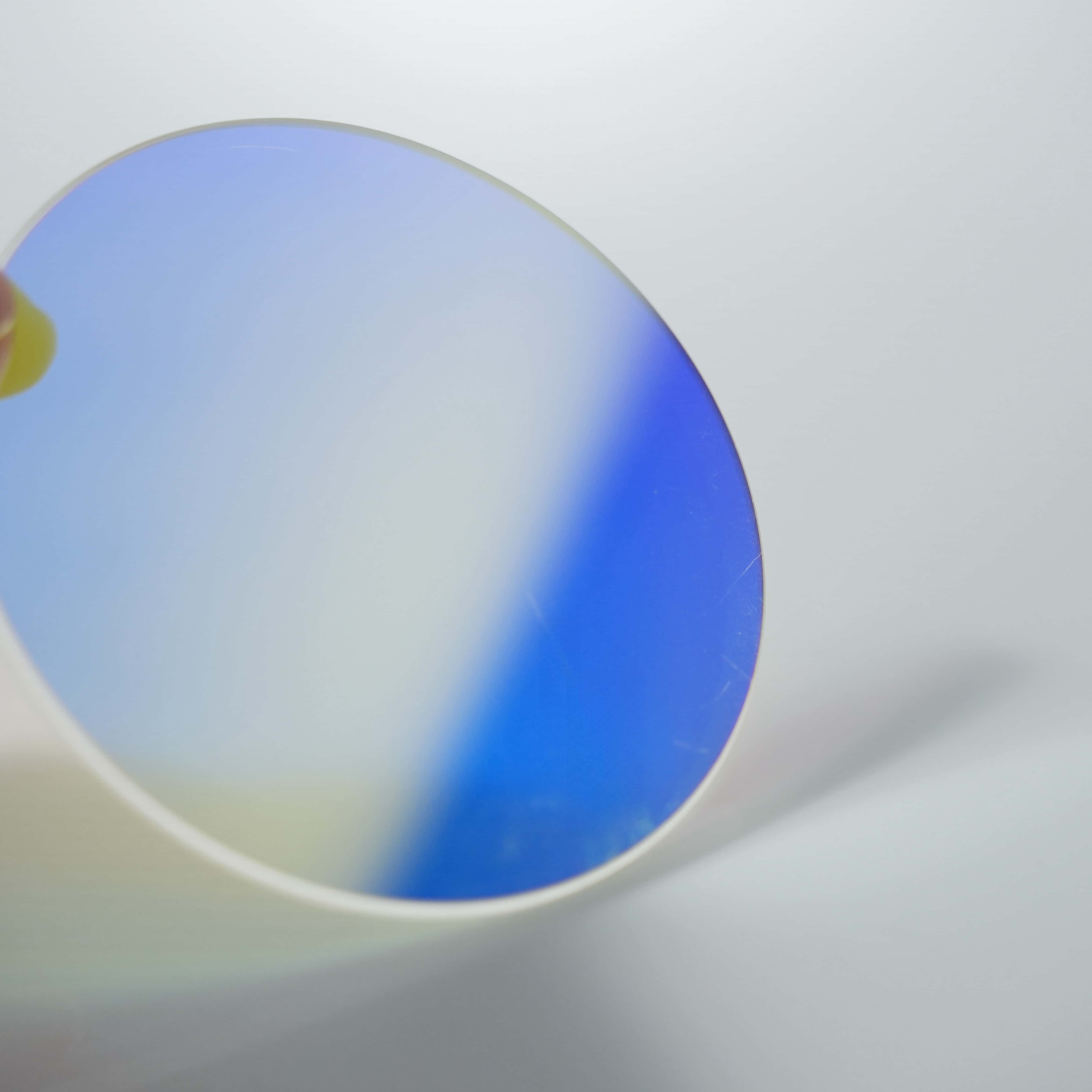
Optical Borosilicate Glass Longpass Shortpass Filter 500nm 600nm 700nm AR Coating
AR-coated filters for spectroscopy and industrial sensors; specify cut-edge wavelength, transmission band, diameter and coating.
View product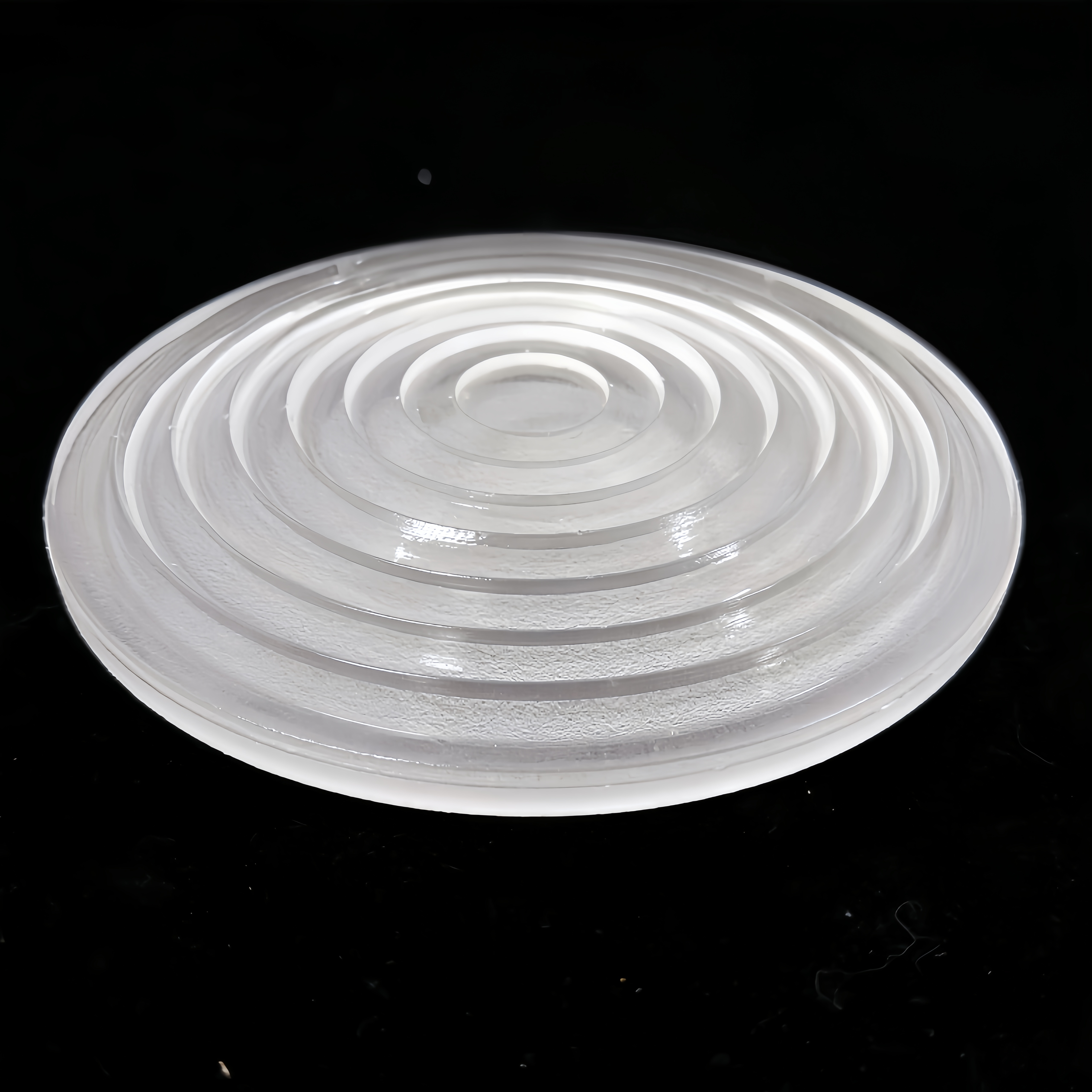
High Temperature Resistant Borosilicate Glass Fresnel Lens for High Power LED Collimation
Thermal-shock-resistant borosilicate Fresnel optics for high-power LED collimation, stage lighting and AR-coated optical paths.
View product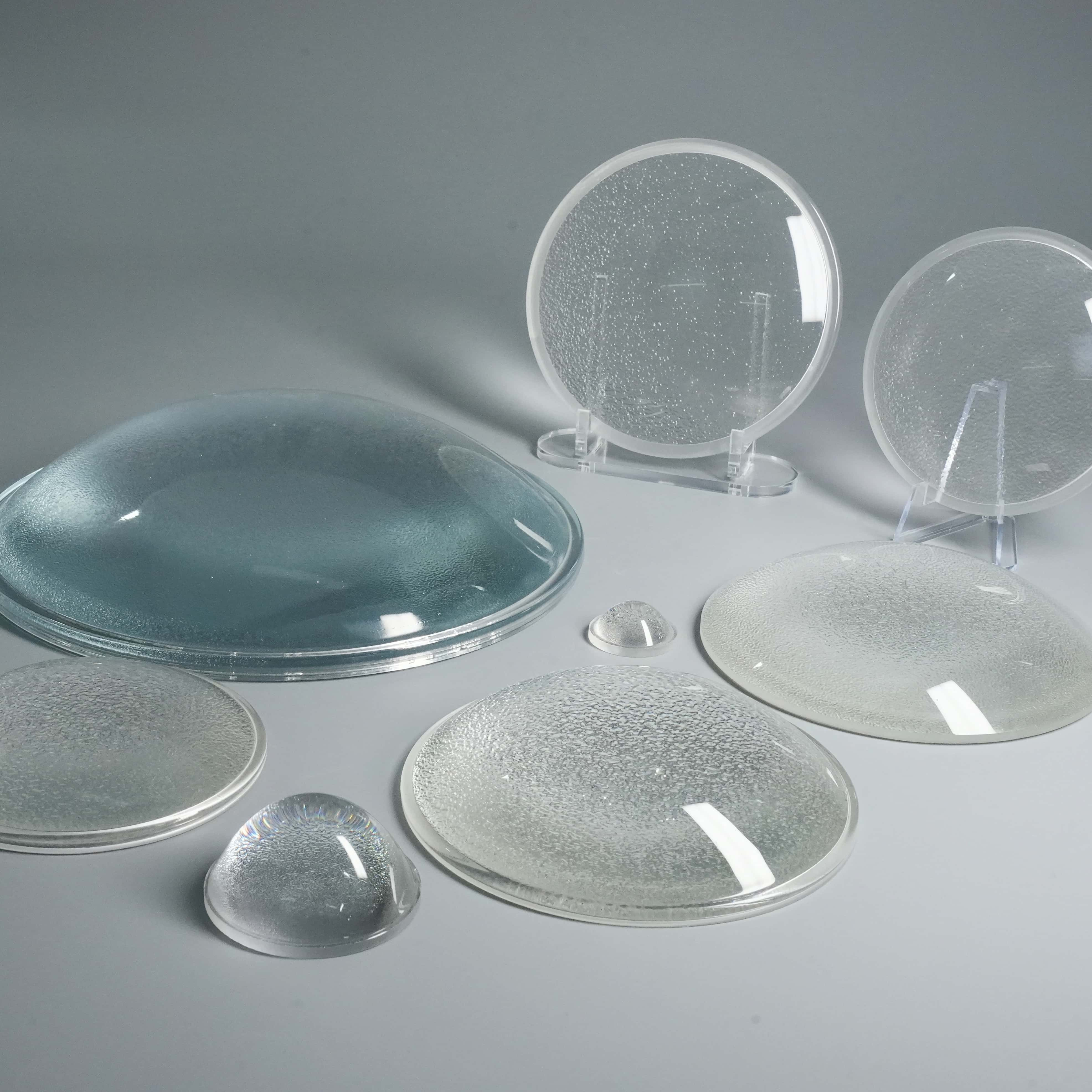
Bo Glass Asymmetric LED Lens Roadway Street Light Reduces Light Pollution Glare
Asymmetric glass optics for roadway and street fixtures; controls glare and light pollution while protecting the LED module.
View product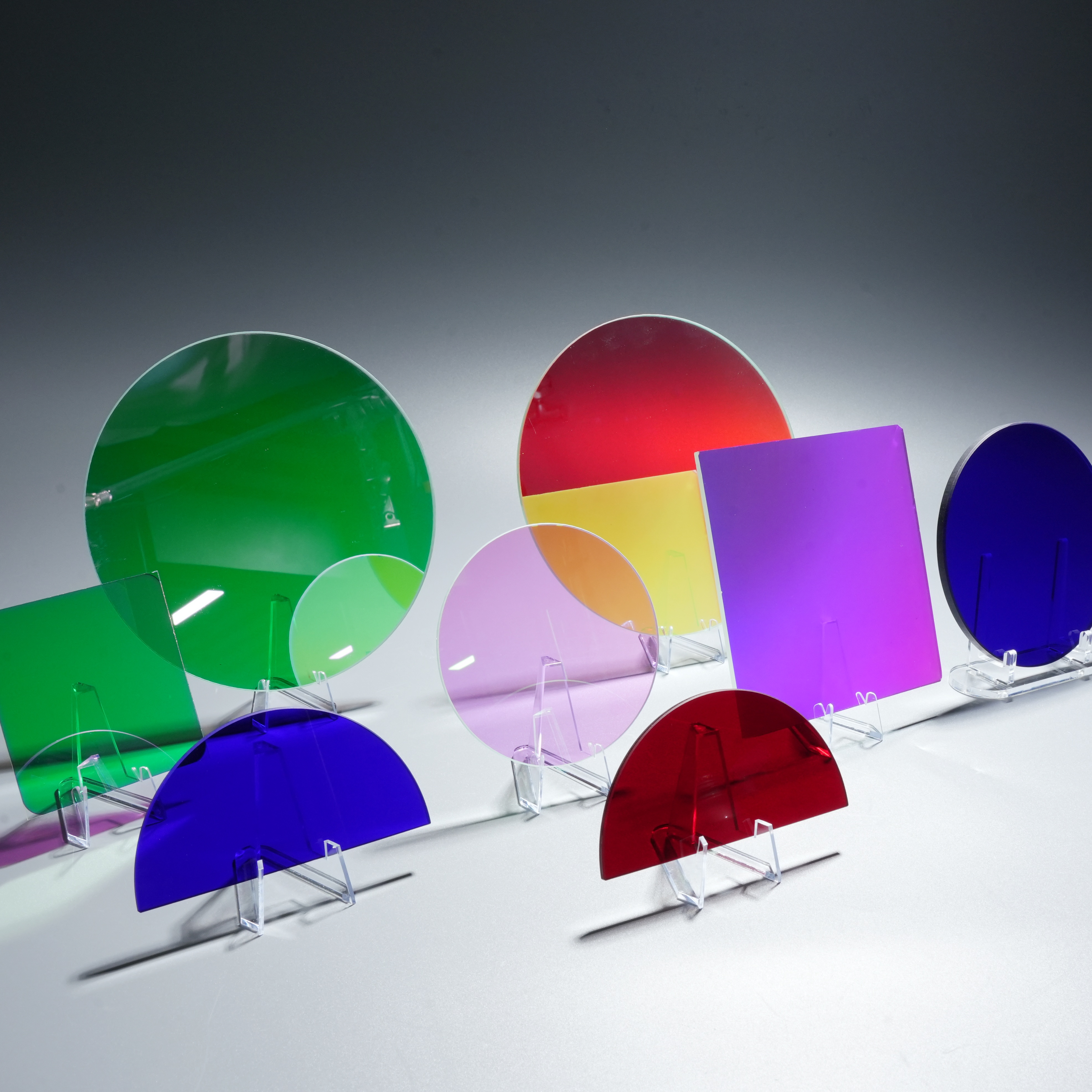
BO-AH242 590nm 49mm Coated UV Borosilicate Bandpass Longpass Optical Filter
High-precision 590 nm coated filter; adaptable in wavelength, diameter, thickness and bandpass or longpass response.
View product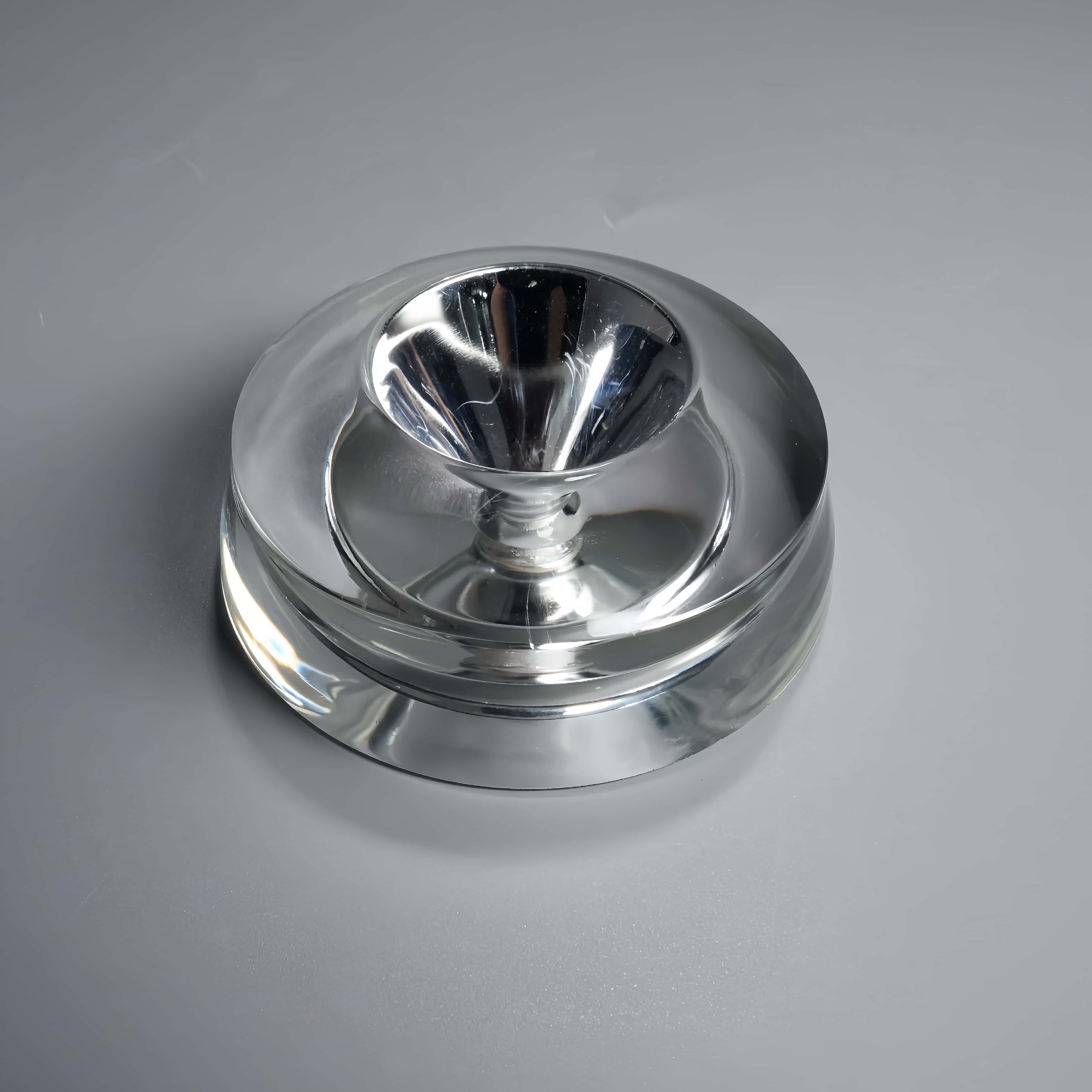
Custom Mold Pressed Borosilicate BK7 K9 Lens for Taxiway Runway Airport Ground
Mold-pressed custom glass lenses for taxiway, runway and airport ground lighting assemblies requiring heat and UV stability.
View product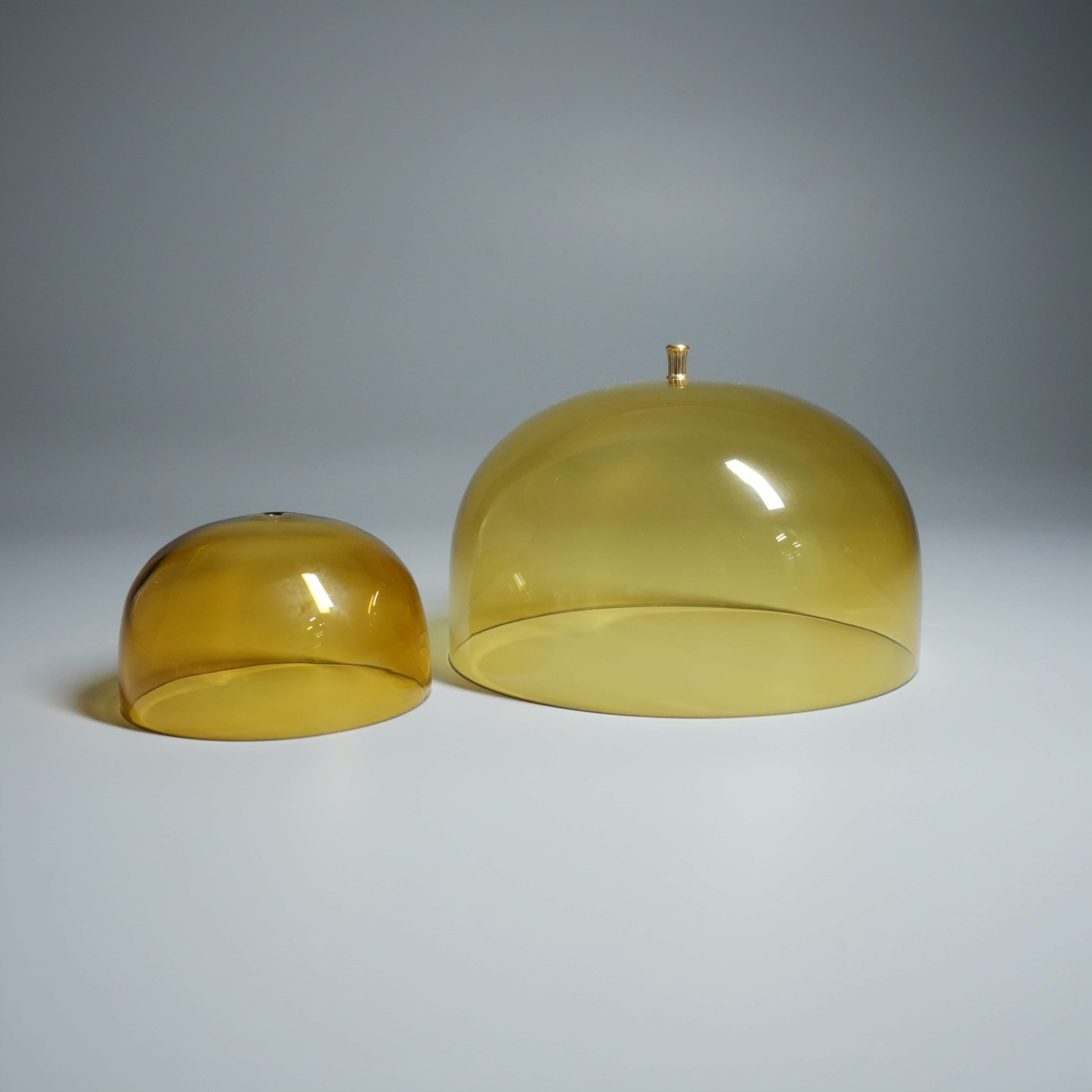
Certified Chemical-Resistant Glass Cover for Food Machinery and Medical Equipment
Cleanable, chemically resistant glass covers for food equipment and medical housings where dimensional stability matters.
View product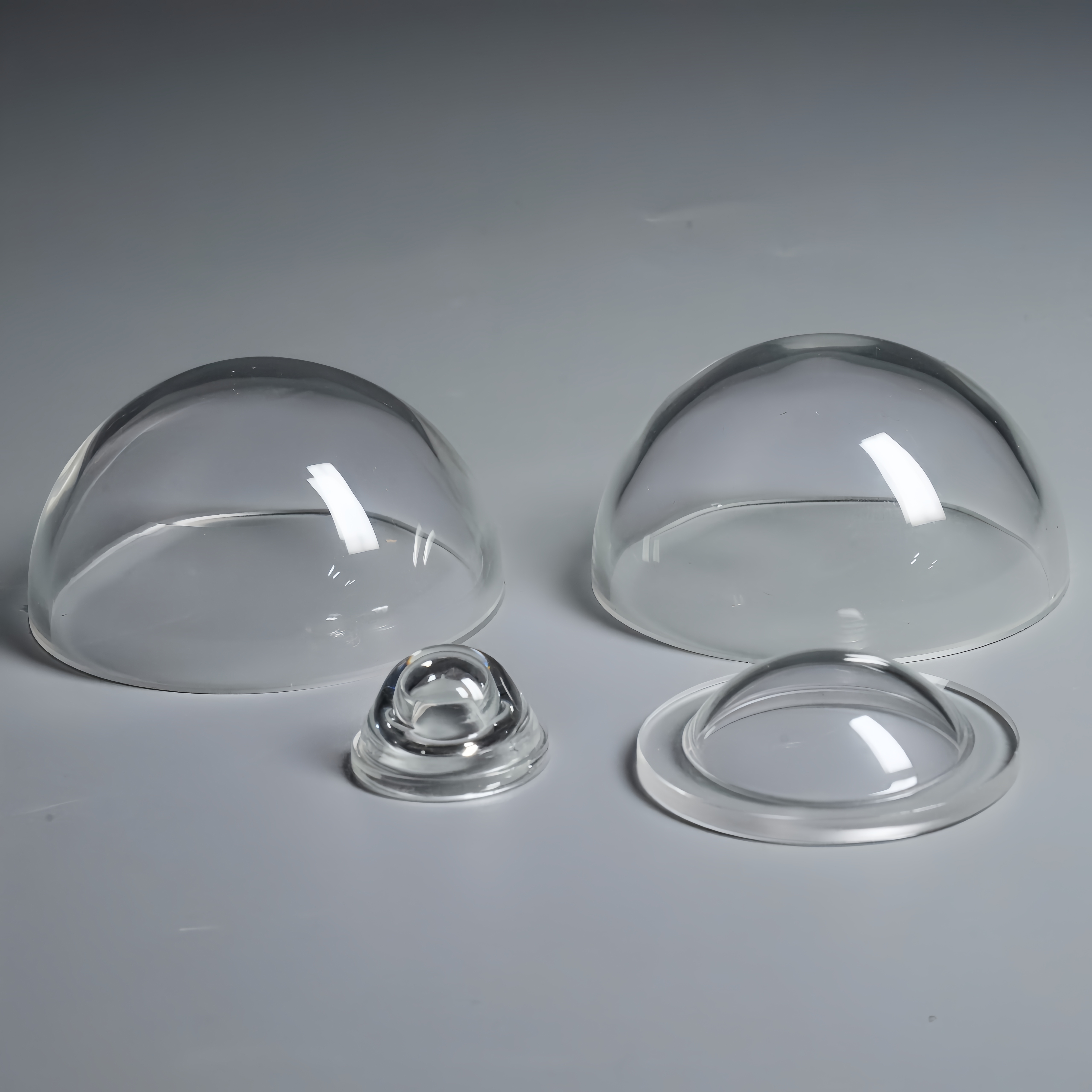
High-Pressure Borosilicate Optical Glass Dome for ROV AUV Submersible Camera Housings
High-pressure optical glass domes for ROV, AUV, camera housings and submersible lights, with deep-sea-rated options.
View product
Custom 1–200mm BK7 Spherical Quartz Glass Half Ball Concave Biconvex Lens AR Coated
Custom BK7, quartz and spherical lenses from 1–200 mm, including half-ball, concave, biconvex and AR-coated options.
View productEnterprise Facts Buyers Can Verify Before Sending an RFQ
Procurement teams need more than a product photo. These verifiable indicators help shorten supplier qualification and reduce sampling risk.
Why an OEM/ODM Glass Window Is Now an Engineered Component
In industrial lighting and optical systems, “glass window” can mean a sealed glass cover, hemispherical optical dome, wavelength-selective filter, high-temperature Fresnel lens or pressure-rated viewing window. Each definition carries a different search intent and a different engineering brief.
An experienced buyer rarely sends only a thickness and diameter. They send a drawing with surface temperature, thermal-cycling profile, sealing method, tolerance stack and optical transmission target. They may ask whether borosilicate 3.3 will survive rain hitting a hot cover, whether a tempered soda-lime lens can meet an impact requirement, or whether an anti-reflective coating will survive cleaning and salt spray. That is the point where a supplier’s engineering depth becomes visible.
Shanghai Tambi Glass Industrial Co., Ltd. supports drawing-based OEM/ODM production for lighting and optical buyers. The work starts with a manufacturability review: wall thickness, draft angle, annealing or tempering route, sealing face flatness, coating mask design and export packing. This front-end review is the most practical form of cost control. A cover that cracks in the field, loses transmission after coating, or fails a gasket fit creates far more cost than the original glass price.
This is also why information gain matters in sourcing. A catalog can show a product image, but a qualified supplier should explain the decision logic behind the material, process and inspection method. The sections below translate that logic into a practical buying guide for lighting OEMs, optical instrument teams, industrial equipment importers and underwater system integrators.
Four Product Trends Reshaping Glass Windows and Optical Covers
Demand is moving from commodity glass covers to application-specific optical windows. The change is visible in drawings received from aviation, marine, stage lighting, sensor and medical equipment buyers.
Coating Integration, Not Just Glass
AR coatings, bandpass stacks, UV blocking, hydrophobic layers and hard coatings are increasingly specified at the drawing stage. Suppliers must control coating uniformity, masked areas and durability rather than simply supply a polished part.
Thermal-Shock and Pressure Resilience
High-power LED fixtures, explosion-proof lamps and deep-sea housings push material selection toward borosilicate 3.3, tempered soda-lime, fused quartz and BK7. The correct choice depends on temperature, pressure, impact and sealing design.
Precision at Larger Apertures
ROV/AUV domes, LiDAR windows and stage optics require uniform wall thickness, controlled optical path and reliable sealing faces. Larger precision glass windows demand better tooling, annealing control and inspection discipline.
Digital Traceability from Sample to Volume
Buyers increasingly request inspection records, material reports and batch traceability. A drawing-based supplier that controls pressing, grinding, coating and packing in one workflow can reduce qualification time and communication gaps.
Glass Window Procurement Trends Export Buyers Should Plan For
Purchasing teams are consolidating suppliers, but they are also placing more engineering responsibility on those suppliers. The result is a shift from transactional buying to specification partnership.
Compliance-Led Supplier Qualification
Aviation and marine projects often reference FAA L-810 or EN 50293 in the fixture specification. The luminaire manufacturer holds the final certification; the glass supplier must match color, transmission, dimensions and inspection records.
Prototype-to-Volume Agility
Low-MOQ sampling followed by volume production is becoming standard. Buyers want to validate fit, light output, sealing and thermal behavior before committing to tooling and annual forecasts.
Supply Chain Resilience
A supplier that manages pressed, blown, ground and coated glass within one qualified chain is easier to audit and less exposed to hand-off delays. Backup processes and mold maintenance planning are increasingly discussed at RFQ stage.
Landed Cost and Export Packaging
Fragile glass can absorb hidden cost through breakage, rework and dimensional weight. Foam or pulp dividers, reinforced cartons, palletization and distributor labeling should be quoted with the part, not added after approval.
How to Choose the Right Glass Material for Your Window
Material selection should begin with service conditions, not with the lowest piece price. Use this comparison as an early screening tool, then confirm the final specification against the drawing, lamp temperature, impact rating, pressure requirement and fixture standard.
| Material | Thermal expansion (×10⁻⁶/K) | Typical max. working temperature | Key performance strength | Typical glass window applications |
|---|---|---|---|---|
| Borosilicate 3.3 | ≈ 3.3 | ≈ 450 °C | Excellent thermal-shock resistance | Explosion-proof shades, high-power LED covers, Fresnel lenses, industrial glass windows |
| Tempered soda-lime | ≈ 9.0 | ≈ 250 °C | High impact strength and economical cost | Outdoor light covers, floodlight glass, vandal-resistant lenses |
| Fused quartz | ≈ 0.55 | ≈ 1000 °C+ | UV transmission and extreme heat tolerance | UV optics, high-temperature viewing windows, scientific instruments |
| Optical BK7 / H-K9L | ≈ 7.1 | ≈ 300 °C | Homogeneous optical properties, nd ≈ 1.517 | Precision lenses, prisms, mirrors, optical filters |
Values are typical references. Final material, annealing or tempering, coating and inspection criteria are confirmed against your drawing and application conditions.
Why Tambi Glass Fits OEM/ODM Glass Window Programs
Strong supplier fit is not only about machine capacity. It is about how quickly a drawing is understood, how clearly risks are communicated and how consistently the approved sample is reproduced for export shipment.
Drawing-Based OEM/ODM Engineering
Send a 2D/3D drawing or physical sample with dimensions, tolerance, material, color and coating requirements. The engineering team reviews manufacturability, proposes mold options and confirms samples before mass production.
One Supply Chain for Multiple Processes
Pressed, blown, ground and coated glass processes are coordinated under one supply chain. This reduces hand-off risk between forming, finishing, coating and packing — especially for designs that combine optical and sealing requirements.
Lighting and Optical Glass Focus
With more than a decade of experience in lighting and optical glass, the team understands heat build-up behind high-power LEDs, thermal shock, impact loads, color accuracy and optical path alignment inside real fixtures.
Verification and Transparency
Shanghai Tambi Glass is presented as an onsite-verified supplier with supplier assessment, credit index, transaction level, trade capacity and trade history available for procurement review before order placement.
Fragile-Glass Export Discipline
Parts are separated by foam or pulp dividers, packed in reinforced export cartons and palletized for sea or air freight. Custom packaging and distributor labeling can be arranged for fragile optical and lighting glass.
Fast Technical Response
The average response time is within 6 hours. Include your drawing, annual volume, target application and any certification requirement in the first inquiry so the engineering and commercial review can run in parallel.
From Drawing to Export: A Six-Step OEM/ODM Process
Clear checkpoints reduce surprises between sample approval and volume production. This is especially important when a glass window combines optical, mechanical and sealing requirements.
Drawing Review
DFM check of wall thickness, draft, tolerance, sealing face and optical clear aperture. Potential molding or annealing risks are raised before tooling.
Material and Coating Recommendation
Borosilicate, tempered soda-lime, quartz or BK7 is selected against temperature, impact, pressure, transmission and coating durability requirements.
Tooling and Sampling
New or existing molds are arranged for pressing, blowing or grinding. Samples are measured and sent for fit, light and sealing validation.
Forming, Annealing or Tempering
Controlled annealing or tempering relieves stress and supports thermal-shock performance. Forming parameters are maintained for repeatable production.
Coating and QC
AR, bandpass or color coating is applied as specified, followed by dimensional, optical and visual inspection. Reports can be provided on request.
Export Packing
Dividers, reinforced cartons and pallets protect fragile glass parts for sea or air freight. Distributor labeling and custom packaging can be discussed.
Evidence, Not Just Claims: Production, Inspection and Factory Review
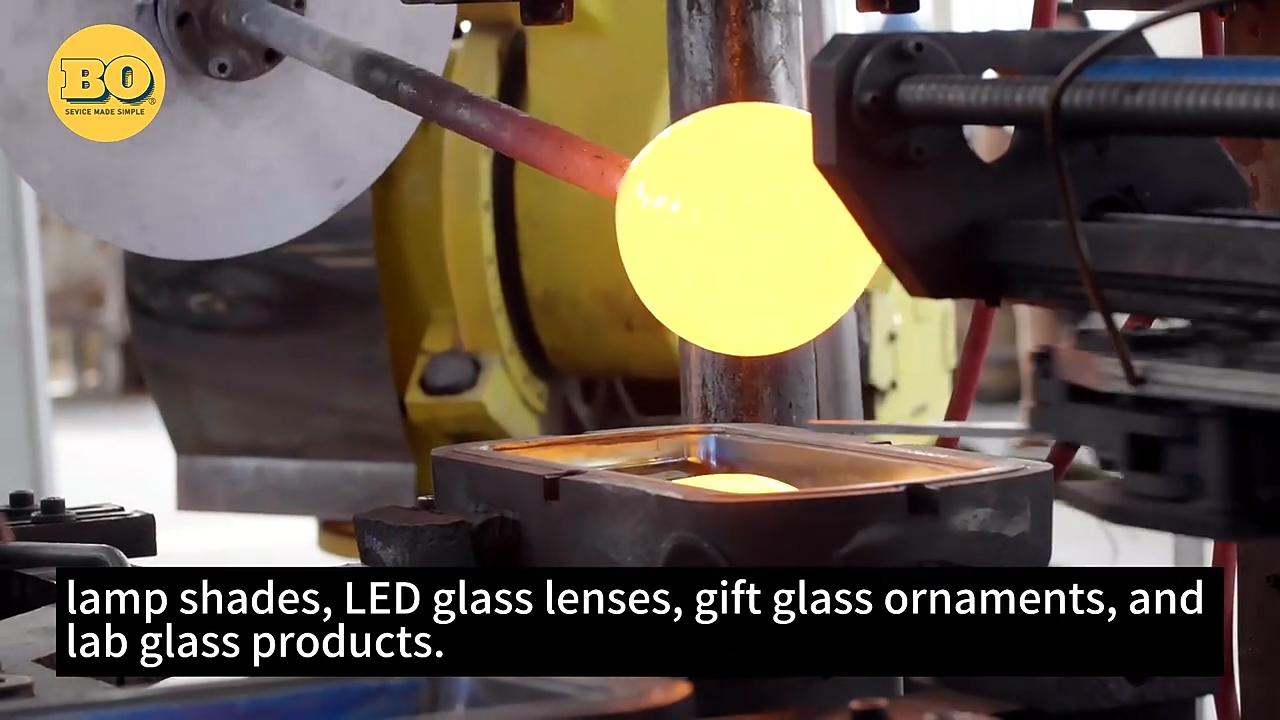
Repeatability comes from the production environment, inspection discipline and packing method — not from a single sample. The original factory images below show forming, finishing and quality inspection activities. Video calls and third-party audits are welcome.



How Different Industries Describe Their Glass Window Requirements
Application language is often more useful than a generic product name. These are common buyer intents that should be matched with the right glass type, coating and inspection plan.
Airport and Aviation Lighting
Runway, taxiway and obstruction lighting require stable color, heat resistance and UV protection. Glass lenses and domes are matched to the fixture maker’s optical and dimensional specification.
Marine, ROV and AUV Systems
Submersible lights and camera housings need pressure-rated optical domes, corrosion awareness and reliable sealing faces. High-pressure borosilicate domes are a frequent search intent.
Spectroscopy and Optical Sensing
Bandpass, longpass and AR-coated windows are specified by wavelength, transmission band, diameter and coating. The inquiry usually includes a filter curve or optical requirement.
Food, Medical and Industrial Equipment
Chemical-resistant covers and viewing windows must be cleanable, dimensionally stable and compatible with wash-down or sterilization processes. Application standards should be stated at RFQ.
Questions Procurement Teams Ask Before Ordering Glass Windows
Can you manufacture glass windows, covers and domes to my own drawing?
Should I choose borosilicate glass or tempered soda-lime glass?
What coatings can be added to an optical glass window?
What is the typical minimum order quantity and sample lead time?
Do you supply glass for FAA L-810 and EN 50293 lighting fixtures?
How are fragile glass windows and optical domes packed for export?
Have a Drawing? Get an Engineering Review Within 6 Hours
Share your dimensions, glass material, operating temperature, coating target and annual volume. The review will identify manufacturability risks, recommend a material and sampling route, and provide the current catalog for your sourcing file.
Technical contact: info@tambiglass.com Get Catalog