8 OEM/ODM Glass Substrate and Precision Components to Review First
These eight products are a practical starting point for buyers comparing optical glass, lighting glass, domes, filters and beam-shaping components. Use them to open a technical discussion on material grade, dimensions, tolerances, coatings, sealing faces and annual volume.
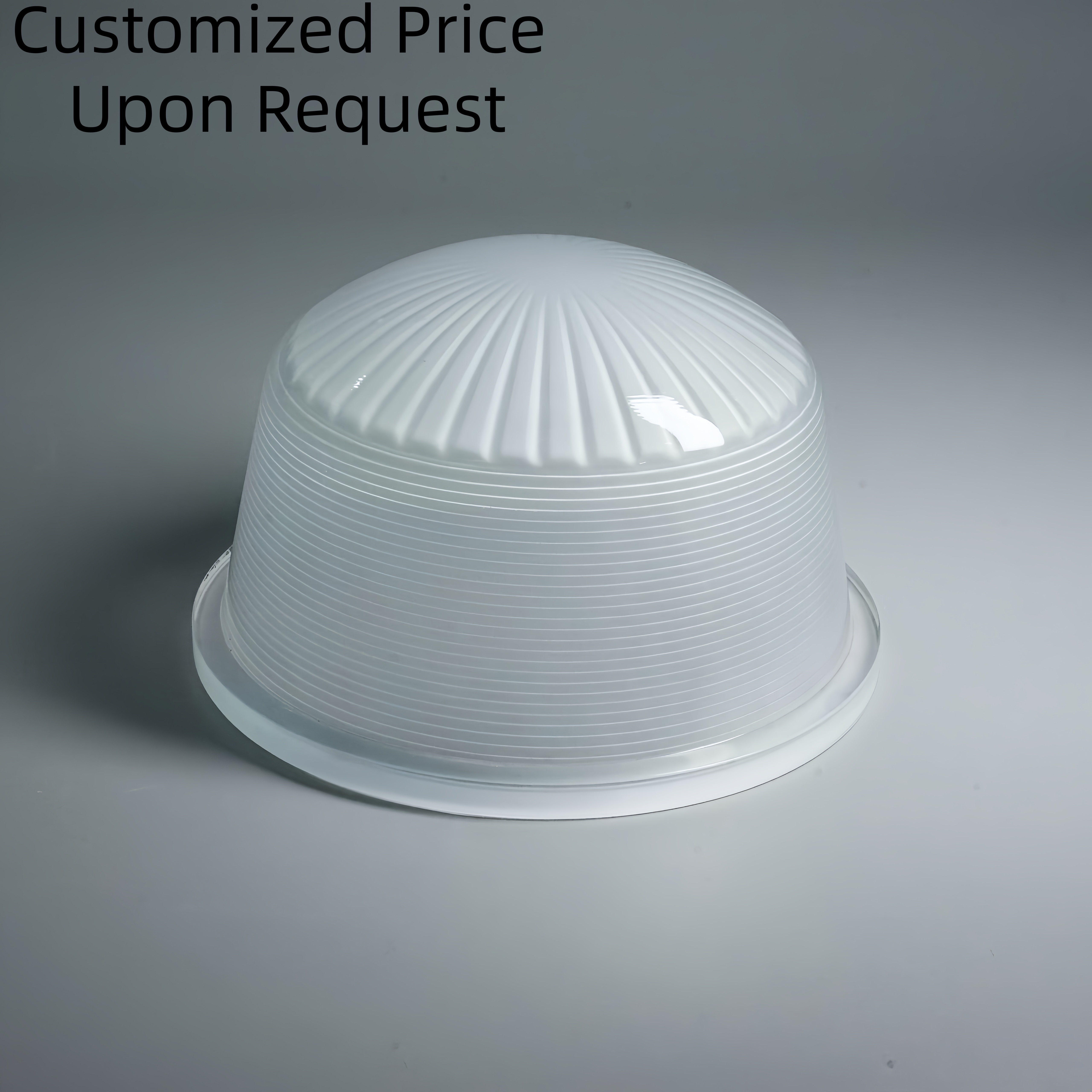
Transparent Explosion-proof Glass Shade, High Light Transmittance, Industrial Workshop Lighting
- Explosion-proof lampshade
- High light transmission
- Industrial workshop use

Manufacturer OEM Precision Grade BK7 K9 Optical Glass Aspherical Lens Anti-Reflective Coating Diameter 0.5-25mm MOQ 100 Pcs
- BK7/K9 optical glass
- AR coating option
- Ø0.5–25 mm; MOQ 100 pcs
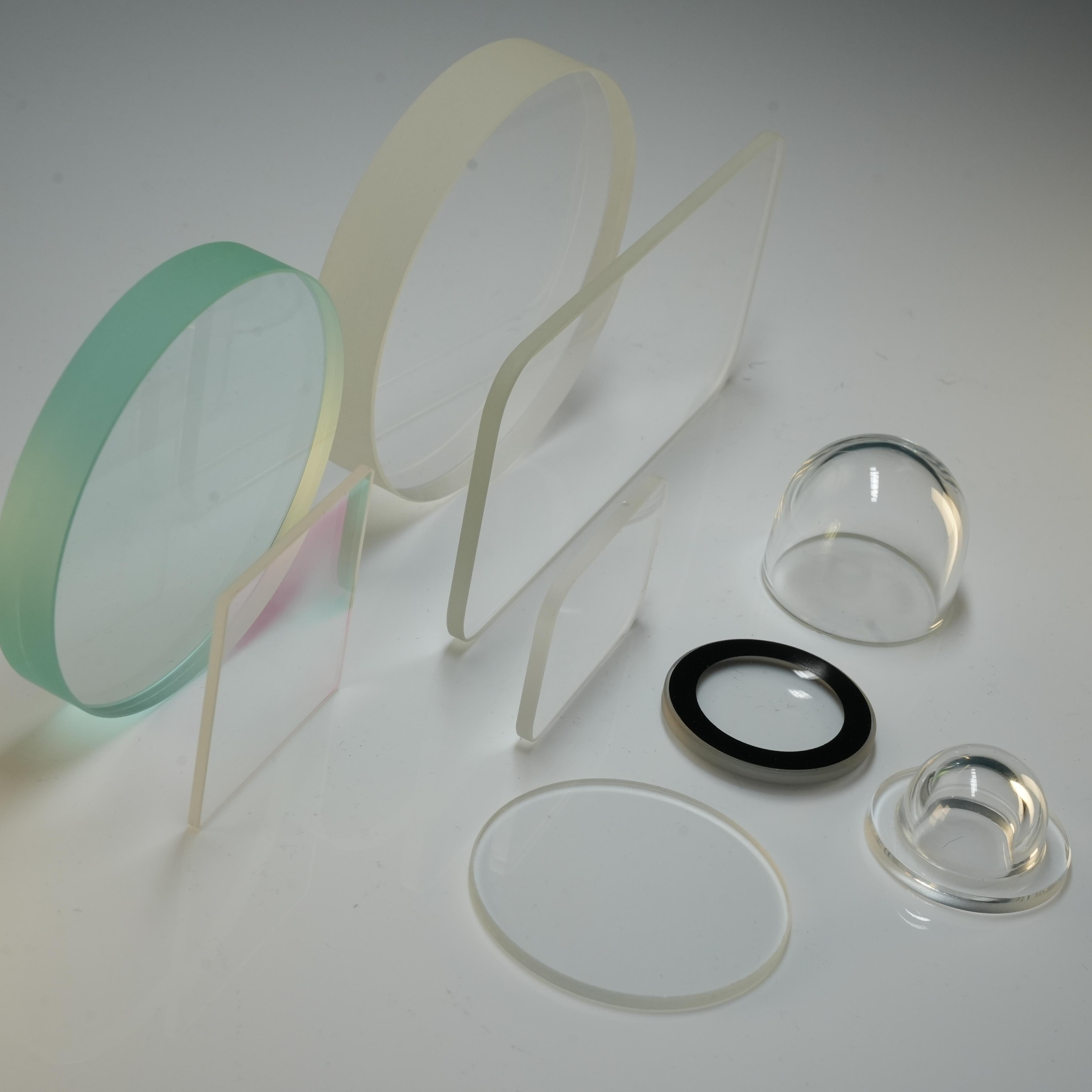
Manufacturer OEM Transparent High Quality Precision Borosilicate UV Fused Silica Coated Glass Optical Window High Transmittance
- Borosilicate/fused silica
- High-transmittance window
- Coating options available
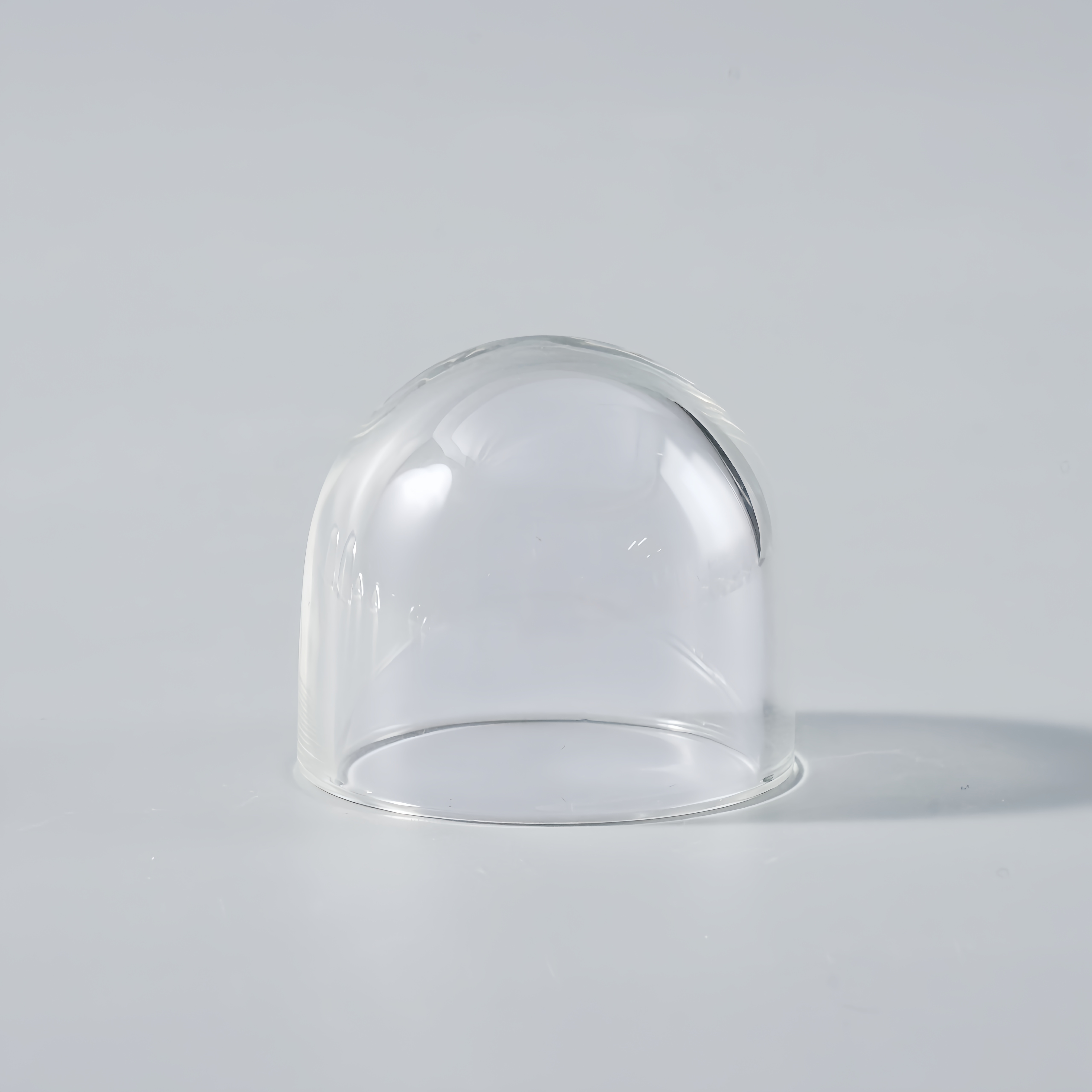
Customizable OEM Optical Glass Domes Broadband AR Coating Precision Hemispherical Windows for LiDAR Sensors Scientific
- Hemispherical dome
- Broadband AR coating
- LiDAR and scientific use
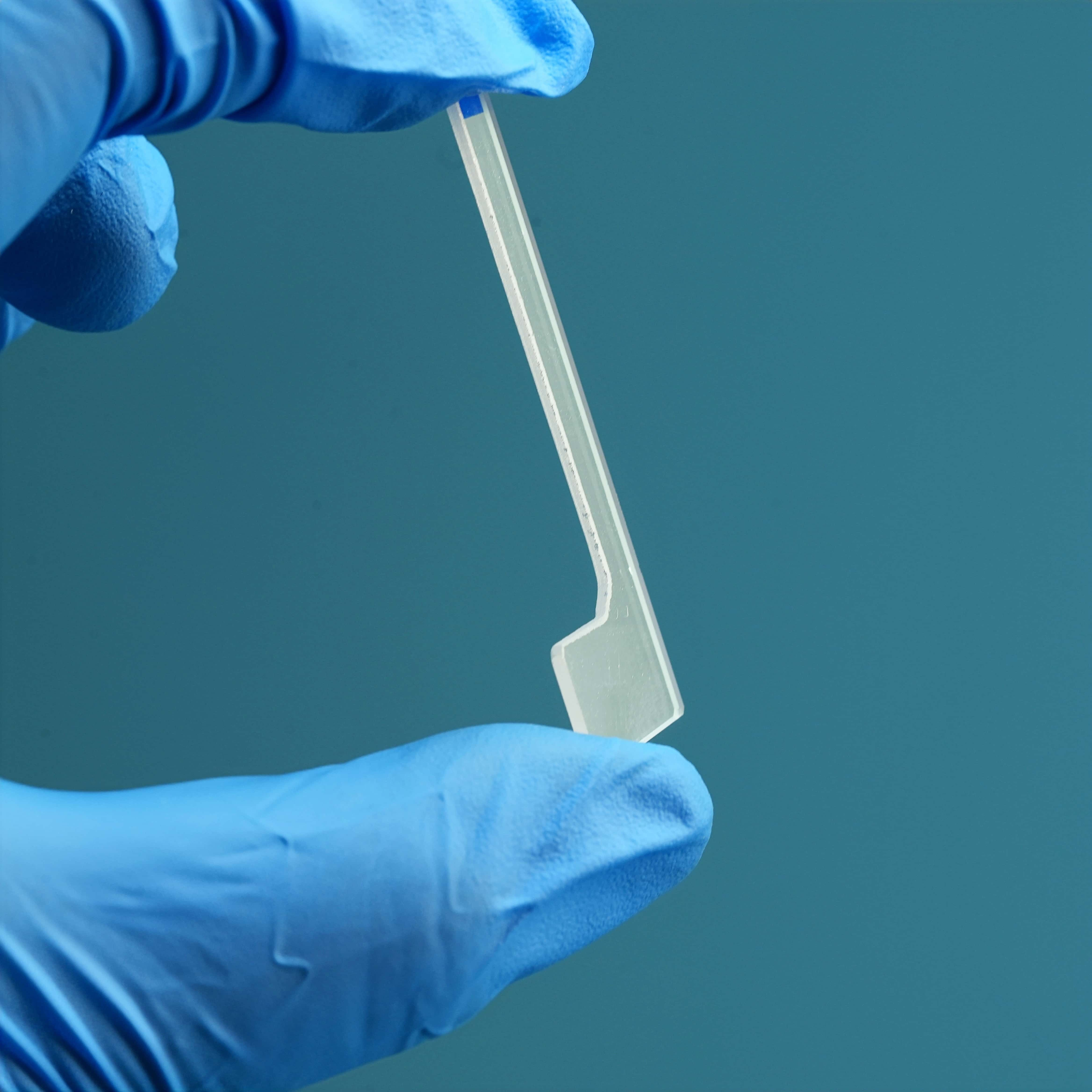
Anamorphic Prism Pair for Laser Beam Shaping Circularizing Elliptical Beams for Fiber Coupling Applications
- Anamorphic prism pair
- Beam circularizing
- Fiber coupling applications
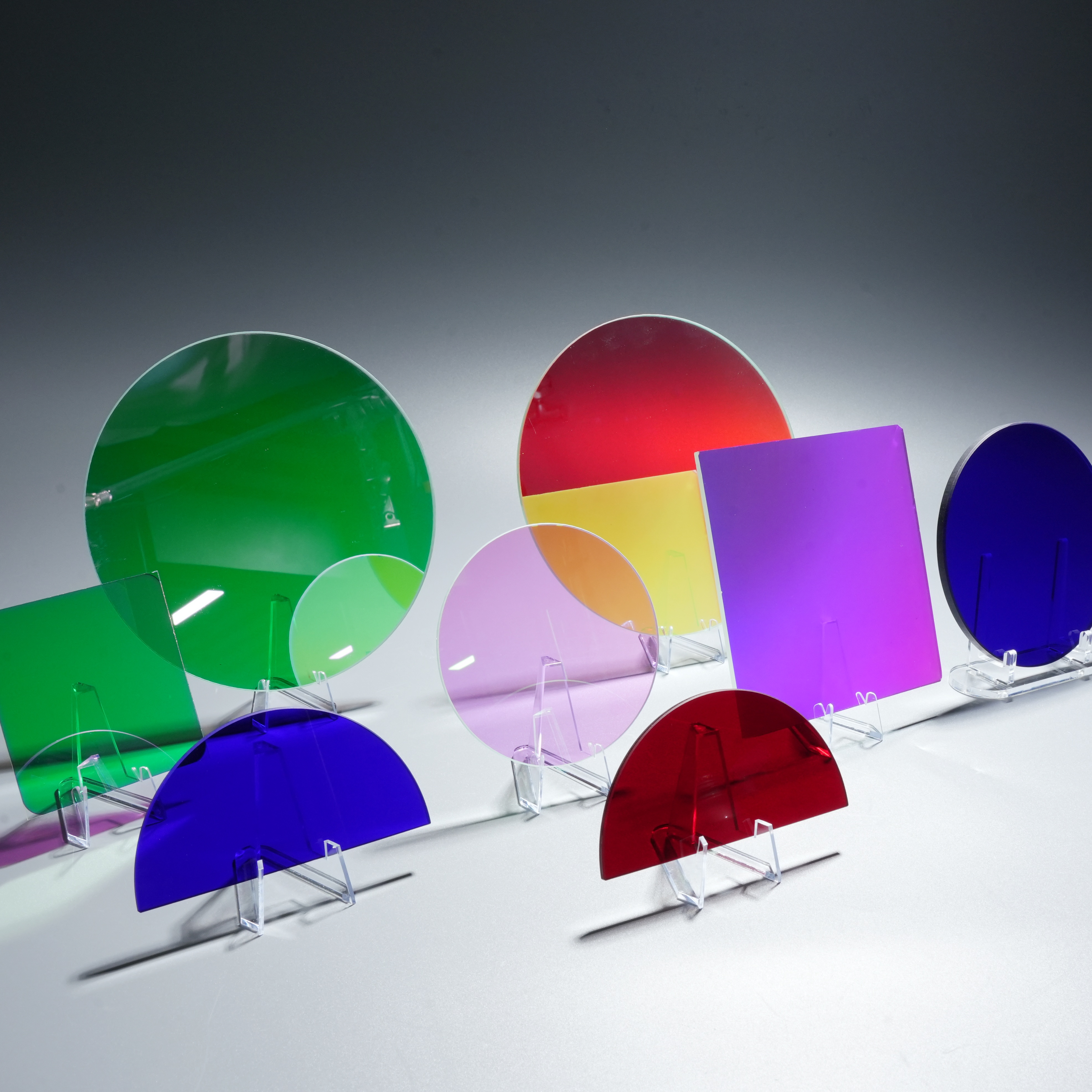
BO-GLASS BO-AH242 Manufacturer Customized High Precision 590Nm 49Mm Coated UV Borosilicate Bandpass Longpass Optical Filter
- 590 nm bandpass/longpass
- 49 mm coated filter
- UV borosilicate substrate
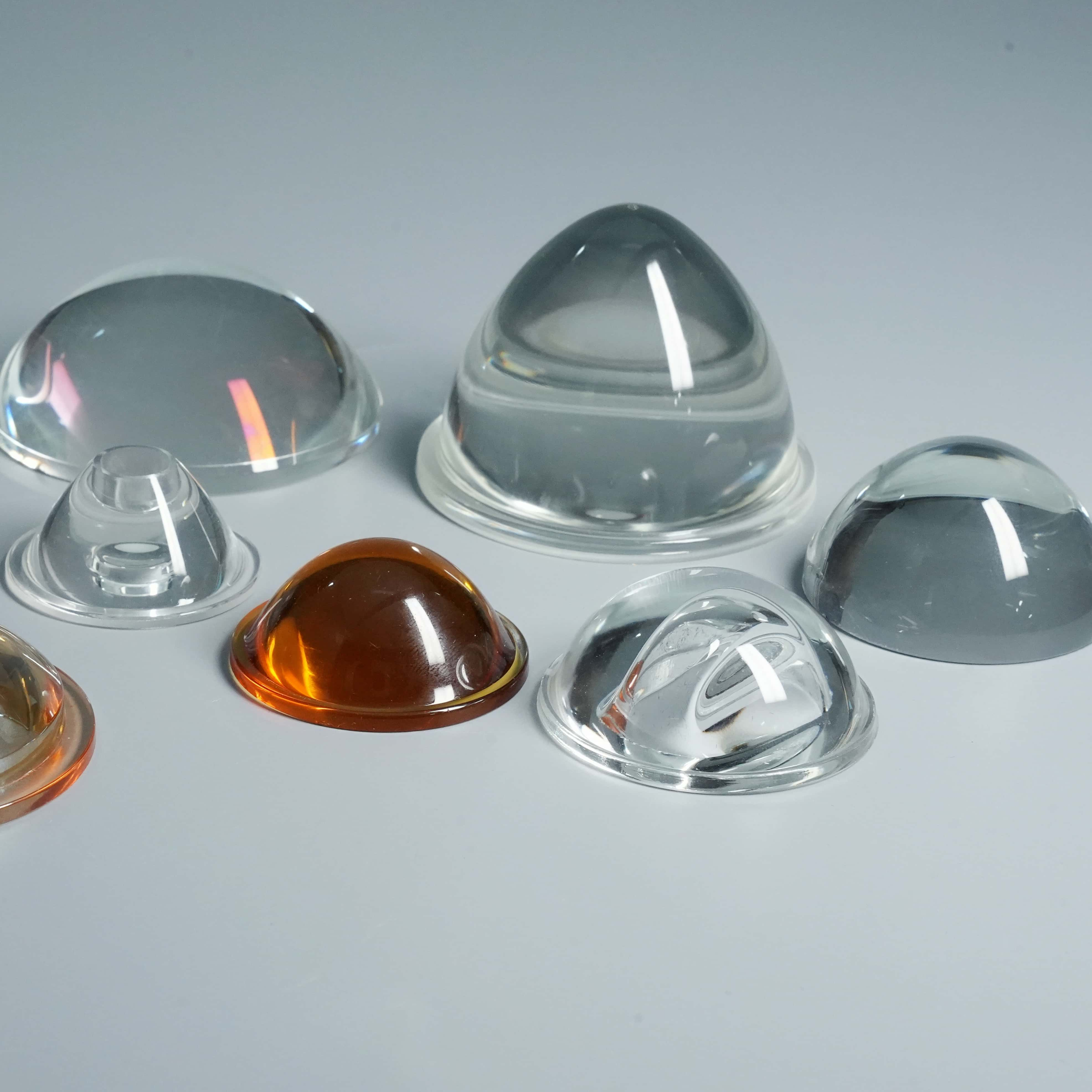
Custom Borosilicate Glass LED Grow Light Convex Lens with Anti-Reflective Coating for Indoor Farming Full Spectrum Lighting
- Convex LED grow lens
- AR coated
- Full-spectrum indoor farming
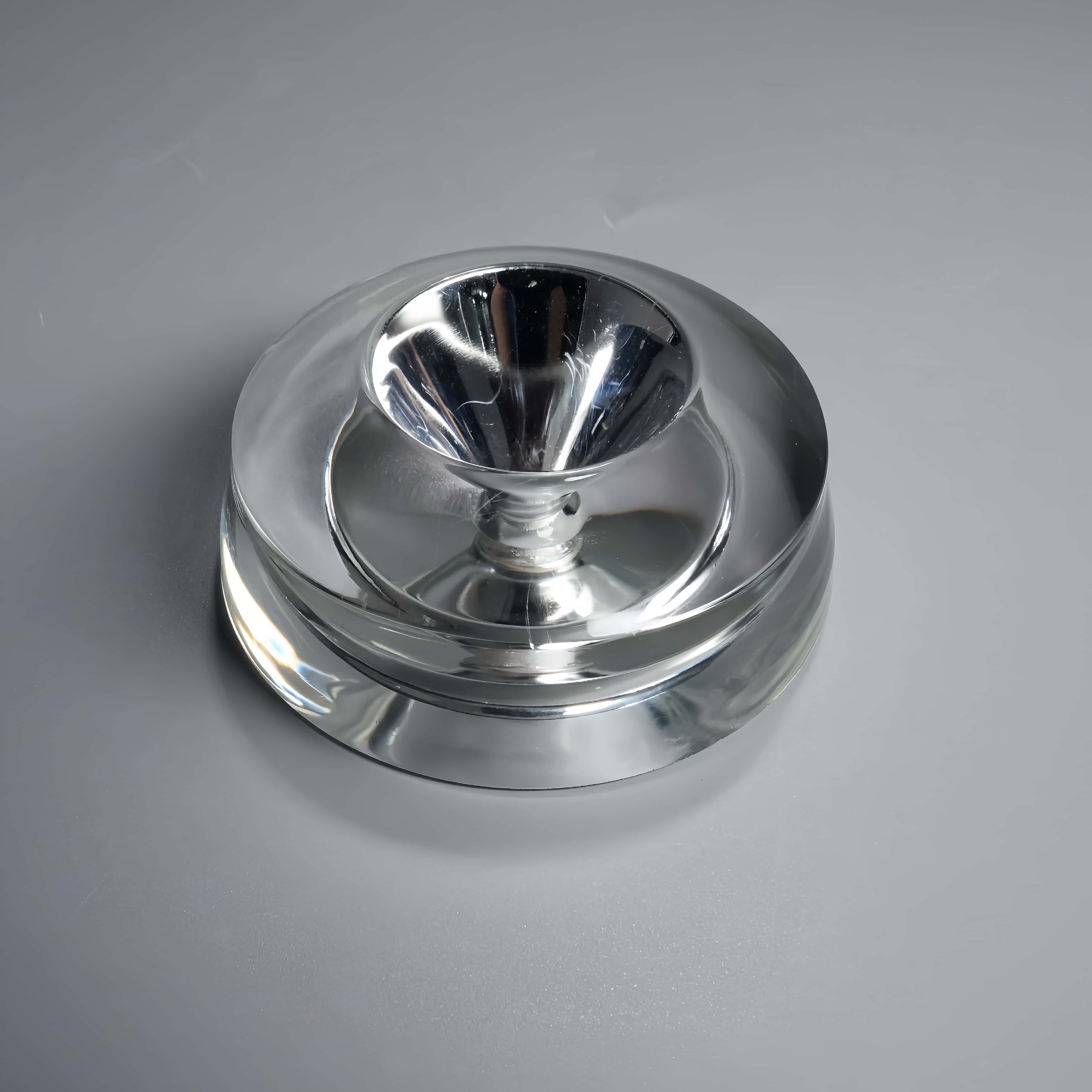
Factory China Custom Size Mold Pressed Borosilicate Bk7 K9 Eco-Friendly LED Optical Glass Lens for Taxiway Runway Airport Ground
- Mold-pressed borosilicate/BK7/K9
- Airport/taxiway optical lens
- Eco-friendly LED optic
OEM/ODM Glass Substrate Supply Built on Evidence, Not Just Price
Procurement teams need more than a catalog. They need a supplier whose engineering, verification, packing and response process can survive an audit and a production ramp.
A Glass Substrate Supplier That Engineers Around the Luminaire, Not Just the Drawing
Shanghai Tambi Glass Industrial Co., Ltd. supplies custom glass components to lighting and optical OEMs worldwide. Our experience is built around one practical question: how should glass perform inside a real fixture?
In lighting and optical assemblies, the term “glass substrate” can mean a flat window, pressed dome, protective cover, lens, prism or optical filter. The right definition comes from the drawing and the operating conditions: material grade, wall thickness, tolerance, surface quality, coating, sealing face, impact exposure and lamp temperature.
Our design team of senior lighting and molding engineers reviews every drawing for wall thickness, draft, sealing faces and optical path alignment before tooling starts. We combine pressed, blown, ground and coated processes under one supply chain, which helps buyers reduce coordination risk when a project needs more than one glass component.
The company is an onsite-verified supplier based in Shanghai. Supplier assessment, credit index, transaction level, trade capacity and trade history are available for procurement review. We work with long-term partners in Europe, North America and Japan, and our average response time is within 6 hours.
- Drawing-based OEM/ODM production
- Borosilicate, tempered, quartz and BK7
- AR and optical coating options
- Export packing and labeling support



Six Advantages That Matter in OEM/ODM Glass Procurement
Each advantage is designed to reduce technical uncertainty before tooling, sampling and mass production.
Drawing-First DFM Review
We check wall thickness, draft, sealing faces, optical path alignment and tolerance stack-up before quoting a mold or sample.
Material and Process Breadth
Pressed, blown, ground and coated production supports borosilicate, tempered soda-lime, fused silica, BK7/K9 and custom projects.
Application Experience
Our work covers high-power LED heat, thermal shock from rain or washdown, hazardous-area impact and signal-light color accuracy.
Verifiable Supplier Records
Onsite verification, supplier assessment, credit index, transaction level, trade capacity and trade history help speed qualification.
Export-Ready Packing
Fragile glass parts are separated with foam or pulp dividers, packed in reinforced export cartons and palletized for sea or air freight.
Fast Technical Communication
Our average reply time is within 6 hours. Send drawings, target standards and annual volume for a combined engineering and commercial review.
Glass Substrate Material Selection: A Practical Engineering Reference
Choosing the correct glass early prevents cracked covers, optical loss, coating failure and costly field returns. The values below are typical references; final specification must be confirmed against your drawing, lamp surface temperature, impact rating and fixture standard.
Borosilicate 3.3
Best for thermal-shock resistance in explosion-proof shades, high-power LED covers and Fresnel lenses.
Tempered Soda-Lime
A lower-cost option with high impact strength for outdoor covers, floodlight glass and vandal-resistant lenses.
Fused Silica / Quartz
Used where UV transmission and extreme temperature stability matter, including high-temperature optical windows.
Optical BK7 / K9
A homogeneous optical glass for precision lenses, prisms, mirrors and filters with stable refractive performance.
For FAA L-810, EN 50293 or similar fixture programs, glass specifications are matched to color, transmission and dimensional requirements. Fixture certification is held by the luminaire manufacturer; Tambi Glass can provide material and inspection reports on request.
Procurement Trends for OEM/ODM Glass Substrate Buyers
Buyers are moving away from simple piece-price comparison toward qualification evidence, supply continuity and total landed cost.
Qualification-First Sourcing
Onsite verification, inspection reports, material records and response speed are now part of the RFQ, not an afterthought.
Dual-Source Continuity
Existing mold reuse, backup tooling and clear sampling checkpoints reduce risk when demand shifts or a local supplier changes capacity.
Total Landed Cost
Yield, breakage control, packing, freight and rework often outweigh a lower unit price. Buyers increasingly compare delivered cost and field reliability.
Digital RFQ and Traceability
2D/3D drawings, coating targets, batch identification and photo inspection are becoming standard attachments in custom glass projects.
Product Development Trends in Precision Glass Substrates
Demand is rising for higher optical sophistication, better thermal performance and application-specific validation.
Higher Optical Sophistication
Aspherical lenses, hemispherical domes, anamorphic prisms and bandpass filters are moving from specialist projects into broader OEM programs.
Thermal Management for High-Power LED
Borosilicate 3.3 and fused silica continue to replace lower-cost glass where heat cycling and cold-water shock shorten service life.
Sensing, LiDAR and Laser Shaping
Broadband AR domes, beam-circularizing prisms and wavelength filters are becoming key components in sensing and fiber-coupling systems.
Sustainable and Application-Specific Glass
Eco-friendly mold-pressed borosilicate, efficient packaging and right-sized optical designs help buyers reduce material waste and freight impact.
Where Tambi Glass Components Are Specified
Every application stresses glass differently. We specify material and processing from operating conditions, not from a generic catalog.
Airport and Aviation
Obstruction, runway edge and in-pavement light lenses with stable red and clear transmission.
Marine and Offshore
Handblown and pressed covers for navigation and ship signal lights exposed to salt spray and vibration.
Oil, Gas and Chemical
Explosion-proof lampshades and emergency light enclosures for hazardous and corrosive zones.
Stage and Entertainment
Fresnel, prism and effect lenses that survive the heat of high-power COB modules.
Automotive and Outdoor LED
Projection lenses, IP68 lenses and reflectors for headlights, floodlights and street lighting.
LiDAR and Scientific
Pressure-rated domes, hemispherical windows, prisms and bandpass filters for sensing systems.
Food and Medical Equipment
Chemically resistant sight glasses and covers for machinery that is washed down frequently.
Horticulture Lighting
AR-coated convex lenses that keep full-spectrum LED output efficient in indoor farms.
A 6-Step OEM/ODM Process from Drawing to Delivery
Clear checkpoints mean fewer surprises between sample approval and mass production.
Drawing Review
DFM check of thickness, draft, tolerance, optical path and sealing face.
Mold and Tooling
New or existing molds for pressing, blowing or grinding.
Sampling
Samples measured and sent for your fit, light and coating test.
Forming and Annealing
Controlled annealing or tempering helps relieve internal stress.
Coating and QC
AR or color coating, dimensional checks and visual inspection.
Export Packing
Divider-packed cartons, palletized for sea or air freight.
Questions Buyers Ask Before Ordering Custom Glass Substrates
These answers cover the technical and commercial points that most often appear in OEM/ODM glass RFQs.
Can you manufacture glass covers, lenses and substrates to my own drawing?
Yes. Most orders are drawing-based. Send a 2D/3D drawing or a physical sample with dimensions, tolerance, material, color, coating and sealing requirements. Our engineers review manufacturability, propose mold options and confirm samples before mass production.
What is the typical minimum order quantity?
Typical MOQs range from 50 pieces for optical lenses to 100–500 pieces for pressed or blown lighting covers, depending on whether an existing mold can be used. Sample quantities are available for evaluation.
Should I choose borosilicate glass, tempered glass, fused silica or BK7?
Borosilicate 3.3 offers low thermal expansion and strong thermal-shock resistance. Tempered soda-lime glass provides high impact strength at a lower cost for moderate temperatures. Fused silica is used for UV transmission and extreme heat, while BK7/K9 is common for precision lenses, prisms and filters. The right choice depends on surface temperature, impact rating, optical performance and fixture certification.
Do you supply glass for FAA L-810 and EN 50293 lighting fixtures?
We produce glass lenses and domes for fixture makers whose obstruction and signal lights are designed to FAA L-810 or EN 50293 requirements. Fixture certification is held by the luminaire manufacturer; we match color, transmission and dimensional specifications and can provide material and inspection reports on request.
How fast do you reply to technical inquiries?
Our average response time is within 6 hours. Include your drawing, operating temperature, coating target and annual volume for a technical and commercial review. You can reach the team at info@tambiglass.com or use the inquiry button on this page.
How are fragile glass parts packed for export?
Parts are separated by foam or pulp dividers, packed in reinforced export cartons and palletized for sea or air freight. Custom packaging, labeling and distributor-ready cartons can be arranged.
How do I control optical coating and color consistency?
Coating and color requirements should be written into the drawing or sample approval. We confirm target wavelength, transmission, reflectance, color coordinates and cosmetic criteria before production, then check against the approved sample during inspection.
How do I start an OEM/ODM glass substrate RFQ?
Send the drawing or sample photo, material preference, dimensions, tolerance, surface finish, coating, operating temperature, target standard and estimated annual volume. We will reply with manufacturability feedback, mold options, sampling plan and commercial terms.
Send a Drawing and Get an Engineering Review Within 6 Hours
Share your dimensions, material, operating temperature, coating target, certification requirement and annual volume. Our engineers will review manufacturability, suggest the most reliable glass substrate or optical component, and confirm the sampling route before mass production.
Contact Us