OEM/ODM Borosilicate Glass Lens Factory & Wholesaler
Drawing-based borosilicate domes, explosion-proof covers, AR-coated lenses, prisms and optical windows for buyers who need stable optical performance, heat resistance and export-ready supply.
8 Engineered Borosilicate & Optical Glass Products for OEM/ODM Programs
These products represent the glass categories most often requested by industrial lighting, aviation, marine, sensing, medical and optical equipment buyers. Each item can be customized by dimension, glass grade, coating, color, edge finish and sealing interface.

OEM Borosilicate Glass Optical Dome Cover for Outdoor IP Cameras UV Resistant Waterproof Housing Anti-Reflective Coating
A high-clarity dome for outdoor imaging, security and environmental sensor housings where UV exposure, rain and coating consistency matter.
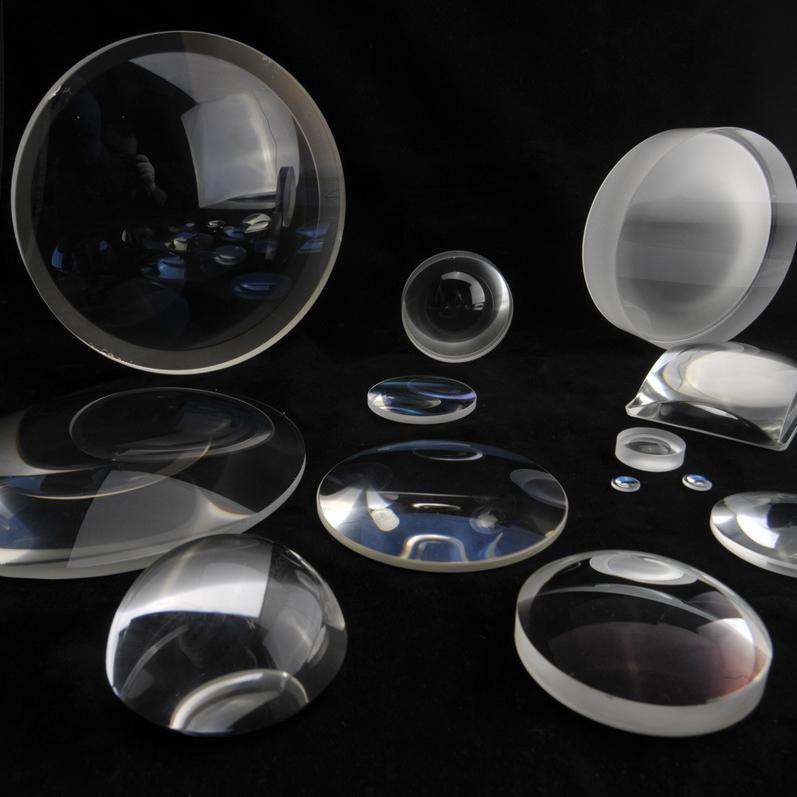
Custom High Quality Diameter 80Mm 127Mm 250Mm Spherical K9 Optical Coating Glass Plano Convex Lens for Big Magnifying
Large-diameter K9 plano-convex optics for magnification, projection, illumination and optical systems that require controlled focal length.
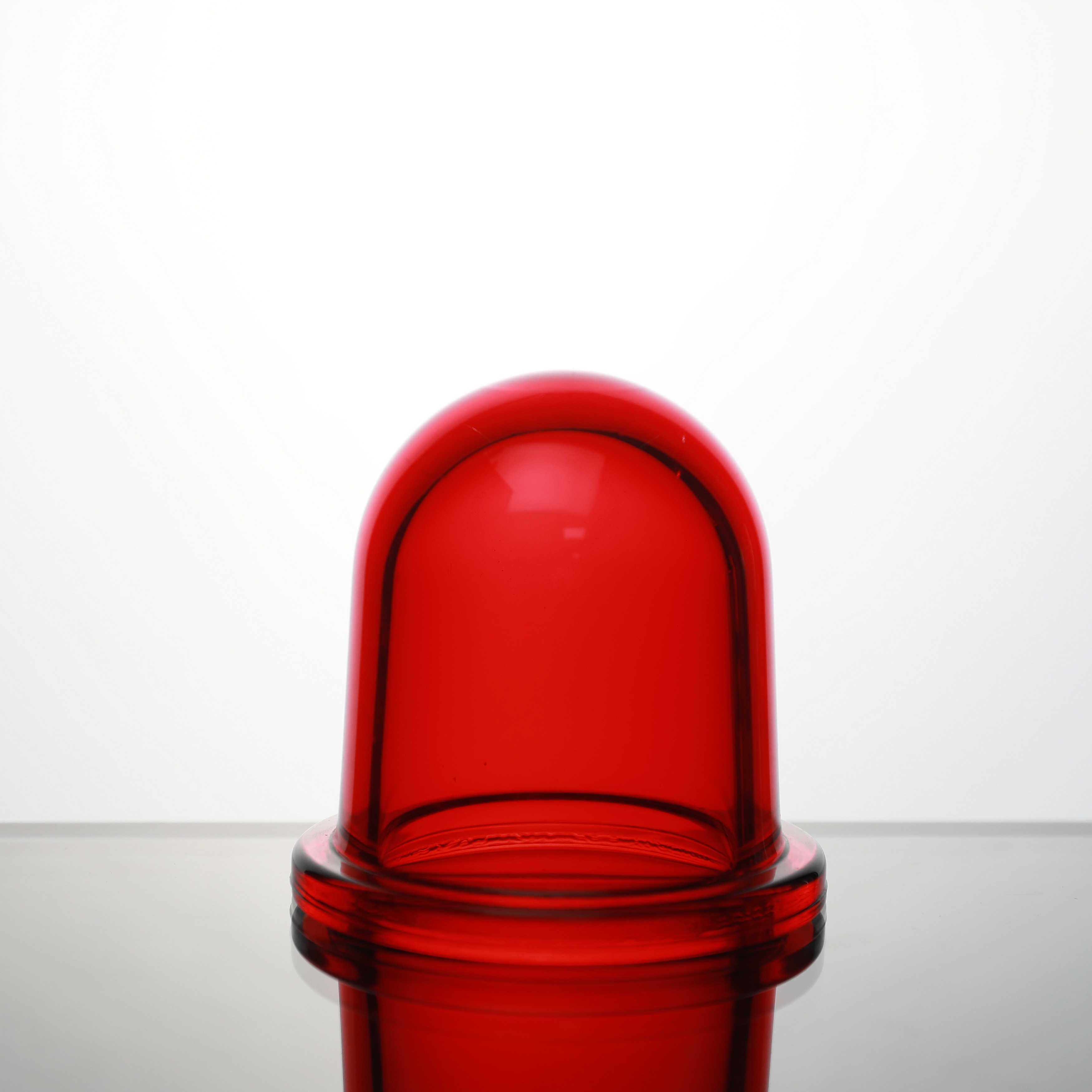
Custom Size Clear Borosilicate Explosion-Proof Antique Glass Light Covers Modern 2-Year Warranty Airport Outdoor Industrial
A robust lighting cover for airport, outdoor and industrial fixtures that face thermal cycling, impact risk and long service cycles.
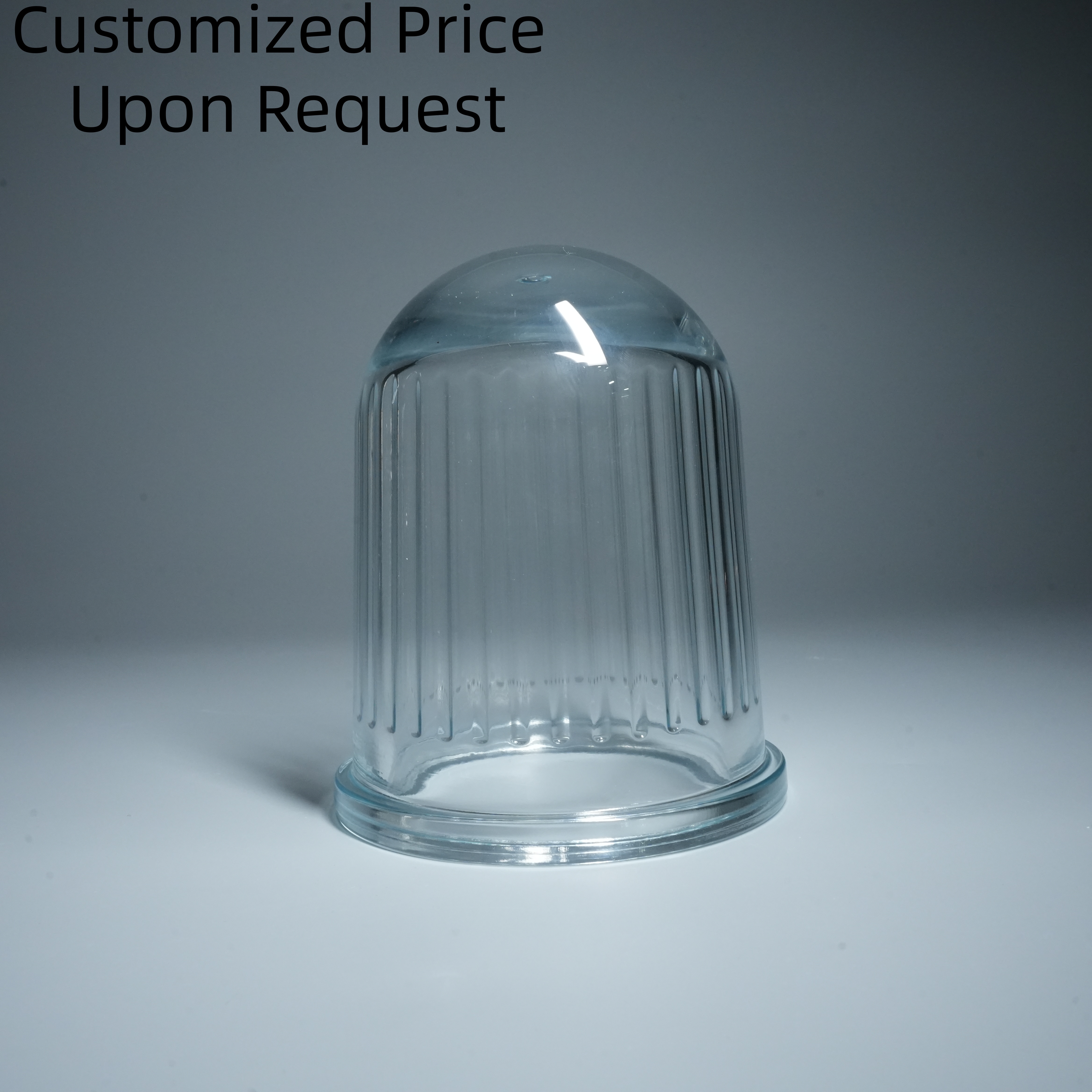
Borosilicate Transparent Explosion-proof Shade, Heat-resistant & Crack-proof, Transparent Protective Cover
A transparent protective shade for high-temperature lamps and fixtures where crack resistance and stable light transmission are essential.
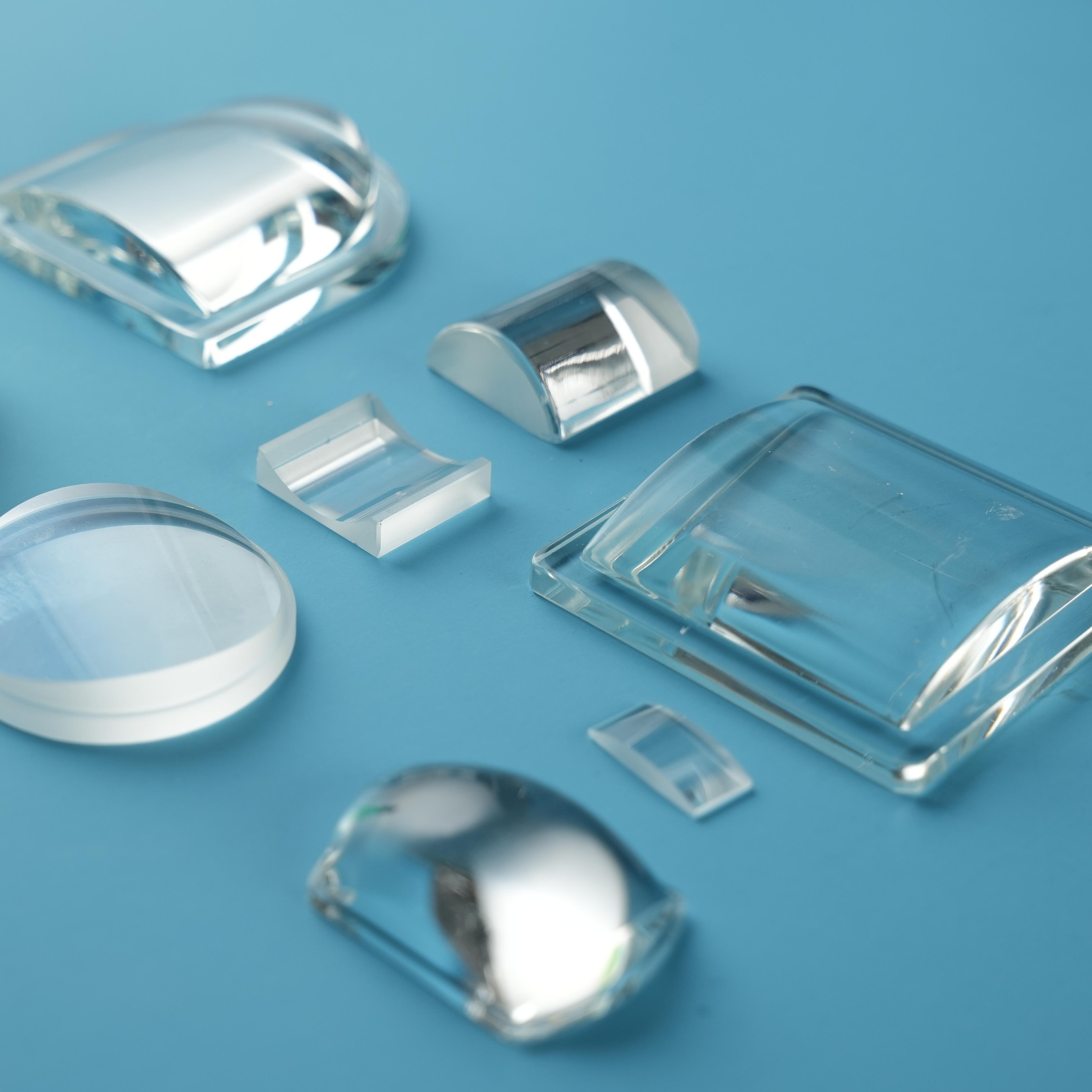
Manufacturer Custom OEM Anti-Reflective Laser Glass Optical Borosilicate UVC Plano Convex Cylindrical Biconvex Lens
AR-coated borosilicate optics for UVC, laser and sensing modules where transmission loss and surface reflection must be tightly managed.

Factory Custom BO-GLASS Quartz BK7 K9 Arcoated Fused Silica High Precision Right Angle Prism 90Degree Clear ODM/OEM 3-Year
A precision 90-degree prism for beam steering, optical instruments and inspection systems requiring clear faces and controlled angles.
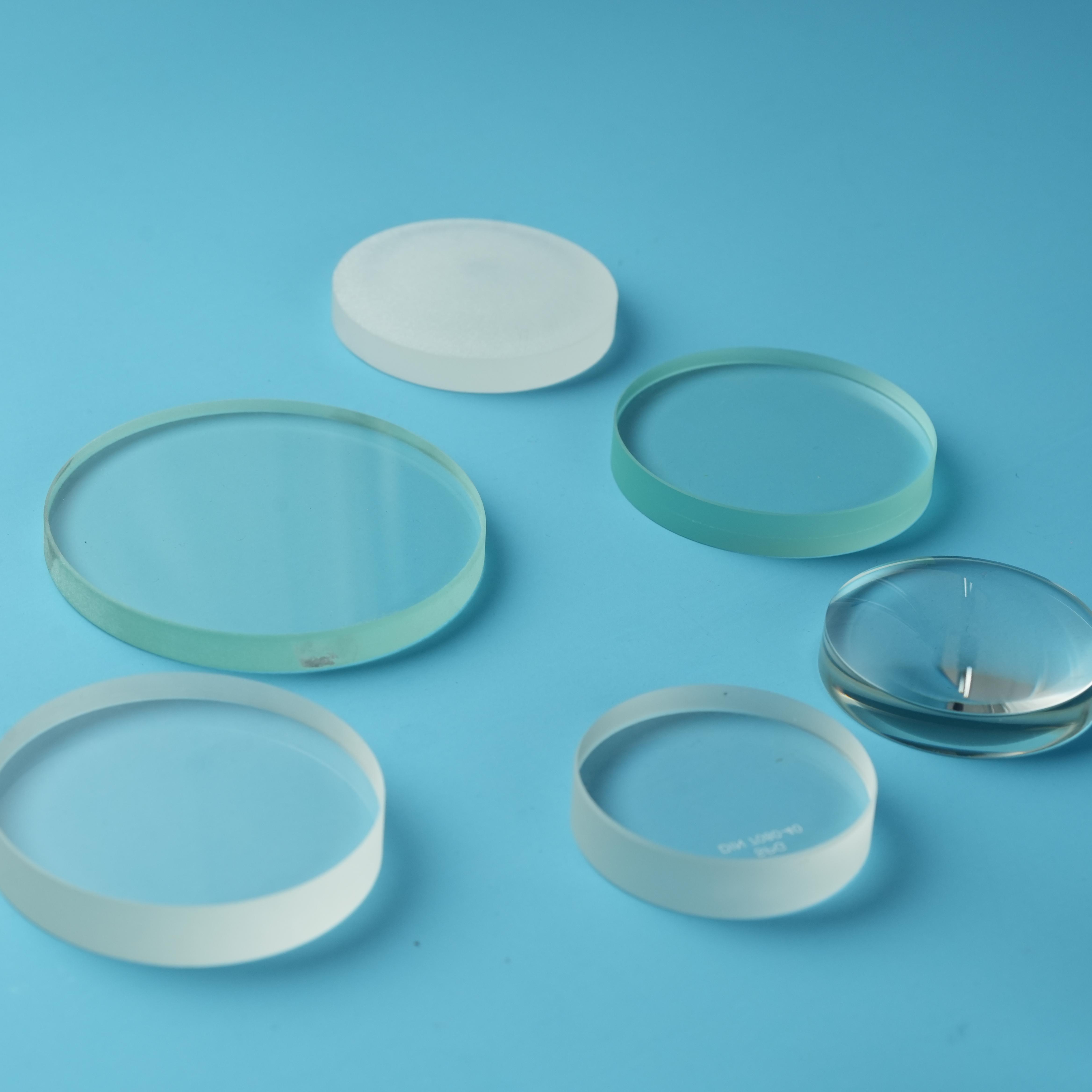
Custom OEM Bo Glass Clear Borosilicate K9 Bk7 B270 Fused Silica Anti-Reflective Coated Square Optical Window 50mm Diameter
A square AR-coated window for sensor enclosures, instrumentation and machine vision, available in borosilicate, BK7, B270 or fused silica.
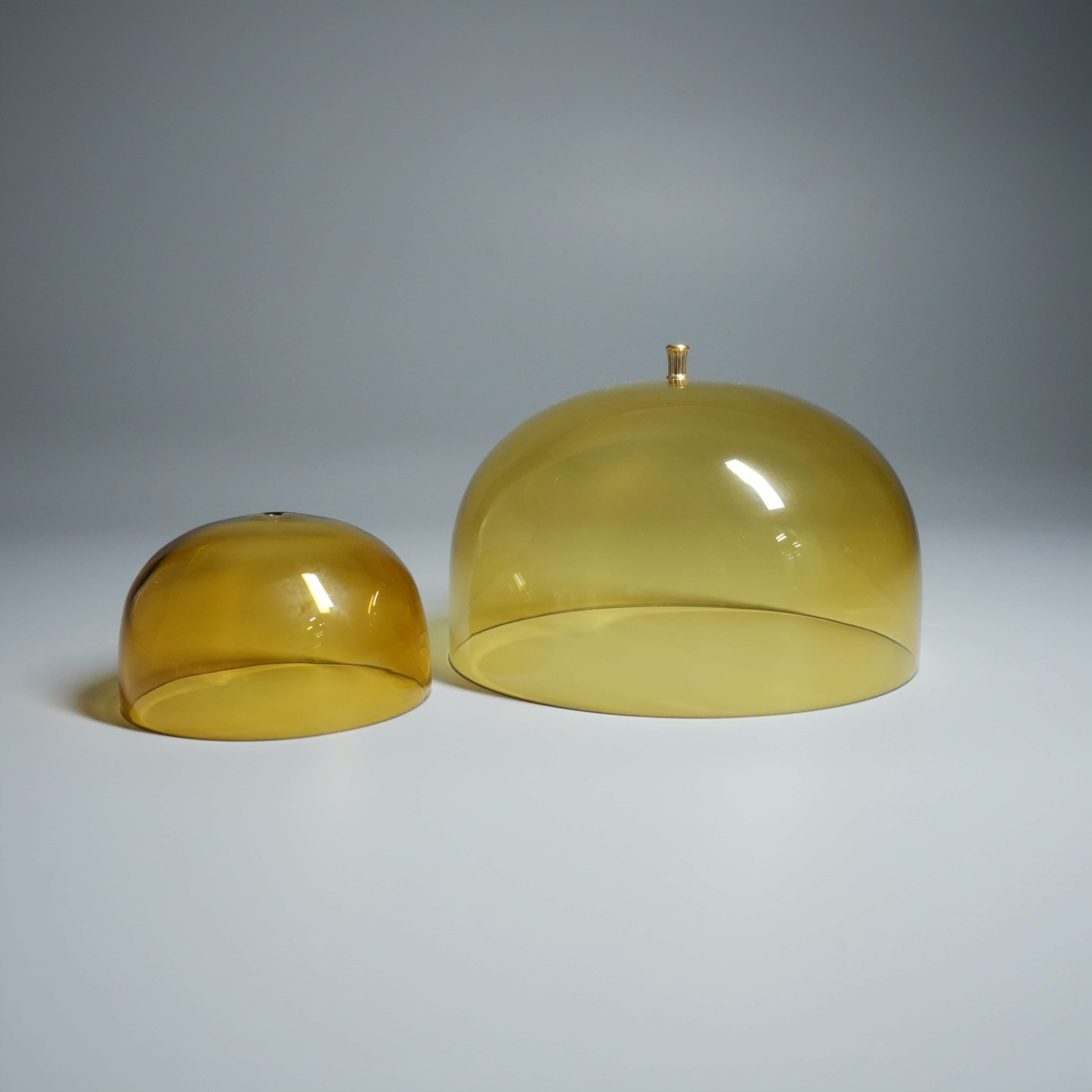
Certified Glass Cover for Food Machinery and Medical Equipment, Chemical Resistant
A chemical-resistant glass cover for food processing, medical equipment and clean production environments where washdown and clarity are important.
How OEM/ODM Buyers Should Choose a Borosilicate Glass Lens or Dome
Buyers searching for a borosilicate glass lens factory are usually not only comparing price. They are trying to de-risk lamp temperature, optical transmission, sealing geometry, certification evidence and repeatable supply.
Start with Thermal Shock
For high-power LEDs, explosion-proof fixtures and outdoor signal lights, glass choice should follow surface temperature, lamp power and cold-rain exposure. Borosilicate 3.3 is often selected where low expansion and thermal cycling resistance are more important than lowest piece price.
Define the Optical Target
A “clear glass lens” is not a complete specification. Add transmission range, haze limit, coating wavelength, surface quality and whether the part is imaging-critical or only protective. AR coating can improve transmission, but the coating design must match the LED, laser, UVC or sensor spectrum.
Control the Sealing Interface
A glass cover or dome fails at the interface as often as it fails in the material. Share the gasket groove, flange flatness, wall thickness, chamfer and assembly torque with your glass supplier. Drawing-based DFM review reduces chipping, uneven clamping and leak paths before tooling begins.
Ask for Evidence, Not Assumptions
For aviation, marine, hazardous-area or medical projects, request material reports, dimensional inspection records and coating data. The final fixture certification is normally held by the luminaire manufacturer, so glass suppliers should match the approved drawing, color, transmission and dimensional requirements.
Procurement Trends Reshaping the Borosilicate Glass Lens Supply Chain
For 2025–2030, procurement teams are expected to move away from isolated piece-price comparisons and toward total technical risk, supply continuity and documented optical performance.
Dual Sourcing with Drawing Control
Buyers want a qualified China glass factory plus a documented drawing package that can be re-quoted when demand shifts. The winning supplier is the one that can show how dimensions, glass grade and coating are controlled, not only the one with the lowest first quote.
Lower MOQ, Faster Customization
LED, LiDAR, UVC and horticulture projects are increasingly launched in smaller batches before mass production. Procurement teams will favor manufacturers that can support prototype quantities, existing mold review and flexible sampling without losing the path to volume pricing.
Traceability Becomes a Buying Criterion
Glass is no longer treated as a commodity when it sits inside an FAA-influenced obstruction light, a marine signal lantern or a medical equipment cover. Material grade, annealing records, inspection images and packaging methods are becoming part of the purchase decision and supplier scorecard.
Application-Specific Optical Glass
Demand is rising for AR-coated domes, large plano-convex lenses, bandpass windows, UV-transmitting optics and pressure-rated sensor windows. Buyers are asking for optical performance, environmental durability and mechanical fit in one component rather than purchasing them from separate suppliers.
Product Development Trends: What the Next Generation of Glass Lenses Requires
The strongest product opportunities are at the intersection of optical precision, thermal reliability and manufacturability. These are the development directions we discuss most often with OEM engineering teams.
Domed Windows for Sensing and LiDAR
Hemispherical and custom domes are moving from simple protective covers to optical windows with broadband AR coating, controlled thickness and pressure resistance. Development teams should define the optical aperture, field of view, sealing plane and coating band early, because these choices affect mold design, polishing and inspection.
High-Temperature Lighting Glass
High-power LED, stage, airport and hazardous-area lighting continues to push cover and lens temperatures upward. Borosilicate 3.3, controlled annealing and edge-quality control help reduce thermal-shock cracking. For moderate temperature and higher impact requirements, tempered soda-lime glass may still be the more economical choice.
Coating-Led Performance Gains
Anti-reflective, bandpass, longpass and color-control coatings are increasingly used to add information gain without changing the entire glass body. The key is to match coating durability with cleaning, UV exposure, humidity and handling. A technically complete RFQ should state the wavelength range, incidence angle and acceptable shift after environmental testing.
Engineering Experience Behind Every Shipment
Shanghai Tambi Glass Industrial Co., Ltd. supports global lighting and optical OEMs with drawing-based production, practical material selection and export-ready quality control. The value is not only the glass part itself, but the engineering conversation before the mold is cut.
Drawing-Based OEM/ODM Production
Most orders begin with a 2D or 3D drawing, a physical sample, or both. Senior lighting and molding engineers review wall thickness, draft, sealing faces and optical path alignment before tooling is approved.
Practical Glass Material Breadth
Borosilicate 3.3, tempered soda-lime glass, fused quartz, BK7 and K9 are evaluated against operating temperature, impact risk, UV transmission and optical requirements rather than treated as interchangeable materials.
Multiple Forming Routes
Pressed, handblown, ground, polished and coated processes can be combined under one supply chain. This helps match the right manufacturing method to the part shape, tolerance and volume instead of forcing every project into one process.
Overseas OEM Experience
The company works with long-term partners in Europe, North America and Japan. That experience is useful for buyers who need English technical communication, sample approval discipline and packaging suitable for sea or air freight.
Supplier Verification and Factory Visibility
Premises have been checked onsite during third-party verification. Buyers can review the company profile, factory video and verification records, request video calls and discuss third-party audit arrangements before placing production orders.
Export Packing for Fragile Glass
Parts are separated by foam or pulp dividers, packed in reinforced export cartons and palletized for sea or air freight. Custom packaging and labeling for distributors can be arranged to reduce breakage and improve warehouse handling.

Production workshop support for pressed, blown, ground and coated glass projects.

Forming and finishing discipline helps protect dimensions, surfaces and assembly fit.

Inspection checkpoints can be aligned with drawing tolerances and buyer acceptance criteria.
Material Selection and Quality Control: Designing Out Field Failures
Borosilicate glass is an excellent choice for many lens and cover applications, but it is not automatically the right choice for every fixture. Use this comparison as an early engineering filter, then confirm the final specification against the lamp, housing, sealing method and applicable standard.
| Material | Thermal expansion (×10⁻⁶/K) | Typical max. working temp. | Key strength | Best for |
|---|---|---|---|---|
| Borosilicate 3.3 | ≈ 3.3 | ≈ 450 °C | Excellent thermal-shock resistance | Explosion-proof shades, high-power LED covers, Fresnel lenses |
| Tempered soda-lime | ≈ 9.0 | ≈ 250 °C | High impact strength, economical | Outdoor covers, floodlight glass, vandal-resistant lenses |
| Fused quartz | ≈ 0.55 | ≈ 1000 °C+ | UV transmission, extreme heat | UV optics, high-temperature windows |
| Optical BK7 (H-K9L) | ≈ 7.1 | ≈ 300 °C | Homogeneous, nd ≈ 1.517 | Precision lenses, prisms, mirrors, filters |
Typical reference values only. Final material is confirmed against your drawing, lamp surface temperature, impact rating, coating requirement and the standard your fixture must meet.
A Lean OEM/ODM Process from Drawing Review to Export
A controlled workflow reduces the gap between a good sample and a repeatable production order. Clear engineering checkpoints also make supplier qualification easier for international procurement teams.
Drawing and DFM Review
Review thickness, draft, tolerance, sealing face, coating band and annual volume before quoting tooling.
Mold and Sampling
Select a new or existing mold, produce evaluation samples and confirm fit, light performance and assembly handling.
Forming, Annealing and Coating
Use the agreed glass grade and forming route, then apply controlled annealing, tempering or optical coating as required.
Inspection and Export Packing
Check dimensions, appearance and agreed optical criteria, then pack with dividers and palletize for safe transport.
Frequently Asked Questions from Procurement Teams
These answers address common questions from buyers comparing borosilicate glass lens factories, explosion-proof glass cover suppliers and custom optical glass wholesalers.
Can you manufacture glass covers and lenses to my own drawing?
What is the typical minimum order quantity?
Should I choose borosilicate glass or tempered soda-lime glass?
Do you supply glass for FAA L-810 and EN 50293 lighting fixtures?
Can you support AR coating, bandpass coating or color matching?
How fast do you reply to technical inquiries?
How are fragile glass parts packed for export?
Can I verify the factory before placing a production order?
Have a Drawing? Turn It Into a Production-Ready Glass Component
Share your dimensions, glass grade, operating temperature, coating requirement and annual volume. Our engineering team will review manufacturability and recommend a reliable borosilicate or optical glass solution for your fixture, sensor or equipment program.