Custom OEM Specialty Glass Factory & Exporter
Drawing-based borosilicate, optical, signal, and explosion-proof glass for lighting OEMs that need documented thermal performance, optical tolerance, and repeatable export quality.
8 Specialty Glass Products for OEM Lighting, Sensing, and Industrial Programs
These are not catalog commodities. Each product is a starting point for drawing-based customization: thickness, diameter, color, coating, edge finish, sealing face, and packing can be matched to your housing and certification path. Below are eight product families buyers ask us to quote most often.
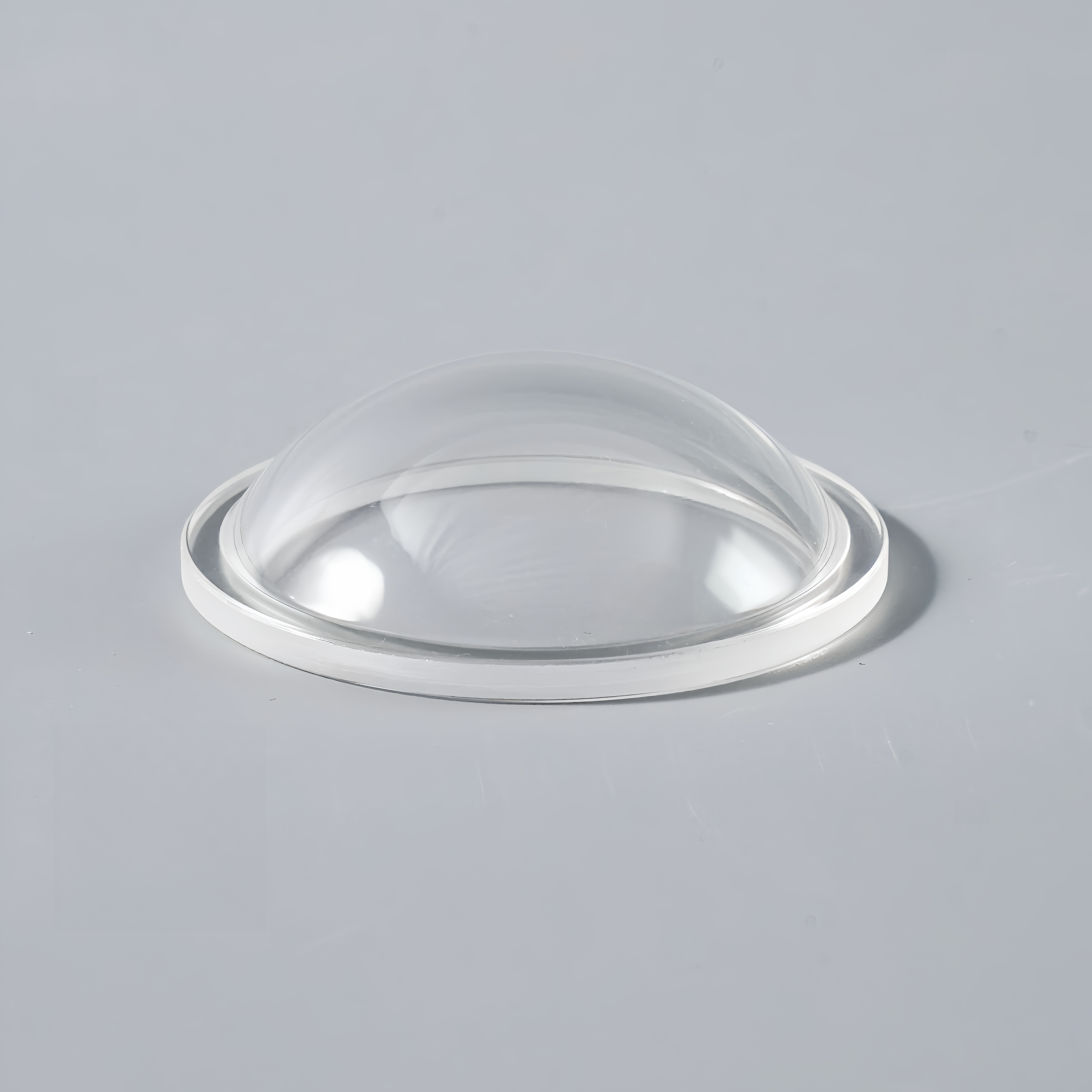
High-Light Transmission Clear Borosilicate Glass Dome Lens LED Outdoor Lighting Fixtures Impact Resistant Anti-Scratch OEM
Recommended when a clear, high-transmission dome must resist impact, scratching, and outdoor exposure without compromising light output.
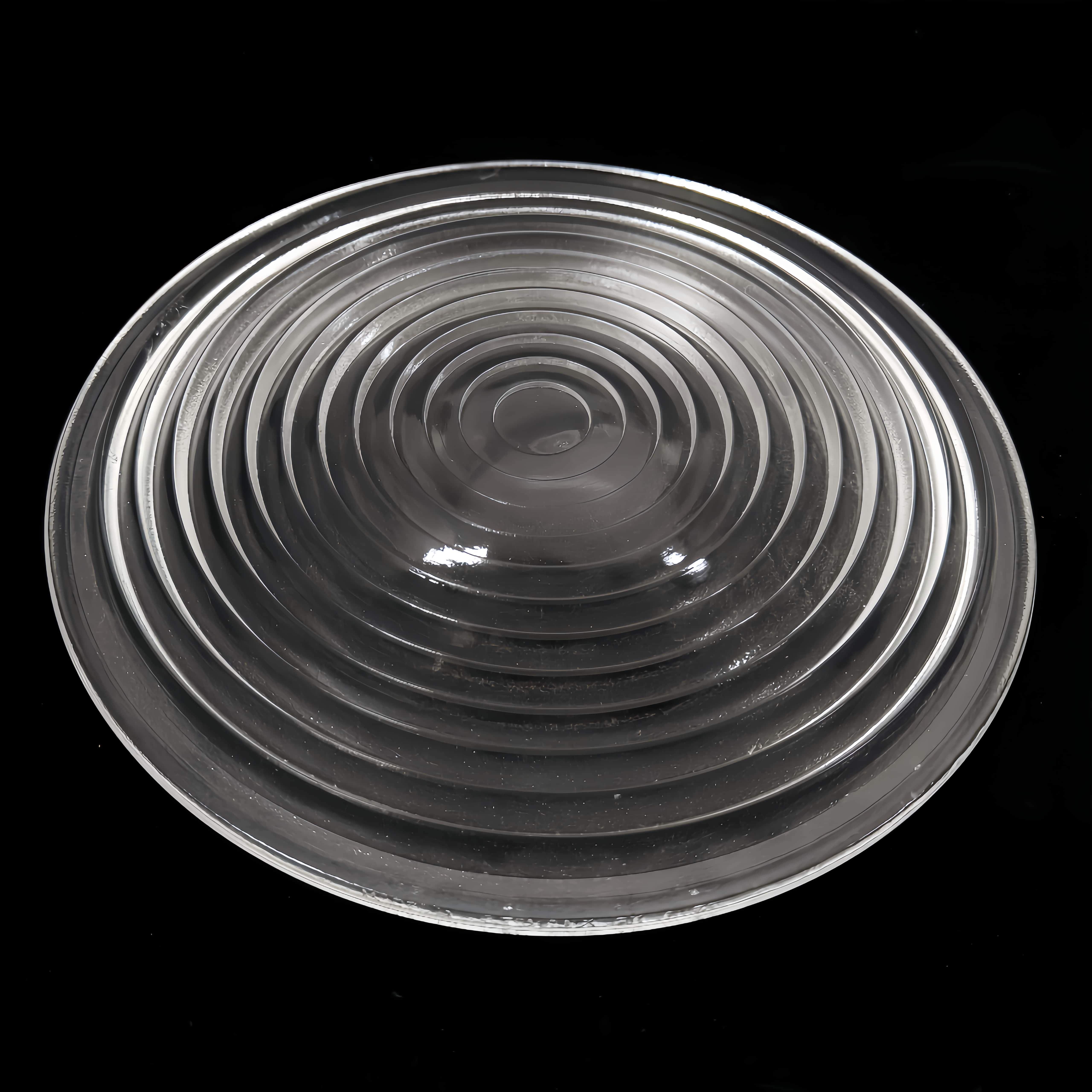
Precision Molded Borosilicate Glass Fresnel Lens Stage Lighting Anti-Reflective Coating FAA/ICAO Standards 175mm BO GLASS OEM
Recommended for controlled beam shaping in stage and studio fixtures where a 175 mm Fresnel profile and AR-coated performance are required.
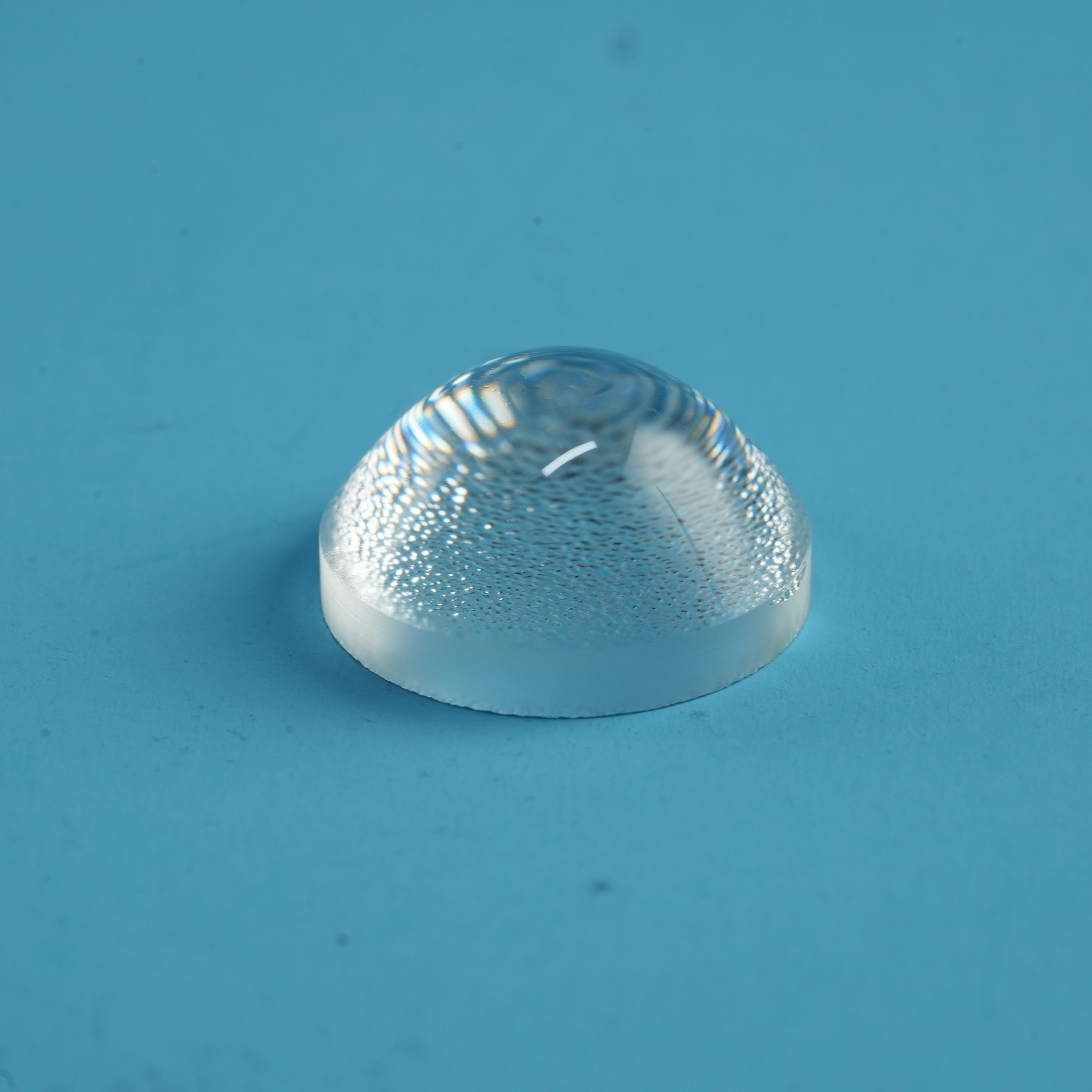
Manufacturer OEM Precision Grade BK7 K9 Optical Glass Aspherical Lens Anti-Reflective Coating Diameter 0.5-25mm MOQ 100 Pcs
Recommended for imaging, sensing, and laser paths that need homogeneous BK7/K9 material, tight diameter control, and AR coating from Ø0.5–25 mm.
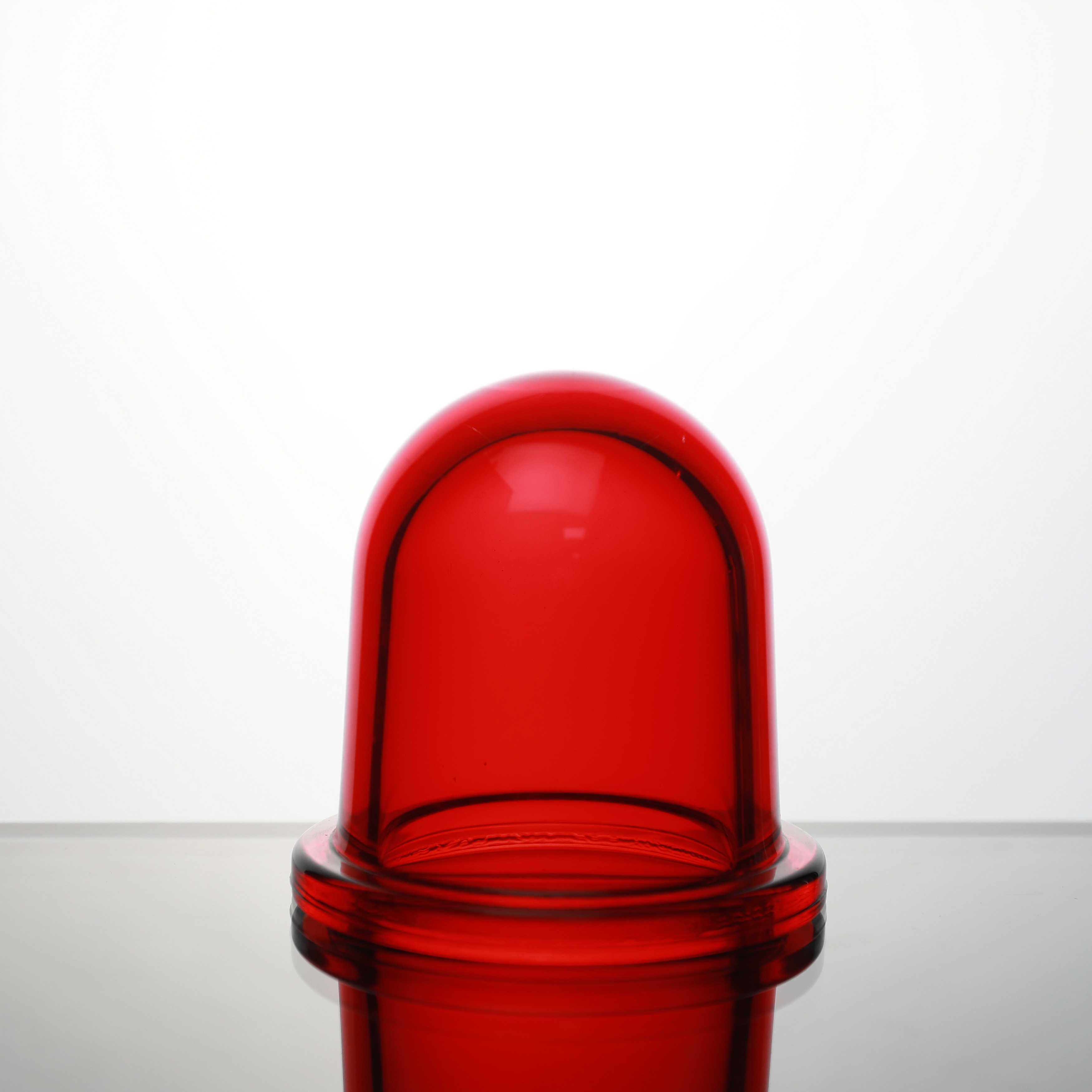
Custom Size Clear Borosilicate Explosion-Proof Antique Glass Light Covers Modern 2-Year Warranty Airport Outdoor Industrial
Recommended for airport, outdoor, and industrial fixtures where thermal shock, impact, and sealing-face integrity are part of the specification.
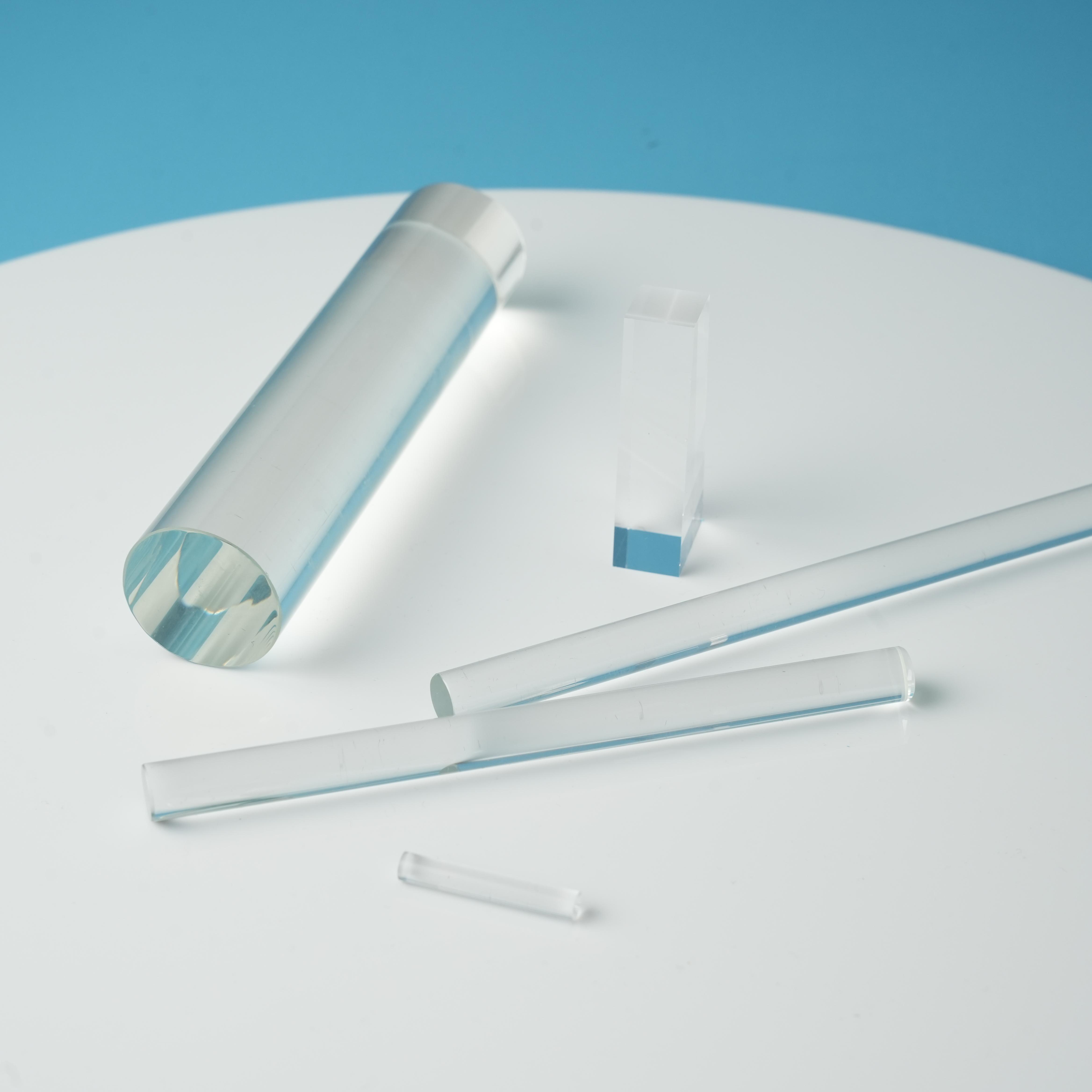
Factory Custom Shape Transparent High Borosilicate Temperature Resistant Optical Glass Light Guide Rod Rod Lens for Laboratory
Recommended for laboratory and optical assemblies that need a custom-shaped, temperature-resistant light guide rod with controlled end finishing.

Manufacturer OEM Transparent High Quality Precision Borosilicate UV Fused Silica Coated Glass Optical Window High Transmittance
Recommended for high-transmittance protection in UV, sensing, and instrument windows where coating, flatness, and sealing method must be defined together.
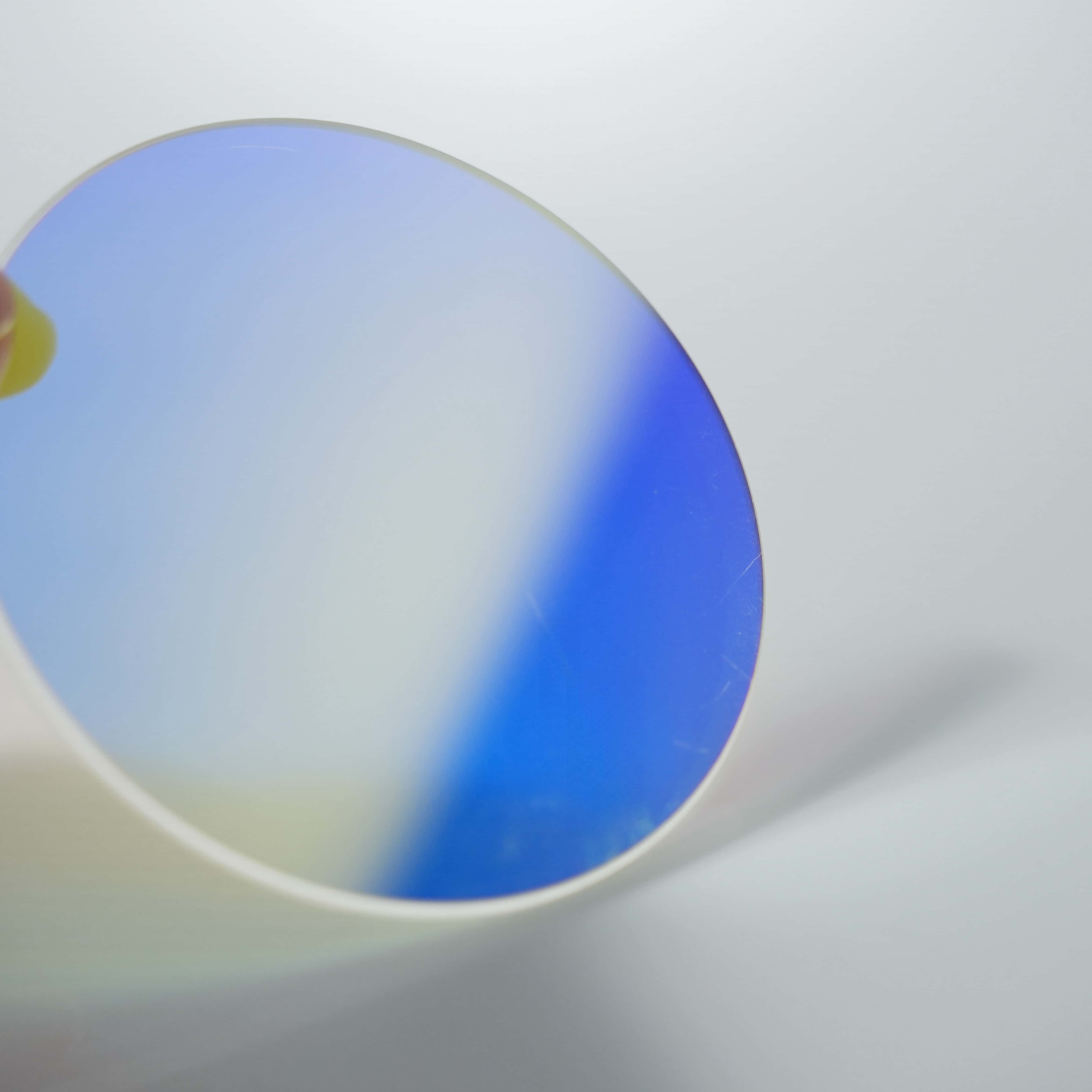
Optical Borosilicate Glass Longpass Shortpass Filter 500nm 600nm 700nm AR Coating Cut-Edge for Spectroscopy Industrial Sensor
Recommended for spectroscopy and industrial sensor stacks that need 500, 600, or 700 nm filter options with AR coating and cut-edge control.
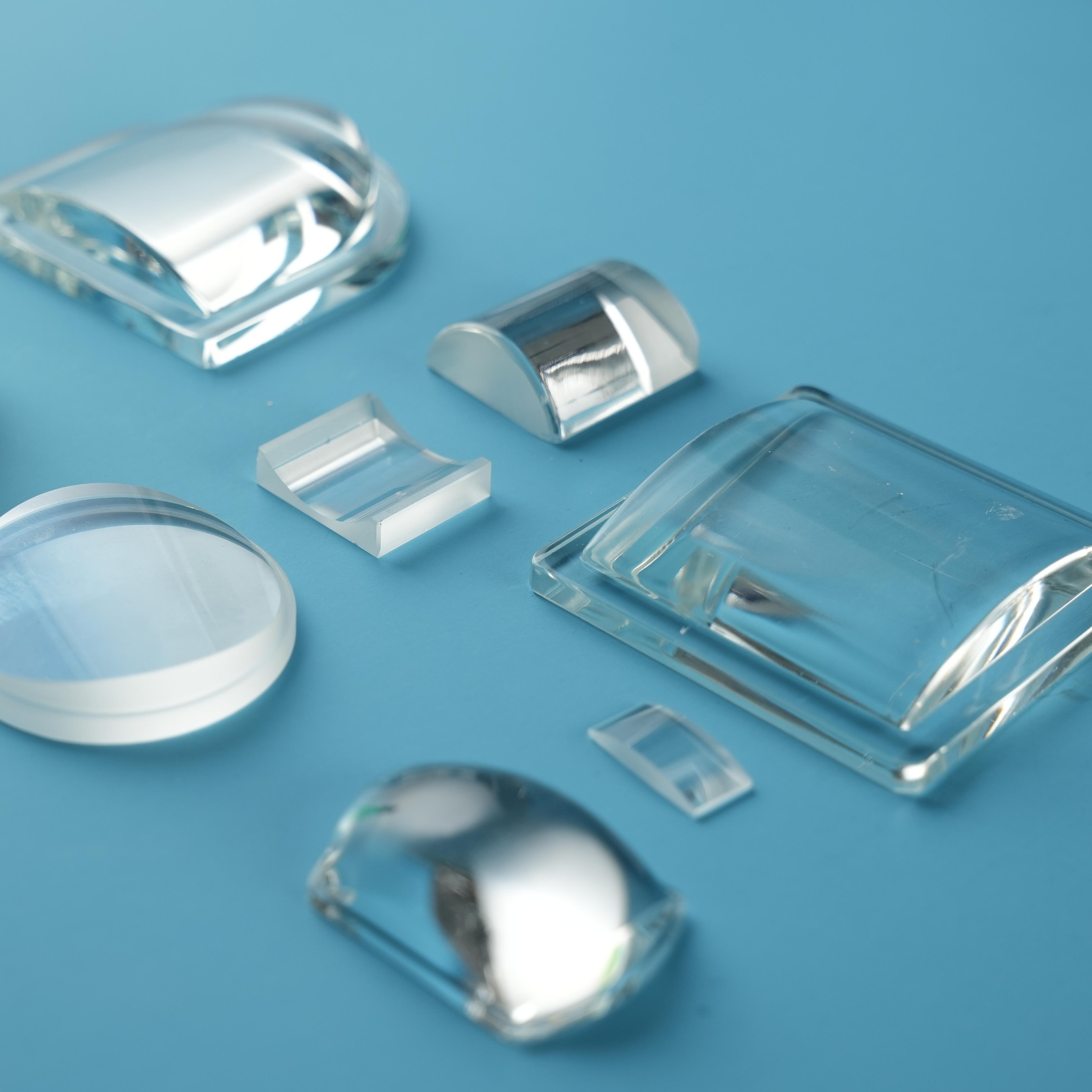
Manufacturer Custom OEM Anti-Reflective Laser Glass Optical Borosilicate UVC Plano Convex Cylindrical Biconvex Lens
Recommended for laser and UVC systems that require plano-convex, cylindrical, or biconvex forms with coating and edge treatment matched to wavelength.
Why Specialty Glass Is a Specification Decision, Not a Commodity Purchase
Glass is judged inside the fixture, not in a product photo. Thermal expansion, gasket pressure, UV exposure, cleaning chemicals, and impact loads often act at the same time.
A cover that looks correct can still fail through a combination of wall thickness, annealing stress, sealing-face flatness, coating adhesion, or an underestimated thermal gradient. That is why drawing-based OEM glass projects should begin with the operating environment, not with a generic price list.
Shanghai Tambi Glass Industrial Co., Ltd. has spent more than a decade reviewing custom glass projects for lighting and optical OEMs. Our engineering team starts with lamp surface temperature, rain or cold-water contact, impact rating, ingress protection, optical axis, color or transmission target, and annual volume. That review happens before tooling, not after a failed sample.
The most useful RFQ is not a request for a price list; it is a short engineering brief. When buyers include a 2D/3D drawing, material preference, tolerance, surface finish, coating, and certification target, we can propose the right forming route—pressed, blown, ground, or coated—and avoid over-specifying a part that is expensive to inspect.
What to Send with Your RFQ
- 2D/3D drawing or physical sample
- Material, color, or transmission target
- Dimensions, tolerances, and sealing faces
- Operating temperature, impact, and ingress requirements
- Coating, edge finish, and certification standard
- Annual volume, pilot quantity, and packaging needs
Material Selection Guide: The First Cost Saver Is the Right Glass
Selecting borosilicate, tempered soda-lime, fused quartz, or BK7/K9 too late creates one of two expensive outcomes: a part that fails in the field or a part that is over-engineered for its actual thermal and optical duty.
| Material | Thermal expansion (×10⁻⁶/K) | Typical max. working temp. | Key strength | Best for |
|---|---|---|---|---|
| Borosilicate 3.3 | ≈ 3.3 | ≈ 450 °C | Excellent thermal-shock resistance | Explosion-proof shades, high-power LED covers, Fresnel lenses |
| Tempered soda-lime | ≈ 9.0 | ≈ 250 °C | High impact strength, economical | Outdoor covers, floodlight glass, vandal-resistant lenses |
| Fused quartz | ≈ 0.55 | ≈ 1000 °C+ | UV transmission, extreme heat | UV optics, high-temperature windows |
| Optical BK7 (H-K9L) | ≈ 7.1 | ≈ 300 °C | Homogeneous, nd ≈ 1.517 | Precision lenses, prisms, mirrors, filters |
Values are typical references. Final specification is confirmed against your drawing, lamp surface temperature, impact rating, and the standard your fixture must meet.
2025–2030 Procurement Trends: What Specialty Glass Buyers Are Changing Now
Buyers are moving away from one-off price comparisons toward suppliers who can document thermal logic, optical measurement, and export reliability.
Dual sourcing with audit-ready files
Procurement teams are qualifying a second glass source before disruption hits. Drawing-based DFM notes, material reports, inspection records, and packing specifications make that qualification faster.
Lower pilot MOQs, faster scale-up
Product teams want to validate 50–500 pieces before committing to volume. Optical lenses often start around 50 pcs, while pressed or blown lighting covers typically range from 100–500 pcs depending on mold reuse.
Life-cycle cost replaces piece price
A low-cost cover that cracks in transit or service is expensive. Thermal shock, annealing, coating durability, sealing-face flatness, and export packing are now part of the total-cost review.
Compliance and traceability move upstream
FAA L-810, EN 50293, and other fixture programs require glass specifications that can be discussed with engineering. We match color, transmission, and dimensional targets; fixture certification remains with the luminaire manufacturer.
Product Development Trends: Where Specialty Glass Is Moving Next
The next generation of lighting and sensing products is pushing glass toward higher thermal loads, tighter optical stacks, and more measurable sustainability claims.
Higher power density demands thermal discipline
High-power LEDs, stage Fresnel fixtures, and explosion-proof luminaires are driving interest in borosilicate 3.3, controlled annealing, and AR coatings that survive heat cycles. The specification question is not only “Can the glass transmit light?” but “Can it keep its mechanical and optical margin after repeated thermal shock?”
Optical integration moves from separate parts to stacks
LiDAR, spectroscopy, UVC, and industrial sensing systems combine windows, filters, lenses, prisms, and domes into one optical stack. That increases the value of drawing-based tolerance review, coating definition, and supplier communication across multiple glass parts.
Sustainability and lightweighting without performance loss
Buyers increasingly ask about durable packaging, longer service life, recyclable materials, and thinner walls where performance allows. Lightweighting must be supported by thermal and impact testing, not by reducing wall thickness at the sealing face or optical path.



A Manufacturer and Trading Partner Built Around Drawing-Based Production
Shanghai Tambi Glass Industrial Co., Ltd. is a manufacturer and trading company with 11–50 team members and annual export revenue in the US$2.5M–5M range. We support lighting and optical OEMs in Europe, North America, Japan, and other export markets with custom borosilicate covers, explosion-proof lampshades, signal light domes, LED lenses, prisms, and optical filters.
Our advantage is not a single machine. It is the ability to match a glass part to the right process—pressed, blown, ground, coated—and to coordinate that route through one supply chain. Senior lighting and molding engineers review wall thickness, draft, sealing faces, optical path alignment, and annealing before tooling starts.
- Drawing-based OEM / ODM
- Borosilicate, tempered, quartz, BK7
- AR and optical coatings
- Onsite-verified supplier
- Prototype-to-volume support
- Export packing and labeling
Applications That Stress Glass Differently
Every application stresses glass differently. We specify material and processing from operating conditions, not from a catalog alone.
Airport & Aviation
Obstruction, runway edge, and in-pavement light lenses with stable red or clear transmission.
Marine & Offshore
Handblown and pressed covers for navigation and ship signal lights exposed to salt spray.
Oil, Gas & Chemical
Explosion-proof lampshades and emergency light enclosures for hazardous and corrosive zones.
Stage & Entertainment
Fresnel, dichroic, prism, and effect lenses that survive the heat of high-power modules.
Automotive & Outdoor LED
Projection lenses, IP68 lenses, and reflectors for headlights, floodlights, and street lighting.
LiDAR & Scientific
Pressure-rated domes, hemispherical windows, prisms, and bandpass filters for sensing systems.
Food & Medical Equipment
Chemically resistant sight glasses and covers for machinery that is washed down frequently.
Horticulture Lighting
AR-coated convex lenses that keep full-spectrum LED output efficient in indoor farms.
Six-Step OEM Process from Drawing Review to Export Packing
Clear checkpoints mean fewer surprises between sample approval and mass production.
Drawing Review
DFM check of thickness, draft, tolerance, sealing face, optical path, and coating.
Mold & Tooling
New or existing molds for pressing, blowing, or grinding, based on volume and geometry.
Sampling
Samples measured and sent for fit, light, thermal, and assembly validation.
Forming & Annealing
Controlled forming, annealing, or tempering to relieve stress and support durability.
Coating & QC
AR or color coating, dimensional inspection, visual checks, and report preparation.
Export Packing
Divider-packed cartons and palletization for sea or air freight, with custom labeling available.
Verify Before You Buy: Transparency for Procurement Teams
Independent records help procurement teams complete supplier qualification faster and reduce the risk of unverified assumptions.
Supplier Assessment
Third-party verification of legal status and premises.
View report →Credit Index
Business credit and compliance overview.
Check credit →Transaction Level
Recorded online transaction performance.
See level →Trade Capacity
Export markets, terms, and logistics capability.
View capacity →Trade History
Historical shipment and order records.
See history →Ratings & Reviews
Feedback from buyers who ordered from us.
Read reviews →Procurement FAQ: Answers for Engineering, Sourcing, and Compliance Teams
These are the questions that most often decide whether a custom glass project moves from inquiry to sample approval.
Can you manufacture glass covers and lenses to my own drawing?
What is the typical minimum order quantity?
Should I choose borosilicate glass or tempered soda-lime glass?
Do you supply glass for FAA L-810 and EN 50293 lighting fixtures?
How fast do you reply to technical inquiries?
How are fragile glass parts packed for export?
What information is most important for a custom optical glass project?
Can you support distributor packaging and repeat volume?
Have a Drawing? Get an Engineering Review and Catalog.
Share your dimensions, material, operating temperature, coating target, certification requirement, and annual volume. Our team will review the most reliable glass route for your fixture and reply with the next practical step.
Get Catalog