Custom OEM Rod Lens Manufacturer & Exporter
Drawing-led borosilicate, BK7, fused-silica and tempered glass components for lighting, sensing, aviation, marine and hazardous-area OEMs.
Eight Production-Proven Glass Components for Custom OEM Programs
Start with these eight product families, each adaptable by size, thickness, color, coating, edge finish and sealing interface. Product links below preserve the original specification pages.
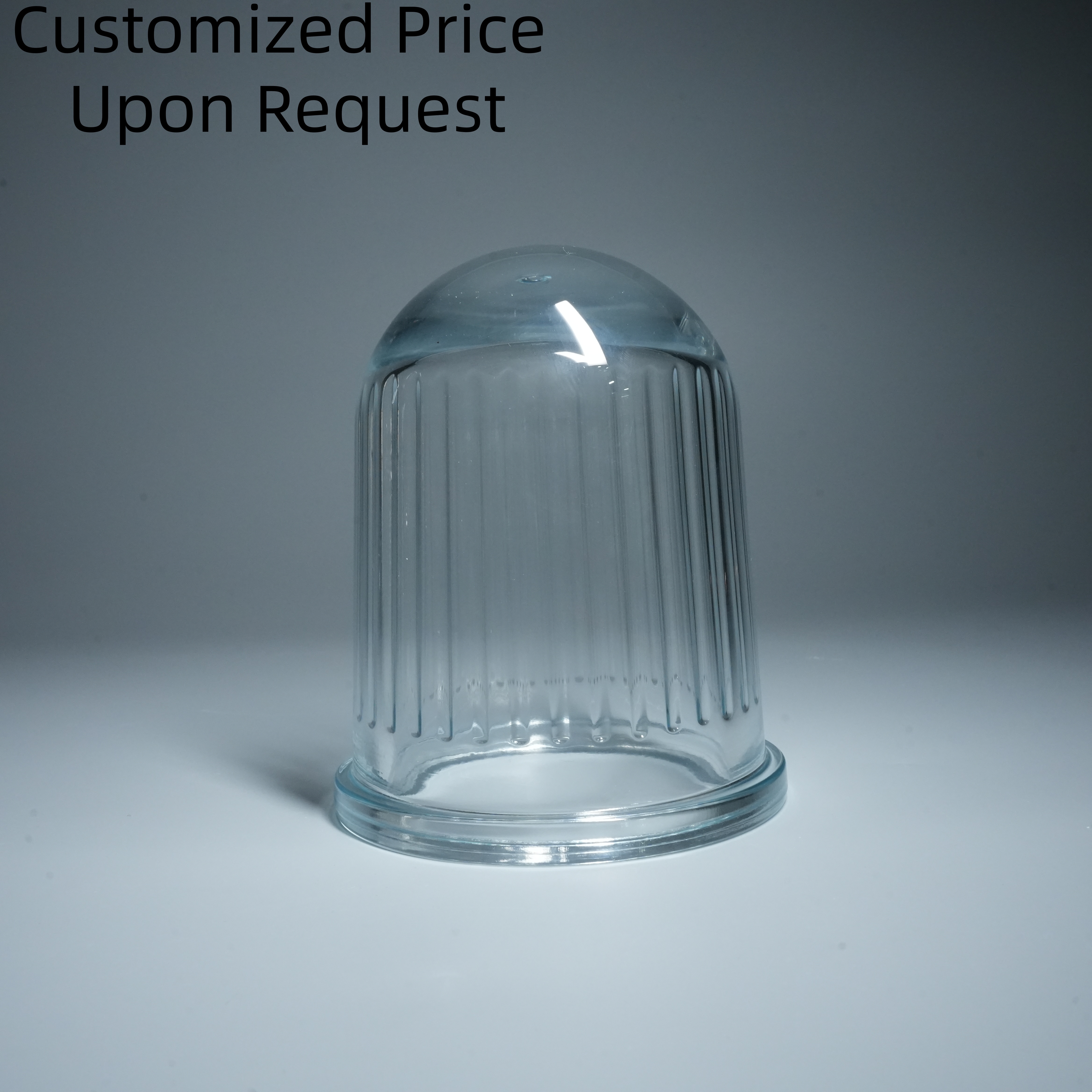
Borosilicate Transparent Explosion-proof Shade, Heat-resistant & Crack-proof
Transparent protective cover for high-temperature industrial luminaires where thermal shock and impact resistance matter.
View product
FAA Compliant Borosilicate Heat Resistant Glass Lens for Runway Lights
Clear optical glass lens for in-pavement and taxiway fixtures requiring IP68 assembly support.
View product
Custom Precision Optical BK7 / Quartz Glass Lens, 1–200 mm Project Range
Spherical, half-ball, concave and biconvex formats with anti-reflective coating options for OEM optical assemblies.
View product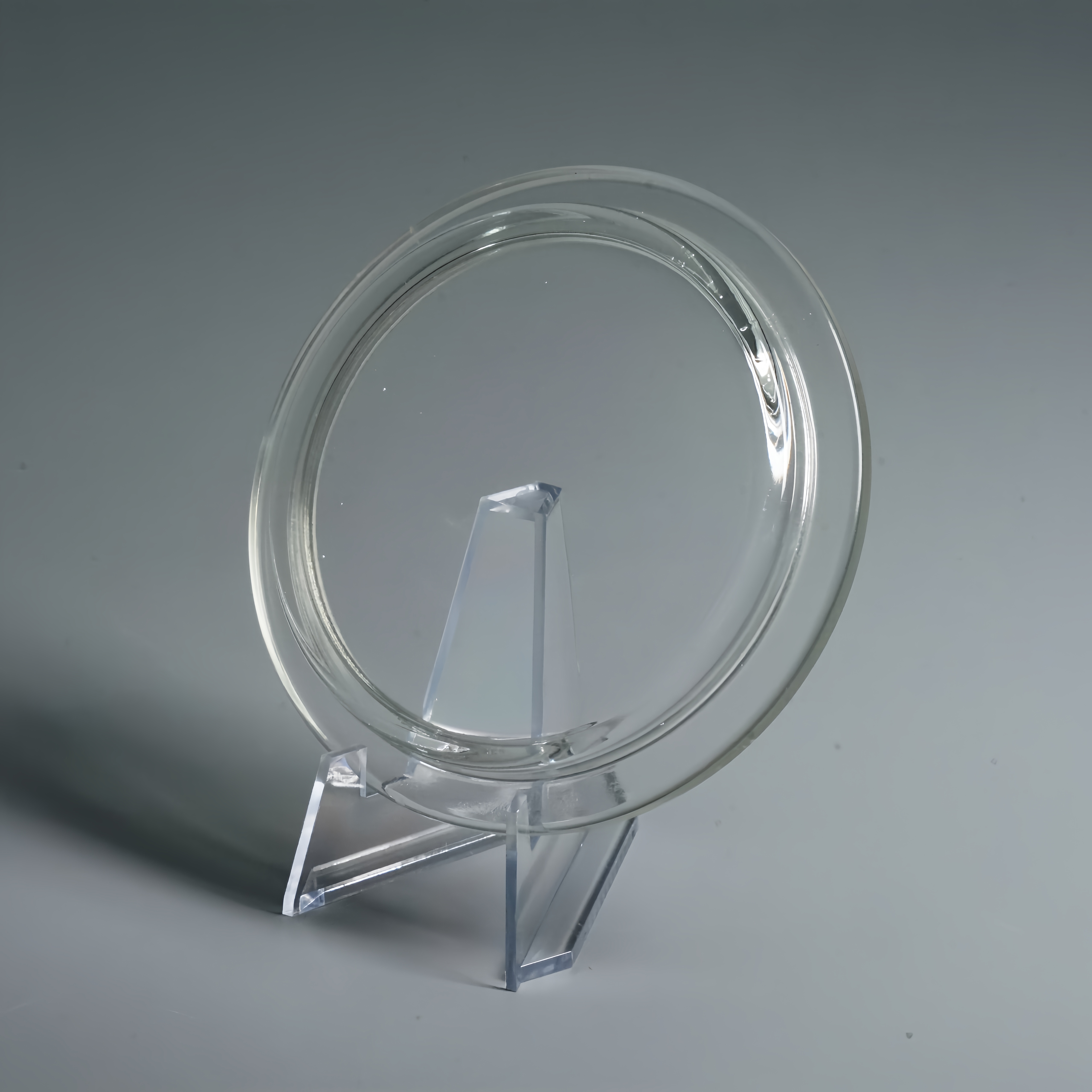
Custom Coastal Victorian Outdoor Stage Glass Lampshade
Waterproof, high-temperature and impact-resistant lampshade format with silk-printable surface options.
View product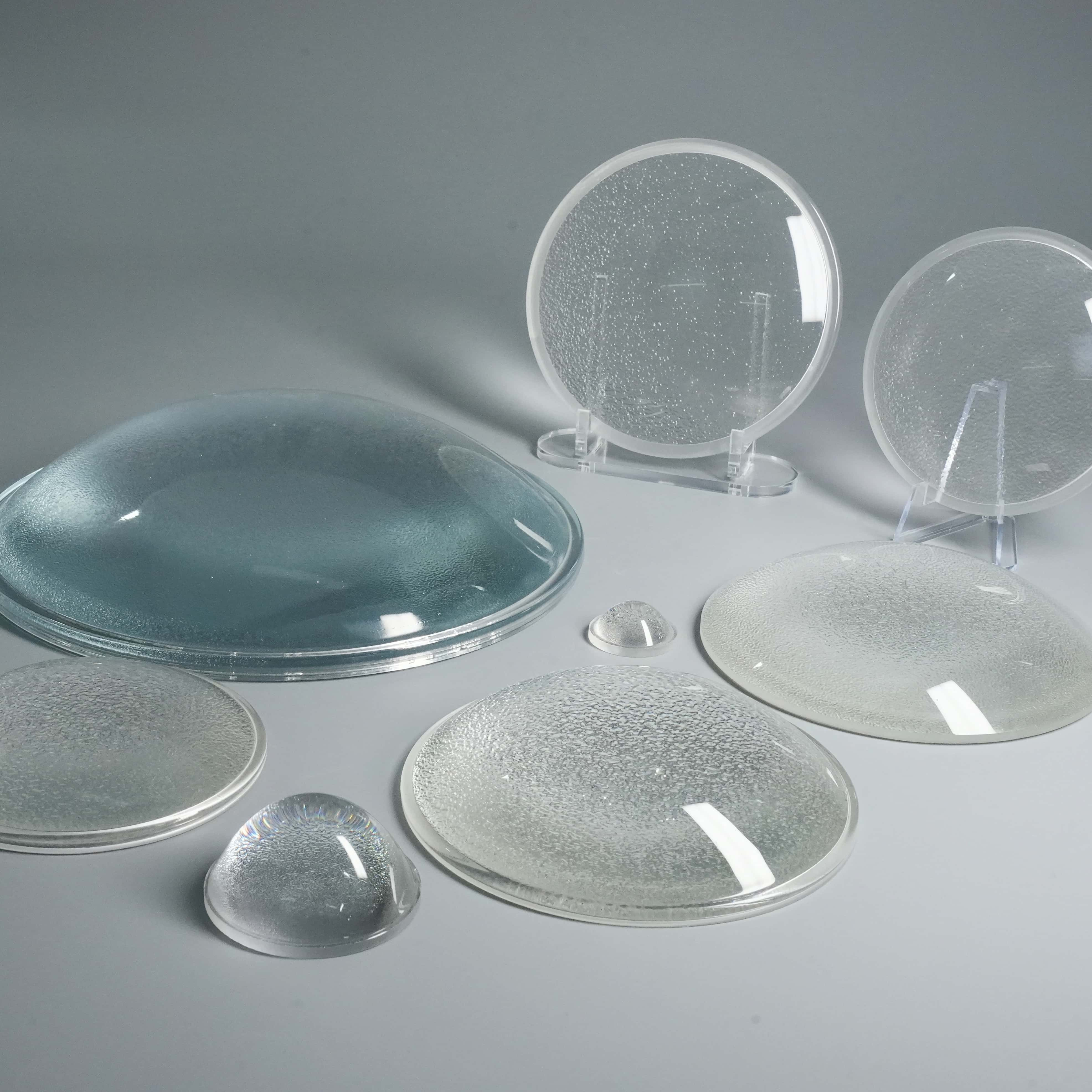
Asymmetric Borosilicate LED Lens for Roadway and Street Lighting
OEM glass lens designed to reduce light pollution and glare while supporting UV protection in outdoor fixtures.
View product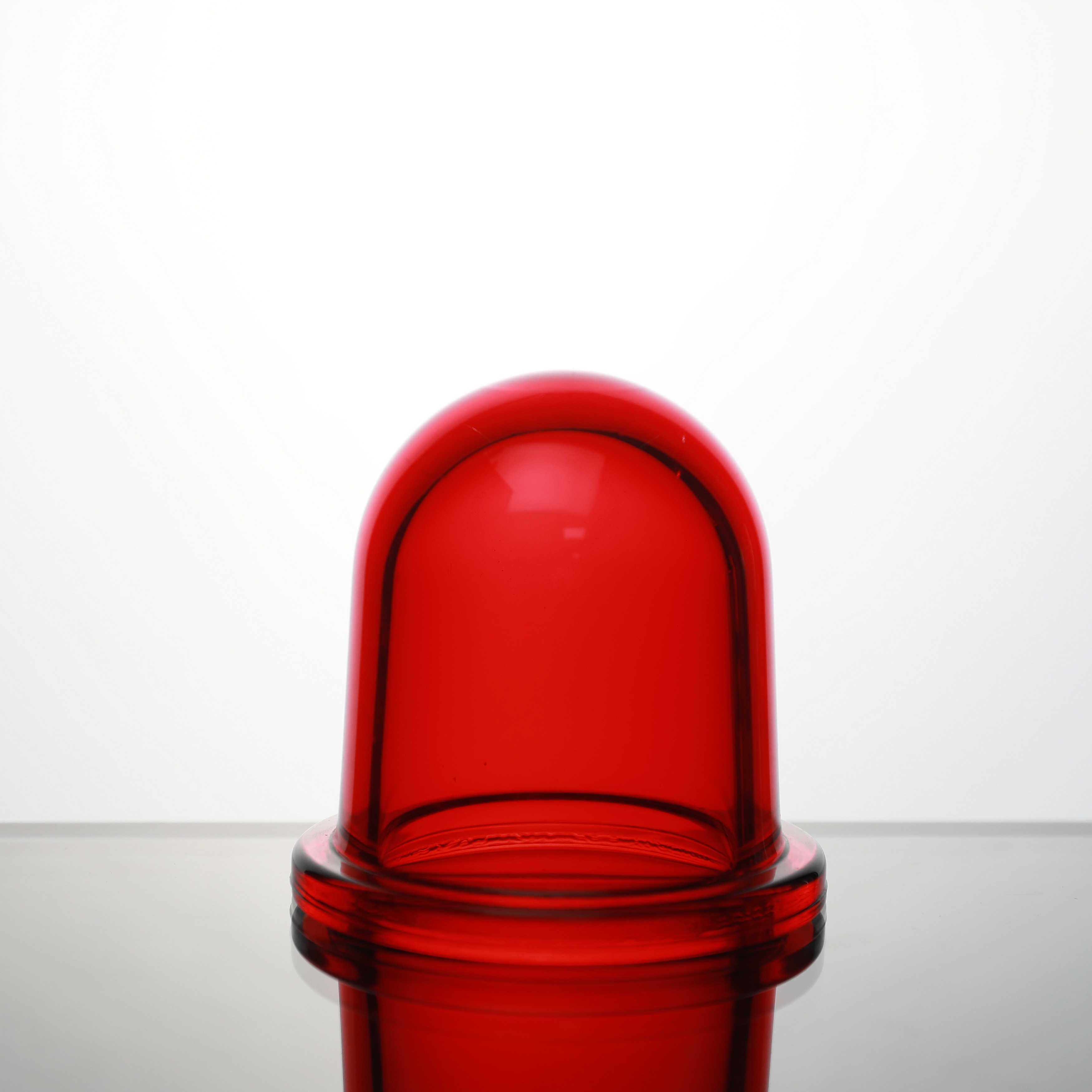
Custom Clear Borosilicate Explosion-Proof Glass Light Cover
Custom-size clear cover for industrial, airport and outdoor fixtures needing thermal-shock resistance.
View product
OEM High-Precision Borosilicate / Fused Silica Optical Window
Coated glass window with high transmittance for sensing, instrumentation and high-pressure optical housings.
View product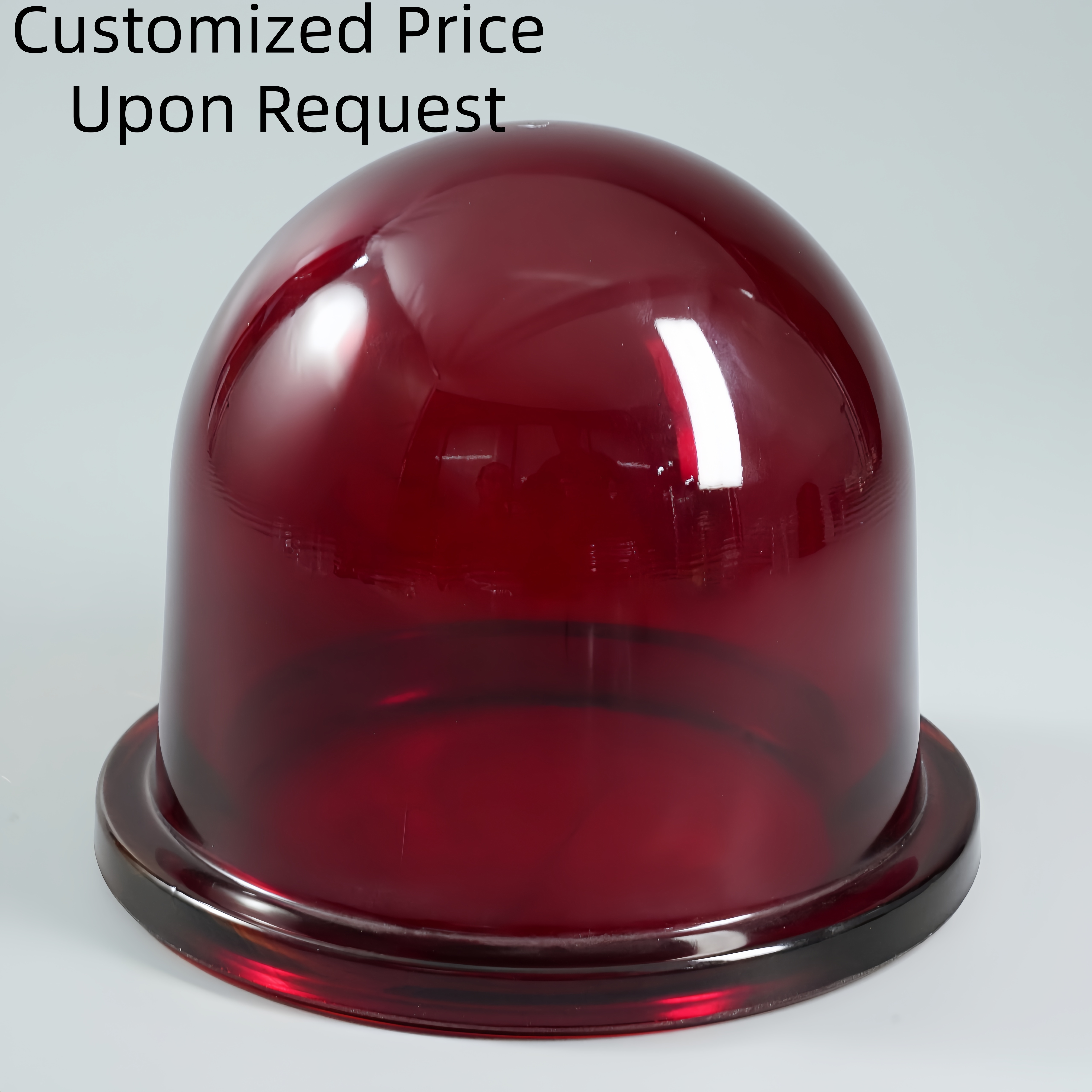
High-Temperature Resistant Pressed Glass Shade for Outdoor Street Lights
Pressed glass shade with explosion-proof and crack-proof characteristics for street-light-specific housings.
View productCustom OEM Rod Lens Engineering: From Optical Intent to Manufacturable Glass
A rod lens is a cylindrical glass optic that focuses, collimates or shapes light along one axis. In industrial practice, the term also covers custom cylindrical lenses, hemispherical windows, light-pipe optics and protective glass components used in line-scan imaging, laser collimation, LED line lighting and sensor windows.
The commercial risk in a custom rod lens program is rarely the first drawing. It is the transition from a sample that works to a repeatable production lot that still meets optical axis, dimensional tolerance, coating durability and sealing requirements. That is why an experienced OEM glass manufacturer starts with a design-for-manufacture review rather than a price list. Glass grade, wall thickness, edge quality, annealing cycle, coating stack and packing method all influence field performance.
For procurement teams, the most reliable RFQ is explicit about performance rather than shape alone. Use the checklist below to reduce back-and-forth and to help suppliers recommend the right material and process route.
- Optical function: focal length or cylindrical radius, numerical aperture, working distance, transmission band and coating target.
- Mechanical interface: outer diameter, length, chamfer, flatness, concentricity, cylindricity, sealing face and gasket contact area.
- Material and environment: BK7, borosilicate 3.3, fused silica or tempered soda-lime; maximum surface temperature, thermal shock, humidity, salt spray and chemical exposure.
- Compliance evidence: fixture standard, material report, dimensional inspection report, visual acceptance criteria and packaging validation.
- Commercial parameters: annual volume, sample quantity, mold ownership, lead time, change-control process and total cost of ownership.
Our Shanghai-based engineering team reviews every drawing for wall thickness, draft, sealing faces and optical path alignment before tooling starts. The goal is simple: identify manufacturability risks while they are still inexpensive to correct.
A Technical Procurement Snapshot
Procurement teams rarely buy technical glass on piece price alone. These verified company profile figures summarize the operating base behind our drawing-led production.
Why Tambi Glass Is a Practical Partner for OEM Rod Lens and Glass Components
Shanghai Tambi Glass Industrial Co., Ltd. supplies custom glass components to lighting and optical OEMs worldwide. For more than a decade, the company has focused on how glass performs inside real luminaires and instruments, not only how it looks on a drawing.



Our design team of senior lighting and molding engineers reviews drawings for wall thickness, draft, sealing faces and optical path alignment before tooling begins. We work with long-term partners in Europe, North America and Japan, combining pressed, blown, ground and coated processes under one supply chain.
- Drawing-based OEM / ODM
- Borosilicate, tempered, quartz and BK7
- AR and optical coatings
- Onsite-verified supplier
- Export packing and labeling
- Material and inspection reports on request
Independent verification records help procurement teams complete supplier qualification faster. Buyers can review our supplier assessment, credit index, transaction level, trade capacity, trade history and buyer feedback before requesting samples.
Drawing-Led DFM Review
Engineering comments on thickness, draft, tolerance, sealing faces and optical alignment before mold investment.
Material Breadth
Borosilicate 3.3, tempered soda-lime, fused quartz and BK7 selected against temperature, impact and transmission needs.
One Process Chain
Pressed, blown, ground and coated production routes coordinated under one supply chain for fewer hand-offs.
Coating and Optical Control
AR coating, color matching, transmission targets and visual inspection aligned to the application specification.
Export-Ready Response
Average response within 6 hours, with packing plans using foam or pulp dividers, reinforced cartons and pallets.
Audit-Ready Transparency
Onsite verification, trade records and buyer feedback give procurement a documented starting point for qualification.
Material Selection Matrix for Rod Lenses, Optical Windows and Protective Covers
Selecting the correct glass early avoids cracked covers, unstable optics and costly field returns. The comparison below reflects the engineering logic we apply when reviewing new projects.
| Material | Thermal expansion | Typical max. working temperature | Key strength | Best fit | Procurement caution |
|---|---|---|---|---|---|
| Borosilicate 3.3 | ≈3.3 ×10⁻⁶/K | ≈450 °C | Excellent thermal-shock resistance | Explosion-proof shades, high-power LED covers, Fresnel lenses | Confirm sealing method and wall-thickness uniformity |
| Tempered soda-lime | ≈9.0 ×10⁻⁶/K | ≈250 °C | High impact strength and economical cost | Outdoor covers, floodlight glass, vandal-resistant lenses | Thermal shock limits are lower; avoid high-power heat concentration |
| Fused quartz | ≈0.55 ×10⁻⁶/K | ≈1000 °C+ | UV transmission and extreme heat capability | UV optics, high-temperature windows, sensing windows | Higher cost; confirm coating compatibility and lead time |
| BK7 optical glass | ≈7.1 ×10⁻⁶/K | ≈300 °C | Homogeneous optical properties; nd ≈1.517 | Precision lenses, prisms, mirrors, bandpass filters | Requires careful optical-axis and surface-quality definition |
Values are typical references for early engineering discussion. Final specification is confirmed against the drawing, lamp surface temperature, impact rating, coating stack and the standard the finished fixture must meet.
Product Development Trends Shaping Custom Rod Lens and Precision Glass Optics
The next generation of lighting, sensing and industrial equipment is pushing glass components toward higher power density, tighter optical control and more integrated assembly.
Higher Power Density
High-power LED and laser modules demand glass that resists thermal gradients, keeps transmission stable and avoids stress cracking under repeated heating.
Miniaturization
Compact rod lenses, micro windows and small-diameter domes are increasingly specified for line-scan cameras, medical devices and compact sensors.
Coating Durability
AR, bandpass and protective coatings are moving from lab performance to long-term humidity, salt-spray and cleaning resistance.
Integrated Optical Modules
Buyers increasingly prefer a qualified glass part plus coating, inspection and packaging data rather than loose components.
LiDAR and Machine Vision
Hemispherical windows, rod lenses and prisms are being specified for 3D sensing, robotics and industrial inspection systems.
Sustainability and Traceability
Material declarations, recyclable packaging, energy-efficient furnaces and batch traceability are becoming part of supplier evaluation.
What OEM Buyers Will Expect from a Rod Lens Exporter
Price per piece remains important, but resilient supply chains and documented quality are changing how custom glass suppliers are selected.
Dual Sourcing and Resilience
Buyers will expect clear tooling ownership, backup process routes and realistic lead times so a single mold or coating step cannot stop an assembly line.
Audit-Ready Traceability
Batch records, inspection data, material certificates and change-control notices will be requested before purchase orders, not after delivery.
Total Cost of Ownership
The lowest quote can become expensive when breakage, coating loss or field returns appear. Buyers will compare yield, packing and service response.
Digital-First Sampling
Fast RFQ review, 3D drawing comments, photo/video inspection and online technical calls will shorten the sample loop between engineering teams.
A practical response is to build a qualification file for each critical glass part: approved drawing, material grade, coating specification, sample report, packaging method and change-control contact. This file protects both the buyer and the production team.
Where Custom Glass Components Must Perform
Every application stresses glass differently. We specify material and processing from operating conditions, not from a catalog.
Airport and Aviation
Obstruction, runway edge and in-pavement light lenses with stable red and clear transmission.
Marine and Offshore
Handblown and pressed covers for navigation and ship signal lights exposed to salt spray.
Oil, Gas and Chemical
Explosion-proof lampshades and emergency light enclosures for hazardous and corrosive zones.
Stage and Entertainment
Fresnel, prism and effect lenses that survive the heat of high-power LED modules.
Automotive and Outdoor LED
Projection lenses, IP68 lenses and reflectors for headlights, floodlights and street lighting.
LiDAR and Scientific
Pressure-rated domes, hemispherical windows, prisms and bandpass filters for sensing systems.
Food and Medical Equipment
Chemically resistant sight glasses and covers for machinery that is washed down frequently.
Horticulture Lighting
AR-coated convex lenses that keep full-spectrum LED output efficient in indoor farms.
A Controlled Six-Step OEM Workflow
Clear checkpoints mean fewer surprises between sample approval and mass production.
Drawing Review
DFM check of thickness, draft, tolerance, sealing face and optical-axis requirements.
Mold and Tooling
New or existing molds selected for pressing, blowing, grinding or precision optical processing.
Sampling
Samples measured and sent for your fit, light, transmission or environmental test.
Forming and Annealing
Controlled annealing or tempering to relieve stress and stabilize the production lot.
Coating and QC
AR or color coating, dimensional verification, visual inspection and report preparation.
Export Packing
Divider-packed cartons, reinforced export boxes and palletized packing for sea or air freight.
For fixture makers whose products are designed around FAA L-810 or EN 50293 requirements, we match color, transmission and dimensional specifications and can provide material and inspection reports on request. Fixture certification is held by the luminaire manufacturer.
Frequently Asked Questions from Rod Lens and Lighting Glass Buyers
These are the technical and commercial questions our export team answers most often during supplier qualification.
Can you manufacture glass covers and lenses to my own drawing?
Yes. Most orders are drawing-based. Send a 2D or 3D drawing, or a physical sample, with dimensions, tolerance, material, color, coating and annual volume. Our engineers review manufacturability, propose mold options and confirm samples before mass production.
What is the typical minimum order quantity?
Typical MOQs range from about 50 pieces for optical lenses to 100–500 pieces for pressed or blown lighting covers, depending on whether an existing mold can be used. Sample quantities are available for evaluation.
Should I choose borosilicate glass or tempered soda-lime glass?
Borosilicate 3.3 has low thermal expansion, so it tolerates high lamp temperatures and sudden rain or cold-water contact better. Tempered soda-lime glass offers high impact strength at lower cost for moderate temperatures. The right choice depends on surface temperature, impact rating and fixture certification.
Do you supply glass for FAA L-810 and EN 50293 lighting fixtures?
We produce glass lenses and domes for fixture makers whose obstruction and signal lights are designed to FAA L-810 or EN 50293 requirements. Fixture certification is held by the luminaire manufacturer; we match color, transmission and dimensional specifications and can provide material and inspection reports on request.
How fast do you reply to technical inquiries?
Our average response time is within 6 hours. Email info@tambiglass.com with your drawing, annual volume and operating conditions for a technical and commercial review.
How are fragile glass parts packed for export?
Parts are separated by foam or pulp dividers, packed in reinforced export cartons and palletized for sea or air freight. Custom packaging and labeling for distributors can be arranged.
Send Your Drawing for a 6-Hour Engineering Review
Share dimensions, material preference, operating temperature, annual volume and coating requirements. Our engineers will suggest a reliable glass solution for your fixture, instrument or sensor assembly.
Inquire Now