Precision Glass and Optical Parts That Support Meniscus Lens Programs
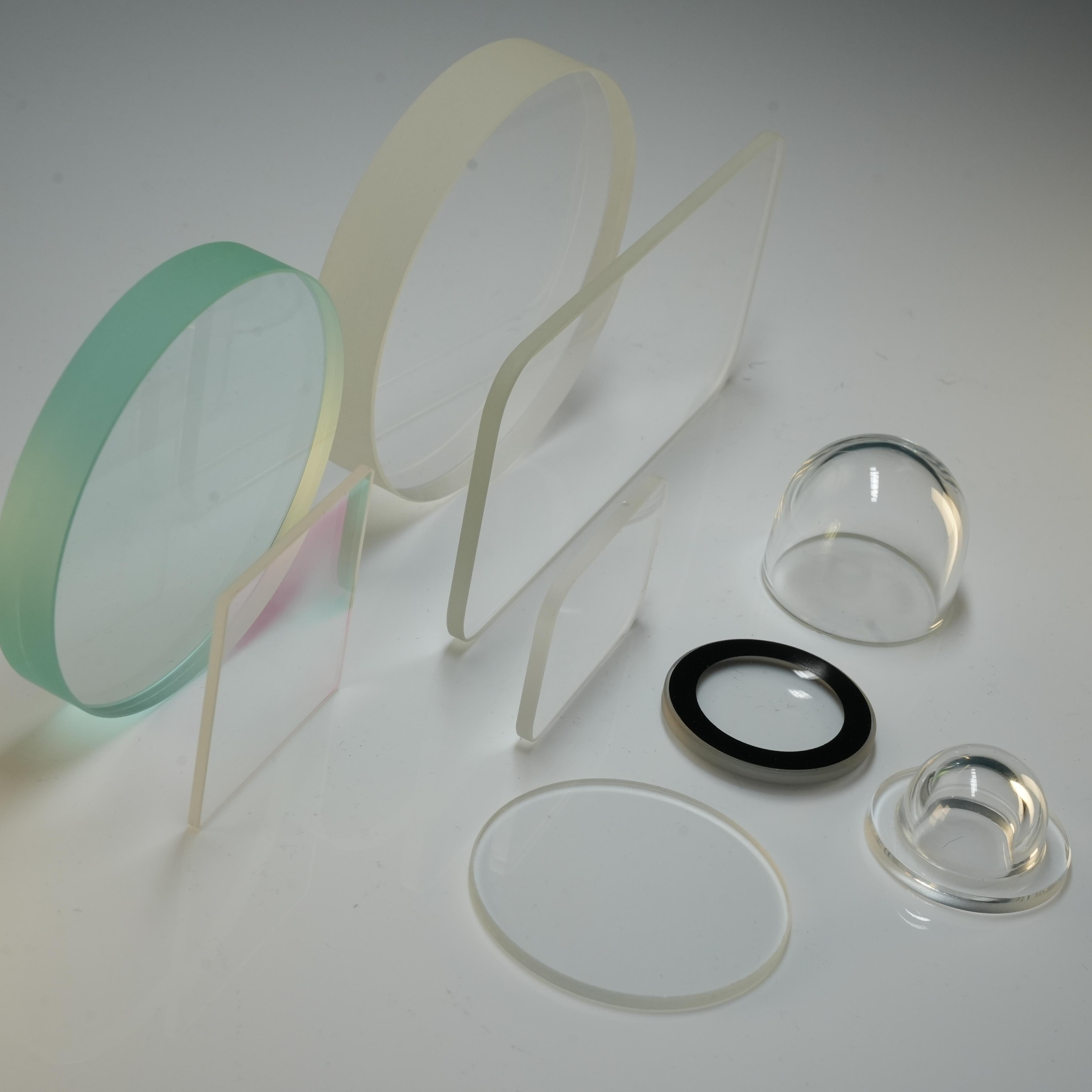
A custom meniscus lens rarely stands alone. It is usually part of an optical-mechanical stack that also needs windows, filters, domes, prisms or protective covers. The eight products below illustrate the adjacent capabilities we coordinate for OEM buyers. If your requirement is a custom meniscus lens, send your drawing through the inquiry button and our engineers will review the optical and mechanical fit.
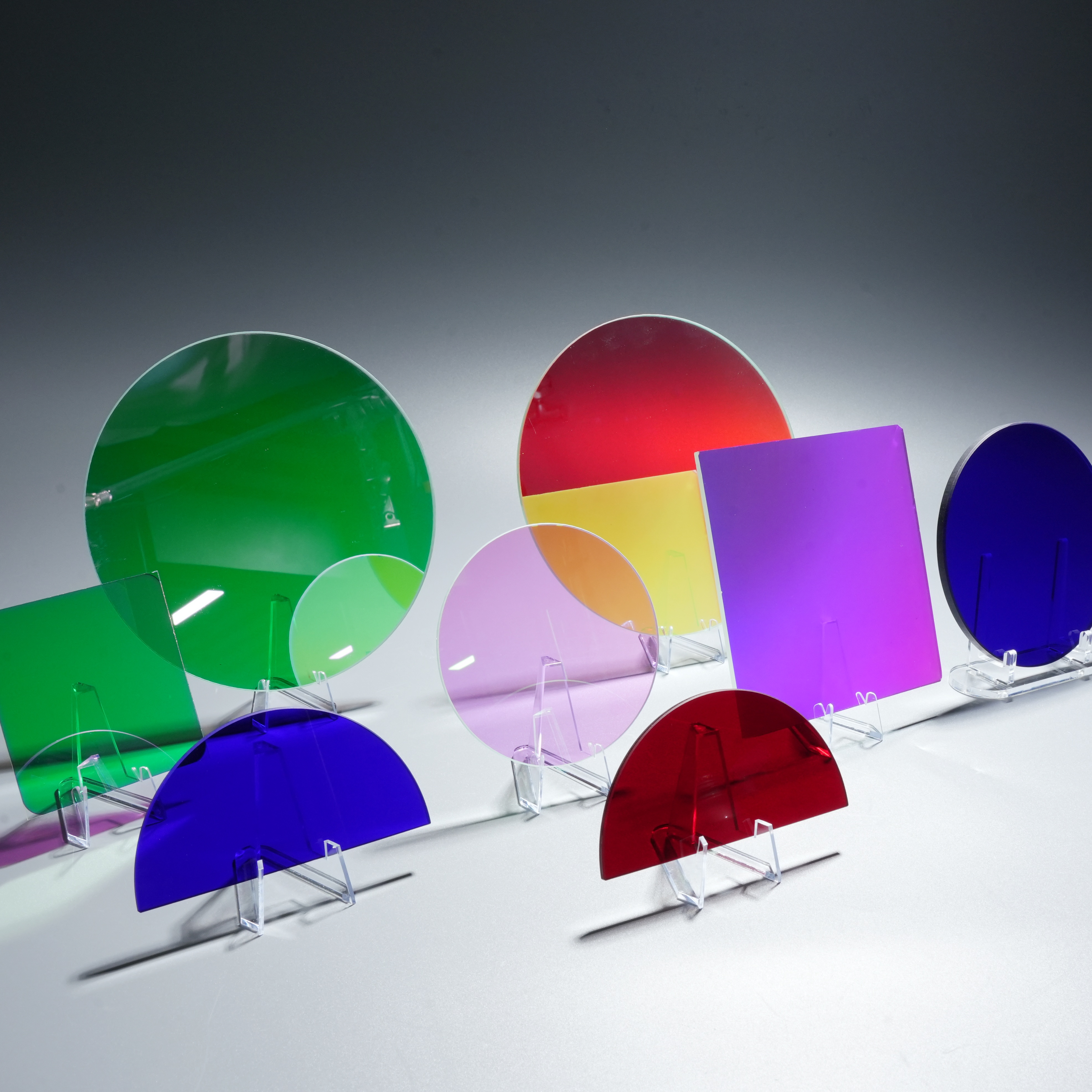
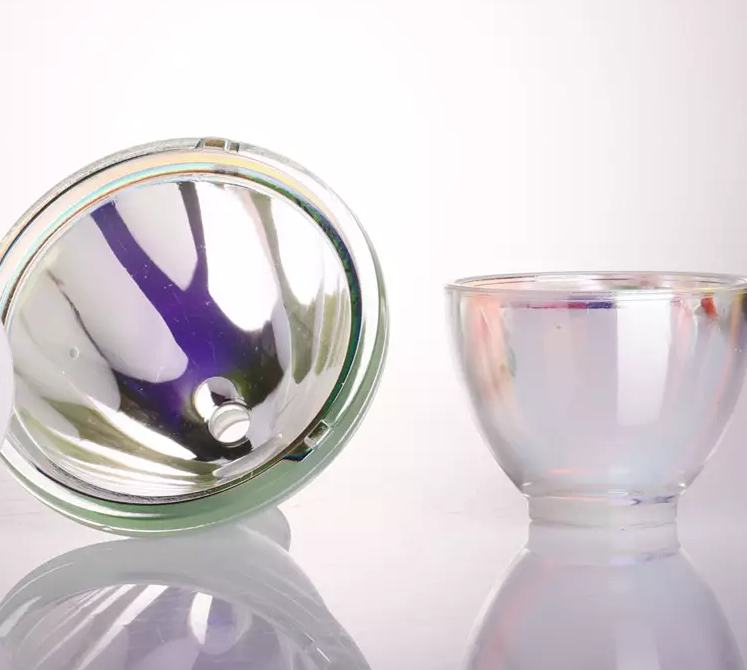

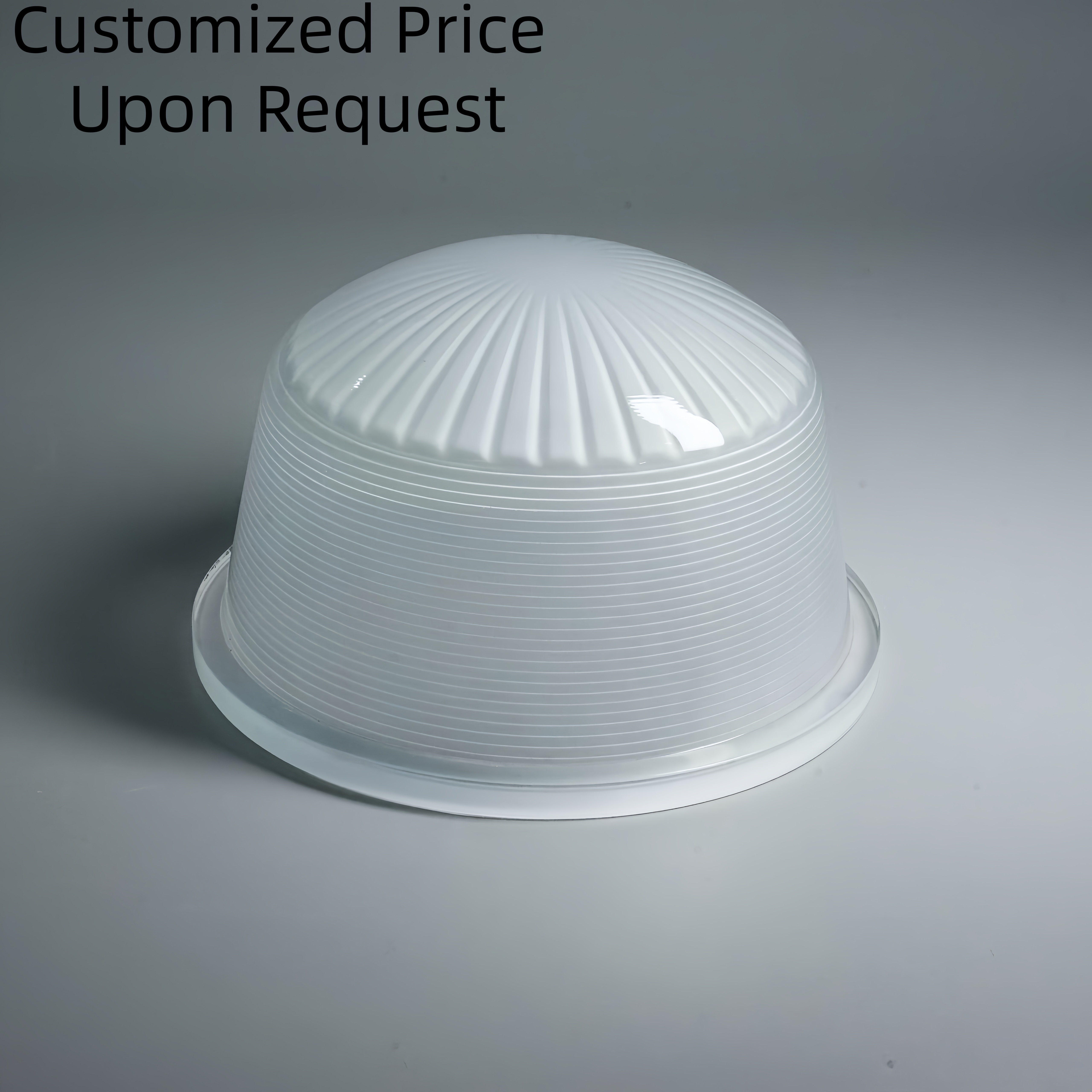
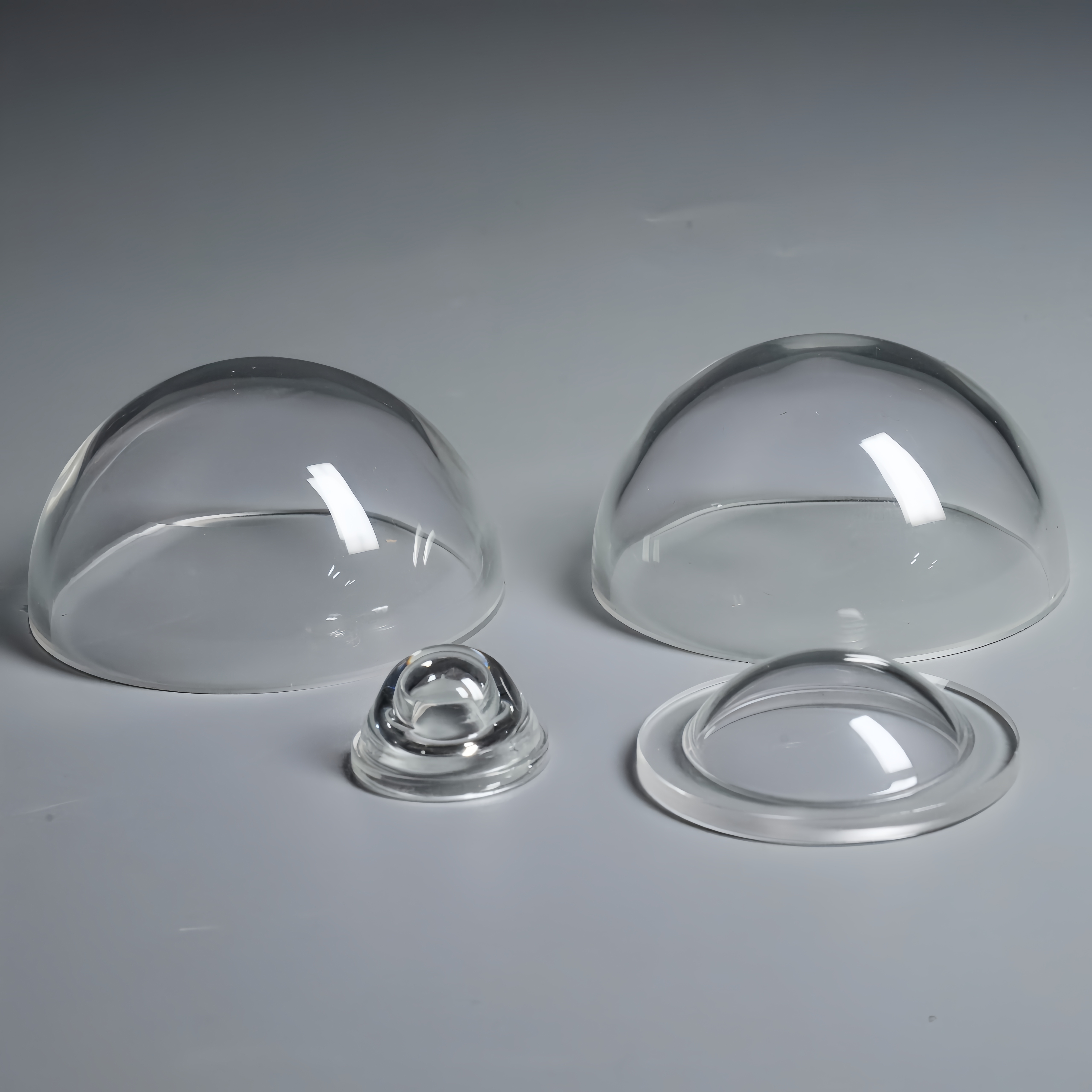

An OEM Glass Partner Built Around Drawing Review, Sampling and Repeatable Production
Shanghai Tambi Glass Industrial Co., Ltd. is a manufacturer and trading company based in Shanghai, China, with more than 10 years of experience in lighting and optical glass. Our team of 11–50 people serves lighting and optical OEMs in Europe, North America, Japan and other export markets, with annual export revenue in the US$2.5M–5M range. As an onsite-verified supplier, we support drawing-based OEM and ODM projects from initial manufacturability review through sampling, production, inspection and export packing.
For custom meniscus lenses, this operating model matters. A lens must be more than optically correct on paper: it must fit the housing, survive the installation environment, match the coating specification and remain repeatable across production lots. Our engineering team reviews every drawing for wall thickness, draft, sealing faces and optical path alignment before tooling starts. We coordinate pressed, blown, ground and coated processes under one supply chain, which helps buyers reduce hand-offs between material, forming, coating and inspection.
- Drawing-based OEM / ODM
- Borosilicate, tempered glass, fused silica, BK7
- AR and optical coating coordination
- Onsite-verified supplier with export packing experience
Six Advantages That Reduce Risk in Custom Meniscus Lens Sourcing
Custom optics sourcing is not only a price comparison. It is a chain of engineering decisions involving material, geometry, coating, inspection and logistics. The following advantages are designed for procurement teams that need fewer surprises between sample approval and volume shipment.
Drawing-Based Engineering Review
Send a 2D or 3D drawing, or a physical sample with dimensions, tolerance, material, color and coating requirements. Our engineers review manufacturability, propose mold or process options and confirm samples before mass production.
Multiple Glass and Coating Routes
We coordinate borosilicate 3.3, tempered soda-lime glass, fused quartz or silica and BK7 (H-K9L) with pressed, blown, ground and coated processes. This allows the material and process route to follow the optical function and environmental load.
Optical Performance Focus
For meniscus lens projects, the discussion should cover radius, center thickness, edge thickness, centration, surface quality, coating wavelength and the sealing or mounting interface. We translate those requirements into a practical production and inspection plan.
Audit-Ready Quality Documentation
Material and inspection reports can be provided on request. We support buyers who need dimensional records, visual inspection results and packaging checks before shipment. For fragile glass parts, foam or pulp dividers, reinforced export cartons and palletization are used.
Export Experience and Communication
Our average response time is within 6 hours. We work with long-term partners in Europe, North America and Japan, and video calls or third-party audits are welcome. Clear communication early in the project reduces delays later in the supply chain.
Scalable from Sample to Volume
Typical MOQs range from 50 pieces for optical lenses to 100–500 pieces for pressed or blown lighting covers, depending on whether an existing mold can be used. Sample quantities are available for evaluation before a volume order is released.
Meniscus Lens Engineering: Material, Coating and Tolerance Decisions
A meniscus lens has one convex surface and one concave surface. It can be positive or negative, and it is often used to control spherical aberration, focus or expand a beam, or protect a sensitive optical train. In OEM production, the lens design is only one part of the specification. The surrounding decisions determine whether the part is reliable and economical to build.
A useful way to evaluate a custom meniscus lens is to follow the order of failure risk. First, define the optical function: what wavelength, field of view, beam diameter or image quality must the lens preserve? Second, define the environmental load: operating temperature, thermal cycling, humidity, salt spray, pressure, cleaning chemicals and likely impact. Third, define the coating: anti-reflective, broadband, narrow-band or protective. Fourth, define inspection and documentation. Fifth, calculate total landed cost, including sampling, tooling, packaging and freight efficiency. This sequence prevents a common procurement mistake: selecting glass by price before the optical and environmental requirements are fully understood.
| Material | Typical role in a meniscus lens or window assembly | Thermal expansion reference | Buyer notes |
|---|---|---|---|
| BK7 / H-K9L | Visible imaging, machine vision, microscope and sensor optics | ≈ 7.1 × 10⁻⁶/K | Widely used optical glass with good homogeneity and predictable polishing behavior. |
| Fused silica / fused quartz | UV transmission, high-power laser optics, scientific instruments | ≈ 0.55 × 10⁻⁶/K | Excellent thermal stability and broad transmission; coating and inspection plan should be agreed early. |
| Borosilicate 3.3 | Protective meniscus windows, industrial covers, rugged optical assemblies | ≈ 3.3 × 10⁻⁶/K | Strong thermal-shock resistance for lighting, outdoor and industrial environments. |
| Tempered soda-lime glass | Protective windows and covers where impact strength matters more than precision imaging | ≈ 9.0 × 10⁻⁶/K | Impact-resistant and economical for moderate temperatures; not usually the first choice for high-precision imaging lenses. |
Values are typical engineering references. Final material, coating and tolerance are confirmed against your drawing, wavelength range, lamp or laser load, impact rating and the standard your fixture must meet.
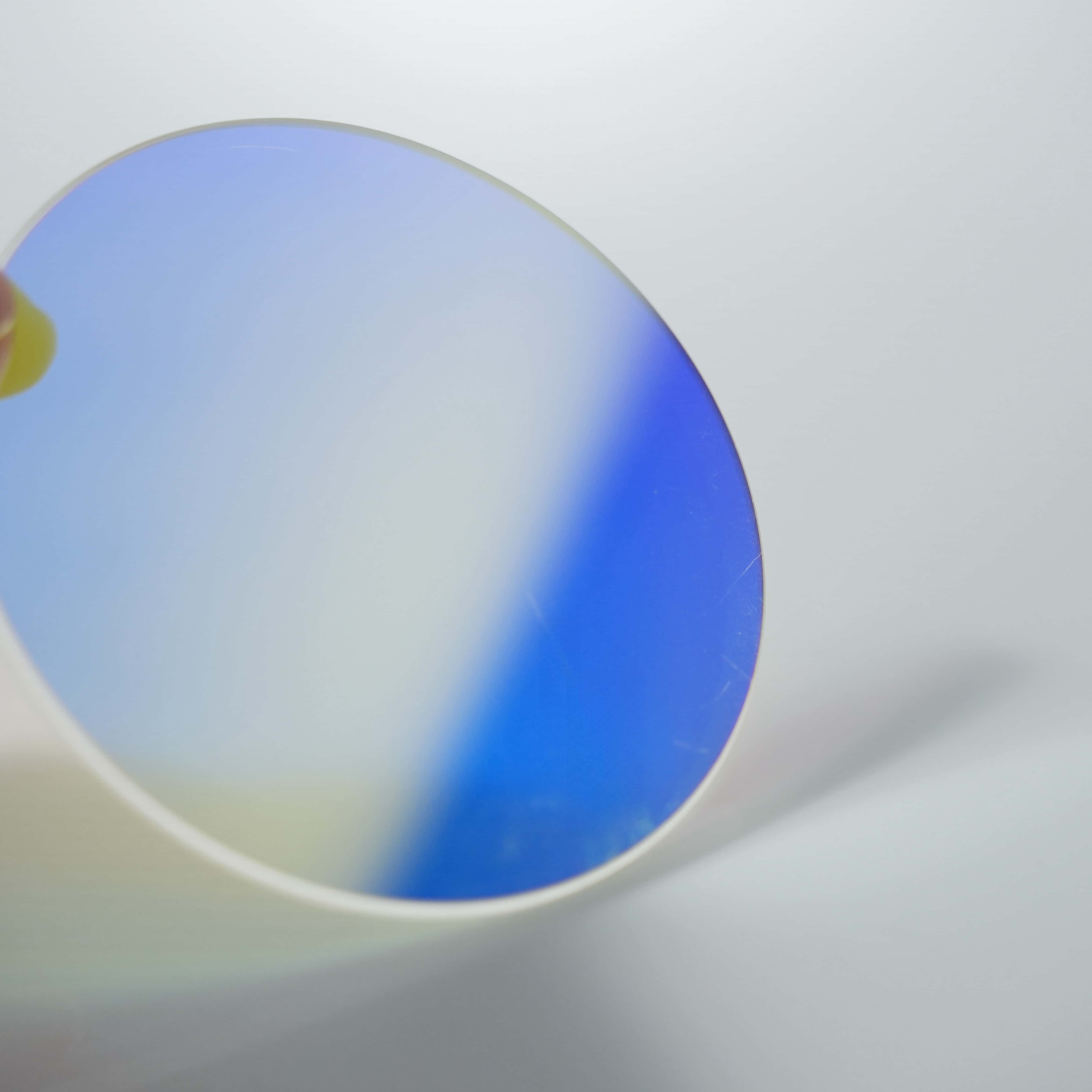
Coating is where many meniscus lens projects gain or lose performance. An anti-reflective coating can increase transmission and reduce ghost images, but the coating must be matched to the wavelength band and the angle of incidence. Broadband AR coatings are common for imaging and sensing, while narrower coatings may be preferred for laser or filter applications. Environmental durability, cleaning resistance and adhesion should be discussed in the same review as the optical curve. When a lens is used in a sealed housing, the sealing face, edge finish and thermal expansion of the glass also influence long-term reliability.
Metrology should be defined before the first production lot. Depending on the drawing, buyers may request dimensional checks, visual inspection, coating inspection, surface quality review and material records. For fragile or high-value optics, packaging is part of quality control. Parts should be separated by foam or pulp dividers, packed in reinforced export cartons and palletized for sea or air freight. Distributor-specific labels and packaging can be arranged for repeat programs.
Where Custom Meniscus Lens Technology Is Heading
Demand is shifting from simple catalog optics toward application-specific glass components. Buyers increasingly expect the lens supplier to understand the housing, coating, inspection and logistics surrounding the part.
Compact, High-NA Optical Systems
Machine vision, LiDAR and mobile sensing modules continue to shrink while demanding more light collection. Meniscus elements help designers balance aberration control, package length and numerical aperture in compact optical trains.
Application-Specific Coatings
Broadband AR, narrow-band AR and filter coatings are increasingly specified by wavelength band, angle of incidence and durability requirement rather than as a generic add-on. Coating strategy is becoming part of the optical design conversation.
Process Repeatability and Traceability
As optics move into larger programs, buyers want lot-to-lot consistency, documented inspection and clear change control. Suppliers that can connect drawing review, tooling, production and inspection data will have an advantage.
Ruggedization for Real Environments
Outdoor sensing, industrial inspection, marine systems and subsea equipment punish optical surfaces. Meniscus windows and lenses are increasingly evaluated for thermal shock, pressure, salt spray and cleaning chemicals at the design stage.
Data-Rich RFQs
Drawings, STEP files, coating curves, inspection criteria and annual volume forecasts are becoming normal parts of a serious RFQ. This reduces miscommunication and helps the factory propose the most suitable process route.
Hybrid Supply Chains
Optical buyers increasingly combine a precision lens specialist with a mechanical housing partner and a coating partner. A factory that can coordinate multiple glass processes and communicate clearly becomes a practical hub for the whole assembly.
How Procurement Teams Will Buy Custom Meniscus Lenses Next
The purchasing process is becoming more technical. Price still matters, but it is increasingly evaluated together with risk, traceability, engineering support and total landed cost.
Drawing-First RFQs
Procurement teams will send complete drawing packages rather than general descriptions. A clear RFQ includes material, wavelength, coating, tolerance, annual volume, inspection requirement and delivery destination.
Supplier Engineering Capability
Buyers will evaluate whether a supplier can challenge a drawing constructively. Early feedback on edge thickness, sealing faces, coating access or packaging can prevent expensive tooling changes later.
Dual Sourcing and Risk Management
Critical optical programs increasingly plan a qualified alternate source or a buffer inventory strategy. Documentation quality and process repeatability are central to making a second source practical.
Total Landed Cost
The lowest unit price is not always the lowest total cost. Tooling, sampling, yield, coating rework, packaging, freight damage and inspection delays all affect the real cost of a meniscus lens program.
Environmental and Packaging Requirements
Distributors and OEMs increasingly request recyclable dividers, reduced packaging waste and clear labeling. For fragile glass, packaging must balance protection with sustainability and freight efficiency.
Long-Term Collaboration
Custom optics are easier to manage when the supplier understands the product roadmap. Buyers are moving toward fewer, deeper supplier relationships for repeat programs instead of treating every order as a one-off transaction.
Where Custom Meniscus Lenses and Precision Glass Components Perform
Different applications stress optical glass in different ways. We review material and process from the operating environment, not from a generic catalog.
Machine Vision and Imaging
Visible imaging, inspection cameras, microscopy and industrial sensors that need controlled aberration and stable transmission.
LiDAR and Autonomous Systems
Protective domes, windows and lens elements for sensing modules exposed to vibration, temperature cycles and outdoor conditions.
Medical and Life Sciences
Optical windows, lenses and instrument components that require clean handling, inspection records and repeatable geometry.
Laser and Fiber Optics
Beam shaping prisms, windows and meniscus elements for laser delivery, fiber coupling and high-power optical paths.
Aerospace and Defense
Rugged optical windows and domes for harsh environments where dimensional consistency and traceability are essential.
Industrial and Hazardous Areas
Borosilicate covers, explosion-proof shades and protective optics for factories, chemical plants, airports and marine equipment.
A Controlled Six-Step OEM Process
Clear checkpoints reduce surprises between sample approval and mass production. Each step is designed to keep the optical requirement, the mechanical fit and the export schedule aligned.
Drawing Review
DFM review of thickness, draft, tolerance, sealing face, coating area and optical path alignment before tooling.
Mold and Tooling
New or existing molds for pressing, blowing or grinding, selected according to geometry, quantity and surface requirement.
Sampling
First samples are measured and sent for your fit, light, coating and assembly tests before mass production.
Forming and Annealing
Controlled forming, annealing or tempering to relieve stress and support dimensional stability in service.
Coating and QC
AR or optical coating coordination, dimensional inspection, visual checks and agreed documentation.
Export Packing
Divider-packed cartons, reinforced export packaging and palletization for sea or air freight.
Verify the Supplier Before You Release the Order
For procurement teams, supplier verification is part of risk control. The records below help buyers complete qualification with less back-and-forth.
Supplier Assessment
Third-party verification of legal status and premises. Onsite-verified supplier information is available for review.
View supplier assessment →Credit and Trade Records
Business credit, transaction level, trade capacity and trade history can be reviewed to support supplier qualification.
Review credit index →Ratings and Reviews
Feedback from buyers who have ordered from us helps new customers evaluate communication and delivery performance.
Read buyer feedback →Common Questions About Custom OEM Meniscus Lens Sourcing
These are the questions technical and procurement teams ask most often before starting a custom optical glass project.
Can you manufacture a custom meniscus lens to my own drawing?
Yes. Most orders are drawing-based. Send a 2D or 3D drawing, or a physical sample, with dimensions, tolerance, material, wavelength, coating, surface quality and annual volume. Our engineers review manufacturability, propose mold or process options and confirm samples before mass production. If the meniscus lens must fit an existing housing, include the sealing face, edge finish and mounting detail in the drawing package.
What is the typical minimum order quantity for custom optical glass?
Typical MOQs range from 50 pieces for optical lenses to 100–500 pieces for pressed or blown lighting covers, depending on whether an existing mold can be used and how much custom tooling is required. Sample quantities are available for evaluation. For a new meniscus lens program, the first step is usually a drawing review and sample quotation rather than a fixed catalog MOQ.
Which material should I choose for a meniscus lens: BK7, fused silica or borosilicate?
BK7 or H-K9L is common for visible imaging and general optical systems. Fused silica is often preferred for UV transmission, high-power laser applications or demanding thermal stability. Borosilicate 3.3 is useful for rugged protective windows and industrial covers where thermal-shock resistance is more important than the highest imaging precision. The final choice depends on wavelength, environmental load, coating and the standard your fixture must meet.
Can you provide anti-reflective and optical coatings?
Yes. We coordinate AR coatings and optical filter coatings according to the wavelength range, angle of incidence and durability requirement. Coatings can be specified together with the lens drawing so that transmission, reflection and environmental performance are reviewed as one package. If your assembly uses a filter, window or prism in the same optical path, we can review the components together.
How do you control quality before shipment?
Inspection criteria are agreed before production. Depending on the drawing, checks may include dimensions, visual appearance, coating condition and packaging review. Material and inspection reports can be provided on request. Fragile glass parts are separated by foam or pulp dividers, packed in reinforced export cartons and palletized for sea or air freight. Custom labeling for distributors can be arranged.
Do you supply glass for FAA L-810 and EN 50293 lighting fixtures?
We produce glass lenses and domes for fixture makers whose obstruction and signal lights are designed to FAA L-810 or EN 50293 requirements. Fixture certification is held by the luminaire manufacturer. We match color, transmission and dimensional specifications and can provide material and inspection reports on request. This experience with signal, airport, marine and hazardous-area lighting complements our optical component work.
How should I prepare an RFQ for a custom meniscus lens?
Include the drawing or STEP file, material preference, diameter, center thickness, edge thickness, radius, surface quality, centration requirement, coating wavelength, operating temperature, annual volume and inspection requirement. Also state the application, such as imaging, LiDAR, laser delivery or protective window, because that helps our engineers recommend a practical process route. If you have a target sample date, include it so the tooling and sampling schedule can be reviewed.
How fast do you reply to technical inquiries?
Our average response time is within 6 hours. Email info@tambiglass.com with your drawing and annual volume for a technical and commercial review, or use the Contact Us button to start the conversation. For complex optical assemblies, a short video call can be arranged to review the drawing and installation environment.
Can you support both prototype and volume production?
Yes. We support sampling, pilot quantities and volume production. The process route may change between sampling and mass production if a different mold or forming method improves repeatability. That is why drawing review and sample approval are important checkpoints. Existing molds may reduce tooling cost and lead time for repeat or family variants.
Are video calls and third-party audits welcome?
Yes. Video calls and third-party audits are welcome. We can show production, finishing, inspection and packing procedures during a remote review. For buyers who need independent verification, the supplier assessment, credit index and trade records linked above provide additional context before an order is placed.
Have a Meniscus Lens Drawing? Get an Engineering Review Within 6 Hours.
Share your dimensions, material, wavelength, coating, operating temperature and annual volume. Our engineers will review the optical and mechanical requirements and recommend a reliable glass solution for your fixture or instrument.
Email: info@tambiglass.com